Eight things goats and their wild kin really do

DC·222 Deep Cuts
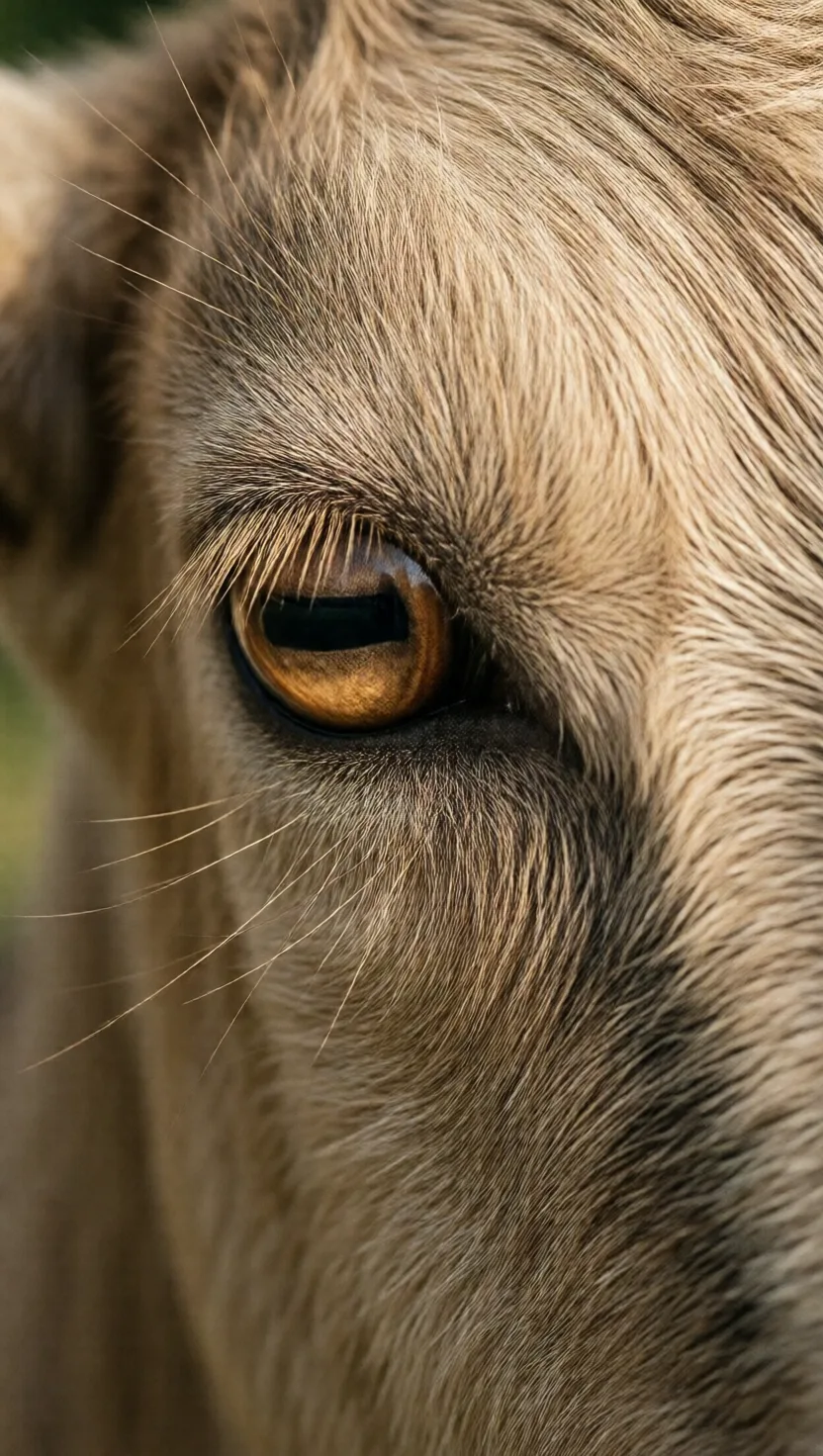
A goat's rectangular pupil stays level with the ground

A goat's rectangular pupil stays level with the ground

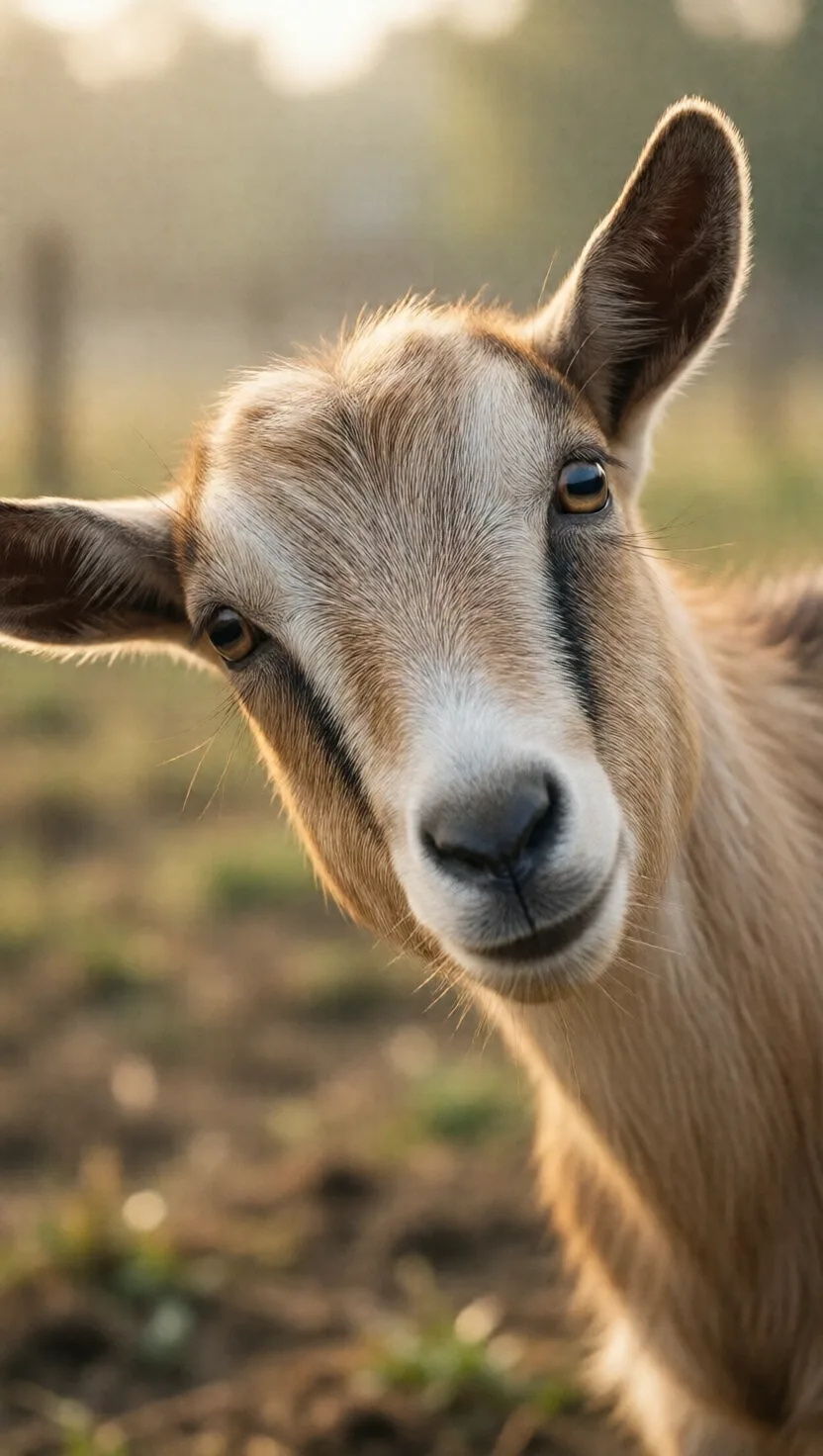
Drop your head to graze and your view of the world would tilt — but a goat's doesn't. Its horizontal slit pupil sweeps in a wide, panoramic strip, ideal for scanning the horizon for predators, and the eyeballs counter-rotate as the head lowers, each turning by up to about 50 degrees so the slot stays parallel to the ground. A 2015 vision study found the same trick in sheep, horses and deer — grazers that watch the skyline while they eat.
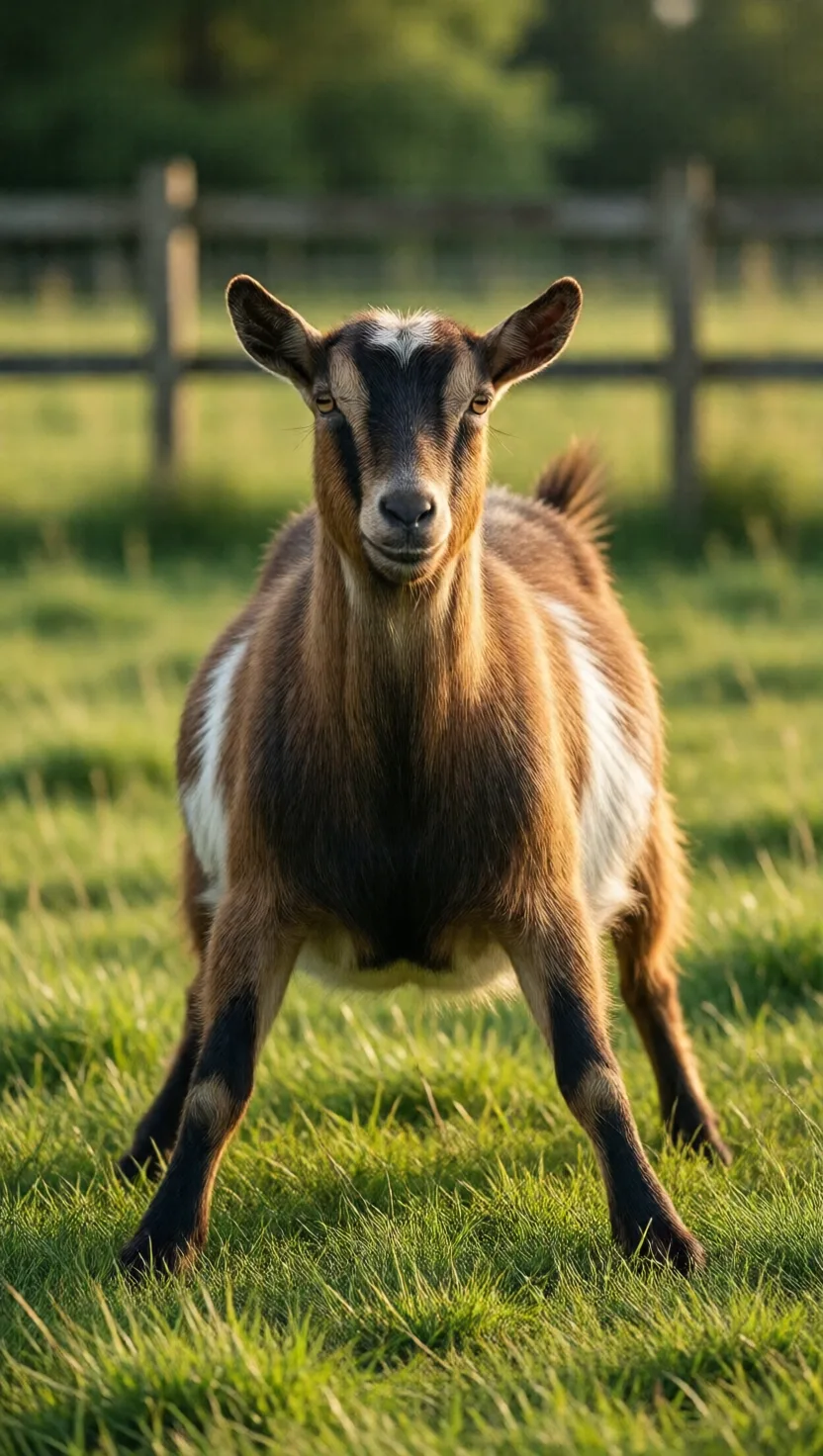
A fainting goat never faints — its muscles just lock up

A fainting goat never faints — its muscles just lock up

A 'fainting' goat never loses consciousness. It carries an inherited quirk called myotonia congenita: a mutation in a muscle chloride channel (the CLCN1 gene) that slows how fast the muscles can relax. Startle one and its legs stiffen for roughly 5 to 20 seconds and it may topple over, rigid as a plank — yet fully awake and aware the whole time. The very same channel defect causes myotonia in humans, cats and mice.
Goat kids pick up the accent of their gang

Goat kids pick up the accent of their gang

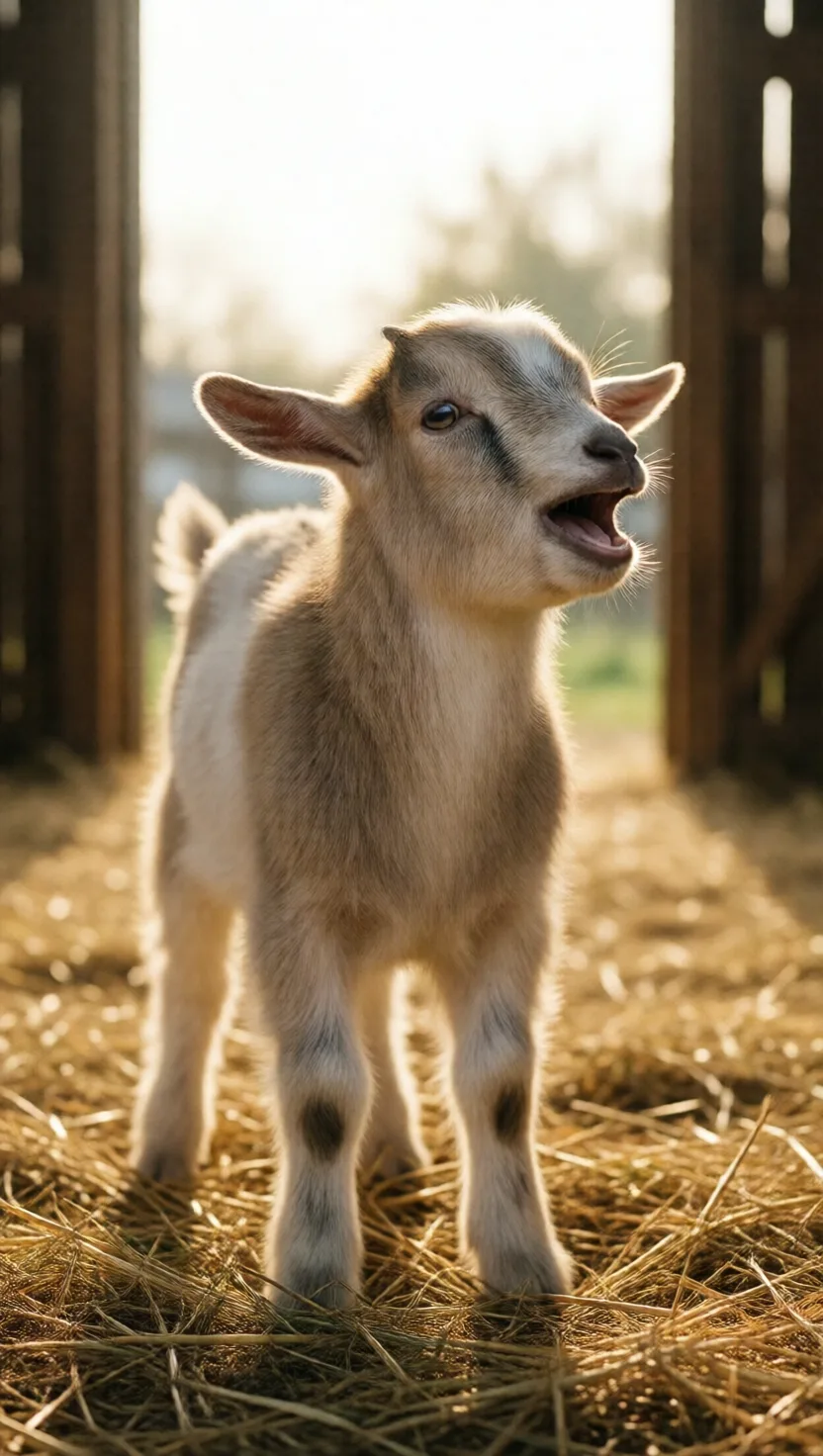
Move a goat kid to a new crowd and its voice changes to fit in. Researchers recorded pygmy goat kids that all shared one father but lived in separate groups; by five weeks old, kids raised together had drifted toward a similar bleat — a shared 'accent'. That makes goats one of the few mammals, alongside humans, bats and whales, known to reshape their calls to match the company they keep, rather than being stuck with the voice they were born with.
Goats climb thorny argan trees for the fruit

Goats climb thorny argan trees for the fruit

In the dry hills of southwestern Morocco, goats clamber several metres up into spiny argan trees, balancing on the bare branches to reach the ripe yellowish fruit when the ground runs short of forage — the trees fruit around early summer. They strip the fleshy pulp, and the hard inner kernels they leave behind were traditionally gathered to press argan oil. The climbing instinct is genuine, though some roadside tableaux are staged for passing tourists.
Alpine ibex scale a sheer dam to lick its salts

Alpine ibex scale a sheer dam to lick its salts

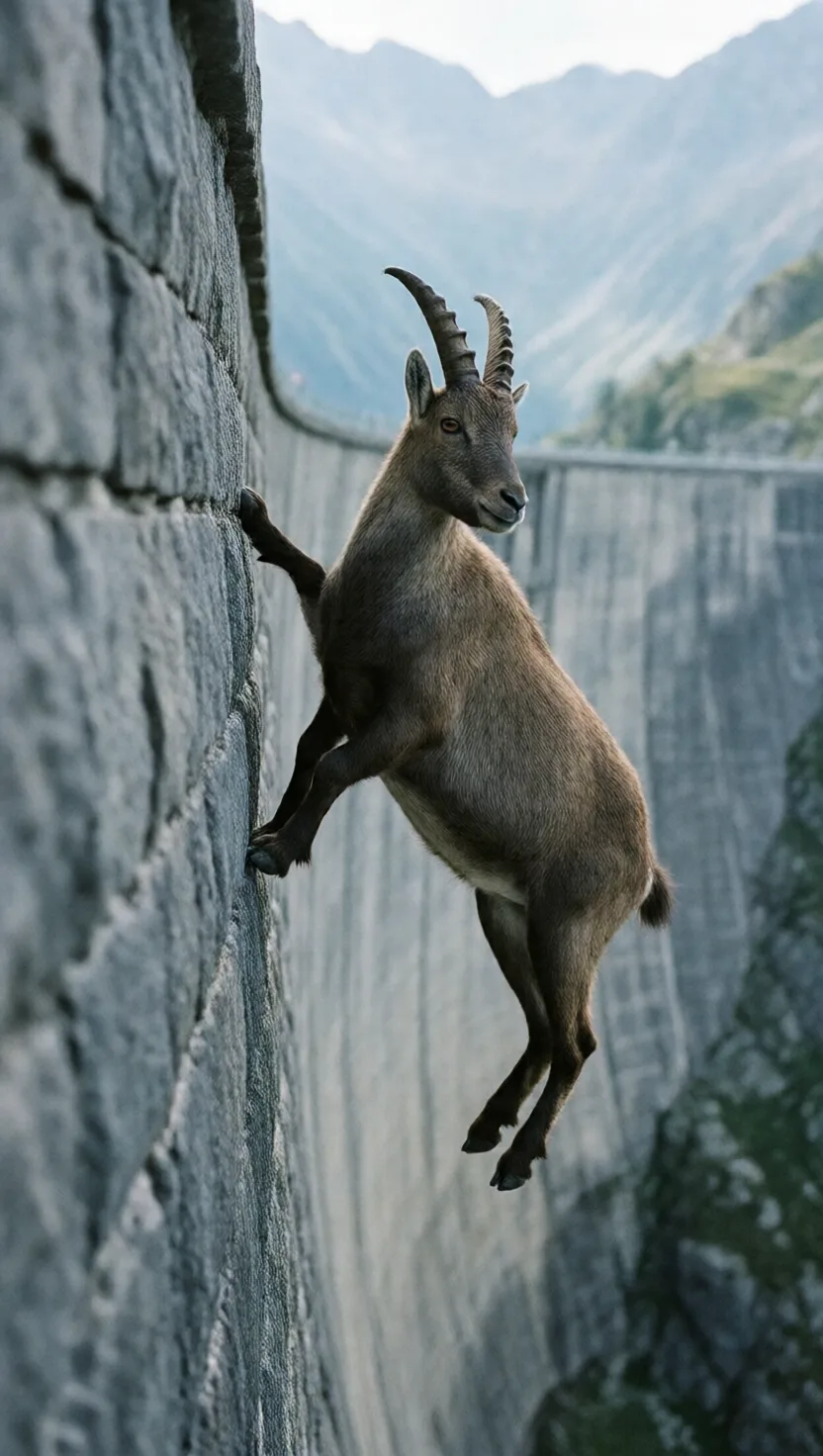
On a near-vertical concrete dam in the Italian Alps, Alpine ibex pick their way up the bare face like rock climbers, drawn by mineral salts that leach out of the stone. Their cloven hooves split into two toes with hard outer rims and soft, rubbery inner pads that grip the tiniest ledges. It is mostly females and young that make the climb; the heavy, big-horned males stay off the wall, their bulk and balance unsuited to the angle.
A stone from a goat's gut was a king's poison cure

A stone from a goat's gut was a king's poison cure

In Renaissance Europe a hard pebble called a bezoar — a mineralized mass that builds up in a goat's stomach — was prized as a universal antidote to poison, worth up to ten times its weight in gold and often locked in ornate gold settings. The name comes from a Persian word meaning 'antidote'. In 1567 a royal physician put one to the test on a poisoned prisoner; the man died, yet faith in the magical stones lingered for centuries afterward.
Goats graze poison ivy thickets and shrug it off

Goats graze poison ivy thickets and shrug it off

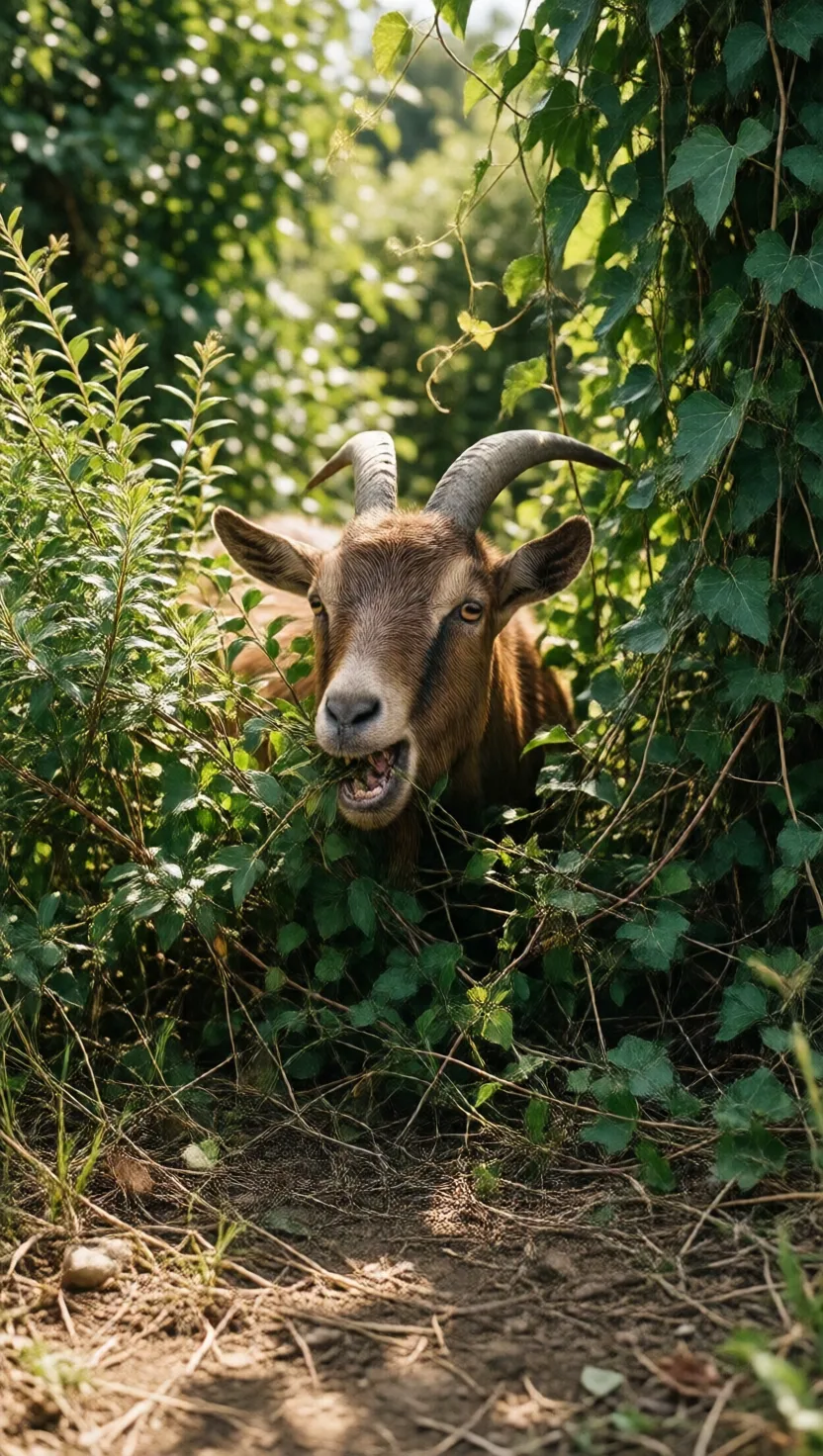
Turn goats loose on a tangle of poison ivy and they will strip it bare, untroubled by the urushiol oil that blisters human skin. As browsers, goats prefer woody shrubs and vines to grass, and rented herds now clear overgrown lots and cut firebreaks without chemicals — a single goat can eat several pounds of poison ivy a day, and the toxin does not pass into its milk. They don't dig up roots, though, so the brush eventually grows back.
Goats can read a face and head for the happy one

Goats can read a face and head for the happy one

Goats don't just tolerate people — they read us. Shown two photos of the same unfamiliar person, one smiling and one scowling, goats released into a test arena went first and lingered longer at the happy face. The 2018 finding was among the first hard evidence that a farm animal can tell human emotional expressions apart, hinting that thousands of years of domestication tuned goats to the moods of the humans they live alongside.
tap →swipe ↑ for depthswipe ↓ to exit