Eight things the common pigeon hides

DC·220 Deep Cuts
City pigeons are wild cliff-birds nesting on our walls

City pigeons are wild cliff-birds nesting on our walls

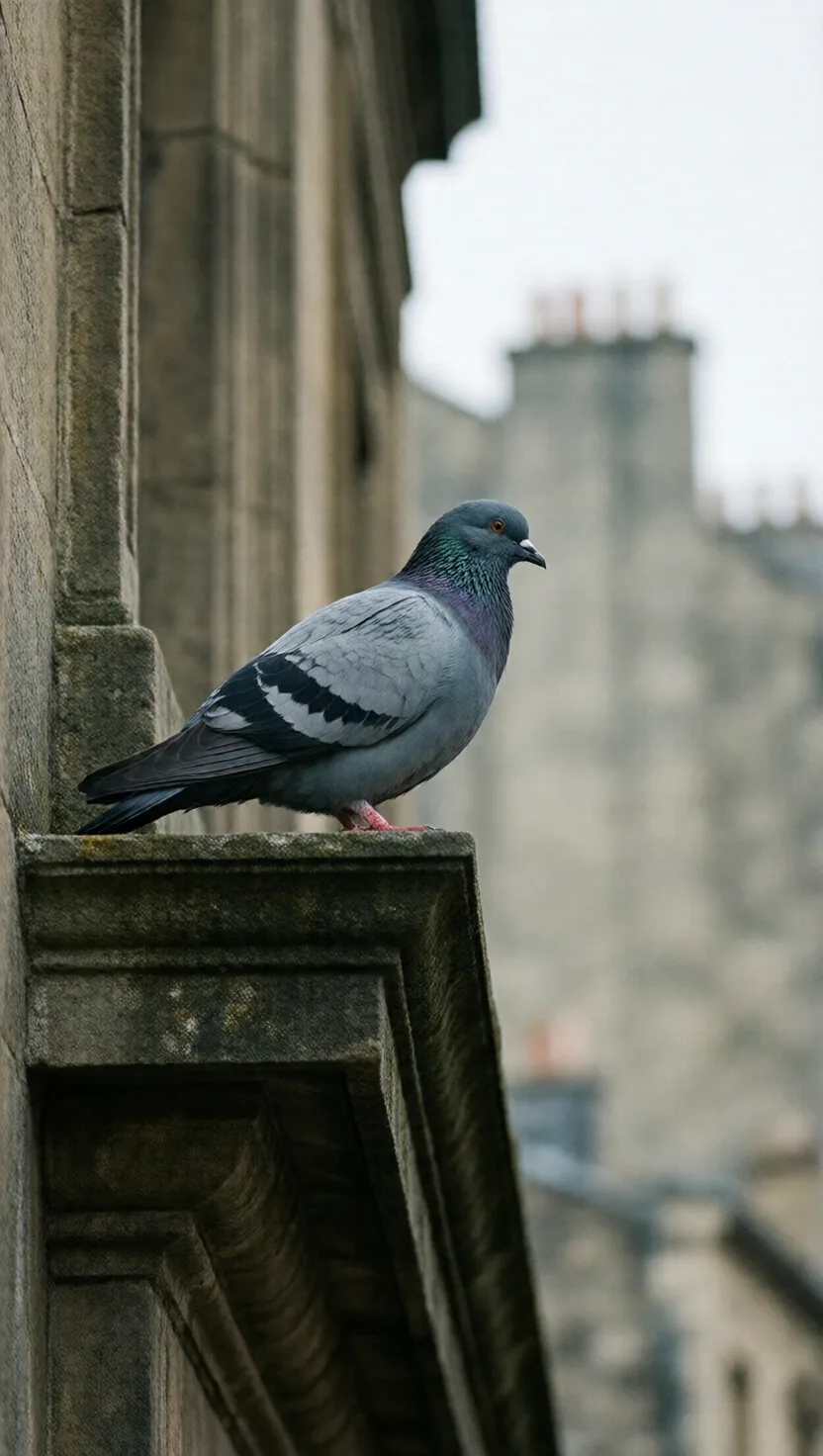
Every scruffy city pigeon is a feral rock dove — the same species that has nested on sea-cliffs and canyon ledges for millions of years. To the bird, a building is just a cliff: window ledges, bridge girders and the lips of statues stand in for the rocky crags it evolved to use. We tamed rock doves for food more than 6,000 years ago, and the ones strutting the streets are escapees that have gone wild all over again.
The dodo was just a giant flightless pigeon

The dodo was just a giant flightless pigeon

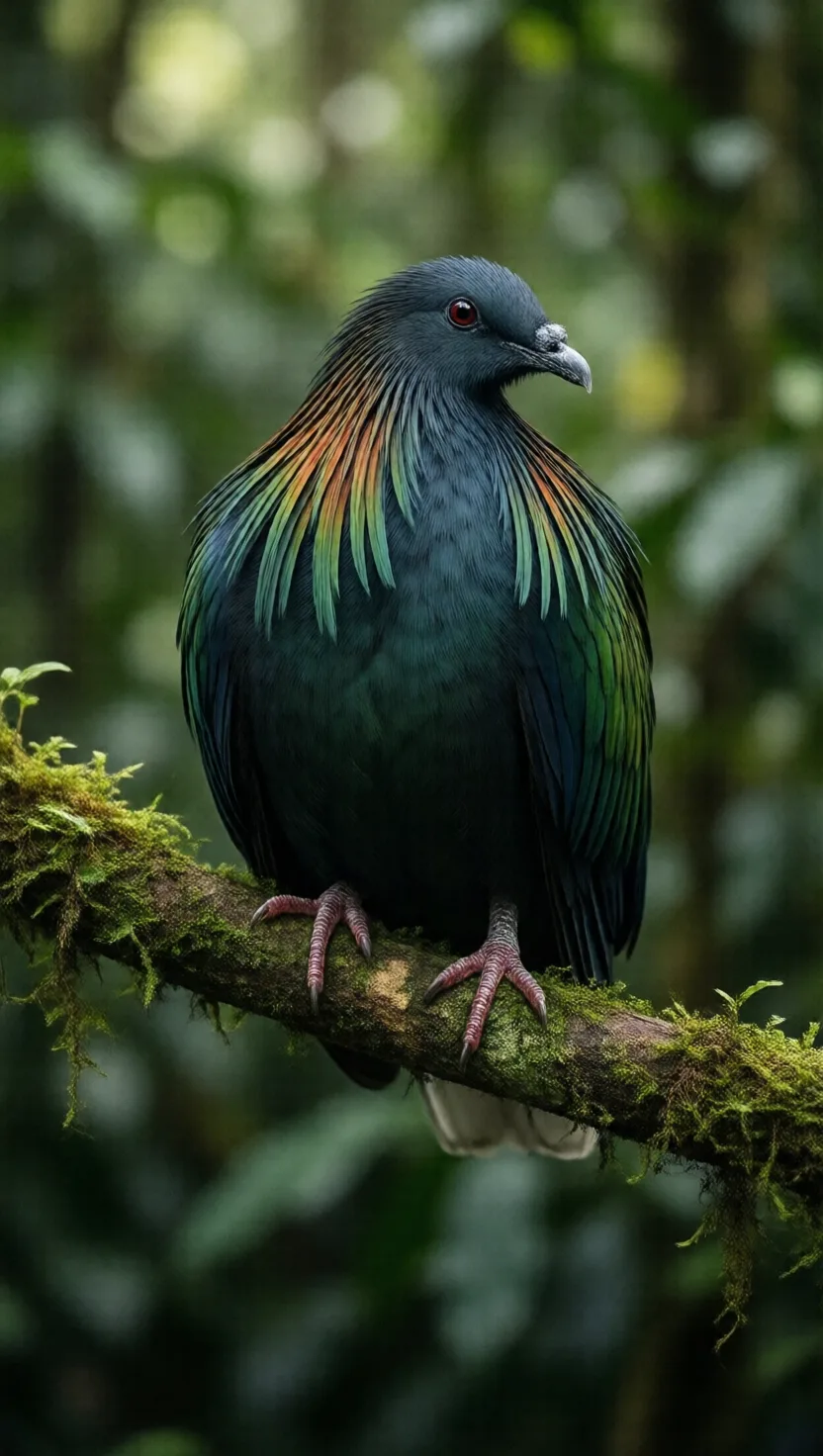
The dodo wasn't a freak of nature — it was a pigeon that grew large and lost flight on a predator-free island. Its closest living relative is the Nicobar pigeon, a glossy bird whose long neck hackles flash green, copper and blue. Genetics place their last common ancestor around 42 million years back. A second giant island pigeon, the Rodrigues solitaire, was wiped out too; the whole heavy branch is gone but for its small, dazzling cousins.
Pigeons feed their chicks milk from their throats

Pigeons feed their chicks milk from their throats

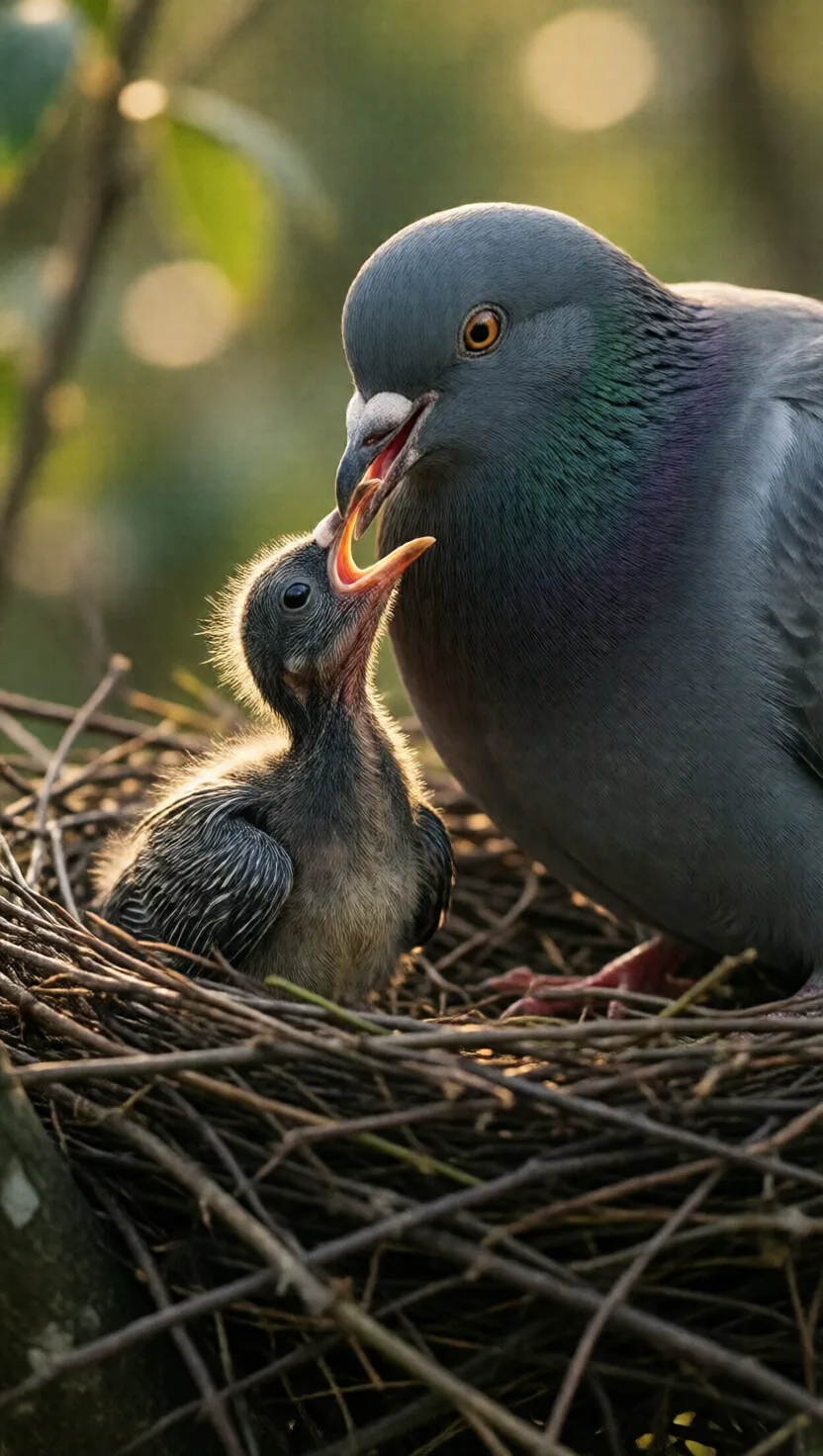
Pigeons nurse their young on milk — and so do flamingos and emperor penguins, the only three birds known to do it. 'Crop milk' is a rich, cheesy curd of protein and fat, roughly 60% protein, sloughed from the lining of the crop, the bird's throat pouch. In pigeons both the mother and the father make it, and the squab pushes its bill down a parent's throat to drink. No mammal milk involved at all; it's pure bird.
The passenger pigeon went from billions to zero

The passenger pigeon went from billions to zero

A century ago the most abundant bird in North America vanished entirely. The passenger pigeon once numbered an estimated 3 to 5 billion — perhaps a quarter of all the continent's birds — and migrating flocks could darken the sky for hours on end. Relentless commercial hunting and the felling of its nesting forests collapsed the species in mere decades. The very last of them, a captive named Martha, died on 1 September 1914.
Pigeons drink by sucking, not tipping their heads

Pigeons drink by sucking, not tipping their heads

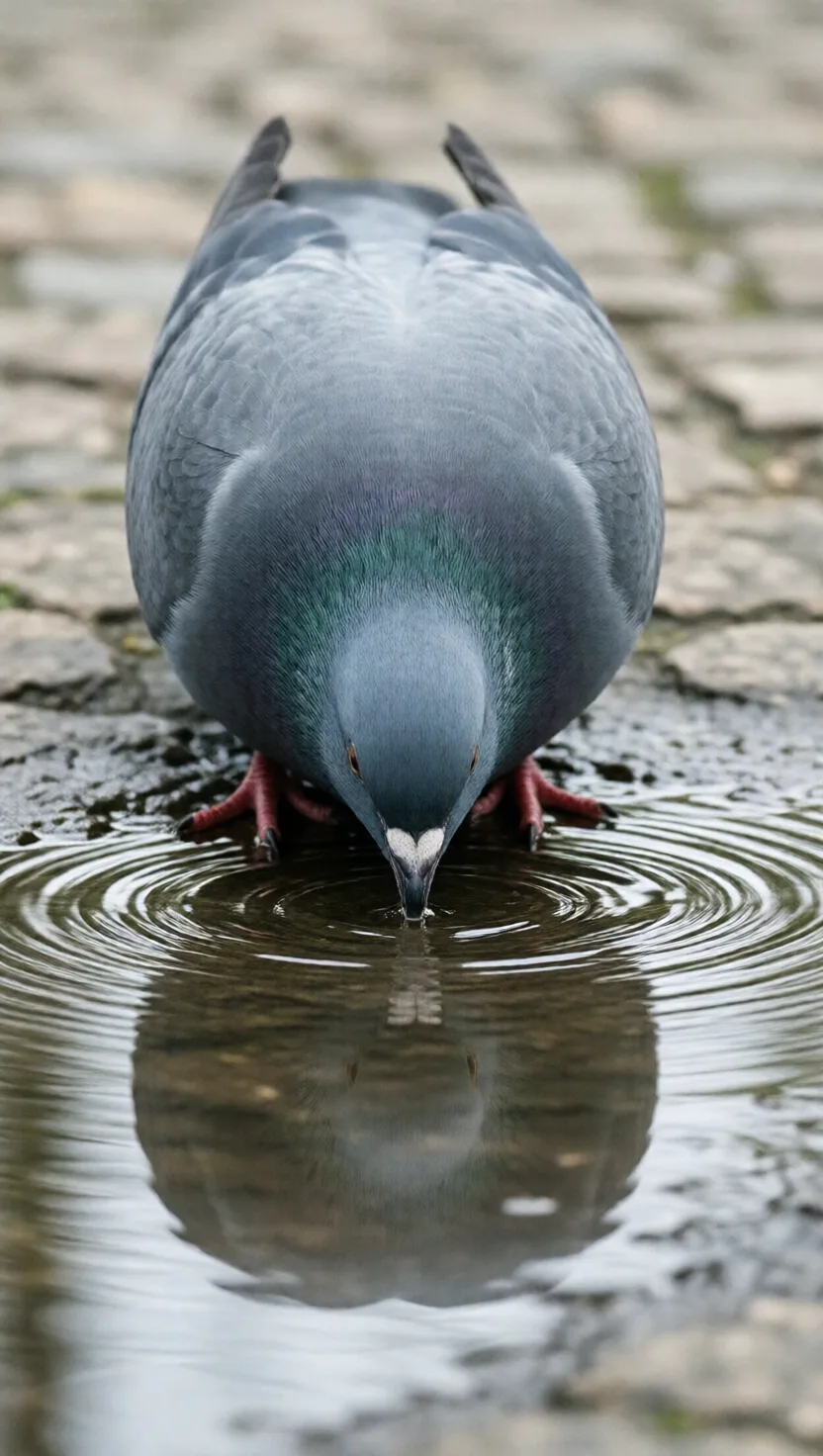
Watch a pigeon at a puddle and you'll catch a rare trick. Nearly every other bird scoops a billful of water and tips its head back to let it run down the throat. Pigeons and doves instead keep the bill down and suck water straight up in one long, continuous draught, like drinking through a straw, using throat muscles to pump it in. Among birds it's an unusual ability — most species simply can't do it.
A pigeon's takeoff clap is its wings truly slapping

A pigeon's takeoff clap is its wings truly slapping

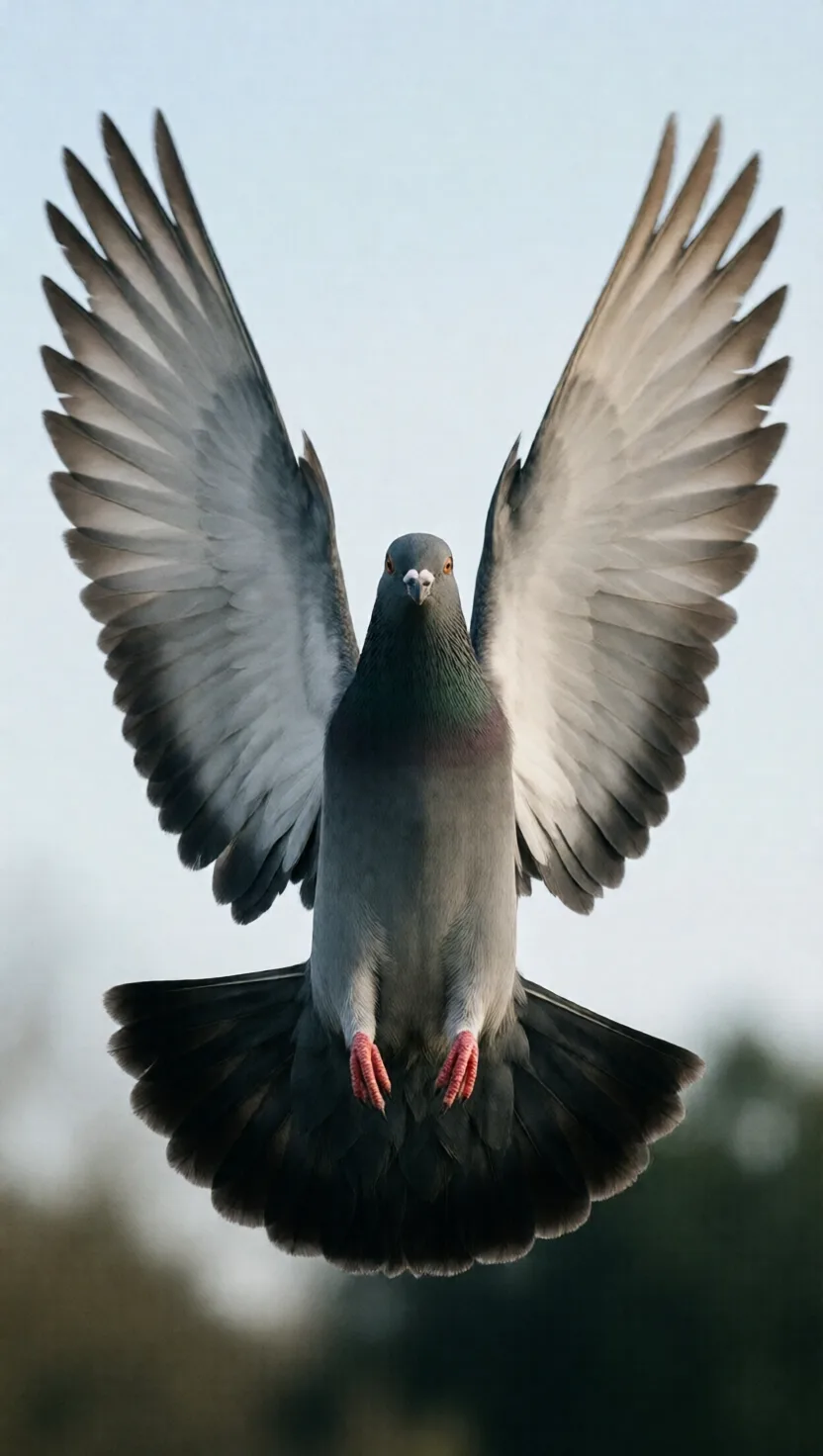
That sharp burst of 'applause' when a pigeon bolts into the air is exactly what it sounds like: the wings clapping together. High-speed film shows the stiff wingtips striking above the bird's back on the upstroke. It isn't just the noise of fast flapping — males do it on purpose in courtship display flights, and a startled bird's loud clatter can double as an alarm that helps the whole flock scatter at once.
War pigeons won more valor medals than any animal but dogs

War pigeons won more valor medals than any animal but dogs

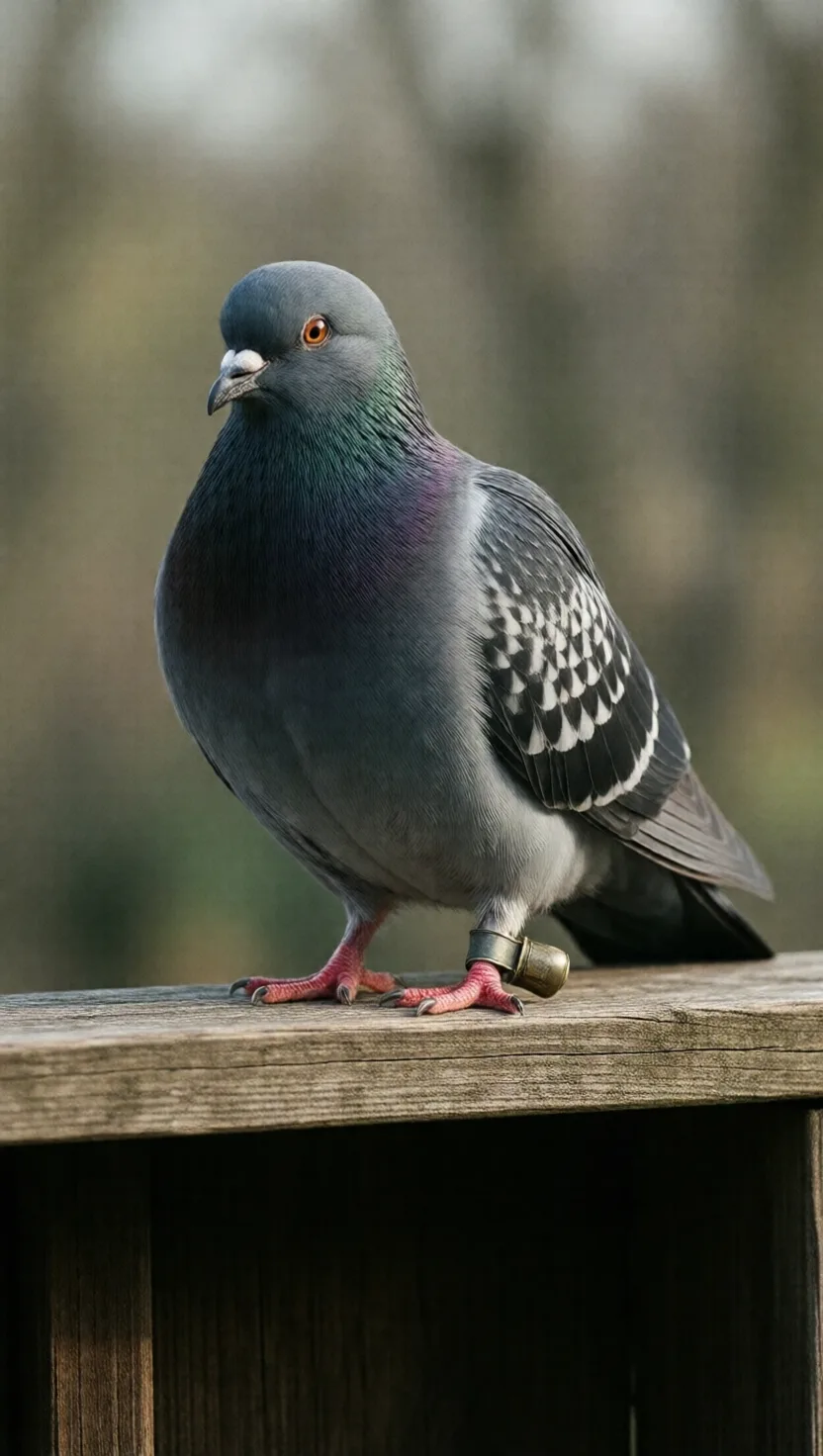
Long before radio was reliable, armies flew their messages on pigeons — hundreds of thousands of them across both world wars, some racing home over 600 miles with a tiny capsule strapped to a leg. They were astonishingly effective and astonishingly brave under fire. Of all the animals ever honored with the highest award for wartime gallantry, pigeons have earned more than any creature except the dog; one bird's message saved a trapped battalion.
Pigeon dung was once guarded like silver for gunpowder

Pigeon dung was once guarded like silver for gunpowder

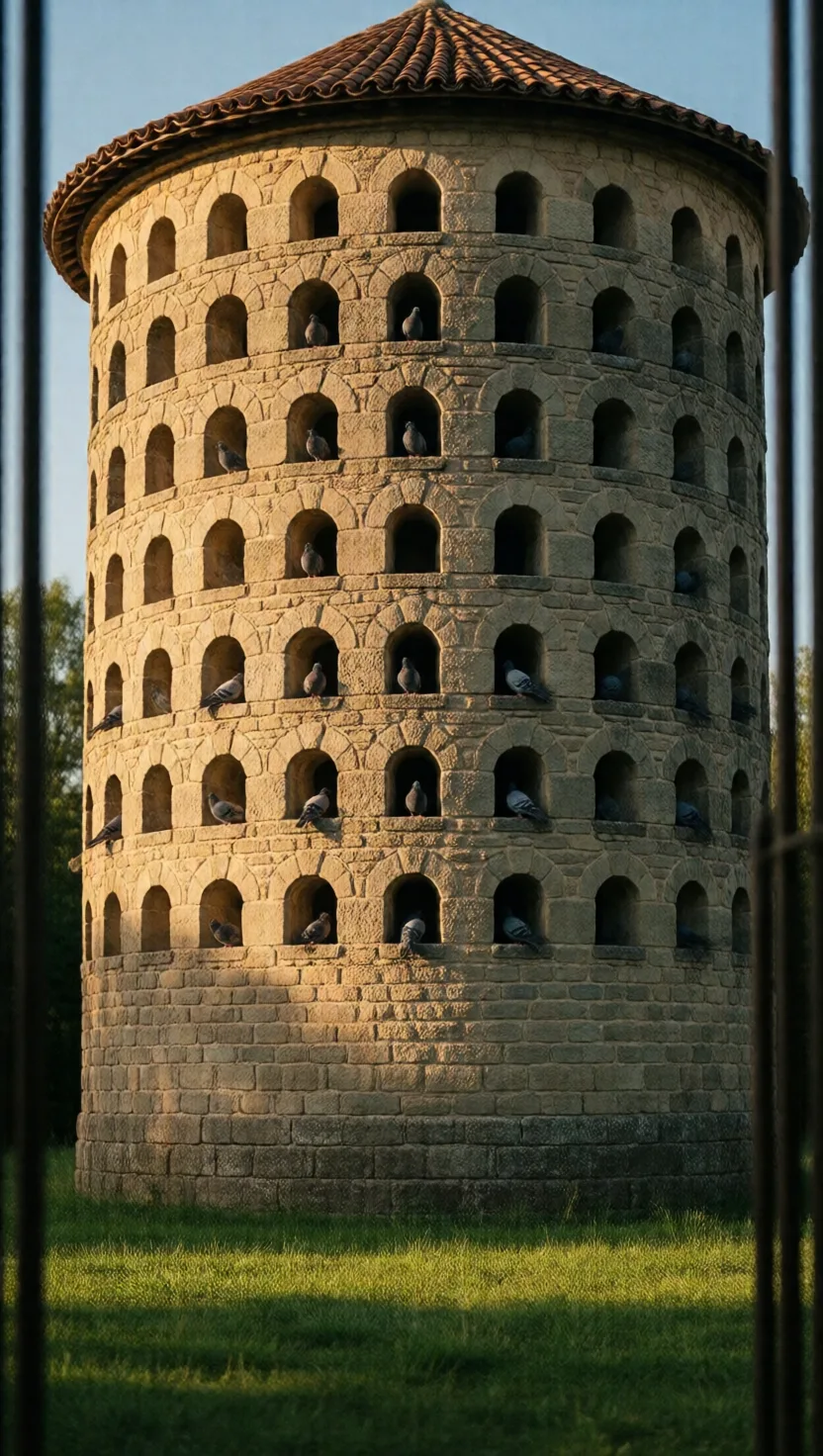
Grand stone towers called dovecotes once dotted estates — built not for the birds but for their droppings. Pigeon dung was prized as the strongest fertilizer around, and it was one of the few rich sources of saltpetre, the nitrate needed to make gunpowder. In the 1500s and 1600s that made it so valuable that owners posted guards on their dovecotes; for a time the manure was reckoned to be worth nearly its weight in silver.
tap →swipe ↑ for depthswipe ↓ to exit