Eight things the yellow element hides

DC·219 Deep Cuts
Sulfur's yellow comes from eight-atom crown rings

Sulfur's yellow comes from eight-atom crown rings

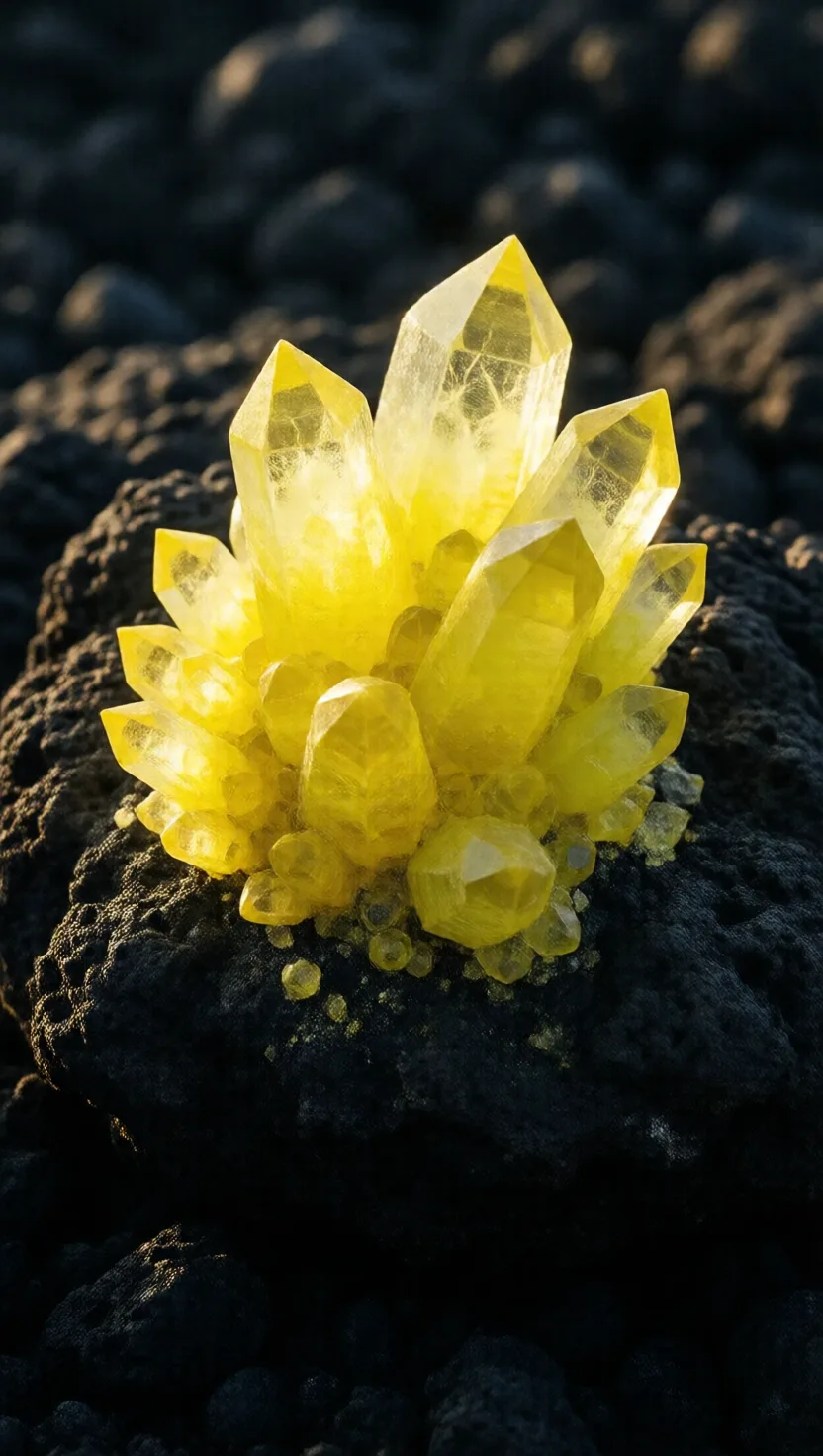
Native sulfur's vivid lemon-yellow isn't a stain or a dye — it's the shape of the molecule. The stable form of the element is cyclo-octasulfur: eight sulfur atoms locked in a puckered, crown-shaped ring. Those rings stack into soft crystals that soak up blue light and throw back yellow. Pure sulfur is actually a faint greenish-yellow; the everyday bright canary color comes from a trace of seven-atom rings mixed in.
Brimstone means burning stone, and it burns blue

Brimstone means burning stone, and it burns blue

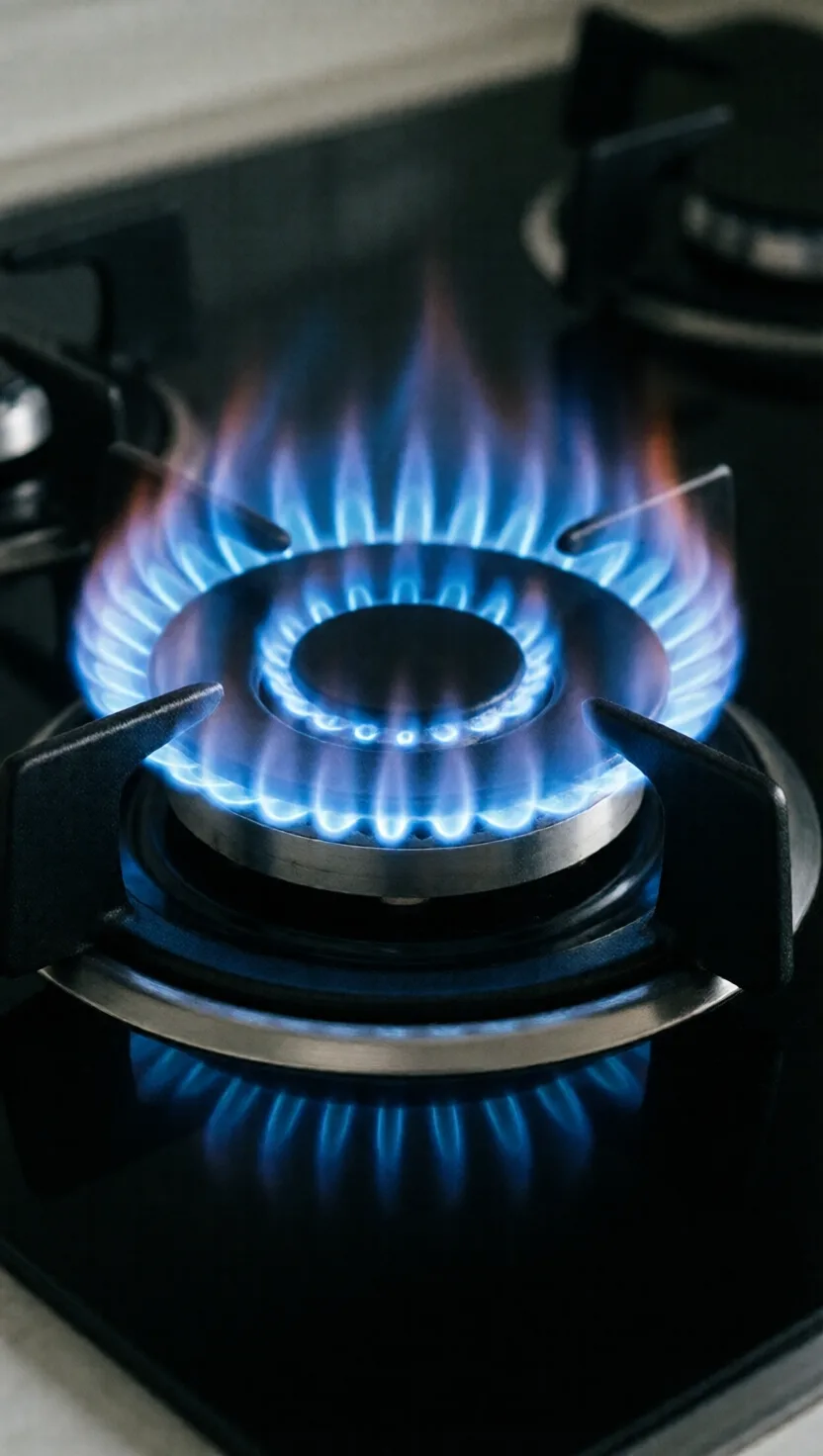
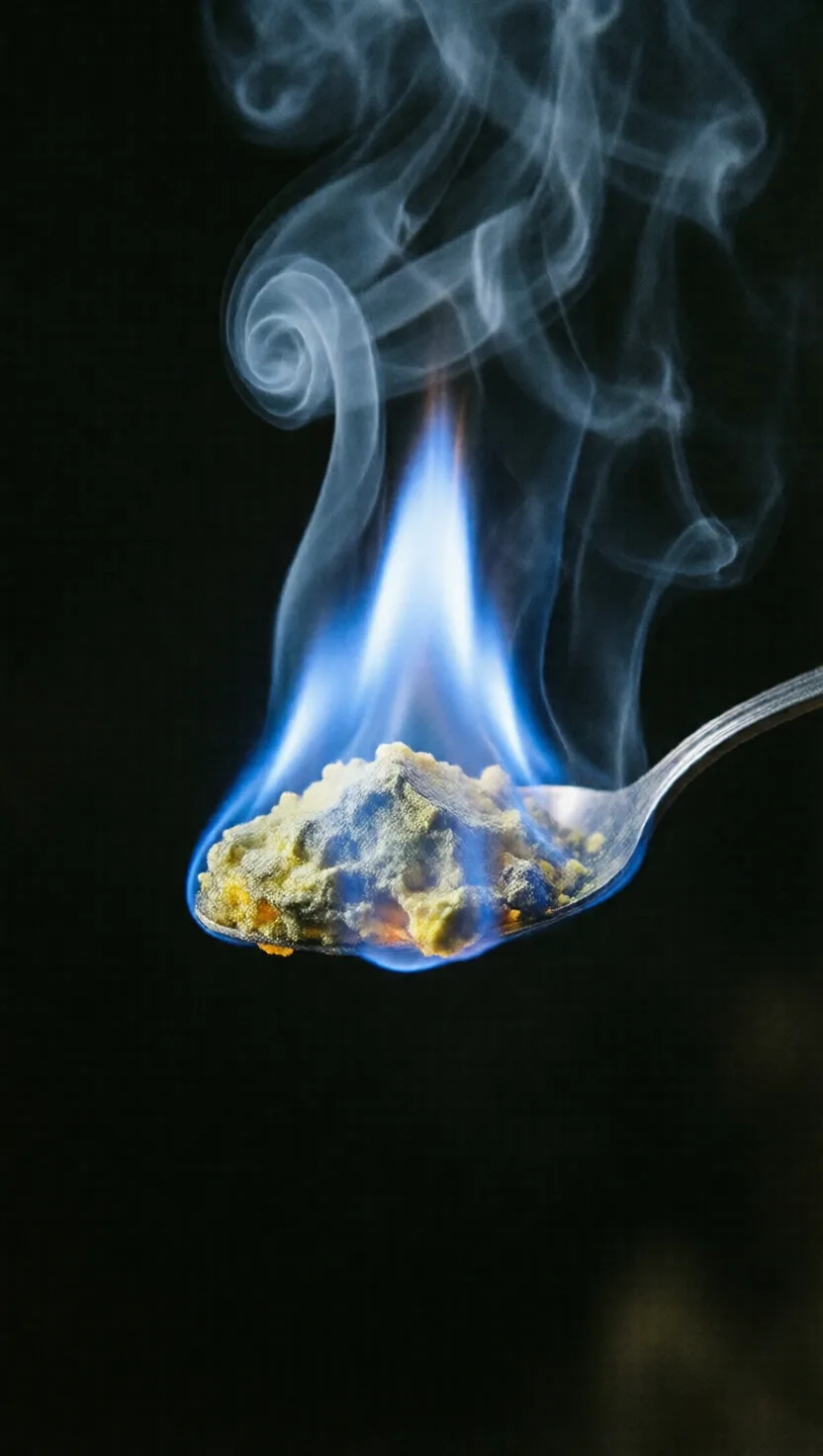
Brimstone is just the old word for sulfur — literally burning stone. Set a spoonful alight and it melts to a blood-red liquid, then burns with an eerie, almost ghostly blue flame, giving off choking sulfur dioxide as it goes. The blue glow is chemiluminescence: light made directly by the burning reaction, not by heat alone. That same sharp, throat-catching smell is the one that hangs over a smoking volcanic vent.
Pure sulfur is odorless; rotten-egg reek is a gas

Pure sulfur is odorless; rotten-egg reek is a gas

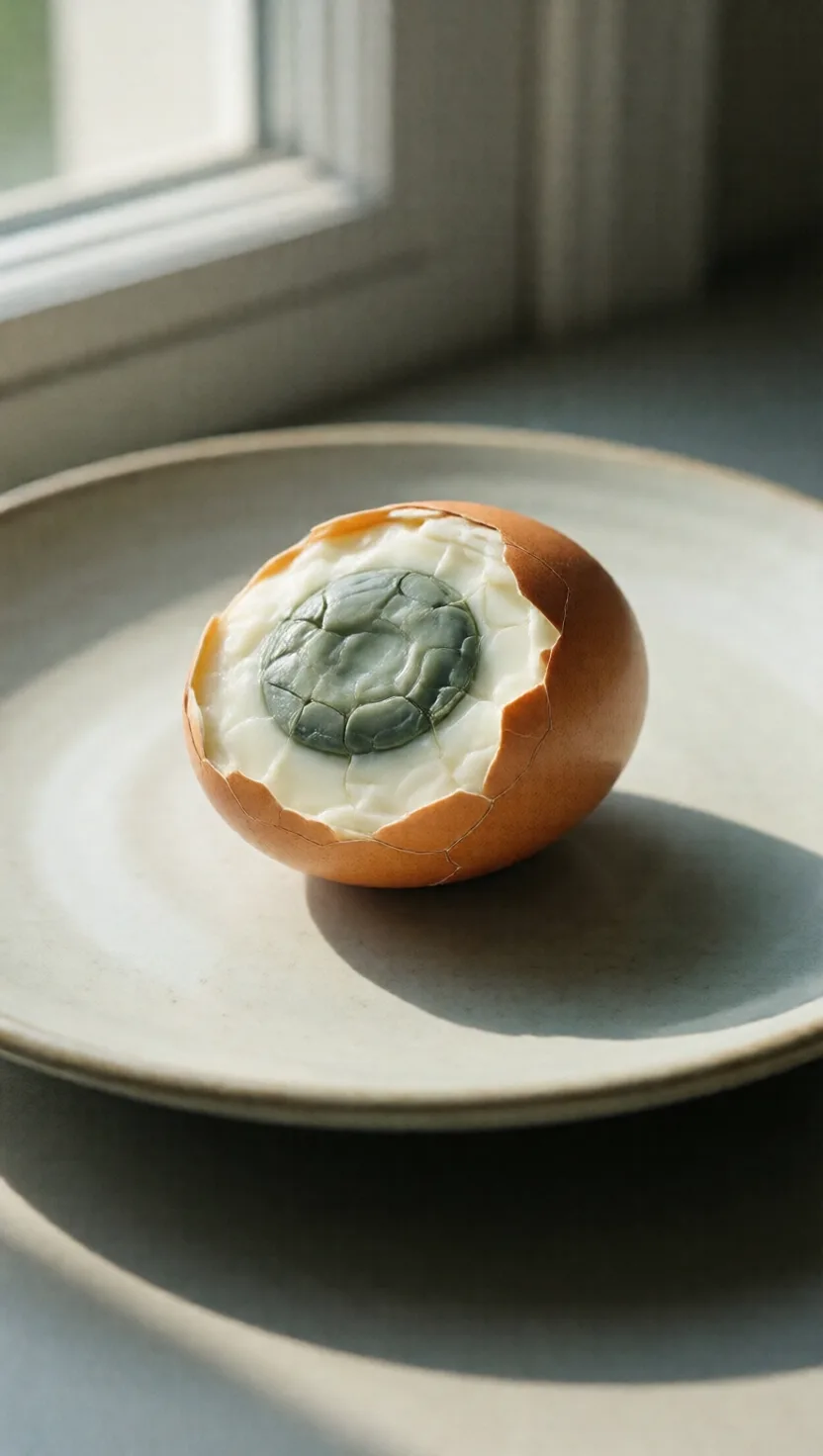
Sulfur takes the blame for a smell it doesn't have. Pure elemental sulfur is completely odorless. The infamous rotten-egg stench is hydrogen sulfide, a gas made when bacteria break sulfur compounds apart — and the nose is staggeringly sensitive to it, catching it at well under one part per billion. Cruelly, at high and dangerous concentrations the gas paralyzes your sense of smell, so it stops warning you exactly when it matters most.
Volcanic vents grow yellow sulfur straight from gas

Volcanic vents grow yellow sulfur straight from gas

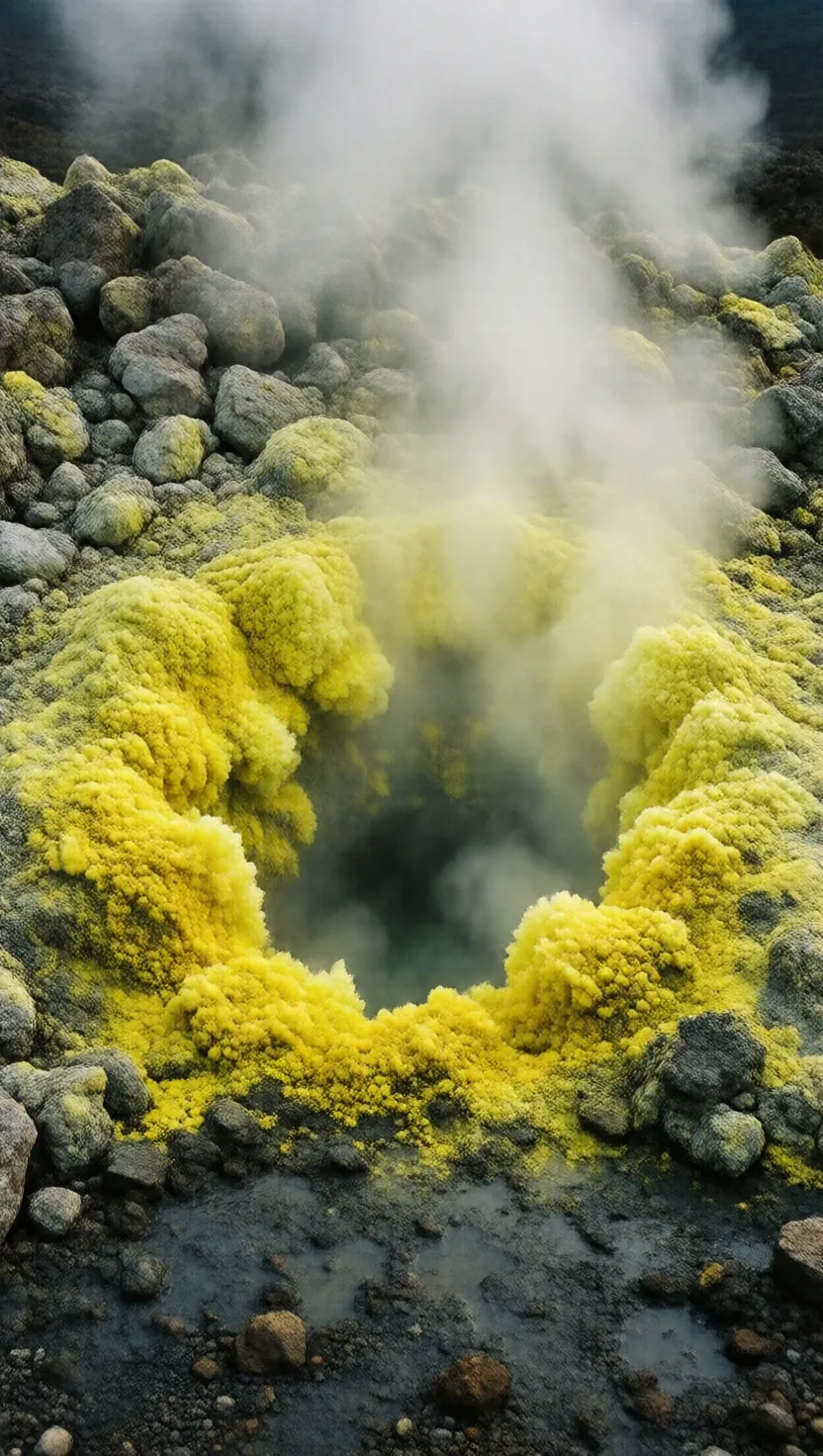
The brilliant yellow crusts ringing a volcanic vent were never molten rock — they condensed straight out of the gas. A vent dominated by sulfur gases is called a solfatara; as the hot vapor hits cold air it skips the liquid stage entirely and freezes directly into solid sulfur, a leap called sublimation. The crystals build needle by needle, painting the rim in sharp lemon and orange while steam keeps hissing through.
Sulfur bonds give hair its strength and its curl

Sulfur bonds give hair its strength and its curl

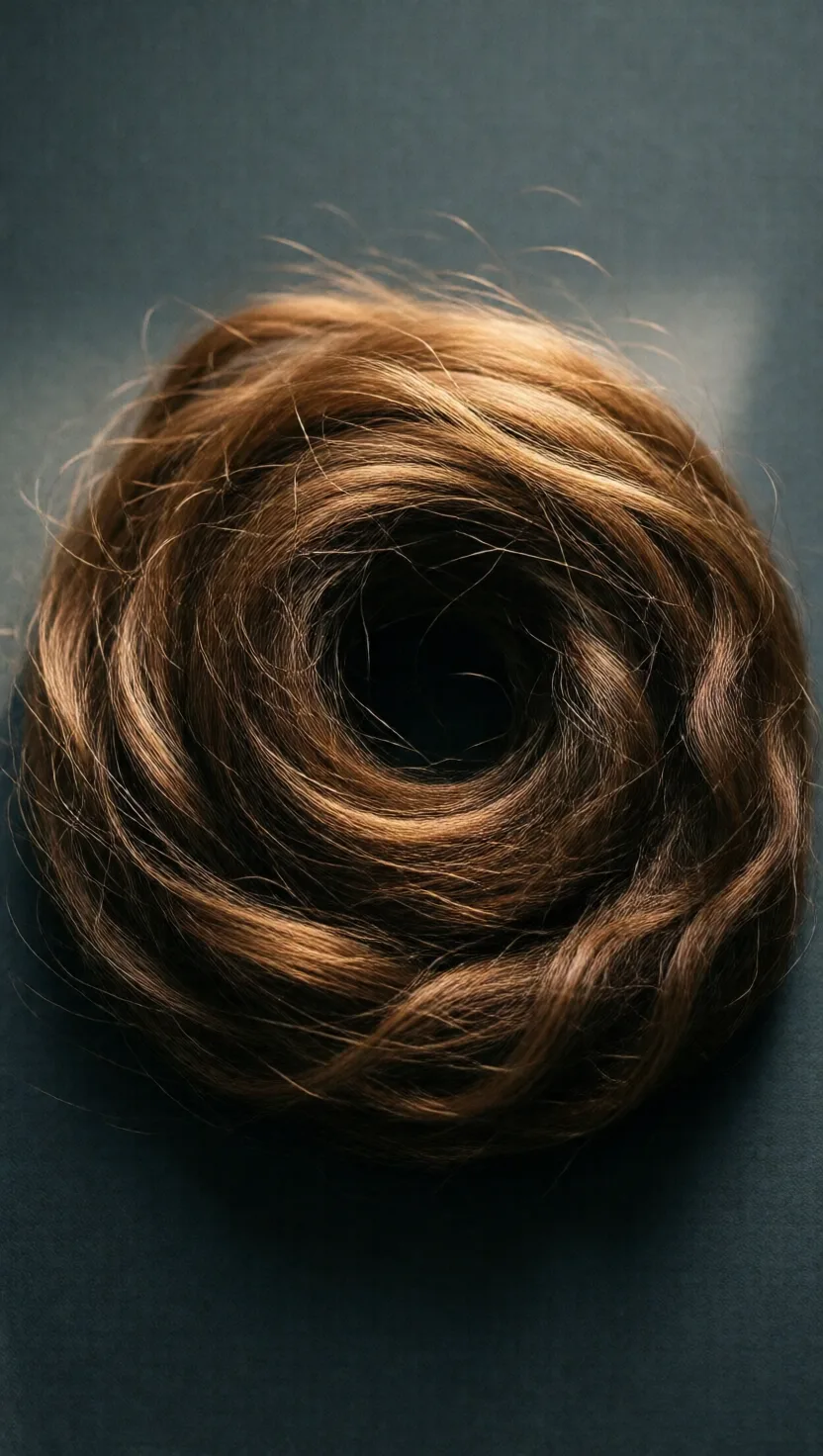
What holds a hair together — and what lets a salon reshape it — is sulfur. Hair is keratin, and about 5% of it by weight is sulfur, carried in cysteine units that bridge neighboring protein strands with strong sulfur-to-sulfur bonds. A perm works by chemically snapping those bridges, bending the hair, then re-forming them in the new shape. Burn a strand and you break them all at once; that acrid stink is the freed sulfur.
Natural gas is odorless; sulfur is added to warn you

Natural gas is odorless; sulfur is added to warn you

The 'gas smell' from a stove is a deliberate safety feature. Natural gas is naturally odorless and colorless, so a tiny amount of a sulfur compound called a mercaptan is mixed in to give it that unmistakable rotten warning reek. The fix was born of tragedy: after an undetected, odorless leak destroyed a Texas school in 1937, killing nearly 300 people, adding a sulfur odorant to gas swiftly became law.
Underground sulfur was mined with superheated water

Underground sulfur was mined with superheated water

For a century, sulfur was pulled from the ground without sending a single person below. Three nested pipes were sunk into a buried deposit; superheated water near 165°C was pumped down to melt the sulfur, which liquefies at about 115°C, and compressed air frothed the molten yellow up the middle pipe to the surface, where it set into pure bright blocks. Perfected in 1894, the trick turned sulfur from a scarce dug mineral into a flood.
Garlic's bite is a sulfur weapon it makes when cut

Garlic's bite is a sulfur weapon it makes when cut

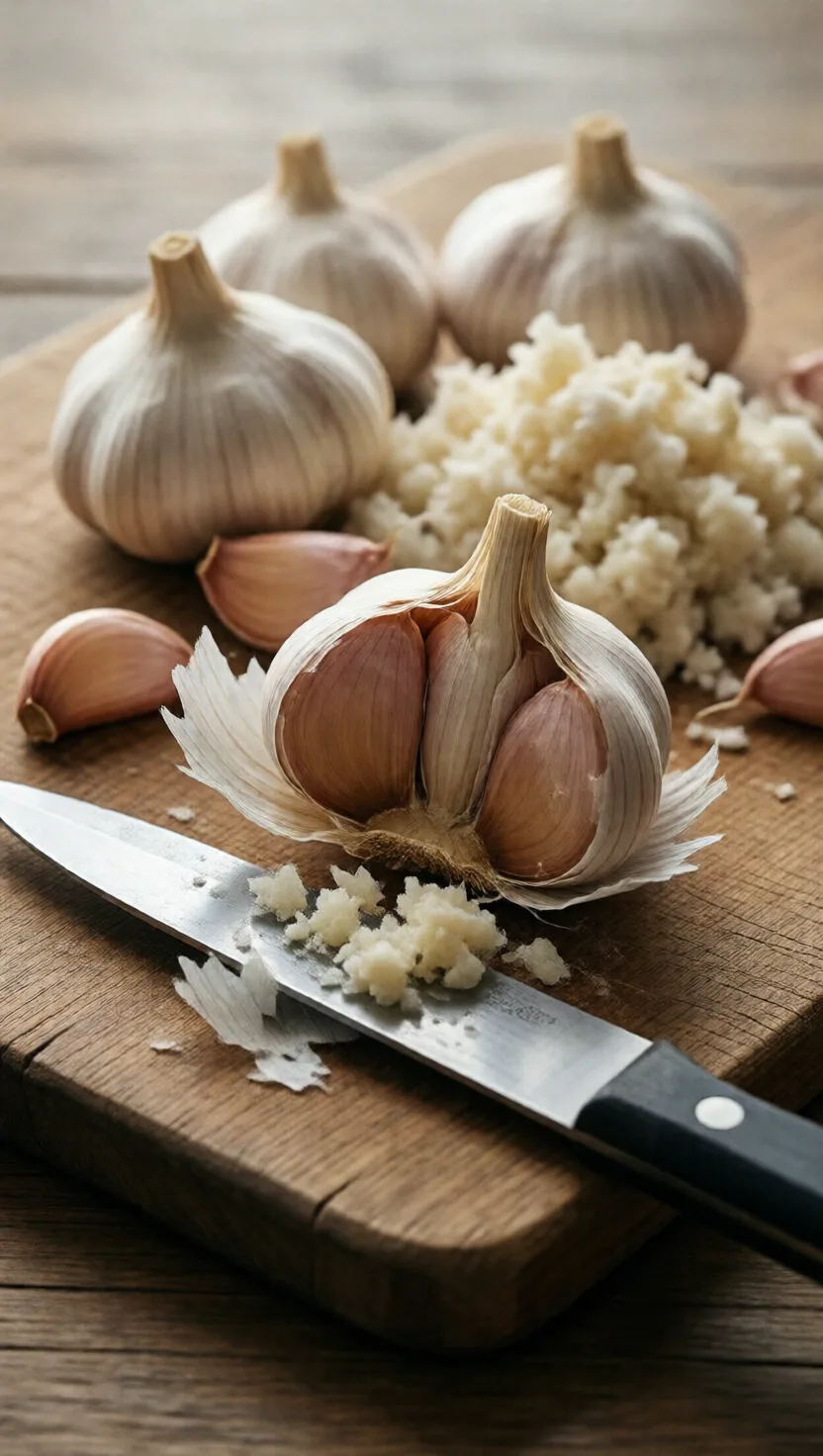
A whole garlic clove is almost odorless — its punch is a chemical weapon triggered by damage. The clove stores a harmless sulfur compound and an enzyme in separate compartments; crush or chew it and the two mix, and within seconds the enzyme builds allicin, the hot, pungent sulfur molecule that makes garlic bite. It's the plant's defense: a chemical alarm meant to repel the very thing chewing into it.
tap →swipe ↑ for depthswipe ↓ to exit