Eight things about the digger under your lawn

DC·215 Deep Cuts
The fastest eater of any mammal

The fastest eater of any mammal

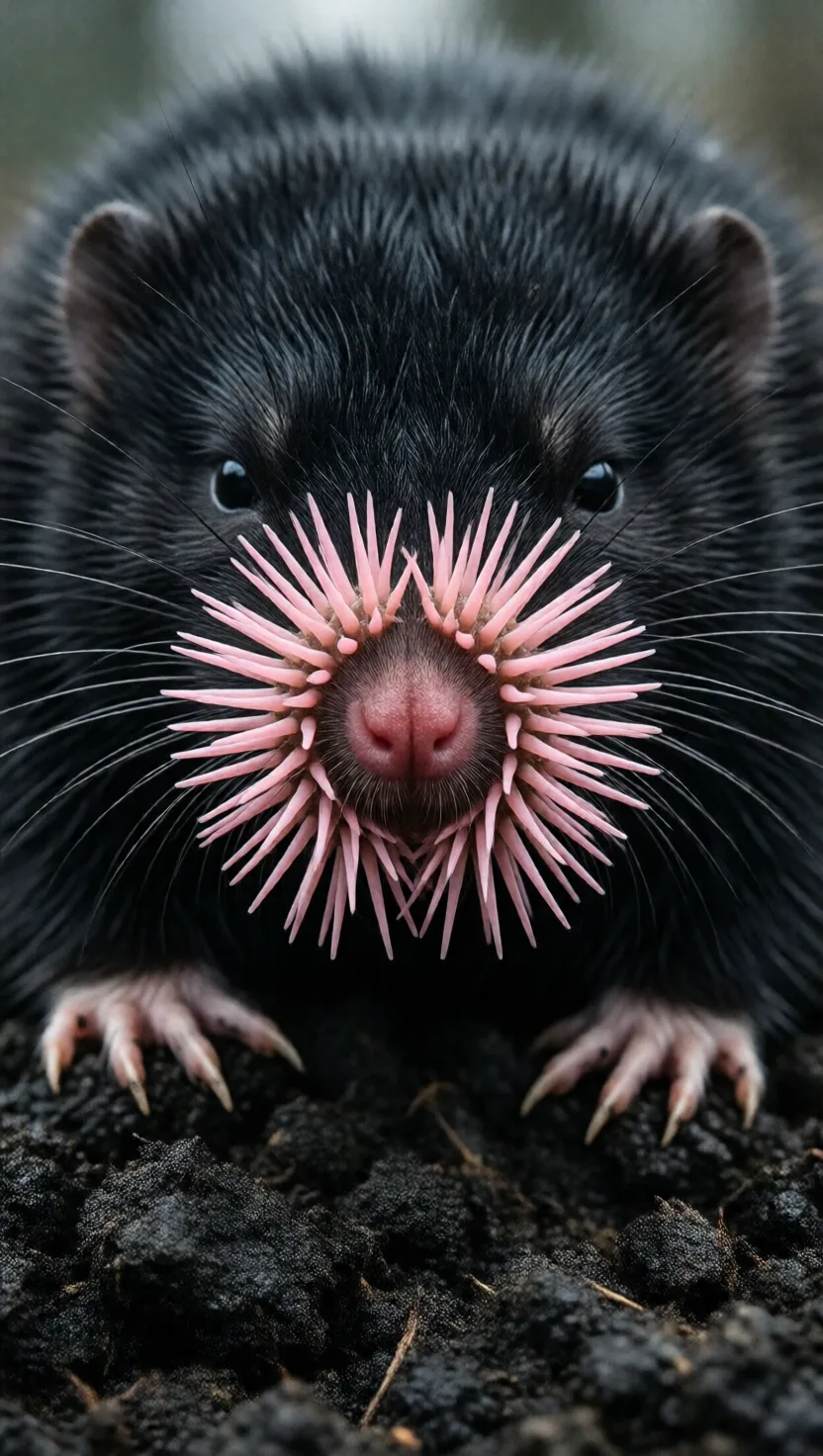
The star-nosed mole wears a ring of 22 pink fleshy tentacles around its snout, packed with about 25,000 tiny touch sensors called Eimer's organs. It is good as blind in the dark, but the star feels prey so fast that the mole can find a morsel, decide it is edible and swallow it in as little as 120 milliseconds, faster than you can blink, and the quickest forager ever measured in a mammal.
It smells underwater by blowing bubbles

It smells underwater by blowing bubbles

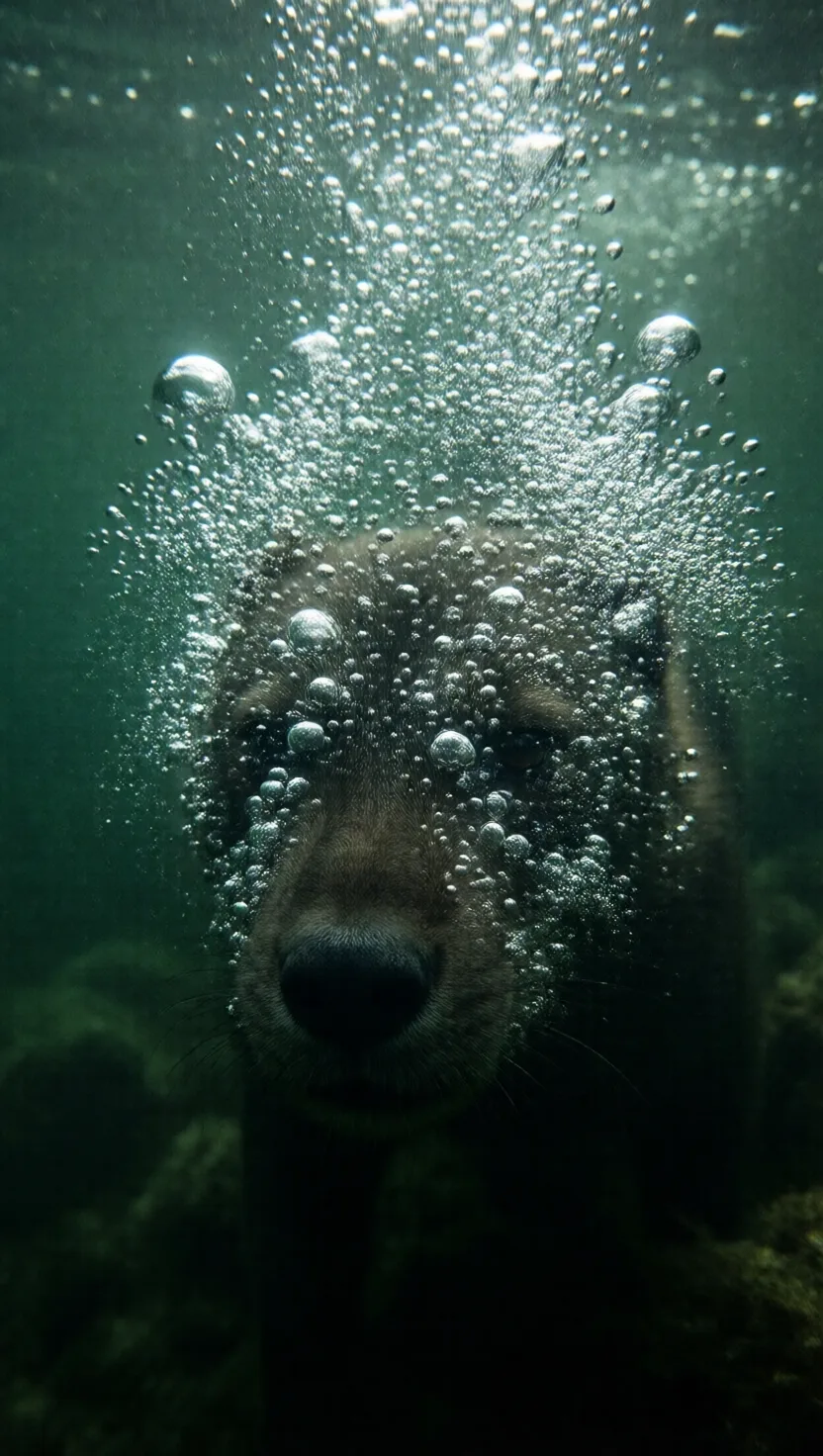
Smell needs air, so scent shouldn't work underwater, yet the star-nosed mole manages it. Filmed by high-speed camera, a submerged mole puffs out tiny air bubbles, five to ten a second, pressing each against an object so it soaks up odour molecules, then sucks the same bubble back up its nose to sniff it. Block the bubbles and its accuracy collapses to chance. Only it and one water shrew are known to do this.
A mole has an extra thumb

A mole has an extra thumb

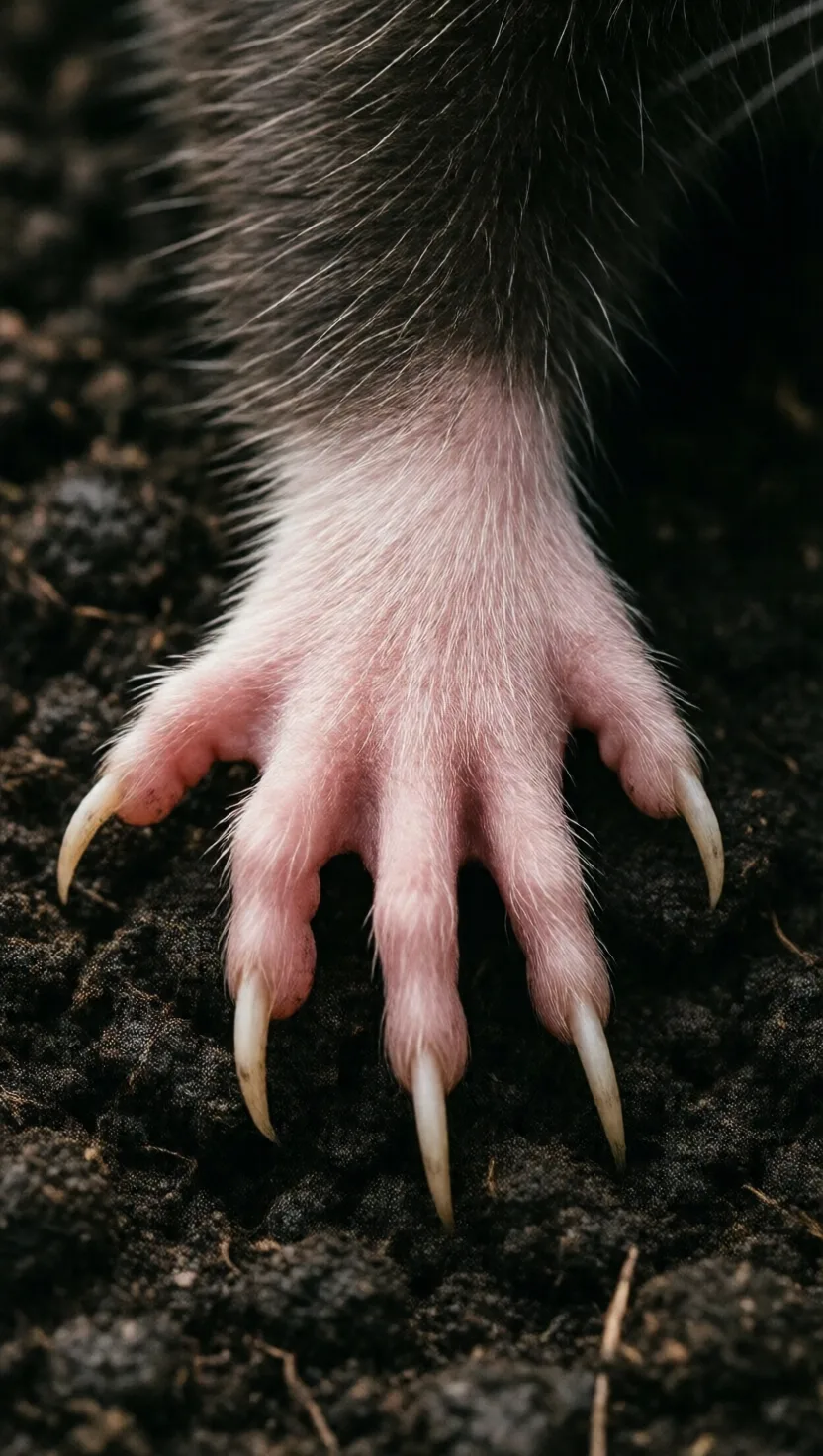
A digging mole needs the widest possible spade, so it grew an extra one. Alongside its five normal fingers each forepaw carries a sixth thumb-like digit, not a true finger but an enlarged, sickle-shaped wrist bone with no joints. It forms late, after the real fingers, and broadens the palm into a better shovel. Elephants and giant pandas evolved the very same false thumb from the same little wrist bone.
Velvet that brushes both ways

Velvet that brushes both ways

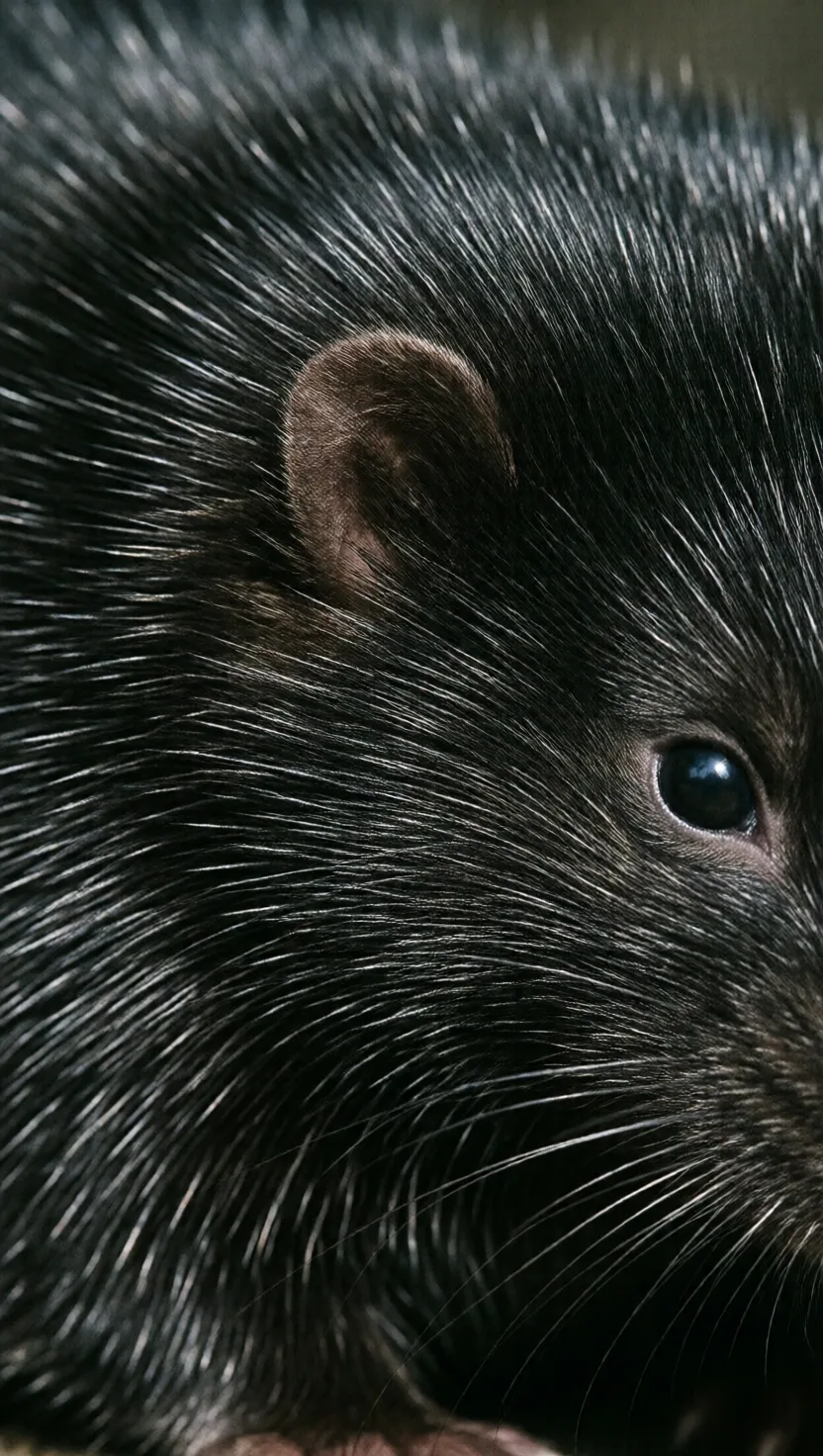
Most animal fur has a grain; stroke it backwards and it resists. A mole's doesn't. Its dense velvety coat has no set direction, so each hair lies flat whether the mole walks forwards or reverses down a tunnel, and it never snags on the walls. The same fur lets a mole shoot backwards through its burrow at speed, or even flip in a somersault to turn around in a space barely wider than its body.
A pantry of living, paralysed worms

A pantry of living, paralysed worms

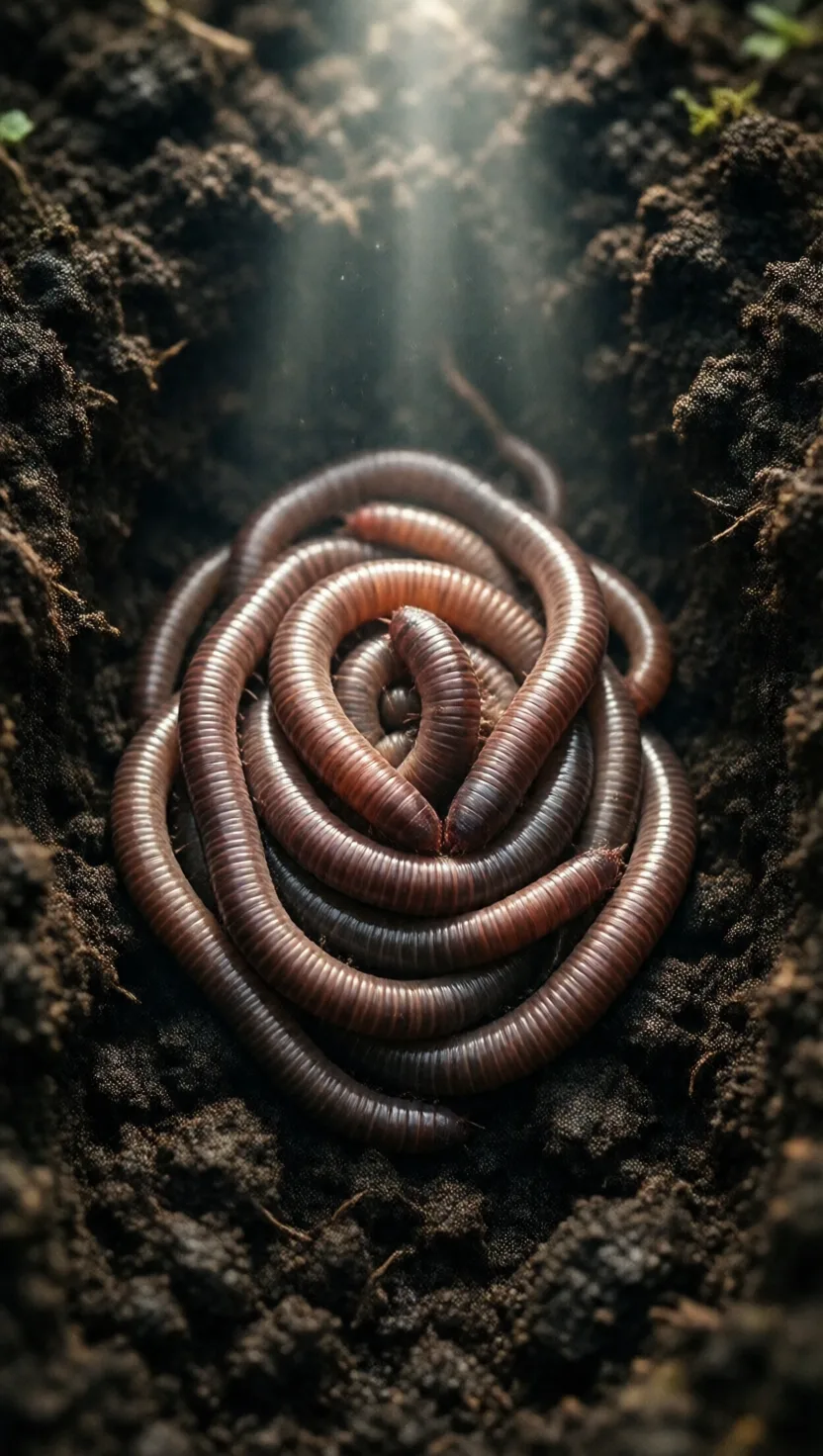
Moles burn energy so fast they can starve within a day, so they hoard food alive. A mole's saliva carries a toxin that paralyses an earthworm with a bite to the head, not killing it, just freezing it in place. The mole stockpiles these living worms in an underground larder; researchers have dug up caches holding over a thousand, some with many thousands. Before eating one it squeezes the grit out like toothpaste.
Blood built to breathe stale air

Blood built to breathe stale air

In a sealed burrow the air goes bad fast: oxygen drops, carbon dioxide climbs, and a mole keeps re-breathing its own exhaled breath. Levels around 14% oxygen and 5% carbon dioxide have been measured in mole tunnels, enough to leave you gasping. The mole copes with a special hemoglobin that grips carbon dioxide far better than ours, carrying away the waste gas so it can keep digging in air that would suffocate other mammals.
A molehill is just the spoil heap

A molehill is just the spoil heap

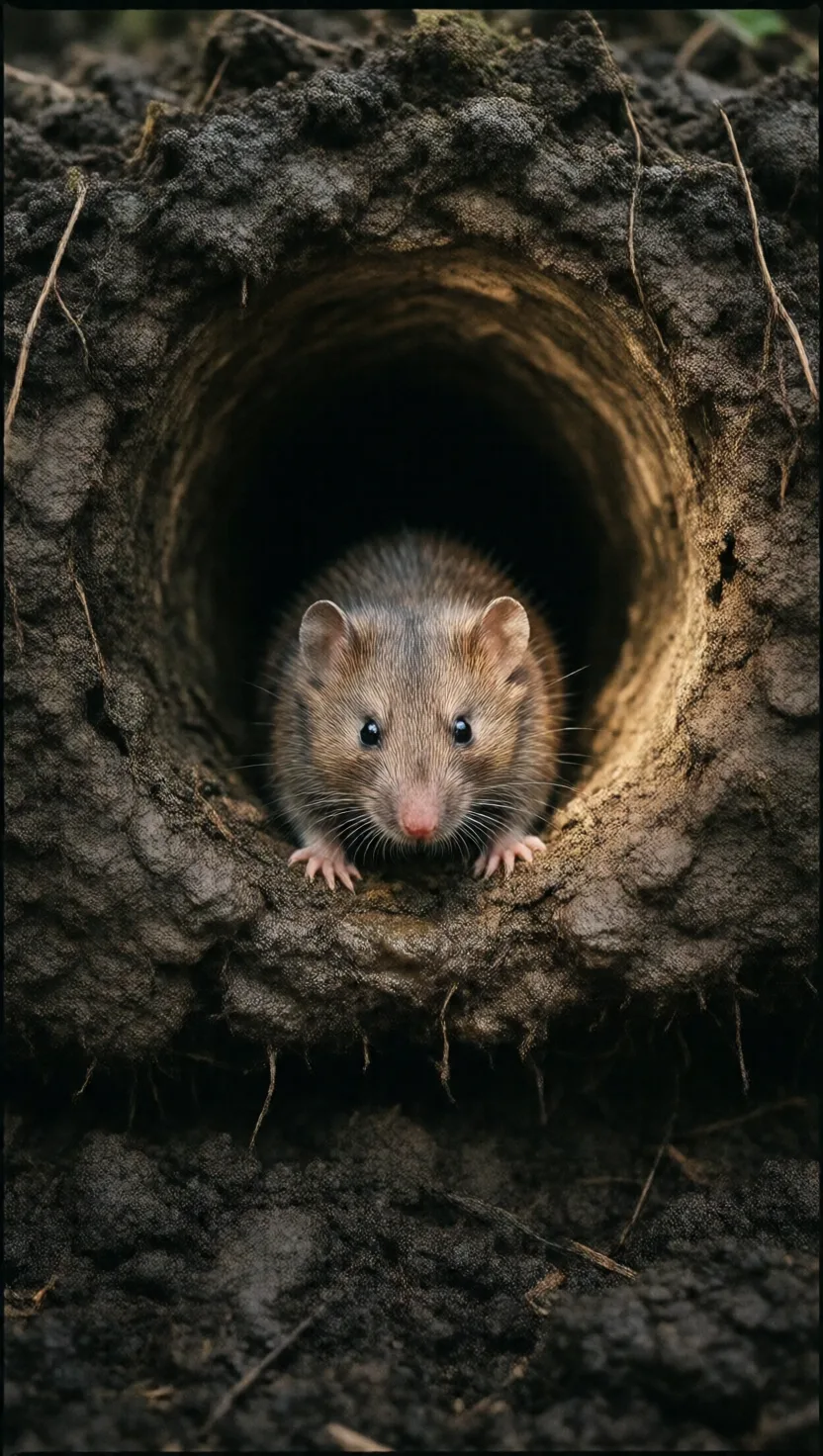
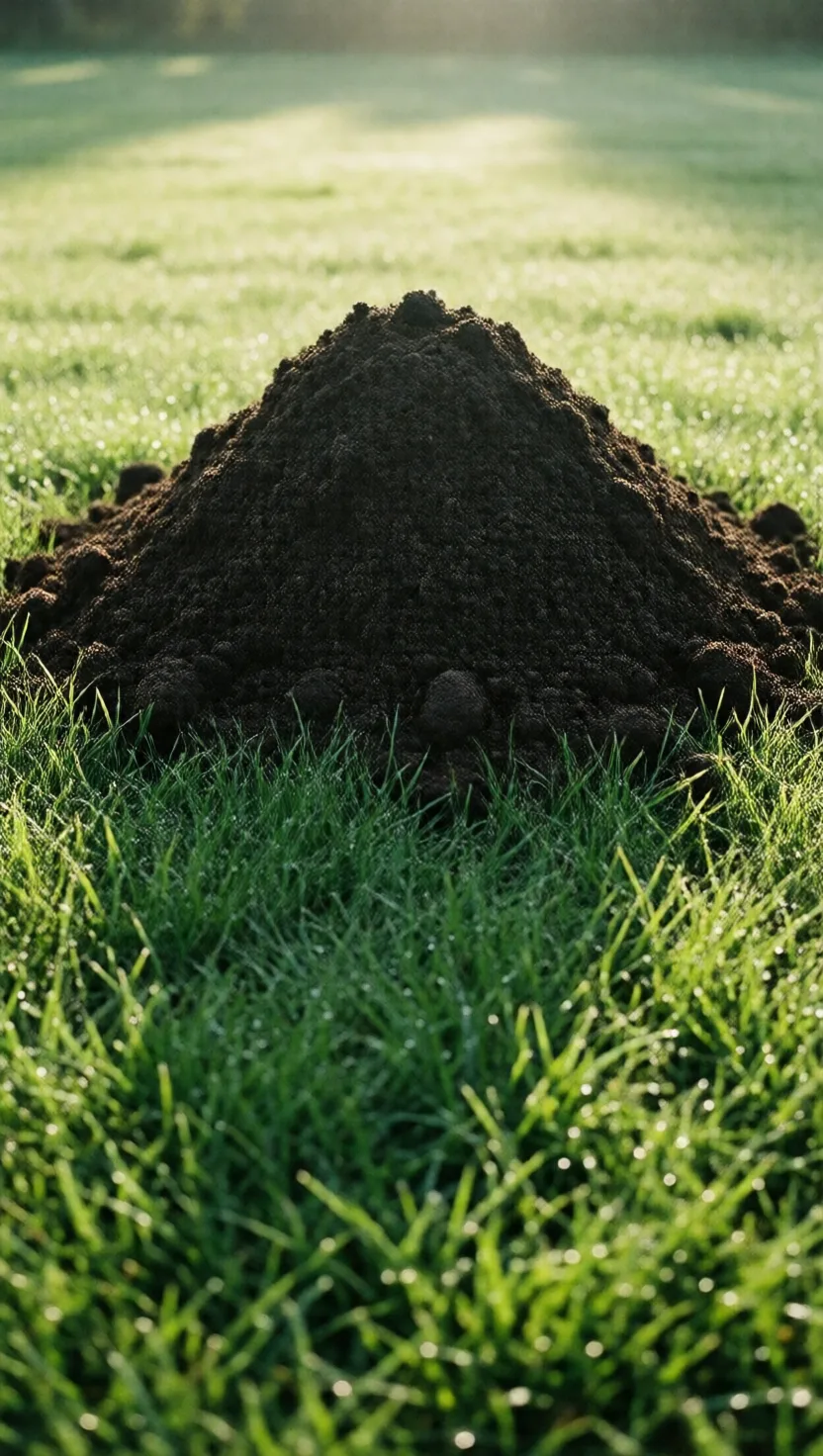
The neat mound on a lawn isn't where the mole lives, it is the dirt thrown out of the works. As a mole drives a fresh tunnel it shoves the loosened soil up a vertical shaft to the surface, building a molehill from the spoil, much like a miner dumping rubble at the pit head. Moles dig astonishingly fast, up to around 30 cm of new tunnel a minute in soft soil, so the hills can appear overnight.
A blind mole that shimmers like oil

A blind mole that shimmers like oil

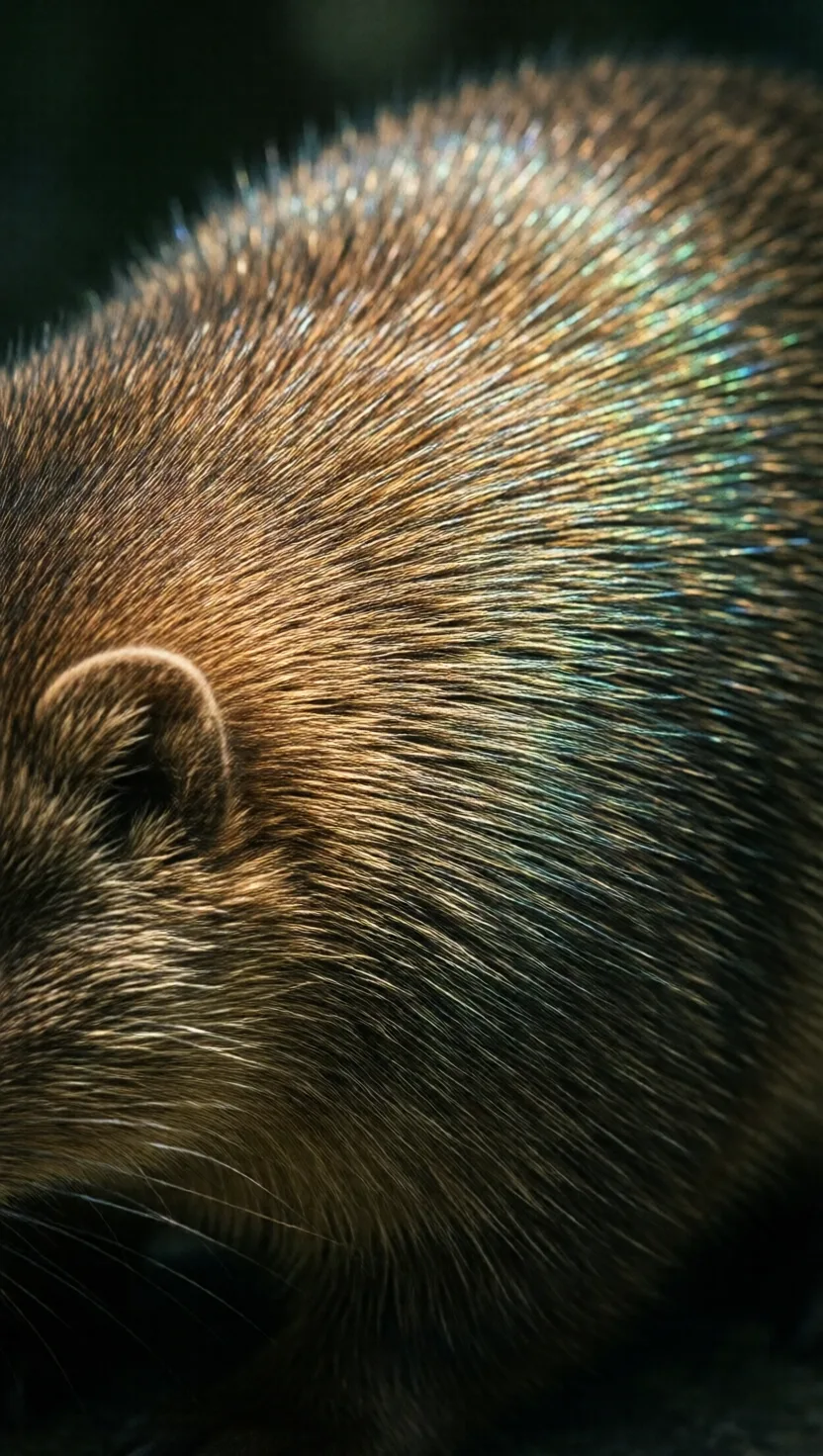
Golden moles burrow through African sand and have been blind for millions of years, yet their fur gleams with an iridescent sheen of blue, green and bronze. Since they cannot see it and live in the dark, the colour can't be for display. It is an accident: each hair is flattened into smooth, layered scales that slip through soil with less drag, and that same mirror-like structure happens to split light into shifting colours.
tap →swipe ↑ for depthswipe ↓ to exit