Eight things about the bird that isn't always blue

DC·214 Deep Cuts
Built-in goggles for the dive

Built-in goggles for the dive

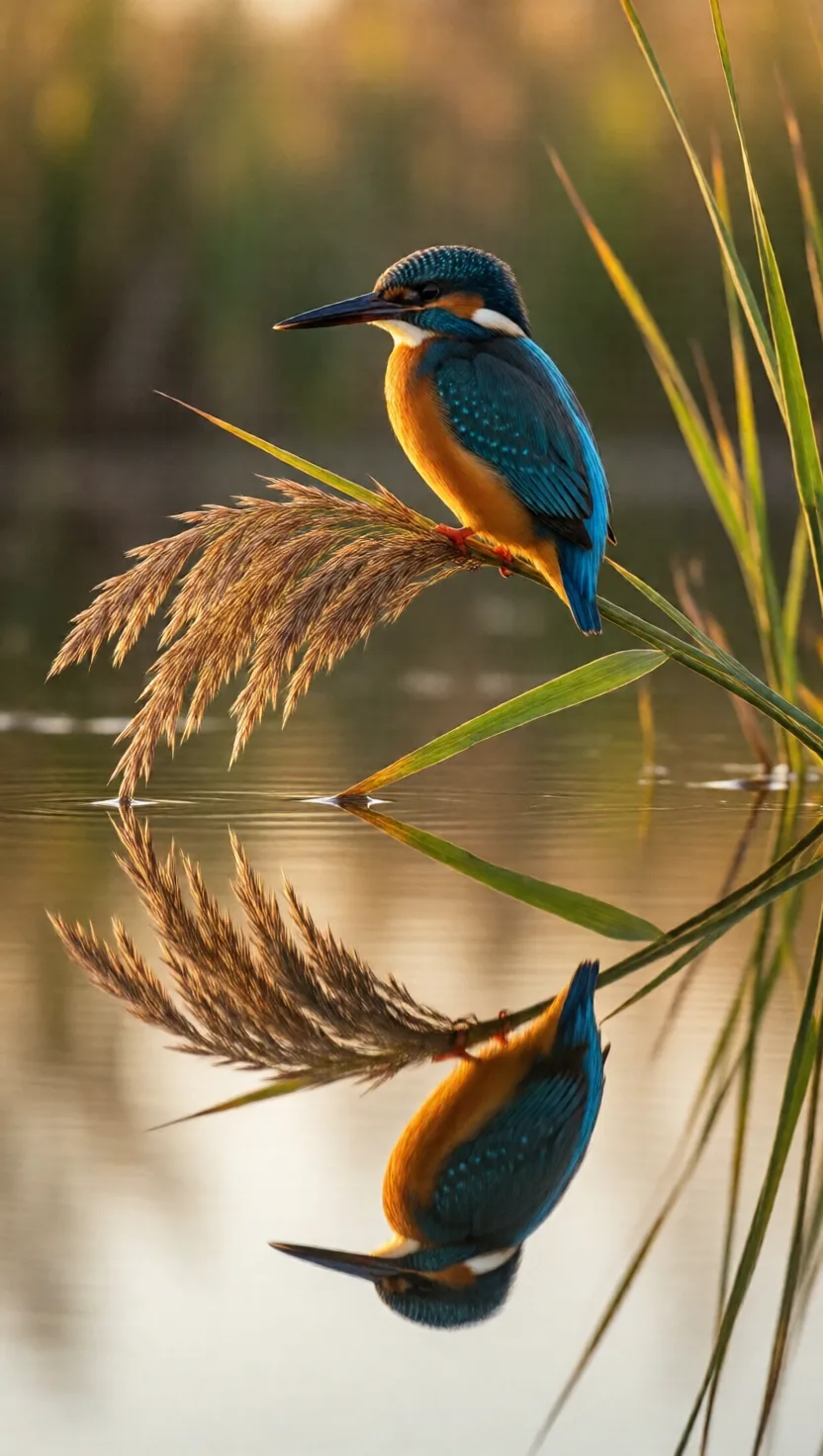
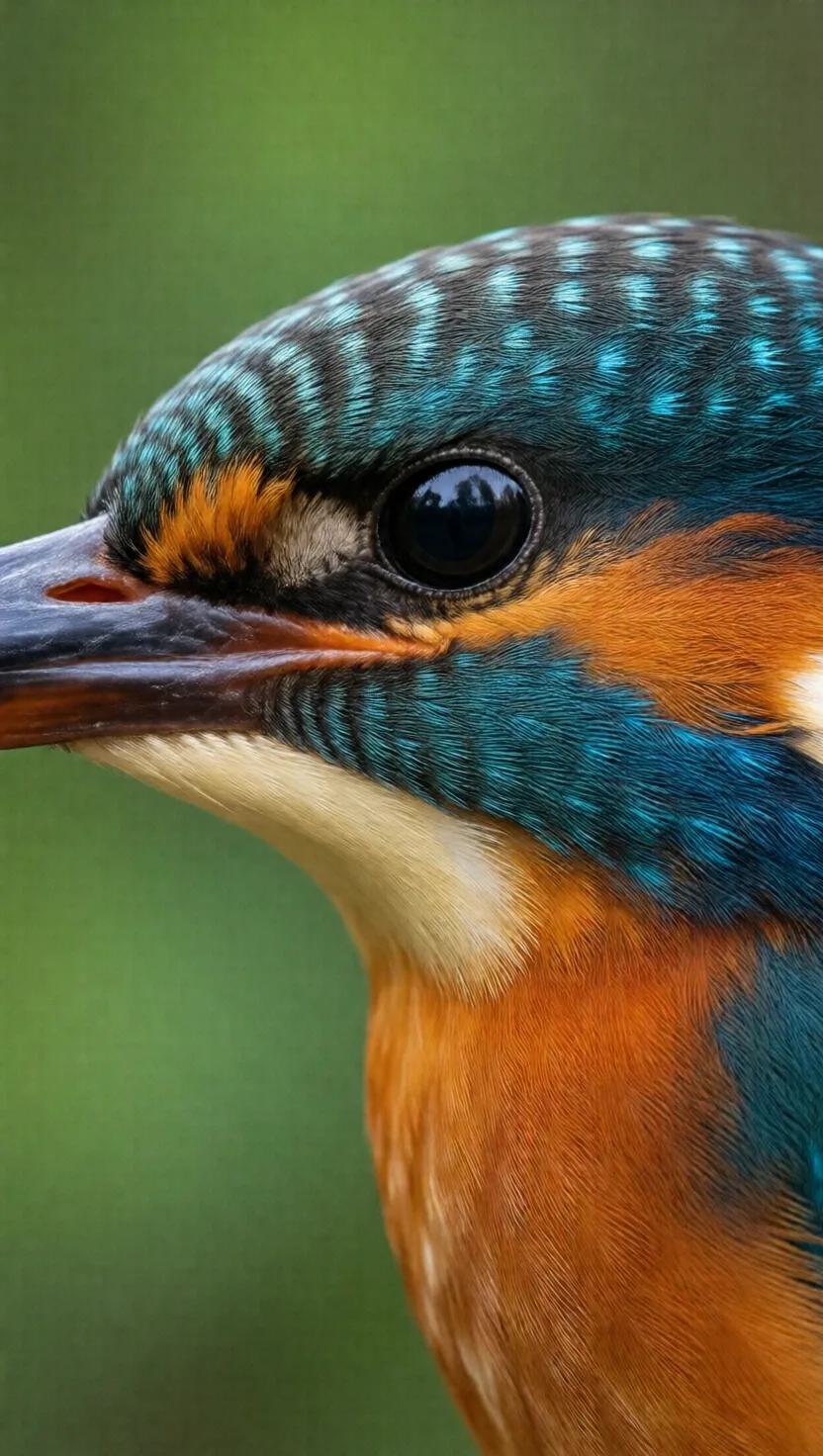
A diving kingfisher hits the water at speed with its eyes more or less open. A transparent third eyelid sweeps across each eye on impact, a clear membrane that shields the cornea like a pair of goggles. The eyes carry two foveae apiece, two separate zones of sharpest vision, and the bird switches from the air-aiming fovea to the underwater one as it plunges, keeping the fish in focus the whole way down.
Why it always swallows fish head-first

Why it always swallows fish head-first

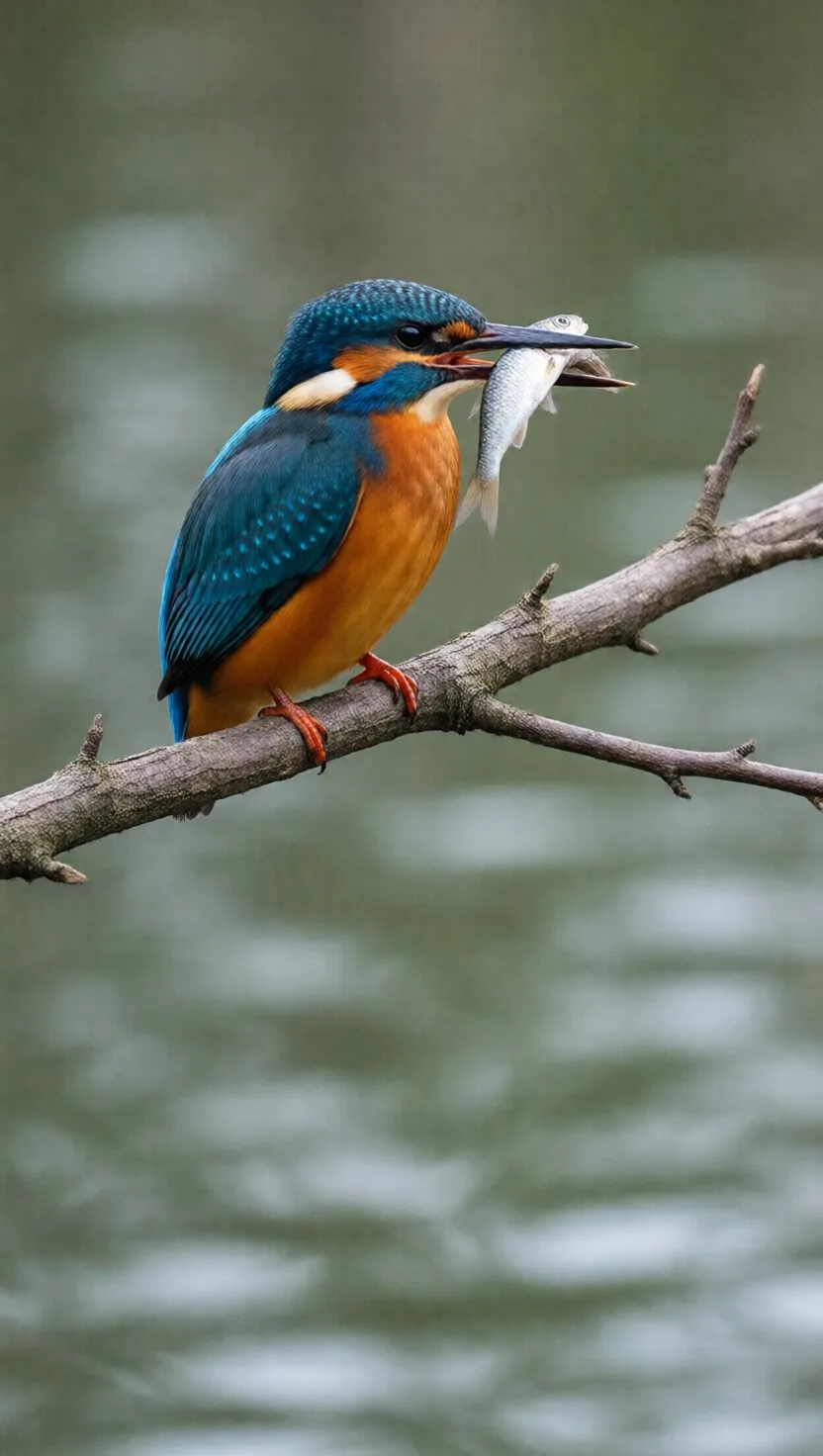
A kingfisher rarely gulps its catch straight off. It carries the fish back to a perch and whacks it hard against the branch, stunning it and snapping the sharp dorsal spines that could lodge in the bird's throat. Then it juggles the fish round to swallow it head-first, so the scales and fins fold flat going down instead of catching. Kingfishers have been found dead with a spiny fish stuck halfway.
The biggest kingfisher hunts snakes

The biggest kingfisher hunts snakes

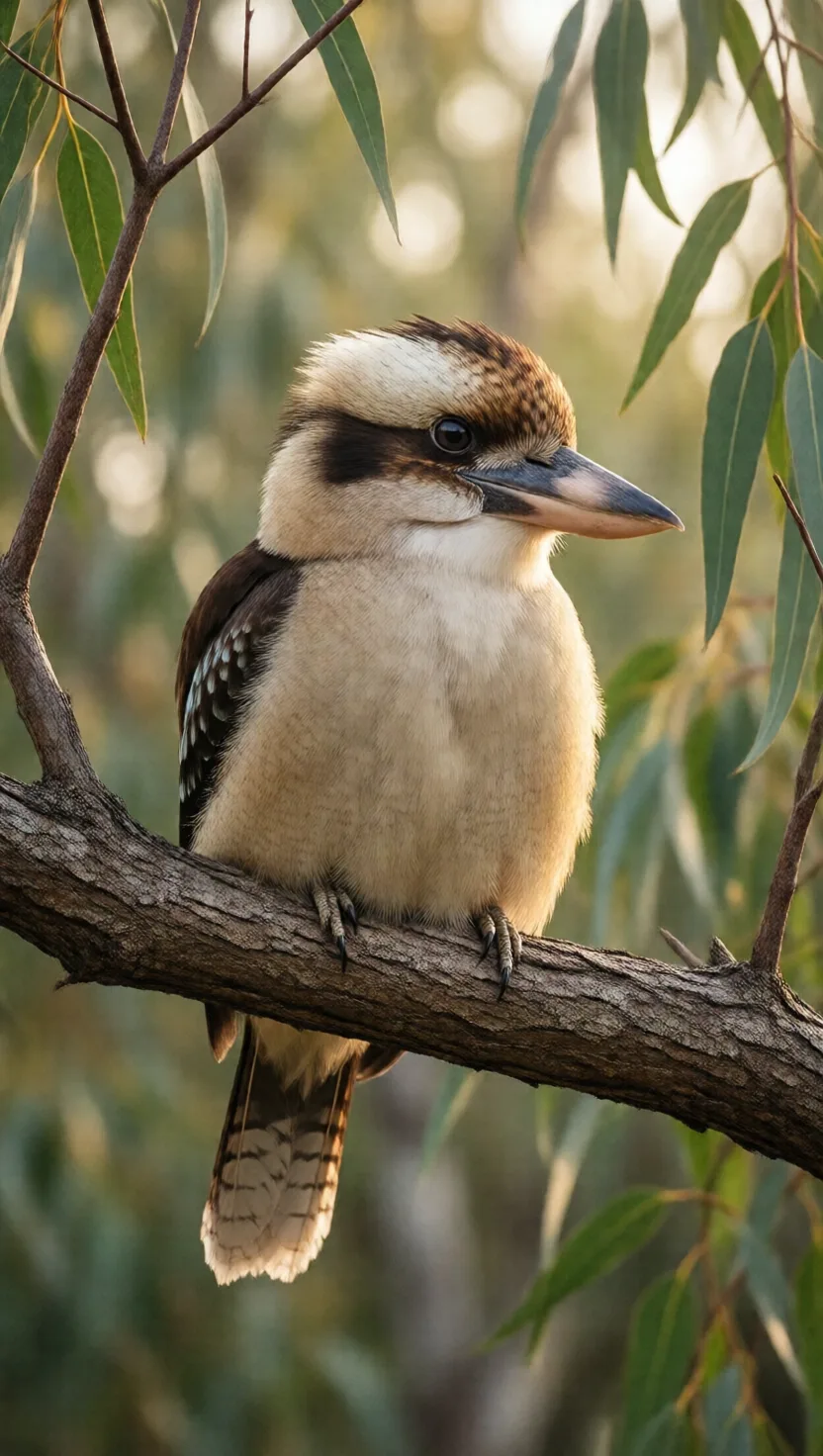
The laughing kookaburra of Australia is the heaviest kingfisher alive, and it barely touches fish. It is a dry-land hunter that eats insects, lizards, small mammals and, famously, snakes, which it kills by bashing them against a branch. Its cackling dawn chorus, the laugh, is really a territorial call staking out the family's patch of woodland. Plain brown and cream, with no flash of blue.
A nest lined with fish bones

A nest lined with fish bones

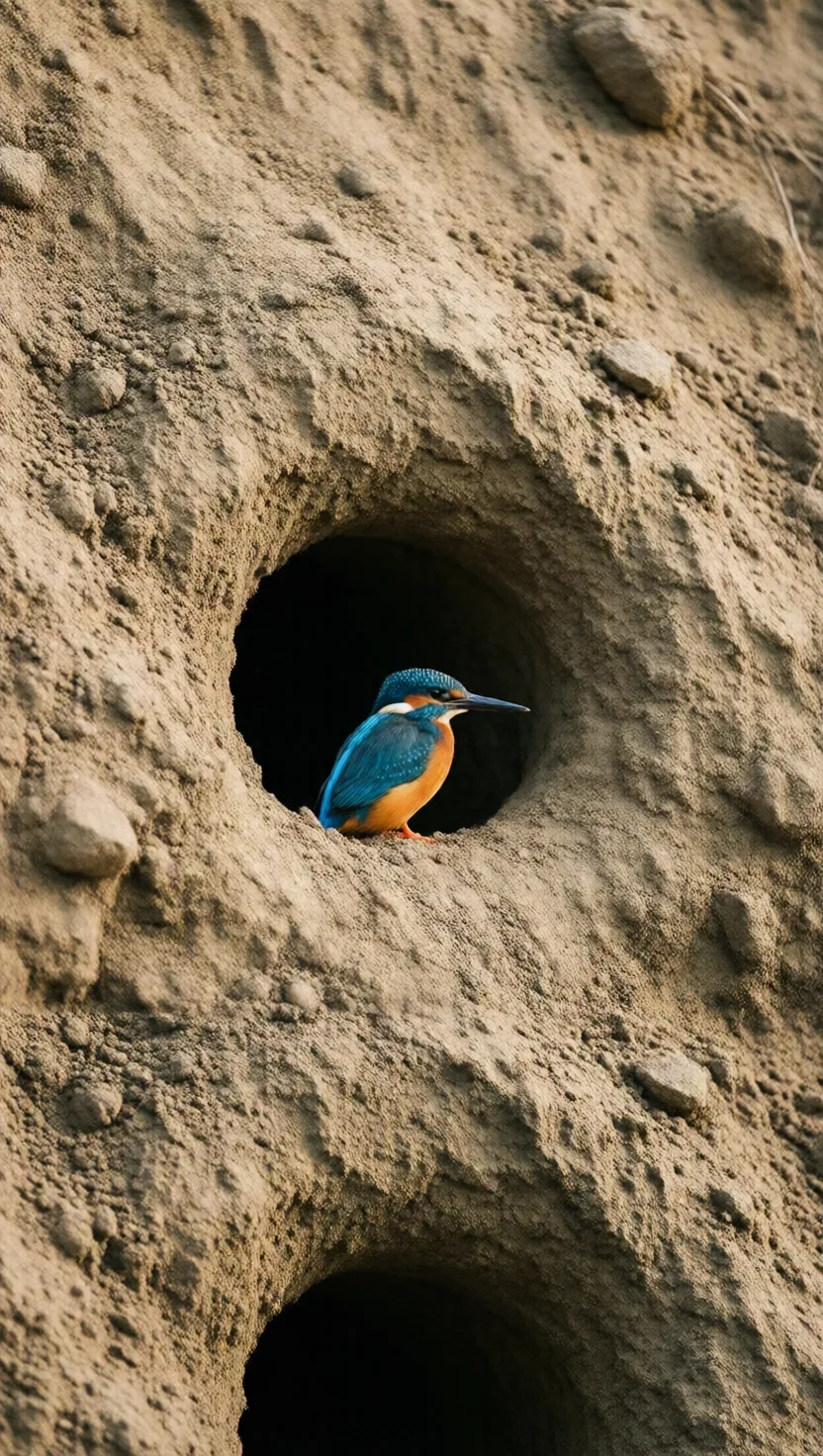
River kingfishers don't build nests in trees, they tunnel. A pair drills a straight burrow 60 to 90 cm into a bare riverbank, ending in a nesting chamber. There is no soft lining; instead the floor slowly carpets itself with the regurgitated bones and scales of eaten fish. By the time the chicks fledge, the chamber is a damp, reeking heap of fish remains. Smelly, but it drains well.
Why calm weather is 'halcyon days'

Why calm weather is 'halcyon days'

The phrase halcyon days comes straight from the kingfisher. In Greek myth a grieving woman, Alcyone, was turned into a halcyon, an old word for the kingfisher, and the gods calmed the winter sea for a fortnight each year so she could nest safely on the waves. Those becalmed midwinter days kept the bird's name, and we still use it for any spell of peaceful, golden calm.
Here the female wears the brighter coat

Here the female wears the brighter coat

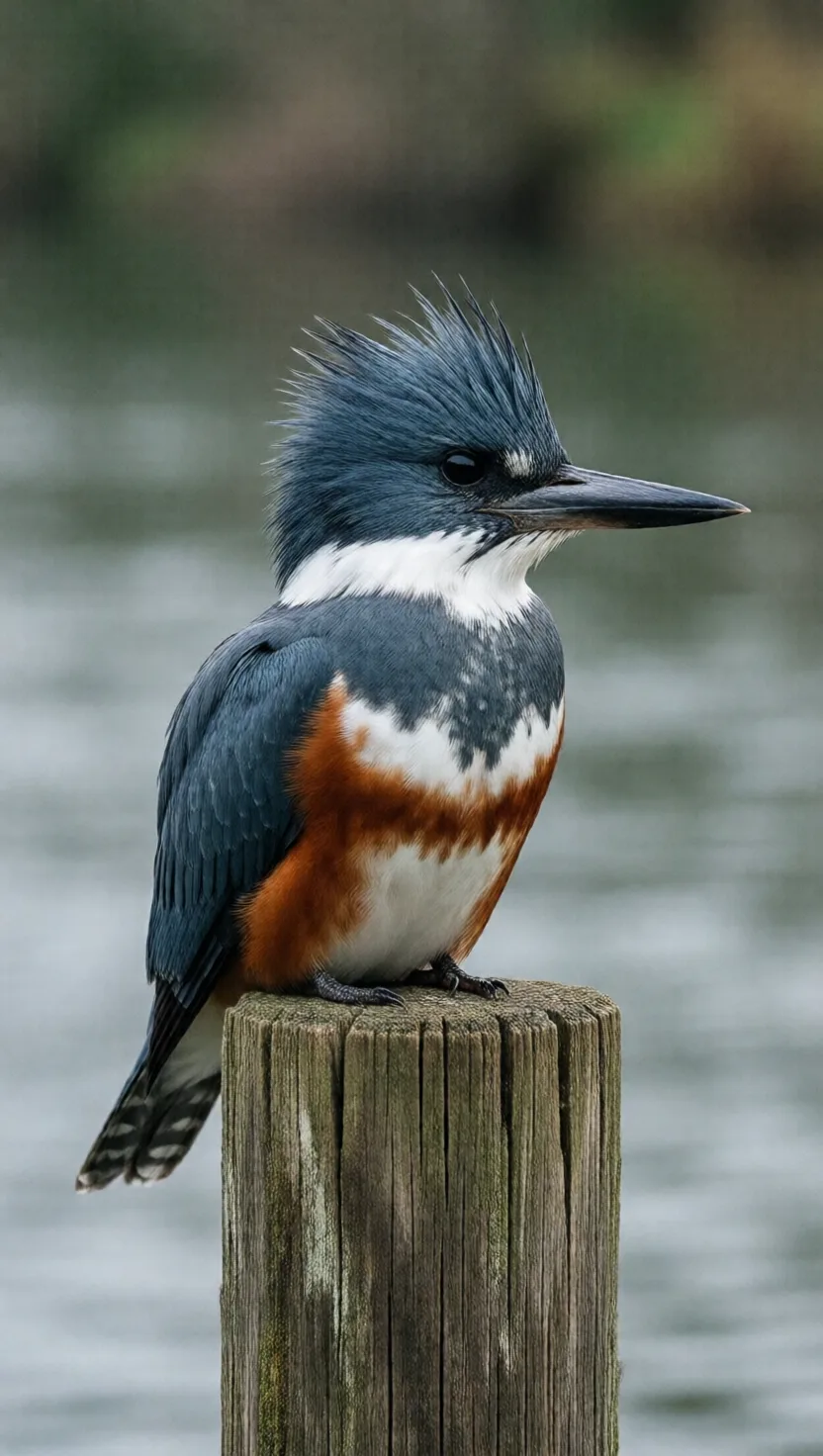
In most birds the male is the showy one. The belted kingfisher of North America flips it. Both sexes are slate-blue with a blue chest band, but the female adds a second, rust-coloured band across her belly that the male lacks, making her the more colourful sex. It is a rare reversal called reverse sexual dimorphism, and one that biologists still cannot fully explain.
It hangs in mid-air over open water

It hangs in mid-air over open water

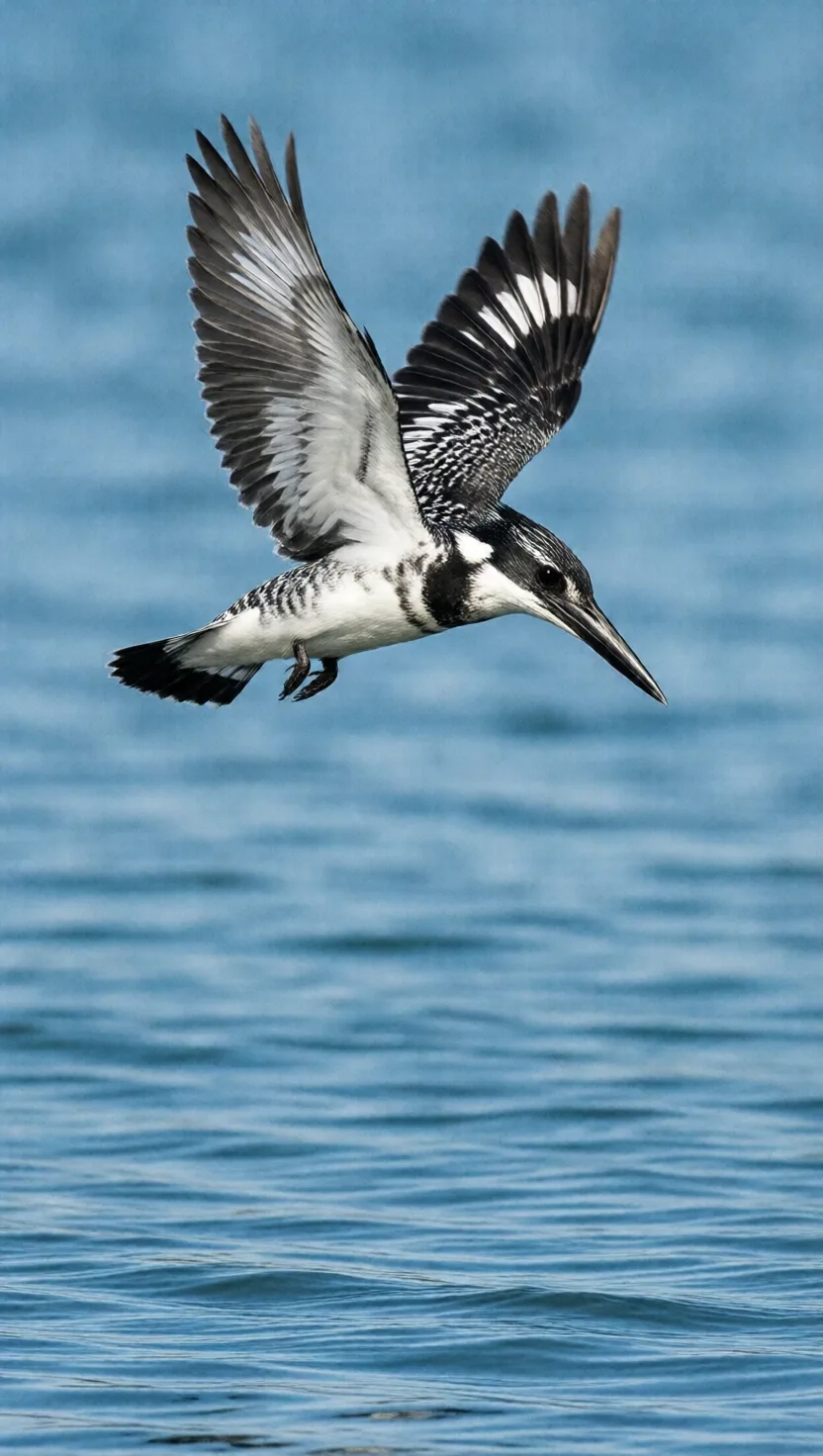
Most kingfishers need a perch to fish from. The black-and-white pied kingfisher doesn't. It is one of the few birds that can truly hover, beating its wings to hold a fixed point in the air for many seconds while it scans the water below, then folding into a dive. That frees it to hunt the middle of lakes and estuaries far from any branch, and even to swallow small catches without landing.
Most kingfishers don't fish at all

Most kingfishers don't fish at all

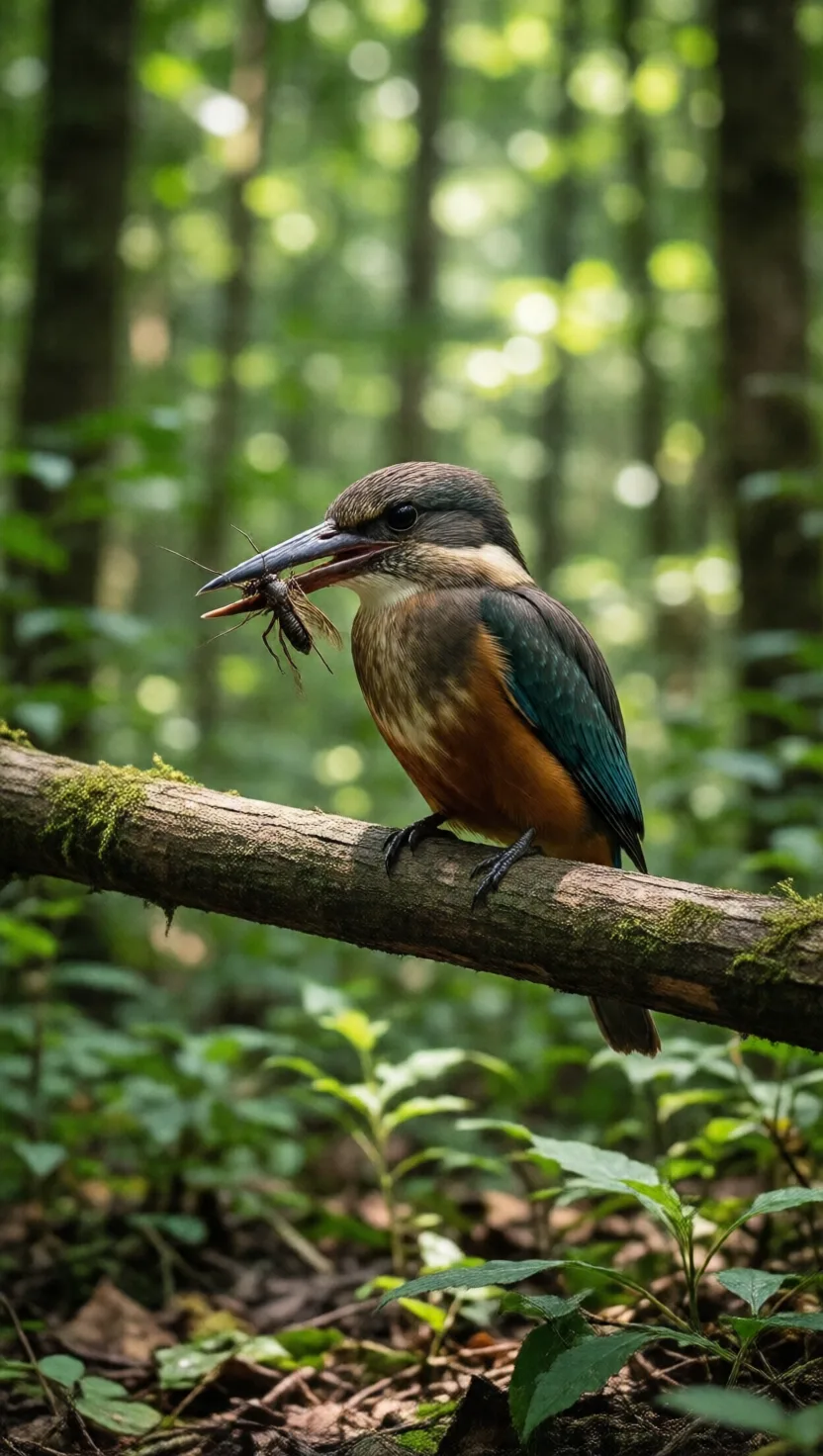
The name fits only a minority. Of about 114 kingfisher species, more than half live deep in forests and never specialise in fish; they hunt insects, worms, lizards and frogs, often far from any water. Many aren't even blue. The jewel-bright fisher darting along a river is the exception. The typical kingfisher is a drab woodland bird snatching a grasshopper off a leaf.
tap →swipe ↑ for depthswipe ↓ to exit