Eight things about pelicans and that improbable beak

DC·212 Deep Cuts
It inflates built-in airbags before it hits

It inflates built-in airbags before it hits

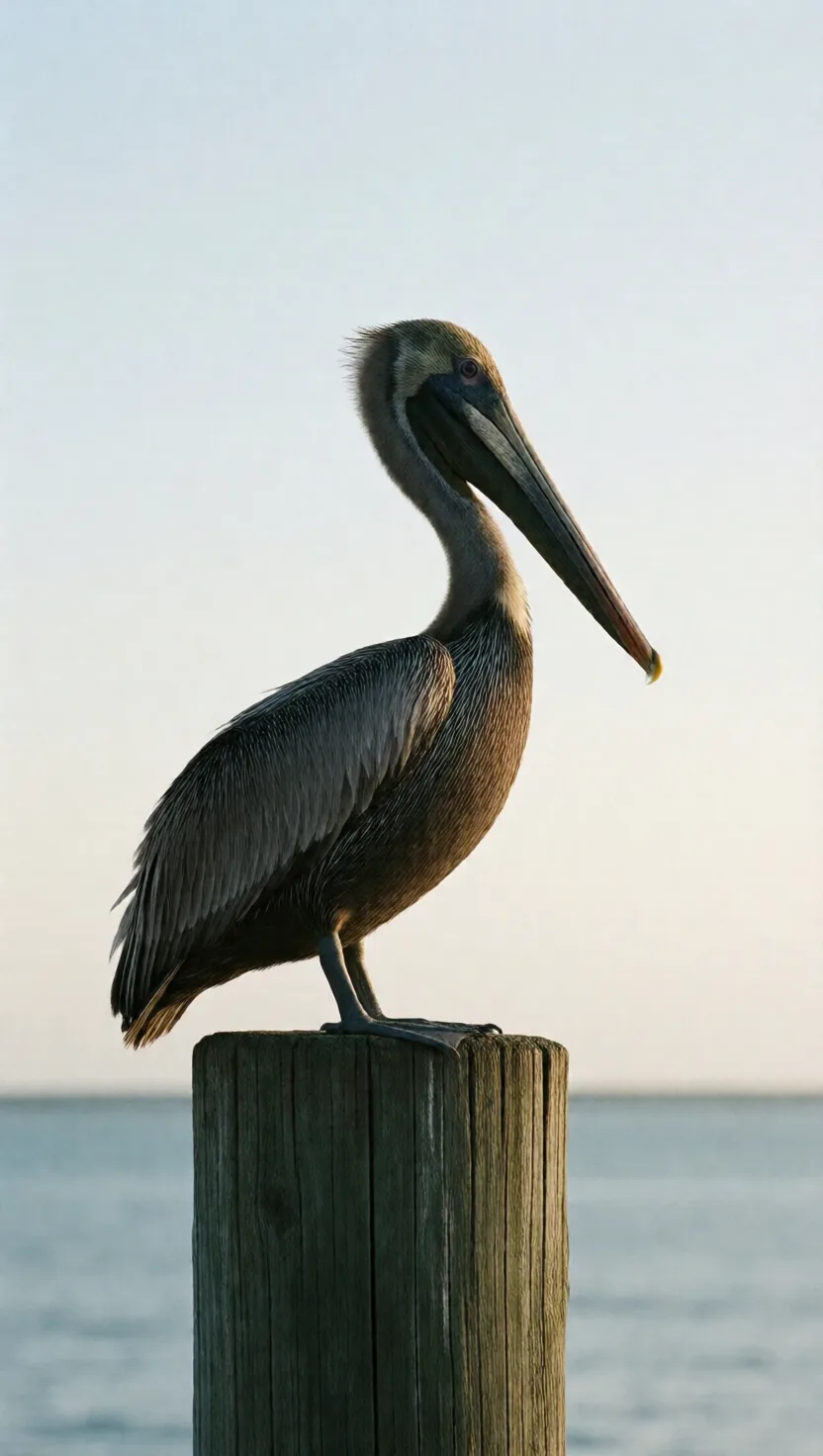
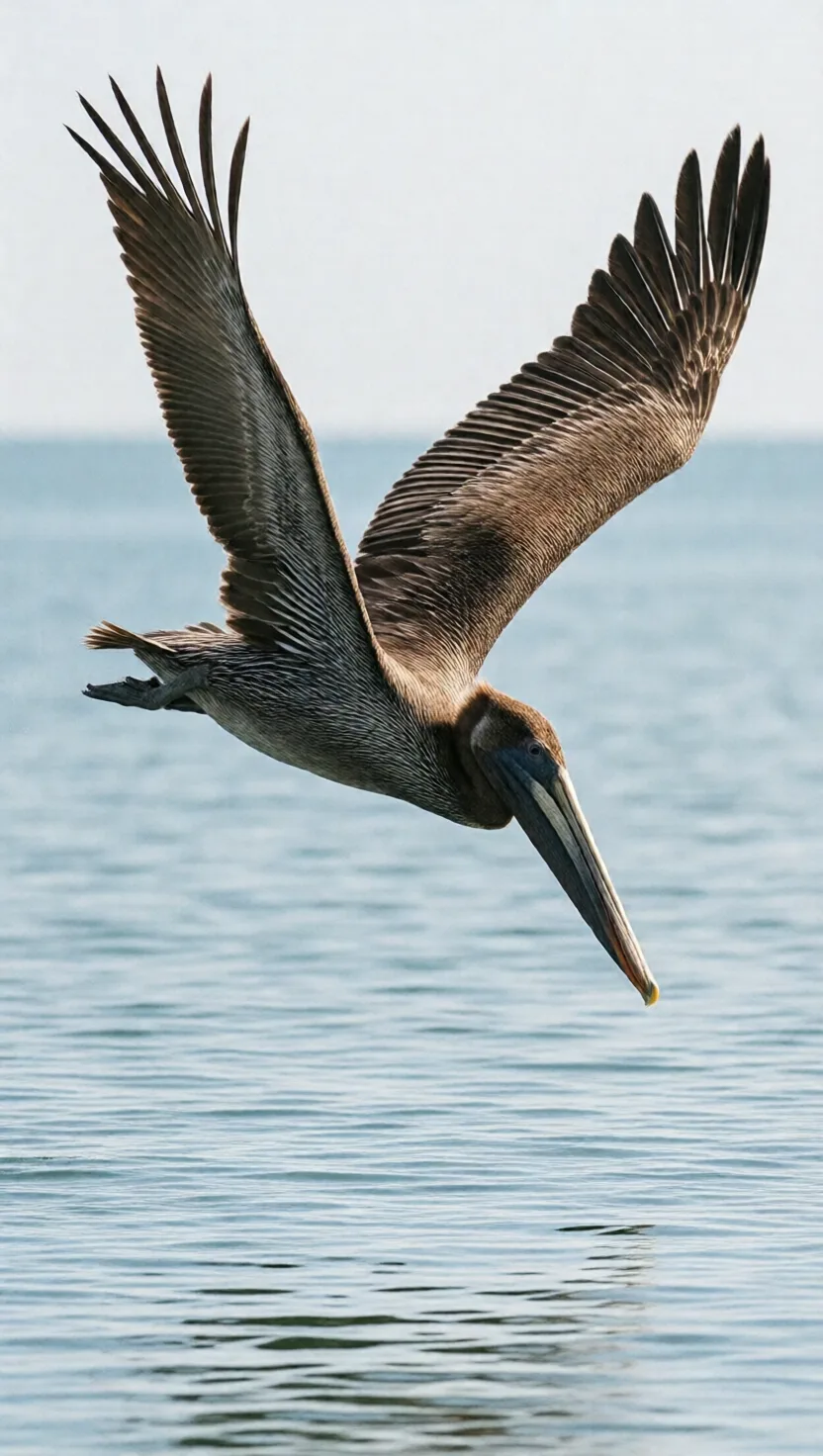
A brown pelican hunts by plunge-diving, folding into an arrow and slamming into the sea from up to about 18 metres. To survive the impact it inflates a layer of air sacs that sit under the skin of its throat, breast and wings, cushioning the blow like bubble wrap. At the last instant it also twists its body slightly to the left, shielding the windpipe and gullet that run down the right side of its neck. The same air sacs then bob it straight back to the surface.
Its great pouch is a net, not a lunchbox

Its great pouch is a net, not a lunchbox

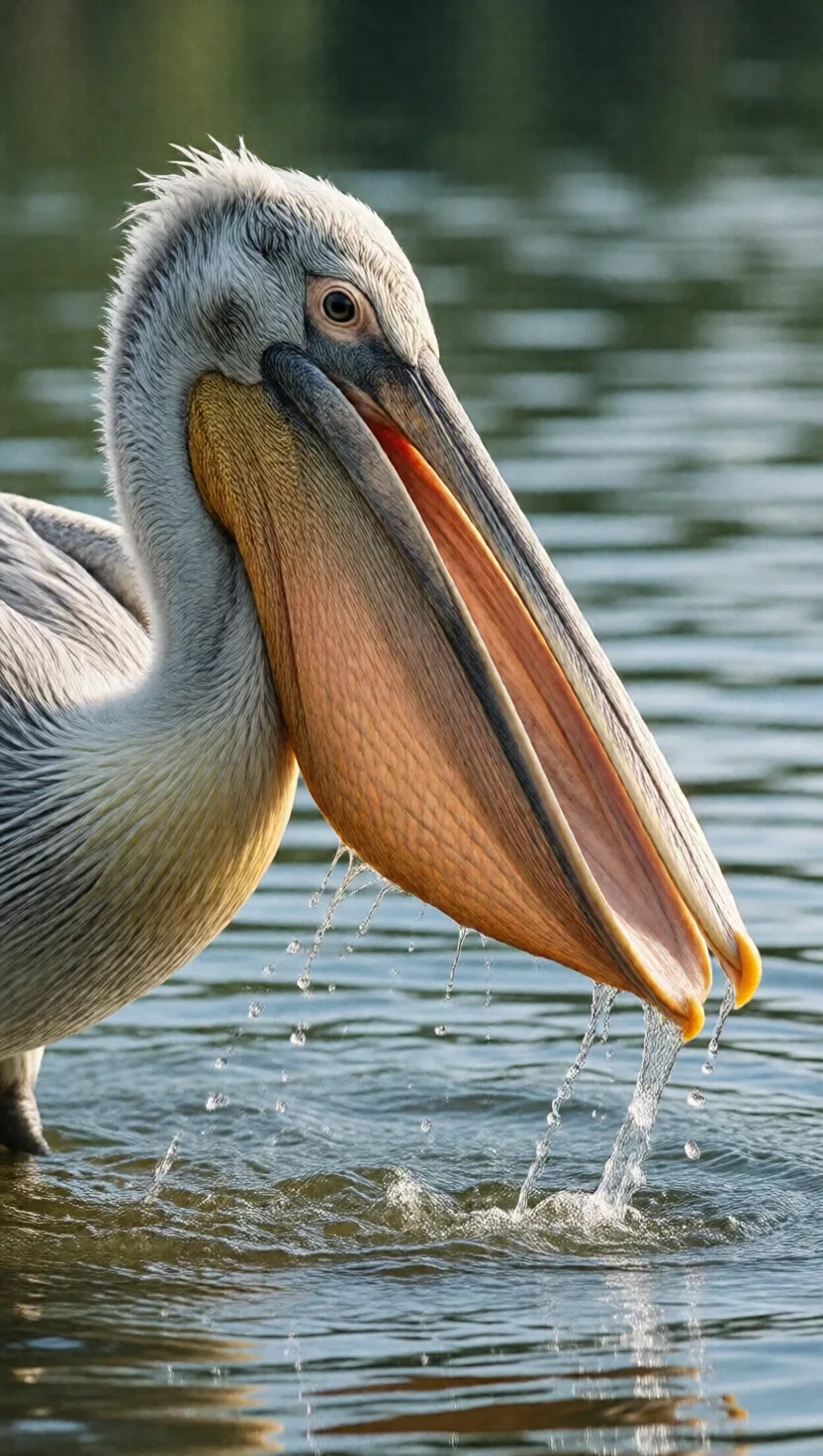
A pelican's stretchy throat pouch can scoop up more than three gallons — about 13 litres — of water in one lunge, far more than its stomach could ever hold. But it isn't for carrying food around. The pouch works as a dip-net: it traps fish along with a flood of seawater, then the pelican tilts its head, lets the water drain out of the corners of its bill, and swallows the catch on the spot. Nothing is stored for later.
These never dive — they herd fish like a team

These never dive — they herd fish like a team

Not all pelicans crash-dive. The American white pelican feeds from the surface and hunts as a group: a line or horseshoe of birds swims forward together, beating the water and driving schools of fish ahead of them into the shallows. Then, all at once, the pelicans dip their bills in unison and scoop. Working in small coordinated groups, each bird catches far more fish than it could hunting alone.
In spring it grows a horn, then drops it

In spring it grows a horn, then drops it

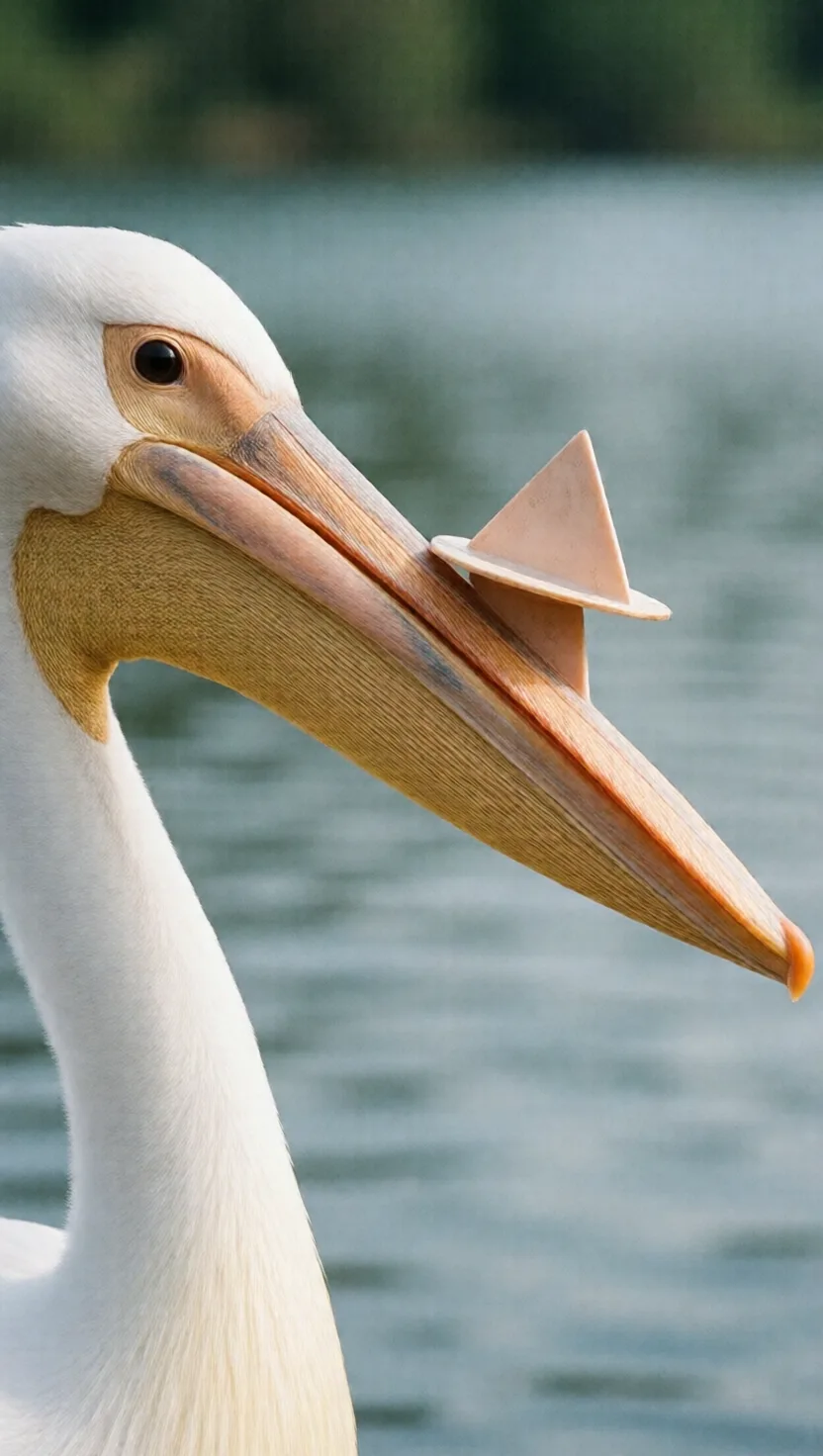
As breeding season nears, the American white pelican sprouts a strange flat, fibrous plate — a 'horn' a few centimetres tall — standing upright on the top of its bill. It's the only one of the world's pelican species to grow one. Both males and females develop it as a badge of breeding condition, and it may also shield the bill during sparring. Once the eggs are laid, the bird sheds the horn and the bill returns to smooth.
It carries the longest beak of any living bird

It carries the longest beak of any living bird

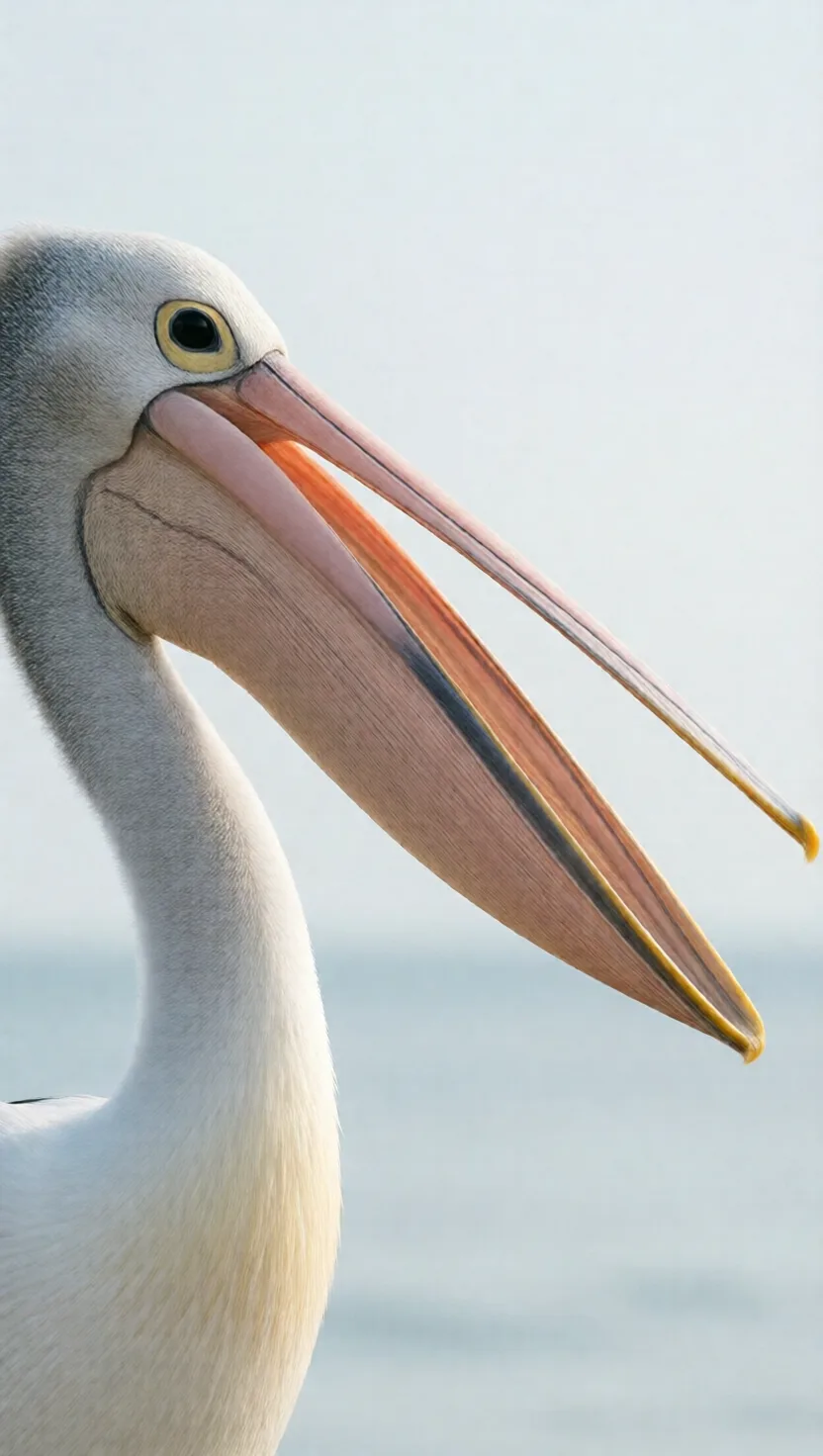
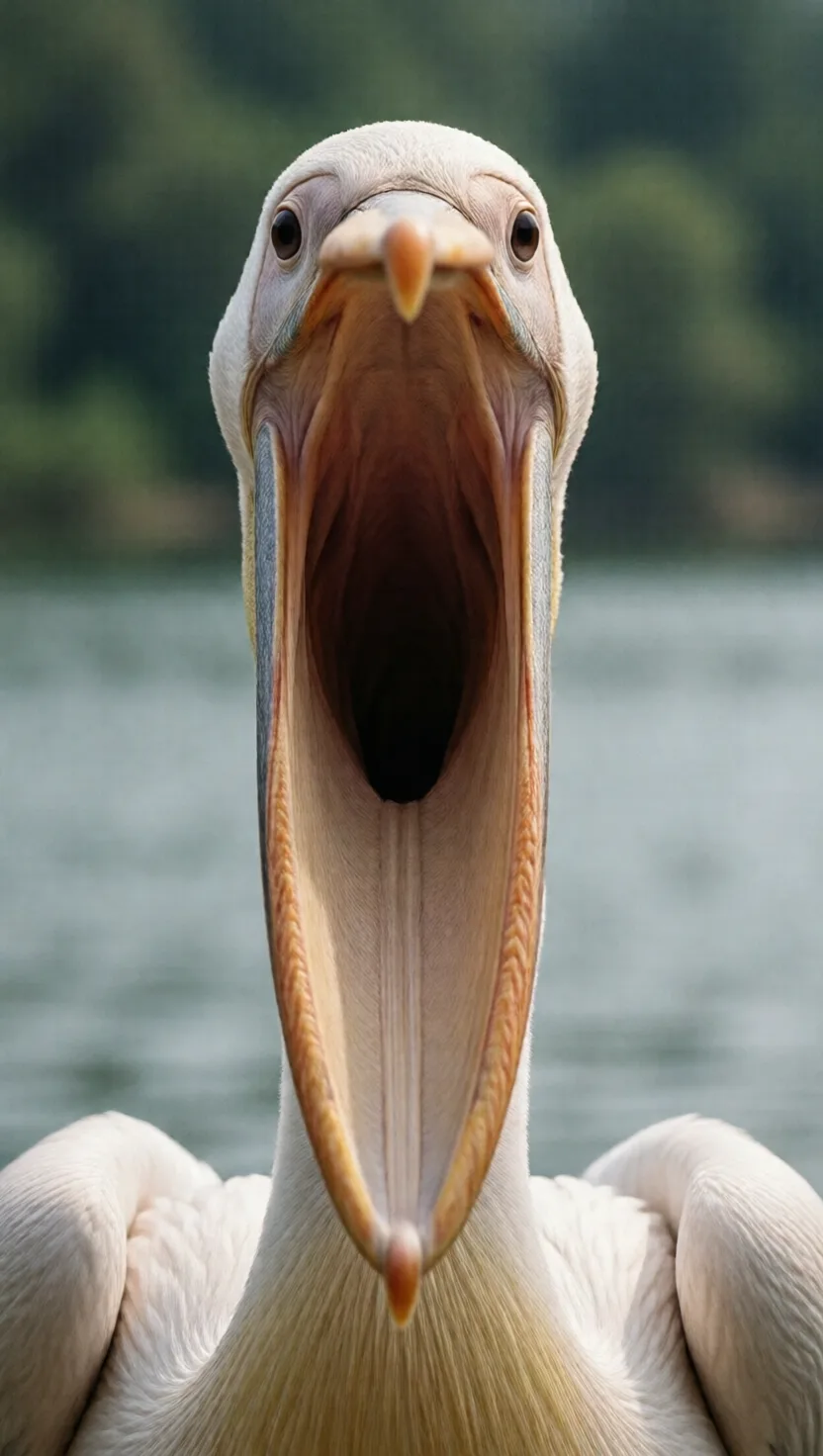
The Australian pelican holds the record for the longest bill of any bird alive, with the largest measured beak reaching about 50 centimetres — roughly half a metre of pale pink bill. The pouch slung beneath it is sensitive enough to feel for fish in murky water, and large enough that the whole apparatus can hold several times what the bird's stomach can. Even among pelicans, famous for big beaks, it is the outlier.
It has no open nostrils and breathes by mouth

It has no open nostrils and breathes by mouth

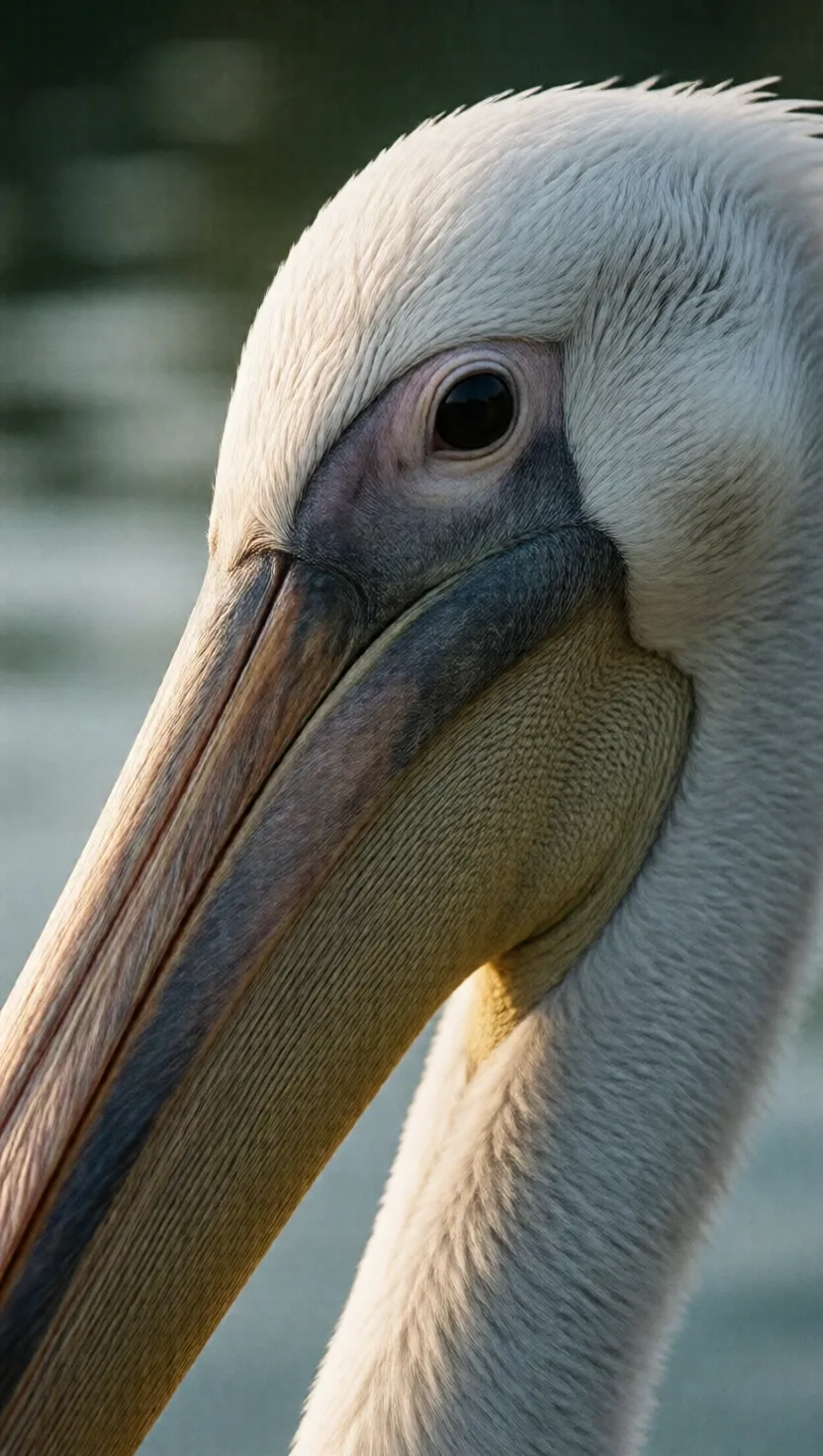
Look closely at a pelican's bill and you won't find working nostrils. In all eight pelican species the nostrils are sealed shut, buried under the horny sheath of the beak — an adaptation that keeps water from being forced in during those high-speed plunge dives. So the pelican breathes mostly through its mouth, around the edges of the bill. The hidden nostril cavities aren't wasted, though: they house glands that strip excess salt from the bird's blood.
Its odd beak hasn't changed in 30 million years

Its odd beak hasn't changed in 30 million years

The pelican's outlandish bill-and-pouch is one of evolution's great success stories — so successful it has barely changed since it first appeared. A beautifully preserved fossil pelican from early Oligocene rocks in southern France, around 30 million years old, has a beak almost identical to a living pelican's. The whole feeding apparatus was already fully formed back then and has hardly been altered since, a striking case of evolutionary stasis.
When fish run short, it swallows birds whole

When fish run short, it swallows birds whole

A pelican looks like a gentle fish-eater, but it's an opportunist with a bottomless pouch. When fish grow scarce, pelicans have been recorded grabbing other birds — pigeons, gulls and ducklings — drowning them in the pouch and then swallowing them down whole. There are well-documented cases of city pelicans plucking pigeons off the grass and gulping them in front of startled onlookers. If it fits in the pouch, it can become a meal.
tap →swipe ↑ for depthswipe ↓ to exit