Eight things about seals and the lives they lead in the cold

DC·210 Deep Cuts
It sleeps while sinking through the dark

It sleeps while sinking through the dark

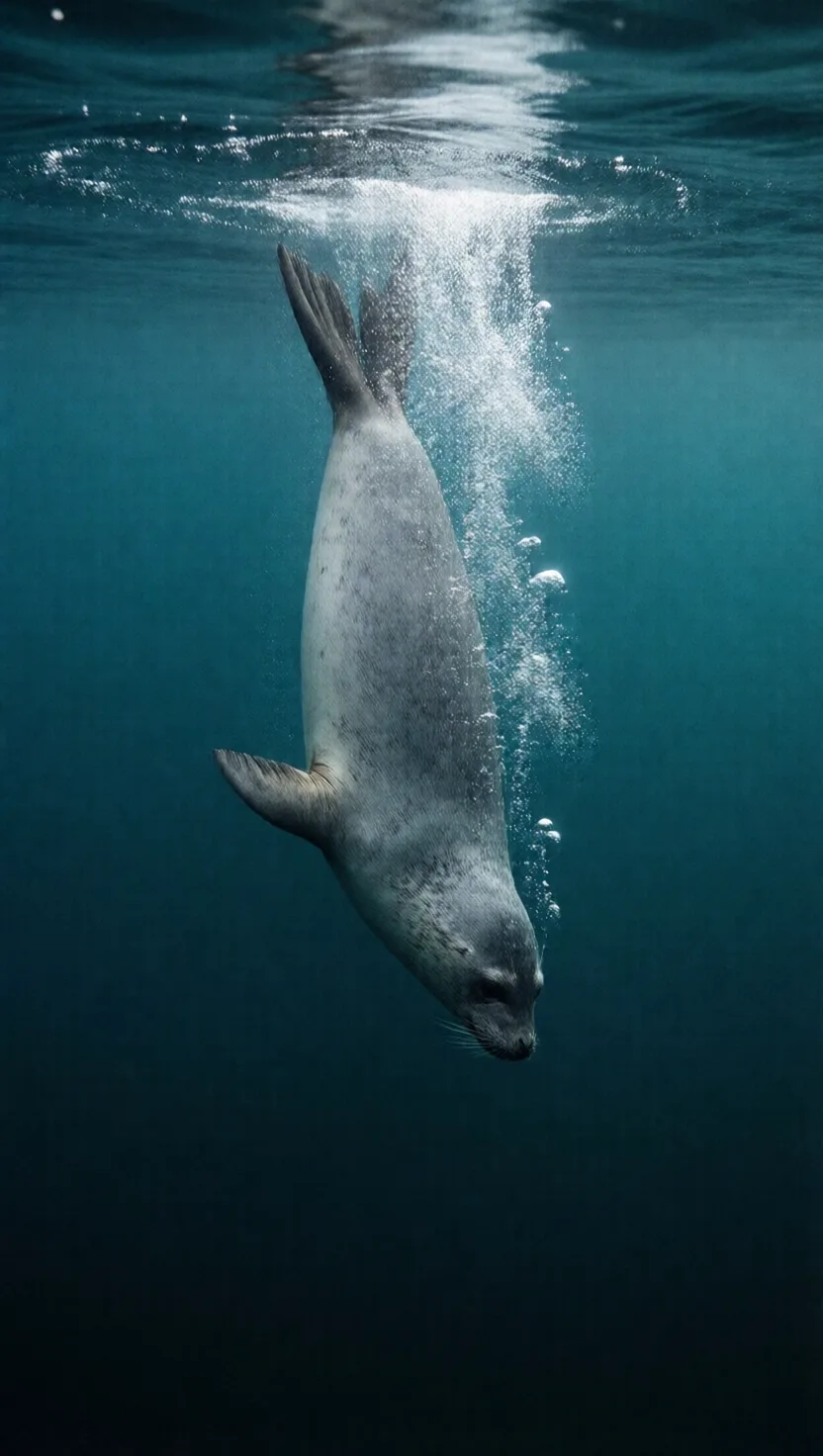
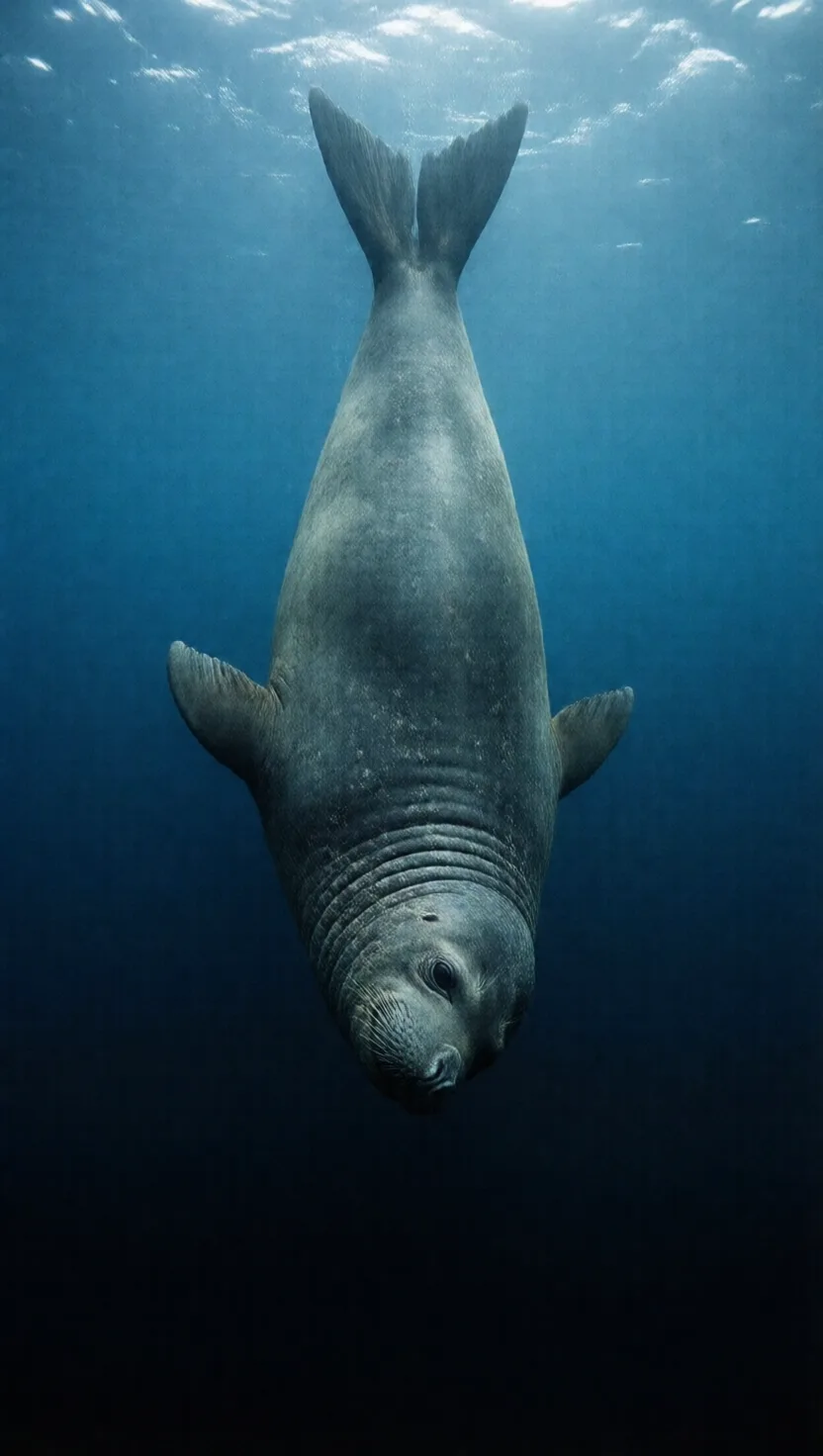
Out at sea on months-long foraging trips, a northern elephant seal sleeps only about two hours a day — nearly the least of any mammal. It does it by diving deep and then drifting off, rolling onto its back and spiralling slowly downward in free fall, often napping for around ten minutes hundreds of metres down before waking and swimming back up to breathe. Brain recordings from wild seals in 2023 caught the pattern for the first time.
Weaned in four days, then left to fend alone

Weaned in four days, then left to fend alone

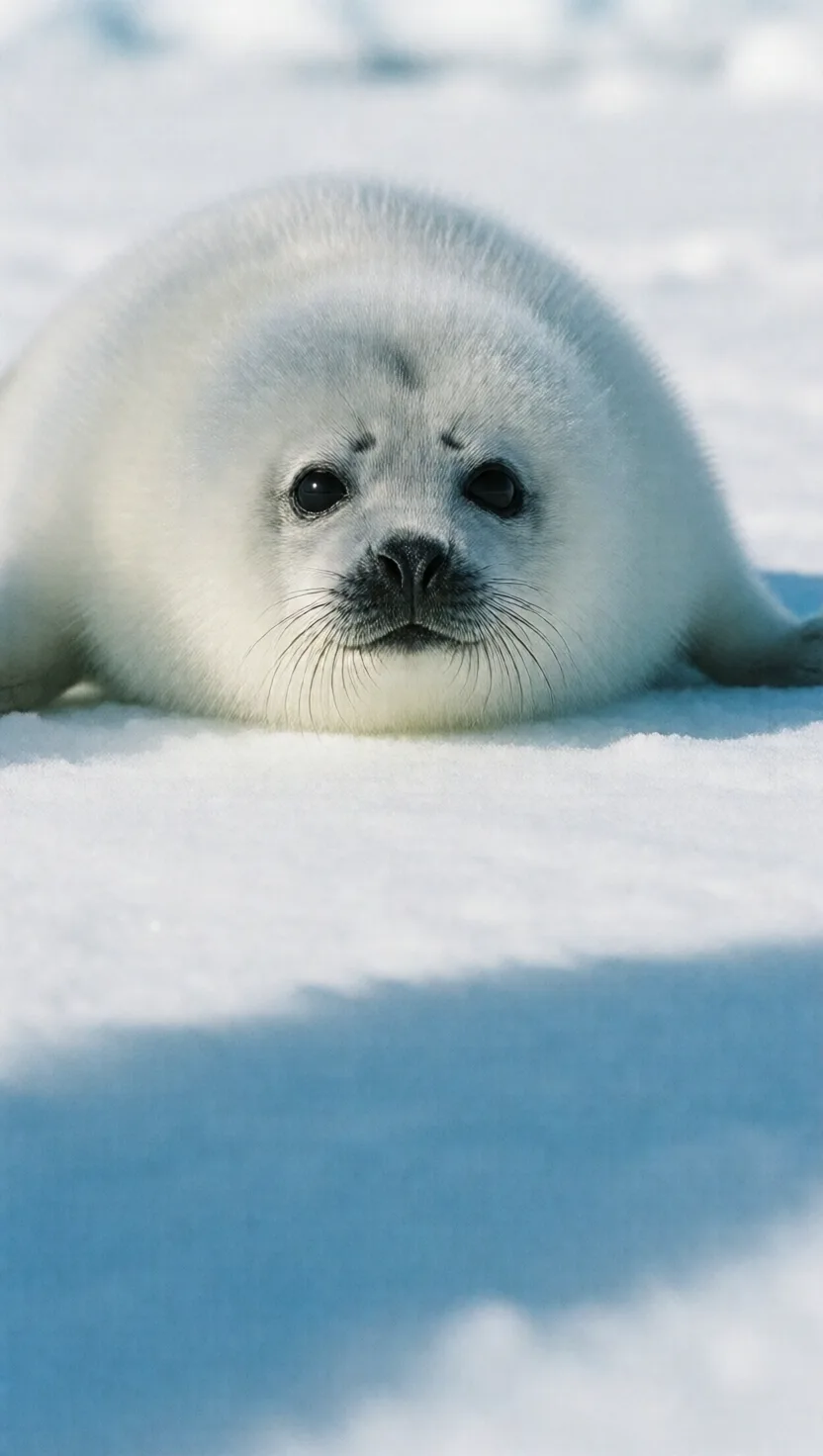
The hooded seal has the shortest nursing period of any mammal: just four days. The mother's milk is around 60% fat — richer than double cream — and the pup drinks roughly ten litres a day, packing on about 30% of its birth weight daily as a thick blubber blanket. After four days the mother simply leaves, and the fattened pup must learn to dive and feed itself on the pack ice alone.
The 'crabeater' seal has never eaten a crab

The 'crabeater' seal has never eaten a crab

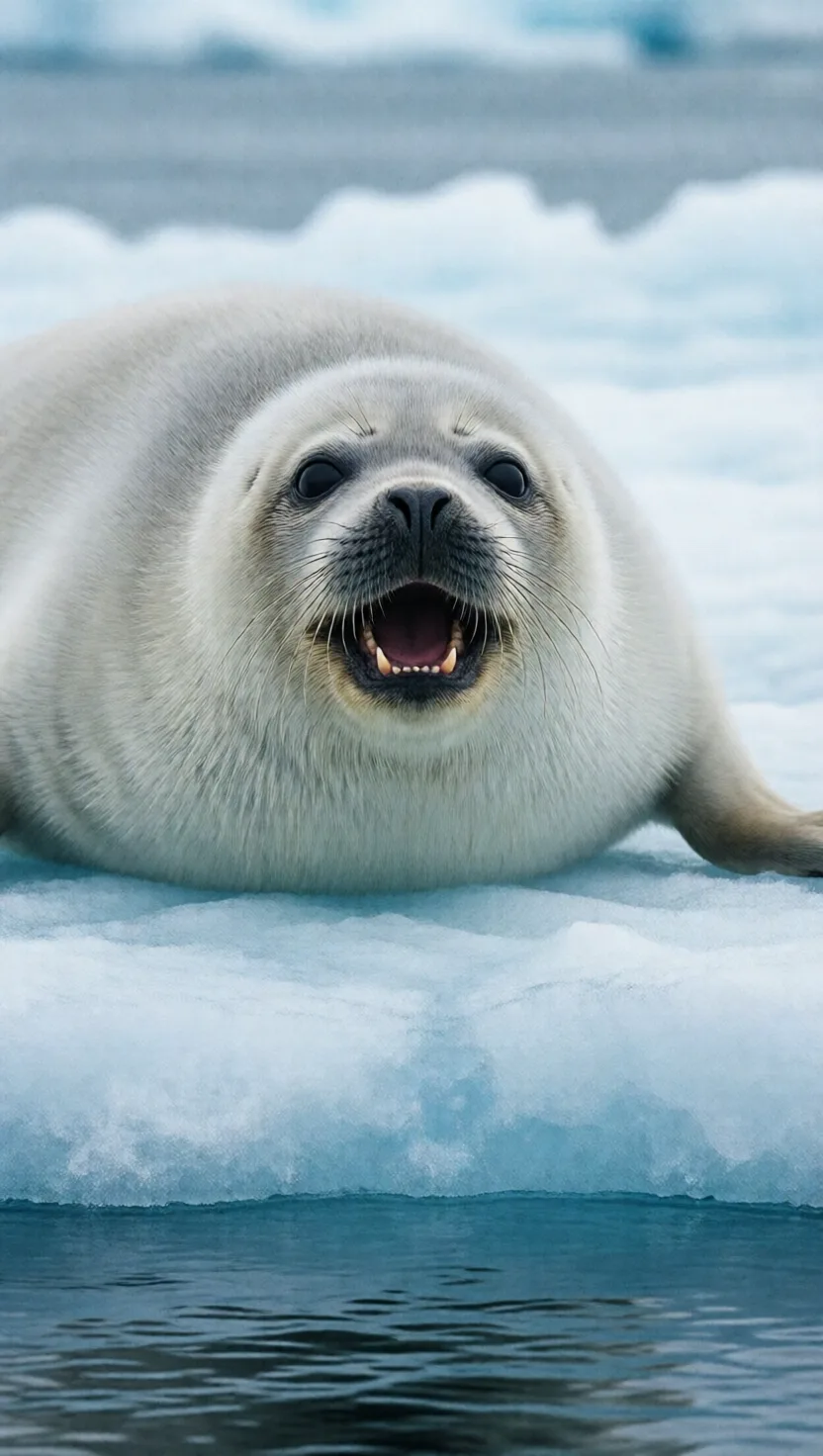
Despite its name, the crabeater seal lives almost entirely on tiny Antarctic krill — up to 95% of its diet. Its teeth are the trick: each one is finely lobed, and when the seal closes its jaws the teeth interlock into a sieve. It gulps a mouthful of krill-laden water, then forces the water out through the toothy filter, much as a baleen whale does. It may also be the most numerous large wild mammal on Earth after humans, numbering in the tens of millions.
It saws its own breathing holes with its teeth

It saws its own breathing holes with its teeth

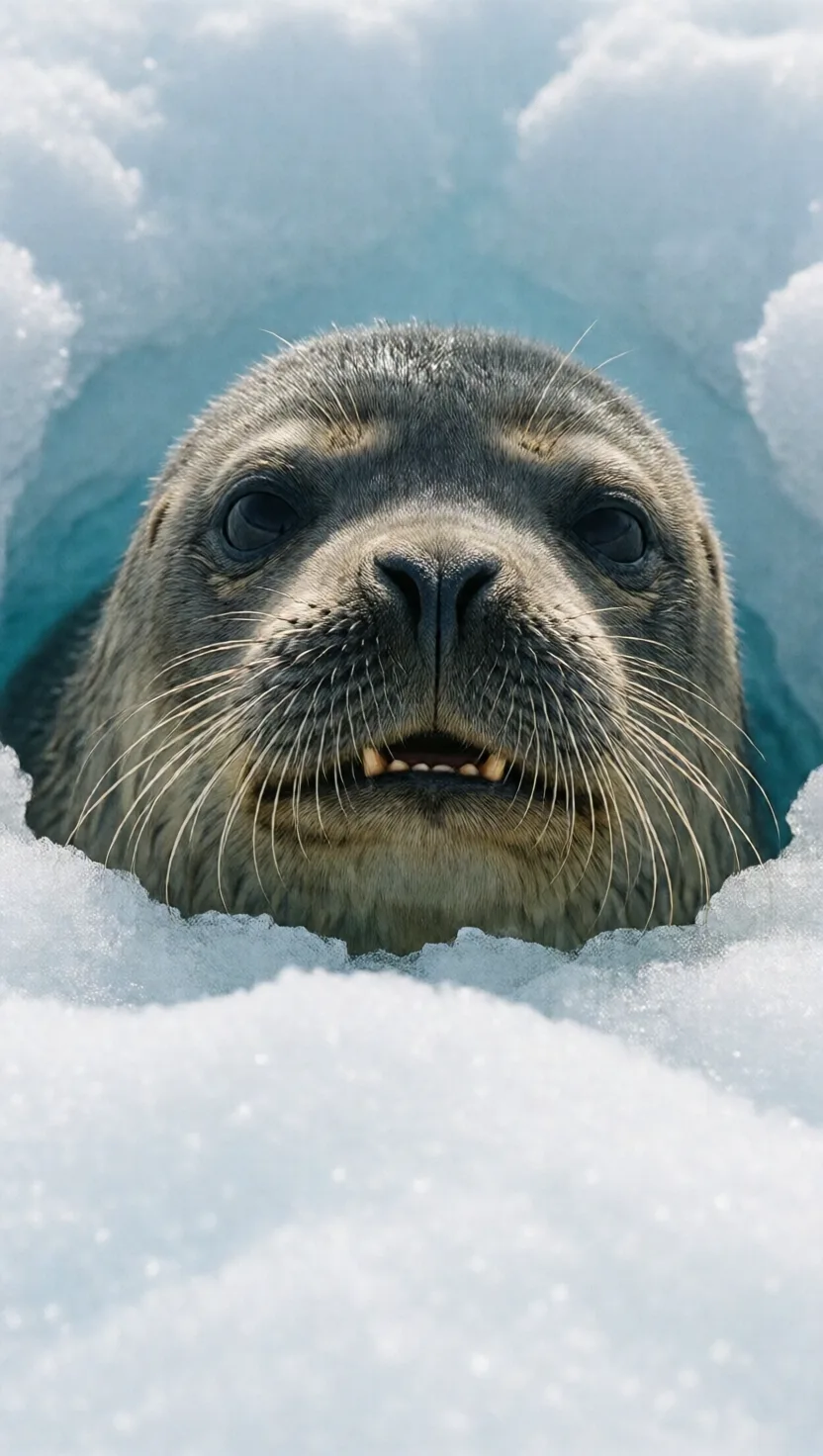
The Weddell seal lives further south than any other mammal, under solid Antarctic sea ice. To breathe through the winter it rasps holes in the ice with its canines and incisors, leaning in and grinding to keep the openings from freezing shut. The cost is brutal: the constant scraping wears the teeth down, sometimes to the pulp, and worn-out teeth that can no longer open a hole are a leading cause of death — often by around 18 years old.
The male inflates a red balloon from one nostril

The male inflates a red balloon from one nostril

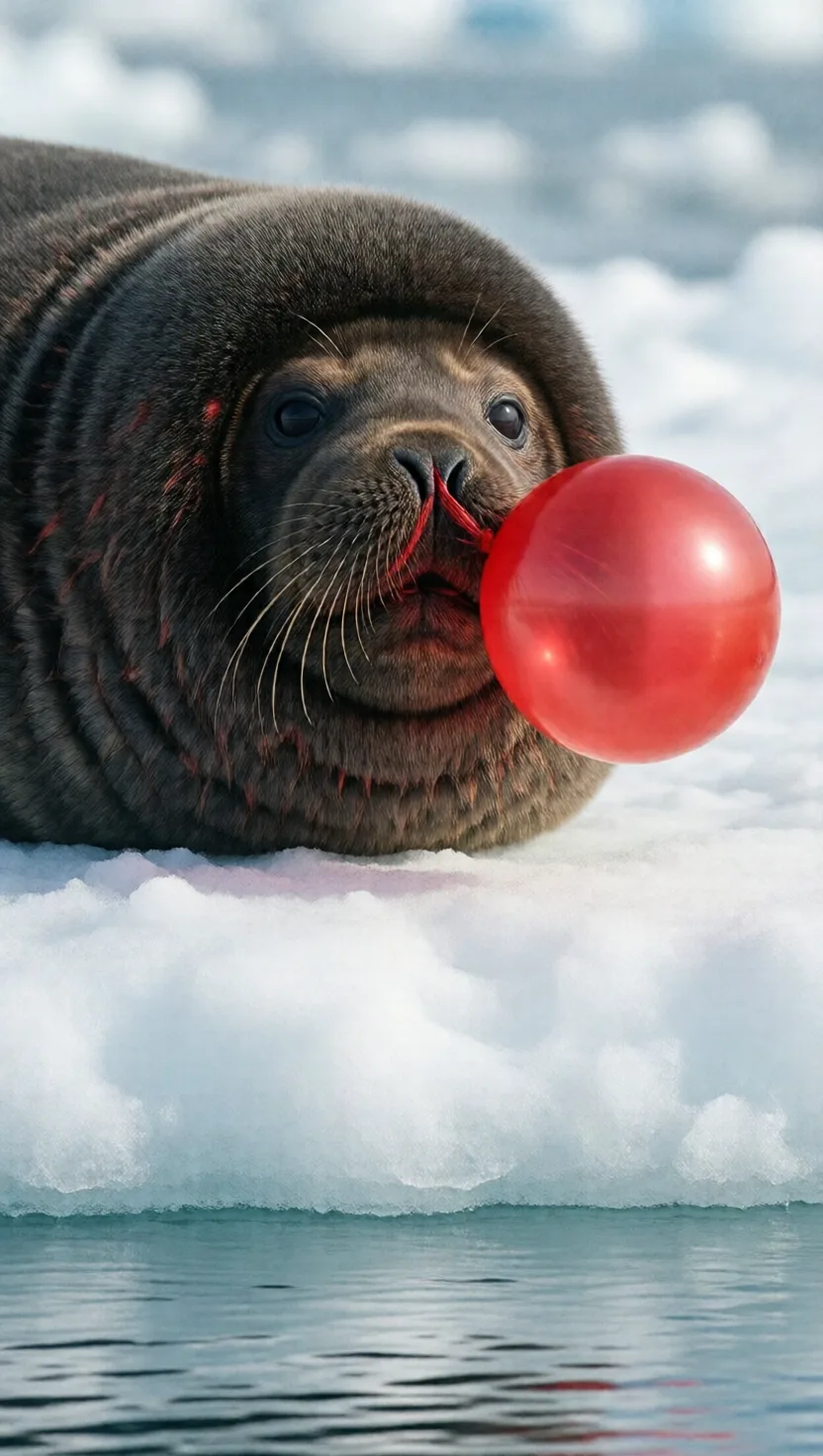
Male hooded seals carry an inflatable sac on the front of the face — the 'hood.' In the breeding season the male blows it up into a tight black cushion over his head. Then, as a second display, he seals one nostril and pushes the stretchy bright-red lining of the other nostril out, ballooning it into a glistening red bladder that he can bounce and shake. The show warns off rival males and advertises to females on the ice.
Once a year it sheds skin and fur in sheets

Once a year it sheds skin and fur in sheets

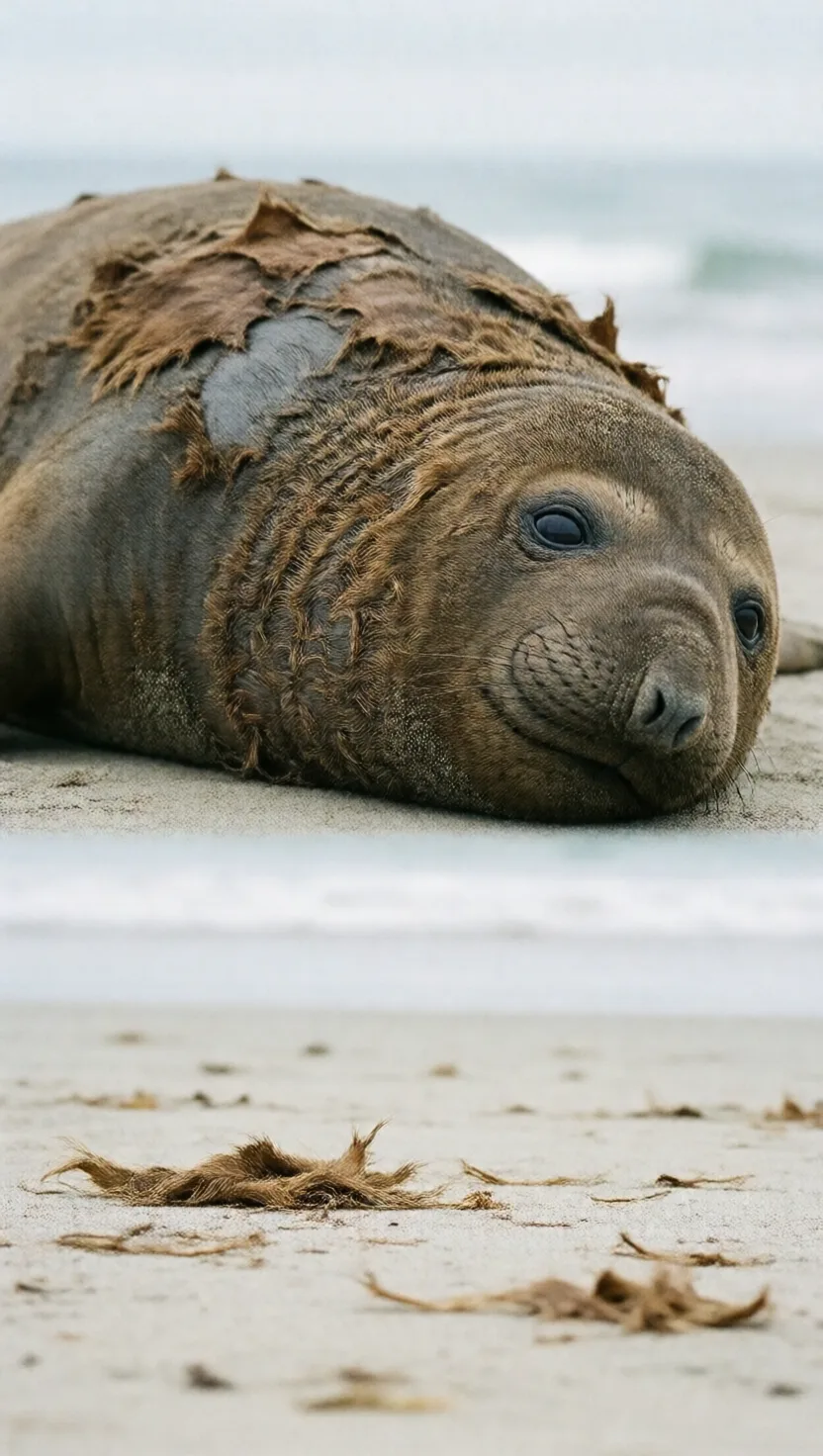
Elephant seals undergo a 'catastrophic molt.' Instead of shedding hair gradually year-round, they peel off the whole outer layer — old fur still attached to patches of skin — in ragged sheets, revealing fresh grey coat beneath. The reason is the cold: at sea their blood is kept away from the chilled skin, so new fur can't grow there. They must haul out on a beach for about 25 to 28 days, fasting the entire time, to renew the coat all at once.
It empties its lungs before diving 600 metres

It empties its lungs before diving 600 metres

A Weddell seal can dive past 600 metres and stay under for more than an hour, and it dodges the bends by doing the opposite of a human diver: it breathes out before going down. By around 25 to 50 metres the pressure collapses its flexible lungs, squeezing the remaining air into stiff airways where nitrogen can't dissolve into the blood. With no nitrogen loading up under pressure, the seal surfaces with no risk of decompression sickness.
The male sings underwater for hours each night

The male sings underwater for hours each night

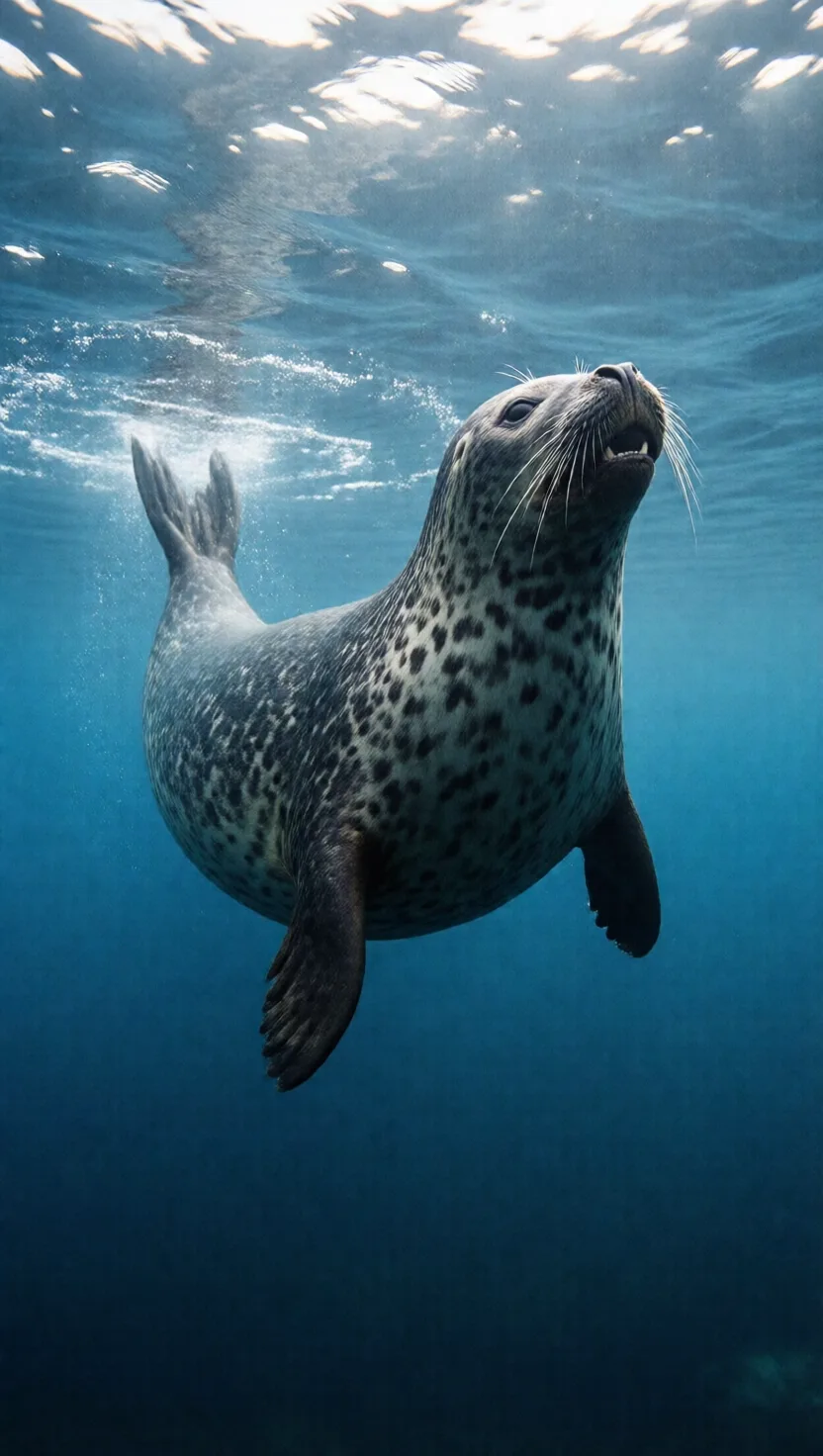
In the Antarctic breeding season, male leopard seals turn into tireless underwater singers. A male hangs in the water and broadcasts long sequences built from a small set of just five stereotyped calls, performing for up to about 13 hours a day. A 2025 study found the sequences are as predictable and repetitive as human nursery rhymes — a structure thought to help the song carry clearly across great distances under the ice.
tap →swipe ↑ for depthswipe ↓ to exit