Eight things about the secret lives of fungi and lichens

DC·21 Deep Cuts
The mushroom that sweats blood-red drops

The mushroom that sweats blood-red drops

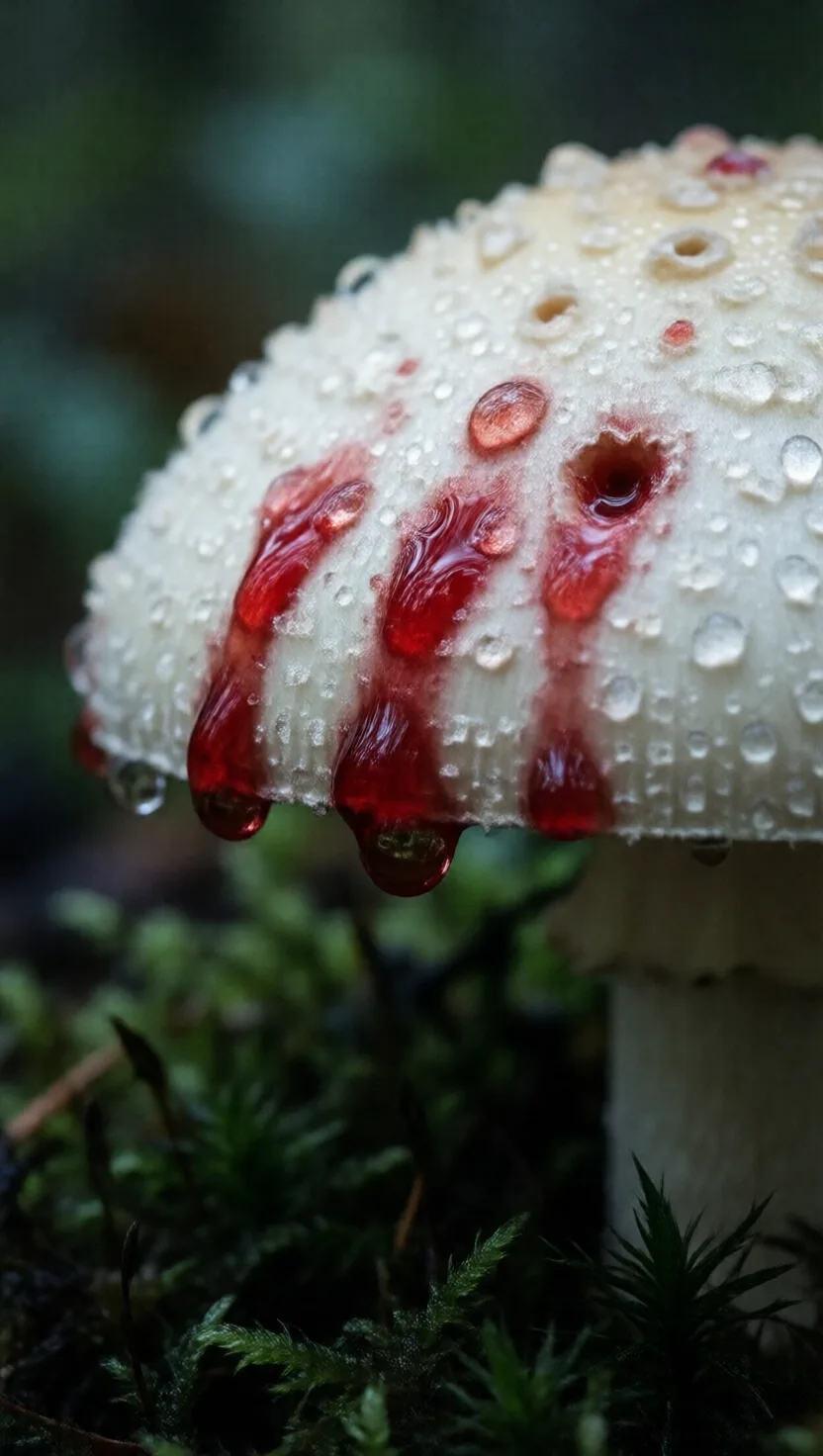
The bleeding tooth fungus pushes beads of bright red liquid out through tiny pores when it is young and well-watered, the same harmless process, called guttation, that makes grass tips drip at dawn. The blood is just the fungus shedding excess water carrying a red pigment, atromentin, which in the lab acts much like the anticoagulant heparin and slows clotting. The fungus will not hurt you to touch, but it is far too bitter to eat.
This fungus drops a lace skirt in minutes

This fungus drops a lace skirt in minutes

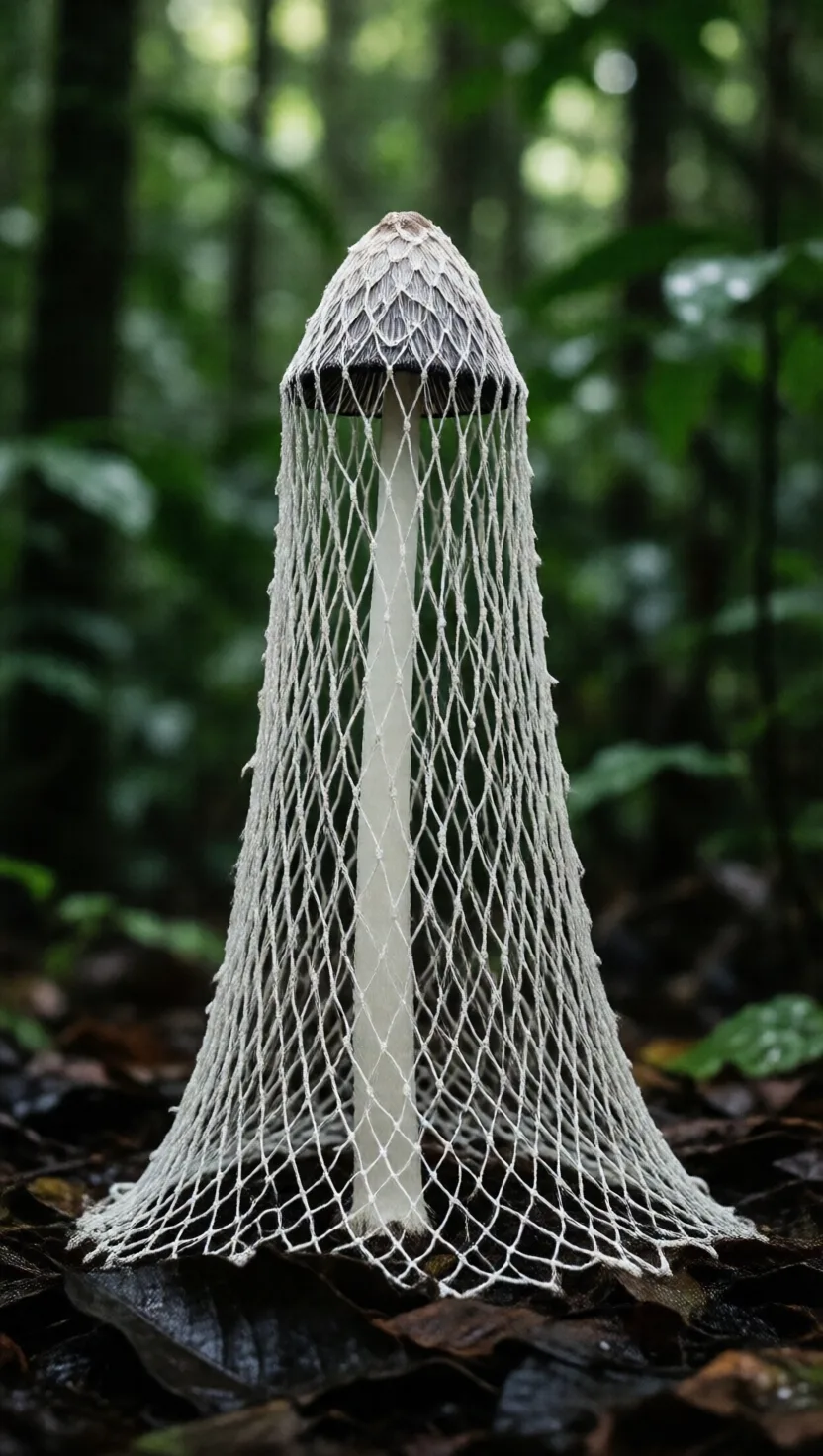
The veiled lady unfurls a delicate white lace net, the indusium, that hangs from beneath its cap almost to the ground. The whole structure erupts from an egg-like sac and rises in just minutes before lowering its skirt. Its cap is coated in a sticky, foul slime that smells of rot to lure flies, which feed on it and carry the spores away. Despite the stench, it is dried and prized as a delicacy in Chinese cooking.
Renaissance inlay got its green from a fungus

Renaissance inlay got its green from a fungus

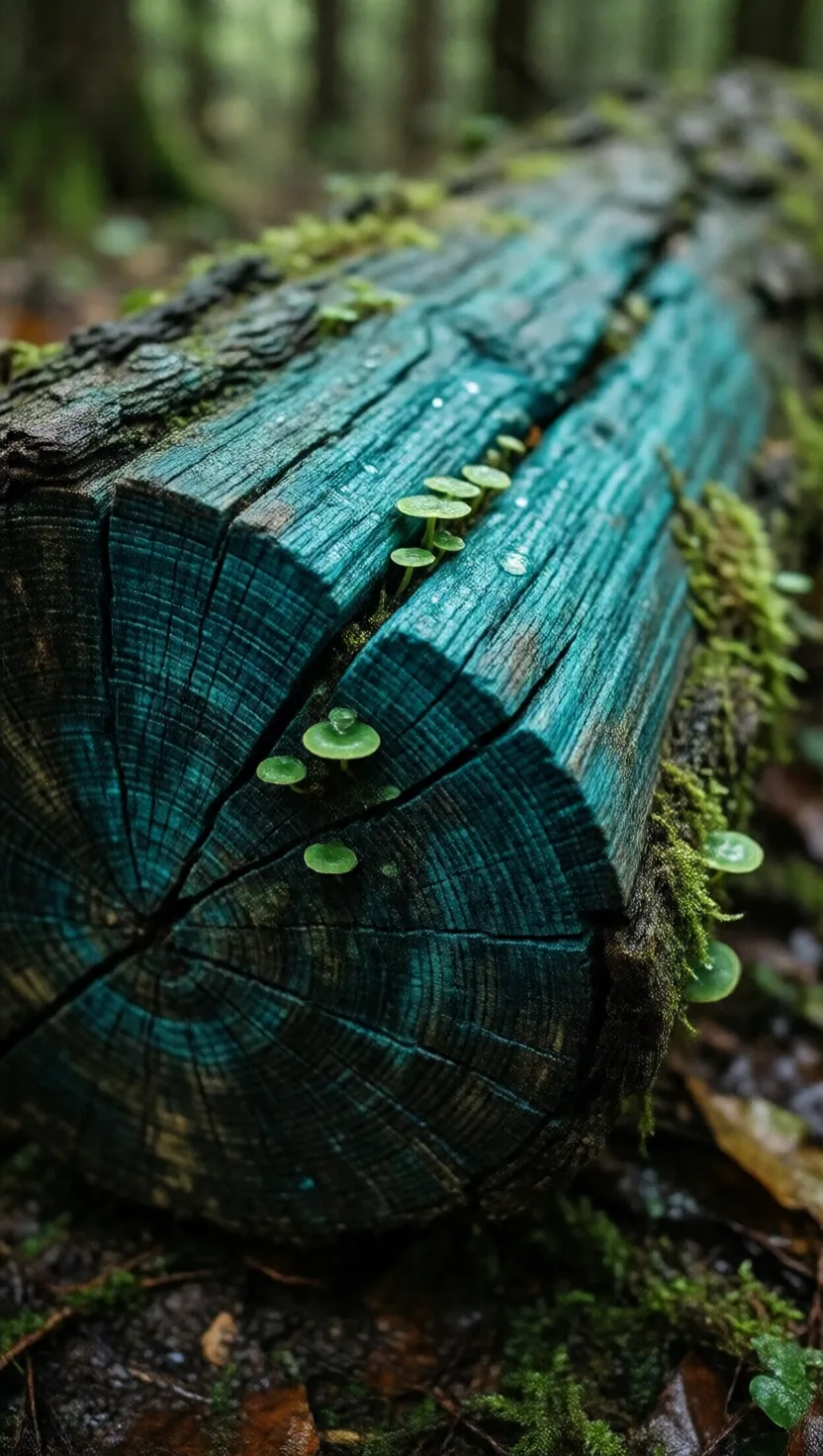
The green elf cup is a tiny saucer-shaped fungus that floods the dead oak it lives on with a blue-green pigment called xylindein, staining the wood vivid turquoise. Woodworkers prized this green oak for decorative inlay as far back as 15th-century Italy, and craftsmen used it for centuries after. The pigment barely fades: inlaid boxes made 500 years ago still glow the same startling green today.
A lobster mushroom isn't a mushroom

A lobster mushroom isn't a mushroom

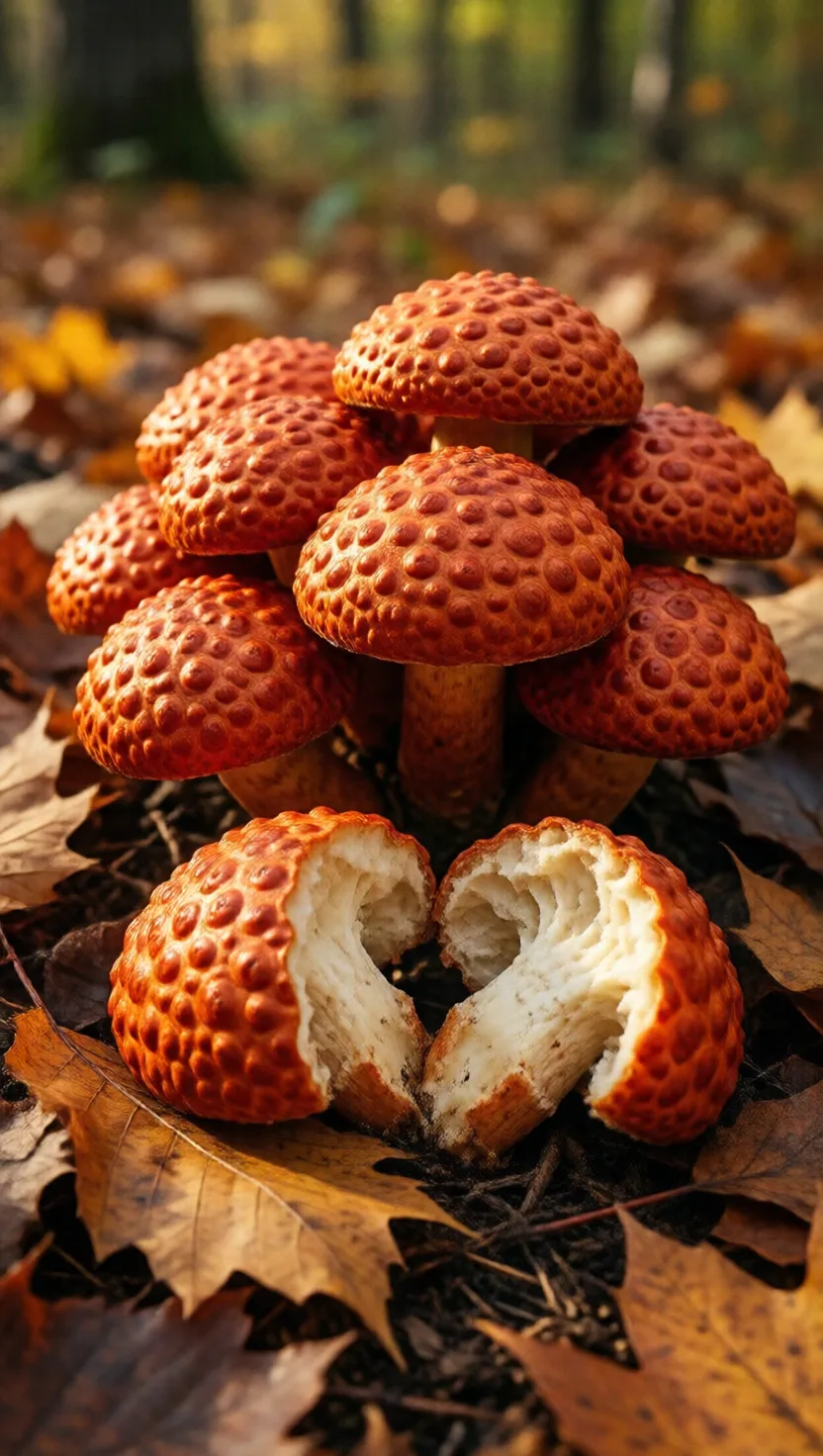
The lobster mushroom is really two organisms in one. A parasitic fungus attacks a plain, pale host mushroom early in its growth and wraps it in a hard, pimpled orange-red crust that looks like cooked lobster shell. The crust seals over the host's gills so it can never release its own spores, and the parasite scatters its own instead. The takeover even improves the bland host, leaving it firm, faintly seafood-flavored and good to eat.
This crust grows slowly enough to date glaciers

This crust grows slowly enough to date glaciers

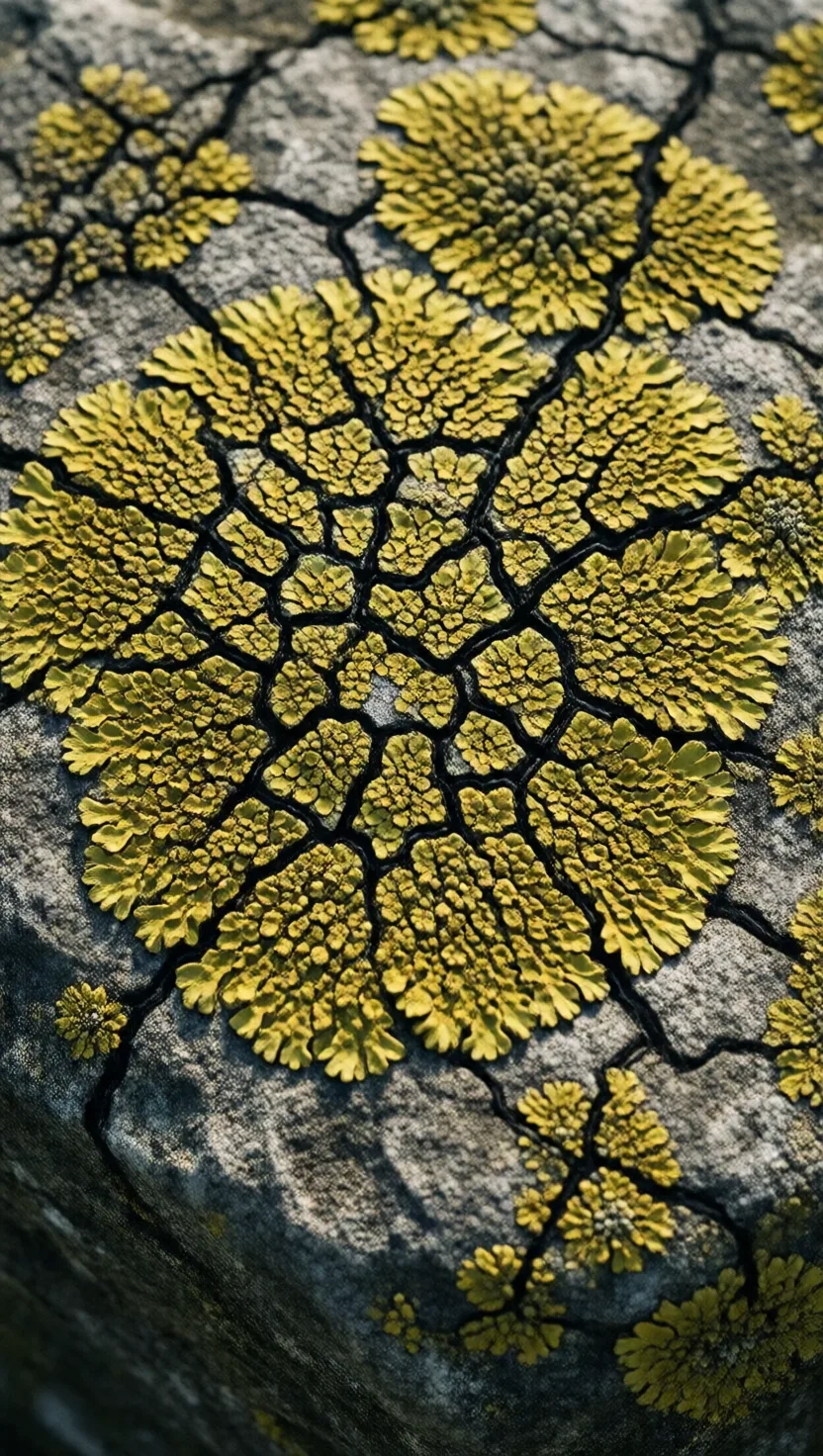
The yellow-green map lichen creeps across bare rock at well under a millimeter a year, among the slowest growth of anything alive. Because that pace is so steady, scientists measure the largest lichen on a boulder to work out how long ago the surface was first exposed, dating glacier retreats, rockfalls and old stonework. The method, lichenometry, can read surfaces uncovered thousands of years ago.
One puffball holds seven trillion spores

One puffball holds seven trillion spores

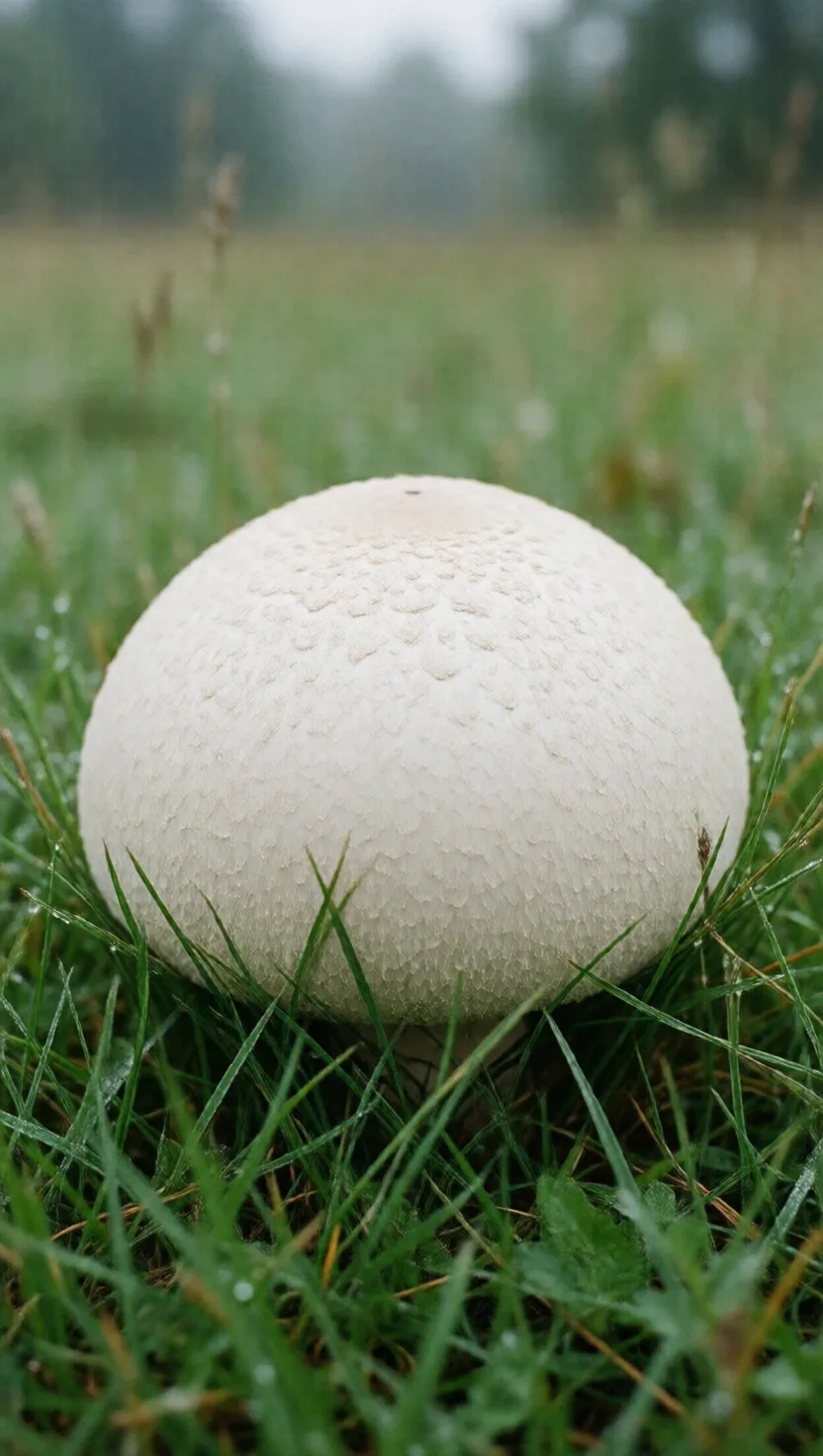
A single giant puffball, a smooth white ball that can grow larger than a beach ball, makes all its spores sealed inside. A typical one is estimated to hold about 7 trillion. A mycologist once calculated that if every spore from one puffball grew into a new puffball, their combined bulk would outweigh the Earth many times over. That is why almost none of them survive. When ripe, the ball splits and releases them in brown clouds.
These mushrooms glow on a 24-hour clock

These mushrooms glow on a 24-hour clock

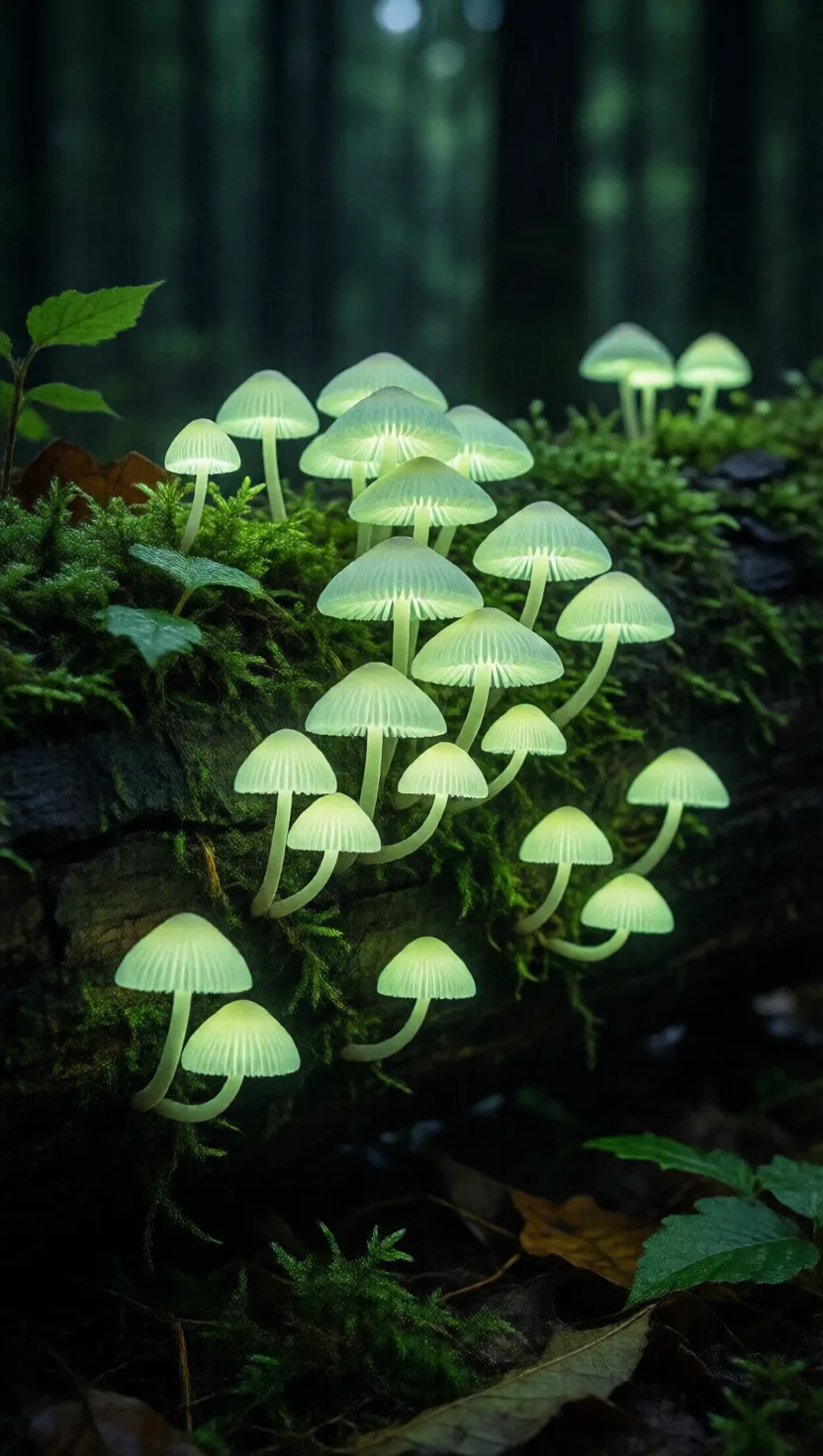
Some woodland fungi shine with a soft green light called foxfire, made by a luciferin-and-enzyme reaction much like a firefly's. They do not glow at random: an internal circadian clock turns the light up at night and dims it by day. In the dark the glow draws in beetles, flies and ants, which pick up the fungus's spores and carry them off, a living lantern advertising for couriers.
A fairy ring is one fungus creeping outward

A fairy ring is one fungus creeping outward

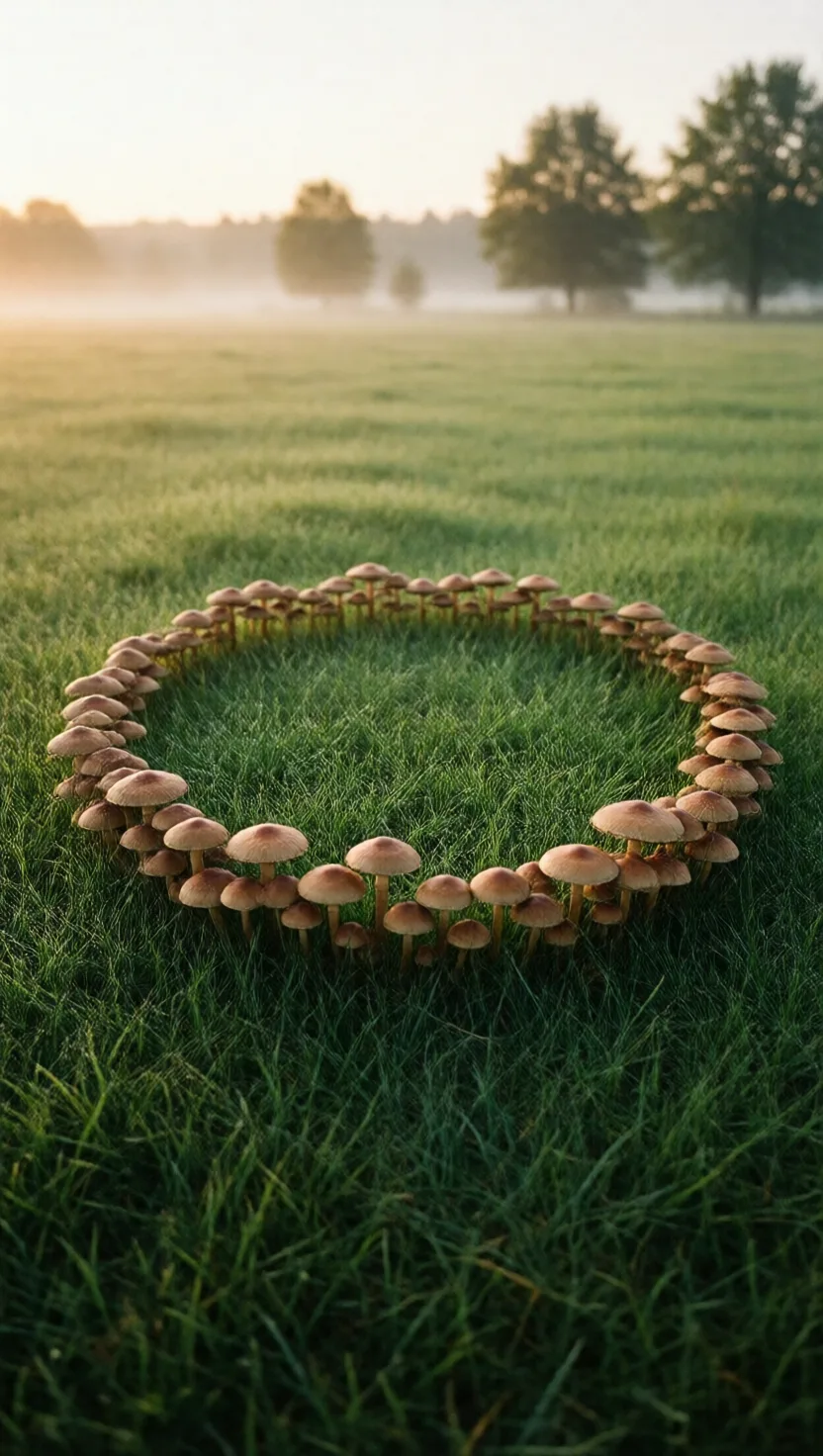
The mushrooms in a fairy ring are not scattered by luck, they are the visible edge of a single fungus spreading underground in a circle. From one spore, threads grow outward evenly in every direction, fruiting at the advancing rim while the older center dies back. The ring widens a little each year, so the biggest are also the oldest: one near Belfort, France is roughly 600 meters across and thought to be over 700 years old.
tap →swipe ↑ for depthswipe ↓ to exit