Eight things hidden in the bodies of the great cats

DC·208 Deep Cuts
Cats that roar can't purr — and the reverse

Cats that roar can't purr — and the reverse

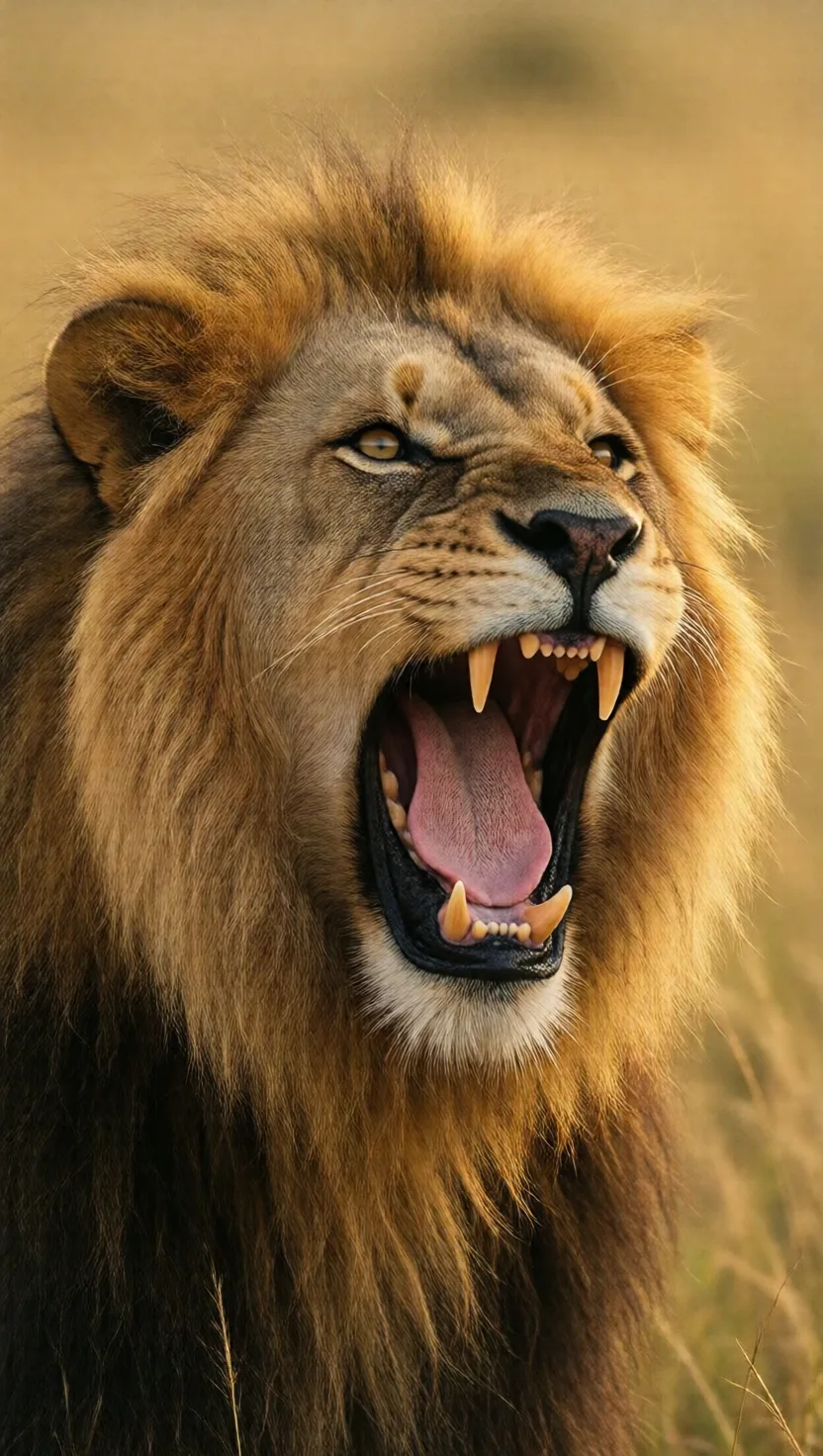
It comes down to a small throat bone, the hyoid. In the big roaring cats — lion, tiger, leopard, jaguar — part of it stays soft, an elastic ligament instead of solid bone, letting the voice box stretch into a deep roar but ruling out a true continuous purr. House cats and most small cats have a fully hardened hyoid: they can purr without pause, but they will never roar. A lion's roar can reach about 114 decibels.
The cat that runs in spikes

The cat that runs in spikes

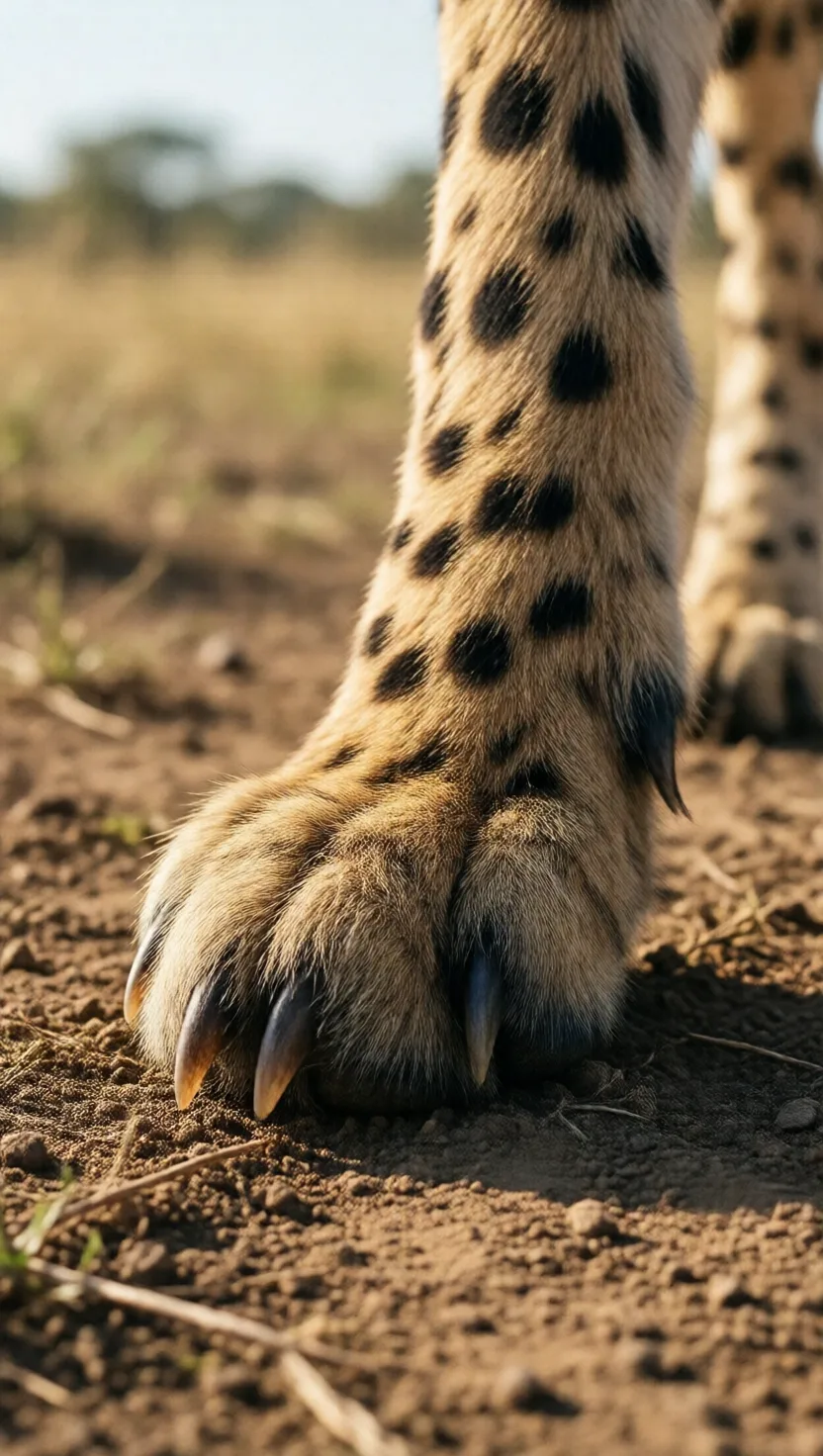
Almost every cat sheathes its claws to keep them sharp. The cheetah barely can — its claws stay half-out all the time, blunt and curved like the spikes on a sprinter's shoes. At speeds up to about 100 km/h, those exposed claws dig into the ground for grip through hard turns, while its long muscular tail counterbalances each swerve. The trade-off: cheetah claws are too worn to make good weapons.
Shave a tiger and the stripes remain

Shave a tiger and the stripes remain

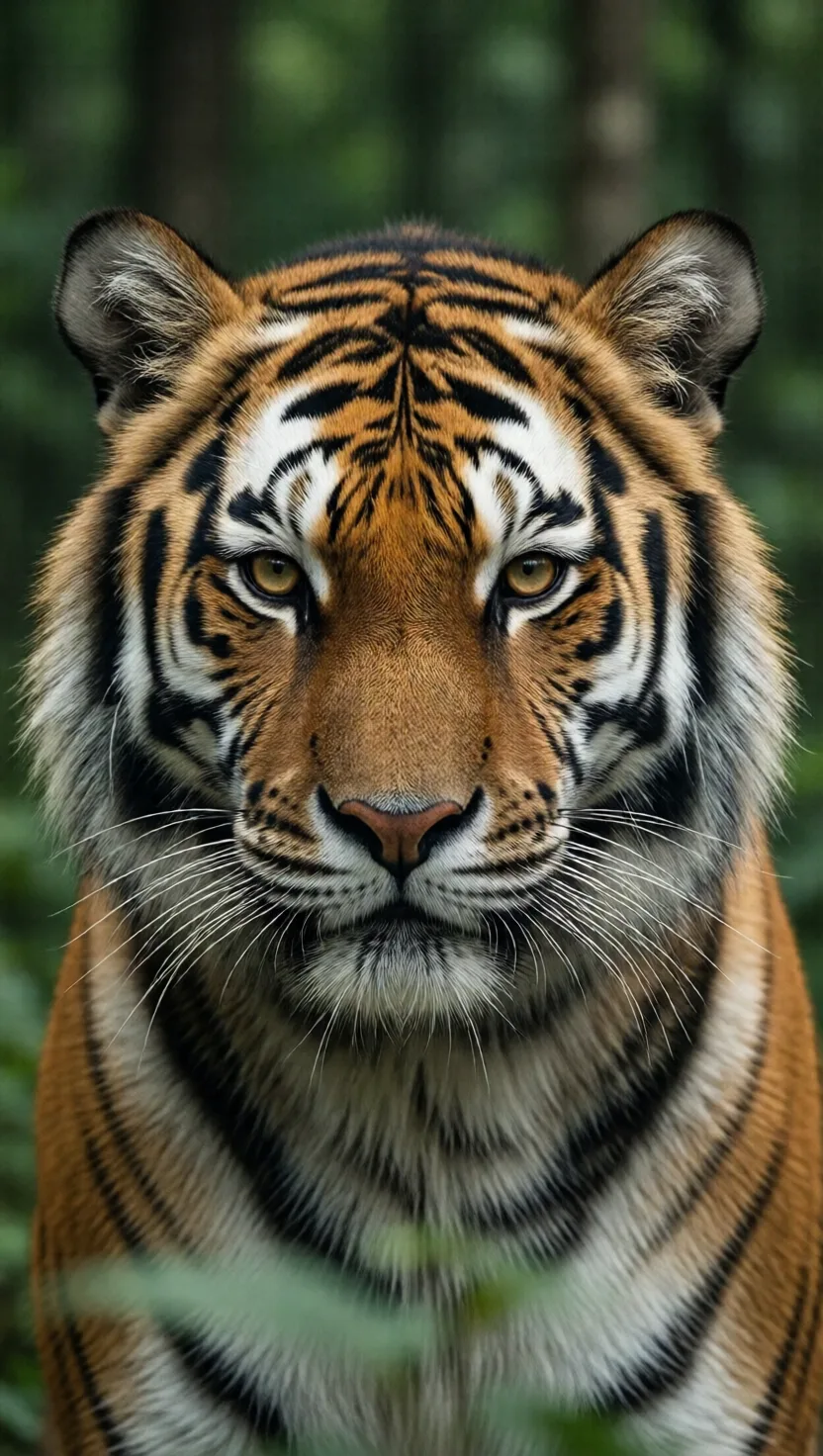
A tiger's stripes aren't just in its fur — the pattern is printed on the skin underneath too, so even a shaved tiger would keep its markings. And no two tigers match: like a fingerprint, every stripe pattern is unique, and even the left and right sides of one animal differ. Researchers now identify and count individual wild tigers from photographs of their stripes alone.
The only big cat that bites through the skull

The only big cat that bites through the skull

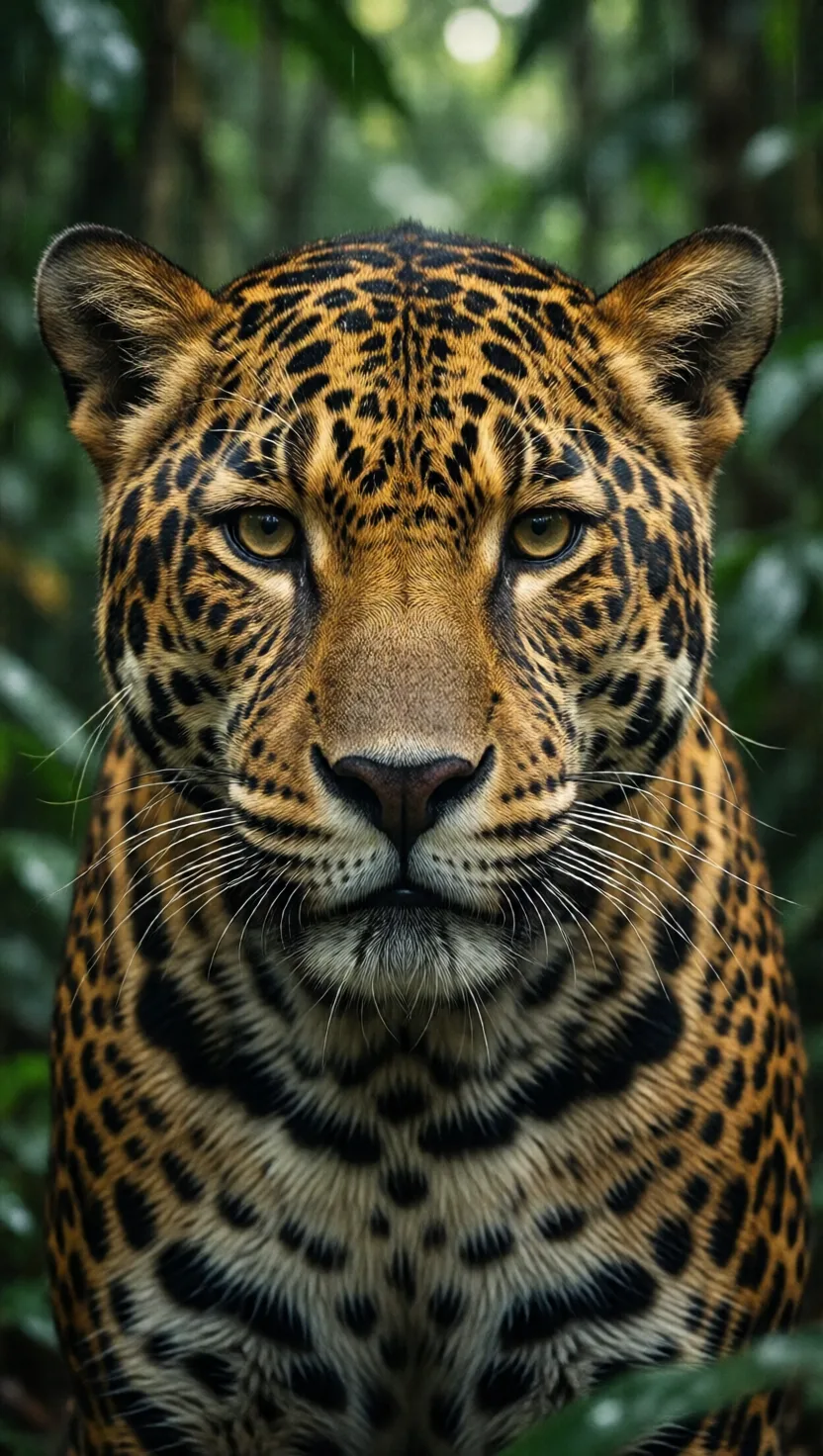
Most cats kill with a suffocating bite to the throat. The jaguar does something else: it bites straight through the skull, its canines punching into the brain. Its jaws deliver the strongest bite of any big cat for its size — around 1,500 psi — enough to crack a turtle's shell or a caiman's armoured head. The killing technique likely evolved to handle exactly that kind of bony, armoured prey.
It drags a kill heavier than itself up a tree

It drags a kill heavier than itself up a tree

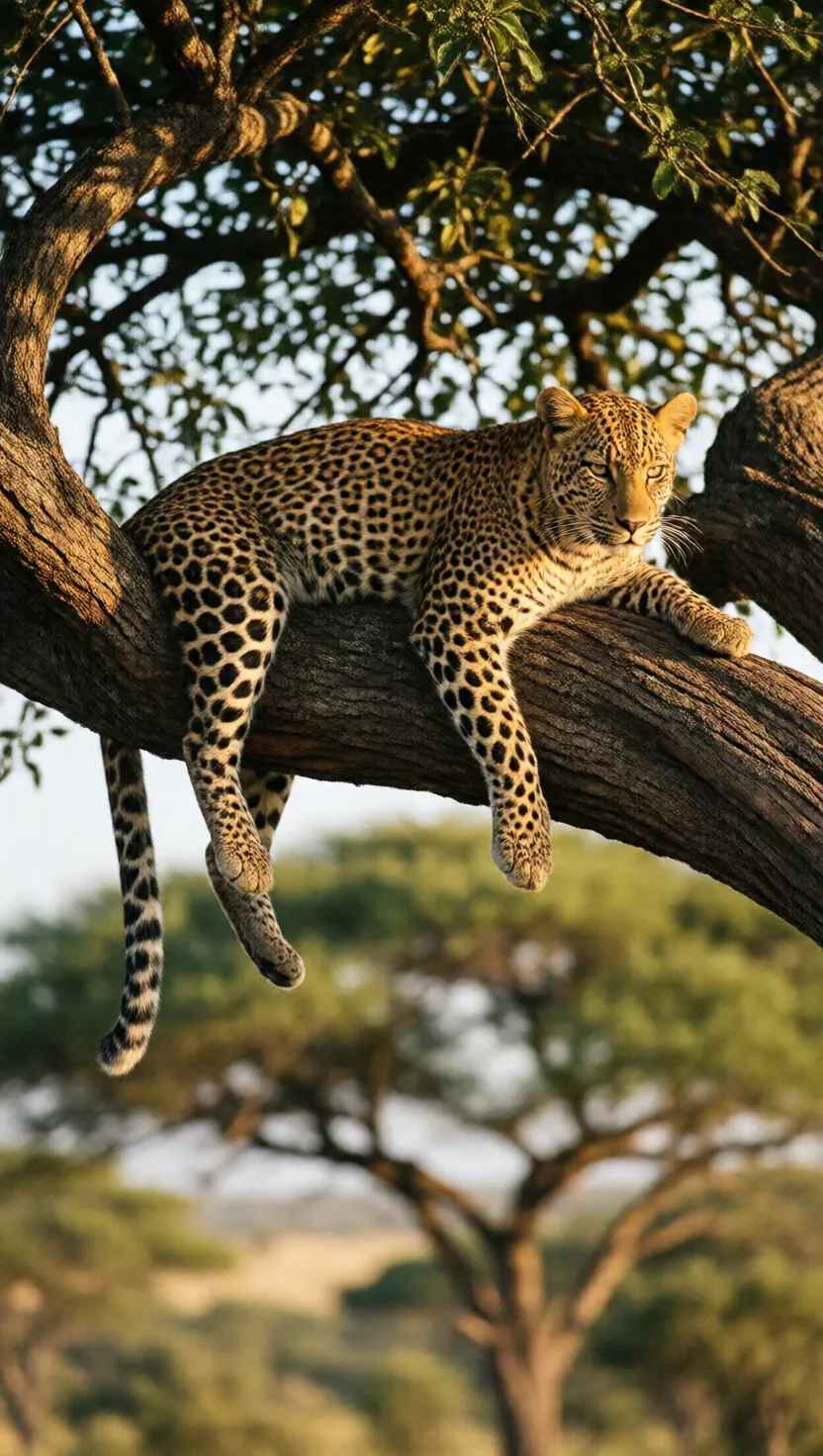
A leopard often hauls its kill straight up a tree — sometimes a carcass as heavy as, or heavier than, itself, lifted several metres into the branches. Up there, beyond the reach of lions and hyenas, it can feed in peace for days. In one South African study leopards hoisted just over half their kills, and were far more likely to do it when hyenas were nearby waiting to steal the meal.
It climbs down trees headfirst, like a squirrel

It climbs down trees headfirst, like a squirrel

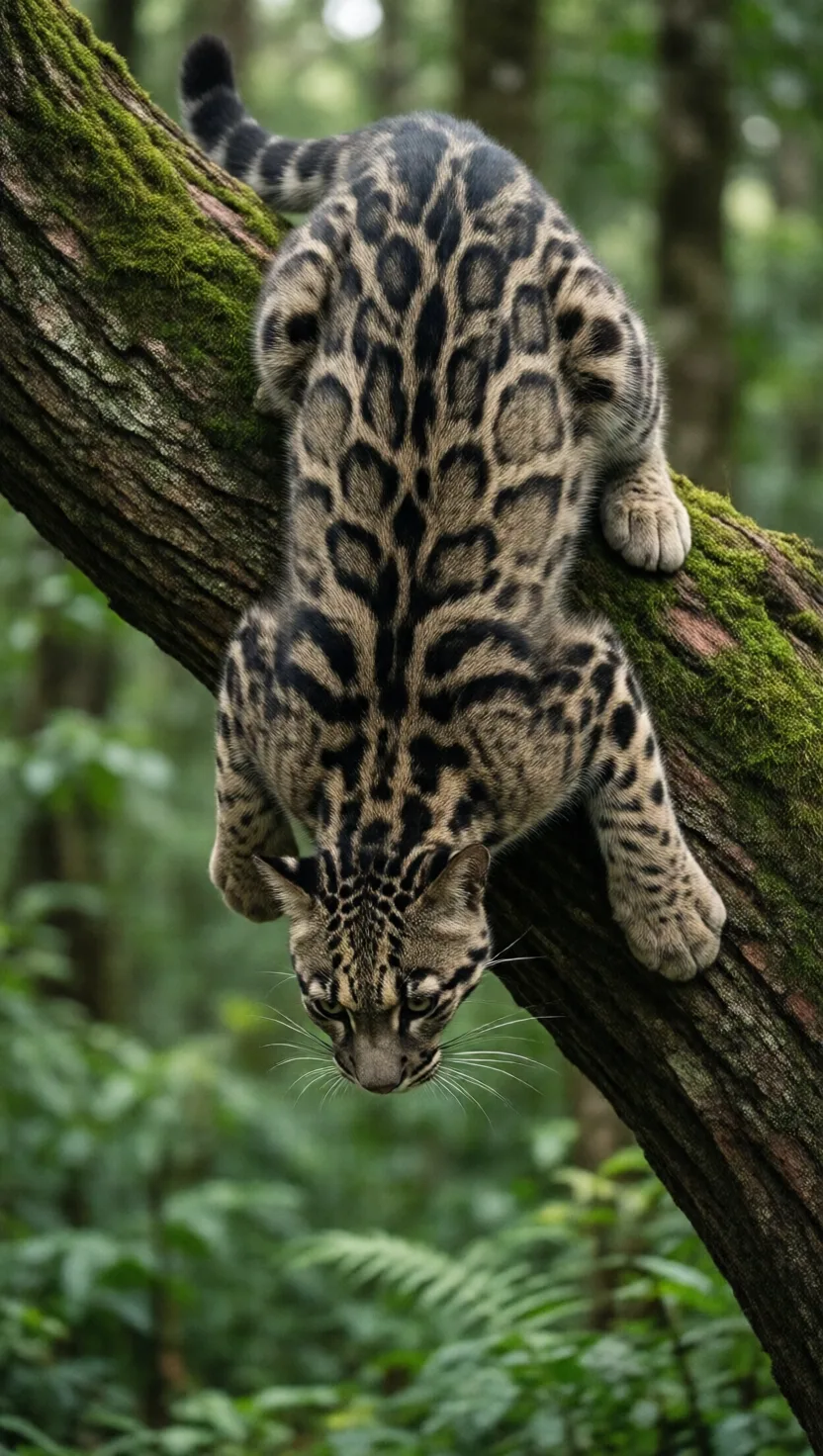
The clouded leopard's ankles rotate almost 180 degrees, so it can grip a trunk and walk straight down headfirst — and even hang beneath a branch by its back feet. It also carries the longest canine teeth, relative to skull size, of any cat alive: proportions close to the extinct sabre-tooths. For a cat barely larger than a spaniel, it's built like a miniature tree-borne predator.
A 'black panther' still has its spots

A 'black panther' still has its spots

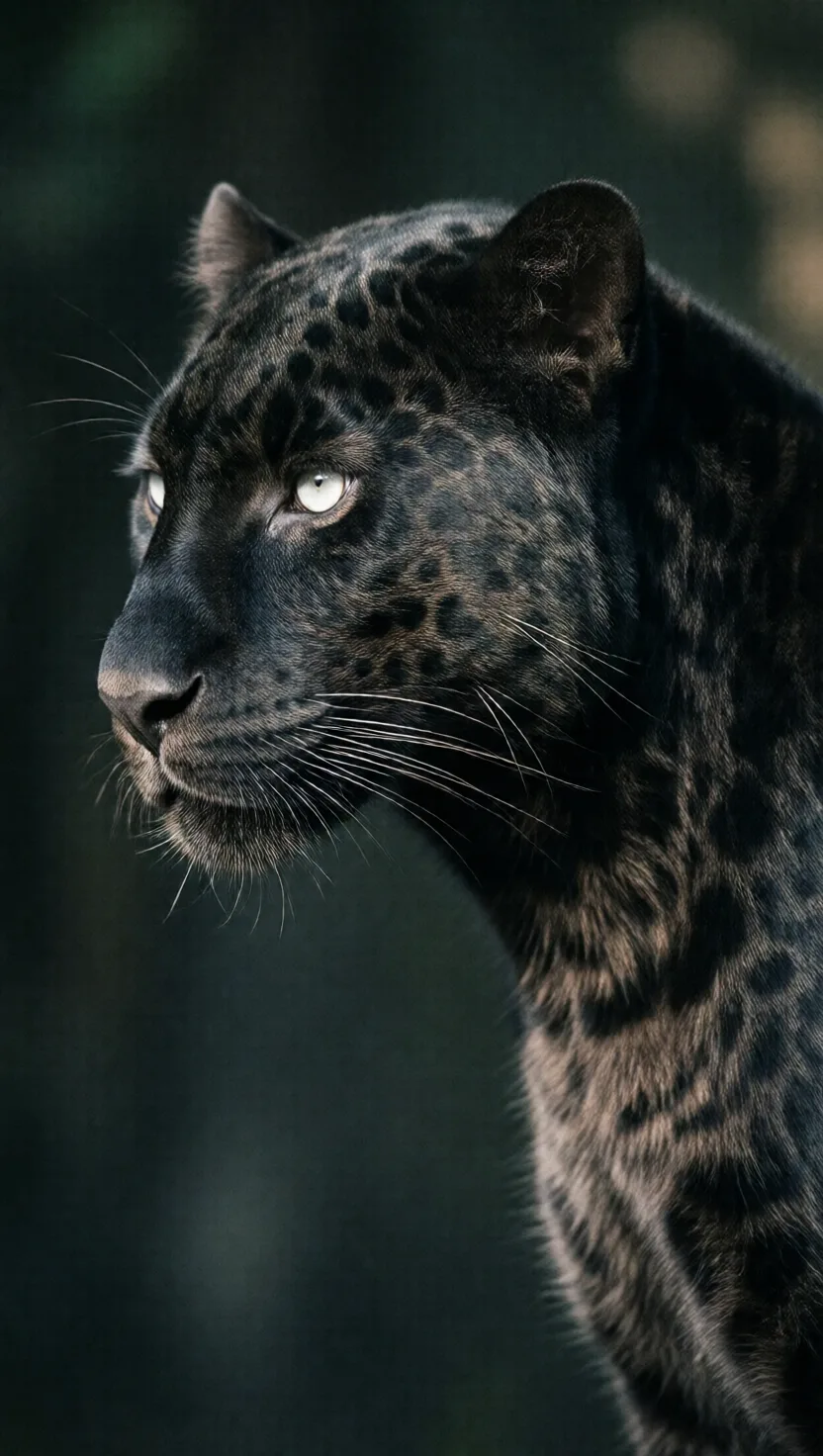
There is no separate species called a black panther. It's a leopard or a jaguar born with melanism — so much dark pigment that the coat looks black. But the rosettes never vanish: in the right slant of light, or under an infrared camera, the 'ghost' spots reappear, shimmering just beneath the black. In leopards two copies of the mutated gene are needed; in jaguars a single dominant copy will do.
Its tail is a balance pole and a scarf

Its tail is a balance pole and a scarf

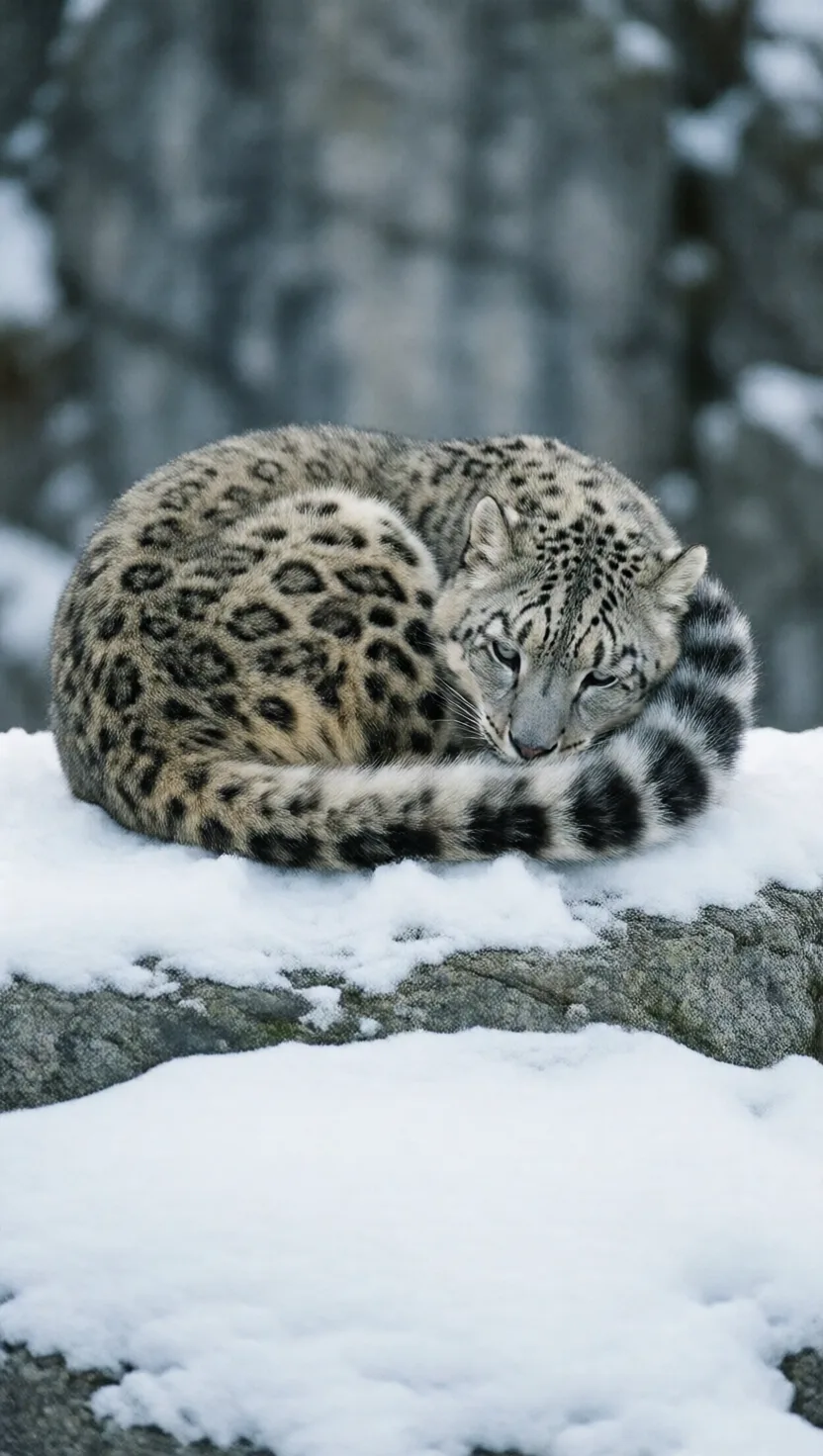
A snow leopard's tail is almost as long as the rest of its body — up to about a metre — and unusually thick. On sheer rock it works as a counterweight, swinging to balance huge leaps across the cliffs. At rest in the cold it becomes a scarf: the cat curls up and drapes the dense, furry tail across its face and paws. The tail also stores fat to carry it through lean mountain winters.
tap →swipe ↑ for depthswipe ↓ to exit