Eight things hidden in a chip of flint

DC·205 Deep Cuts
It breaks in shell-like curves, and that's why it cuts

It breaks in shell-like curves, and that's why it cuts

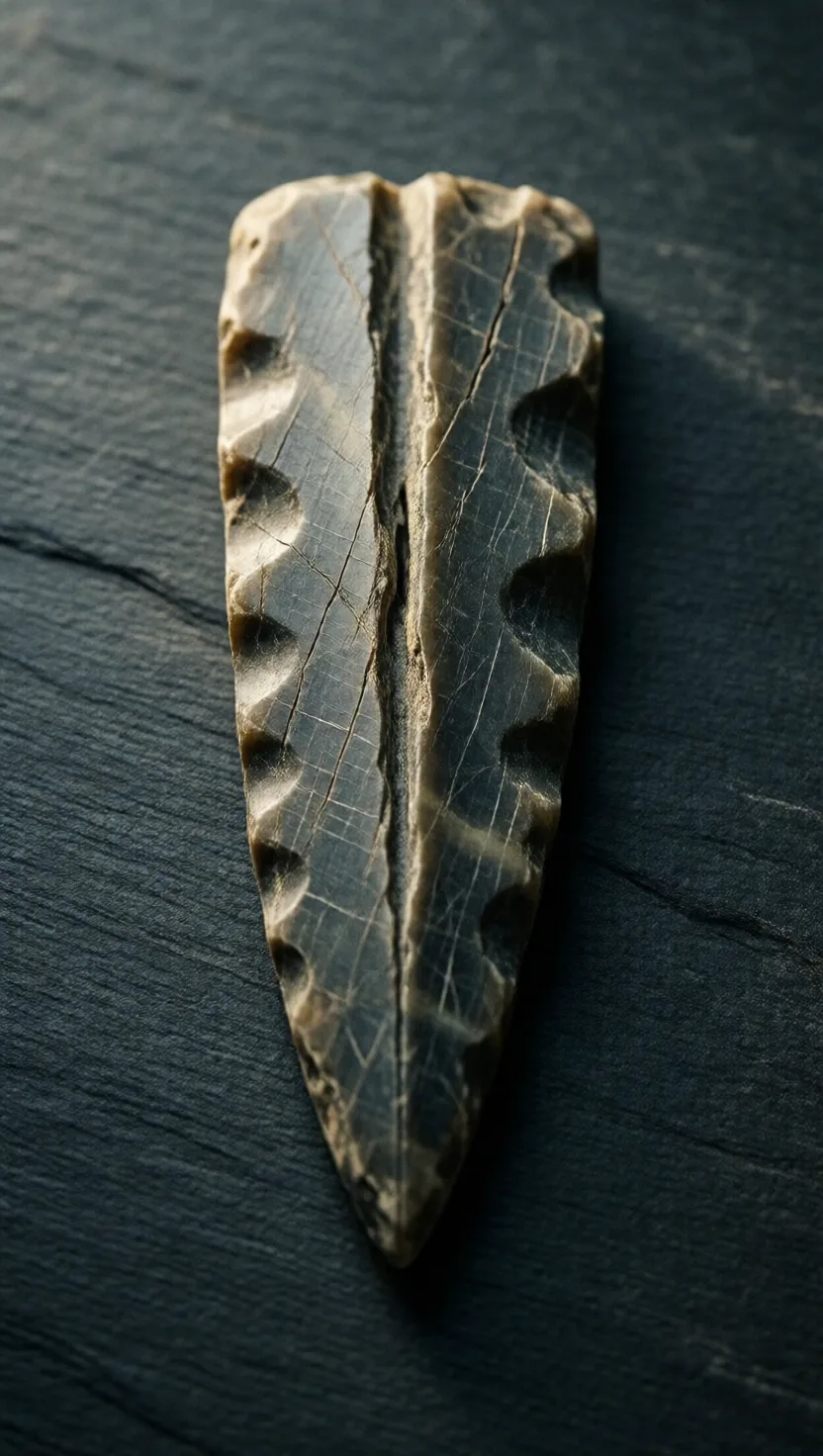
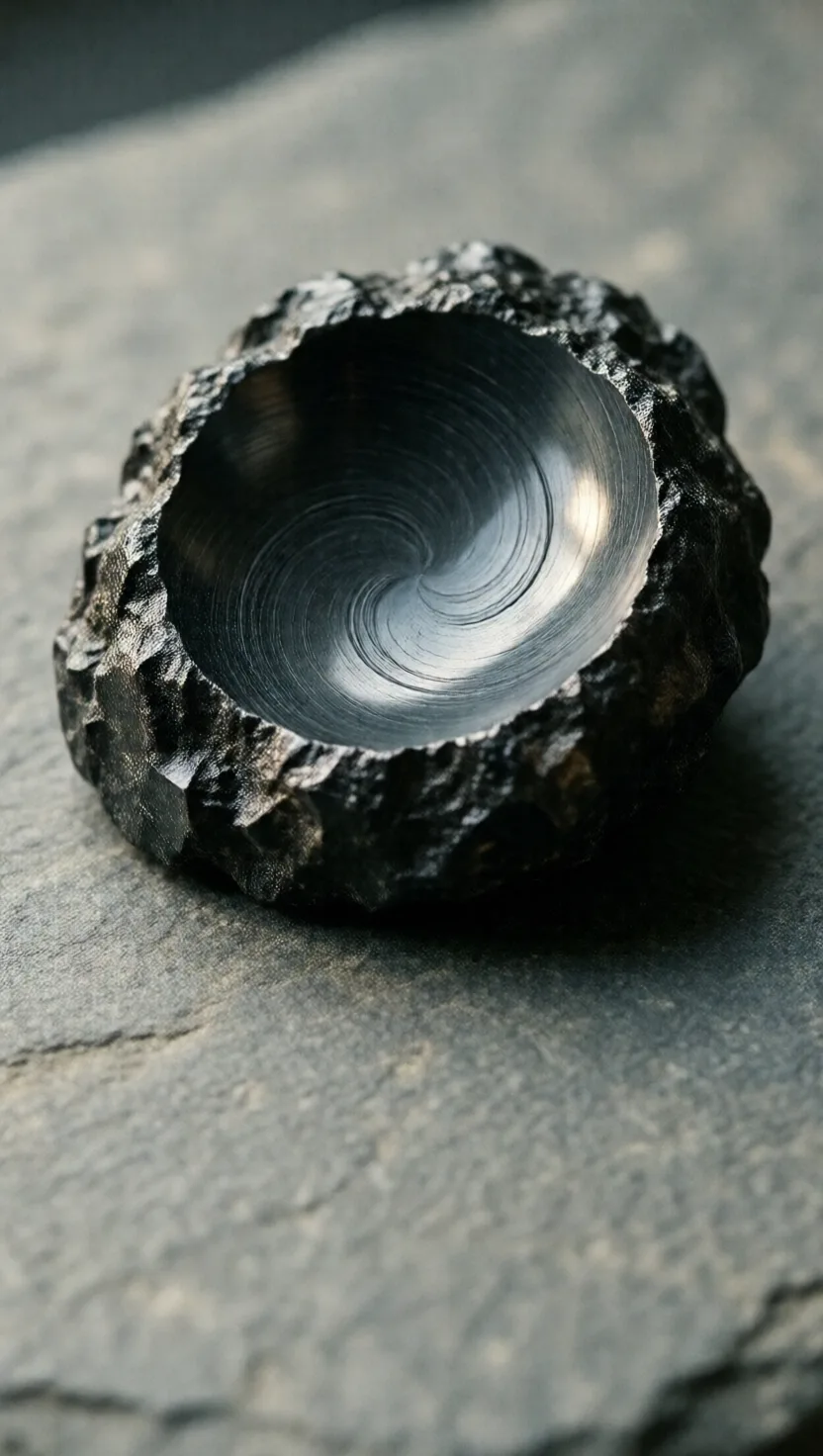
Flint is silica so fine-grained it has almost no crystal structure to follow, so when you strike it the crack doesn't run along any grain, it spreads in a smooth, scooped curve rippling like the inside of a seashell. That curved break is called a conchoidal fracture, from the Greek for shell. Because the shape of the flake is set only by where and how hard you hit, a skilled knapper can drive off slivers thinner than paper, leaving an edge sharper than most kitchen knives.
Stone Age knappers 'cooked' flint to sharpen it

Stone Age knappers 'cooked' flint to sharpen it

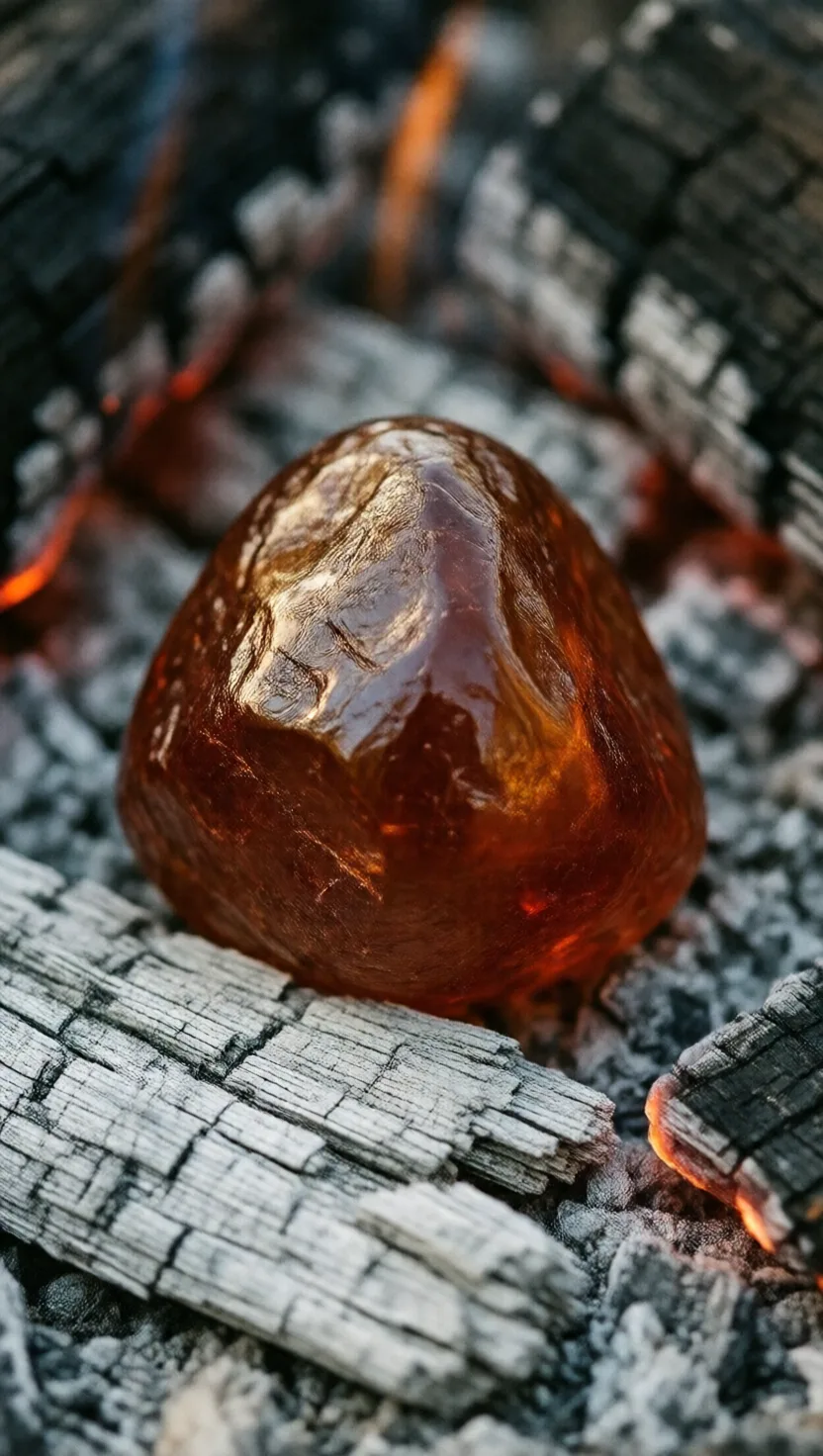
Toolmakers discovered they could improve flint by heating it. Buried in sand under a fire and held at roughly 250 to 300 degrees Celsius, the stone's silica subtly rearranges: it loses some toughness, takes on a glassy lustre and a faint colour change, and flakes far more cleanly under the next blow. The trick is genuinely ancient, clearly used by Europe's Solutrean toolmakers around 20,000 years ago, with hints of it stretching back over 100,000 years.
They mined flint 13 metres down with deer-antler picks

They mined flint 13 metres down with deer-antler picks

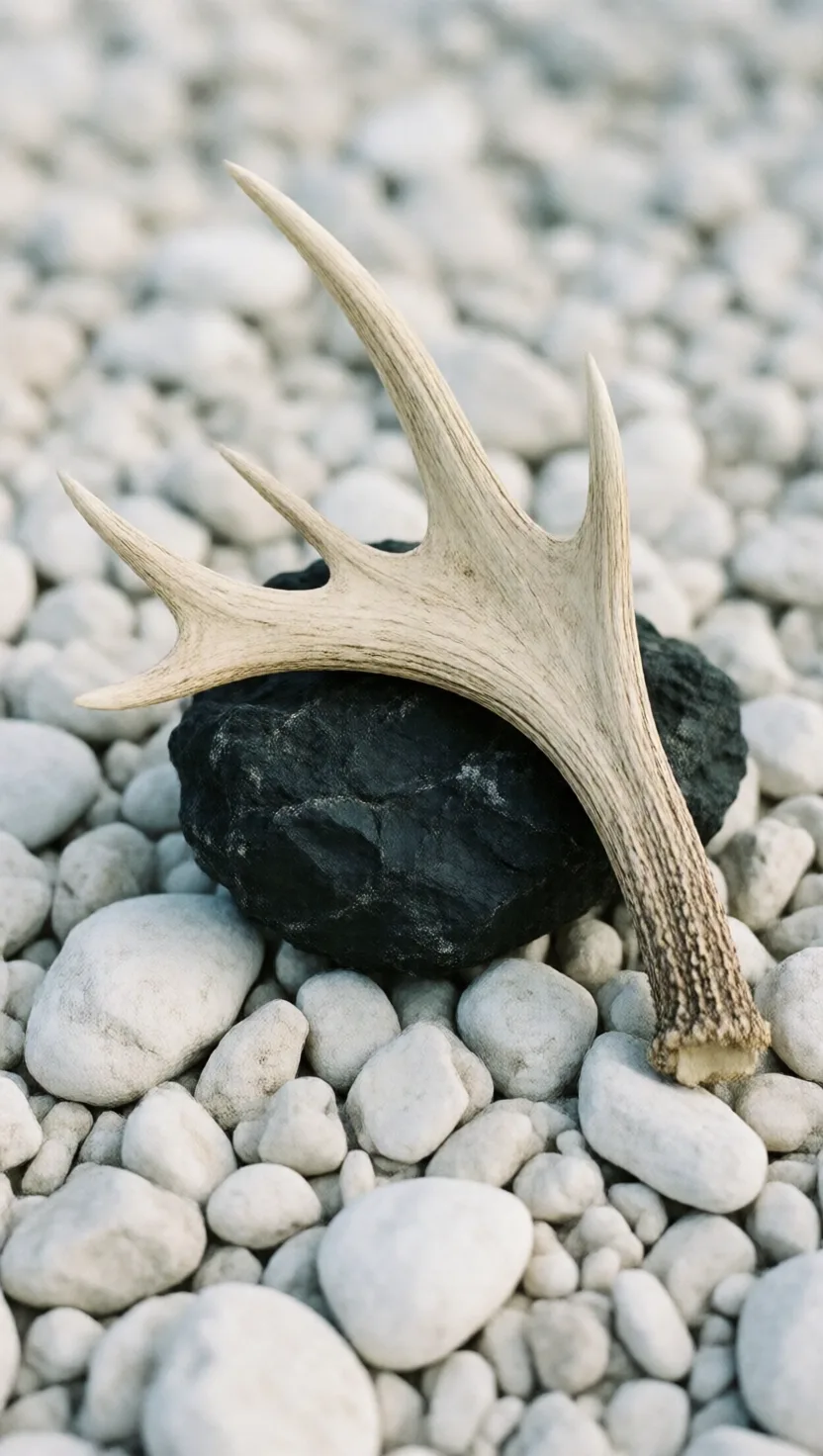
At Grime's Graves in Norfolk, Neolithic miners sank more than 400 shafts up to 13 metres through solid chalk to reach the prized black 'floorstone' flint. Their only digging tool was the shed antler of a red deer, picked up from the forest floor and trimmed to a single tine to make a sturdy pick. Around 100 to 150 broken antler picks turn up in each excavated shaft, some still lying where a miner dropped them about 4,500 years ago.
One bad strike could shatter a whole spearpoint

One bad strike could shatter a whole spearpoint

The Clovis and Folsom hunters of ancient North America finished their stone points with a daring flourish: they knocked a long, shallow channel flake, called a flute, up the face from the base. It was a gamble. Strike too hard or off-line and the flake dives through the point and snaps it in two; replication shows roughly one preform in five is lost at this step, after maybe half an hour of careful work. Folsom knappers pushed it further still, running the flute almost the entire length of the point.
A village still chipped gun-flints into the 1900s

A village still chipped gun-flints into the 1900s

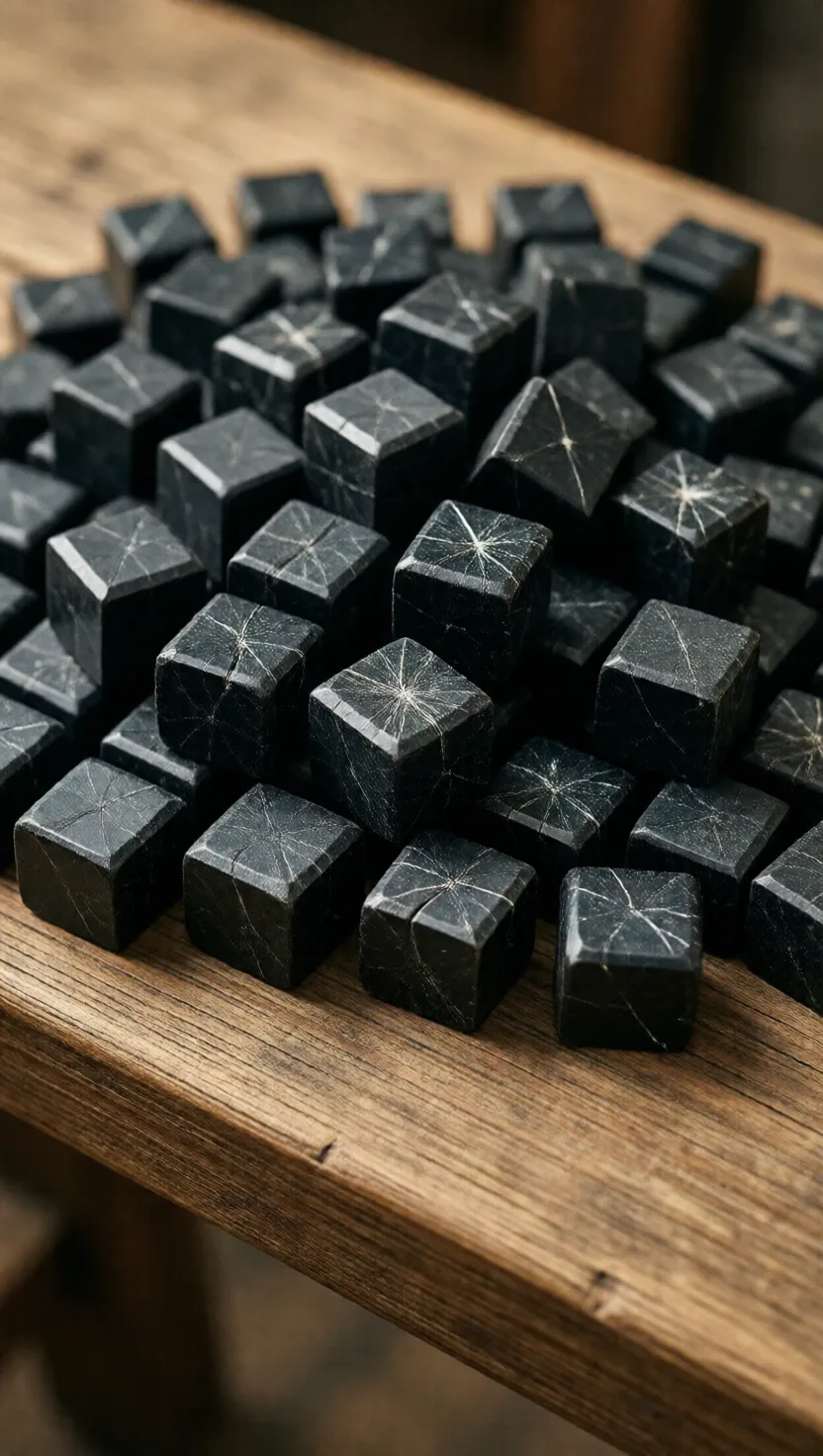
Long after flint tools vanished, flint still fired guns: each flintlock needed a small squared flint to spark its powder. From the 1790s the trade concentrated in Brandon, Suffolk, near England's finest flint, and held a near-global monopoly through the Napoleonic wars. Astonishingly the craft outlived the flintlock by more than a century. As late as 1950 Brandon knappers were turning out around 2,000 gun-flints a day, mostly for old guns still used in Africa, and the last traditionally trained knapper worked on until 1996.
The first sparks came from flint and a golden stone

The first sparks came from flint and a golden stone

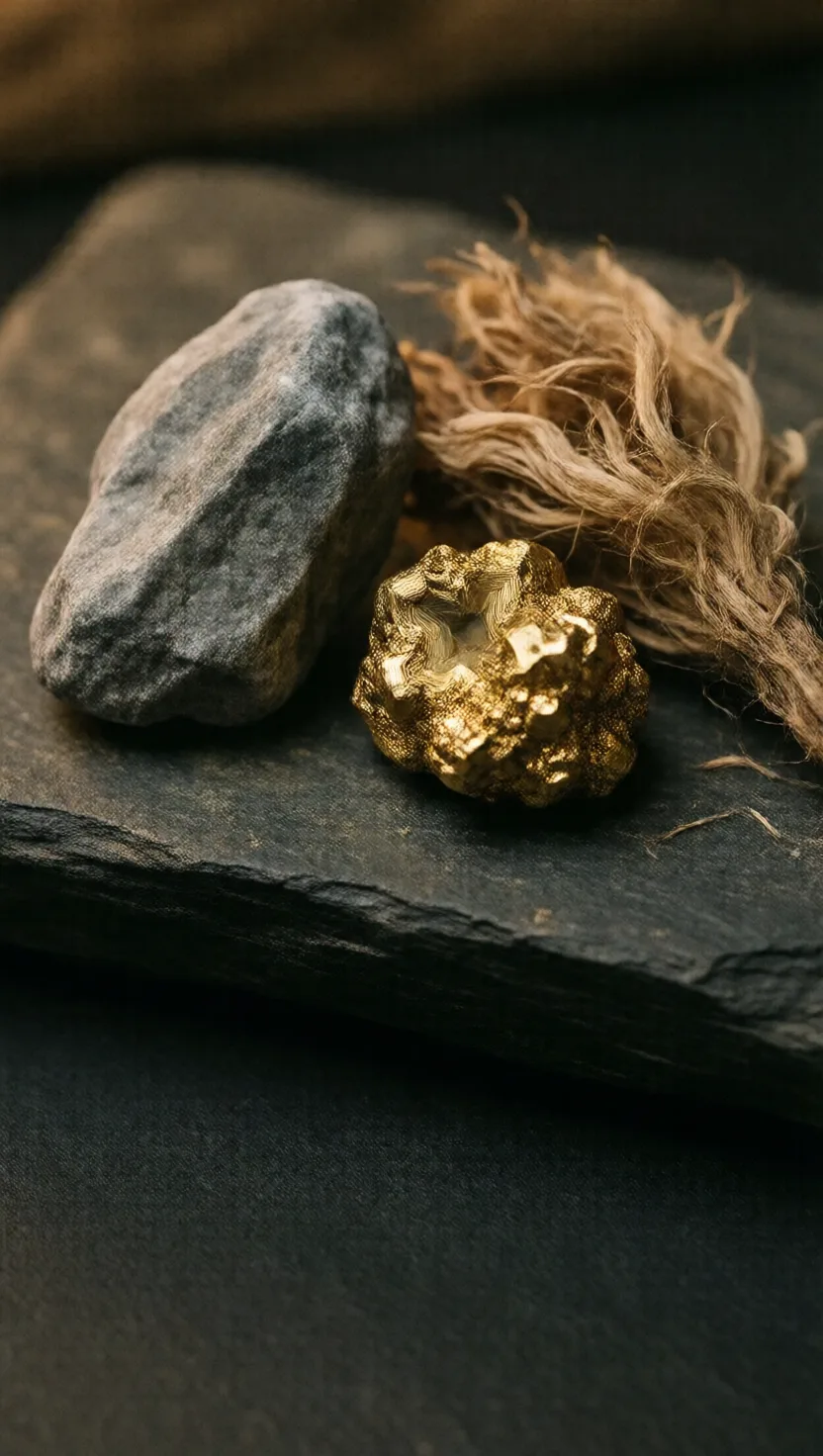
Striking flint on steel is the famous way to make fire, but it came late. For thousands of years before iron, people struck flint against iron pyrite, a brassy, gold-coloured mineral, to throw sparks into a scrap of tinder. Otzi, the 5,300-year-old iceman found in the Alps, carried exactly this kit: a flint, a lump of pyrite, and the dried inner flesh of a bracket fungus prepared as tinder to catch and hold the first glowing ember.
Split flint made the shiniest wall in the village

Split flint made the shiniest wall in the village

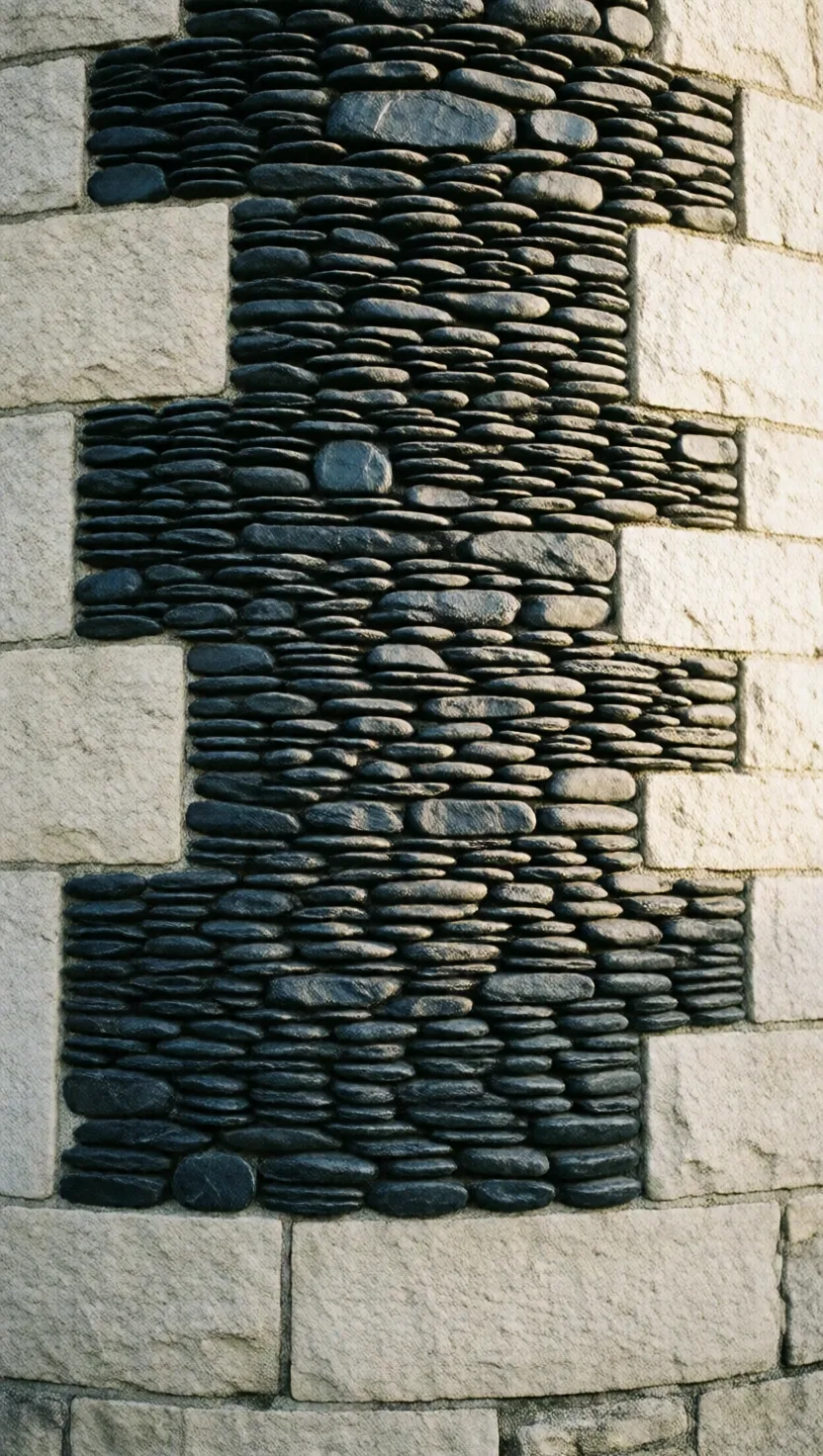
Flint's glassy fracture became a building decoration. Masons would split, or knap, a flint nodule to expose its lustrous black interior, then set that smooth face outward, flush with pale dressed stone, to make crisp two-tone patterns on a wall. This flushwork covers medieval churches across East Anglia, peaking during the wool-trade boom between about 1450 and 1520. Squared, tightly fitted flints also needed less mortar, making the wall stronger as well as striking.
The finest edges were pressed, not struck

The finest edges were pressed, not struck

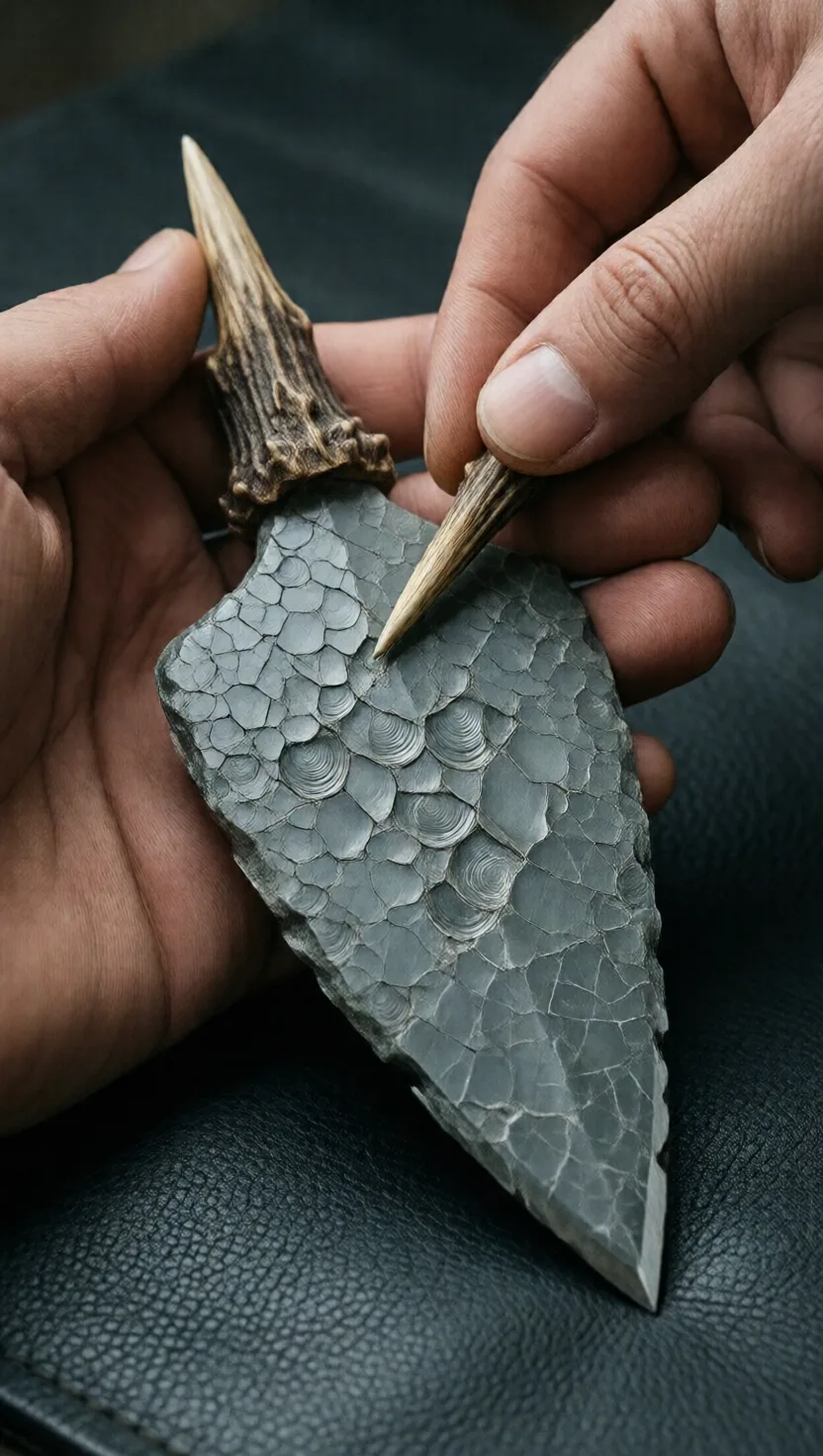
Hammering knocks off big flakes, but the delicate finishing of a fine blade was done by pressure flaking. The knapper presses the tip of a deer-antler tine, or later a copper point, hard against the very edge of the stone and pushes until a thin sliver pops off. Because the force is a steady push rather than a sudden blow, the crack runs along a stable, controllable path, letting toolmakers shape precise, even, almost decorative edges flake by tiny flake.
tap →swipe ↑ for depthswipe ↓ to exit