Eight things lizards can do that you can't

DC·204 Deep Cuts
Its dropped tail keeps writhing to buy an escape

Its dropped tail keeps writhing to buy an escape

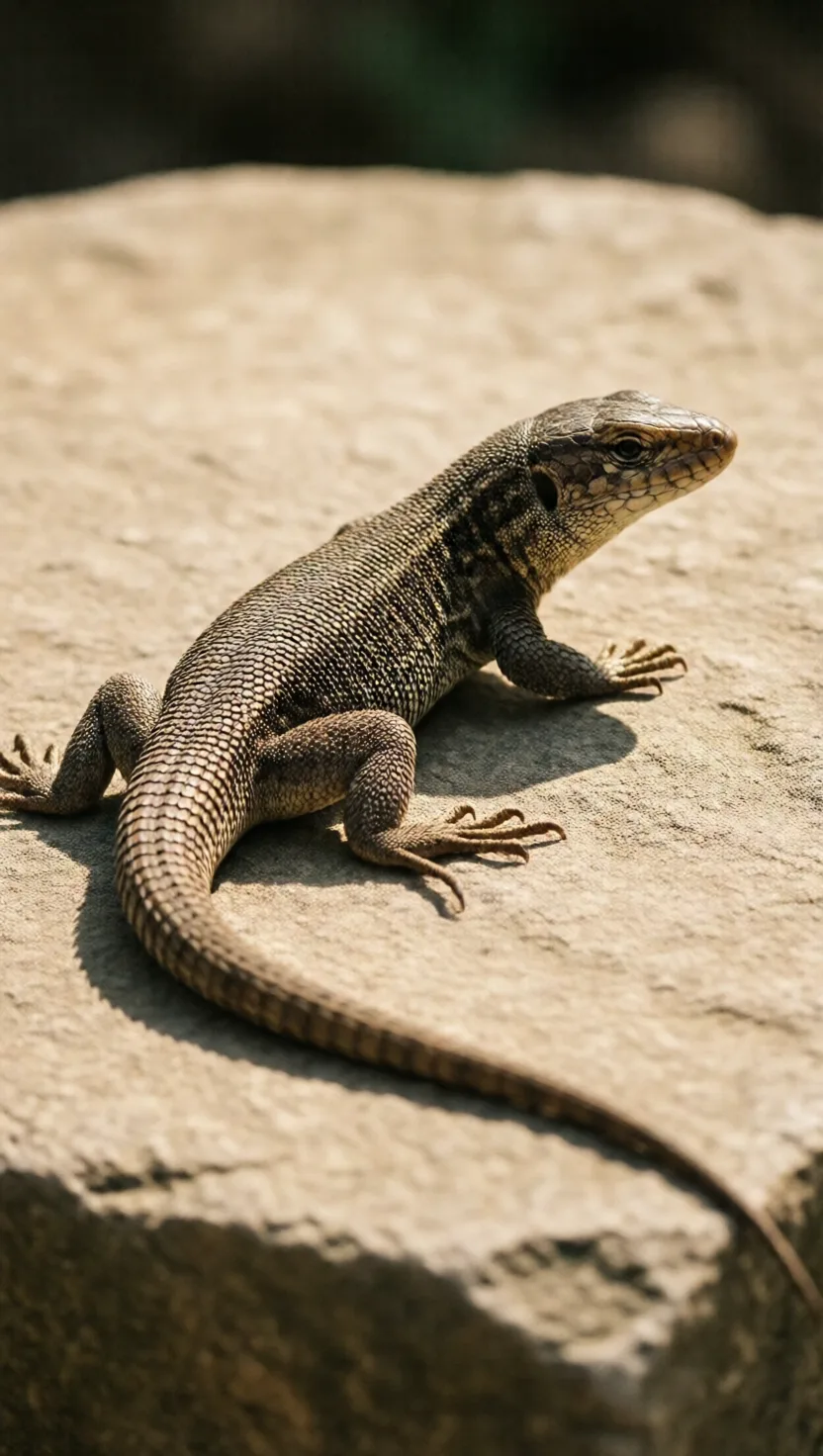
Many lizards are born with a line of weakness running through each tail vertebra. Under attack, the muscles either side of that fracture plane contract and pull apart, snapping the tail off cleanly, and the severed piece thrashes on its own to hold the predator's attention while the lizard slips away. The replacement that grows back is not bone but a single rod of cartilage, with no fracture planes, so the same spot can never be shed twice.
This lizard fires a jet of its own blood from its eyes

This lizard fires a jet of its own blood from its eyes

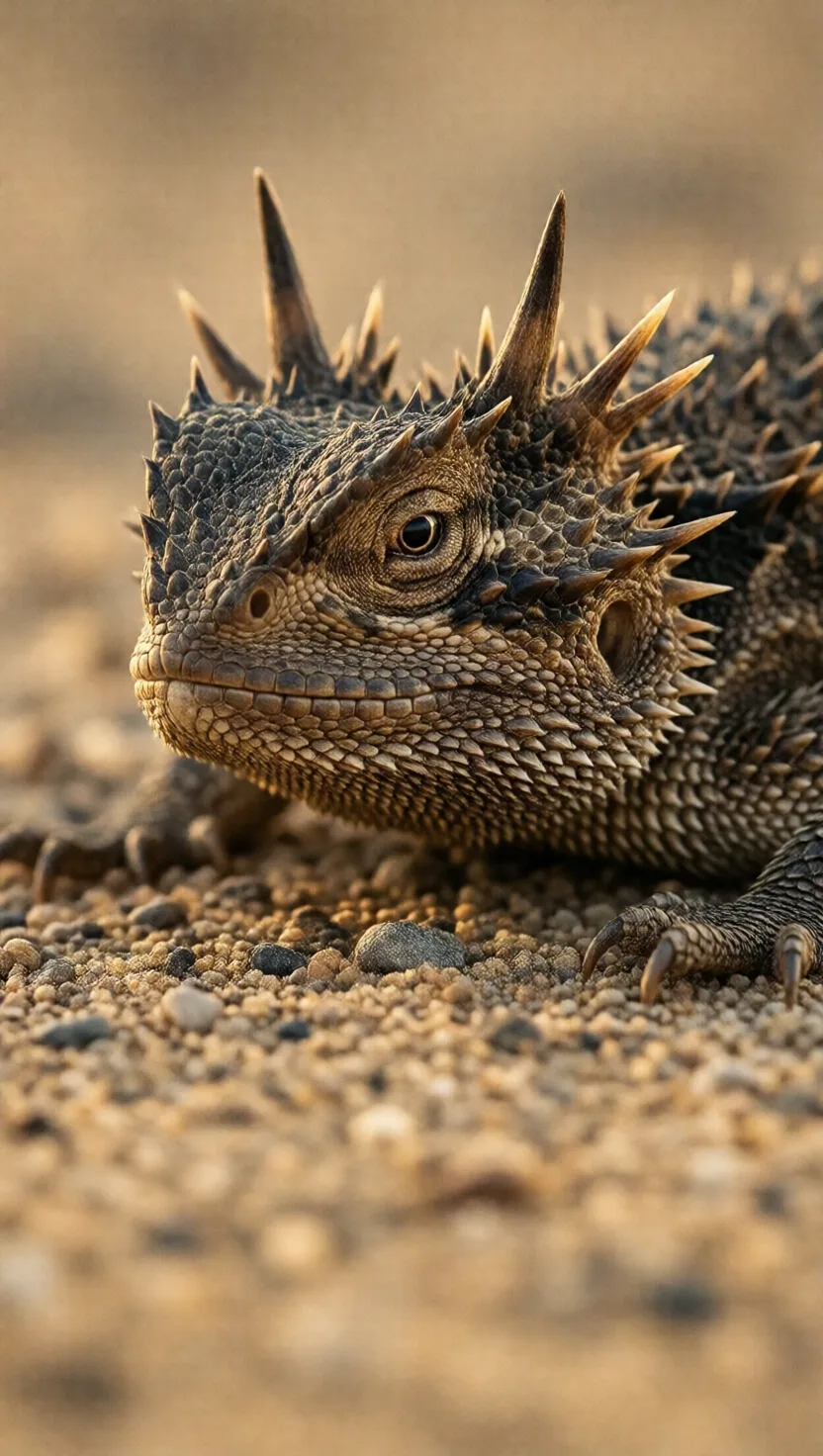
When a coyote or kit fox closes in, the horned lizard does something startling: muscles clamp the veins draining its eyes, blood pressure spikes in the sinuses until tiny vessels rupture, and a thin stream of blood shoots from the corner of the eye as far as a metre and a half. To a dog or fox the blood tastes foul and sends it backing off, gagging. Tellingly, the trick is wasted on snakes, which eat the lizards anyway, so they don't bother using it on them.
It shrinks its own skeleton to survive a famine

It shrinks its own skeleton to survive a famine

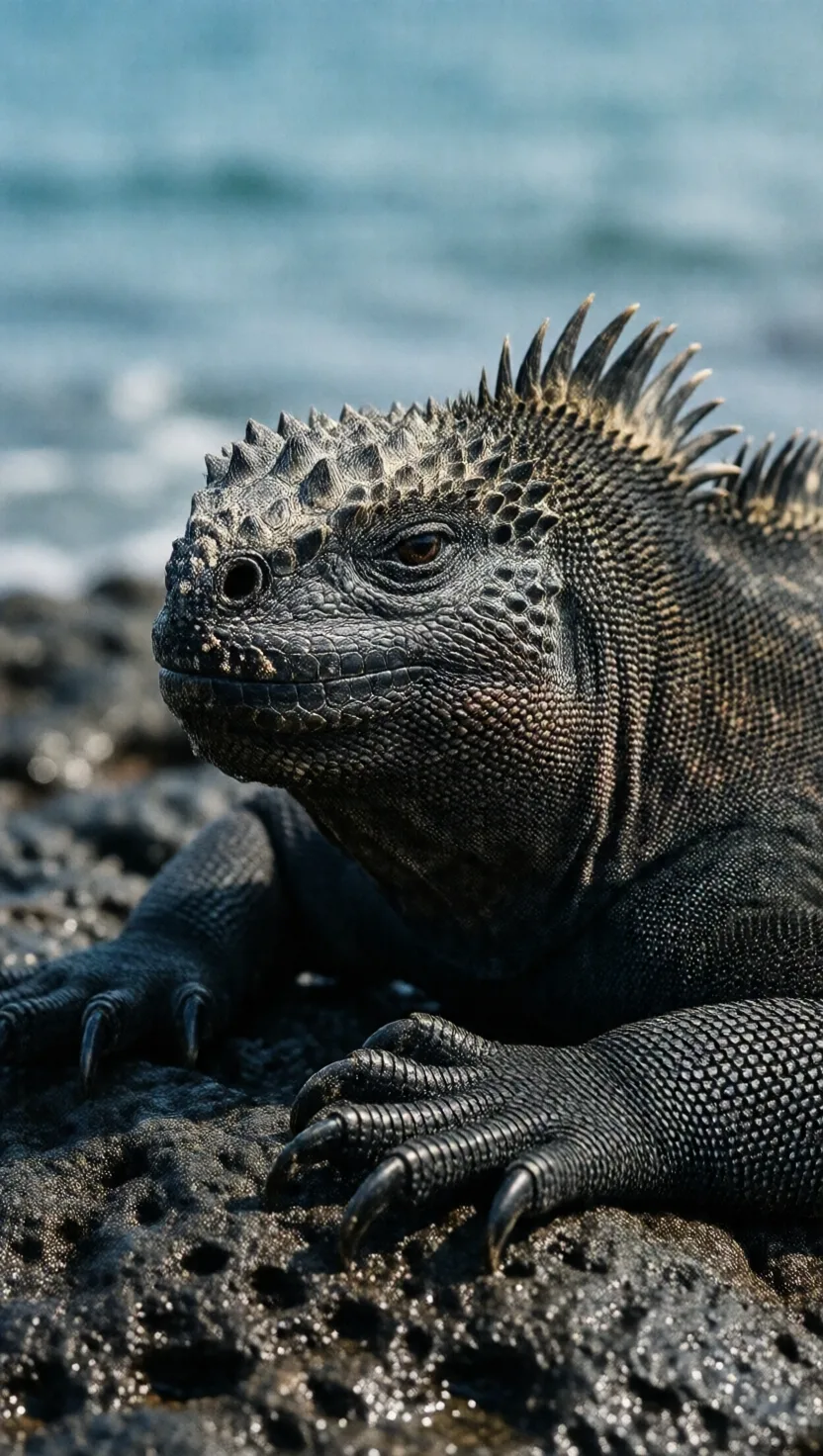
When El Nino warms the sea and starves the algae they graze, Galapagos marine iguanas don't just lose fat, they get physically shorter. By absorbing some of their own bone, an adult can shrink by up to a fifth of its body length, as much as 6.8 centimetres, then regrow once the food returns. A study of about 6,000 iguanas across several El Nino events found the shrinkers survived best: a smaller body needs less food. No other adult vertebrate is known to reversibly shorten its bones like this.
Its bite kills by venom, not a dirty-mouth myth

Its bite kills by venom, not a dirty-mouth myth

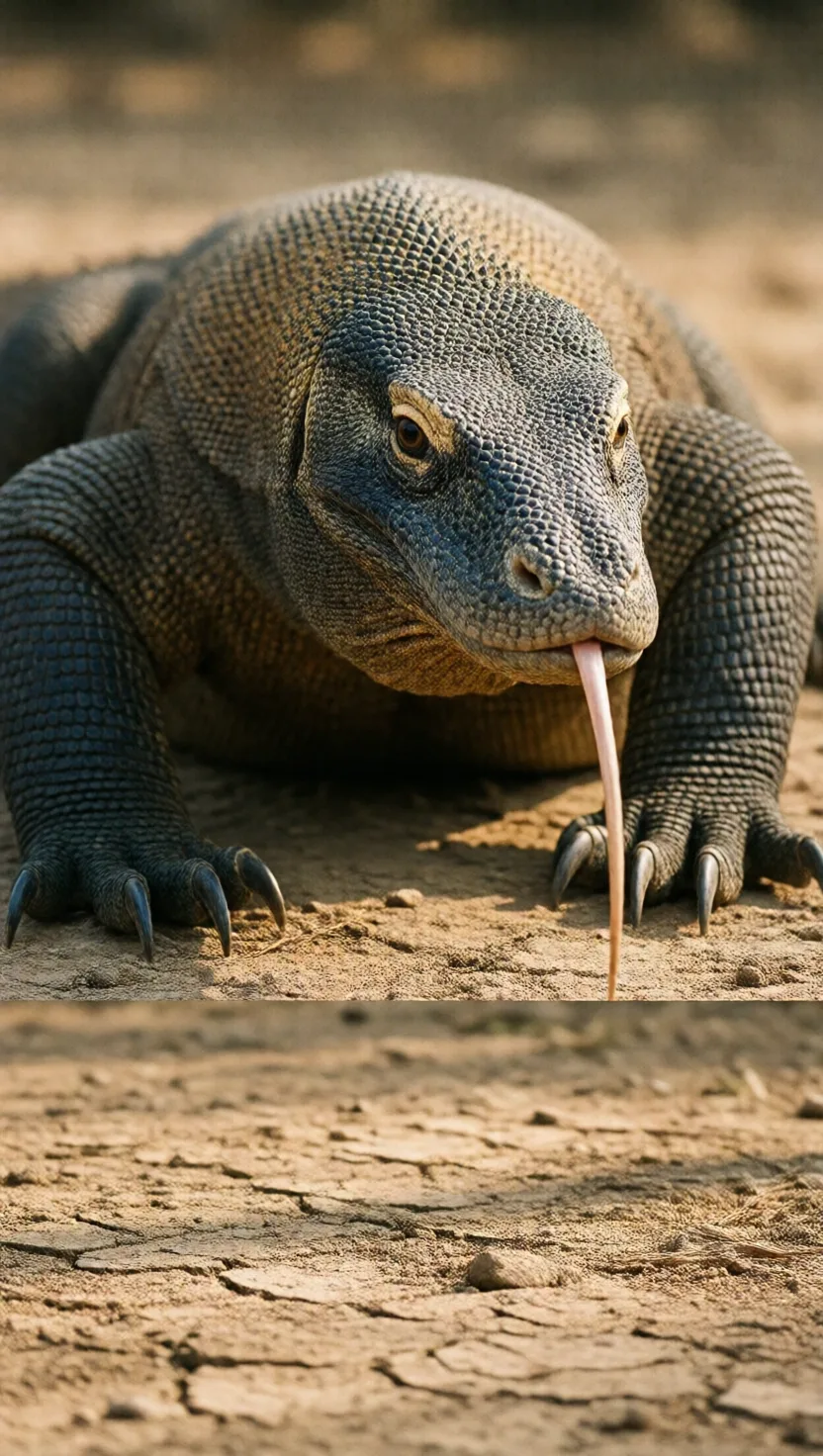
For decades the Komodo dragon's lethal bite was blamed on filthy, bacteria-laden saliva that poisoned its prey with infection. A 2009 study overturned that: the giant lizard has genuine venom glands in its lower jaw, secreting toxins that stop blood clotting and crash blood pressure. A bitten deer or pig doesn't die of sepsis days later, it bleeds and goes into shock. The septic-mouth story turned out to be largely wrong.
With no eyelids, it licks its own eyeballs clean

With no eyelids, it licks its own eyeballs clean

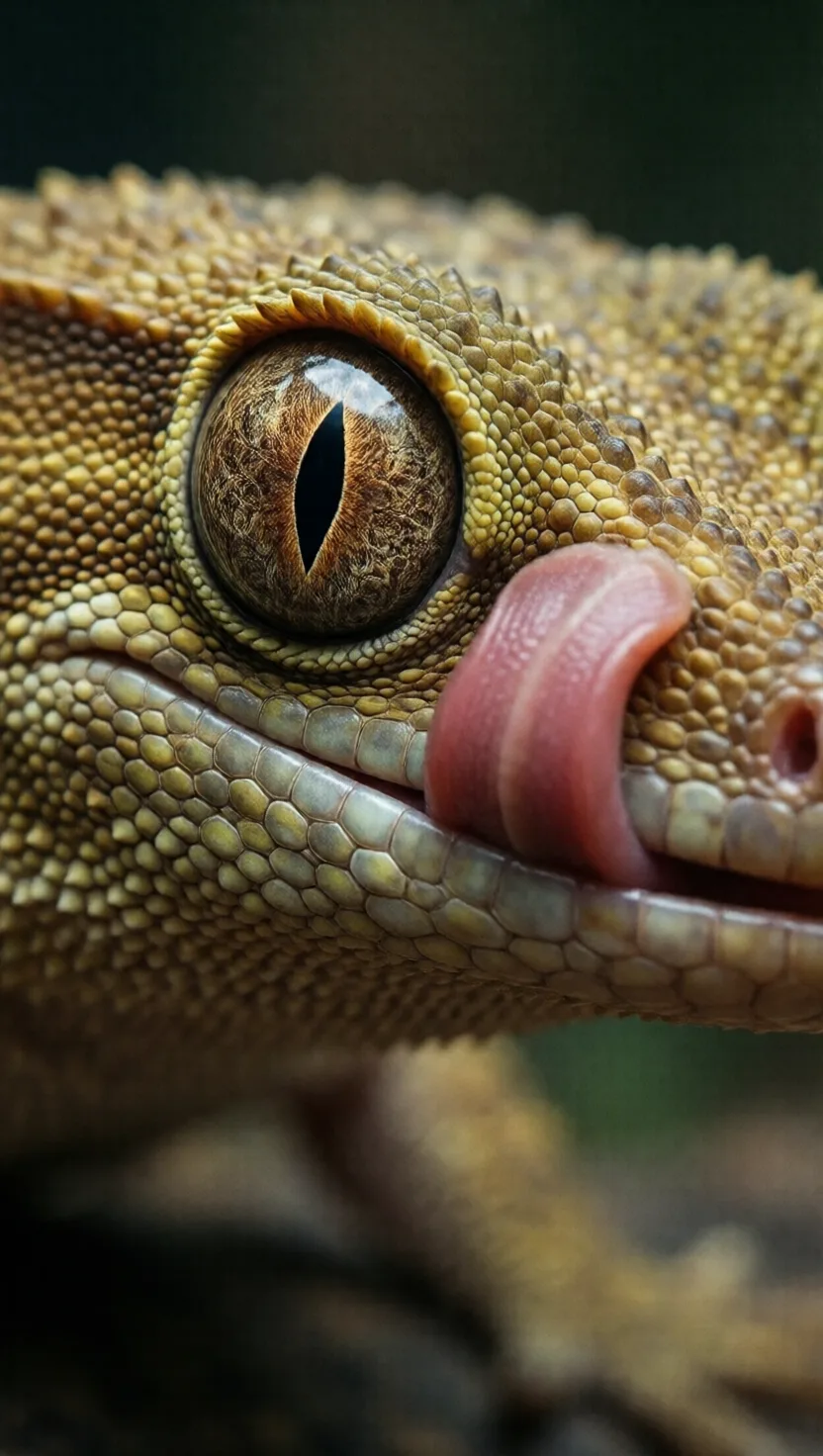
Most geckos cannot blink, because they have no moveable eyelids at all. Instead a single clear, fixed scale, called a brille or spectacle, is fused permanently over each eye like a built-in contact lens. To clear away dust, shed skin and grit, the gecko sweeps its broad tongue right across the eyeball. That long, deliberate lick does exactly the job that blinking does for us: it keeps the eye moist and the view clear.
It sees colour by moonlight, when you'd see only grey

It sees colour by moonlight, when you'd see only grey

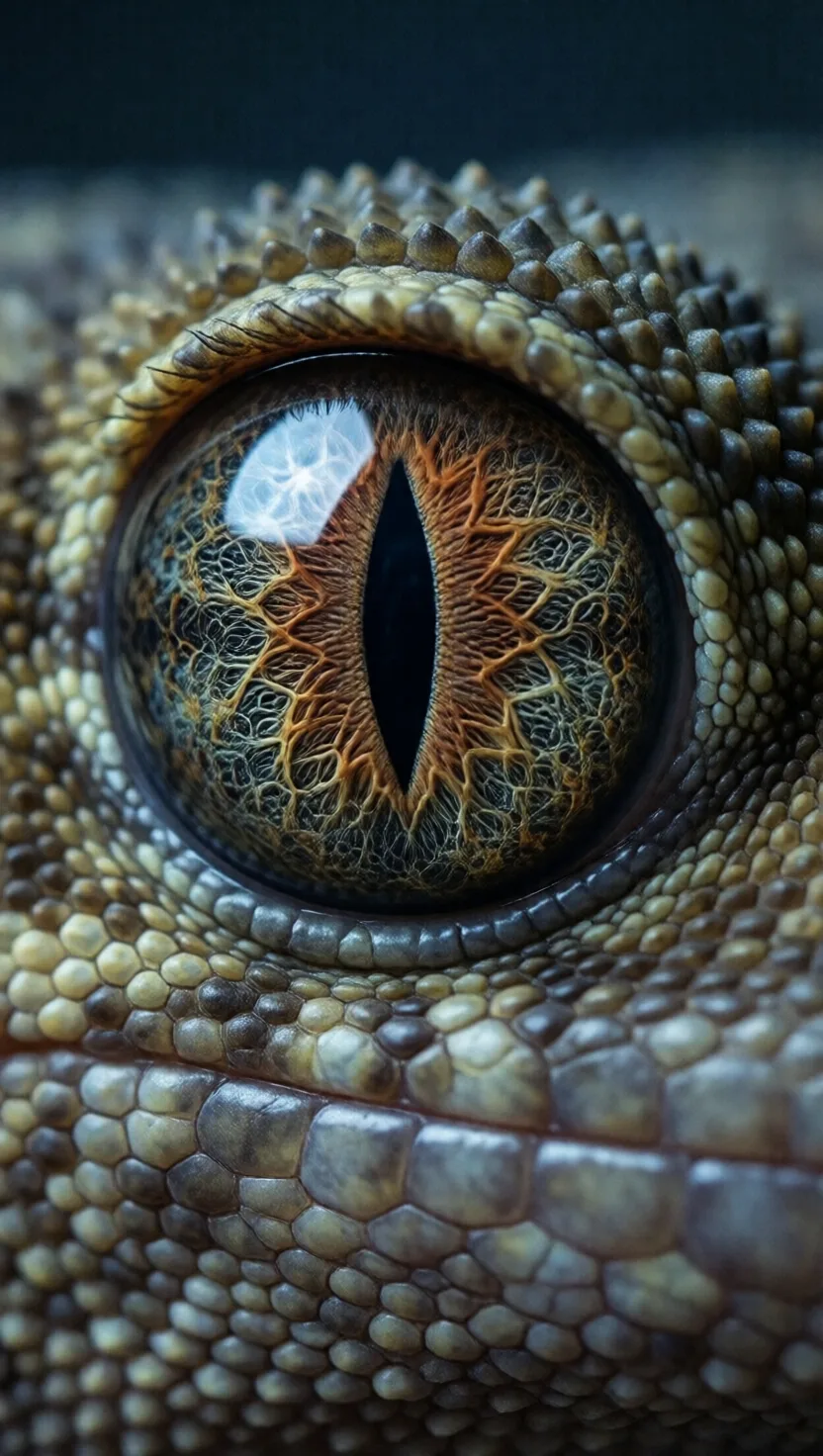
Human eyes give up on colour in dim light; by moonlight everything looks grey. The nocturnal helmet gecko does not. Tests show it can still tell colours apart at light levels hundreds of times too faint for us, its eyes reckoned to be about 350 times more sensitive than human colour vision at the threshold. The secret is an eye built almost entirely of large cones, with three colour types and effectively none of the rods other night animals rely on.
Its skin drinks dew and pipes it to its mouth

Its skin drinks dew and pipes it to its mouth

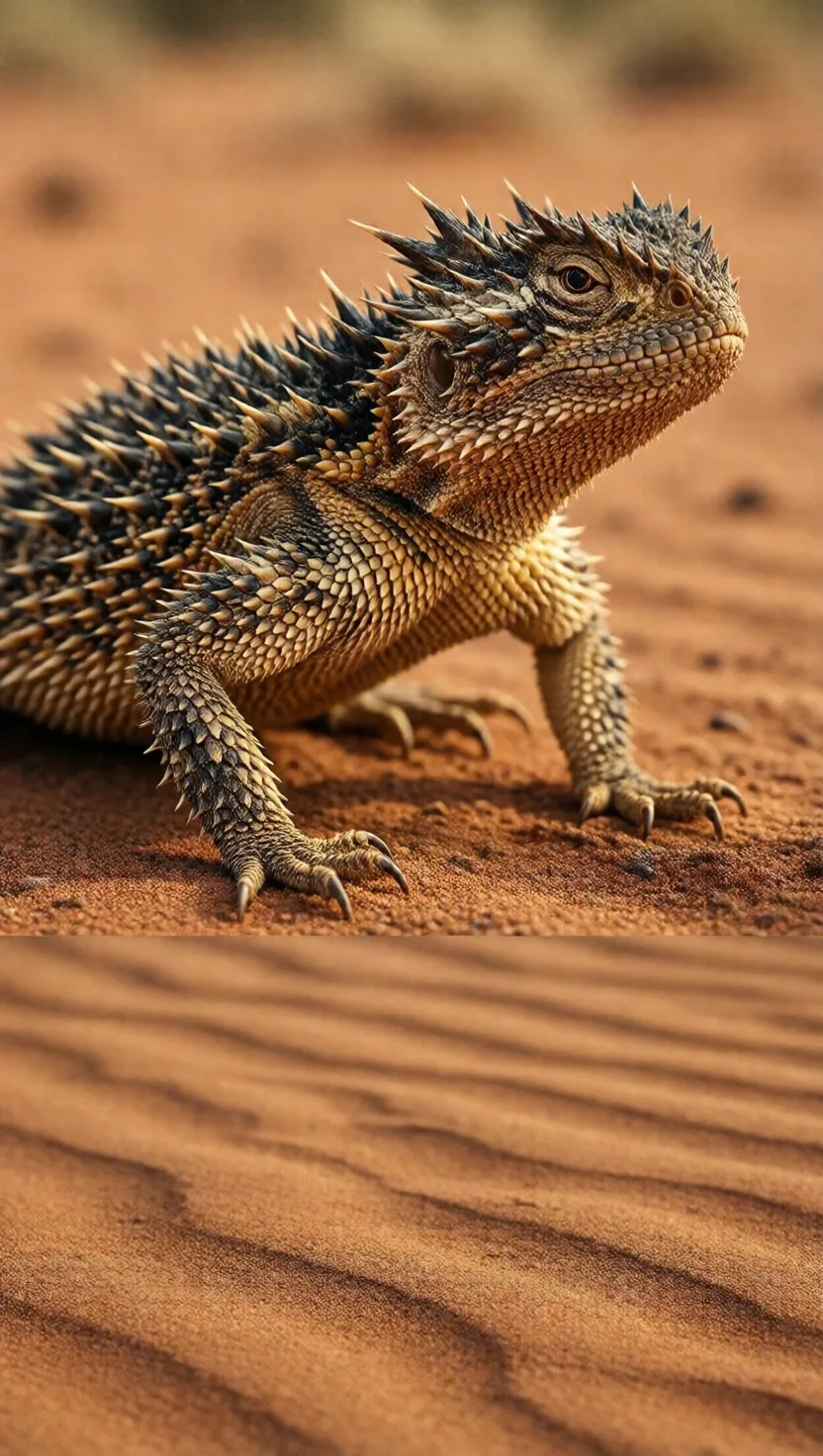
The thorny devil of the Australian desert never needs to find a puddle. Its skin is etched with a network of tiny semi-enclosed grooves, between 5 and 150 micrometres wide, running between the scales. Touch any part of it to dew, damp sand or rain and capillary action drags the water along these channels, even uphill against gravity, all the way to the corners of its mouth, where it simply opens and closes its jaws to drink. No pumping, no effort, no moving.
This lizard sprints across open water to escape

This lizard sprints across open water to escape

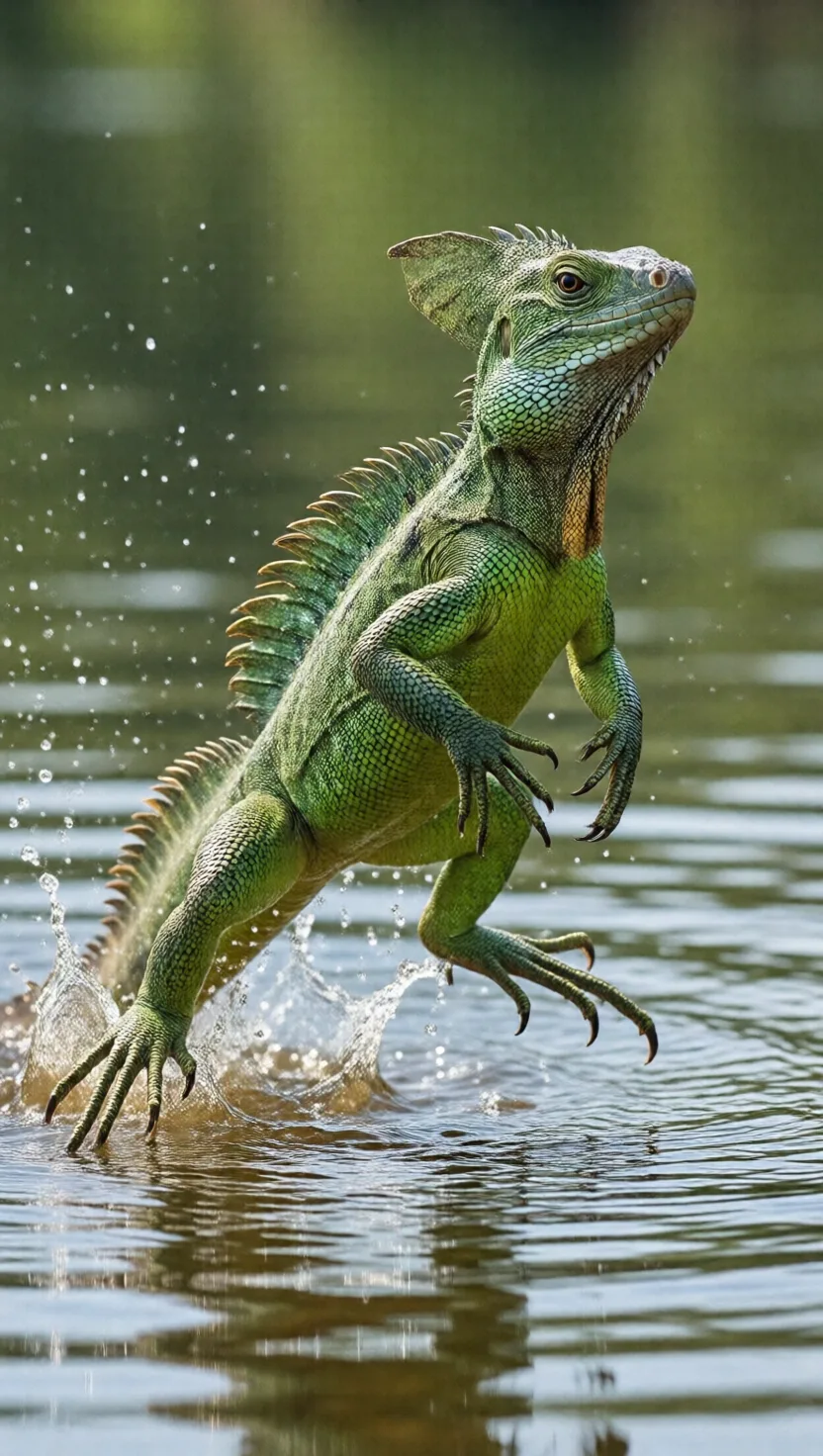
The basilisk, nicknamed the Jesus Christ lizard, can run right across the surface of a pond. Fleeing danger, it rears onto its hind legs and slaps the water flat and fast, up to 20 strokes a second. Each slap pushes water down for lift, then the foot strokes downward to open a momentary pocket of air around it, and is whipped out before that pocket collapses. The result is a frantic dash at roughly 1.6 metres a second, with juveniles, being lighter, the best at it.
tap →swipe ↑ for depthswipe ↓ to exit