Eight things about the ocean's strangest balloon

DC·203 Deep Cuts
A tiny fish carves perfect circles in the seabed

A tiny fish carves perfect circles in the seabed

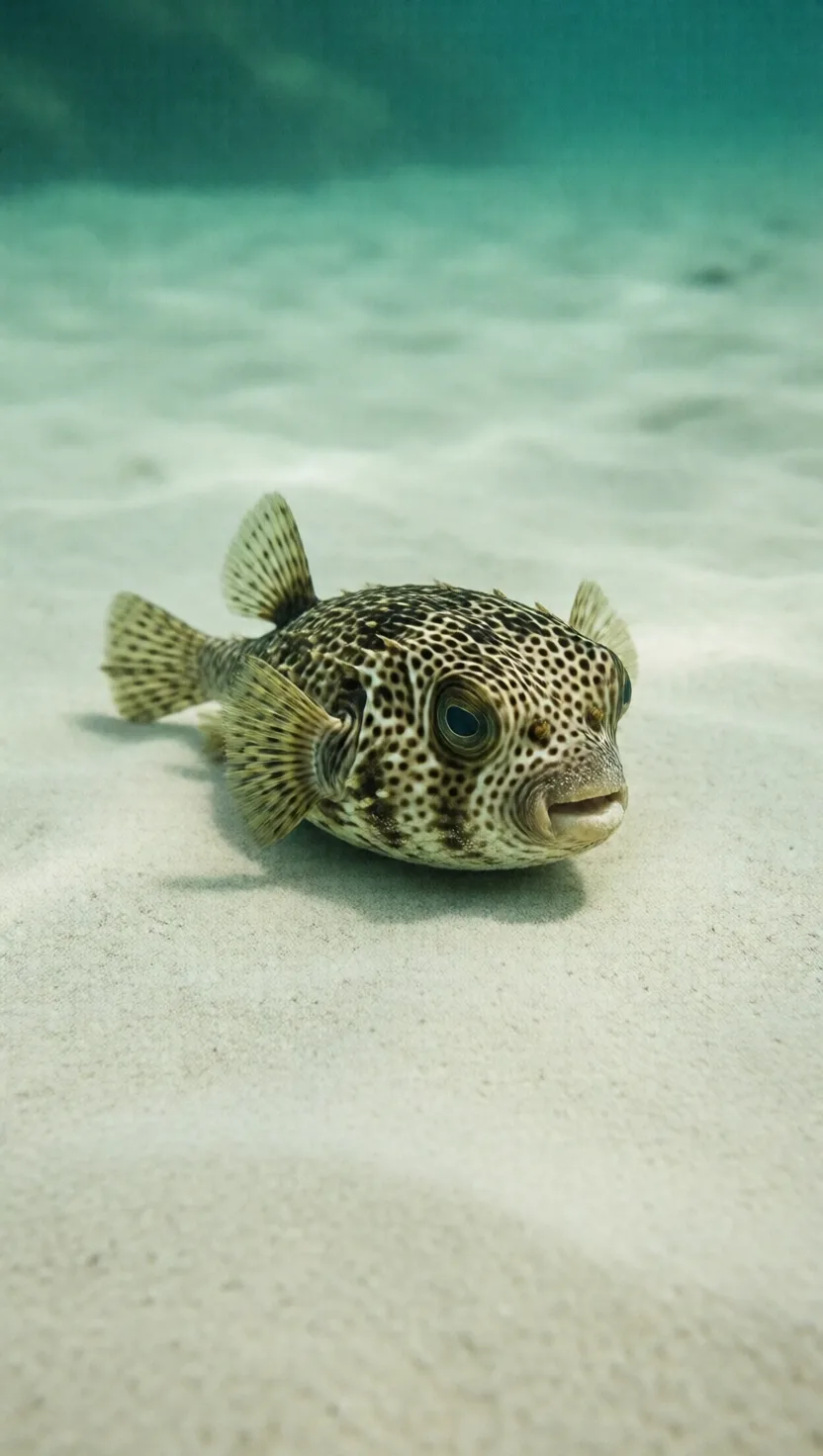
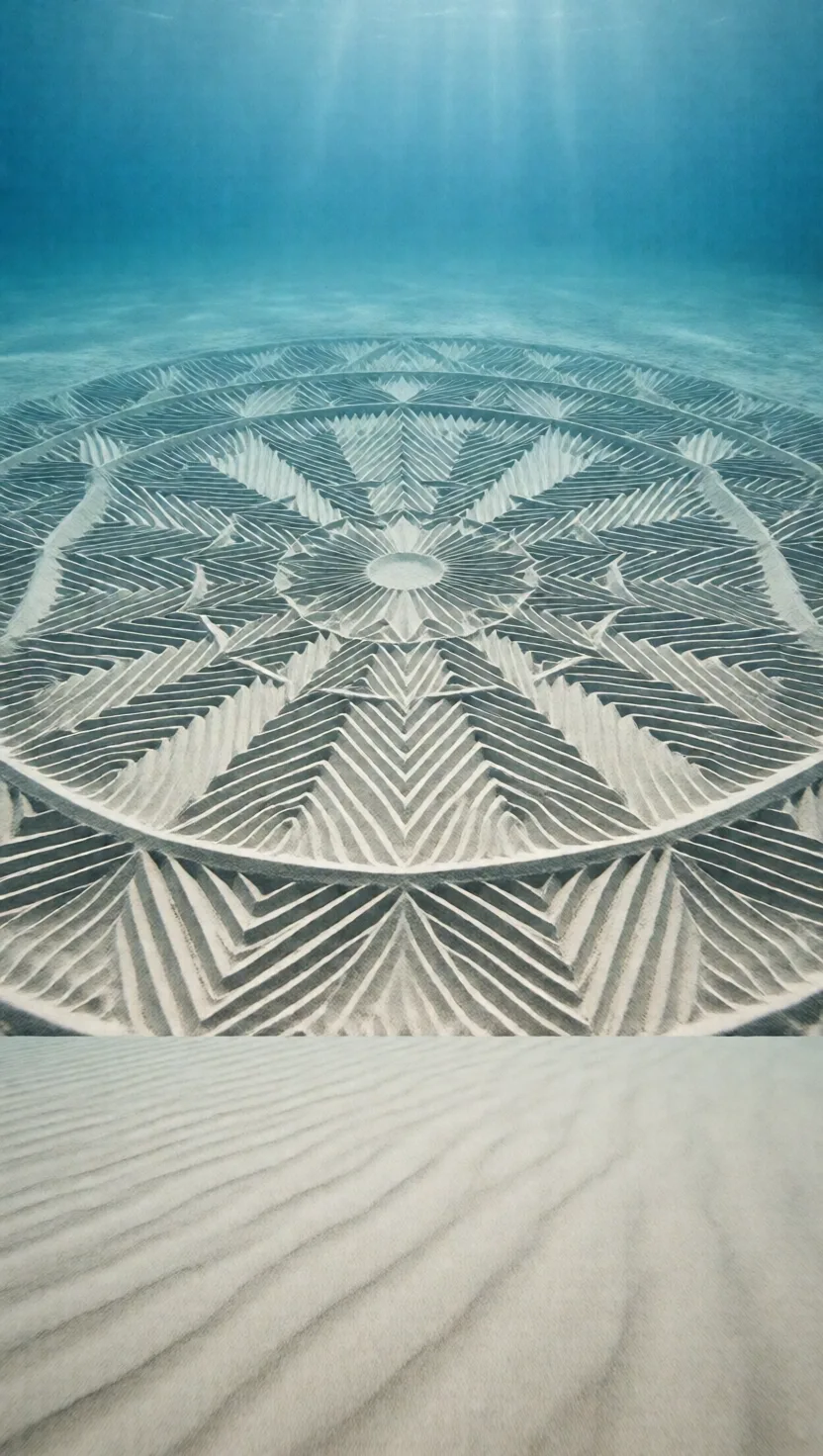
For years divers off southern Japan found two-metre geometric patterns scribed into the sand and could not explain them. The artist turned out to be a male pufferfish barely 10 centimetres long. Beating his fins along the bottom for over a week, he ploughs radiating ridges and valleys into a flawless circular maze to court females, even decorating it with shells. The shape also funnels fine sand to the centre, where the eggs are laid.
It puffs up by swallowing water, not air

It puffs up by swallowing water, not air

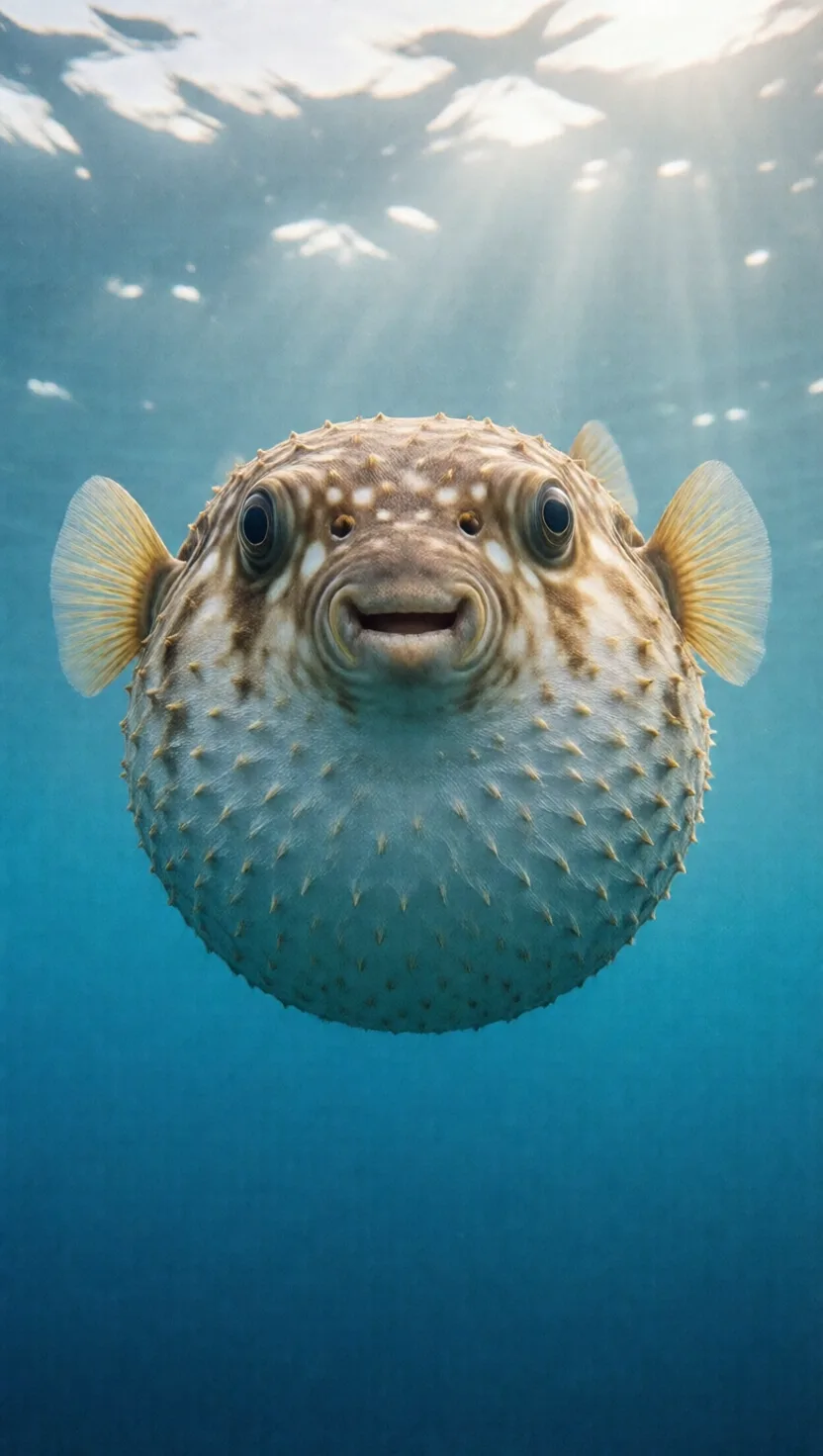
A frightened pufferfish does not gulp air, it pumps water into a wildly elastic stomach whose walls are pleated with collagen fibres that let it stretch and rebound. Having no ribs to get in the way, the fish can balloon to three or four times its size in seconds, becoming a sphere too big to swallow. Holding that shape is hard work, burning up to five times the oxygen it uses at rest.
Its famous poison isn't made by the fish

Its famous poison isn't made by the fish

The pufferfish's deadly tetrodotoxin, far more potent than cyanide by weight, is not manufactured by the animal at all. It is made by bacteria in the food chain and slowly accumulated in the fish's organs, especially the liver and ovaries. The proof came from aquaculture: pufferfish raised on a clean, controlled diet grow up almost free of toxin. The danger is borrowed from the menu, not built in.
Four teeth fused into an ever-growing beak

Four teeth fused into an ever-growing beak

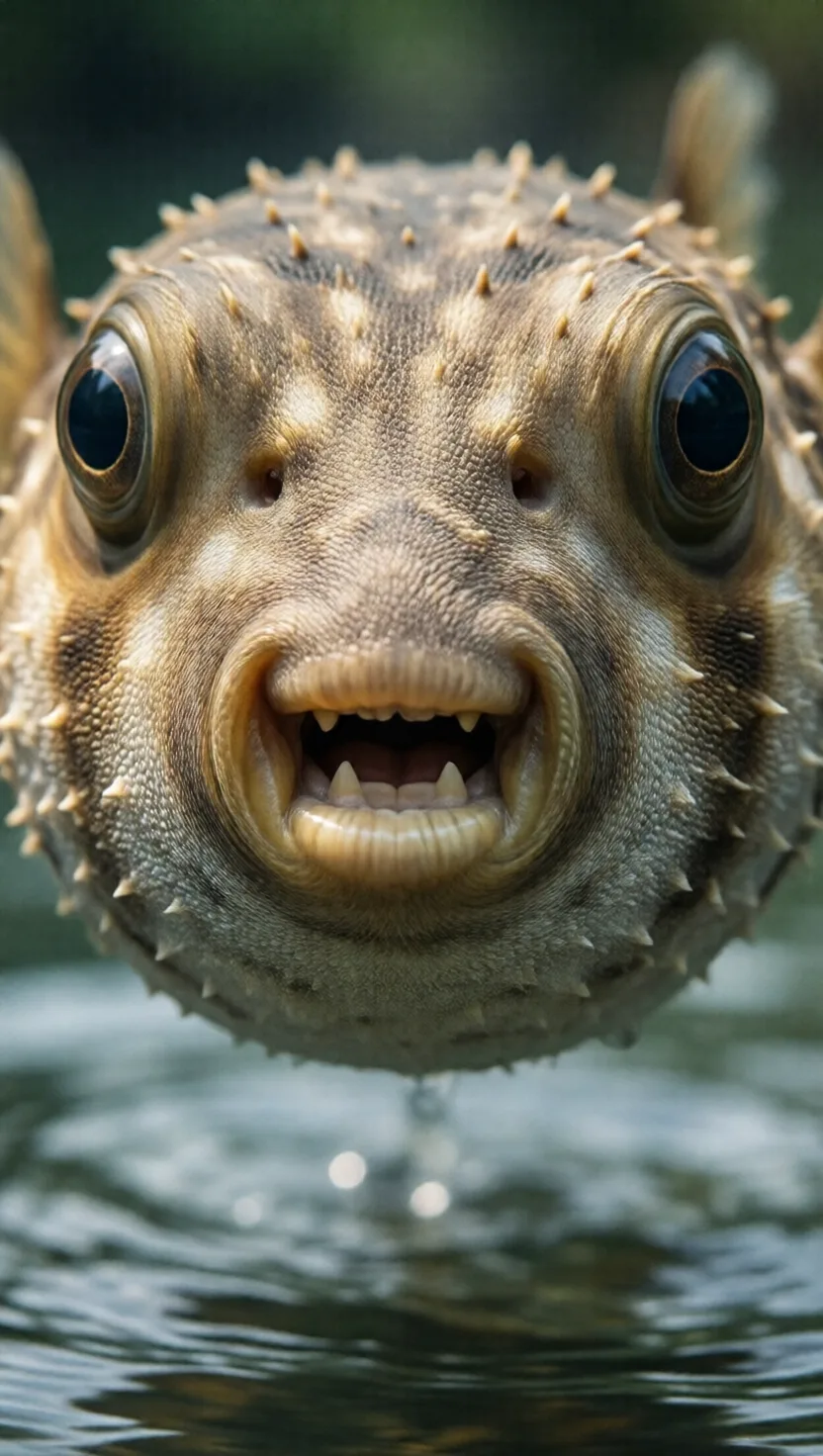
The name pufferfish hides in their mouths: the family's scientific name means four teeth. Four tooth plates are fused into a hard, parrot-like beak that never stops growing. To keep it from overgrowing, the fish must constantly grind on hard prey such as clams, snails and coral, wearing the beak down as fast as it lengthens, the same arrangement that keeps a rodent's incisors in check.
Its spines are scales lying in wait

Its spines are scales lying in wait

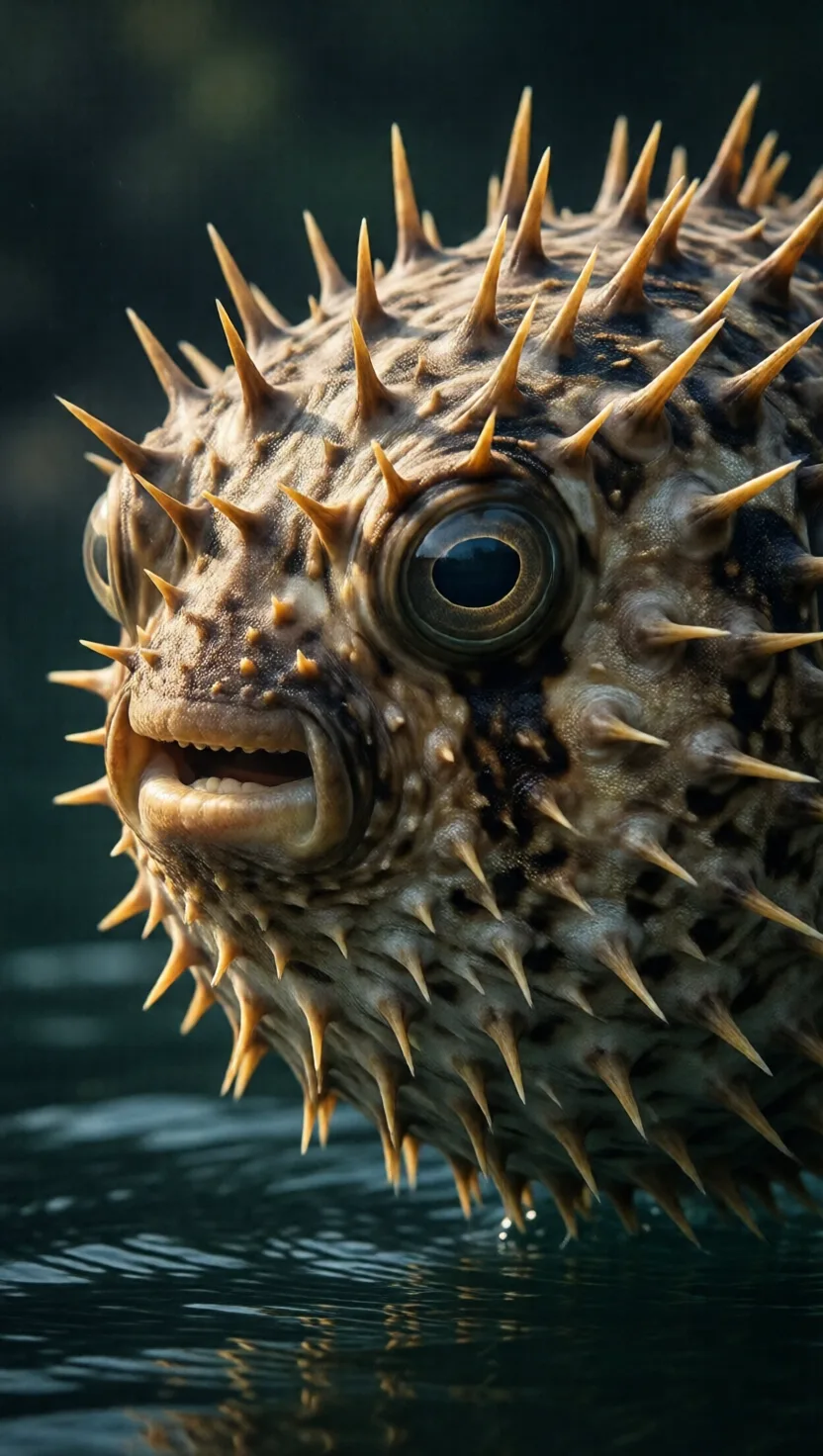
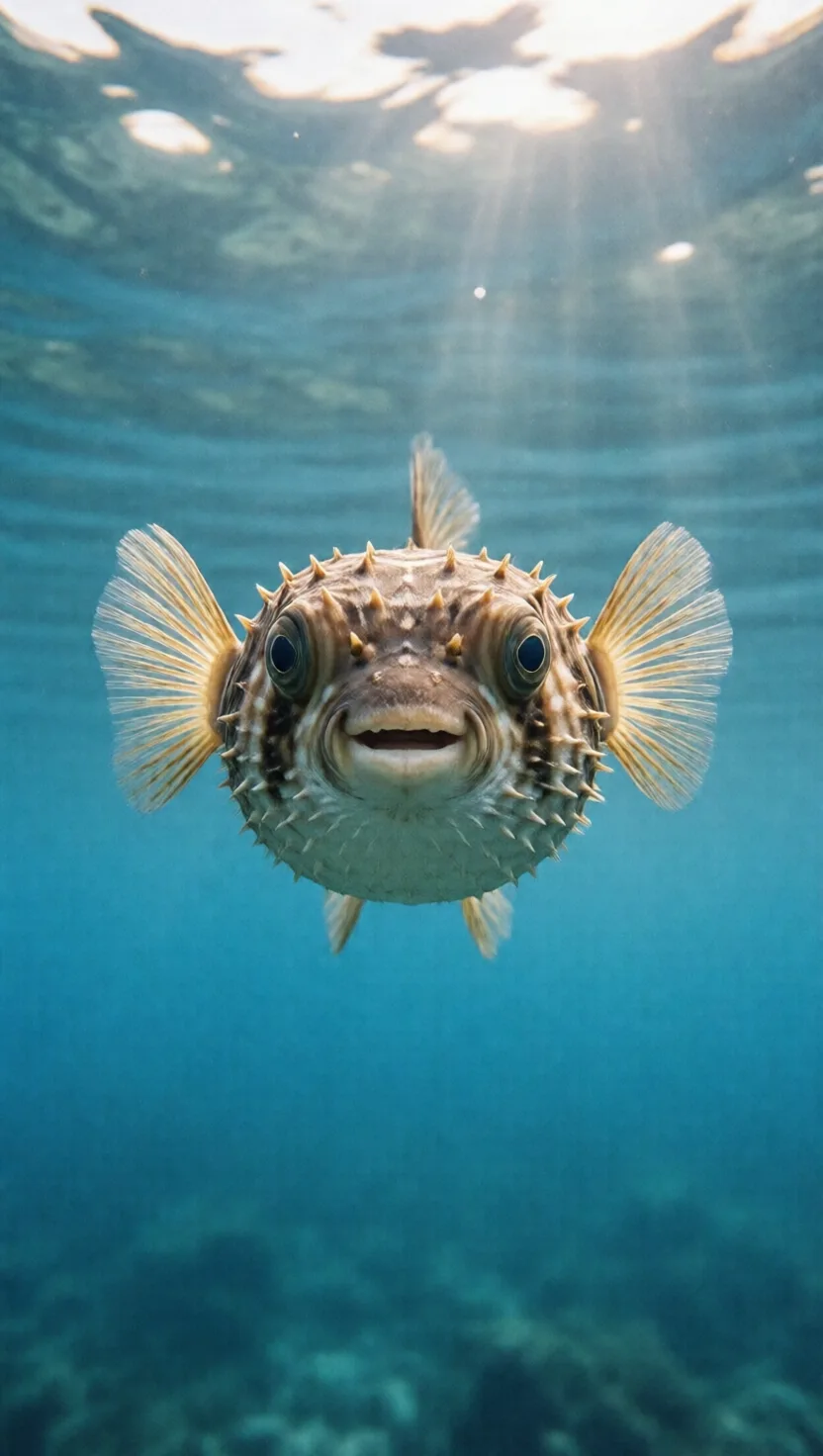
The spines that bristle from an inflated pufferfish are not separate weapons, they are its scales, reshaped over evolution into spikes. While the fish is relaxed they lie flat against the body, all but invisible. Only when it gulps water and swells do they swing upright, turning a soft little fish into a prickly ball that almost nothing can bite. The bigger the puff, the sharper the armour.
The only bony fish that can shut its eyes

The only bony fish that can shut its eyes

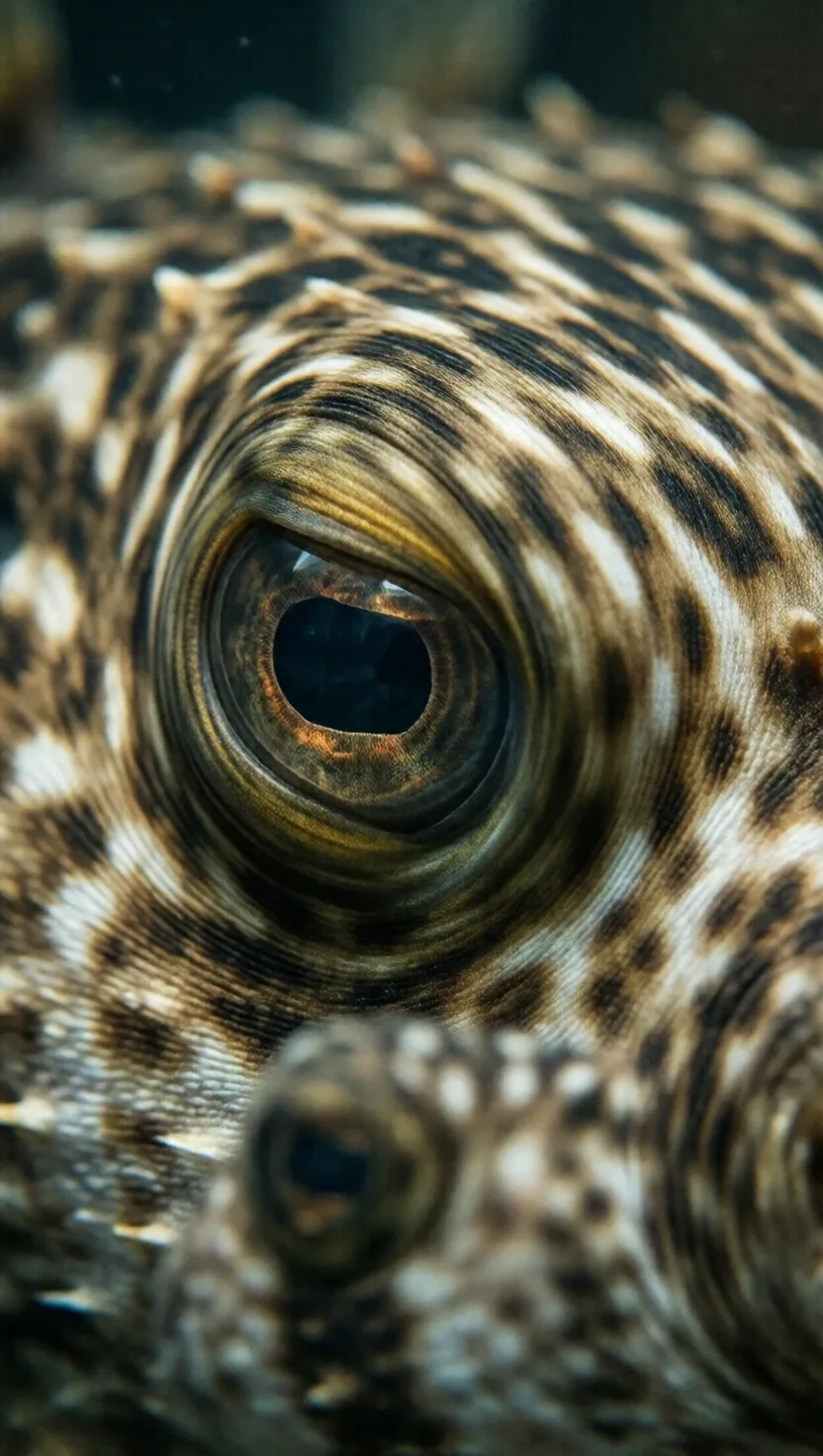
Almost no fish can close its eyes, because they have no eyelids. The pufferfish family is the lone exception among bony fishes. It pulls the eyeball back into its socket, retracting it by up to 70 percent, while the skin around it draws inward like a shrinking iris until the eye is sealed. It is a wink found nowhere else in the entire bony-fish world.
It hovers like a helicopter, tail idle

It hovers like a helicopter, tail idle

A pufferfish swims almost nothing like a normal fish. Instead of sweeping its tail, it sculls with rippling pectoral, dorsal and anal fins, hovering and turning on the spot with fine control. The tail mostly trails behind as a rudder, called into action only for a sudden dart to safety. The price of ditching the tail-powered cruise is exquisite, helicopter-like maneuverability.
The smallest grows no bigger than a pea pod

The smallest grows no bigger than a pea pod

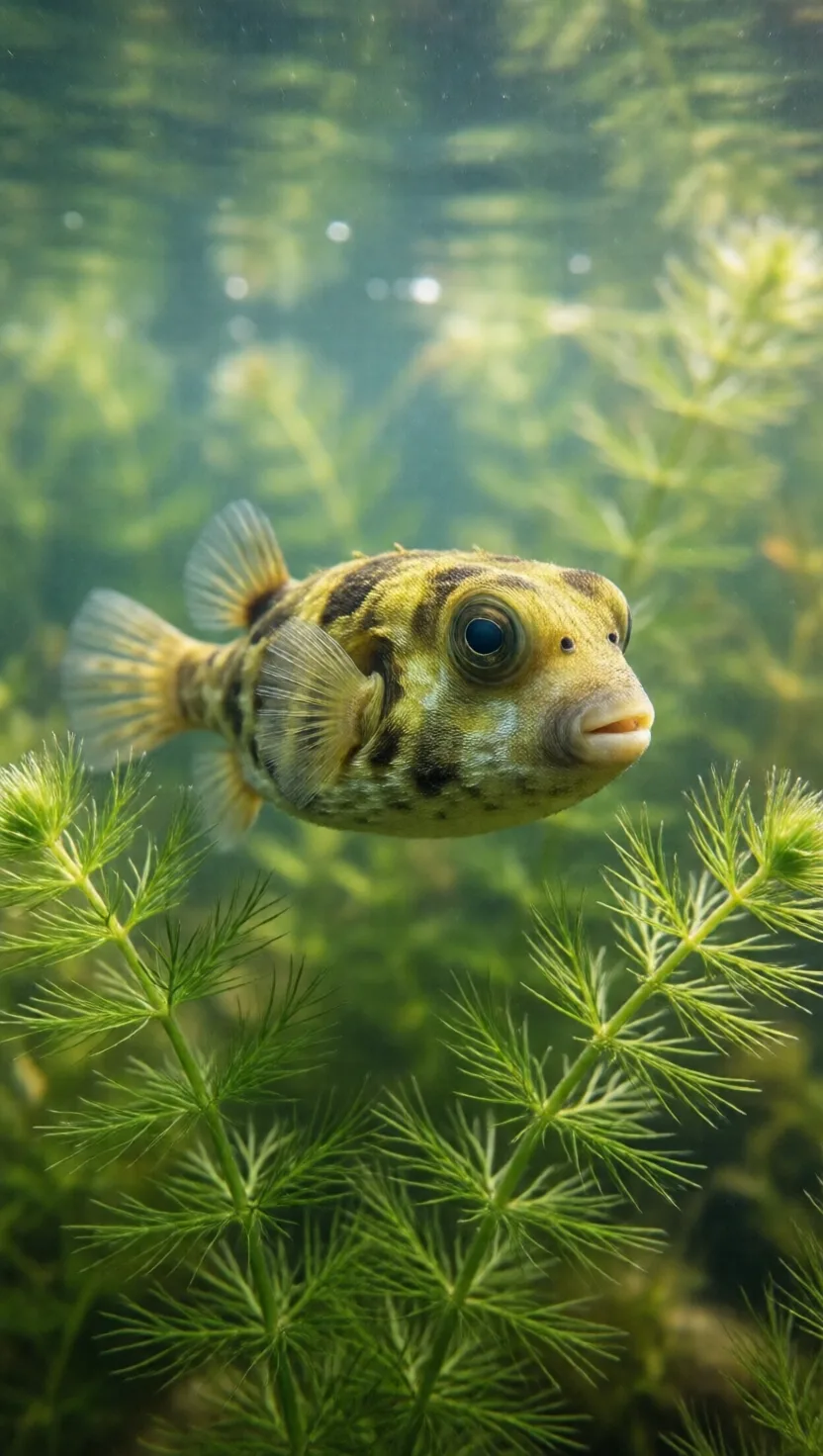
Not all pufferfish are balloons. The dwarf or pea puffer, from the freshwater streams of southwest India, tops out around 2.5 centimetres, about an inch, making it one of the smallest pufferfish on Earth. Greenish-yellow with dark iridescent patches on its flanks, it is a fully equipped puffer in miniature, hunting tiny snails and worms with the same beak and bulging, swivelling eyes as its much larger cousins.
tap →swipe ↑ for depthswipe ↓ to exit