Eight things about mountains and the highest places

DC·20 Deep Cuts
The top of Everest is fossilized seabed

The top of Everest is fossilized seabed

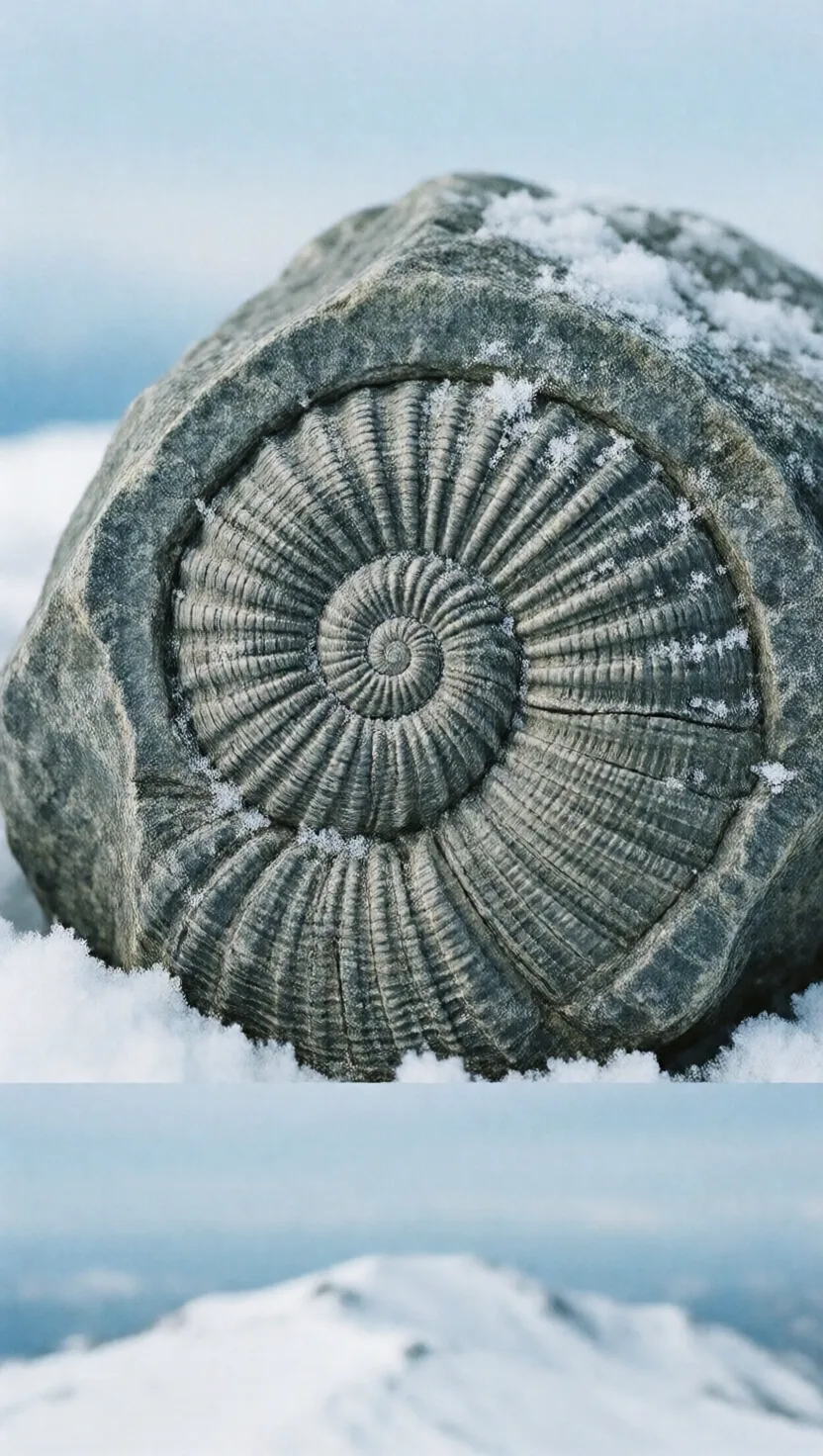
The grey rock at Everest's 8,849 m summit is limestone that formed on a warm, shallow seafloor about 450 million years ago. It is packed with the broken shells of marine animals long gone: trilobites, brachiopods and crinoids. When the Indian landmass crashed into Asia roughly 50 million years ago, that ancient ocean floor was crumpled and shoved skyward. The highest place on Earth is built from the bottom of a vanished sea.
The point closest to space isn't Everest

The point closest to space isn't Everest

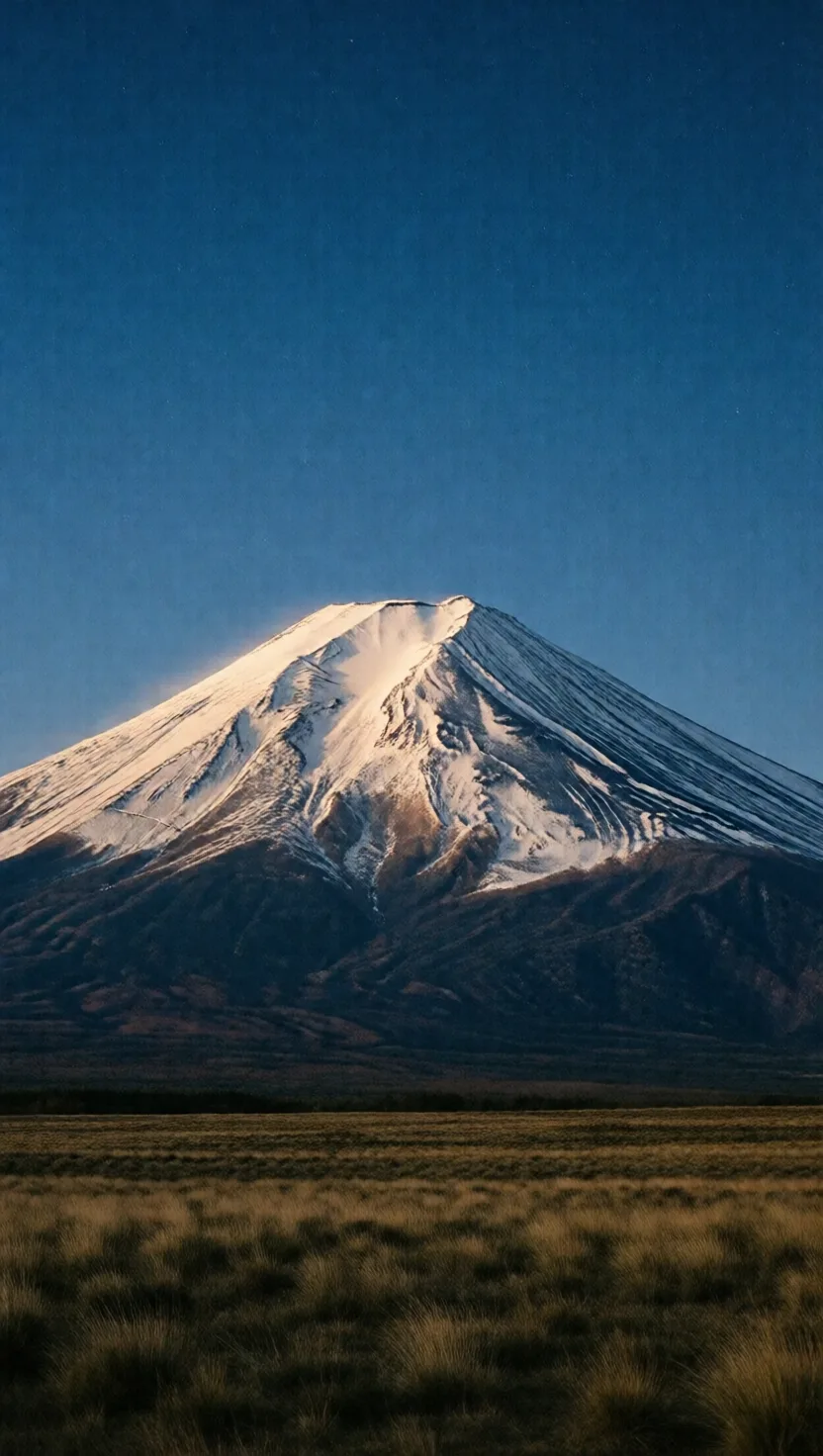
Everest is the highest above sea level, but Earth isn't a sphere: it bulges at the equator. Chimborazo, a volcano in Ecuador one degree south of the equator, sits right on that bulge. Its summit is 2,585 m lower than Everest's, yet it stands 6,384 km from the planet's center, about 2.1 km farther out than Everest's peak. Measured from the middle of the Earth, Chimborazo's top is the spot on the surface nearest to outer space.
Earth's tallest cliff leans out over your head

Earth's tallest cliff leans out over your head

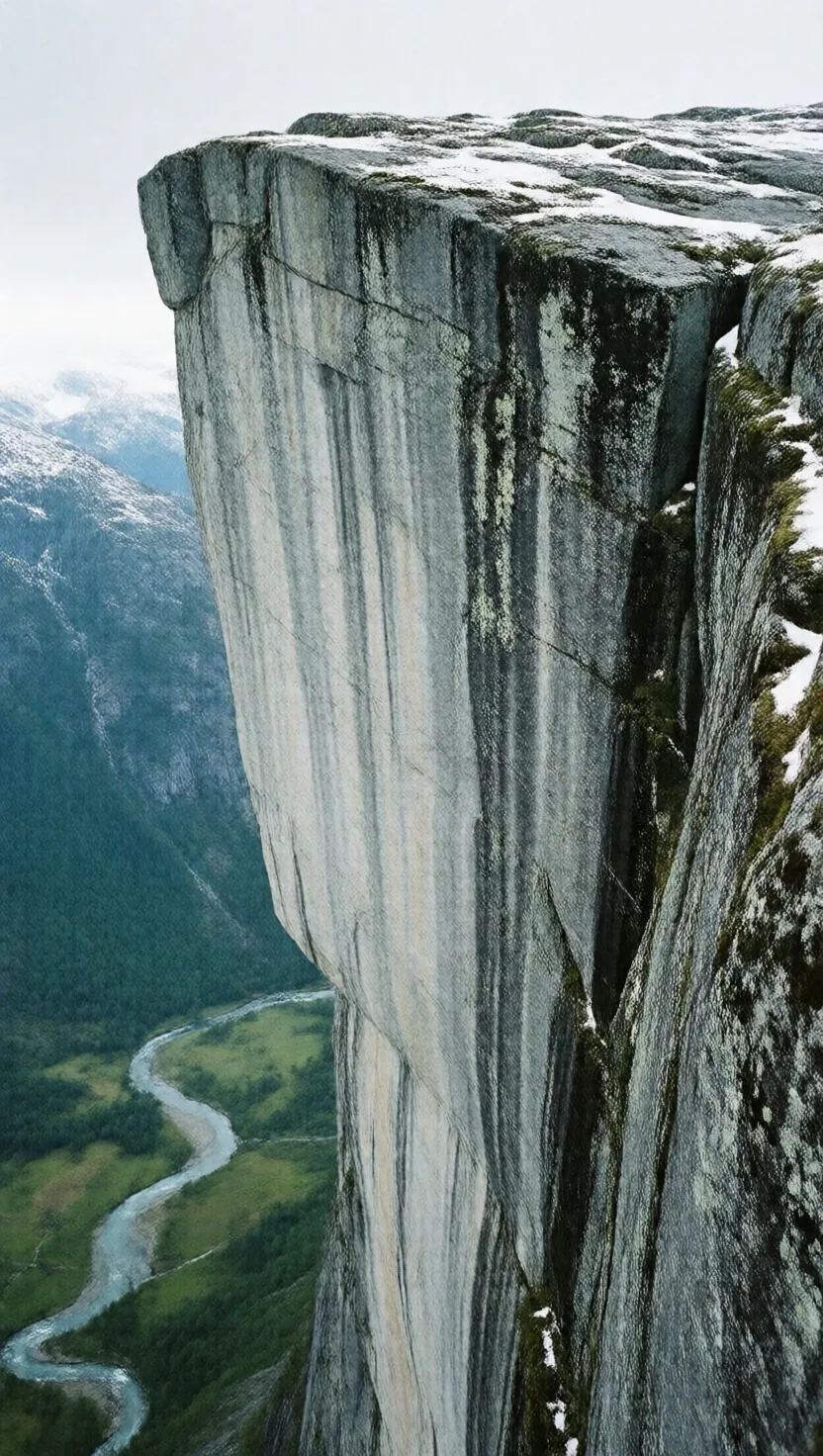
On Baffin Island in Arctic Canada, Mount Thor drops 1,250 m of bare granite in a single plunge, the greatest vertical drop on Earth. The west face doesn't just fall straight down: it overhangs, leaning outward at an average of 105 degrees, fifteen degrees past vertical. A stone dropped from the top falls free for most of a kilometre before it touches rock. Glaciers grinding through the pass carved the wall over millions of years.
The Matterhorn's summit is a piece of Africa

The Matterhorn's summit is a piece of Africa

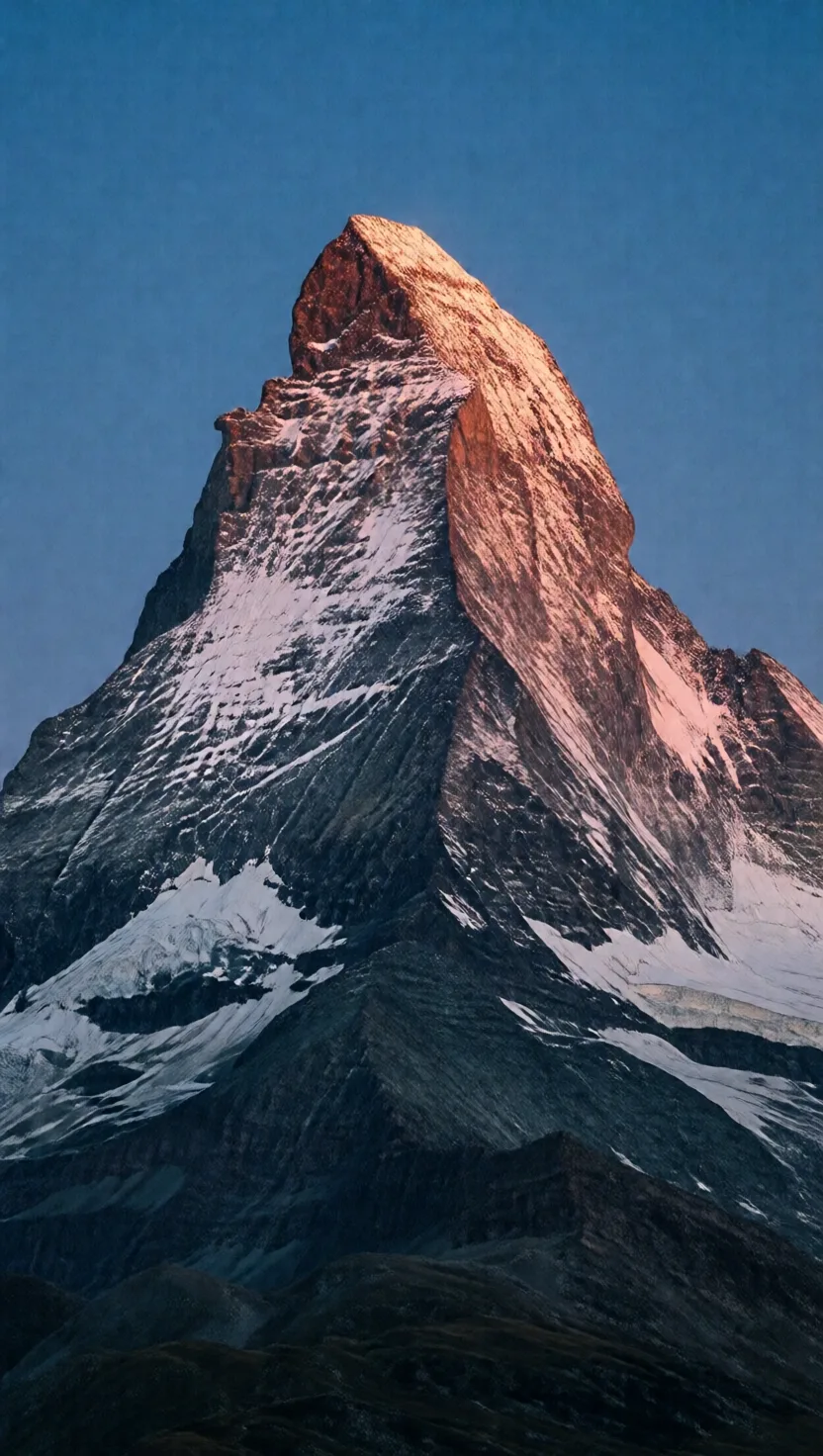
The Matterhorn looks like one clean pyramid, but it's stacked from two different continents. Everything above roughly 3,400 m is gneiss from the Apulian plate, rock that split from Africa and was thrust up and over Europe as the Alps were built. So the most iconic peak in the Swiss Alps is, geologically, a sliver of the African continent riding on top of European rock that surfaced when the Tethys Ocean closed.
This flat summit is nearly two billion years old

This flat summit is nearly two billion years old

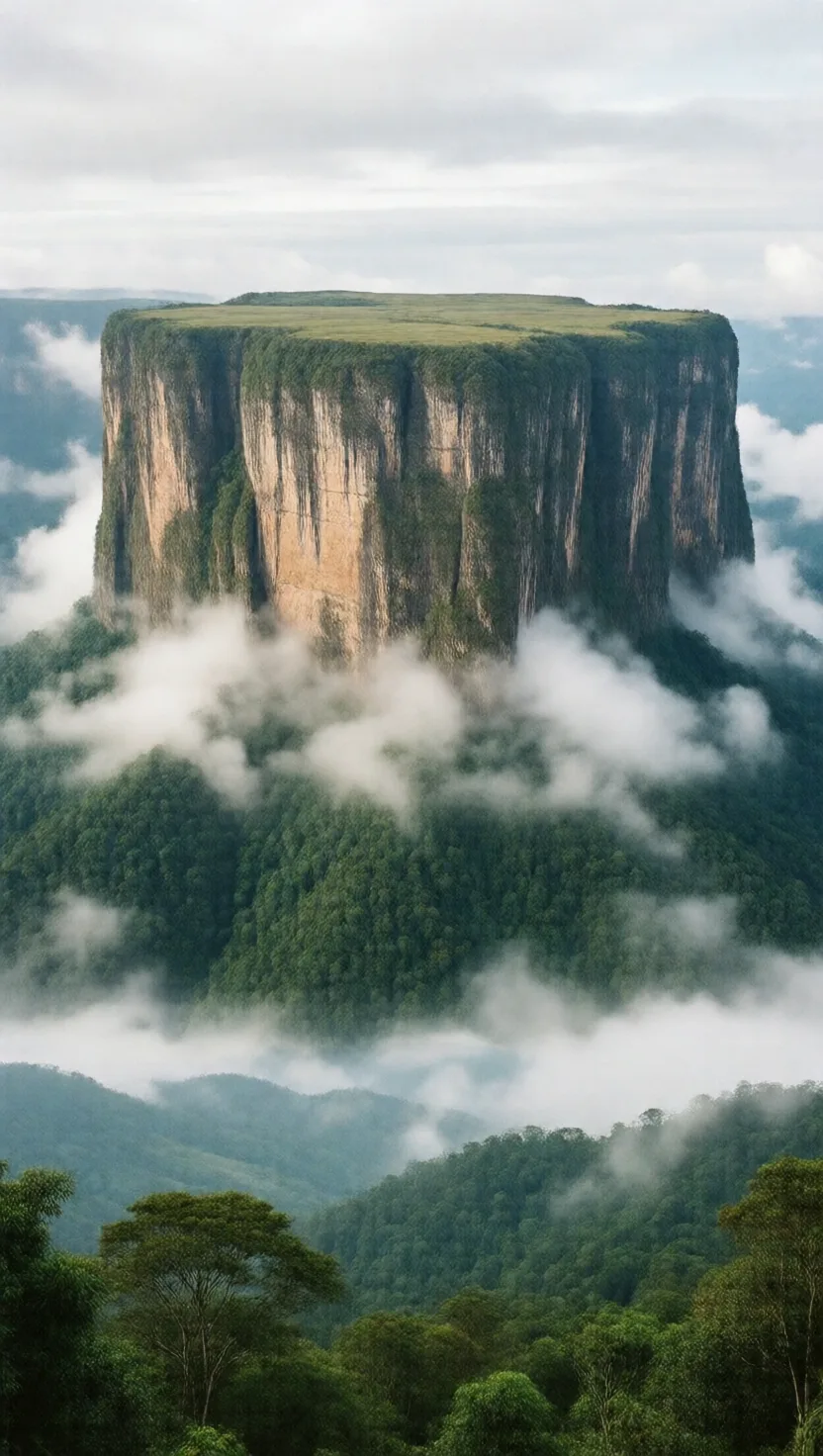
Mount Roraima's sheer-walled tabletop straddles the borders of Venezuela, Brazil and Guyana. Its plateau is sandstone laid down 1.7 to 2 billion years ago, among the oldest rock exposed anywhere on Earth's surface, older than almost all complex life. Marooned above the forest for ages, its 30 km2 summit evolved creatures found nowhere else, like a tiny pebble toad that escapes predators by curling into a ball and bouncing down the cliffs.
No one has ever stood on this peak

No one has ever stood on this peak

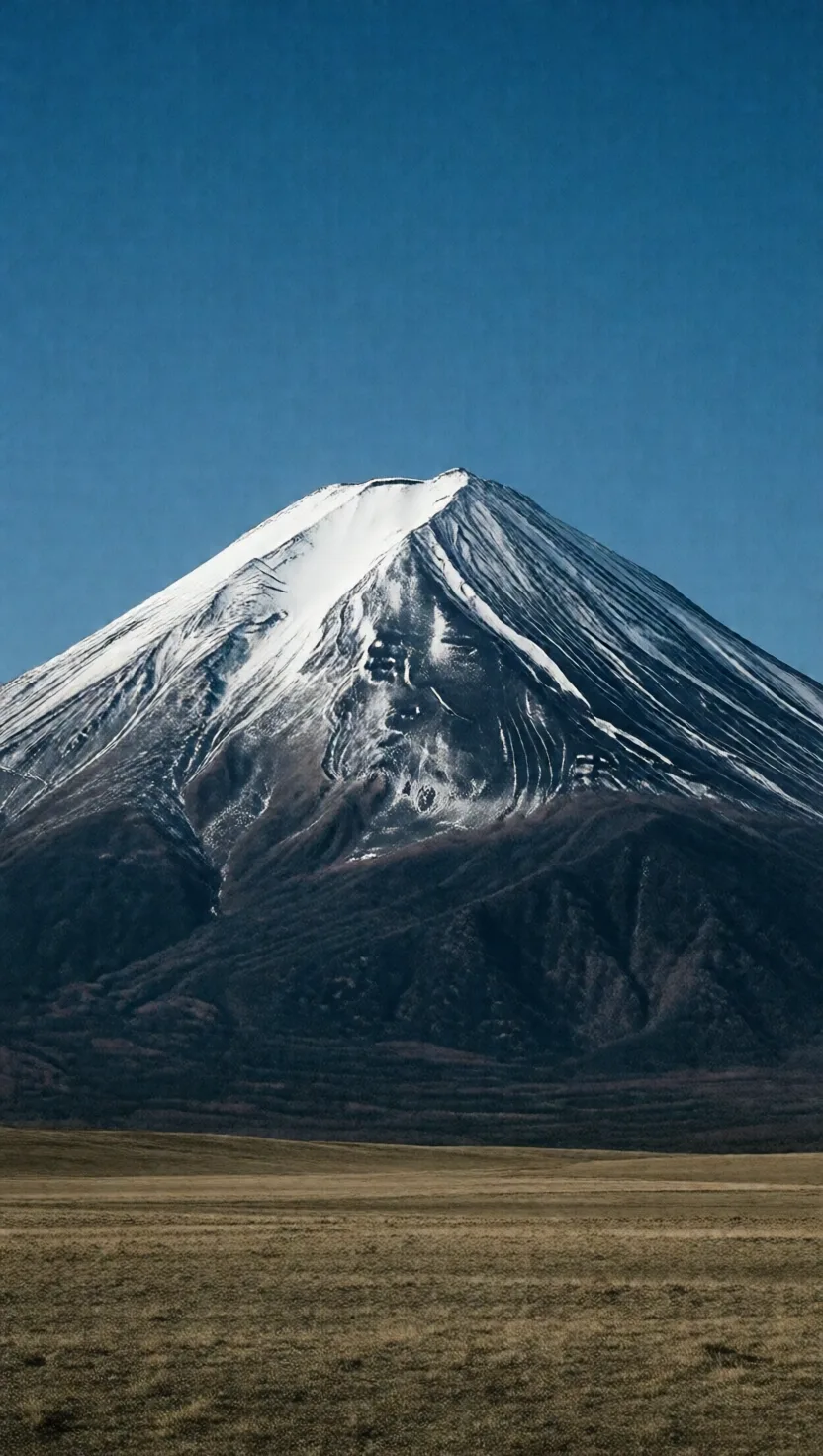
Peaks far higher and far harder have been climbed, yet no one has ever reached the 6,638 m summit of Mount Kailash in western Tibet. It is sacred to Hindus, Buddhists, Jains and the Bon faith, and climbing it is forbidden out of respect. When China offered the great mountaineer Reinhold Messner a chance to climb it in the 1980s, he declined. Pilgrims instead walk a 52 km loop around its base, never up.
This cloud sits still as a gale roars through it

This cloud sits still as a gale roars through it

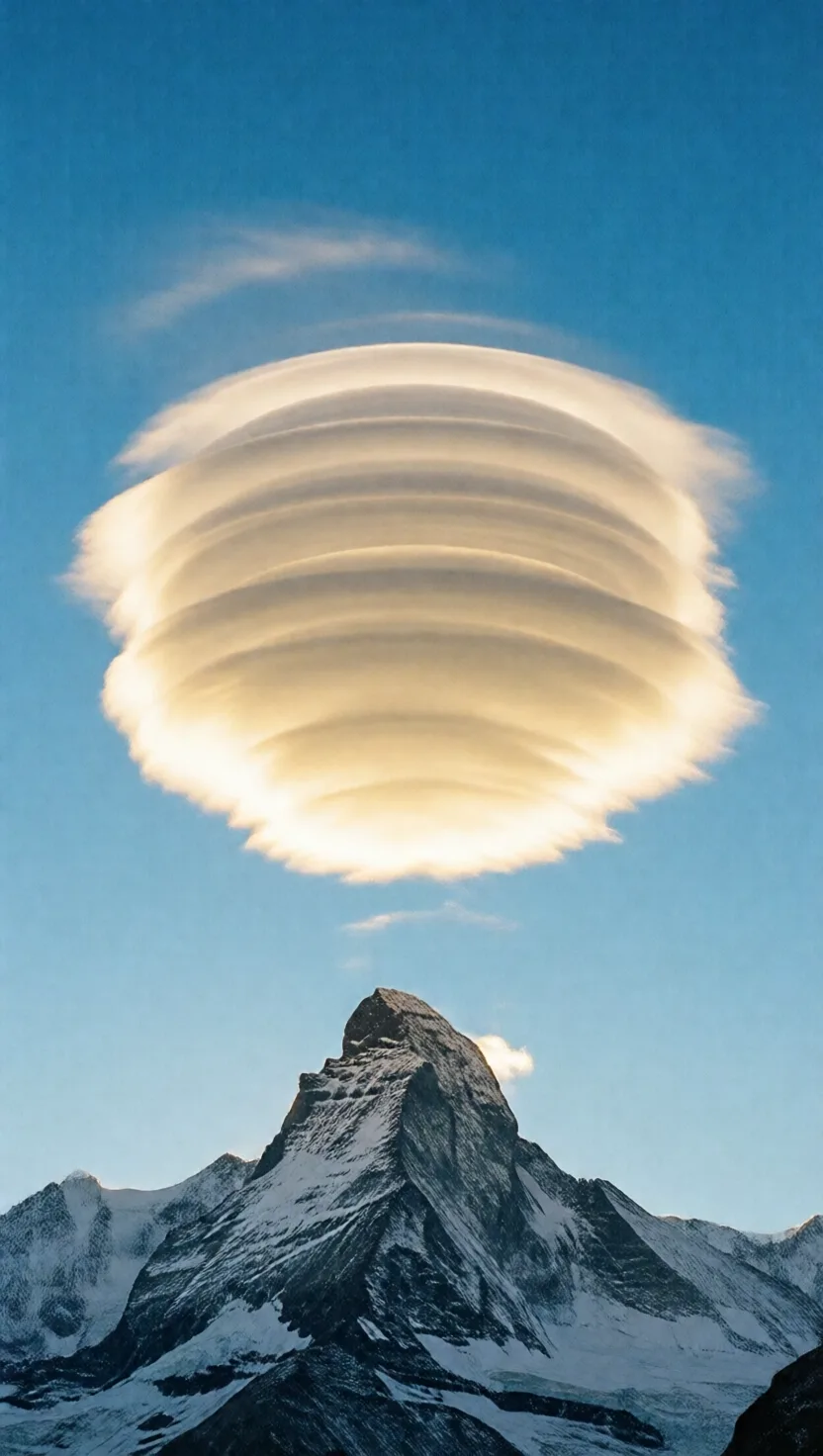
A smooth, saucer-shaped lenticular cloud can hang motionless over a peak for hours while wind tears past at 50 knots or more. It marks a standing wave: stable air forced up and over a mountain keeps oscillating downwind, and cloud condenses at the crest of each wave. Air is racing through the whole time. Droplets form on the upwind side and evaporate on the downwind side just as fast, so the lens shape stays pinned in place.
In fog, you only ever see your own halo

In fog, you only ever see your own halo

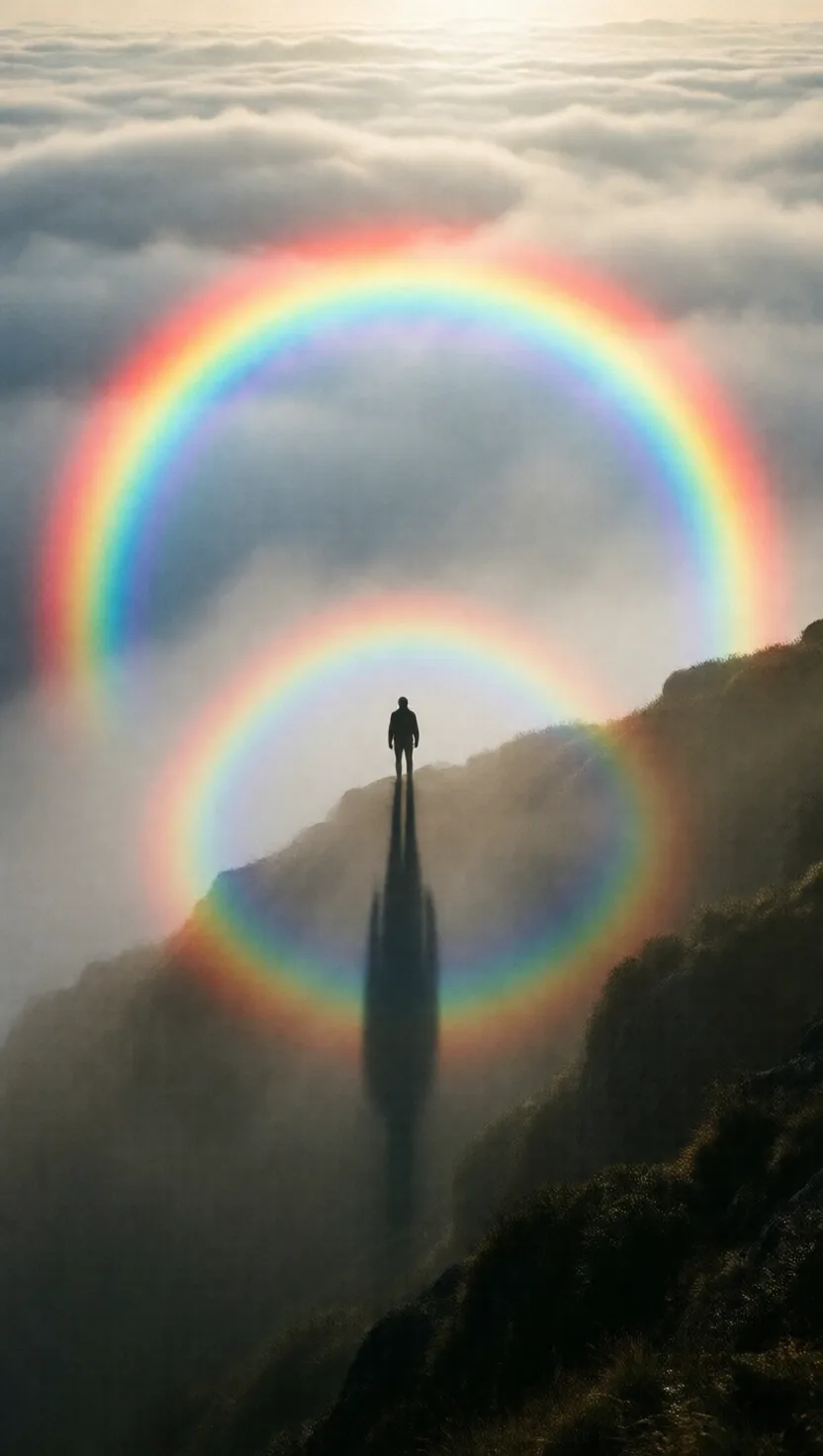
Stand on a misty ridge with the sun at your back and your shadow falls huge onto the cloud below, ringed by glowing circles of colour, a phenomenon called a glory. The rings come from sunlight diffracting off uniform water droplets and scattering straight back toward you. Because that only works exactly opposite the sun, the halo always centres on your own head's shadow. In a group, each person sees a glory around their shadow alone and no one else's.
tap →swipe ↑ for depthswipe ↓ to exit