Eight things hiding behind a twitching nose

DC·199 Deep Cuts
Rabbits eat their food twice

Rabbits eat their food twice

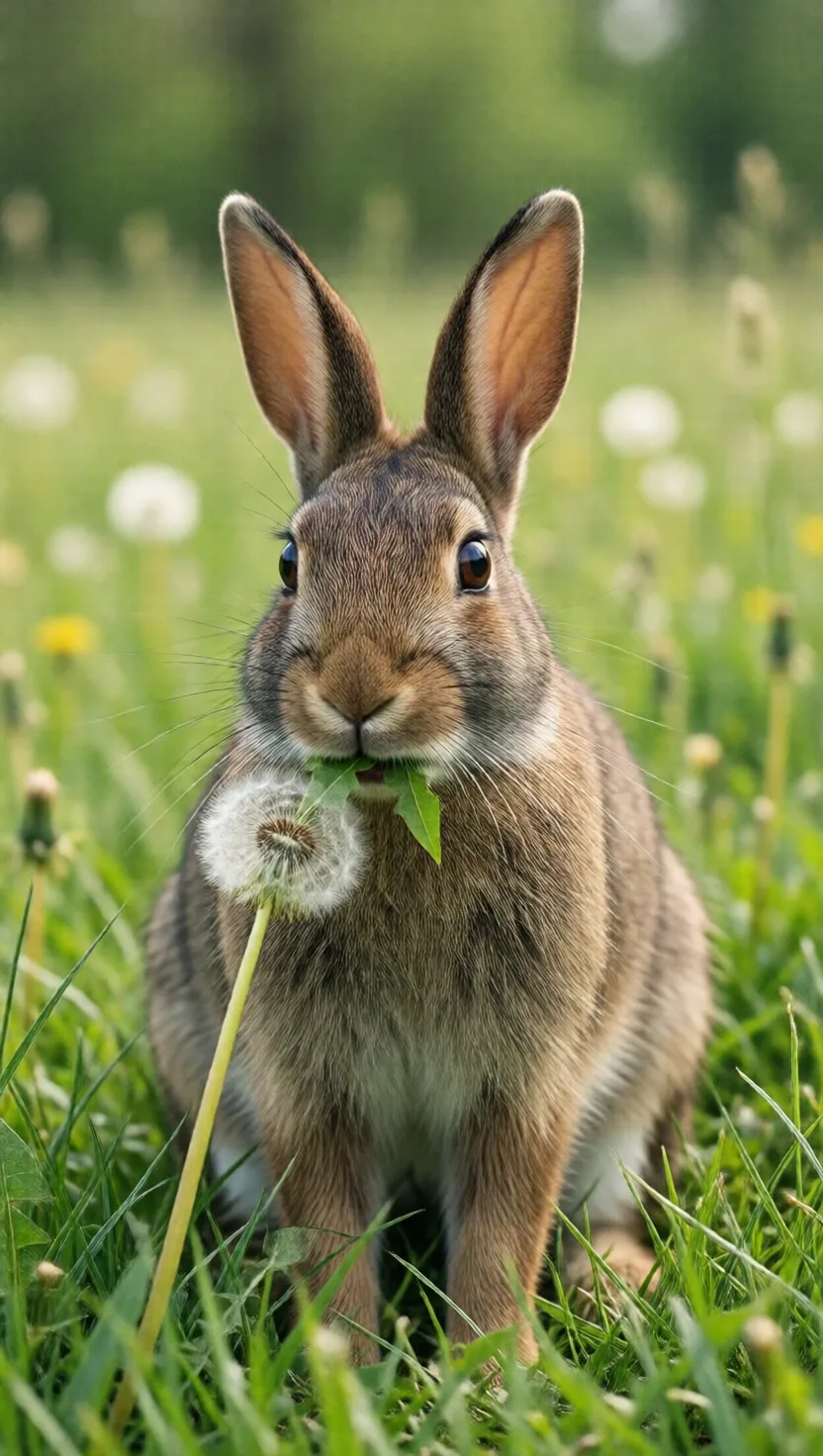
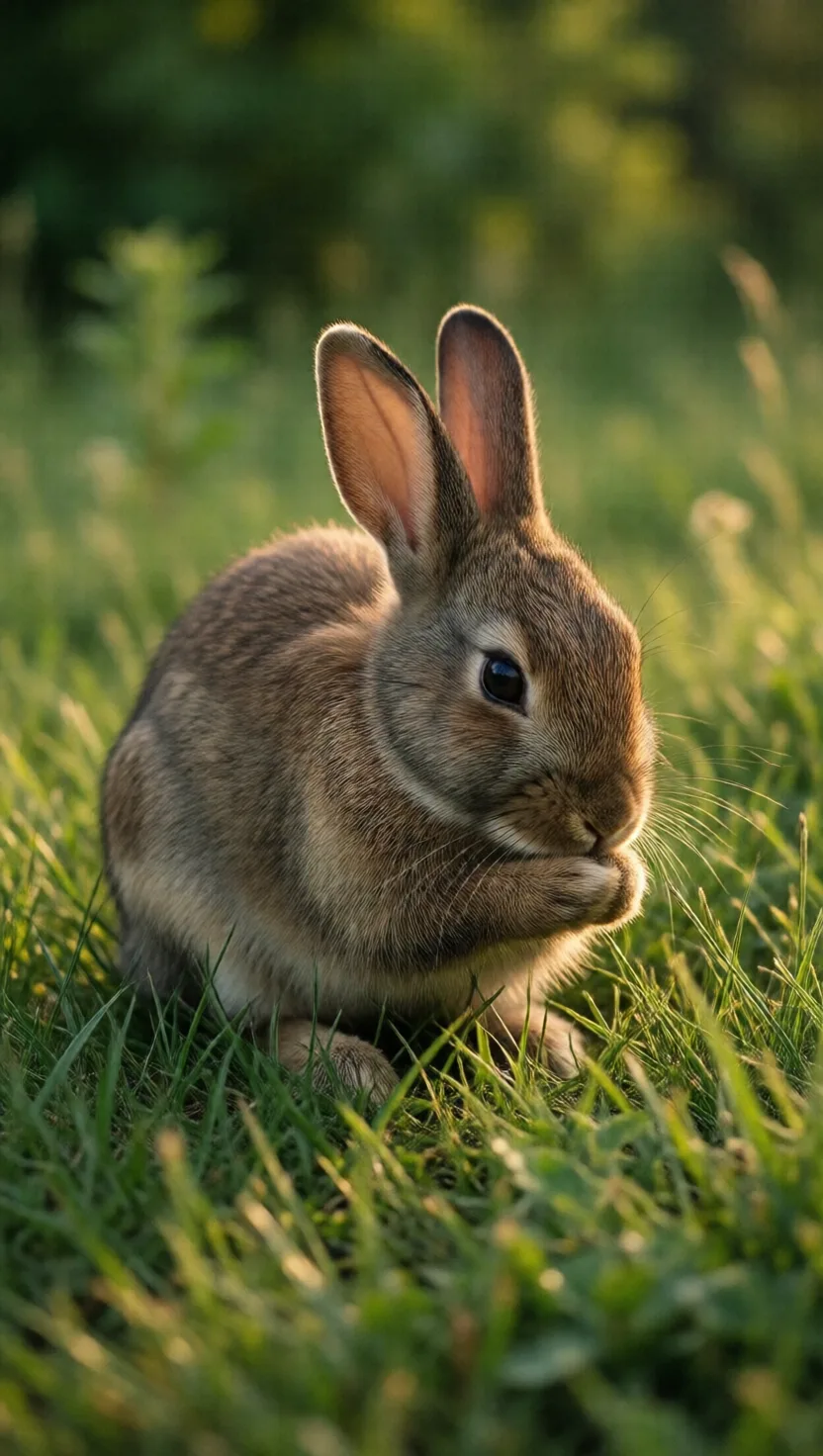
A rabbit's gut performs a clever trick. Plant fibre is hard to digest in one pass, so a rabbit ferments it in a pouch called the caecum and then passes special soft, glossy pellets, the cecotropes, usually at night. Instead of leaving them, the rabbit eats them straight away, sending the half-processed food through again to absorb the protein, B vitamins and gut microbes made the first time around. The dry round droppings you see are the real leftovers.
Baby hares are born ready to run

Baby hares are born ready to run

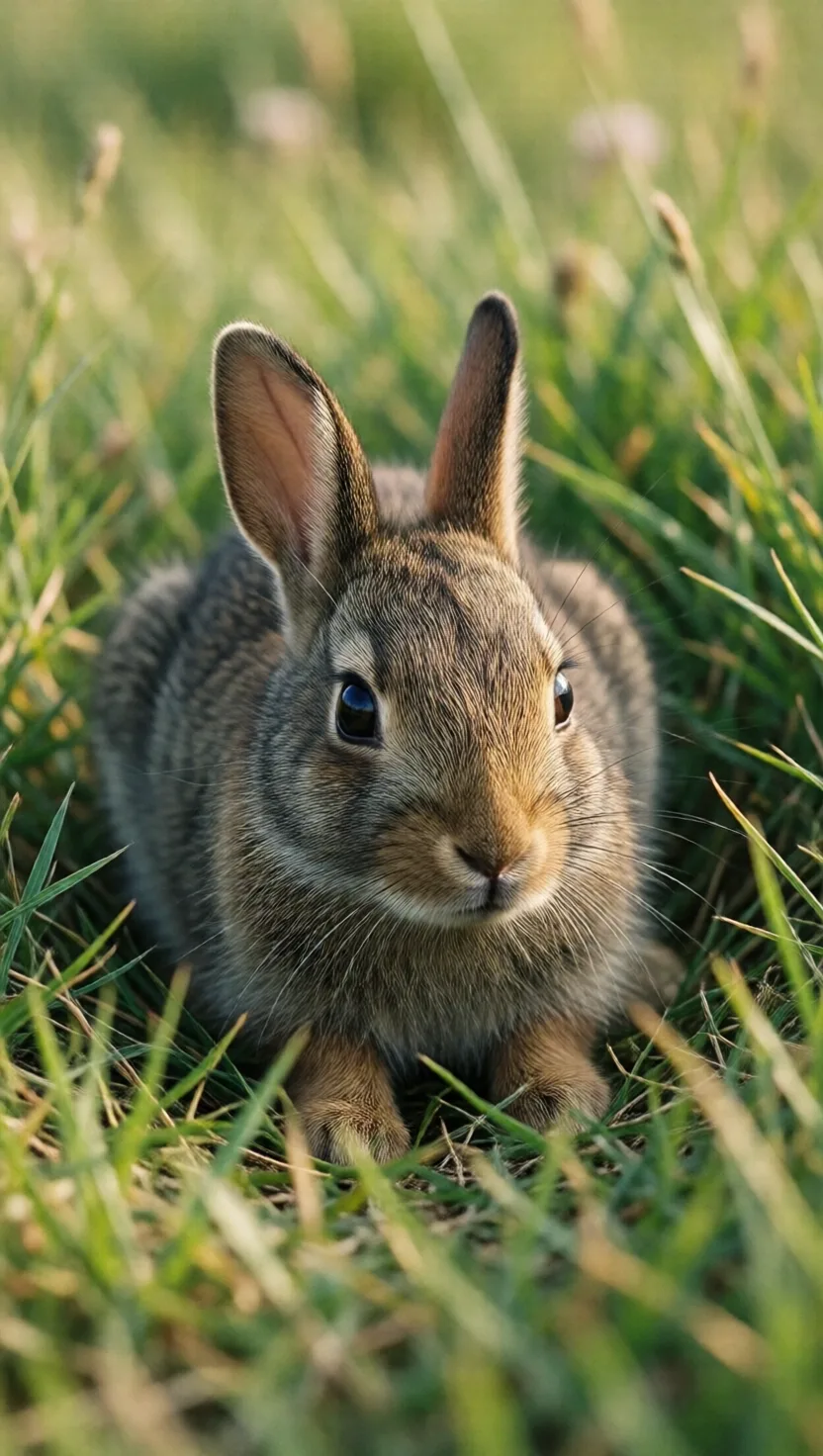
Rabbits and hares split sharply at birth. Rabbit kits are born blind, bald and helpless, hidden in a fur-lined burrow for weeks. Hare leverets are the opposite: after a longer pregnancy of about 42 days they arrive fully furred, eyes open and able to move almost at once. They have to be, because hares don't dig. A leveret is left alone in a shallow grass hollow above ground, relying on stillness and camouflage until its mother returns to nurse.
Rabbits aren't rodents, the teeth tell

Rabbits aren't rodents, the teeth tell

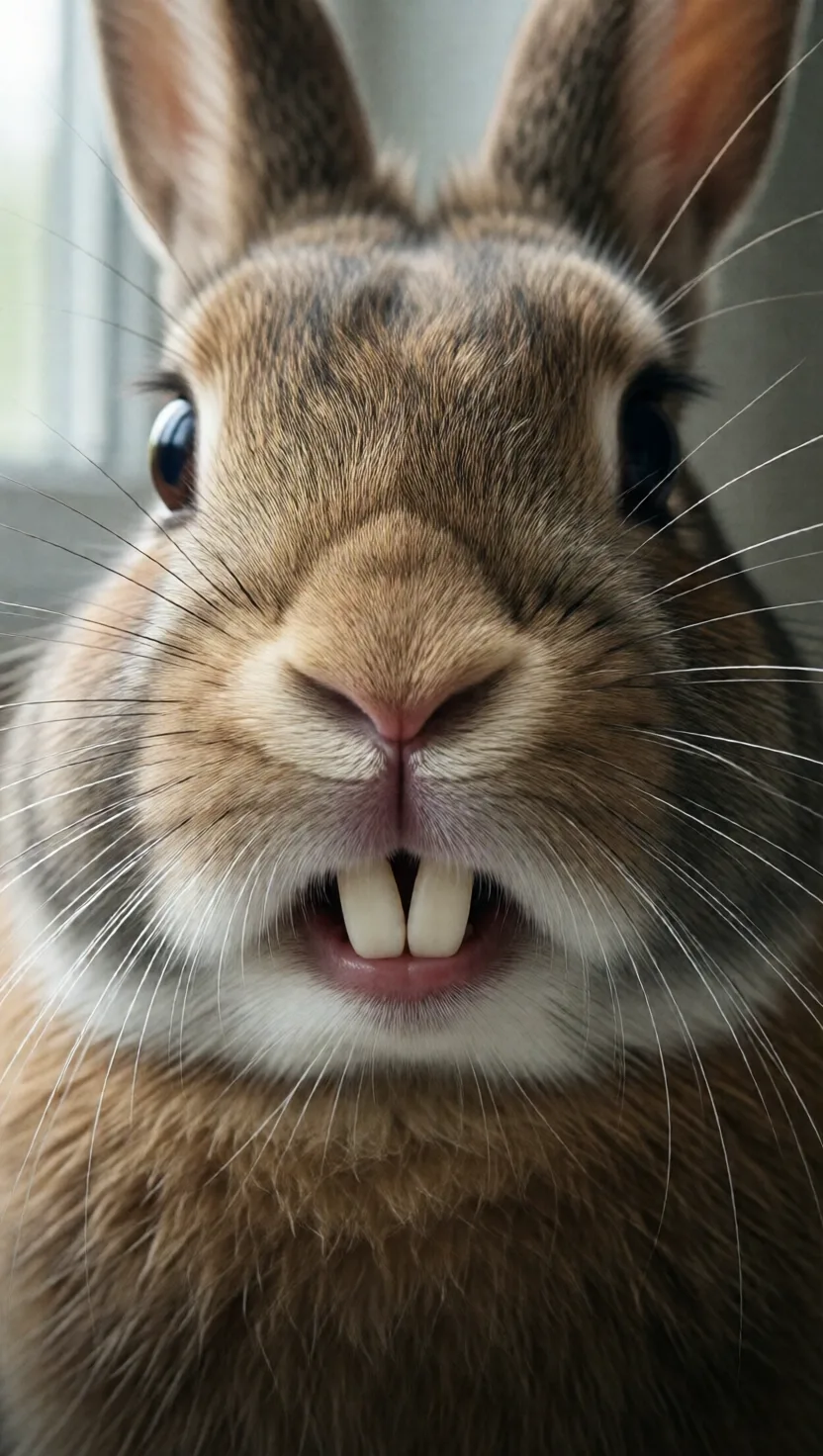
It is easy to call a rabbit a rodent, but look at the teeth. Behind its two big upper incisors sits a second small pair of peg teeth, a feature rodents lack, which is why rabbits belong to their own group, the lagomorphs. All 28 of a rabbit's teeth are open-rooted and never stop growing, the incisors pushing out roughly two millimetres a week. Constant gnawing on tough grass and hay grinds them back down to a working length.
A rabbit physically cannot be sick

A rabbit physically cannot be sick

Rabbits can't vomit, not won't, can't. The muscular valve where the gullet meets the stomach is unusually strong and one-way, acting like a cork that lets food down but never back up, and rabbits lack the gag reflex that would trigger the reverse. It keeps a meal down no matter what, but it has a cost: anything harmful that is swallowed cannot be thrown back, so a rabbit's whole survival rests on a gut that must keep moving in one direction only.
A rabbit can almost see behind itself

A rabbit can almost see behind itself

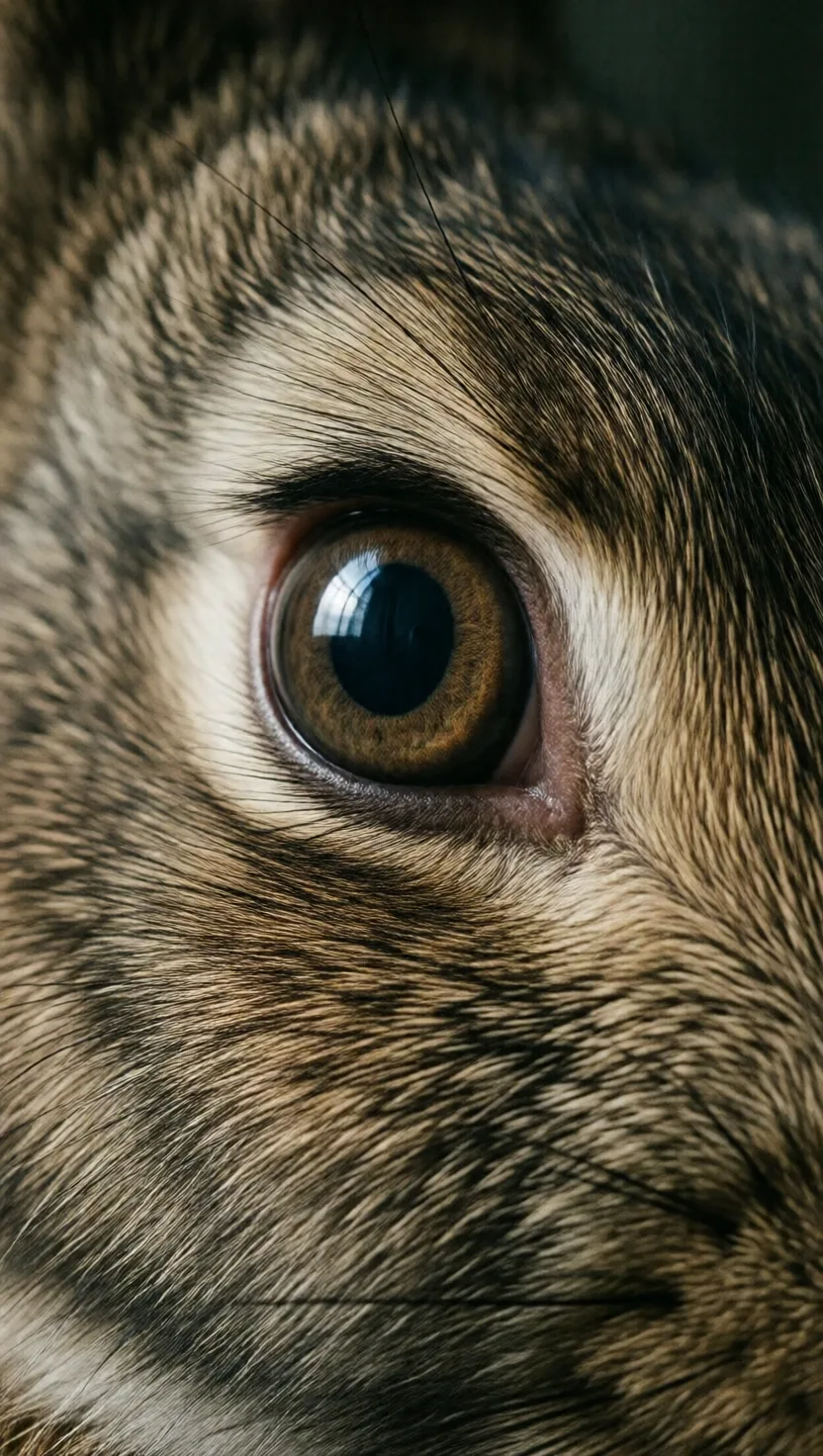
With a bulging eye high on each side of the head, a rabbit takes in a nearly 360-degree view, even spotting a hawk passing overhead without turning. The trade-off is one stubborn blind spot, a small cone directly in front of the nose and mouth. So at the very moment a rabbit bites into a leaf, it cannot actually see it; it judges that close-up world entirely by smell and by the touch of its long, sensitive whiskers and lips.
Rabbits release eggs only when they mate

Rabbits release eggs only when they mate

The phrase breeding like rabbits has real biology behind it. A doe has no monthly cycle that releases an egg on a schedule. Instead she is an induced ovulator: the act of mating itself triggers a hormone surge, and she releases eggs about ten hours later, so almost every mating can lead to pregnancy. Combined with month-long pregnancies and large litters, that on-demand fertility lets rabbit numbers explode in a single warm season.
A hare can be pregnant while pregnant

A hare can be pregnant while pregnant

The European brown hare bends a basic rule of reproduction. In late pregnancy a female can mate again and conceive a second litter before the first is even born, a phenomenon called superfetation. The new embryos wait, then implant within days of the first litter's birth, so a fresh pregnancy is already four days along at delivery. Stacking litters this way lets a hare raise roughly a third more young in a single breeding season.
A jackrabbit's ears are radiators

A jackrabbit's ears are radiators

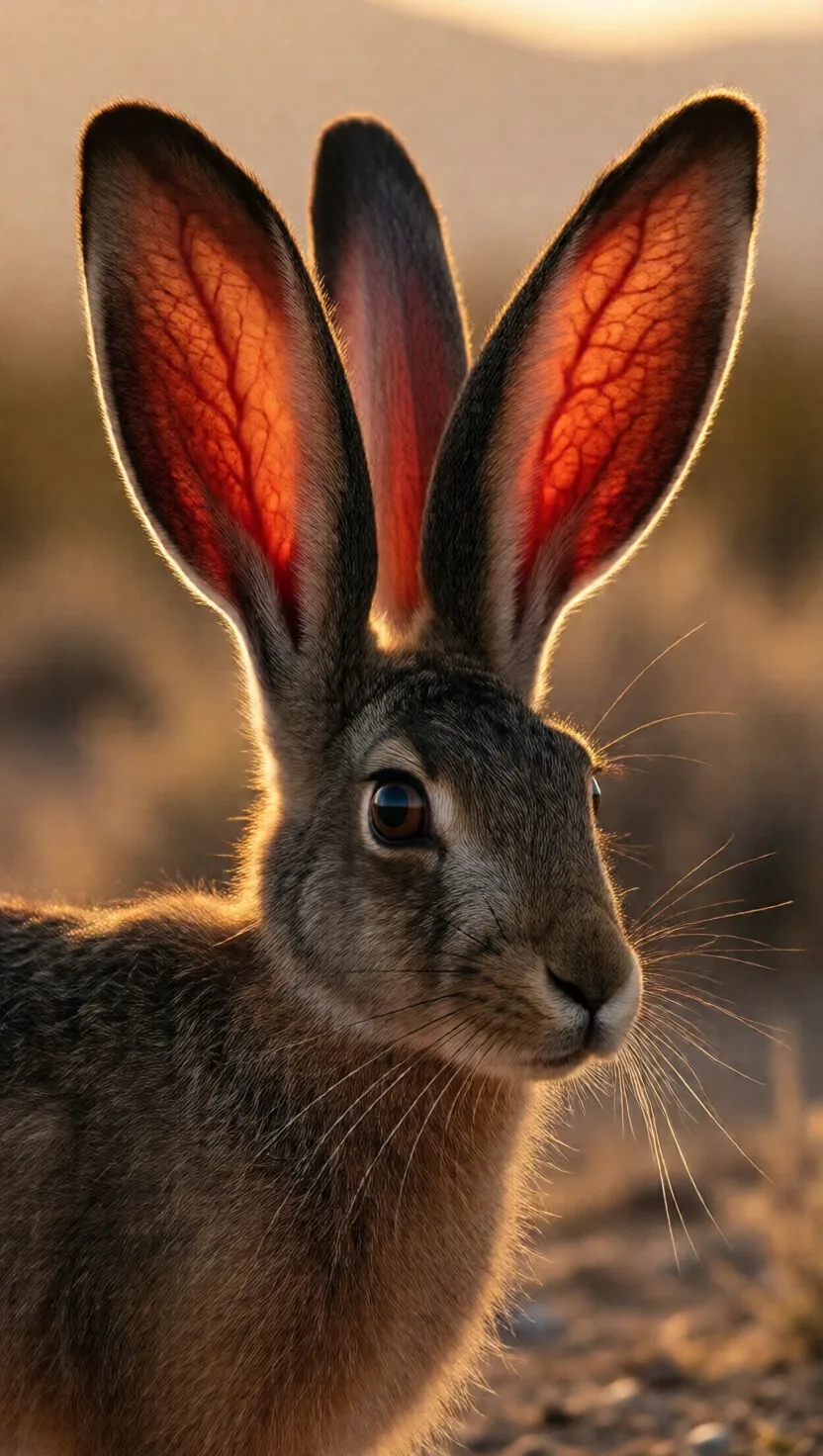
A desert jackrabbit's enormous ears aren't mainly for hearing, they are for cooling. Each thin ear is laced with blood vessels just under the skin. When the animal overheats, those vessels widen and warm blood floods the huge ear surface, dumping heat into the air; the faintest breeze carries it away before the cooled blood returns to the body. It is living air-conditioning, and it follows a broad rule that animals in hot climates tend to grow larger ears.
tap →swipe ↑ for depthswipe ↓ to exit