Eight things the largest land animal hides in plain sight

DC·198 Deep Cuts
Elephants listen with their feet

Elephants listen with their feet

A low rumble carries a buried twin: the same call shakes the ground. An elephant's foot is packed with pressure-sensing Pacinian corpuscles, and vibrations travel up the leg bones straight to the inner ear by bone conduction, skipping the eardrum. These ground waves run at roughly 20 hertz and can reach a herd several kilometres away, letting an elephant feel a distant storm, or a distant family, through the soles of its feet.
Why elephants rarely get cancer

Why elephants rarely get cancer

More cells should mean more cancer, yet giant, long-lived elephants almost never get it, a puzzle called Peto's paradox. The answer hides in their DNA: an African elephant carries 20 copies of the tumour-suppressing gene TP53, where you and I have just one. With so many copies standing guard, a cell that takes genetic damage is swiftly ordered to self-destruct rather than risk becoming a tumour, snuffing out cancers before they can start.
Elephants flee from a single bee

Elephants flee from a single bee

For all their bulk, elephants dread bees; a sting on the soft skin around the eyes, ears or trunk genuinely hurts. They even give a special low alarm rumble that tells the herd to retreat, and recordings of angry bees send whole families fleeing. Farmers near elephant country now hang live beehives along fence wires. In one long study only about 7 percent of raiding elephants pushed through, and the keepers harvest honey too.
Elephants call each other by name

Elephants call each other by name

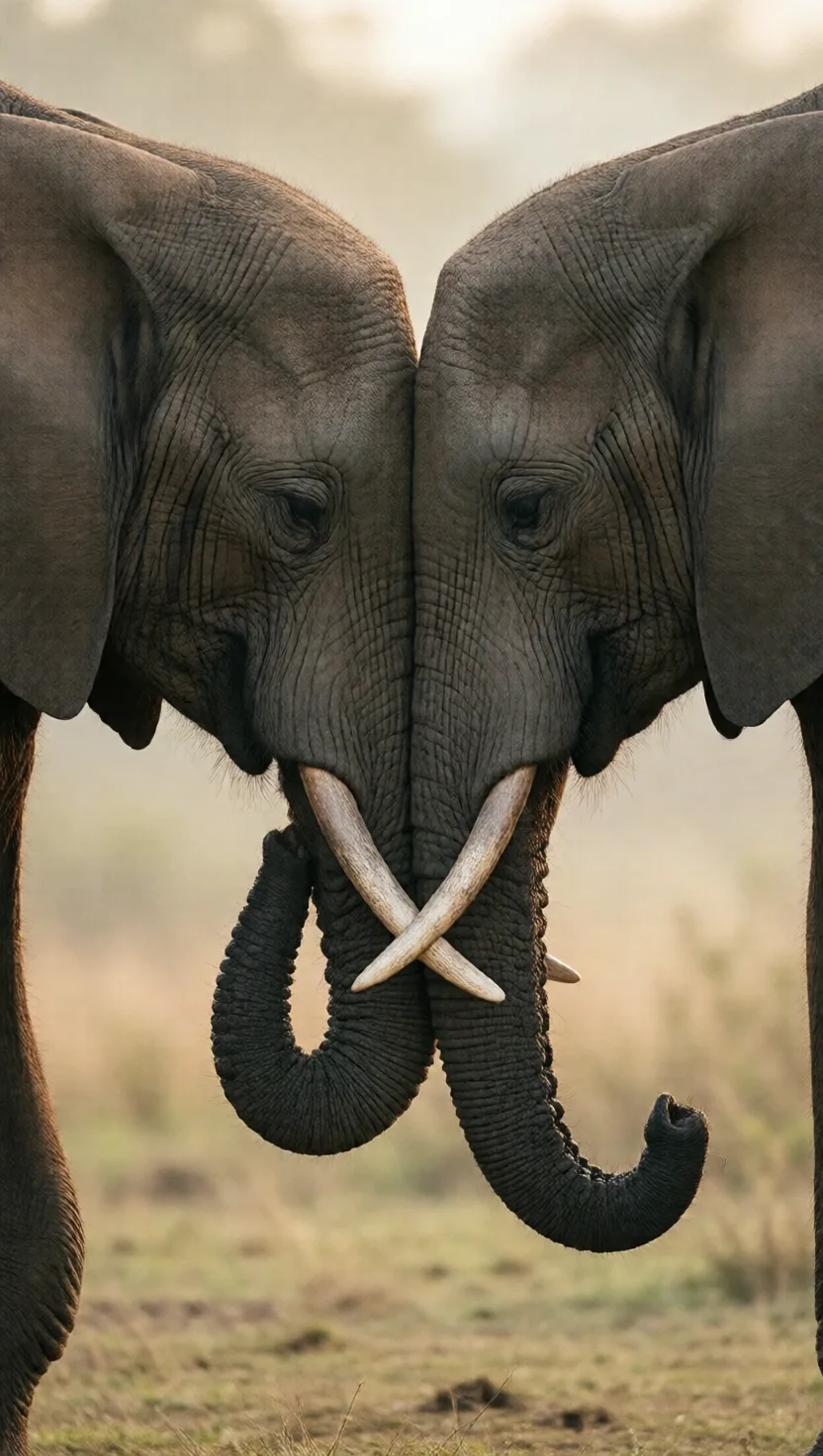
Listening to decades of recordings from Kenya, researchers found that elephants address one another with individually specific rumbles, something close to names. Unlike dolphins or parrots, they don't copy the listener's own call; they invent a distinct sound for each individual. Play back a rumble that contains its name and an elephant perks up and answers, approaching the speaker far sooner than for a call meant for someone else.
A trunk with no bone at all

A trunk with no bone at all

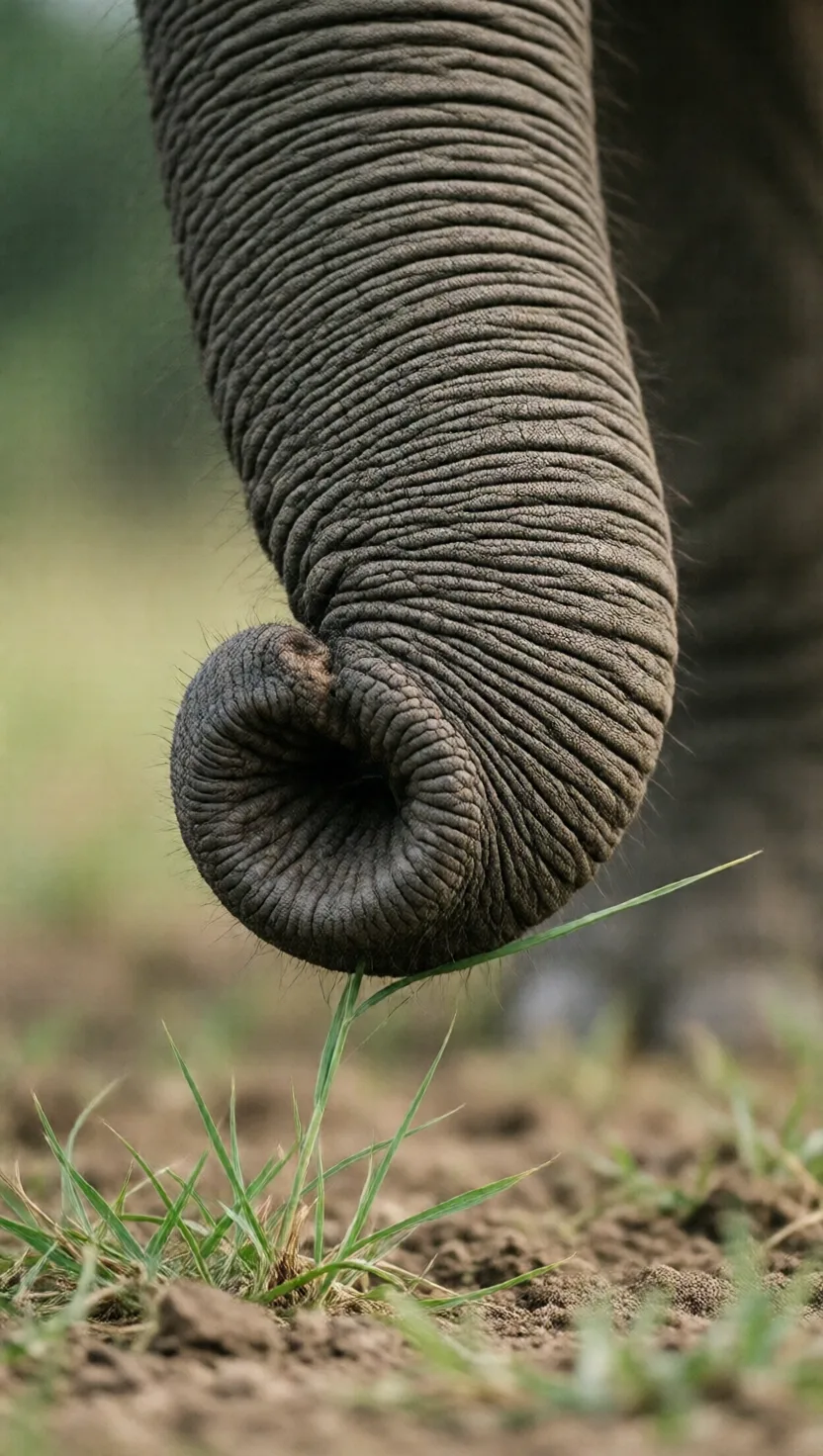
An elephant's trunk holds not a single bone or joint; it is a muscular hydrostat, the same boneless design as your tongue or an octopus arm. Its handful of major muscles split into tens of thousands of tiny fibre bundles, giving it astonishing range: the same trunk that uproots a tree can curl its fingertip lobes around one blade of grass. African elephants have two of these grasping tips, Asian elephants just one.
Elephant skin is a maze of cracks

Elephant skin is a maze of cracks

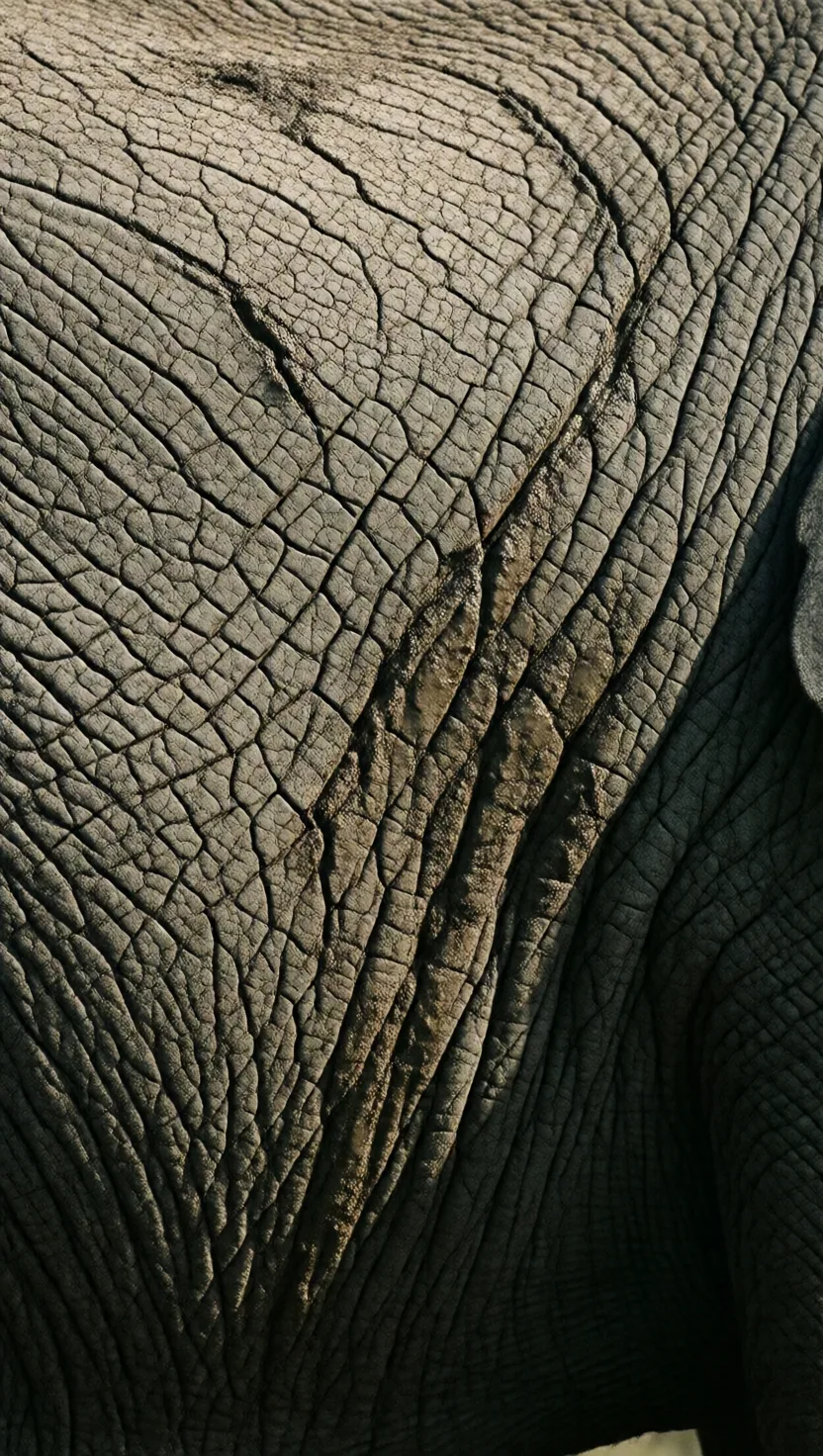
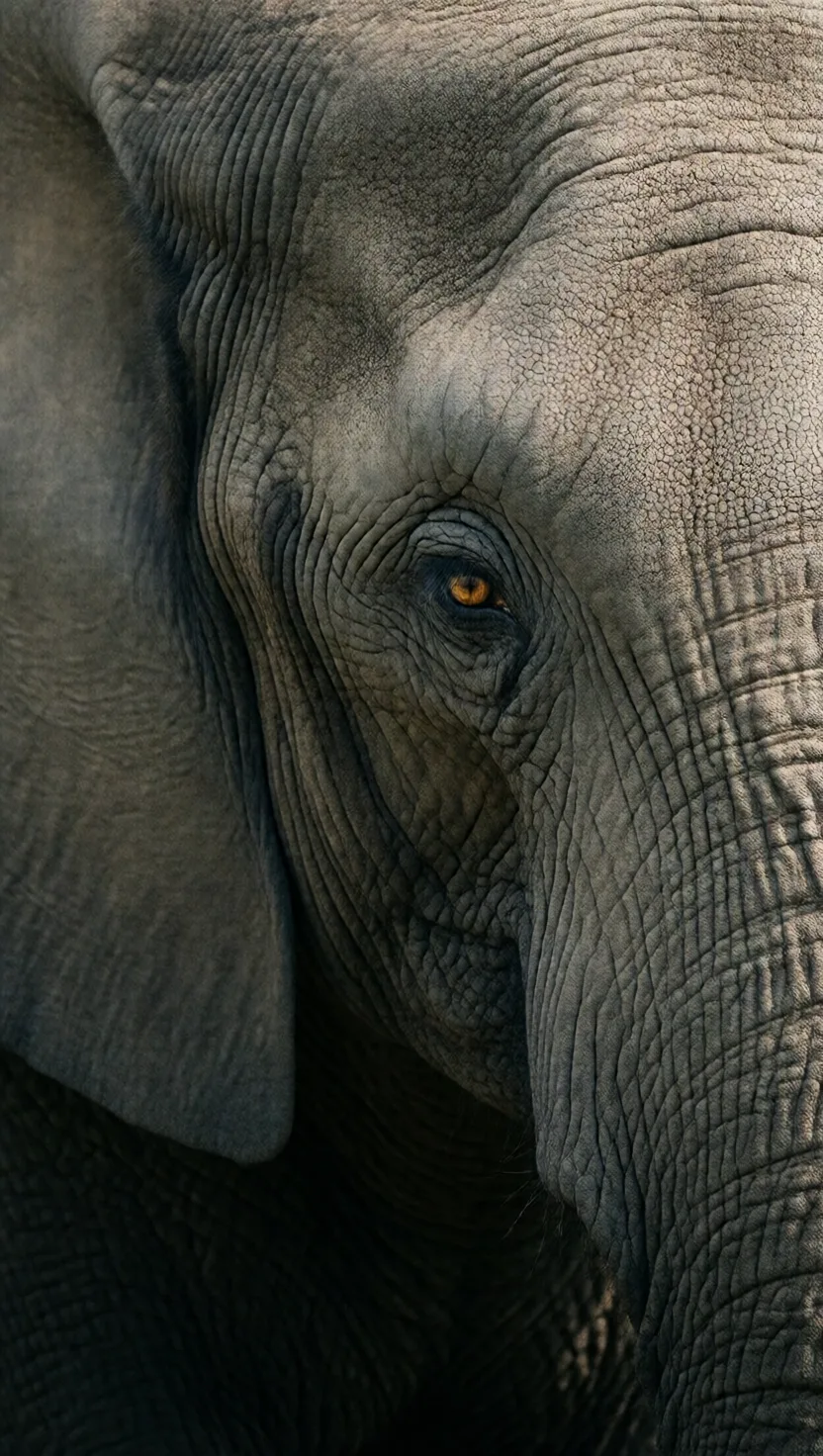
Up close, an elephant's grey hide is a fine lattice of tiny channels. They aren't wrinkles from bending; the brittle outer skin layer keeps thickening until it fractures into a network of millimetre-wide crevices. Those cracks matter, because they trap water and mud and hold up to ten times more of it than smooth skin would. Since elephants barely sweat, that clinging film evaporating slowly is how they keep from overheating.
Elephants walk on a hidden sixth toe

Elephants walk on a hidden sixth toe

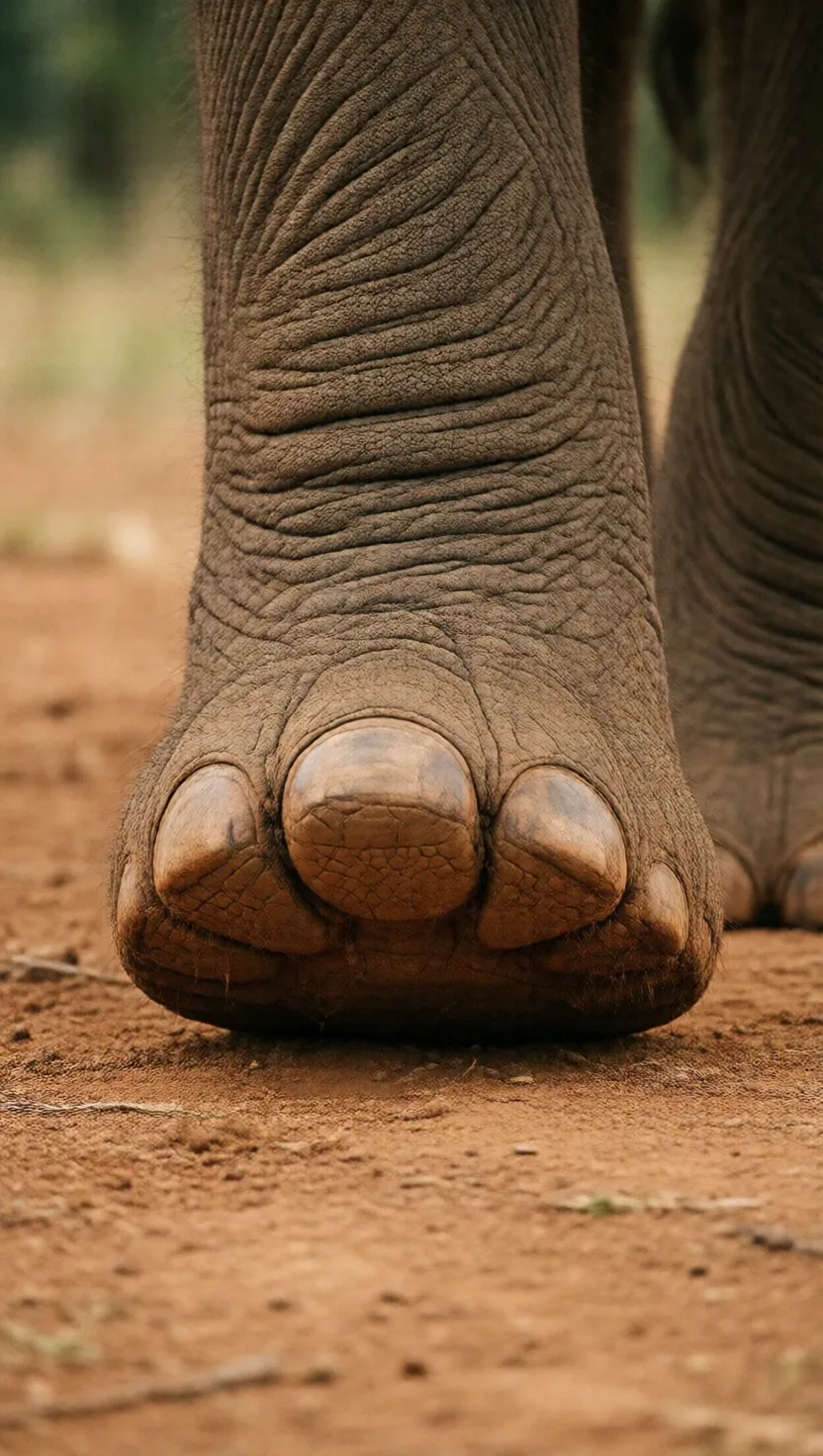
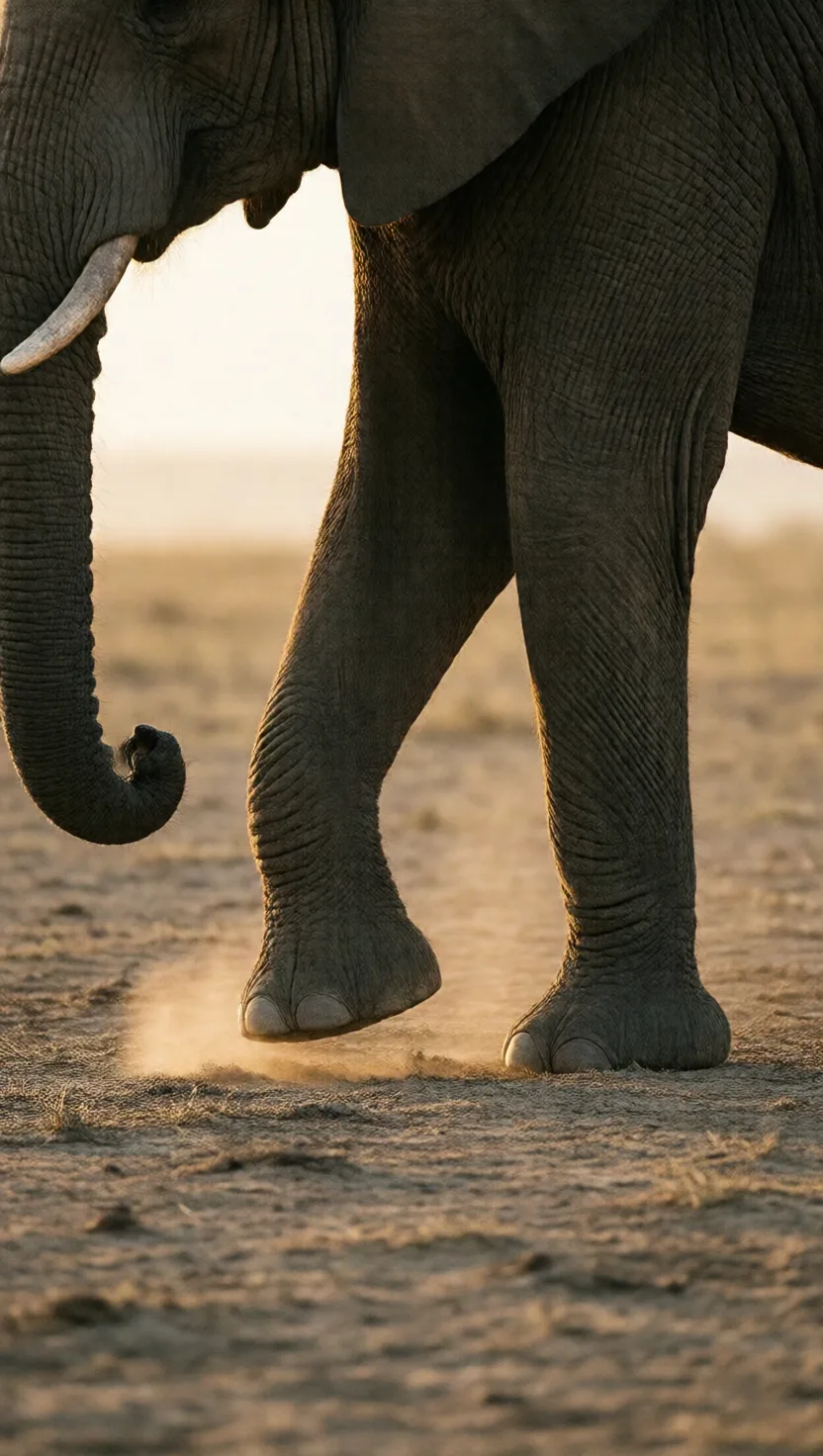
An elephant looks flat-footed but actually stands on tiptoe, its heel lifted on a great wedge of springy fat. Propping up that fatty pad is a surprise: a sixth toe. Long dismissed as a lump of cartilage, this backward-pointing bony rod was shown in 2011 to act like an extra digit, bracing the foot pad so a multi-tonne animal can move almost silently on the balls of its feet. It hardens fully into bone only as the elephant grows.
The longest pregnancy on land

The longest pregnancy on land

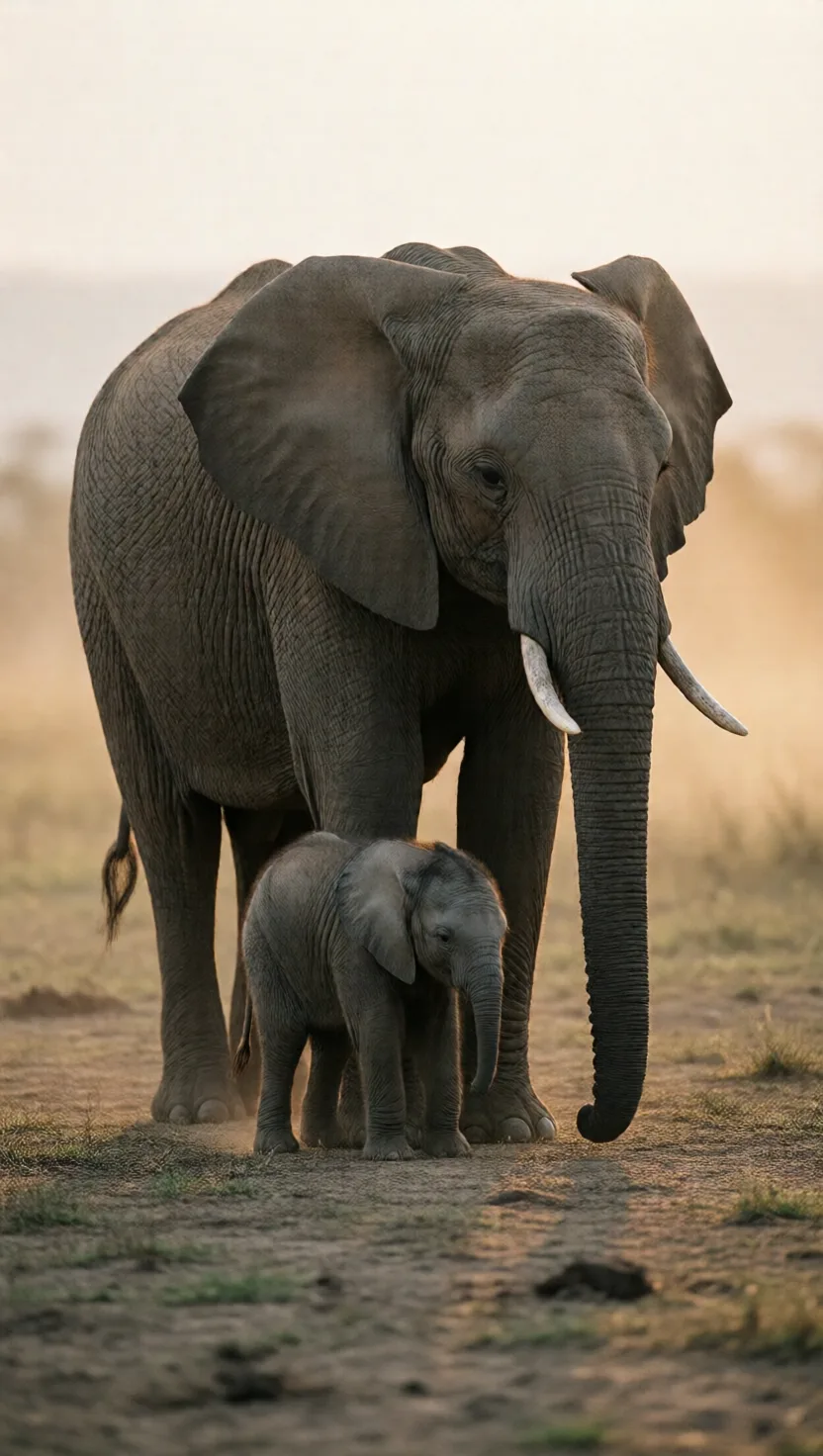
No land animal stays pregnant as long as an elephant: about 22 months, nearly two years from conception to birth. The slow build pays for a huge, brainy newborn that arrives already standing and walking, weighing around 120 kilograms. Such a long investment is why calves are so precious to a herd, and why the females, who can keep having young for decades, are tended by aunts and sisters at every birth.
tap →swipe ↑ for depthswipe ↓ to exit