Eight things the otter does that no other animal can

DC·195 Deep Cuts
A million hairs per inch, and not an ounce of fat

A million hairs per inch, and not an ounce of fat

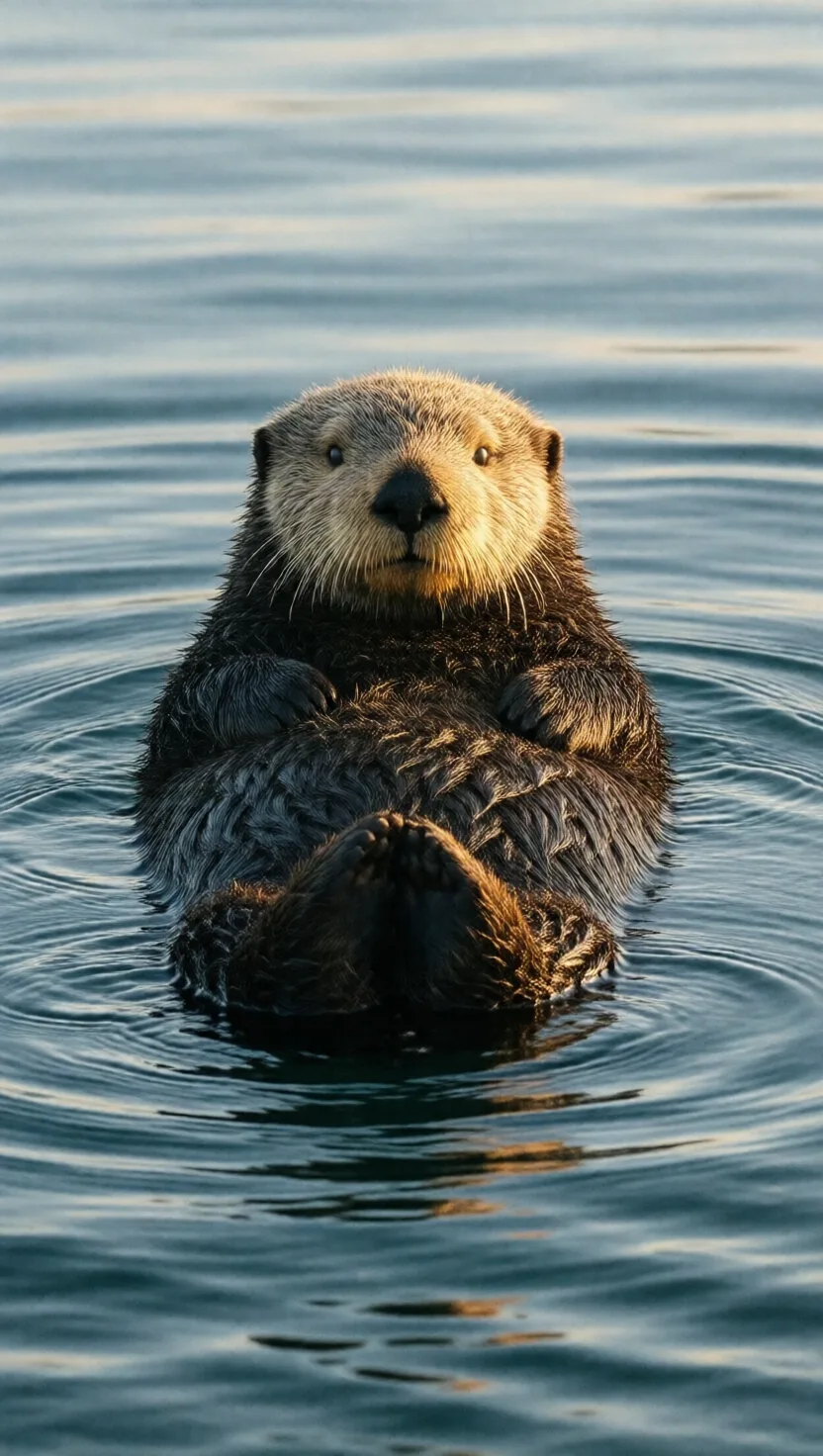
Sea otters are the only marine mammal with no blubber. Instead they carry the densest fur known to science — up to about 1 million hairs in a single square inch, roughly 150,000 per square centimetre. The coat itself isn't quite what keeps them warm: the long guard hairs lock a layer of air against the skin, and that trapped air is the real insulation. Let the air escape, through oil or grime, and an otter can chill and die. So it grooms almost constantly.
It cracks dinner on a rock it keeps in an armpit

It cracks dinner on a rock it keeps in an armpit

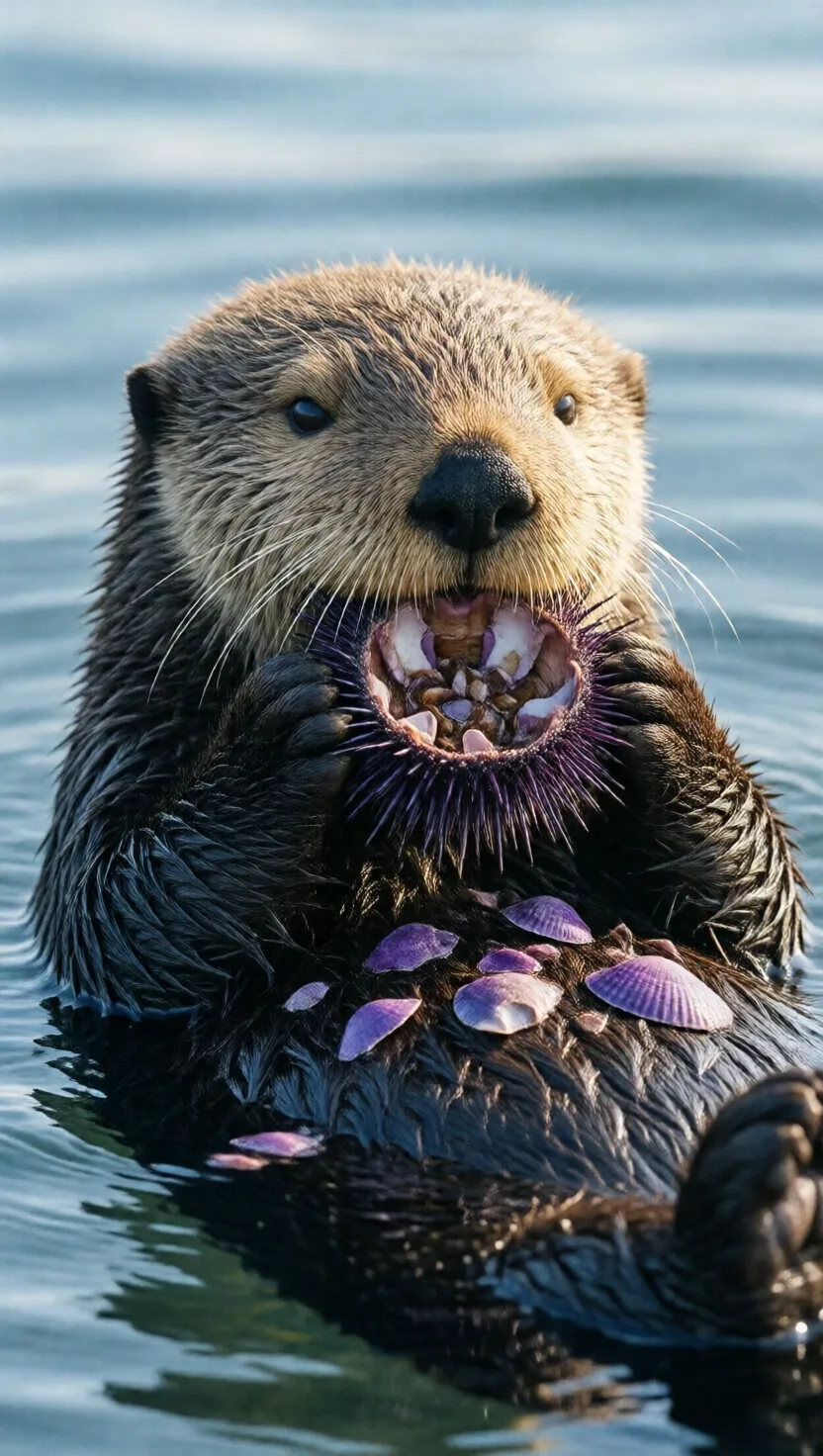
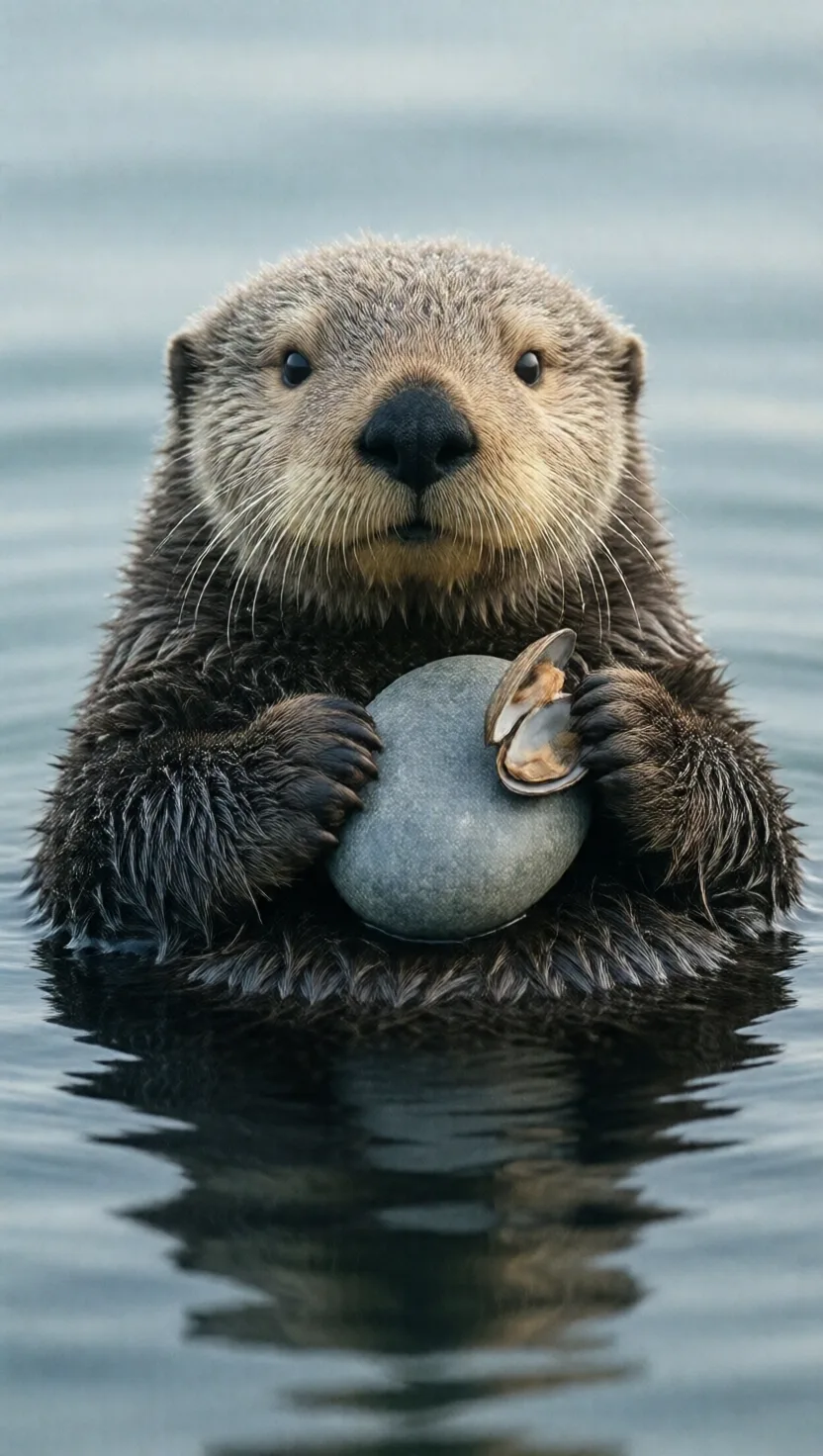
A sea otter often eats lying on its back, using its chest as a dinner table. To open clams, mussels and snails it balances a flat stone on its belly and smashes the shell down against it. The clever part: each otter tends to keep a favourite rock, tucked into a baggy pouch of loose skin under the foreleg — a built-in pocket that also stores spare food while it dives. Some otters carry and reuse the very same stone for years.
Its fur is so fluffy the baby physically cannot sink

Its fur is so fluffy the baby physically cannot sink

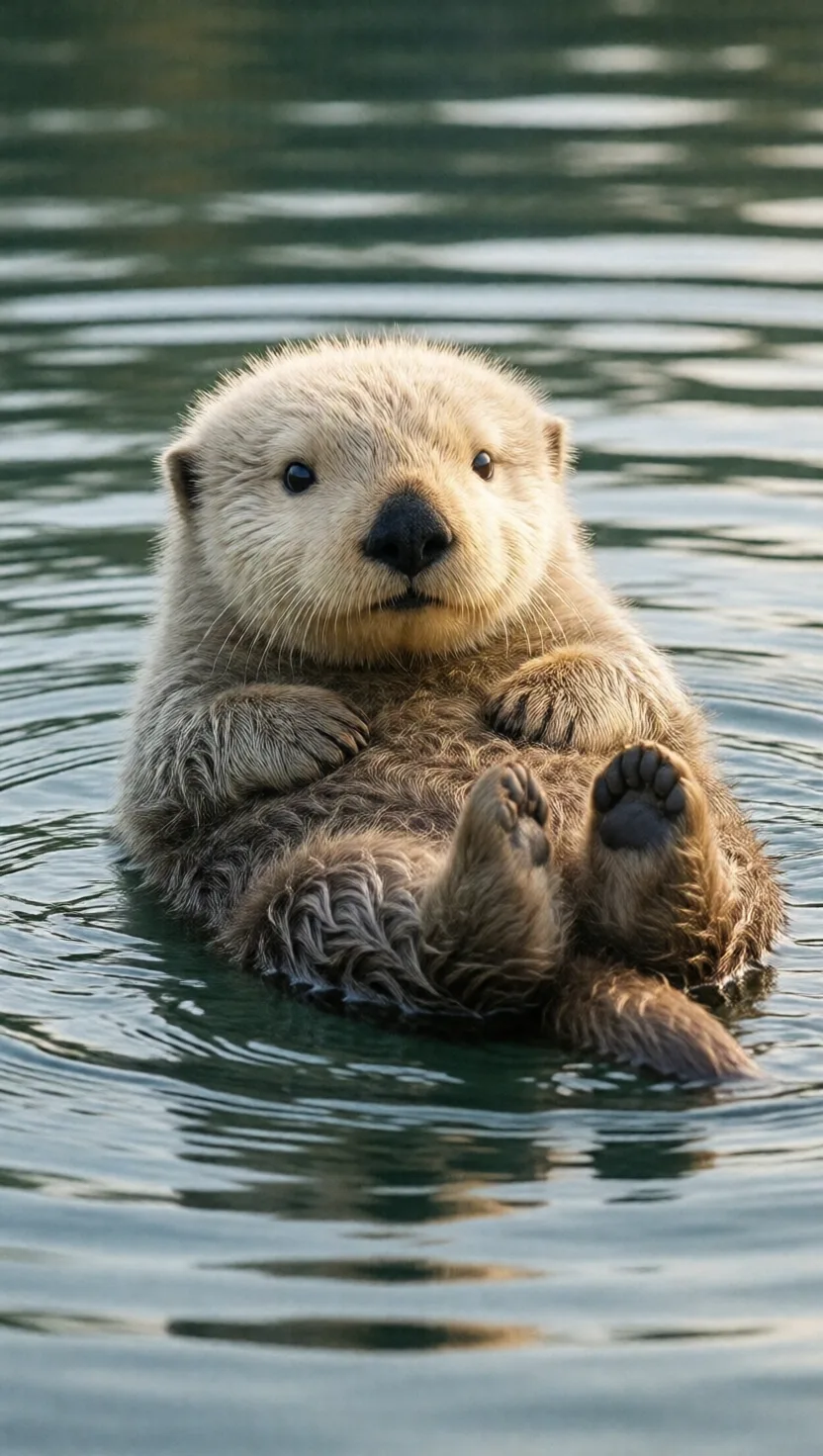
A newborn sea otter's coat is so thick with trapped air that the pup floats like a cork and cannot dive even if it tries. That lets the mother park it bobbing at the surface — often wrapped in a strand of kelp — while she hunts on the seafloor below. The buoyant baby fur is swapped for diving-capable adult fur at around 13 weeks, which is about when the pup first learns to forage for itself.
It ties itself to the seabed before falling asleep

It ties itself to the seabed before falling asleep

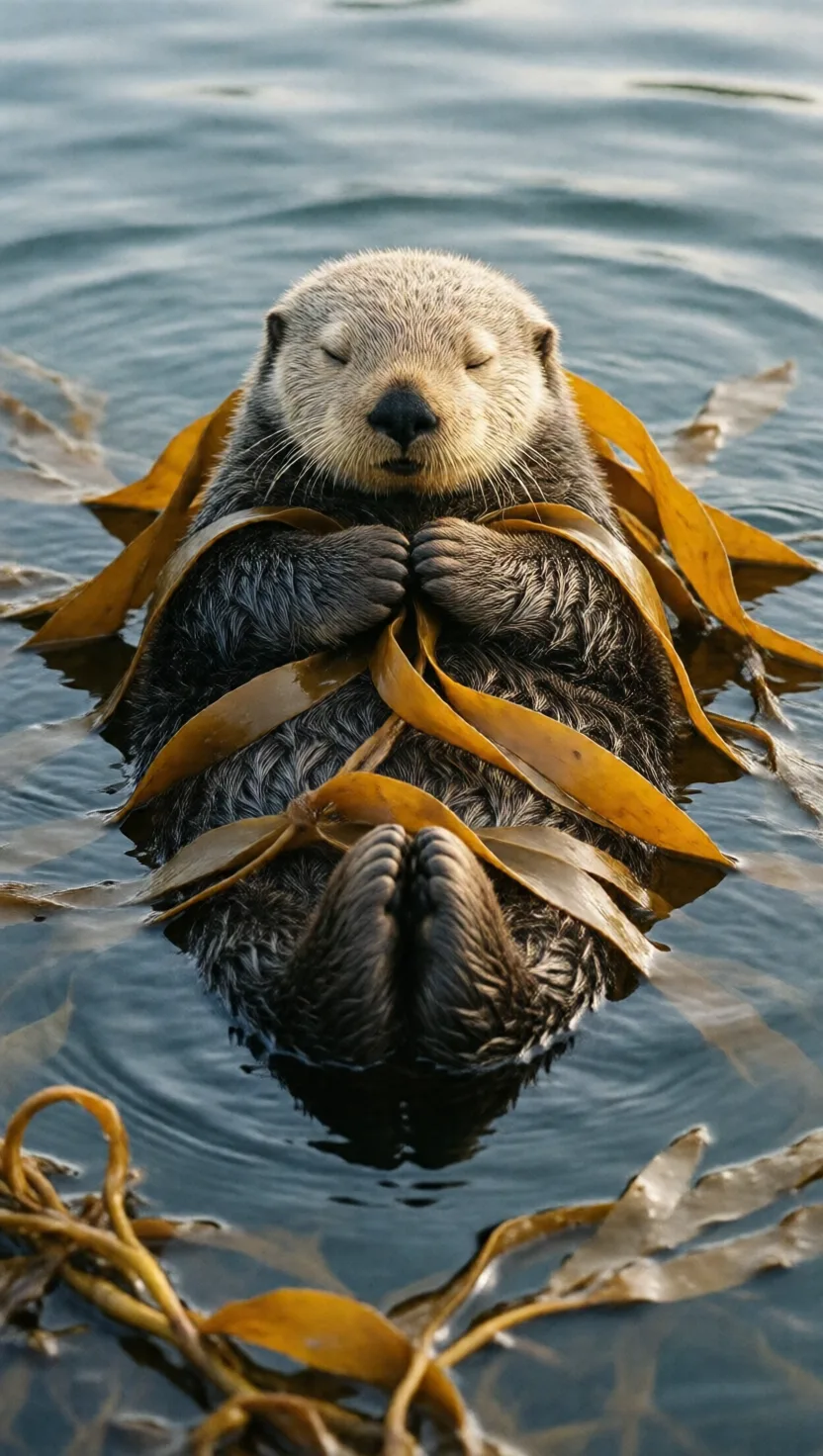
To sleep without drifting out to sea, a sea otter wraps strands of living kelp around its body, making several turns until it's moored to the holdfast that anchors the kelp to the seabed. The kelp becomes a tether, so overnight currents can't carry the otter away from its feeding grounds. Researchers have found otters do this far more often in stormy winter months, when the water is at its roughest.
It must eat a quarter of its body weight every day

It must eat a quarter of its body weight every day

With no blubber and a coat that bleeds heat into cold water, a sea otter runs a furnace of a metabolism — two to three times that of a land mammal its size. To fuel it, the otter eats roughly 25% of its own body weight in clams, crabs, urchins and snails every single day. Recent work traced the heat to 'leaky' muscle cells that burn energy as warmth even while the animal rests.
Without this one animal, whole kelp forests vanish

Without this one animal, whole kelp forests vanish

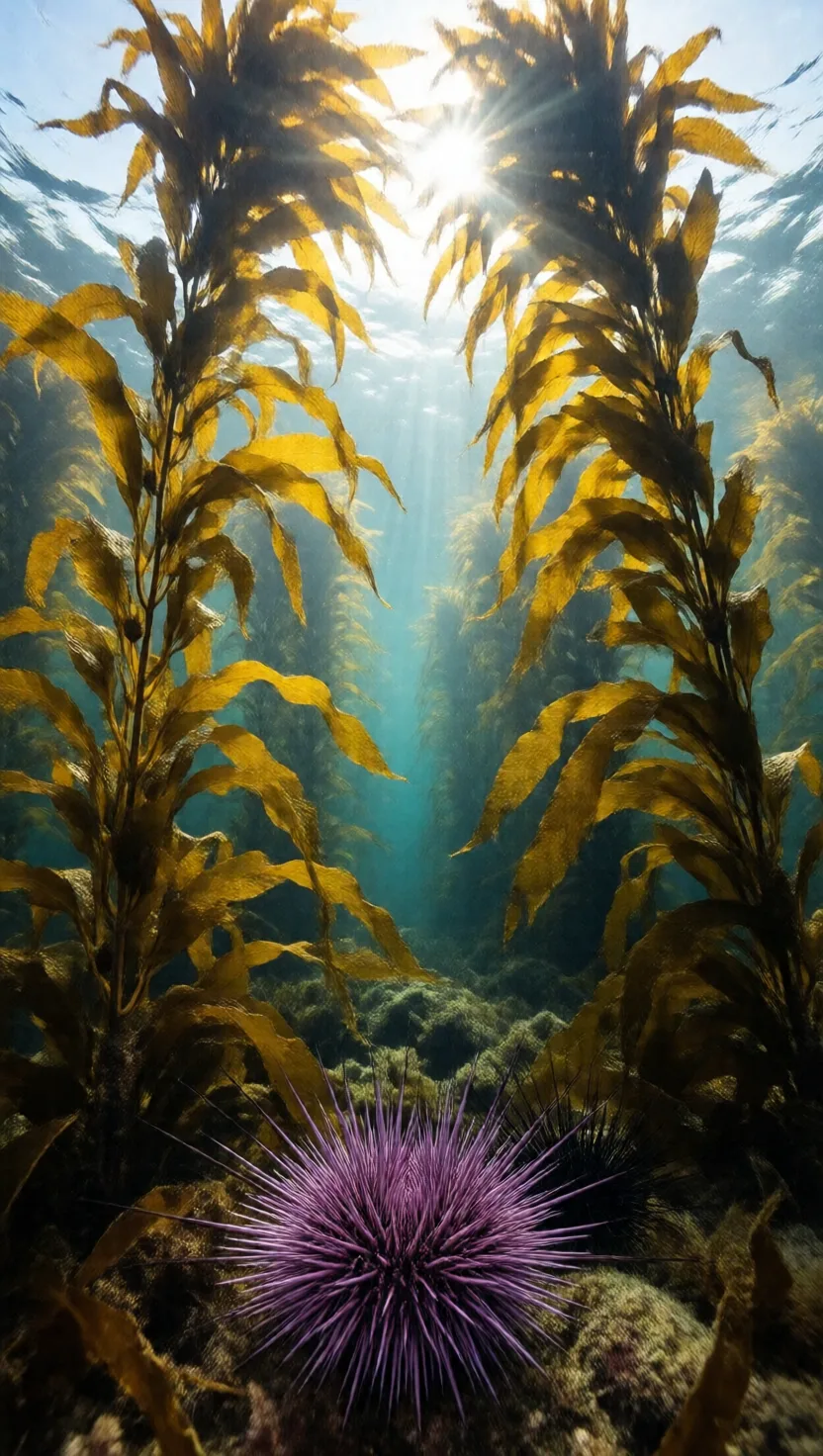
Sea otters are the textbook 'keystone species.' Their favourite food is the sea urchin — and urchins, left unchecked, mow down kelp until the seabed becomes a bare 'urchin barren.' Where otters thrive they keep urchins in check and towering kelp forests stand, sheltering more than 800 other species. Remove the otters and the forest can collapse: parts of northern California have lost up to 90% of their kelp where the urchins' other predators crashed.
The Amazon hides a six-foot otter that hunts in packs

The Amazon hides a six-foot otter that hunts in packs

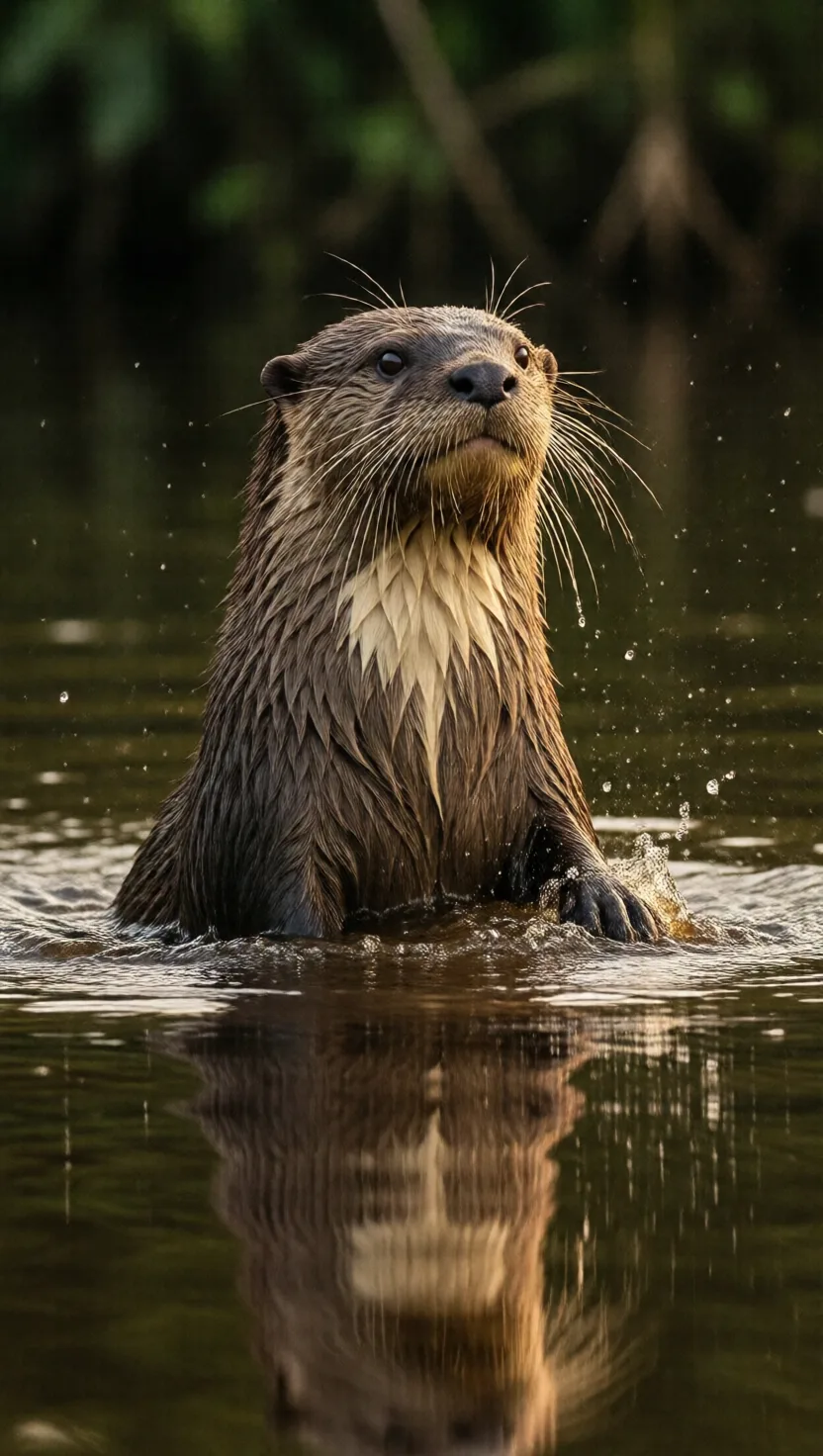
The giant otter of South America is the longest member of the weasel family, stretching up to about 1.8 m — nearly six feet — from nose to tail. Unusually for a mustelid it is intensely social, living in tight family groups of three to eight that hunt fish cooperatively and defend a shared stretch of river. Locals call it lobo de rio, 'river wolf,' though it is kin to weasels and badgers, not wolves.
The tiniest otter hunts with hands, not its mouth

The tiniest otter hunts with hands, not its mouth

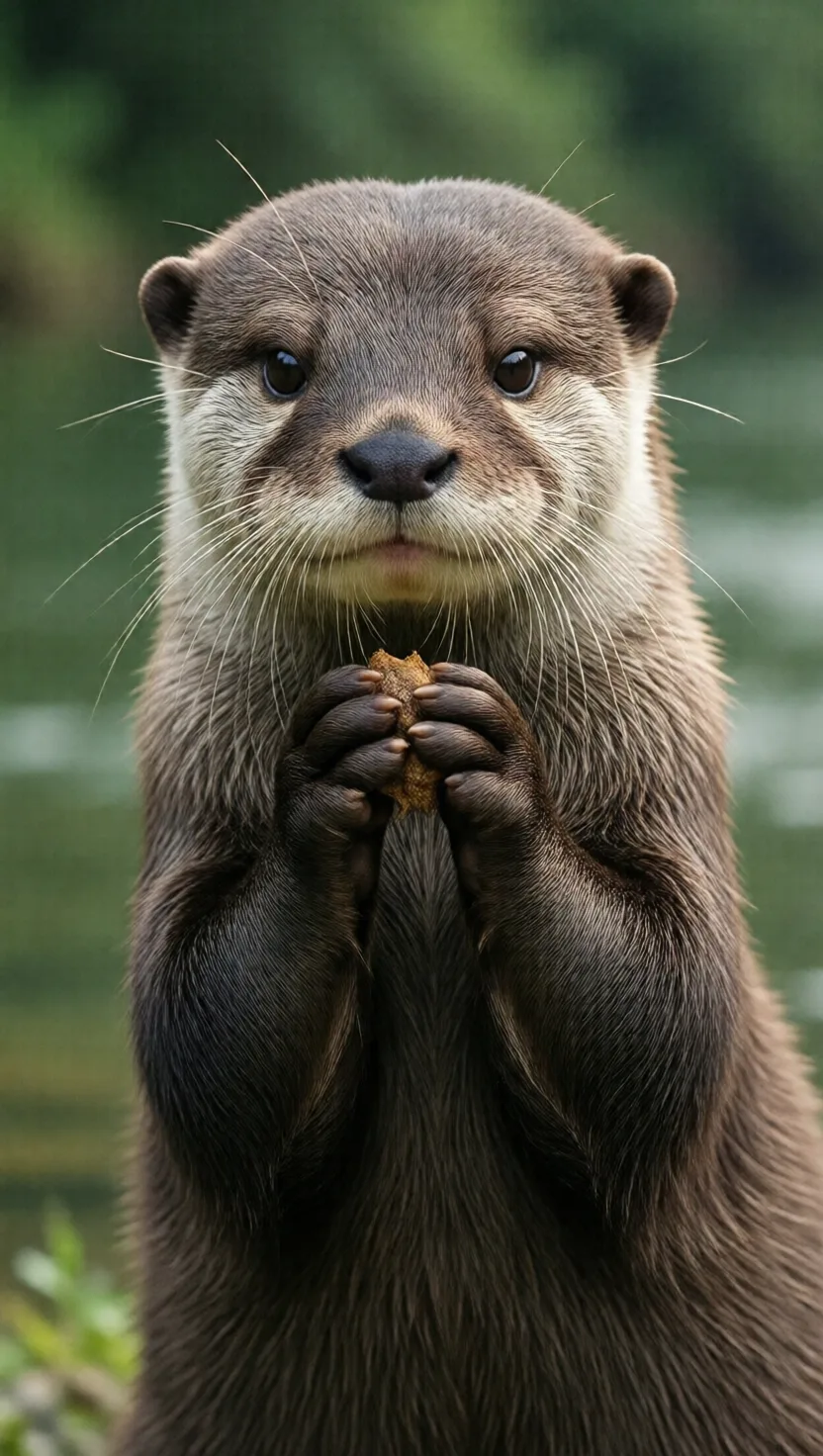
The Asian small-clawed otter is the world's smallest otter, topping out around 5 kg, and it breaks the otter rulebook. Its claws are so reduced they barely reach the tips of its only partly webbed fingers, leaving it with sensitive, dexterous 'hands.' Instead of seizing prey in its jaws like other otters, it feels under rocks and through murky mud with its fingertips and plucks out crabs and snails — a dexterity often compared to a primate's.
tap →swipe ↑ for depthswipe ↓ to exit