Eight things about the stick that comes back

DC·194 Deep Cuts
Most boomerangs were never meant to come back

Most boomerangs were never meant to come back

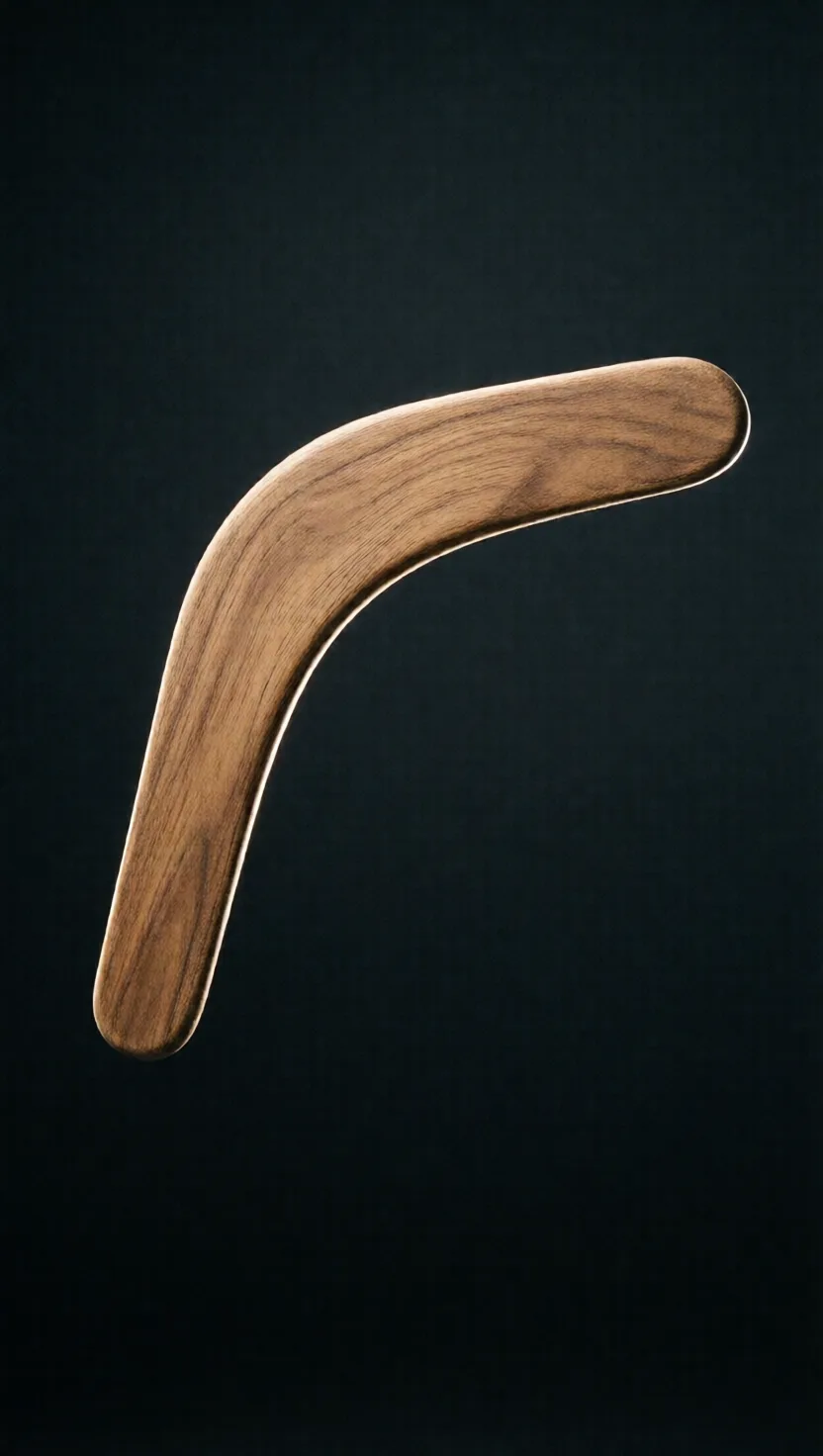
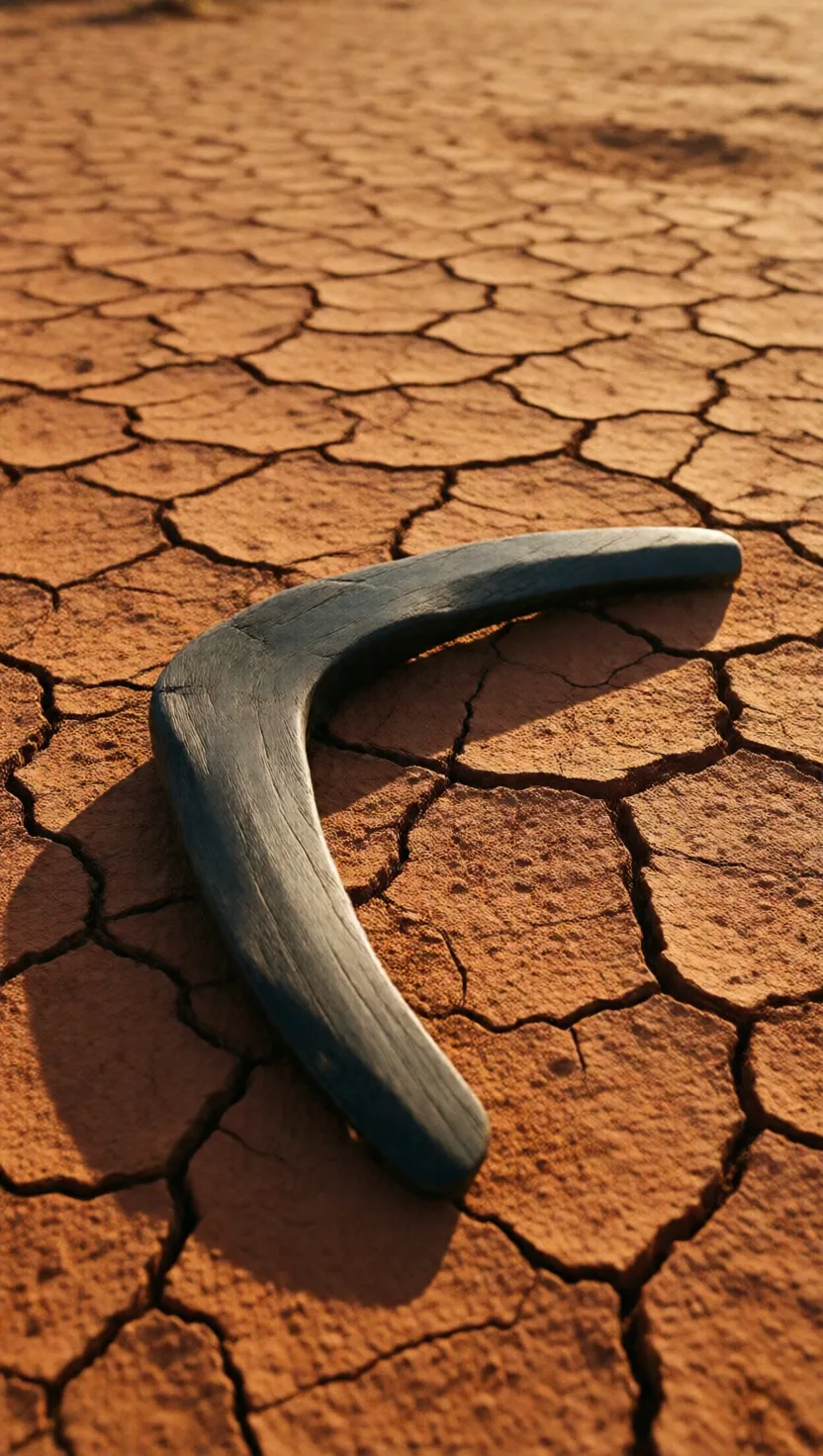
The returning boomerang is the famous one, but it is the rare one. The great majority of boomerangs ever made were heavy, near-straight throwing sticks — hunting weapons thrown hard and flat to bring down kangaroos, emus and other game, with no intention of return. The light returning type took far more skill to craft and was used mostly to drive birds into nets, for sport, and as clapsticks for music.
The oldest boomerang is carved from mammoth tusk

The oldest boomerang is carved from mammoth tusk

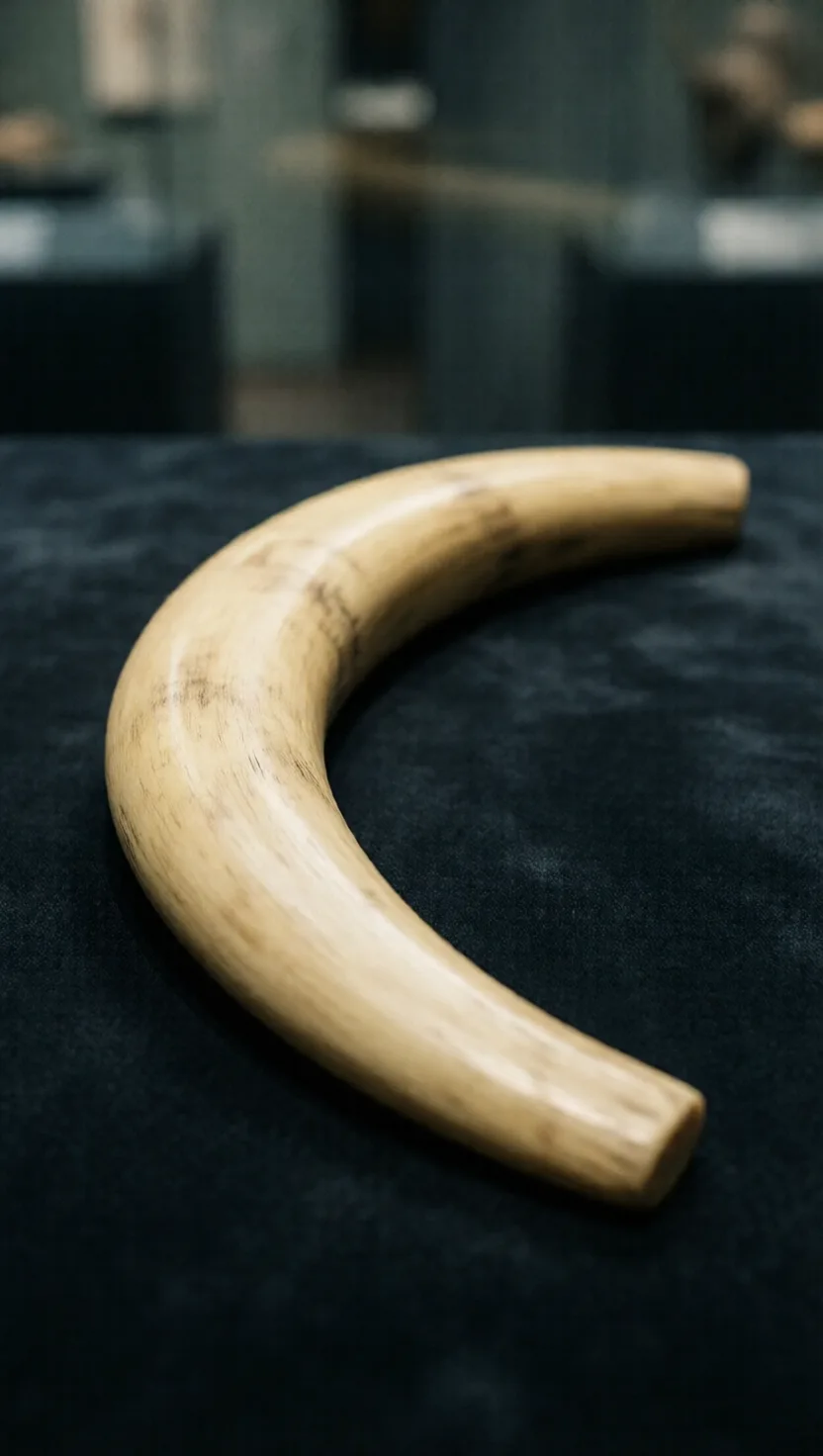
A boomerang shaped from a mammoth's tusk, found in a cave in southern Poland, has been dated to roughly 40,000 years old — among the oldest known anywhere, and far from Australia. About 72 centimetres long, it was carefully carved to fly when thrown but not to return, marking it as a hunting tool. It shows humans were making boomerangs in Ice Age Europe tens of thousands of years ago.
A boomerang returns because it's a spinning wing

A boomerang returns because it's a spinning wing

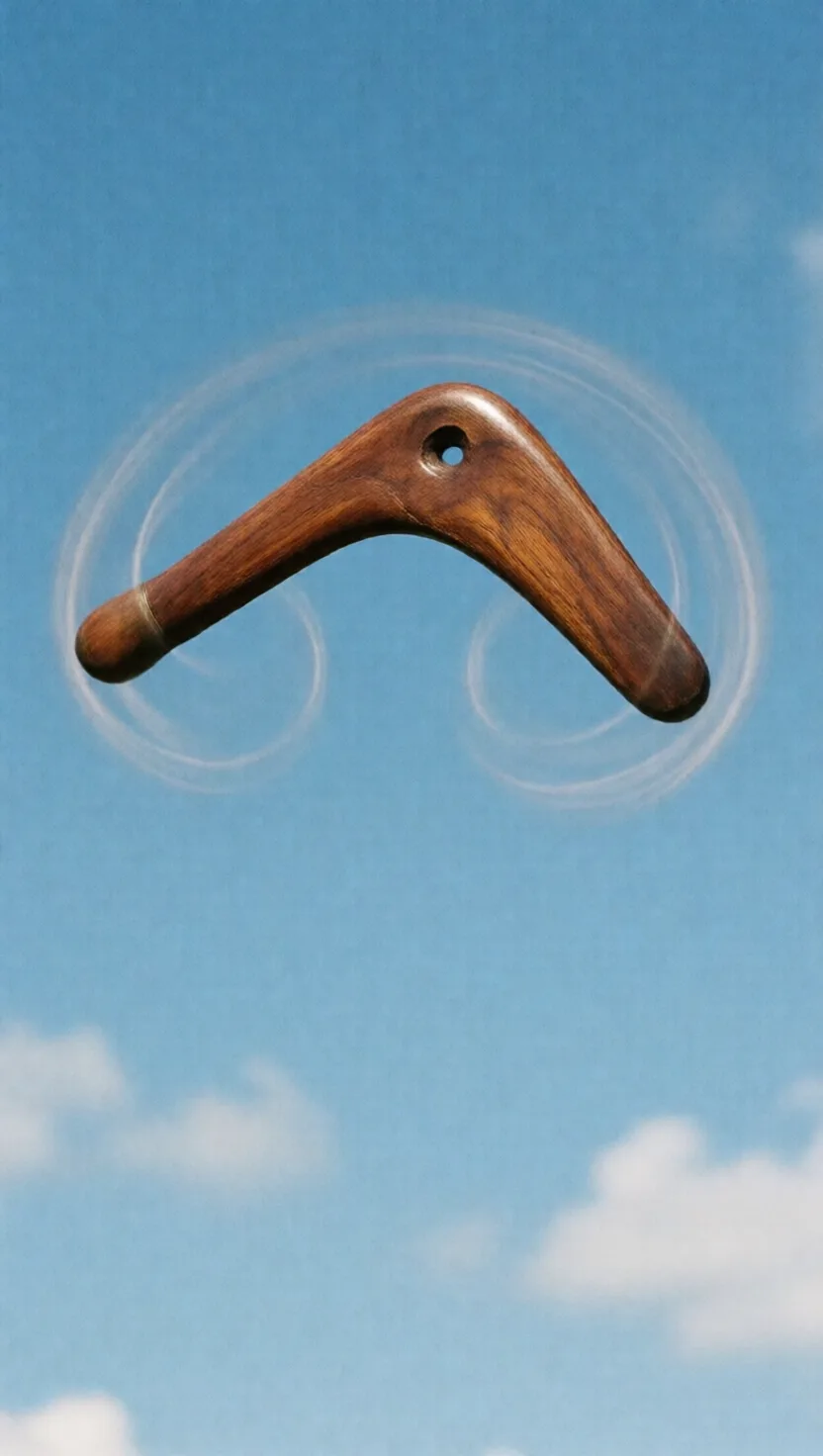
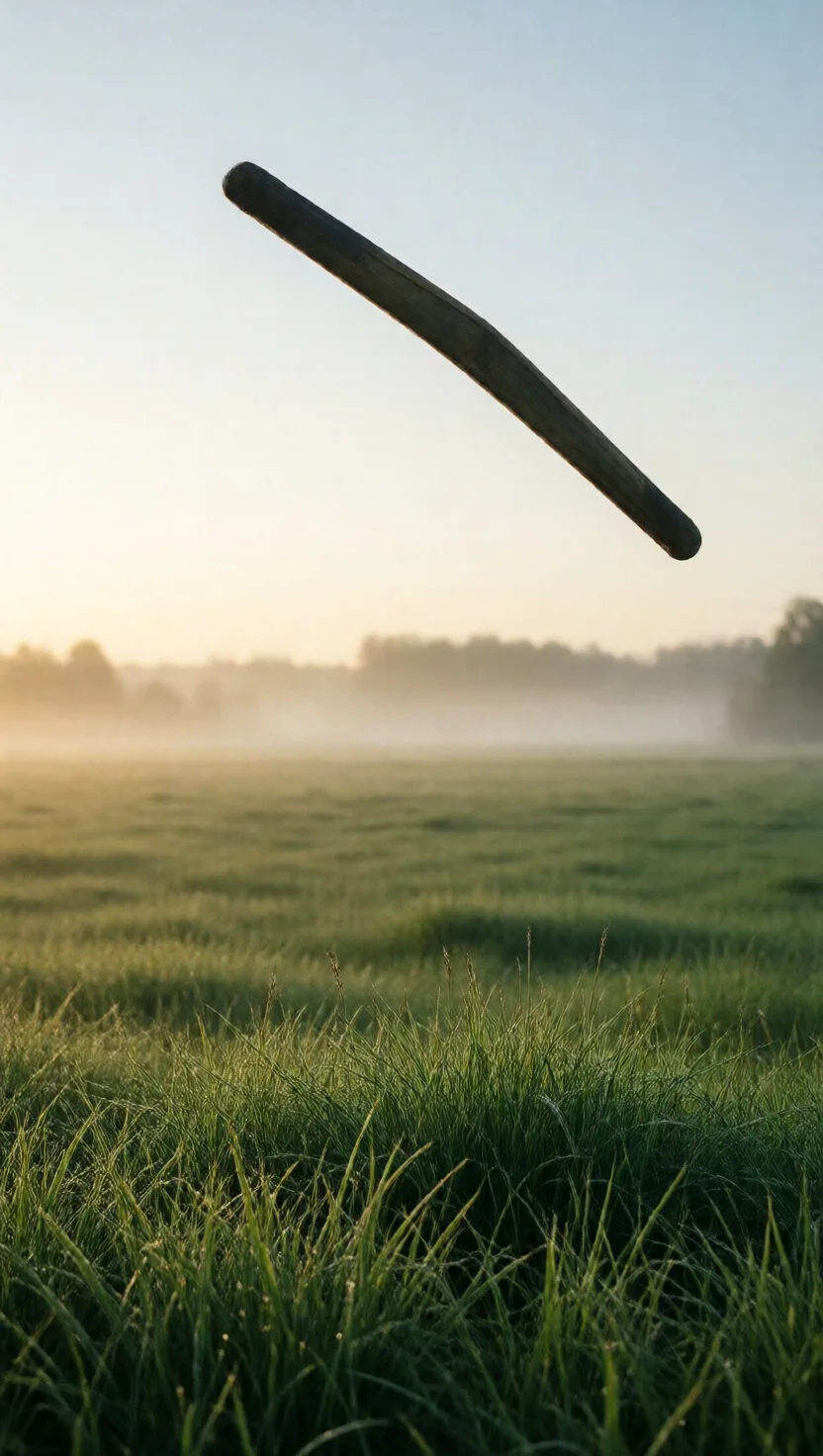
Each arm of a returning boomerang is shaped like an aeroplane wing, so spinning it generates lift. Because the boomerang flies forward while it spins, the top arm cuts the air faster than the bottom, making more lift up top. That uneven force acts on a spinning object through gyroscopic precession — the push is felt a quarter-turn later — which steadily tips the flight into a circle and curves the boomerang back to the thrower.
Tutankhamun was buried with throwing sticks

Tutankhamun was buried with throwing sticks

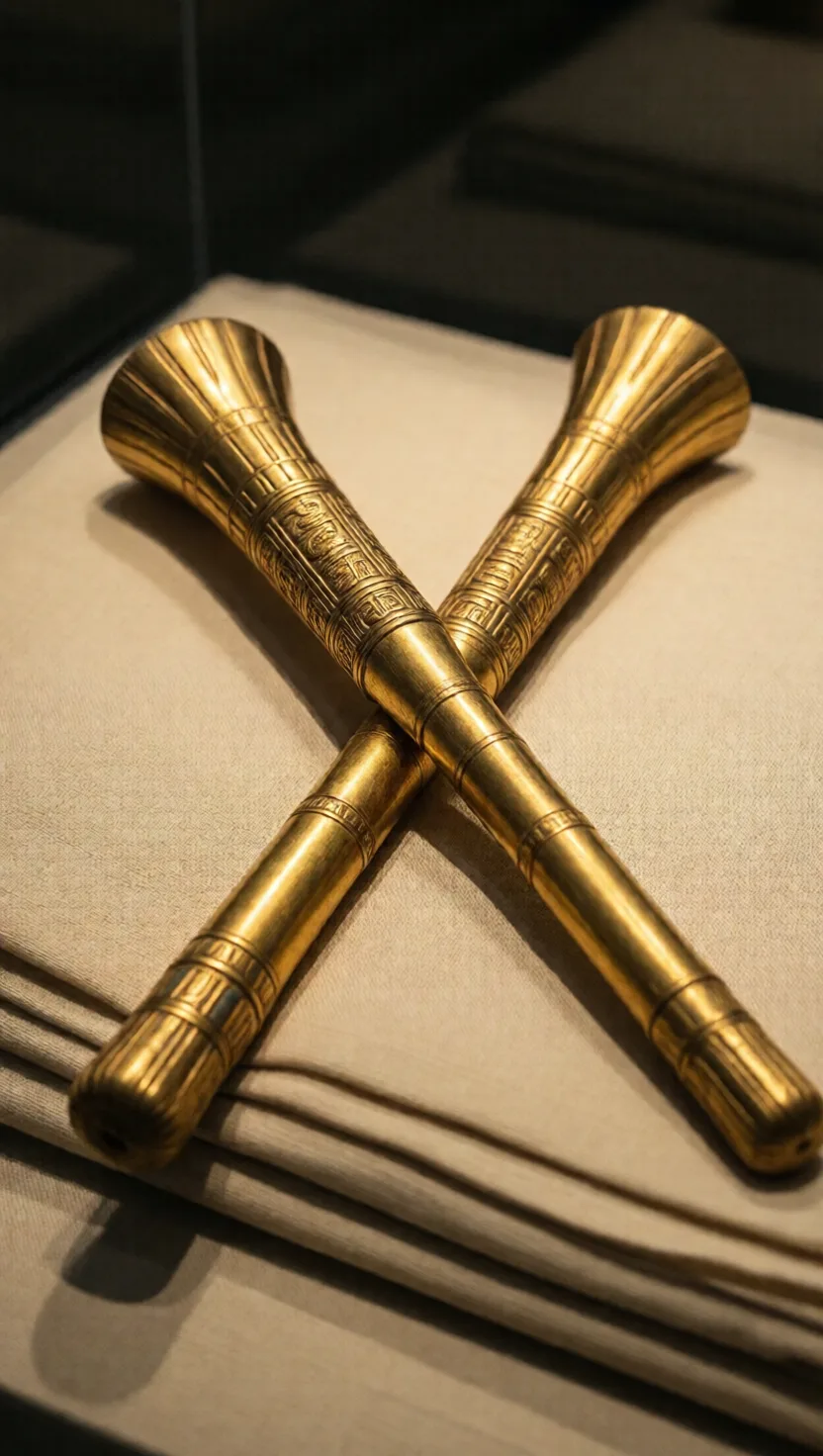
Boomerang-like throwing sticks were prized in ancient Egypt for hunting birds in the Nile marshes, and the young pharaoh Tutankhamun was entombed with a whole collection of them around 1323 BC. Among the plain working sticks was a ceremonial one made of solid gold — useless for hunting, but a mark of royal status. Wall paintings show him swinging a throwing stick at flocks of waterfowl from a reed boat.
A boomerang still returns in space

A boomerang still returns in space

In 2008 an astronaut tried a boomerang aboard the orbiting space station and it curved back to his hand just as it would on the ground. That settled an old question: a boomerang's return has nothing to do with gravity. It works purely through the air — the spinning wings and gyroscopic precession. Remove the air and it would fly straight; keep the air, even in weightlessness, and it loops home.
The word comes from one language near Sydney

The word comes from one language near Sydney

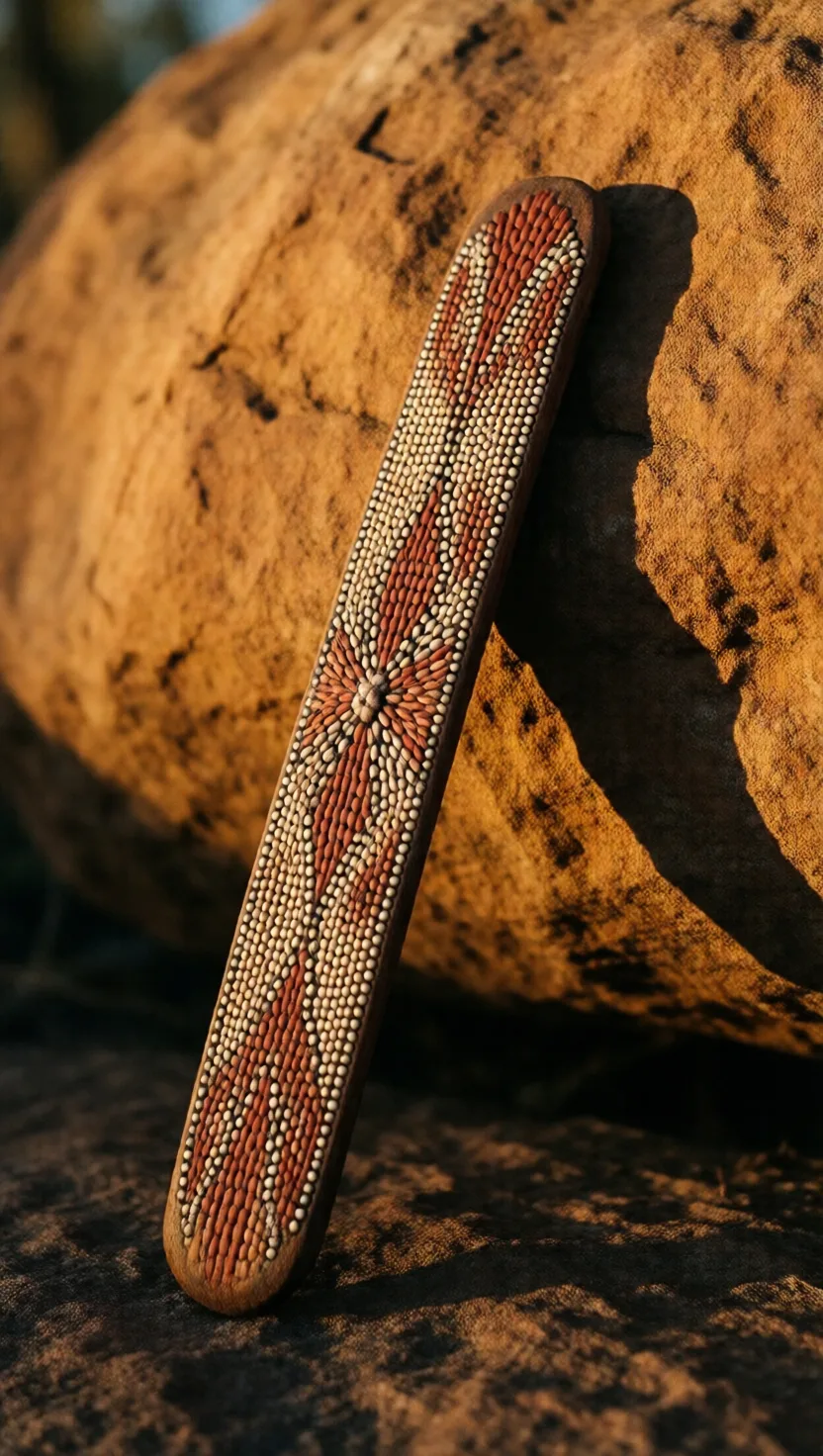
Aboriginal Australia held hundreds of languages, each with its own names for throwing sticks. The English word boomerang was borrowed in the 1820s from just one of them — the Dharug language of the Turuwal people, who lived along the Georges River near what is now Sydney. Their term for the returning kind became the single word the rest of the world adopted for all of them.
A thrown boomerang can return from 238 m away

A thrown boomerang can return from 238 m away

In competition, long-distance boomerangs are thrown to astonishing range and still come home. The record sends the boomerang out about 238 metres — well over two football fields — before it sweeps around and flies back to the thrower. These specialist boomerangs are slim and finely tuned, thrown into the wind so the breeze helps bend their enormous loop back toward the start.
Throwing sticks are older than the bow

Throwing sticks are older than the bow

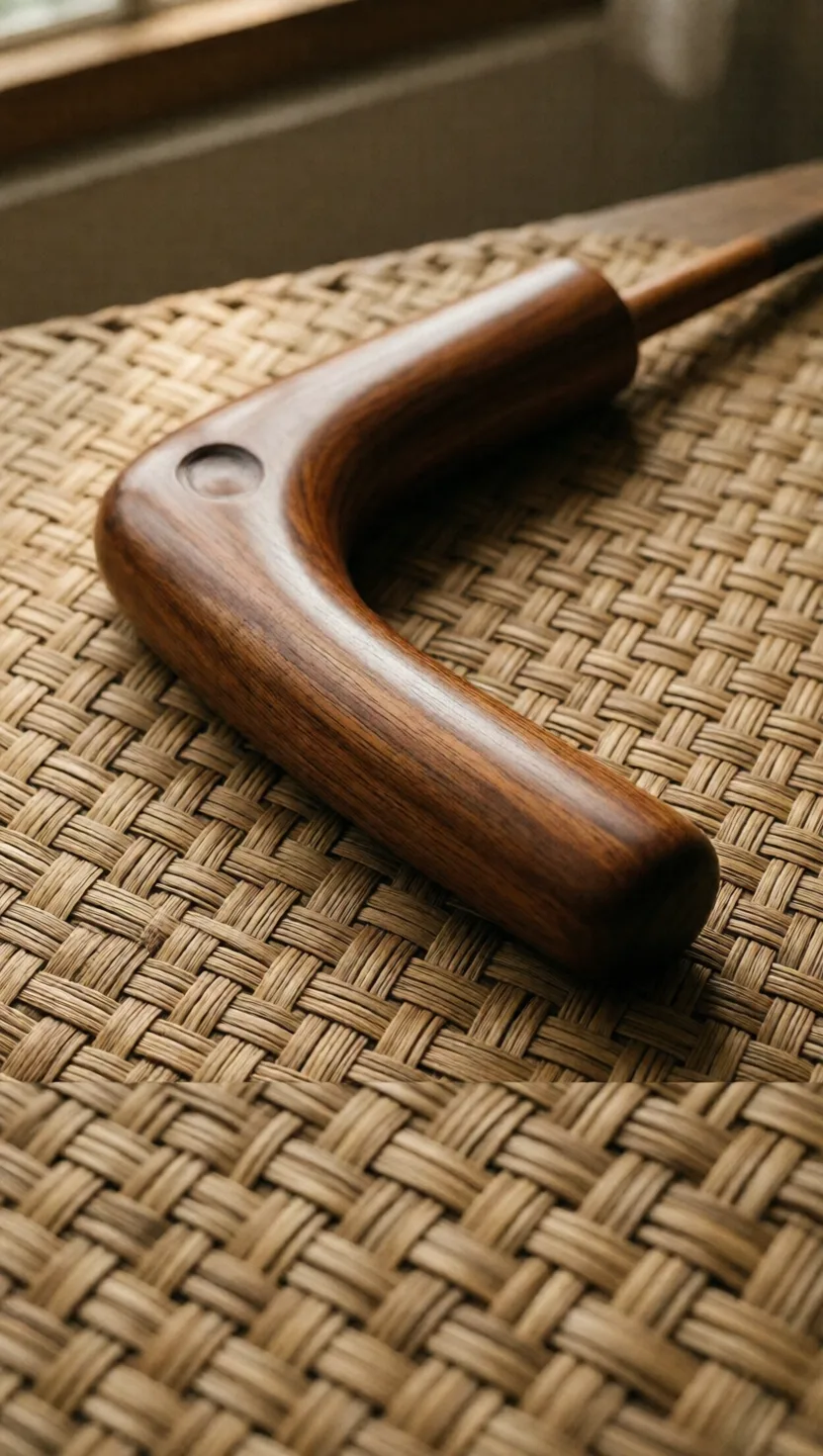
The boomerang is not only Australian. Curved throwing sticks were invented again and again around the world — the Hopi of Arizona made hardwood rabbit sticks, and similar weapons turn up across ancient Europe, Egypt and India. As a hunting tool the throwing stick is older than the bow and arrow, one of humanity's earliest weapons, because a spinning angled stick is a simple, deadly idea many peoples arrived at on their own.
tap →swipe ↑ for depthswipe ↓ to exit