Eight things about the birds that gave up flight

DC·193 Deep Cuts
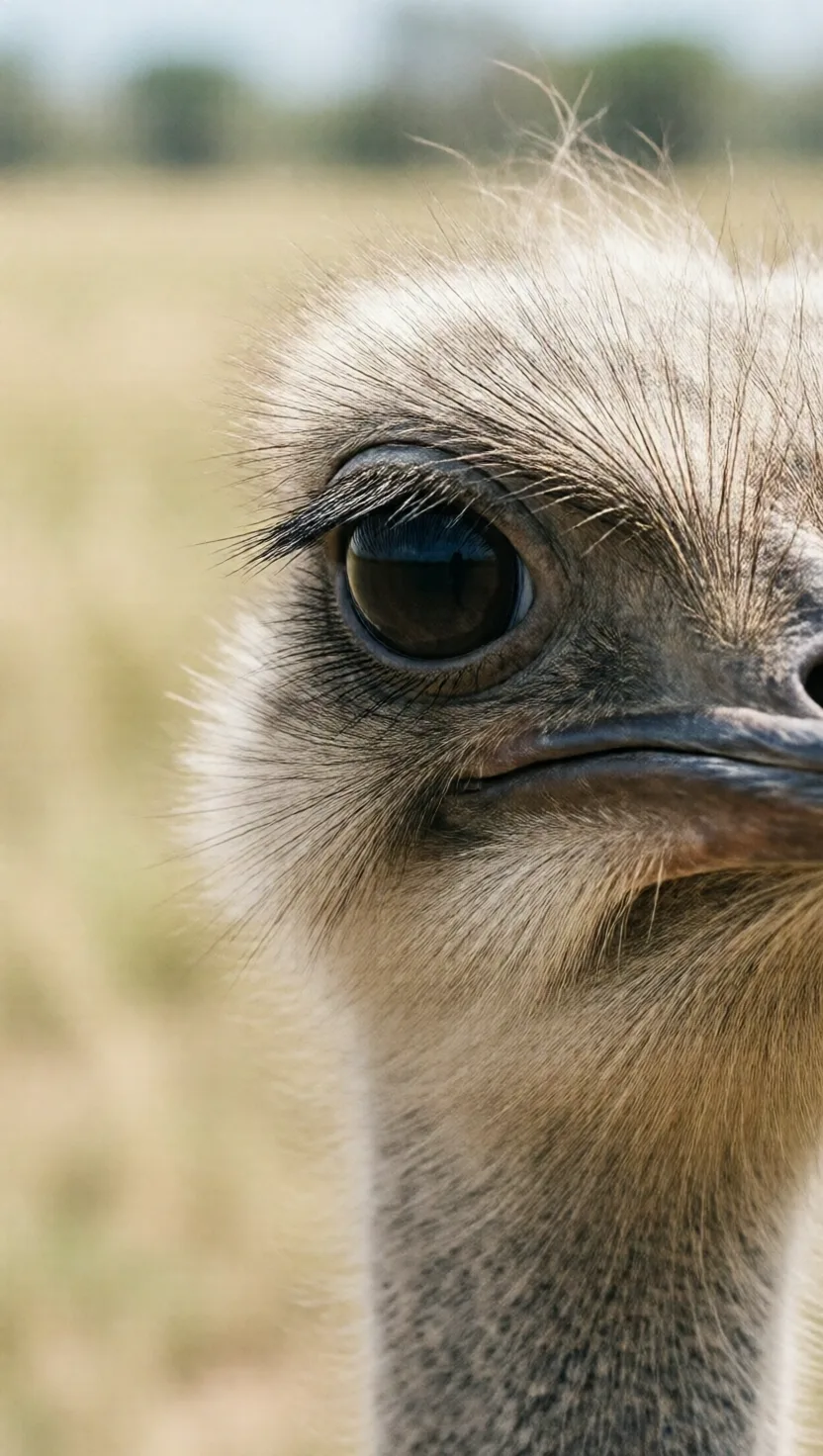
An ostrich's eye is bigger than its brain

An ostrich's eye is bigger than its brain

Each ostrich eye is about 5 centimetres across — the largest eye of any land animal, and bigger than the bird's own brain. Set high on the sides of its head, those eyes give a near-360-degree view and let an ostrich spot a moving predator across open savanna long before it's in danger. Paired with legs that hit 70 kilometres per hour, the ostrich is the fastest two-legged runner alive: it sees trouble early and simply outruns it.
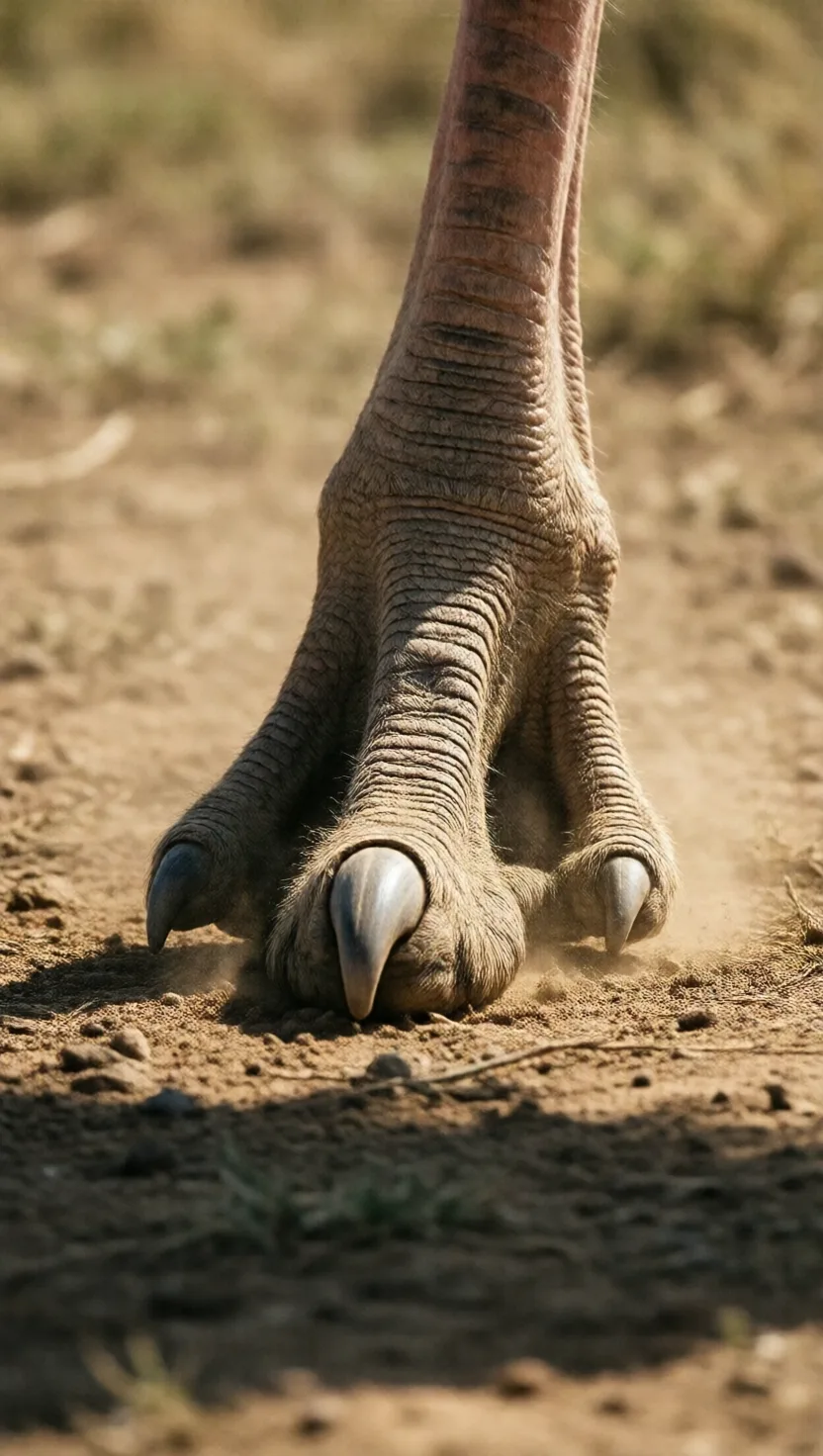
The ostrich is the only two-toed bird

The ostrich is the only two-toed bird

Most birds run on three or four toes; the ostrich has just two on each foot. The big inner toe carries almost all the weight and is tipped with a broad, hoof-like nail, while the smaller outer toe helps with balance. Reducing the foot to two toes is a running adaptation — less ground contact, more spring — and helps the ostrich cover up to five metres in a single stride at full sprint.
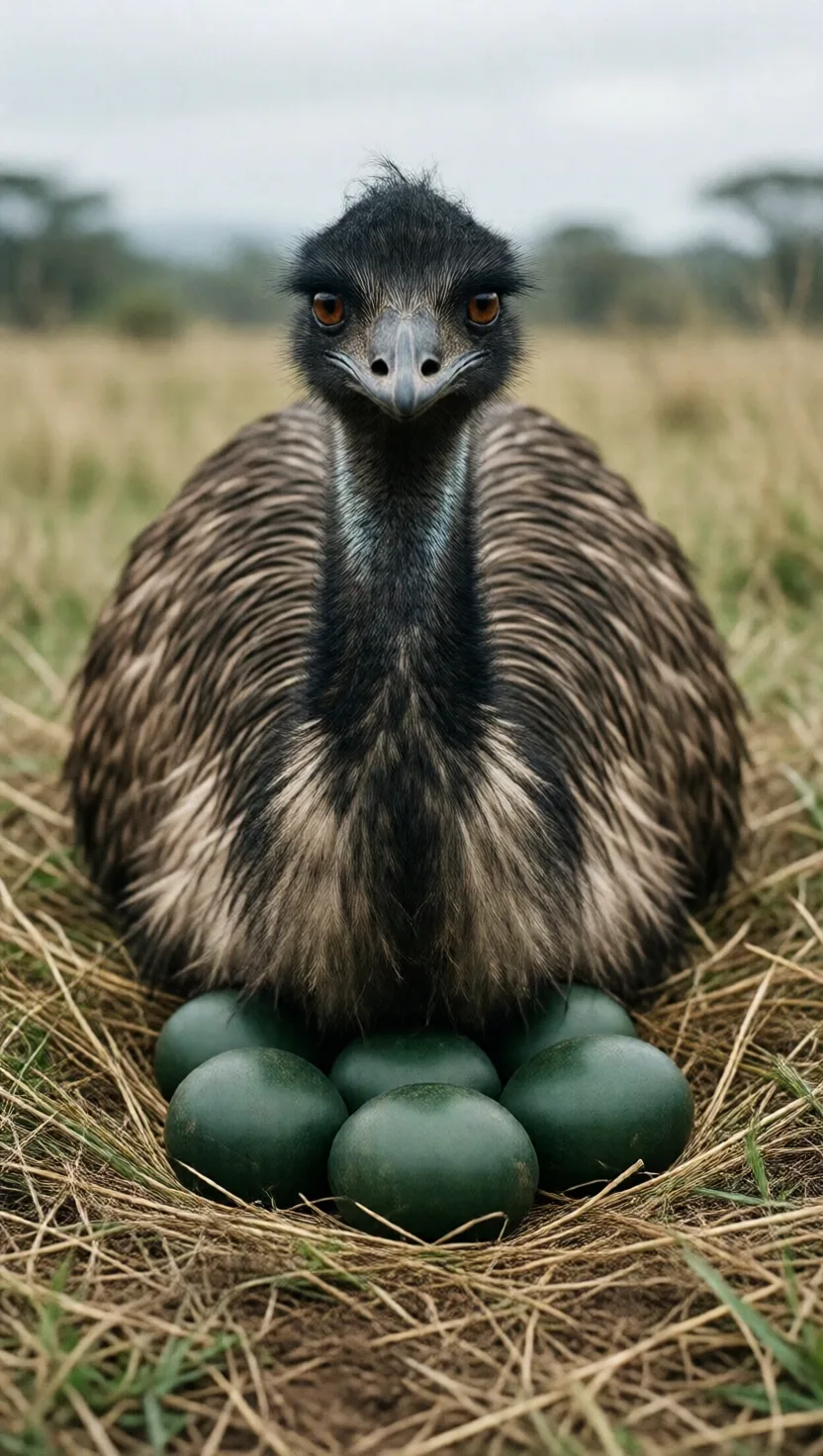
A father emu fasts for 8 weeks on the nest

A father emu fasts for 8 weeks on the nest

After a female emu lays her dark green eggs, she leaves. The male alone broods the clutch for about eight weeks, and during that time he does not eat, drink, or leave the nest — surviving entirely on stored body fat. He stands only to turn the eggs, around ten times a day, and can lose roughly a third of his body weight before the striped chicks finally hatch under his care.
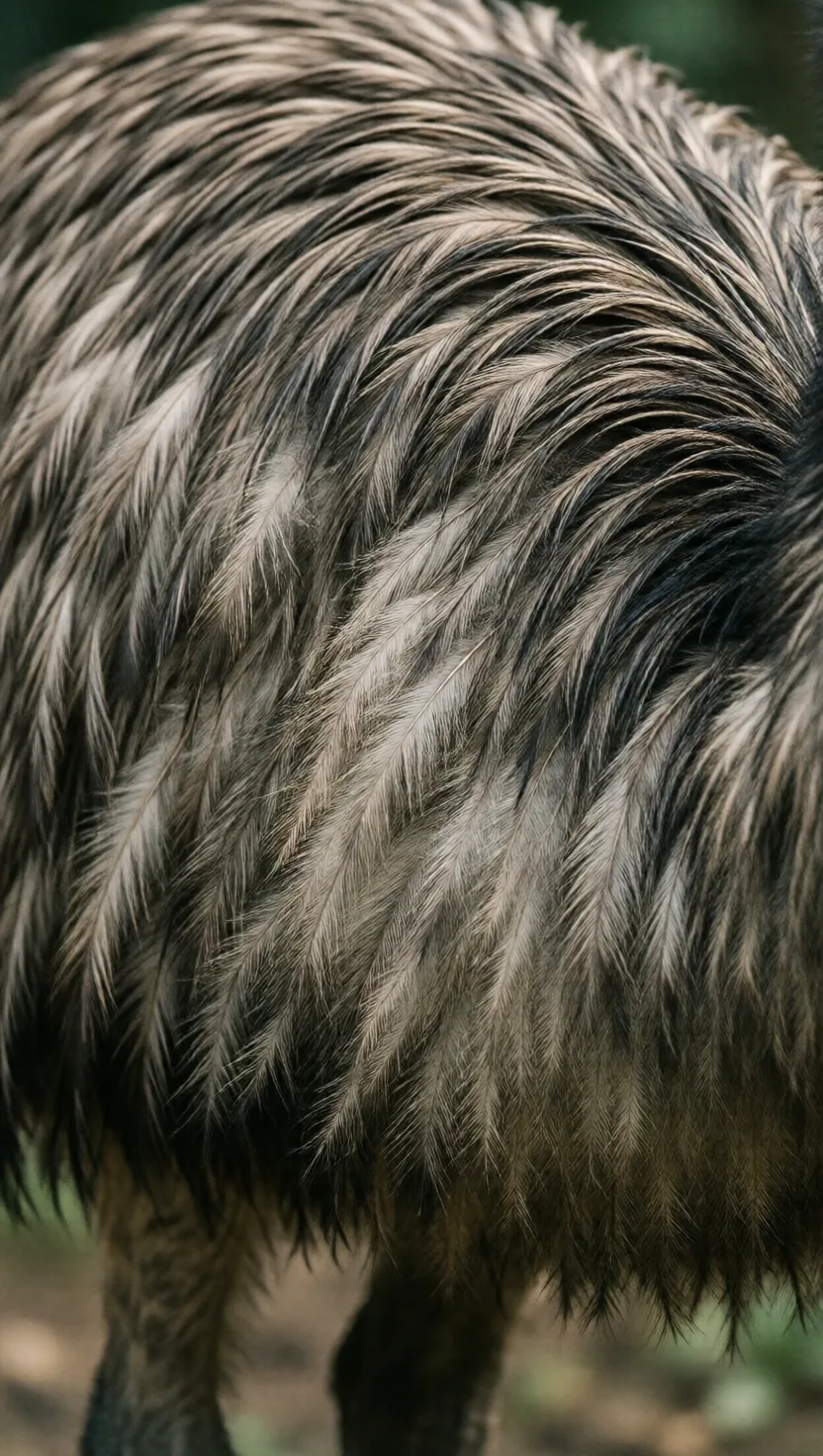
Every emu feather is really two feathers

Every emu feather is really two feathers

From each follicle an emu grows a double-shafted feather: a second shaft, the aftershaft, branches from the base and is as long as the main one, so the bird wears paired plumes everywhere. The barbs are loose and lack the tiny hooks that zip ordinary feathers into smooth vanes, which is why emu plumage looks shaggy, like coarse hair. Only the emu and its cousin the cassowary grow feathers this way.
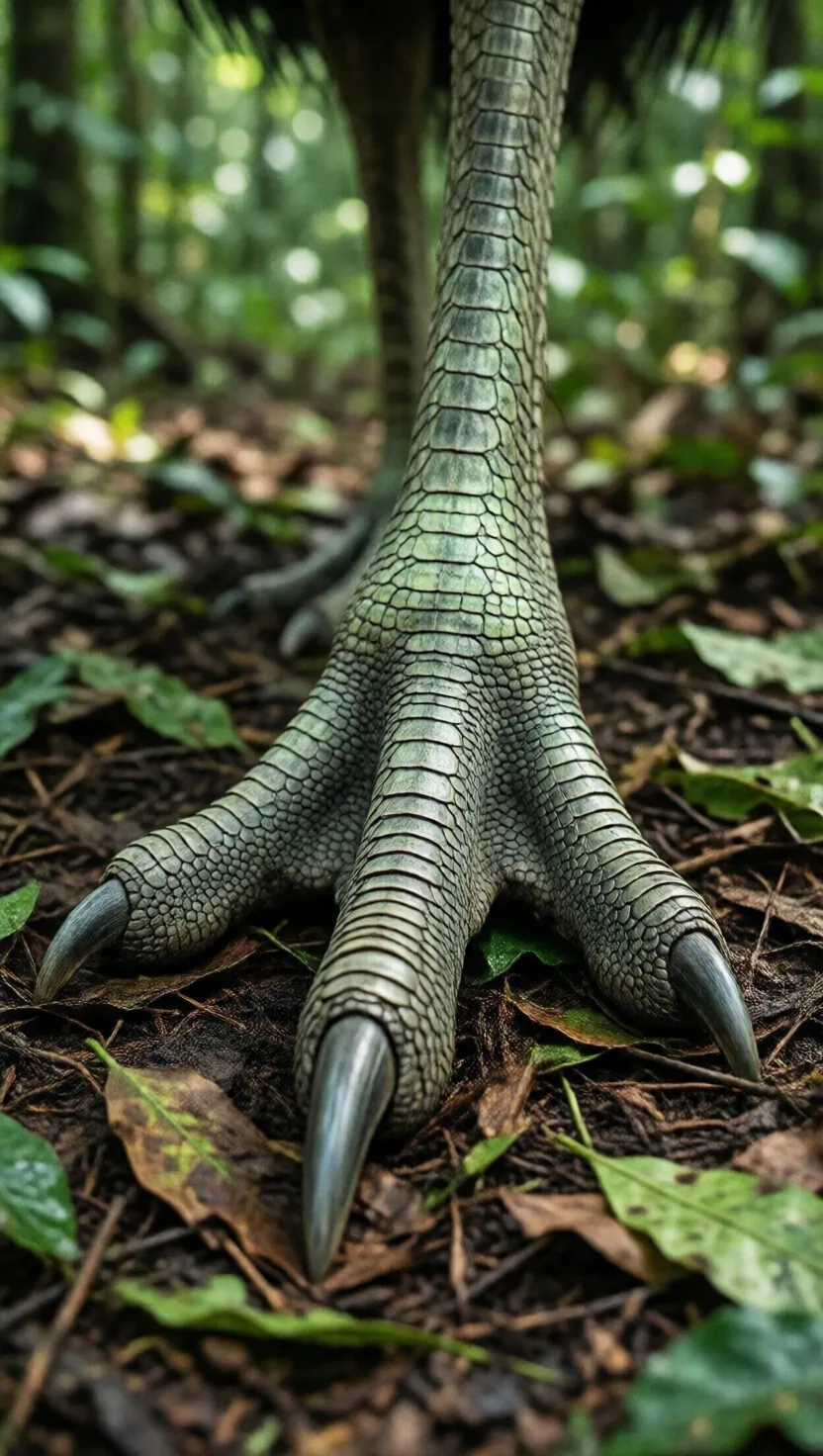
This bird carries a dagger on each foot

This bird carries a dagger on each foot

The southern cassowary is widely called the world's most dangerous bird, and the reason is on its feet: the inner toe of each three-toed foot ends in a straight, dagger-like claw up to about 12 centimetres long. A cornered cassowary leaps and kicks forward, and that claw can open deep wounds. They are shy by nature and avoid people, but a frightened bird defending itself or its chicks is genuinely formidable.
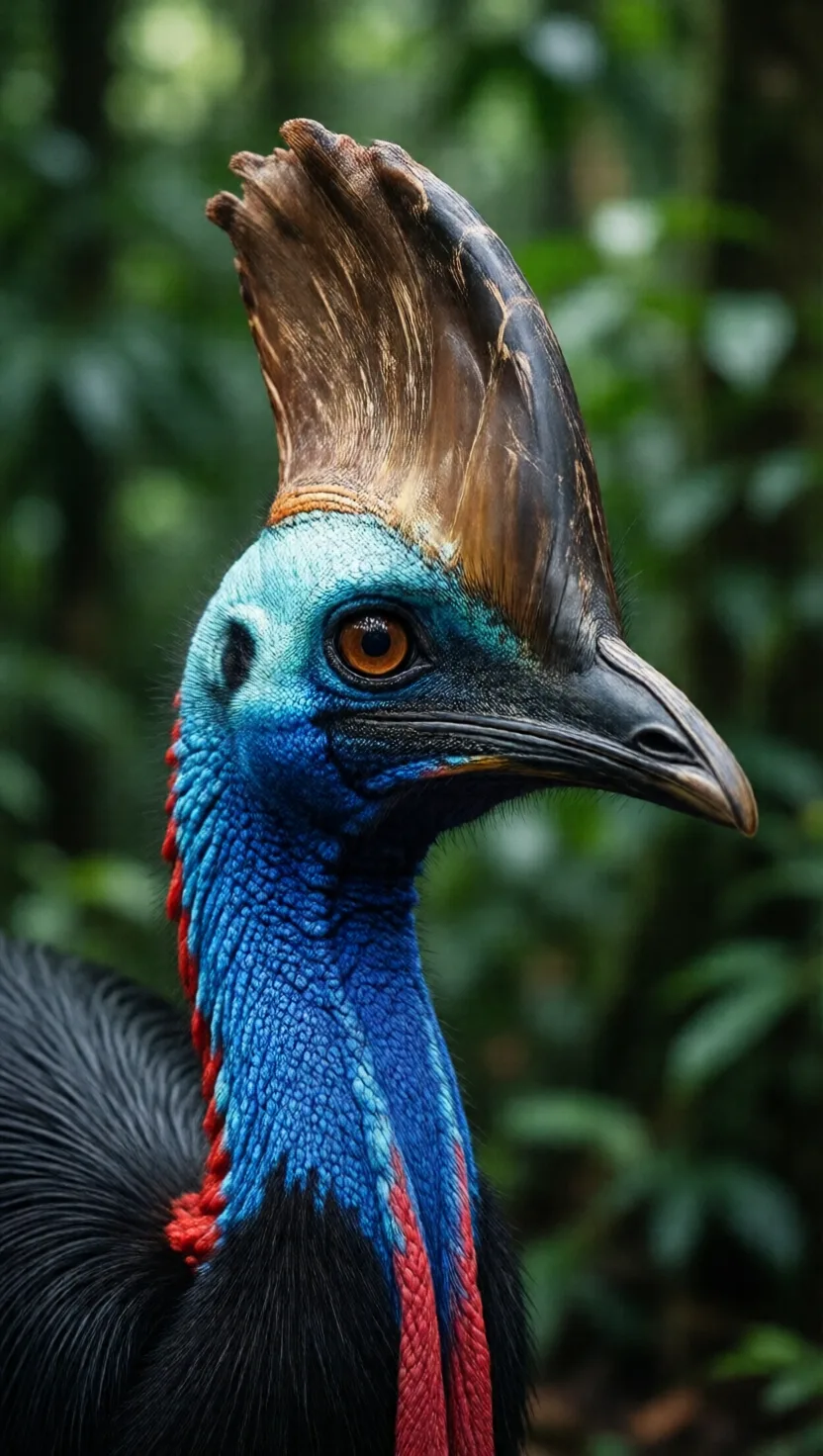
A cassowary's boom is below human hearing

A cassowary's boom is below human hearing

The cassowary makes the lowest known call of any bird — a deep booming around 23 to 32 hertz, right at the bottom edge of what people can hear; you feel it as much as hear it. Such low sound carries far through dense rainforest. Crowning its head is a tall keratin casque packed with fine blood vessels that also works as a radiator, shedding body heat in the humid tropics.
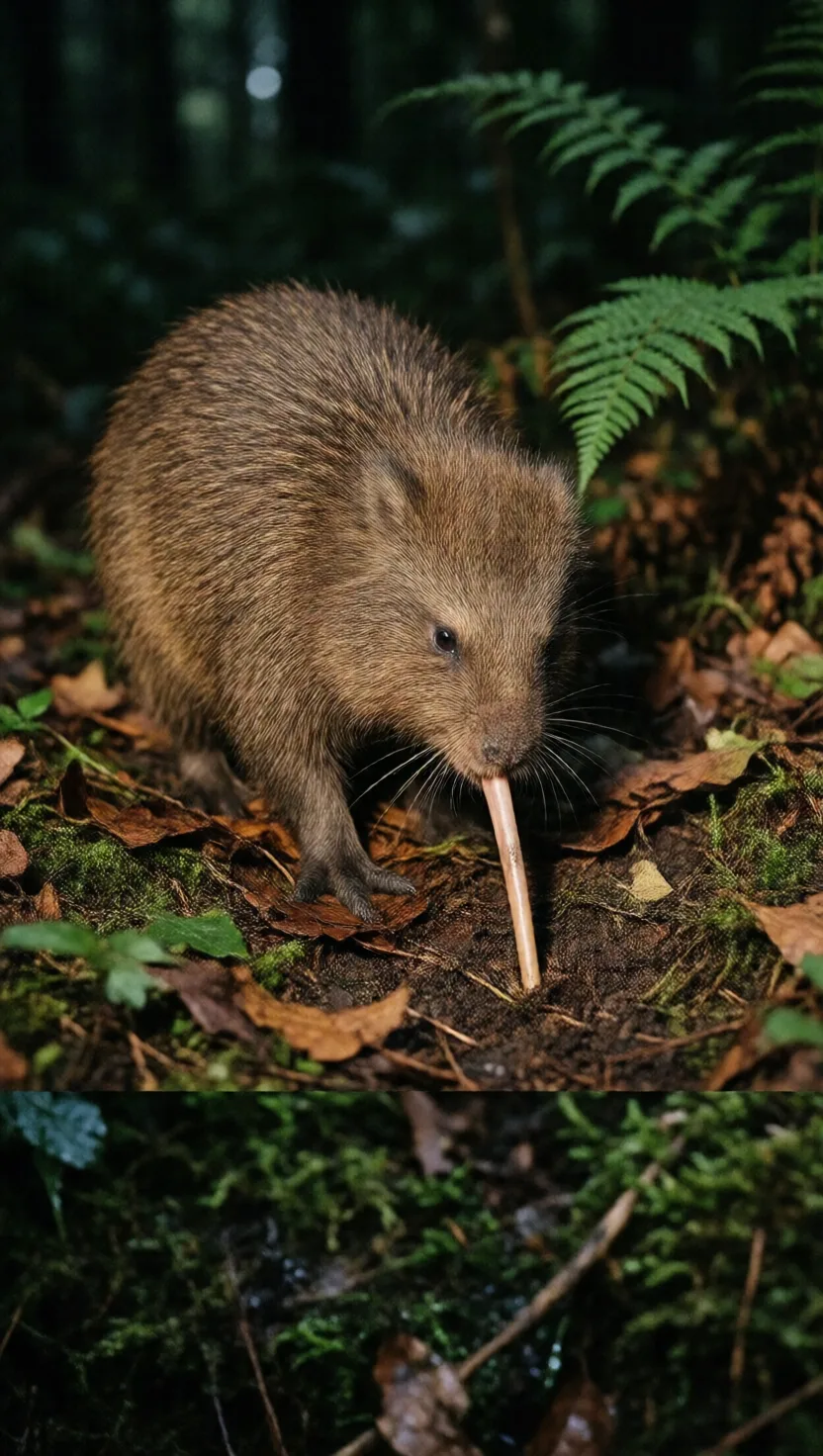
The kiwi smells with the tip of its beak

The kiwi smells with the tip of its beak

Almost every bird has its nostrils at the base of the bill; the kiwi alone has them at the very tip. Nearly blind and active at night, it walks tapping and sniffing the soil, and can scent an earthworm a few centimetres underground. Its sense of smell is among the keenest of any bird, and sensory pits at the bill's end also feel the faint vibrations of prey moving in the dark.
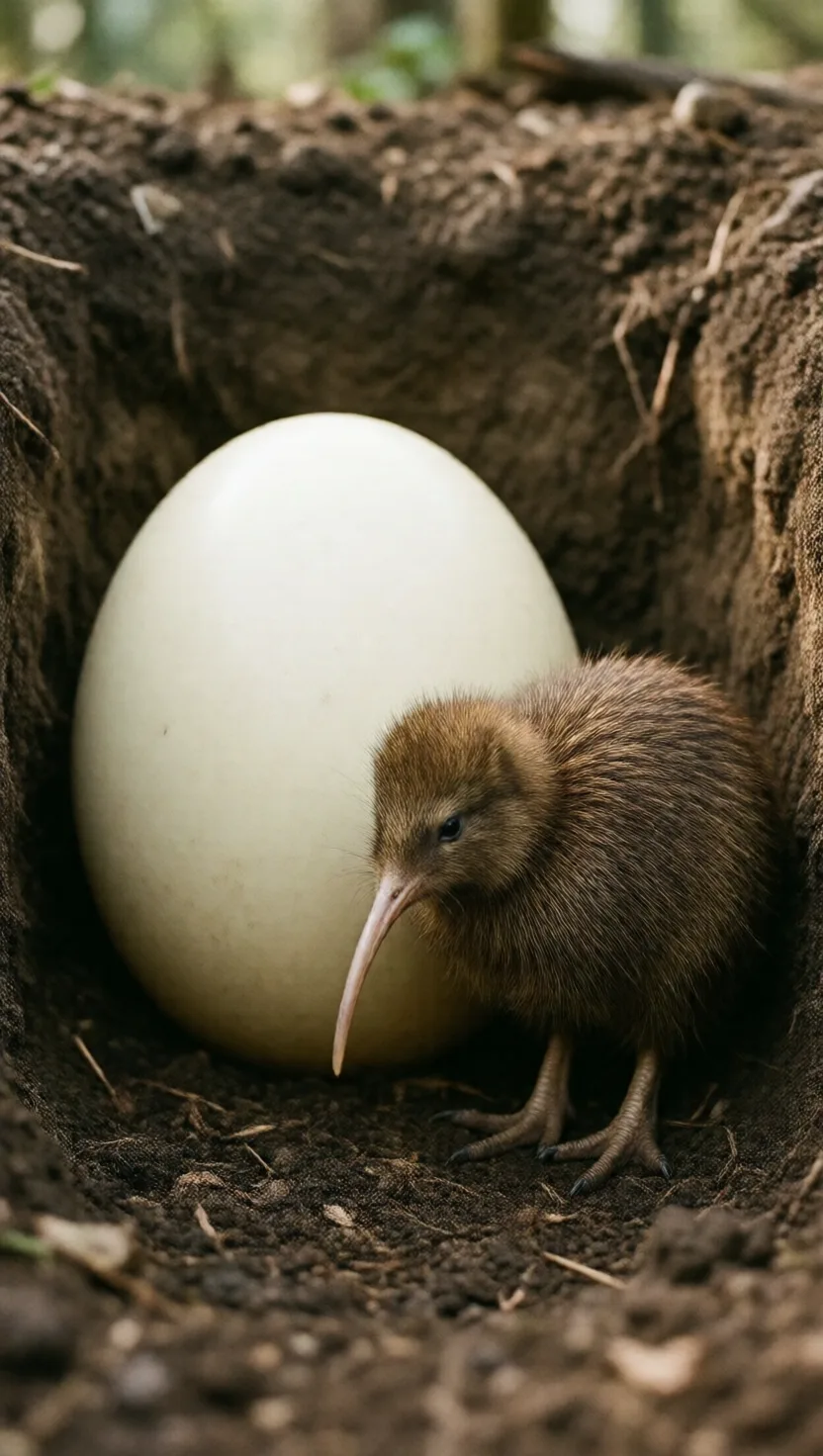
A kiwi lays an egg a fifth of its weight

A kiwi lays an egg a fifth of its weight

Relative to its body, the kiwi lays the largest egg of any bird — up to about 20% of the female's weight. For a human that would be like delivering a four-year-old child. The egg is around 65% yolk, far richer than a typical bird egg, so the chick hatches fully feathered and able to fend for itself within days, with no need for parents to feed it.
tap →swipe ↑ for depthswipe ↓ to exit