Eight things the desert built into one animal

DC·192 Deep Cuts
A camel's blood cells are oval, not round

A camel's blood cells are oval, not round

Almost every mammal has disc-shaped red blood cells; the camel's are flat ellipses. When a parched camel finally drinks and water floods its bloodstream, those cells can swell to about 240% of their normal volume without bursting — round cells would rupture. The same shape keeps blood flowing smoothly even when dehydration thickens it. It's a quiet reason a camel can lose a quarter of its body weight to thirst and recover in minutes.
A thirsty camel can gulp 200 litres in minutes

A thirsty camel can gulp 200 litres in minutes

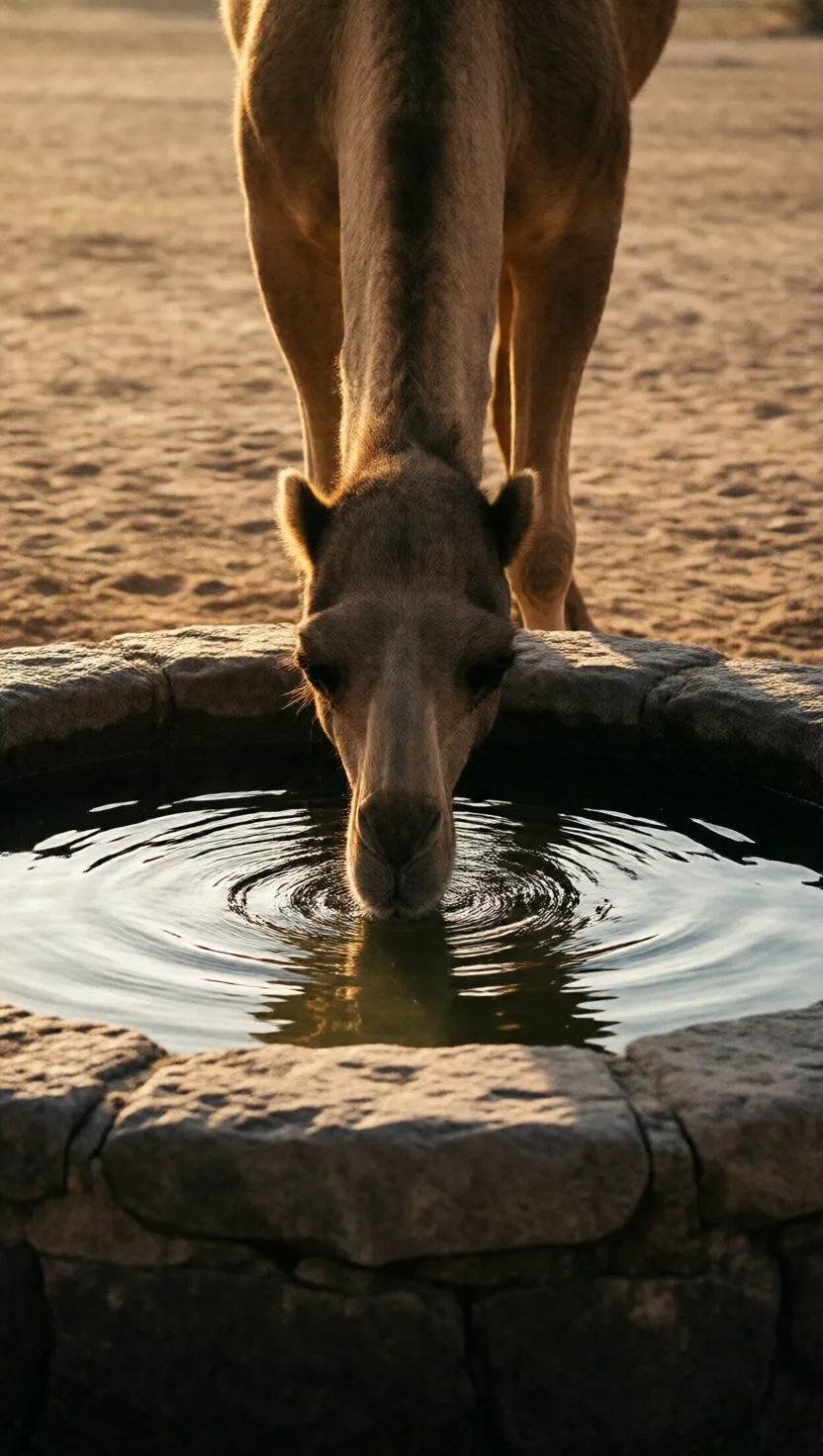
A large, badly dehydrated camel can drink around 100 to 200 litres of water — over 50 gallons — in a single session lasting only a few minutes, then walk away. It doesn't hoard that water in its hump, which is fat; the water rehydrates its tissues and blood directly. Most animals would suffer fatal water intoxication from such a flood, but the camel's oval blood cells and tolerant kidneys absorb the surge safely.
A camel's nose drinks its own breath

A camel's nose drinks its own breath

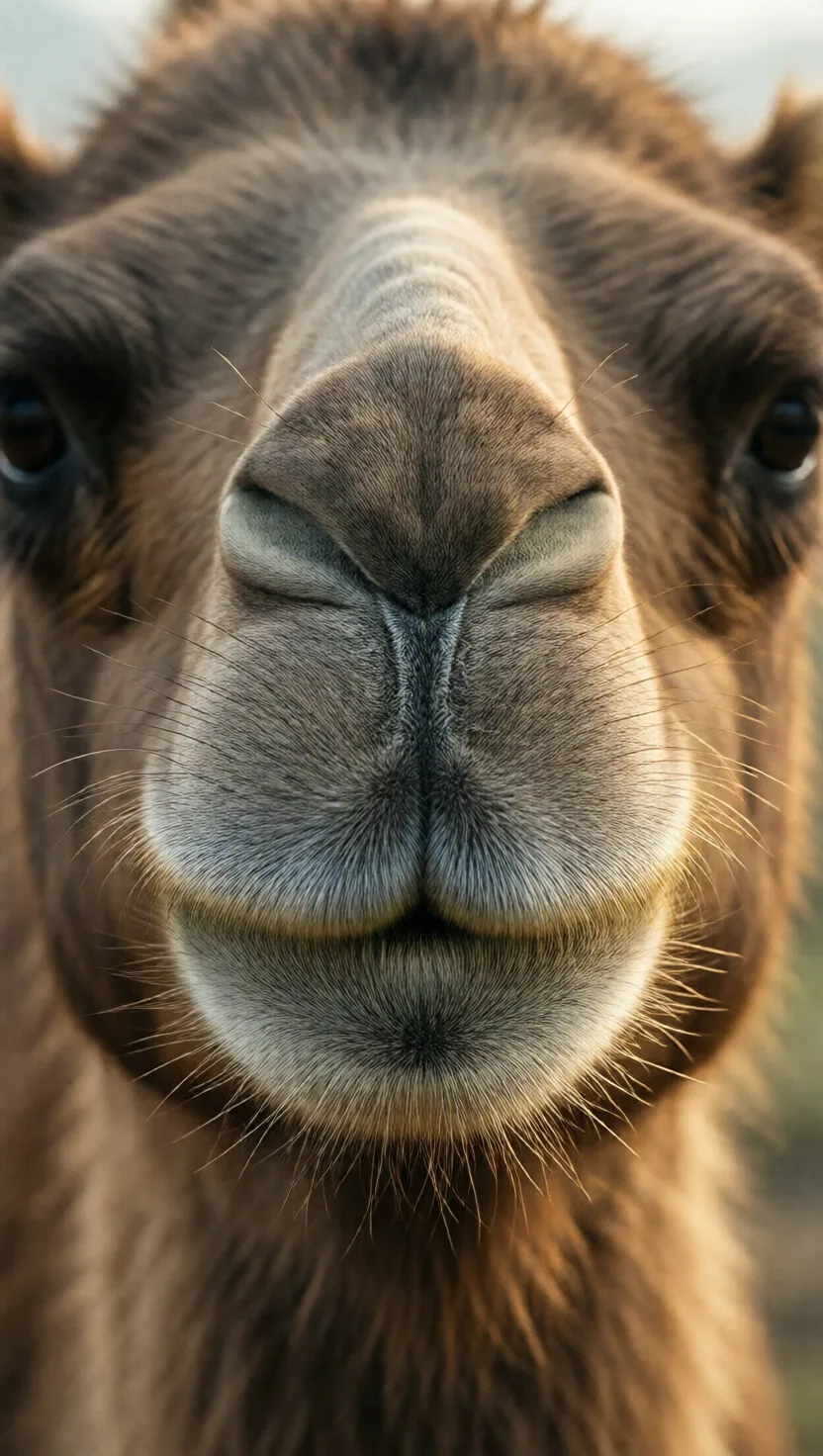
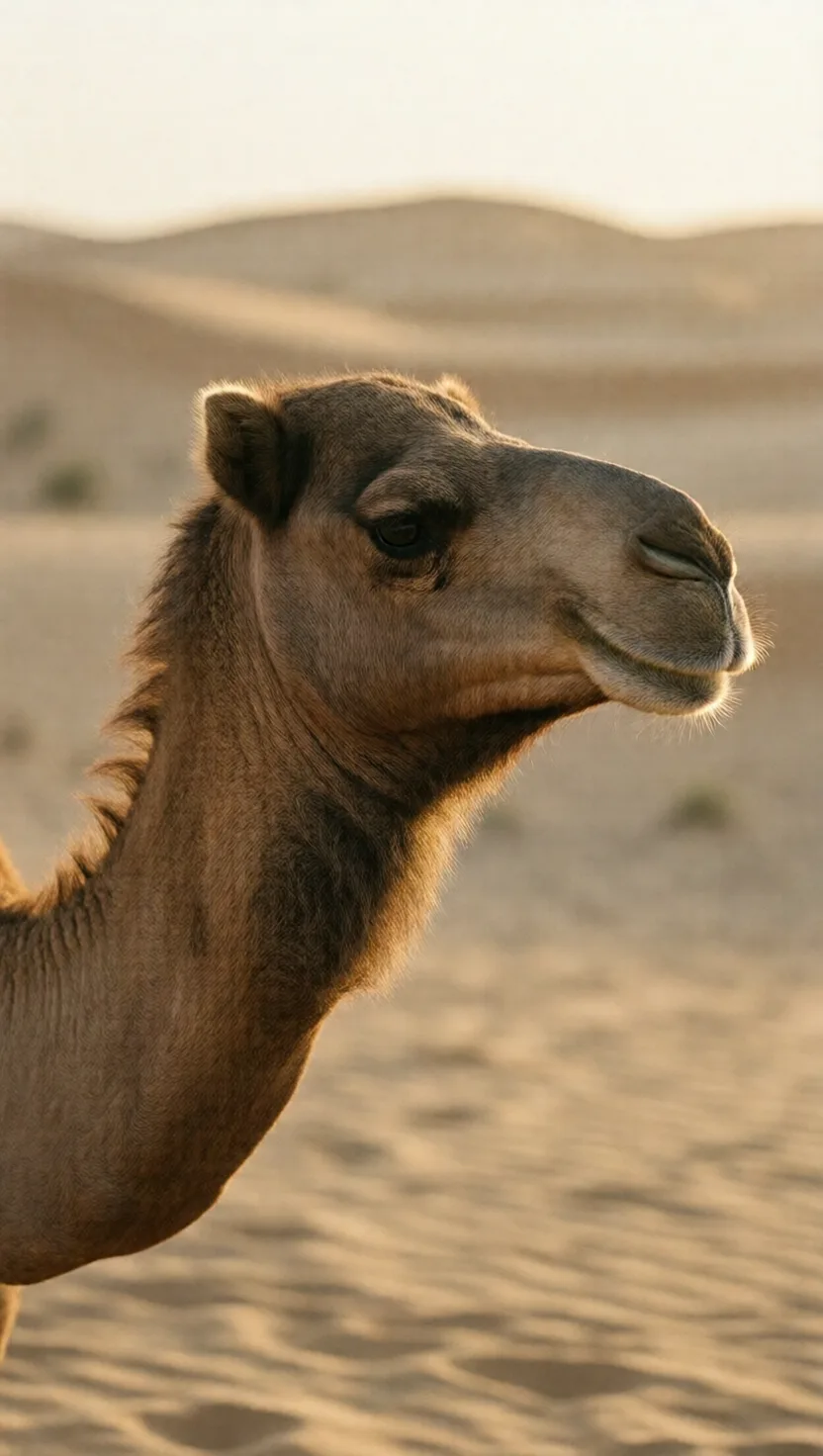
When a camel exhales, the warm wet air passes over cool, intricately scrolled bones inside its nose, and much of the moisture condenses back onto those surfaces instead of escaping. The lining then reabsorbs it. The camel's nasal surface area tops 1,000 square centimetres — many times a human's — and this trick can recover up to about 70% of the water that would otherwise be lost with every breath.
Camels are originally North American

Camels are originally North American

The camel family began not in Arabia but in North America, around 40 to 45 million years ago, starting with a rabbit-sized creature called Protylopus. Camels later crossed into Asia over the Bering land bridge roughly 7 million years ago and headed south to become llamas. A giant camel even lived in the High Arctic. The American originals went extinct only about 13,000 years ago, long after their relatives had spread worldwide.
Camels chew thorns with a spiky mouth

Camels chew thorns with a spiky mouth

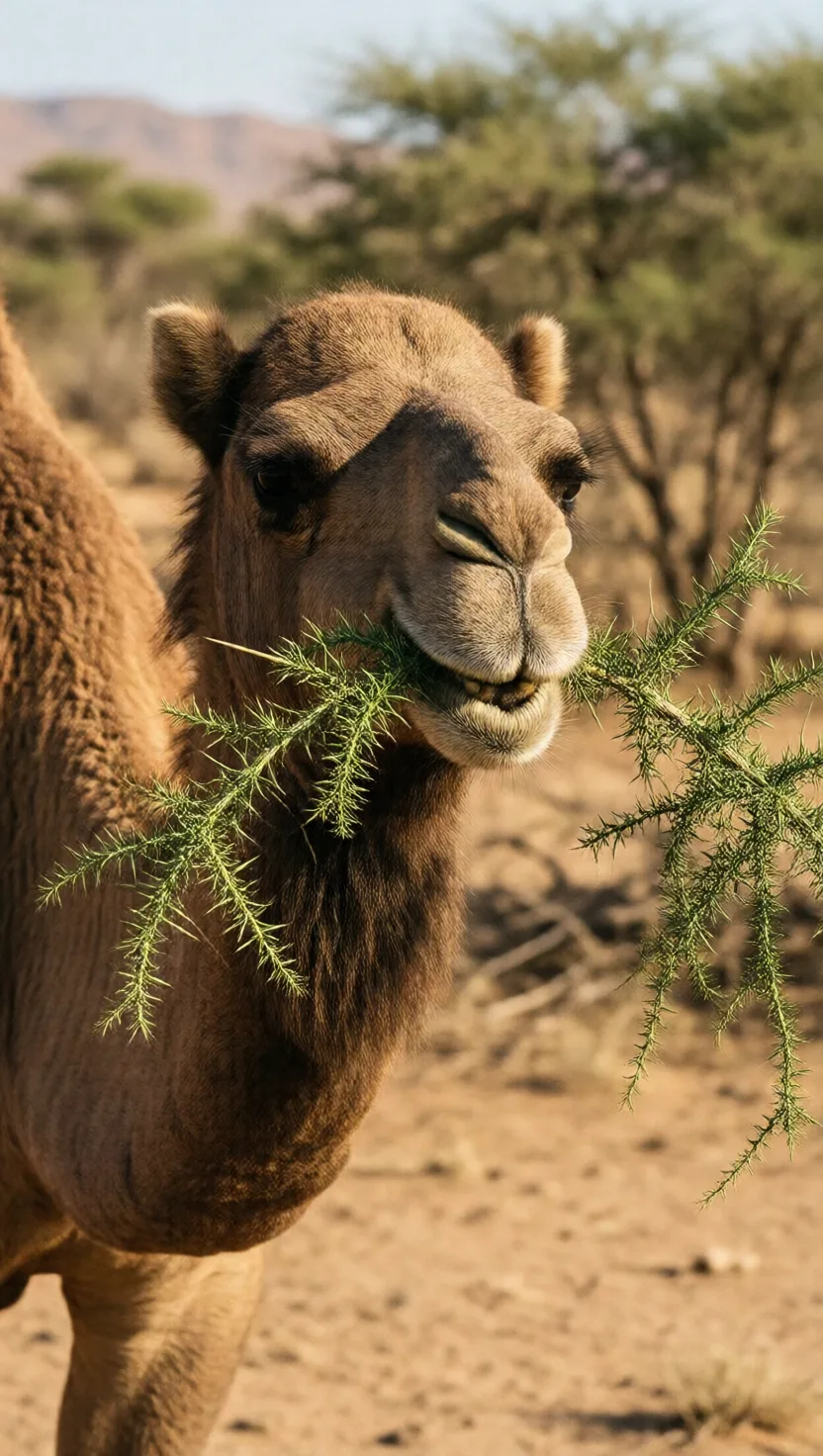
The inside of a camel's mouth is lined with firm, cone-shaped projections called papillae, made of the same tough keratin as fingernails. They point backward and guide thorny food — even spiny cactus or acacia — straight down the throat so the spines slide past instead of stabbing soft tissue. It lets camels eat the prickly desert plants almost nothing else will touch, turning a hostile larder into dinner.
A camel walks on built-in snowshoes

A camel walks on built-in snowshoes

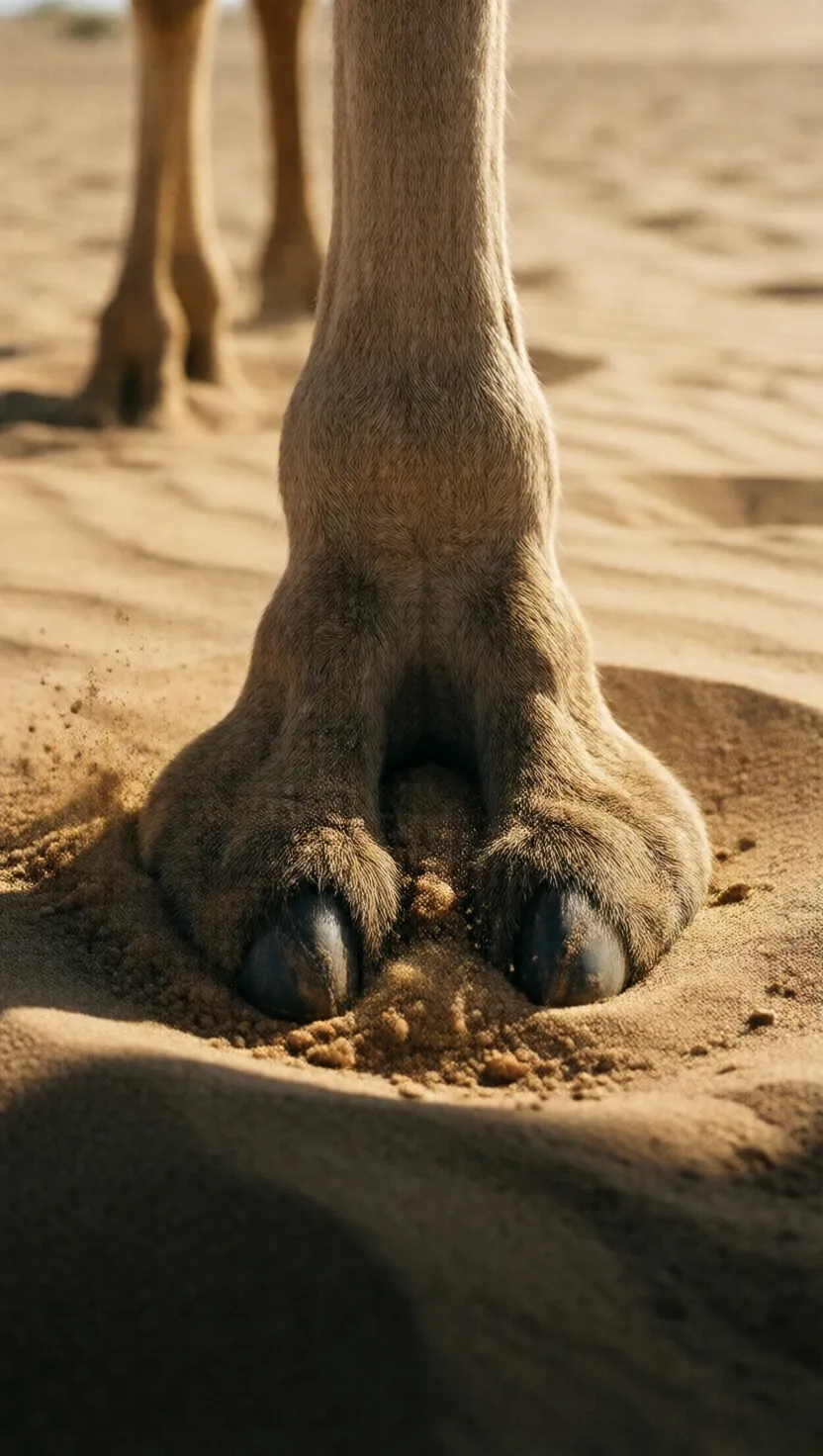
A camel doesn't have hard hooves. Each foot has just two toes spread across a broad leathery pad that splays wide when weight lands on it, spreading the animal across the sand like a snowshoe so it won't sink. The thick pad also insulates against ground that can reach 70 degrees Celsius at midday. It's why a half-tonne camel can cross soft dunes that would bog down a horse.
One wild camel drinks saltier-than-sea water

One wild camel drinks saltier-than-sea water

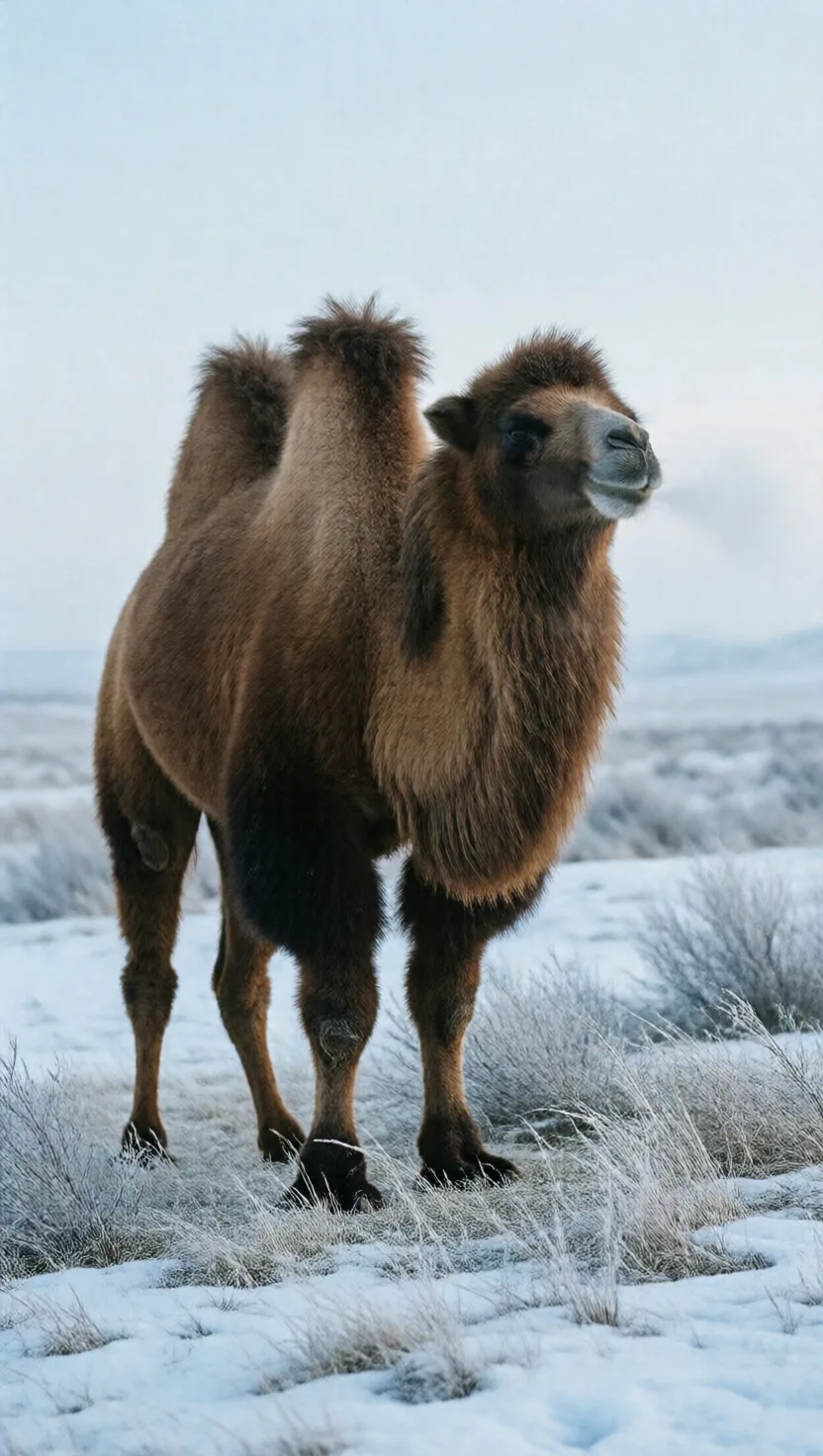
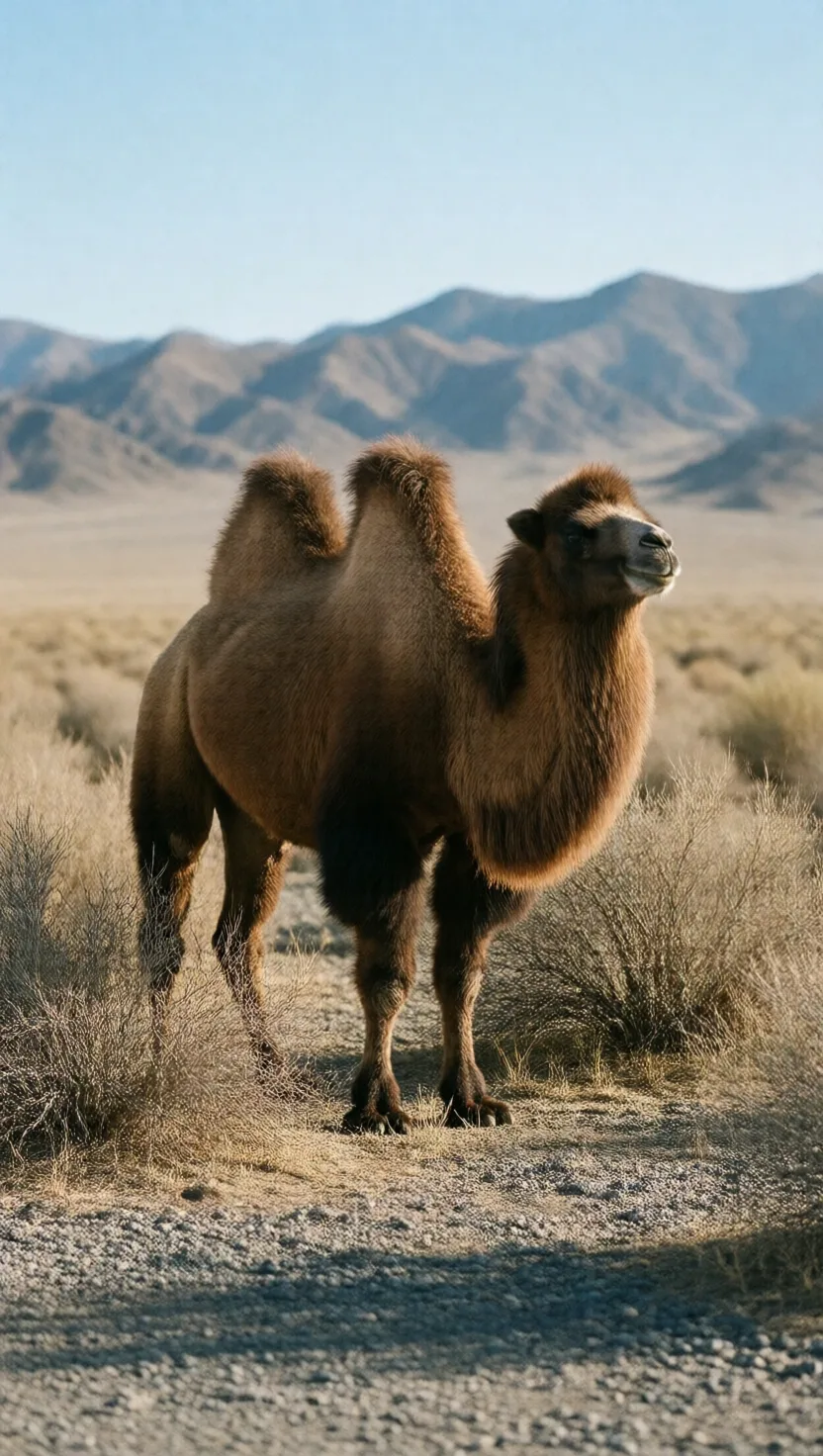
The wild Bactrian camel of the Gobi is a separate species from domestic camels, and it survives where almost nothing else can: it drinks salty, brackish water too salty for other mammals, and eats snow for water in winter. Fewer than about 1,000 remain across the deserts of Mongolia and China, making it one of the rarest large mammals on Earth and utterly dependent on its remote, harsh refuges.
Camels have a see-through third eyelid

Camels have a see-through third eyelid

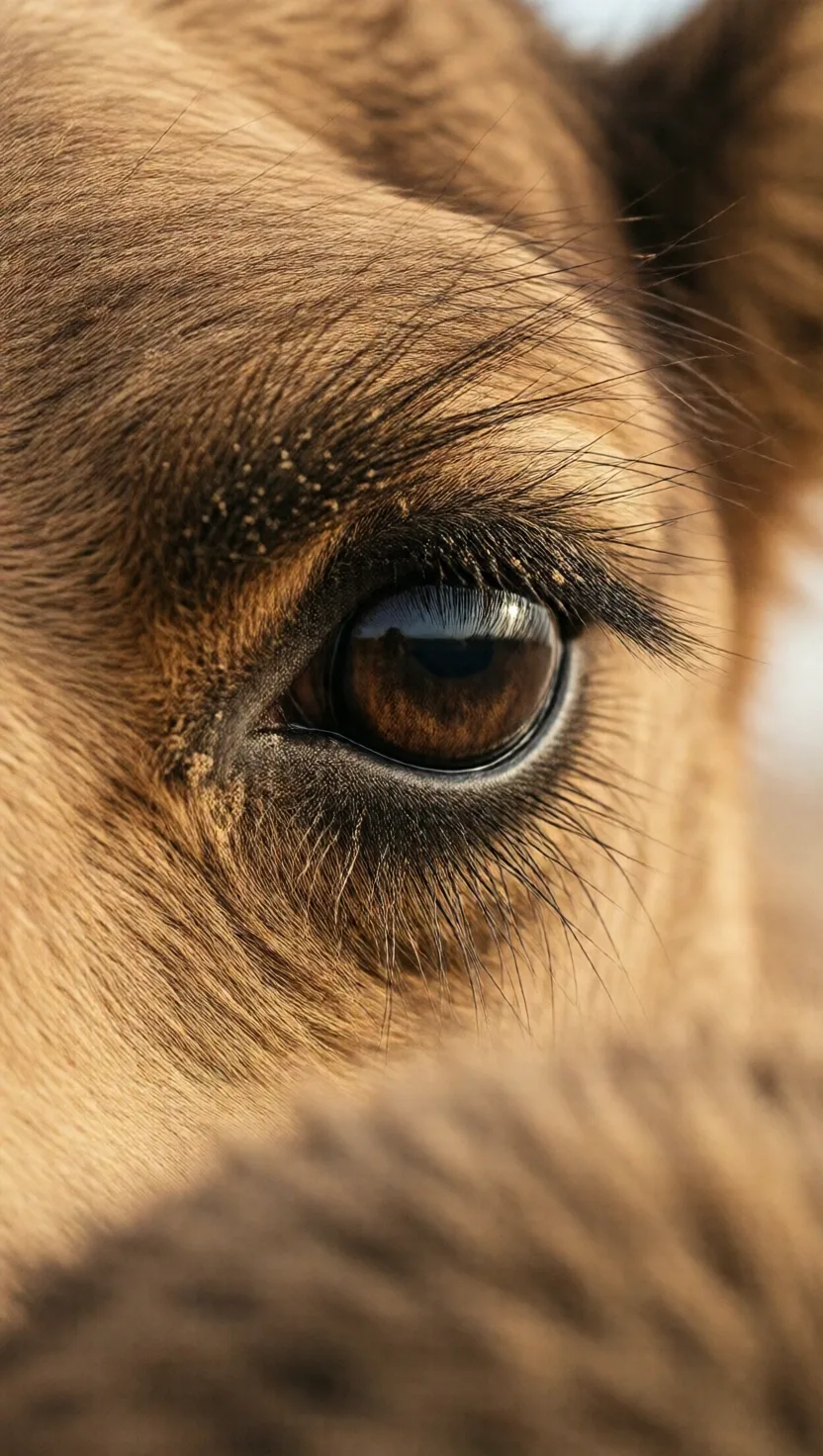
Against blowing sand a camel has a triple defence: two rows of long, thick eyelashes that interlace like a sieve, and a transparent third eyelid that sweeps sideways across the eye like a windscreen wiper, clearing grit while the camel keeps watching through it. The lashes can grow up to about 10 centimetres. Together they let a camel walk face-first into a sandstorm without going blind.
tap →swipe ↑ for depthswipe ↓ to exit