Eight things cast into bronze and rung

DC·191 Deep Cuts
The biggest bell ever cast has never rung

The biggest bell ever cast has never rung

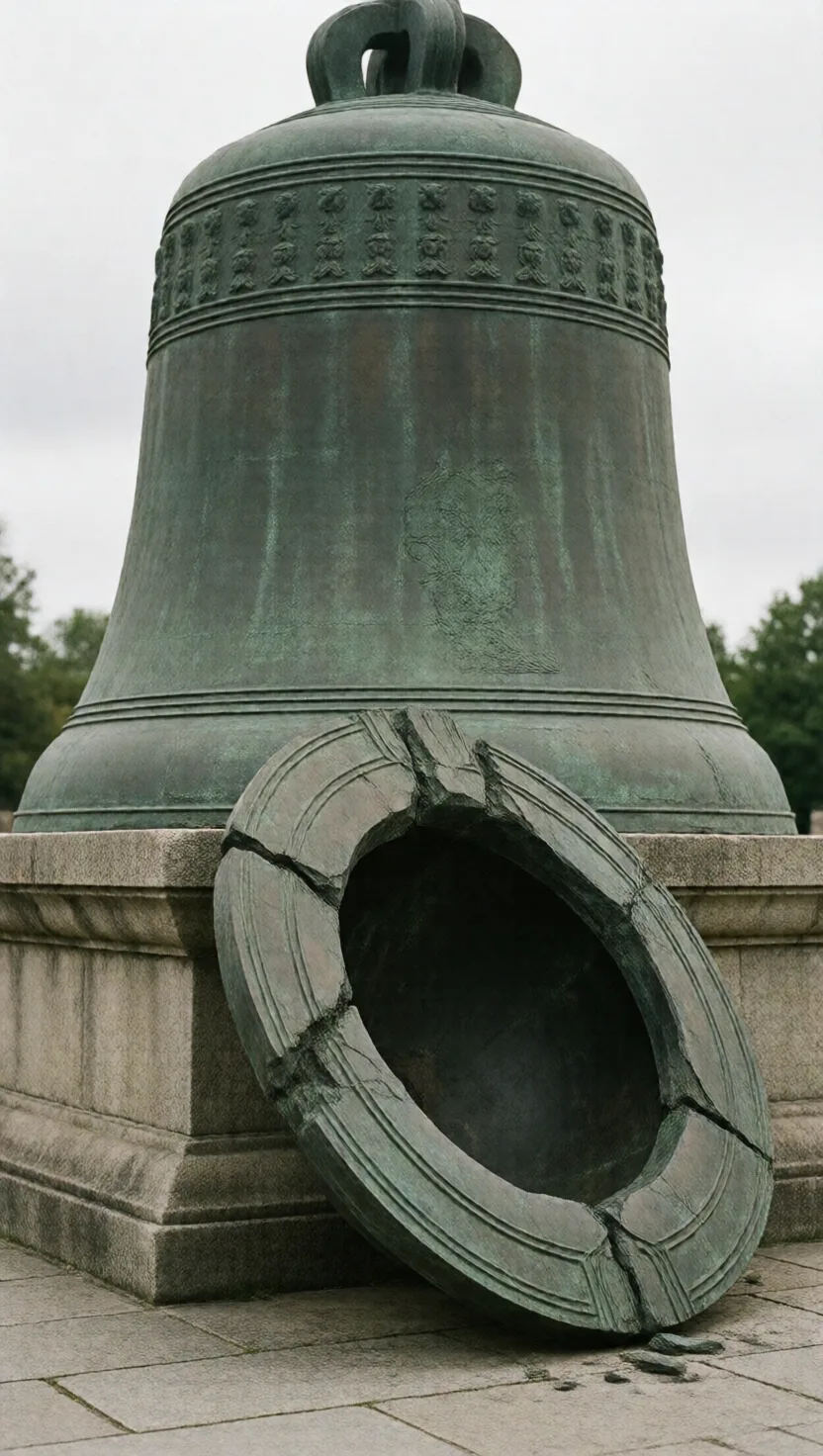
The largest bell on Earth weighs over 200 tonnes and has never made a sound. Cast in a pit in Moscow in the 1730s, it was still cooling when a fire swept through. Water thrown on the flames hit the white-hot bronze unevenly, and an eleven-and-a-half tonne slab cracked clean off. The giant sat in its casting pit for nearly a century before being hauled out, and to this day it stands on a pedestal, broken piece beside it, silent.
A 90-tonne bell you can actually ring

A 90-tonne bell you can actually ring

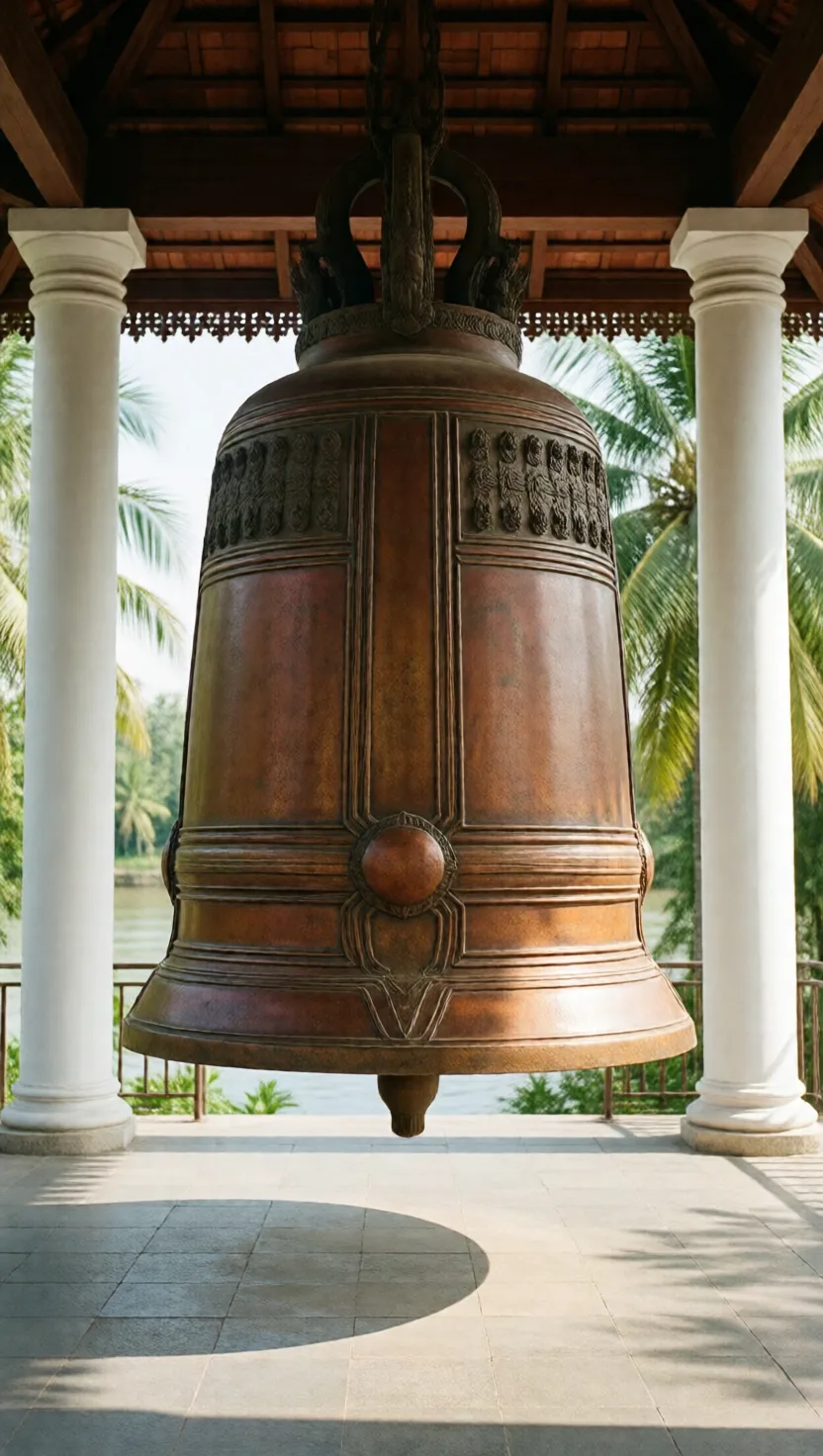
While the largest bell of all hangs cracked and mute, a giant in Myanmar swings into sound. Cast around 1810 beside a great unfinished stupa, it weighs about 90 tonnes and was built to be the largest working bell in the world, a title it held for nearly two centuries until a heavier one was cast in China in the year 2000. It still hangs uncracked in its open pavilion, and it still rings.
Ringing every order of the bells takes 3 hours

Ringing every order of the bells takes 3 hours

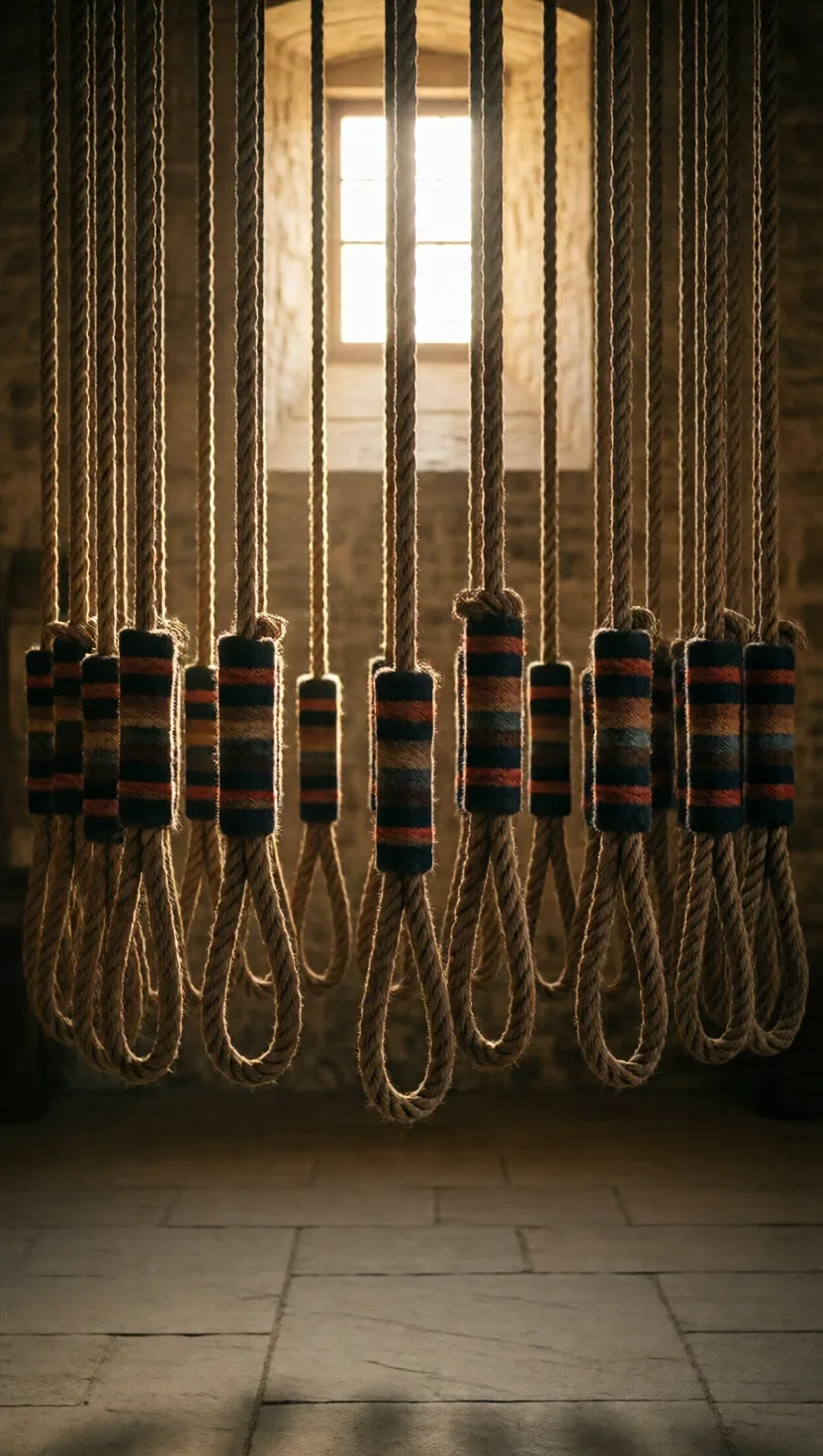
In English tower ringing the goal isn't a tune but mathematics. Ringers sound the bells in one order, then another, never repeating, working through the permutations. Seven bells can be rung in 5,040 different orders, and a full peal of that many changes is rung without a break or a single mistake, taking about three hours of unbroken concentration. The ringers hold in their heads the rules that generate each new order.
A temple bell struck by a swinging log

A temple bell struck by a swinging log

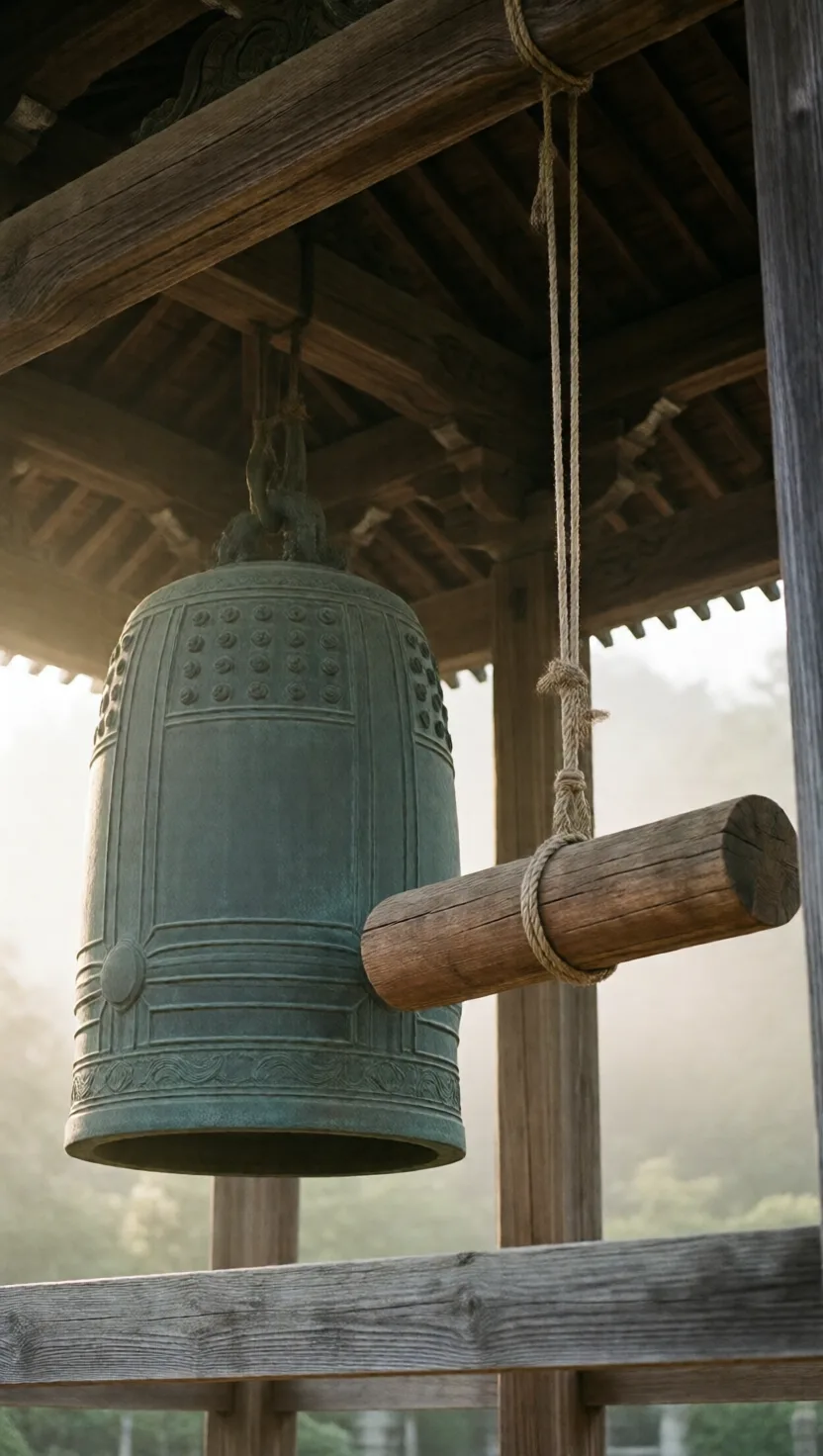
A Japanese temple bell has no clapper hanging inside it. Instead a heavy wooden beam hangs alongside on ropes, and a monk swings it to strike the bell on the outside, on a marked spot. The blow sets the great bronze ringing with a low, slow tone that can carry for many kilometres across a valley, a sound meant less as a signal than as something to be felt as it slowly fades.
An instrument of two dozen bells, played by fist

An instrument of two dozen bells, played by fist

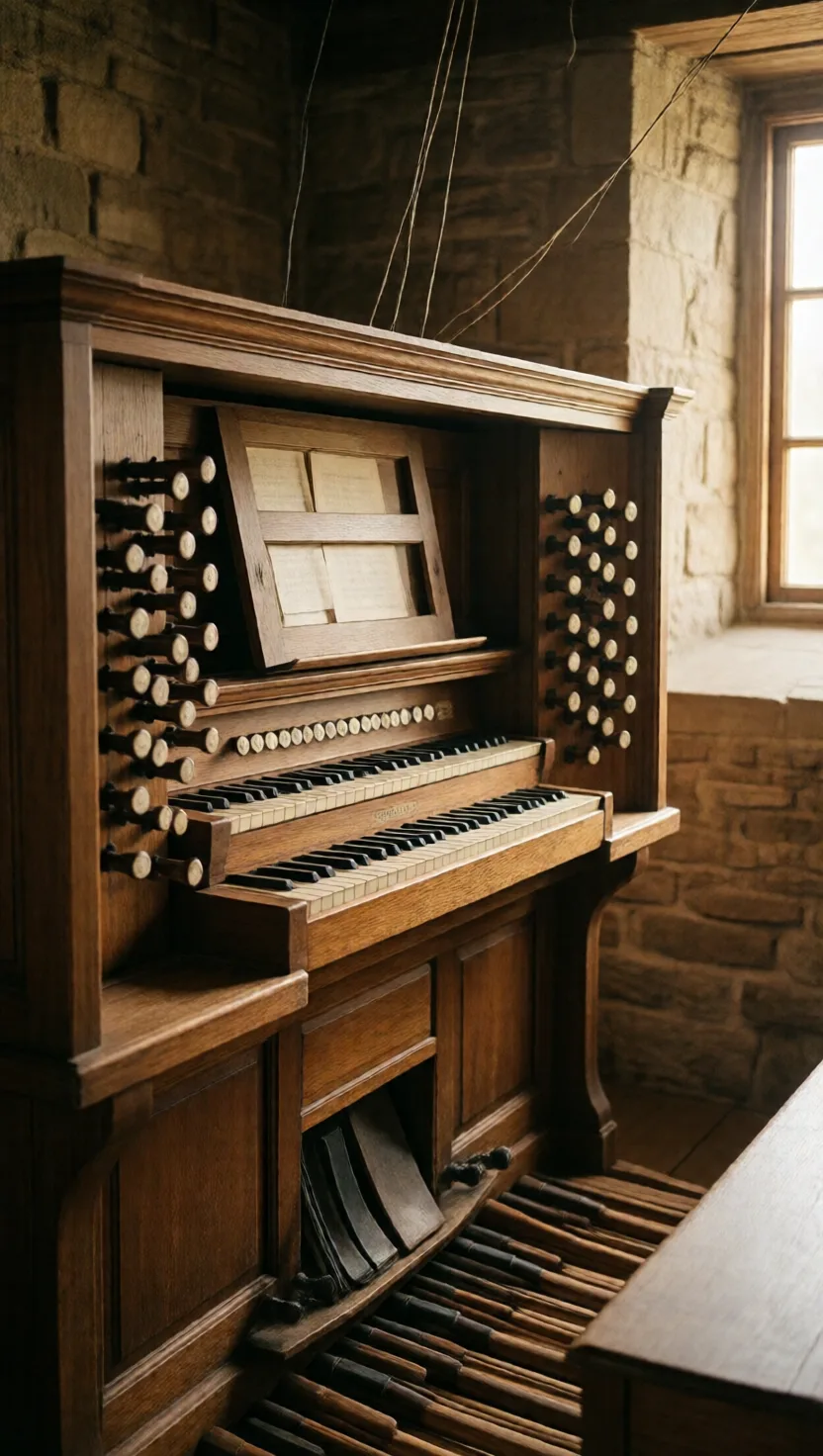
Hang twenty-three or more tuned bells in a tower and you have not a chime but a carillon, a single instrument. The player sits at a wooden keyboard of rounded batons and foot pedals and strikes each baton with a loosely closed fist; wires run from the keys up to the clappers, so a person in a small room can play melodies on bells weighing several tonnes overhead.
Every bell is cast around a bell that's destroyed

Every bell is cast around a bell that's destroyed

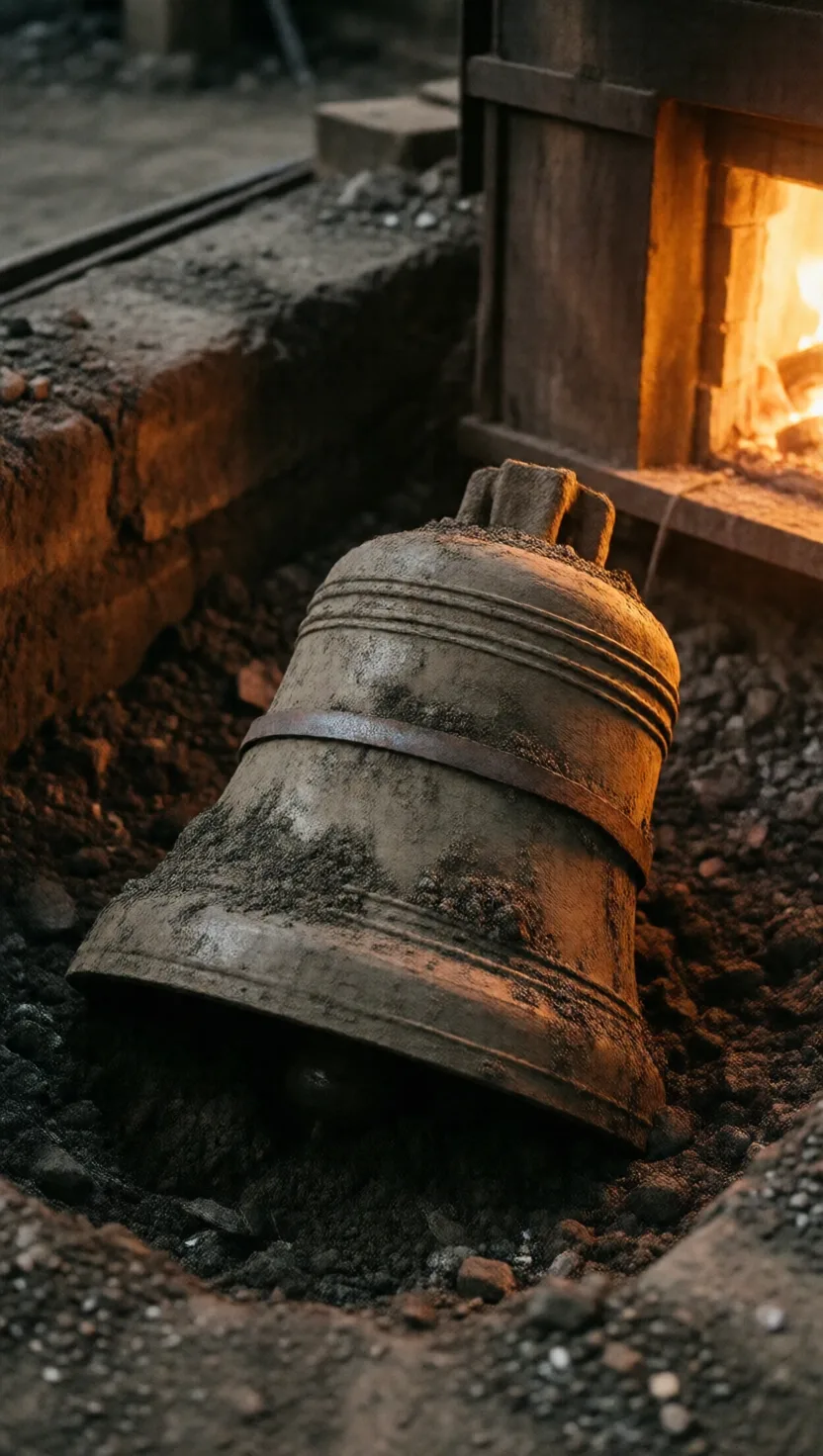
To cast a bell, founders first build a fake one. They shape a clay core, build over it a false bell of loam in the exact shape of the real one, then cover that with an outer jacket. The jacket is lifted, the false bell smashed away, and the jacket lowered back down, leaving a bell-shaped gap. Molten bronze poured into that gap becomes the bell. The model is always sacrificed to make the thing it modelled.
Russian bells never swing — only their tongues do

Russian bells never swing — only their tongues do

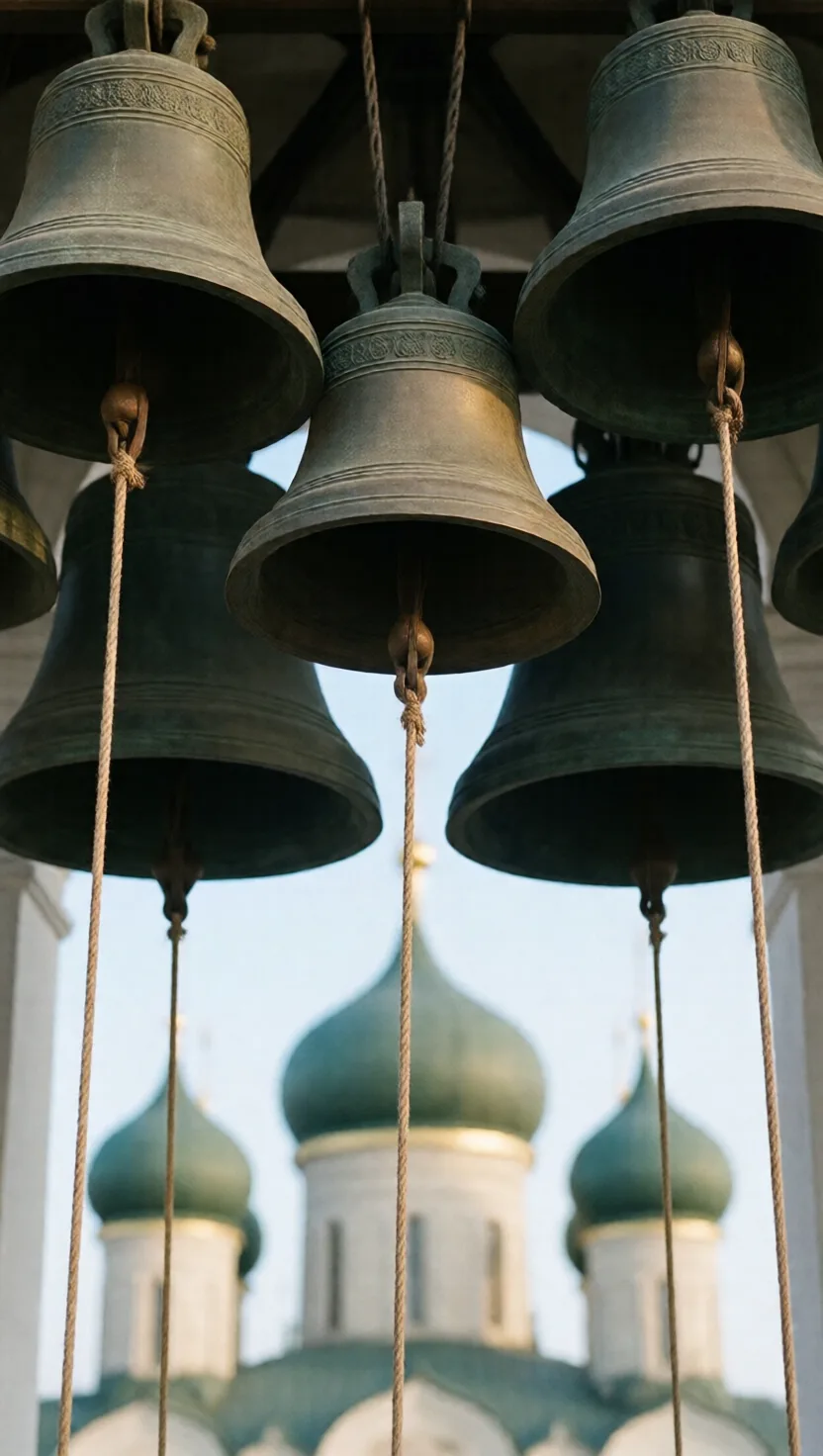
In western towers the whole bell swings to ring. Russian bells hang dead still; only the clapper moves. Ropes run from every clapper to one spot where the ringer stands, the small ones worked by hand and the big ones by foot, and a press on a taut rope swings the tongue against the bell's fixed wall. It lets one person sound many bells at once in fast, complex rhythms, and spares the tower the strain of tonnes of swinging metal.
A bell is thickest where it gets hit

A bell is thickest where it gets hit

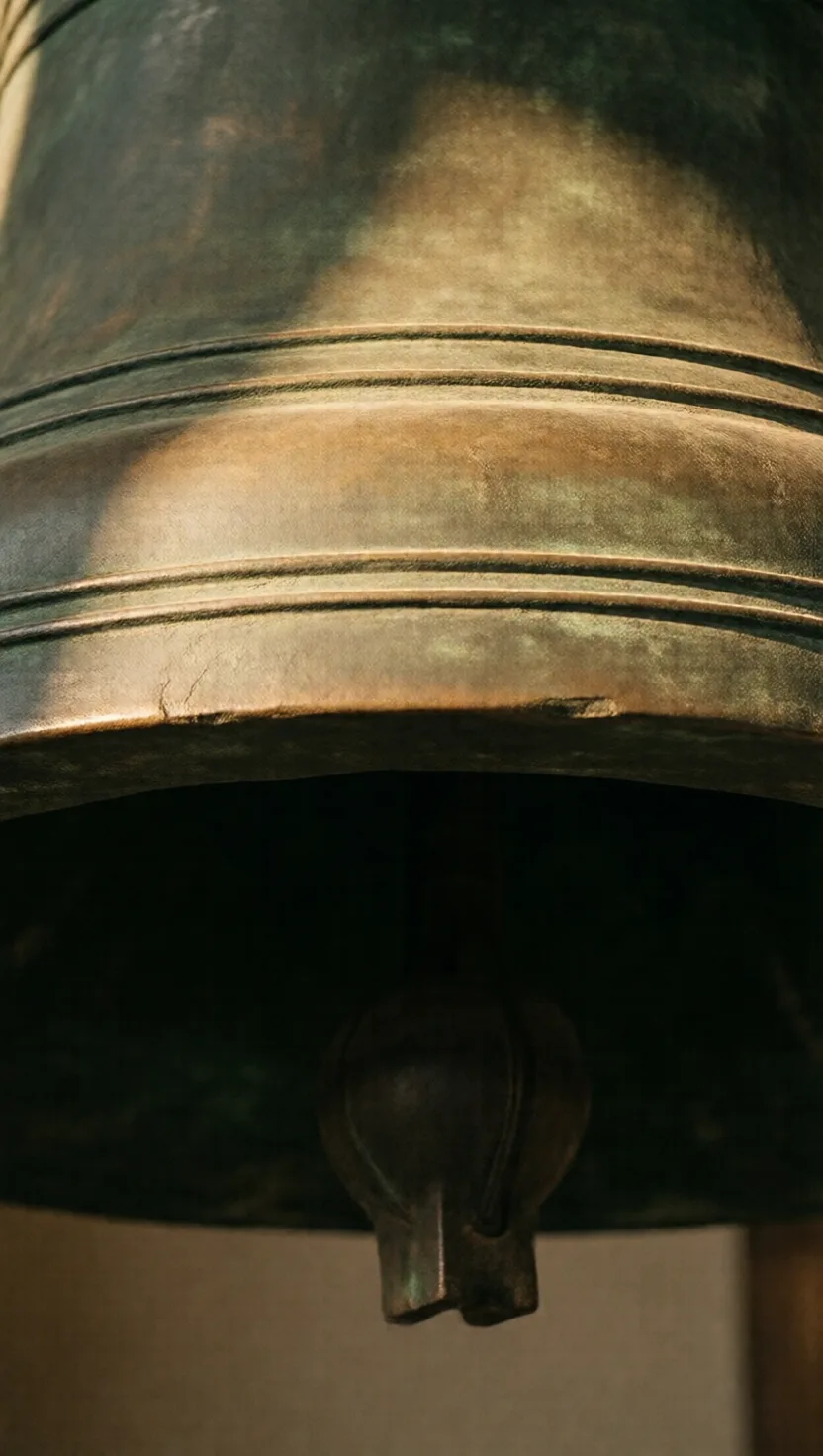
A bell isn't a uniform shell. The metal thickens toward the rim into a band called the sound bow, usually about a twelfth of the bell's width, and it is exactly there that the clapper strikes. That thick ring of bronze is what rings out the bell's main note when struck. Hit a bell higher up on its thinner shoulder and the rich, carrying tone simply isn't there.
tap →swipe ↑ for depthswipe ↓ to exit