Eight things about birds and the strange business of flight

DC·19 Deep Cuts
One bird flew 13,560 km without landing once

One bird flew 13,560 km without landing once

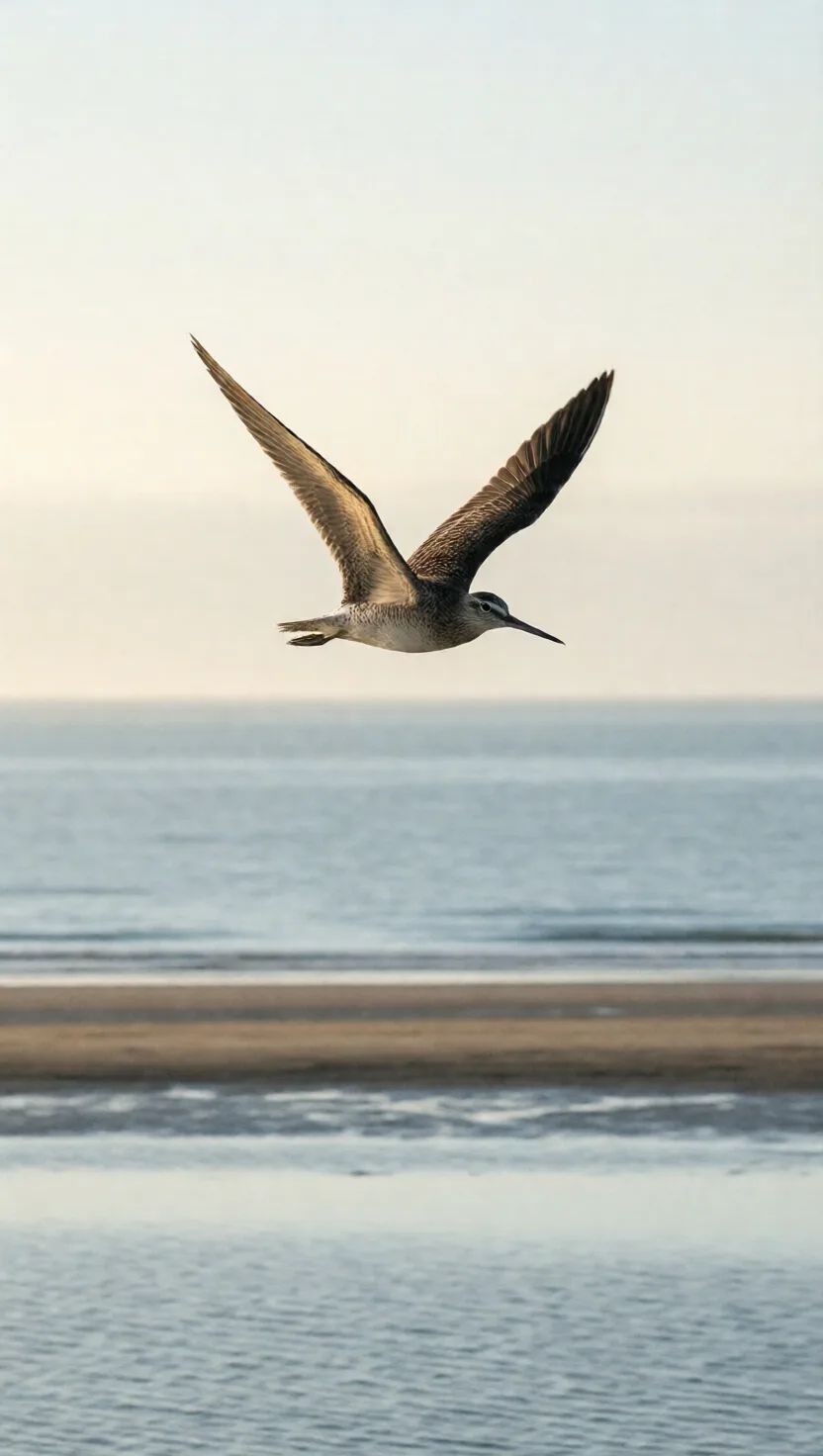
A young bar-tailed godwit tagged "234684" left Alaska and touched down in Tasmania 11 days and 1 hour later — about 13,560 km nonstop across the open Pacific, the longest flight ever recorded for any animal. To fuel it, godwits pack on enormous fat reserves and even shrink their stomach, liver and gut before takeoff, then fly the whole way without eating, drinking, or resting.
This bird stays airborne for 10 months straight

This bird stays airborne for 10 months straight

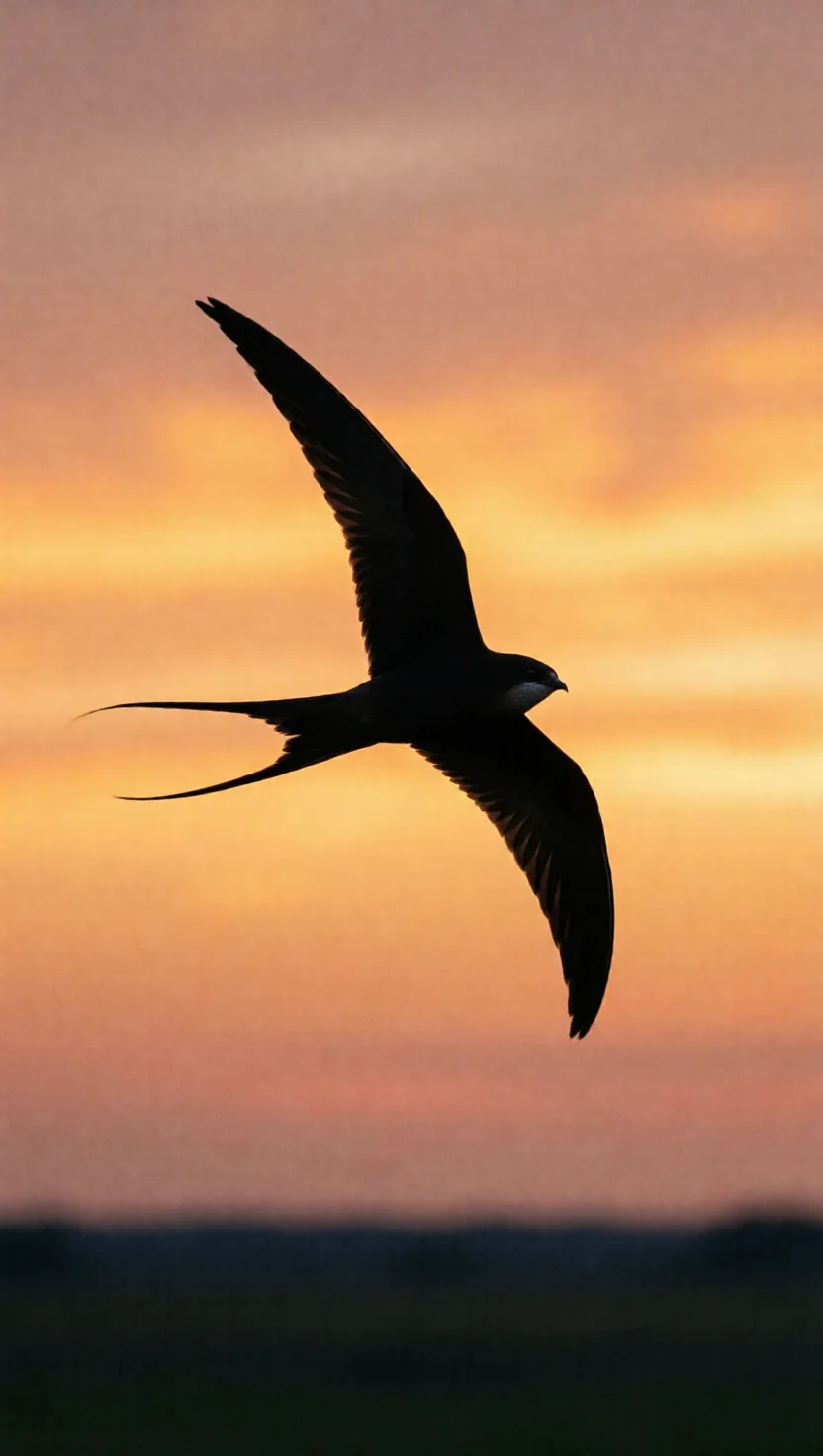
Once a young common swift takes off it may not touch the ground again for most of a year. Flight loggers tracked individuals airborne for up to ten continuous months in the non-breeding season — catching insects on the wing, drinking by skimming lakes, and snatching brief rests in high glides, never once perching. They land only to nest.
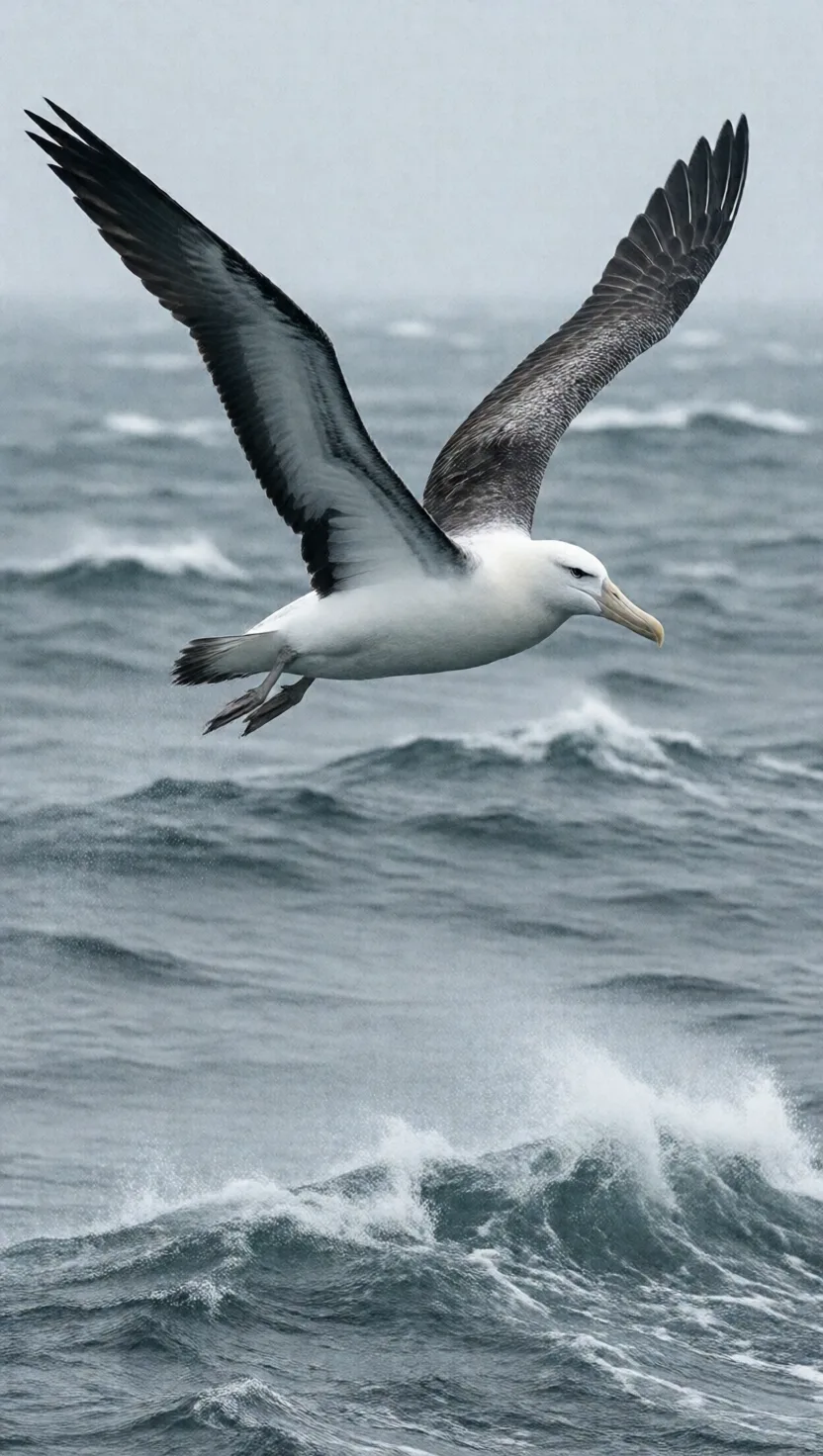
It glides for hours without flapping a wing

It glides for hours without flapping a wing

The wandering albatross has the longest wingspan of any bird — up to 3.5 m — yet barely flaps. A sheet of tendon locks the shoulder so the wing stays spread with zero muscle effort, and the bird harvests energy from the wind itself, climbing and diving through layers moving at different speeds. It draws 80–90% of its flight power from the wind and can glide hundreds of kilometres on a single set of its wings.
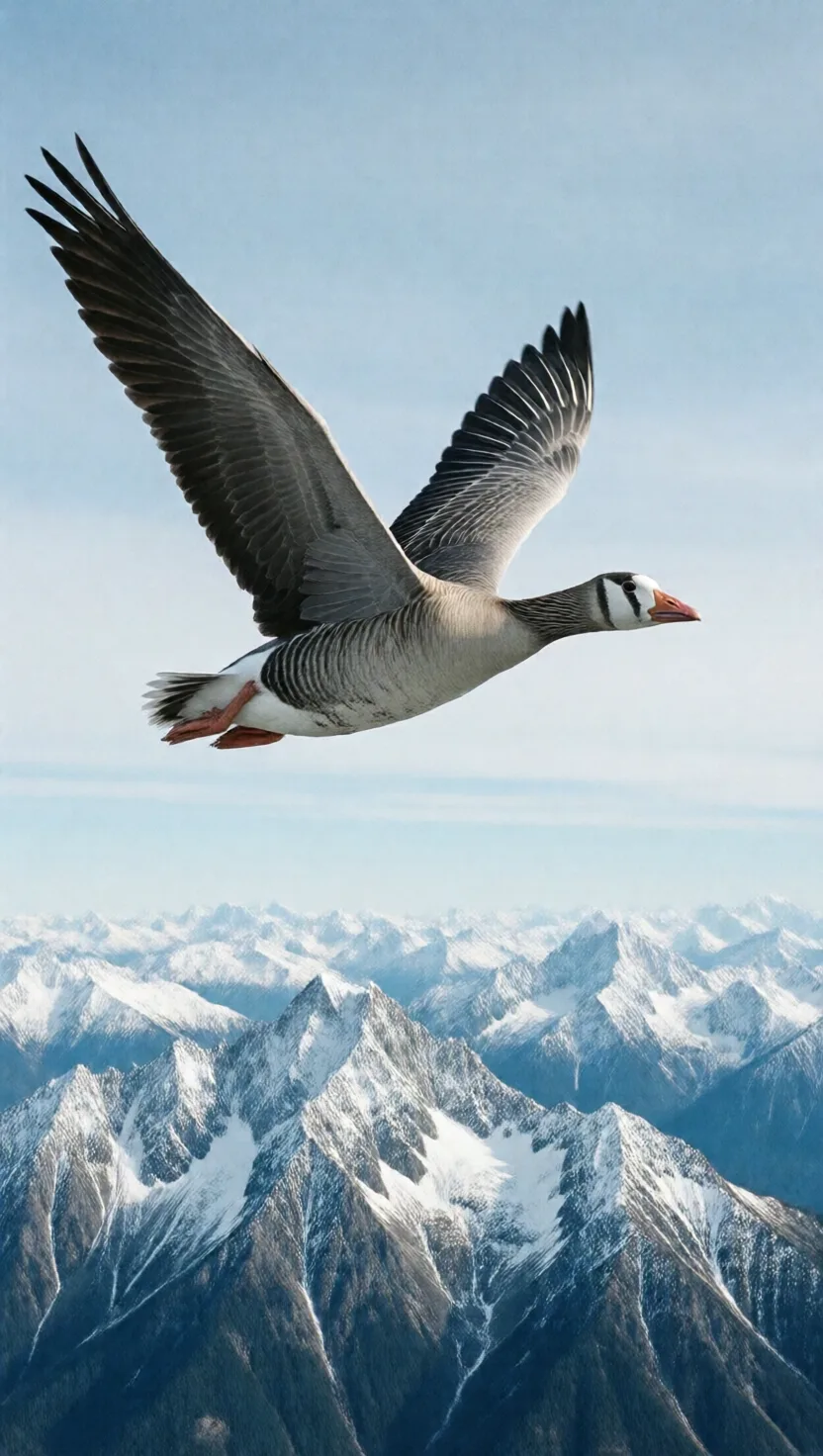
This goose flies over the Himalayas in thin air

This goose flies over the Himalayas in thin air

Twice a year bar-headed geese cross the Himalayas, tracked above 7,000 m and reported near Everest's summit, where the air holds barely a third of the oxygen at sea level. A single tweak to their hemoglobin grips oxygen far more tightly than other birds', and oversized lungs let them hyperventilate up to seven times their resting rate to keep their flight muscles fed.
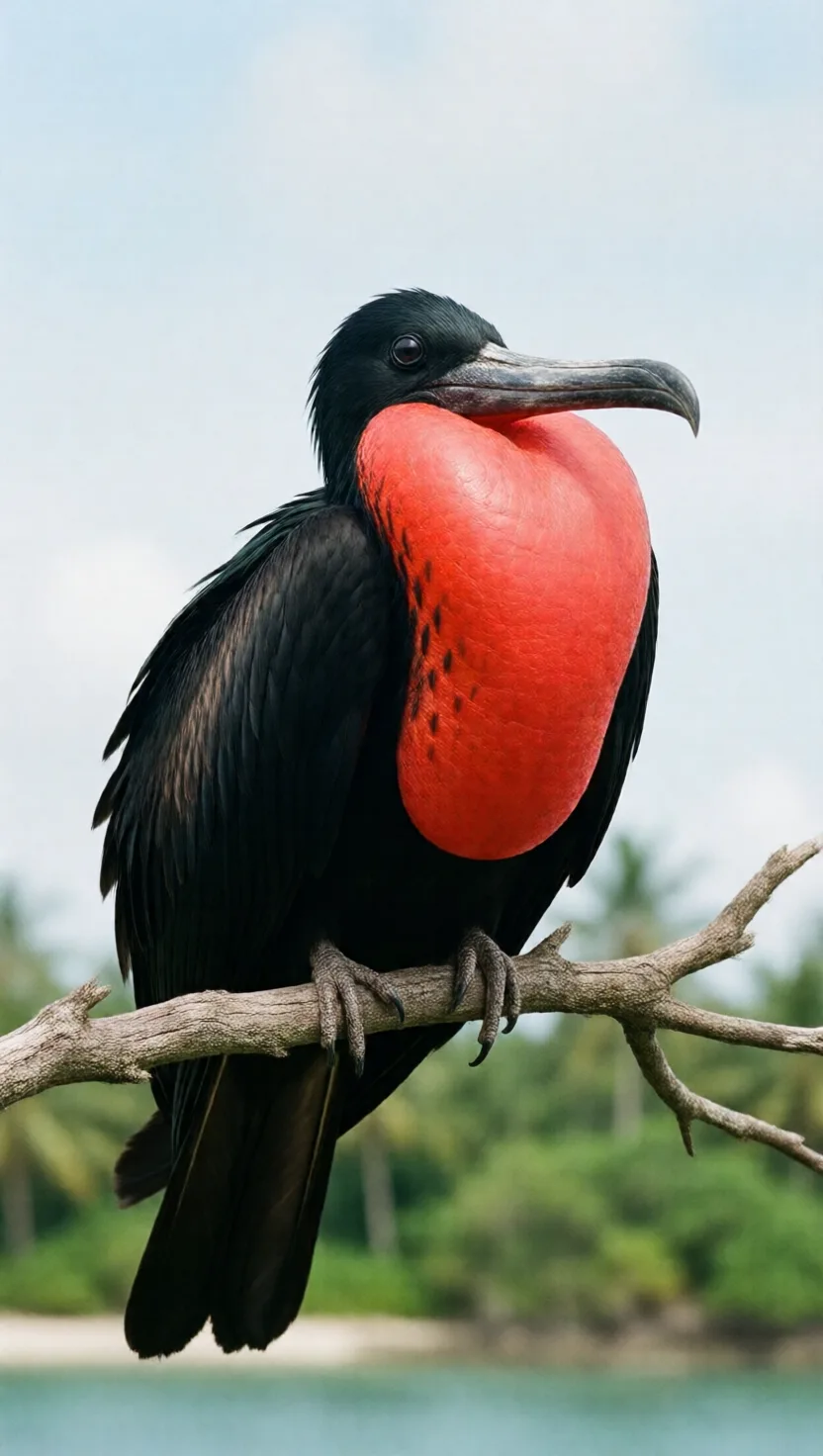
This seabird sleeps mid-air, half a brain at a time

This seabird sleeps mid-air, half a brain at a time

Great frigatebirds can stay aloft over the ocean for weeks. Brain-activity loggers revealed they actually sleep on the wing, often shutting down just one hemisphere at a time so the open eye keeps watch against collisions. In flight they steal only about 45 minutes of sleep a day in roughly ten-second bursts, then catch up with real sleep once back on land.
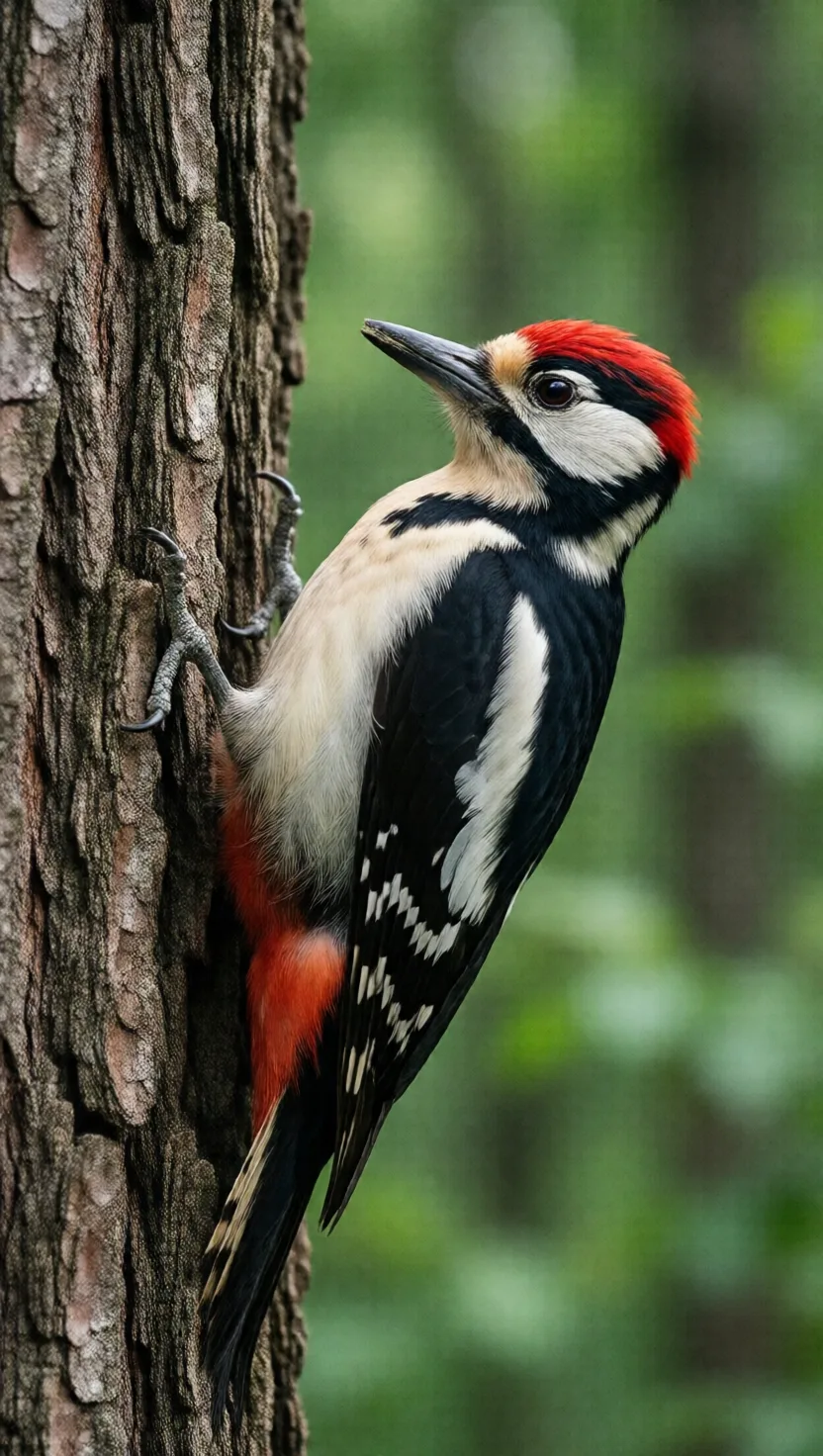
A woodpecker's tongue loops over its own skull

A woodpecker's tongue loops over its own skull

A woodpecker's tongue is anchored not in the throat but on a long elastic bone, the hyoid, that splits, curls up and over the back of the skull, and roots near the nostril or forehead. Stretched out, it can reach a third of the bird's length to spear grubs deep inside wood; coiled, it is thought to help brace the head against the shock of thousands of hammer-blows a day.
Some birds are poisonous — this is the worst

Some birds are poisonous — this is the worst

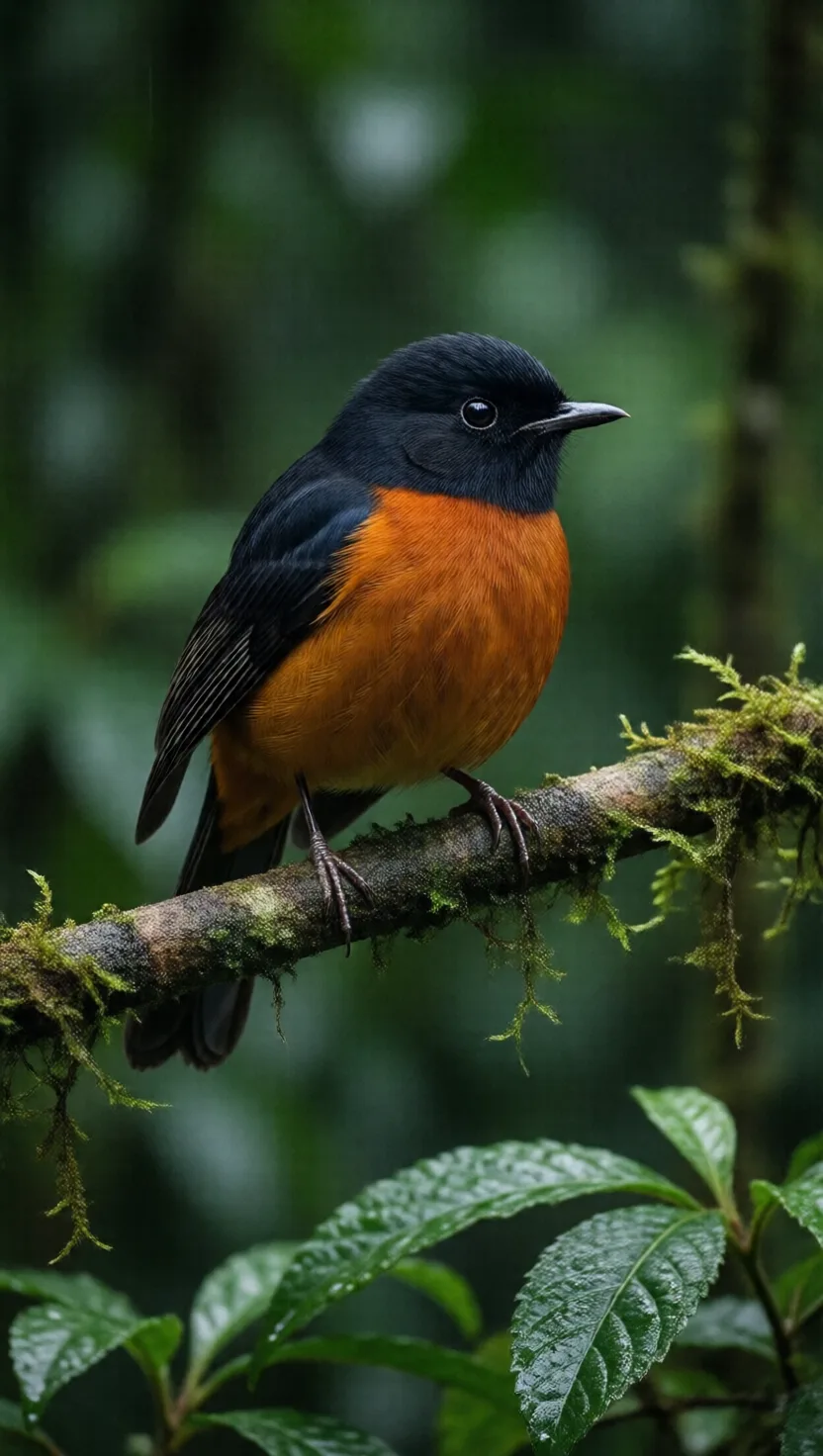
New Guinea's hooded pitohui carries batrachotoxin — the same nerve poison as dart frogs, and roughly 250 times more potent than strychnine — in its skin and feathers, densest on the breast and belly. It doesn't make the toxin; it harvests it from beetles it eats. Handling one leaves your fingers numb and tingling, and its bold orange-and-black plumage warns predators off.
This bird hides by pretending to be a dead branch

This bird hides by pretending to be a dead branch

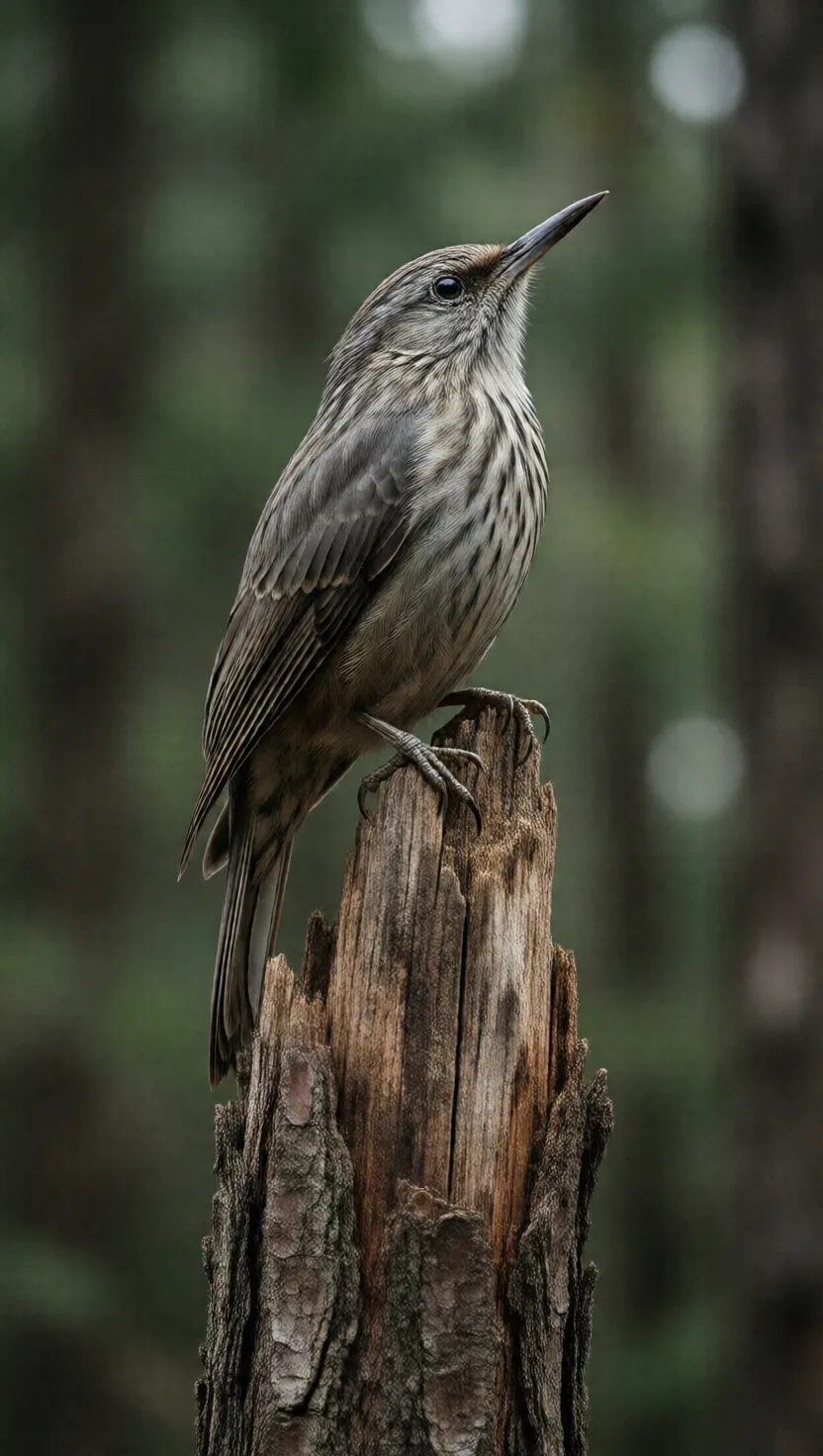
By day the great potoo of South America freezes upright on a snapped branch, stretches its body stiff, and tilts its bill skyward so its mottled grey-brown plumage merges seamlessly with dead wood. It even shuts its large eyes to slits — through fine notches in the lids it can still watch for danger — becoming so tree-like it vanishes in plain sight.
tap →swipe ↑ for depthswipe ↓ to exit