Eight things a horse's body hides in plain sight

DC·189 Deep Cuts
A horse can die because it cannot vomit

A horse can die because it cannot vomit

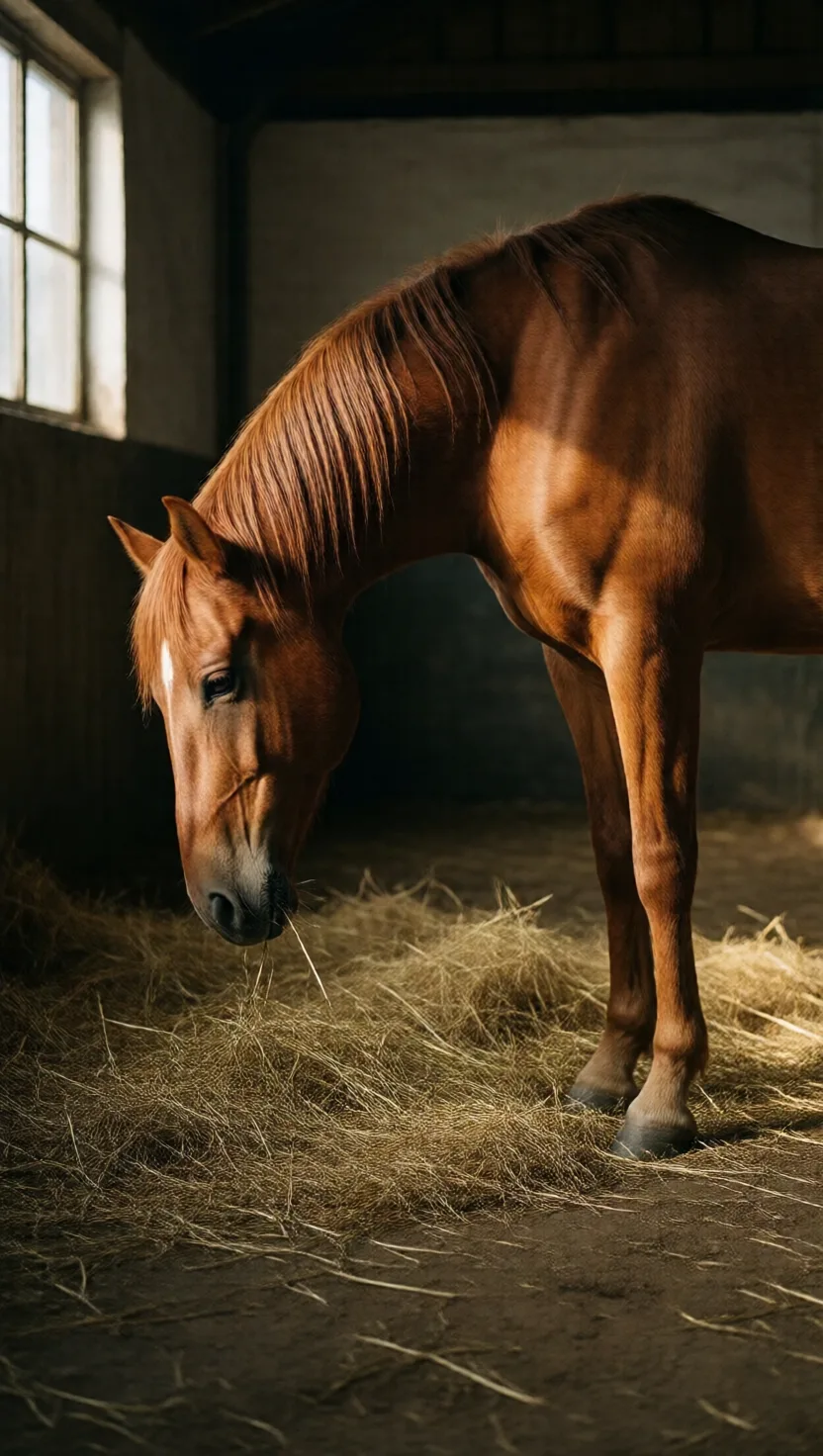
The ring of muscle where a horse's gullet meets its stomach is a one-way valve so strong it almost never reopens, and the gullet enters at such a sharp angle that a swelling stomach only clamps it shut tighter. Food goes down and cannot come back up. So when gas or a blockage builds during a bout of colic, the stomach can stretch until it ruptures rather than empty itself, which is why colic is one of the most feared conditions in the stable.
A galloping horse runs on one fingertip

A galloping horse runs on one fingertip

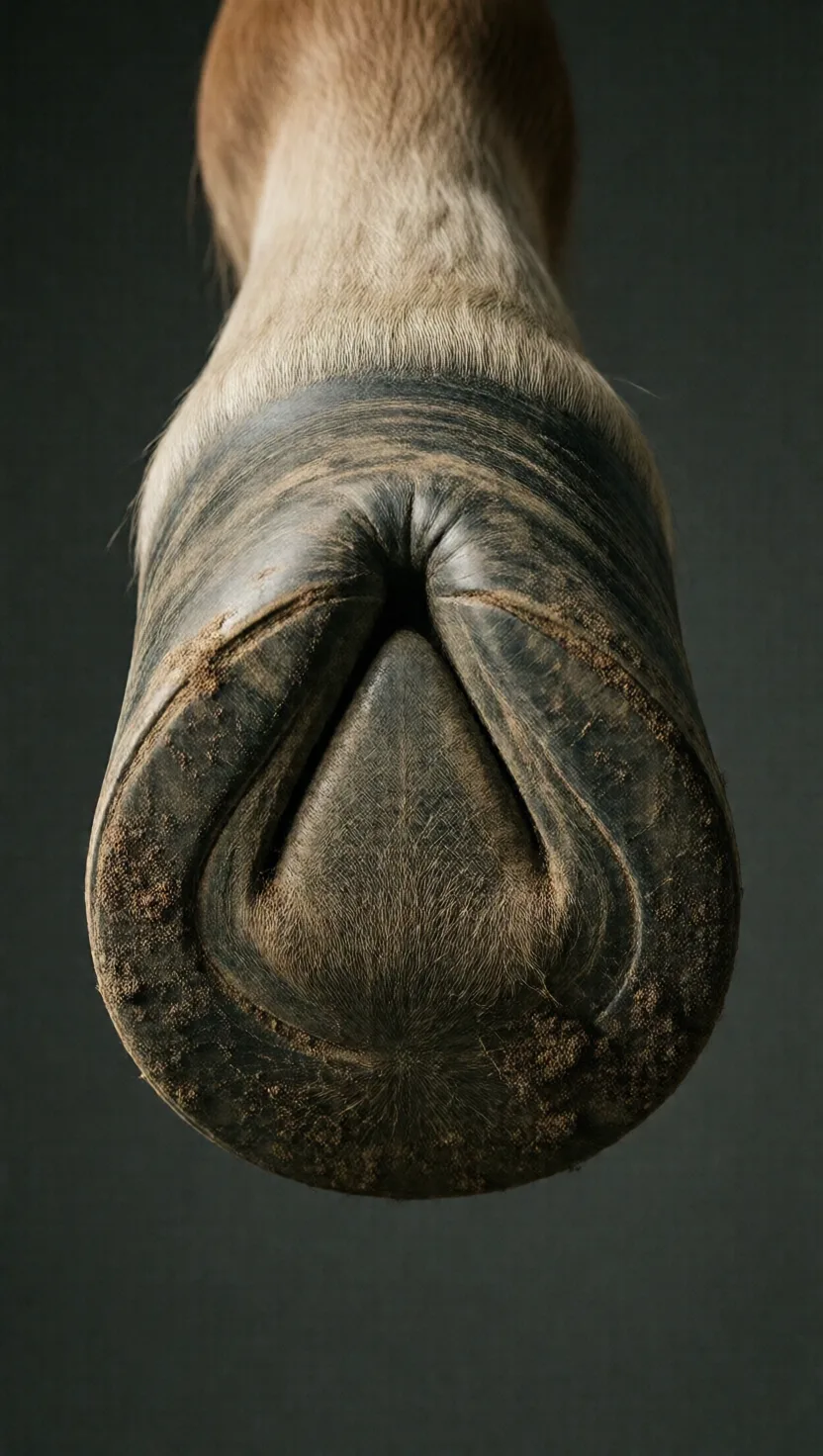
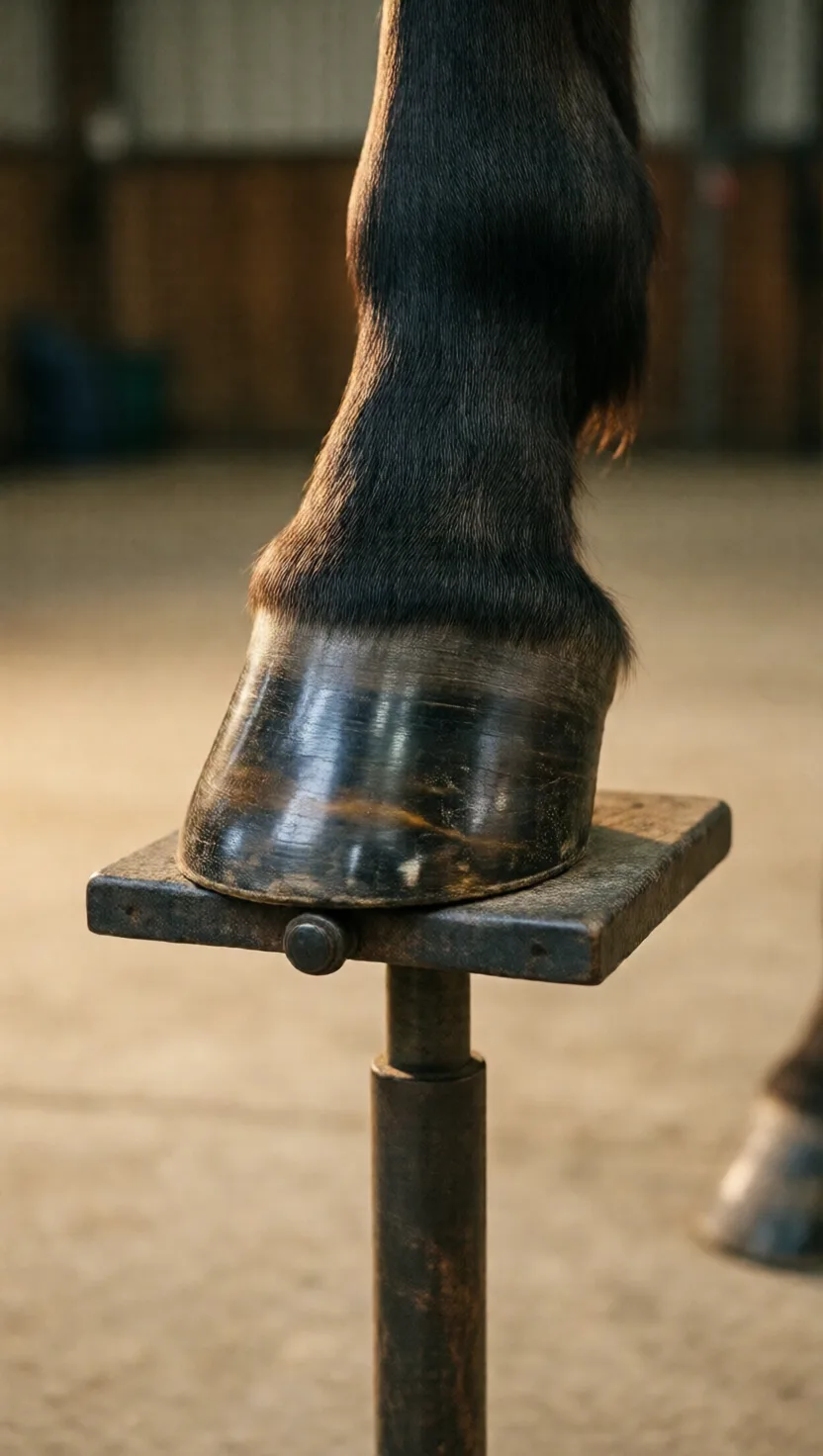
A horse's leg ends in a single toe. Over millions of years the other digits dwindled away, leaving only the middle one, and the hoof is its overgrown, hardened nail. The small splint bones flanking the cannon are the leftover stubs of the lost toes. So a half-tonne animal at full gallop lands its entire weight, again and again, on the tip of what amounts to one enormous finger.
Every hoofbeat pumps blood back up the leg

Every hoofbeat pumps blood back up the leg

There are no muscles in a horse's lower leg to push blood back toward the heart, so the hoof does the work itself. On the underside sits a soft V-shaped pad called the frog. Each time the foot takes the animal's weight, the frog and the cushion above it are squeezed, forcing blood up the veins against gravity. A standing horse slowly starves its own feet of circulation, which is why steady movement keeps a horse sound.
No land mammal has bigger eyes than a horse

No land mammal has bigger eyes than a horse

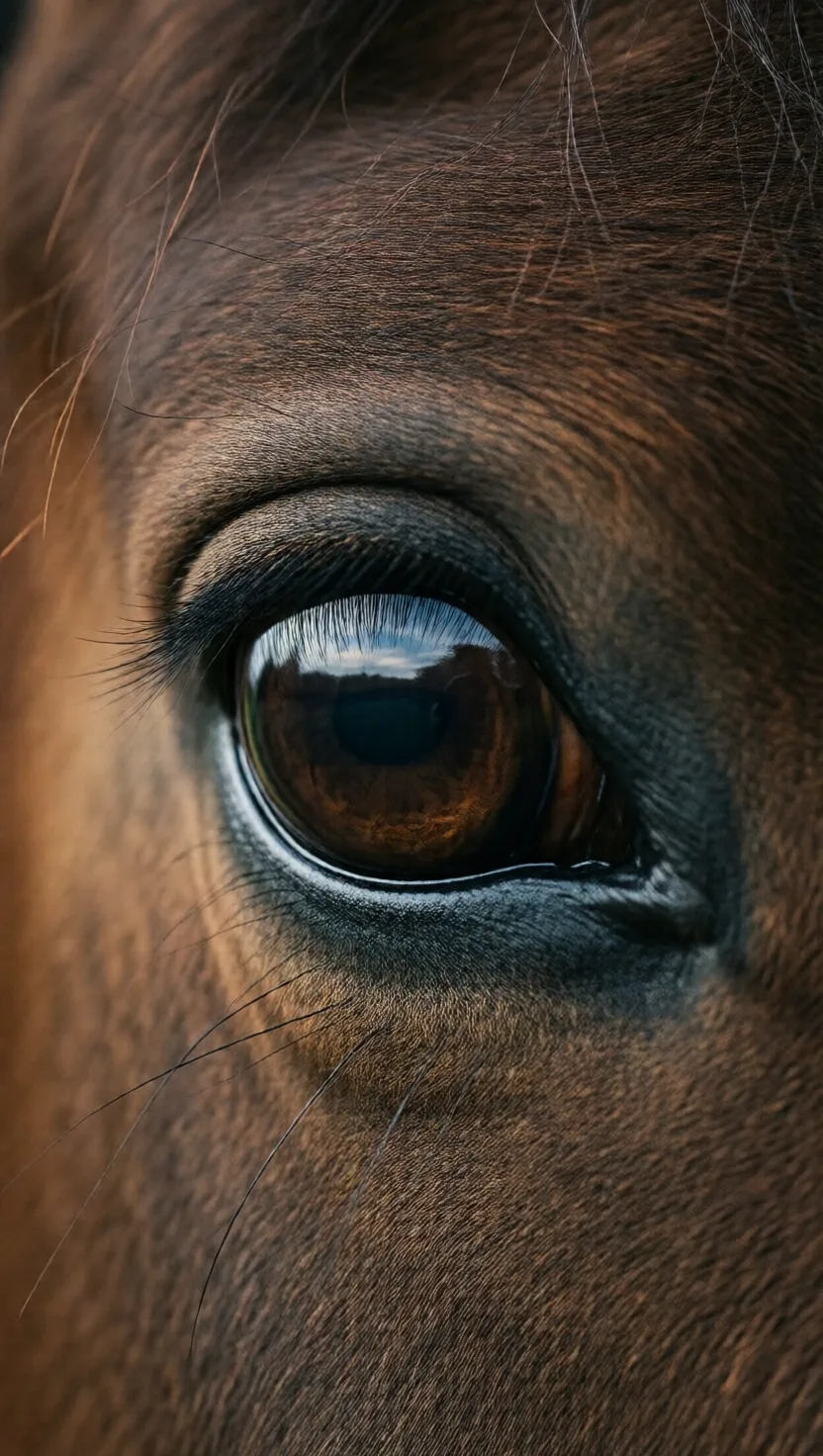
A horse's eye measures about 34 millimetres across, larger than that of any other land mammal, bigger even than an elephant's and roughly twice the width of our own. Mounted high on the sides of a long skull, those big eyes hand a grazing animal a nearly panoramic view, the better to catch a predator's movement while its head is down in the grass.
A horse can't see what's right in front of its nose

A horse can't see what's right in front of its nose

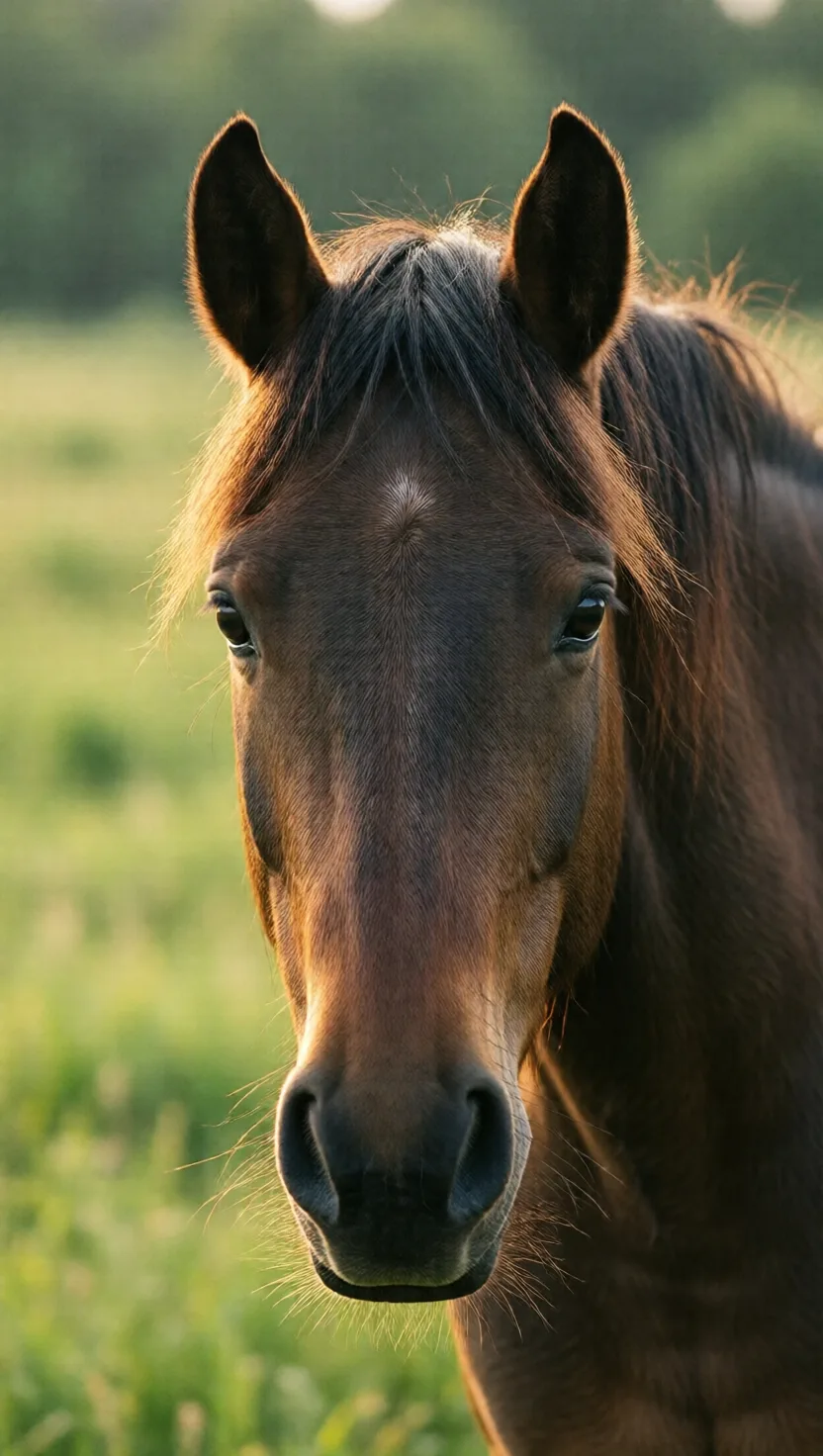
With an eye on each side of its head, a horse sees almost all the way around itself, close to a 350-degree field. But that near-total view comes with two surprising gaps: it cannot see directly behind its hindquarters, and it cannot see the spot right in front of its own face. To look straight at something a horse must turn its head, and a treat held to its lips is found by whisker and smell, not sight.
A horse sweats its own soap

A horse sweats its own soap

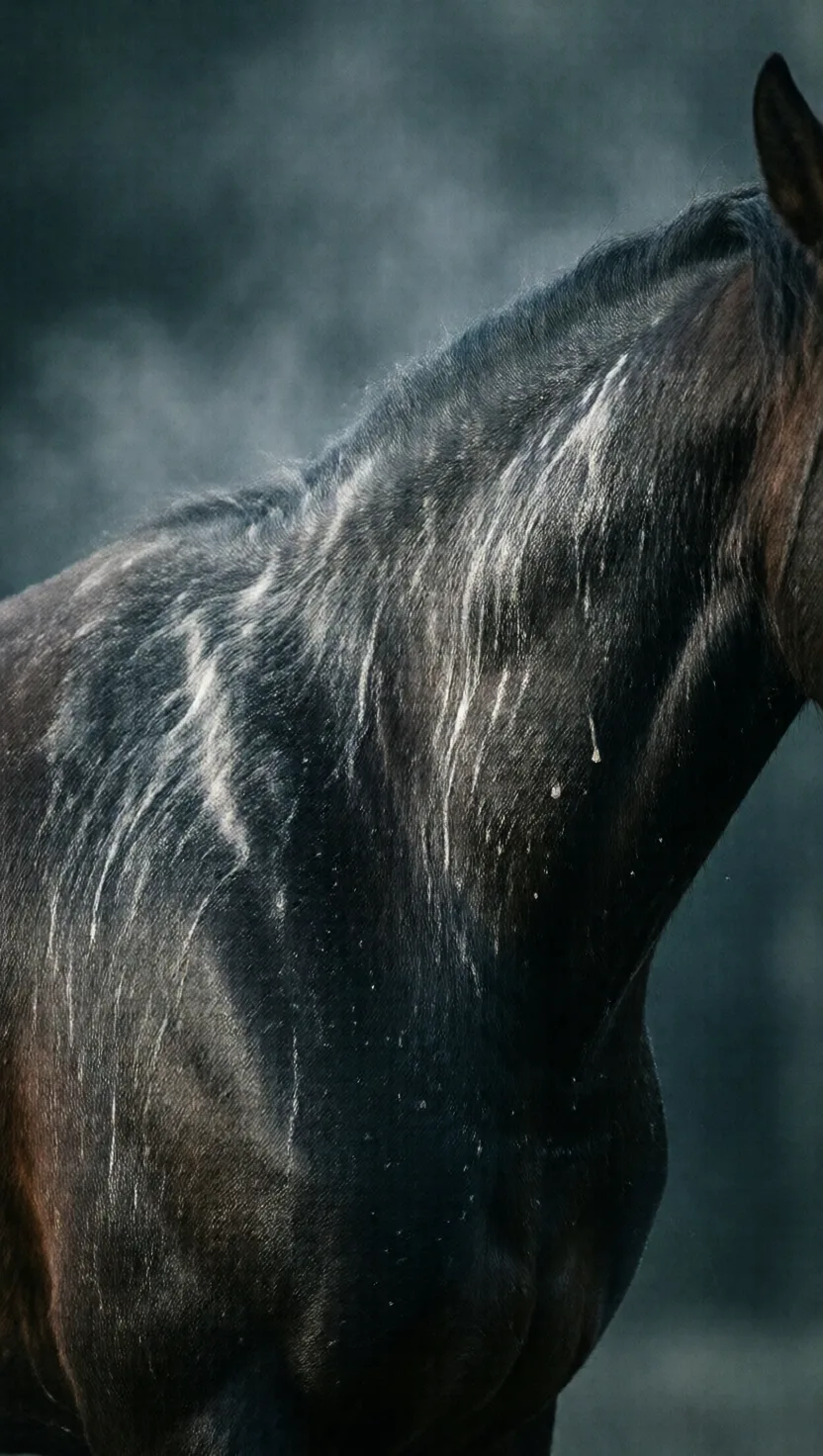
Horses are among the very few animals that sweat a protein. The protein, found in their sweat and saliva, acts as a natural detergent: it cuts the surface tension of water so it can spread through a thick, water-repellent coat and reach the air to evaporate. The foam worked up on a hard-ridden horse, especially where the reins and tack rub, is that protein lathering, a built-in wetting agent that keeps a galloping animal from overheating.
Why an old horse is 'long in the tooth'

Why an old horse is 'long in the tooth'

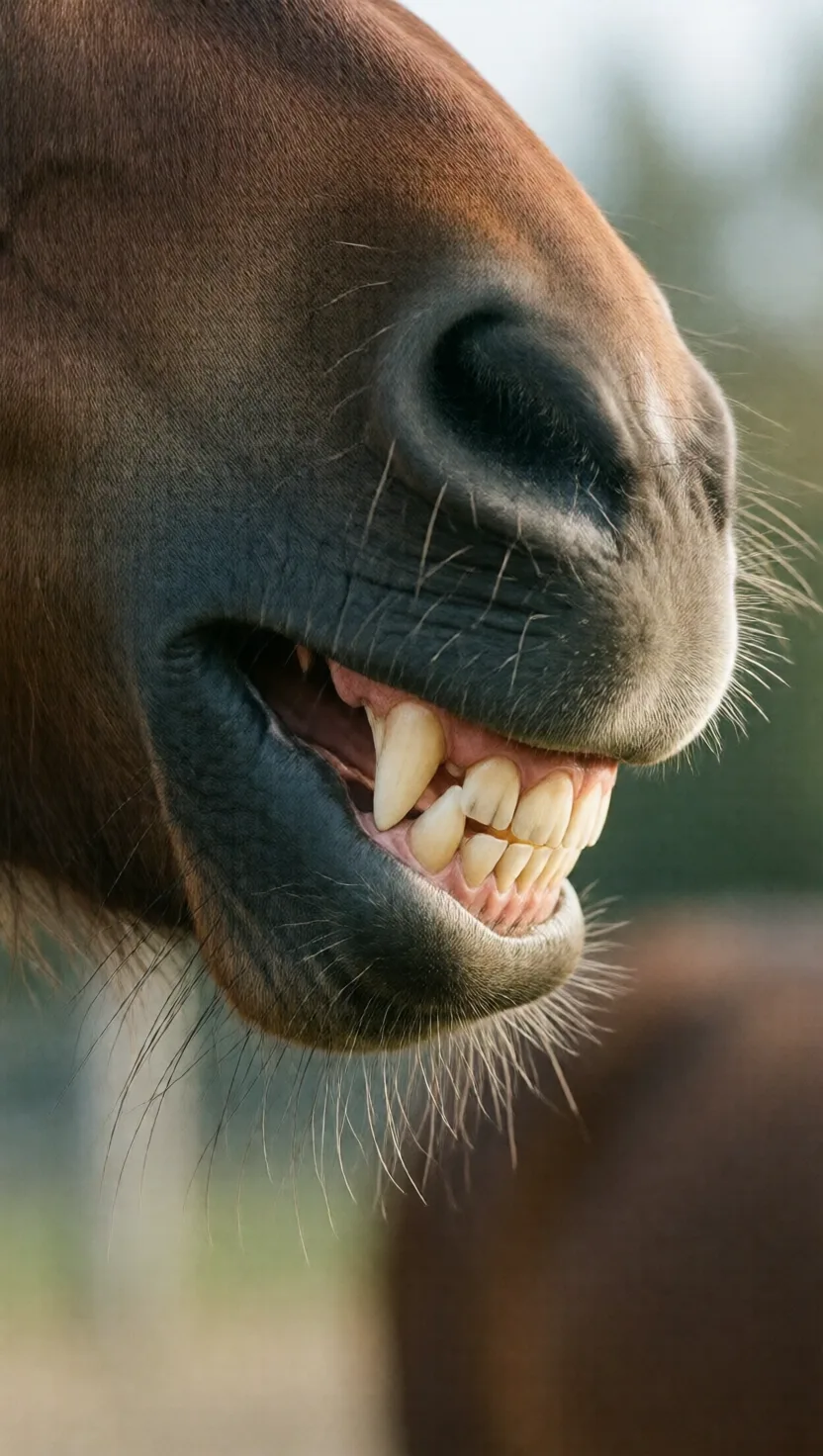
A horse's teeth keep erupting for most of its life, slowly pushing up to replace the surface ground away by years of chewing tough grass. As the animal ages, more of each tooth stands clear of the gum and the front teeth jut further forward, so an old horse really does grow longer in the tooth. Horse traders read those teeth to guess an animal's age, and the phrase escaped the stable into everyday speech.
The only horse that was never tamed

The only horse that was never tamed

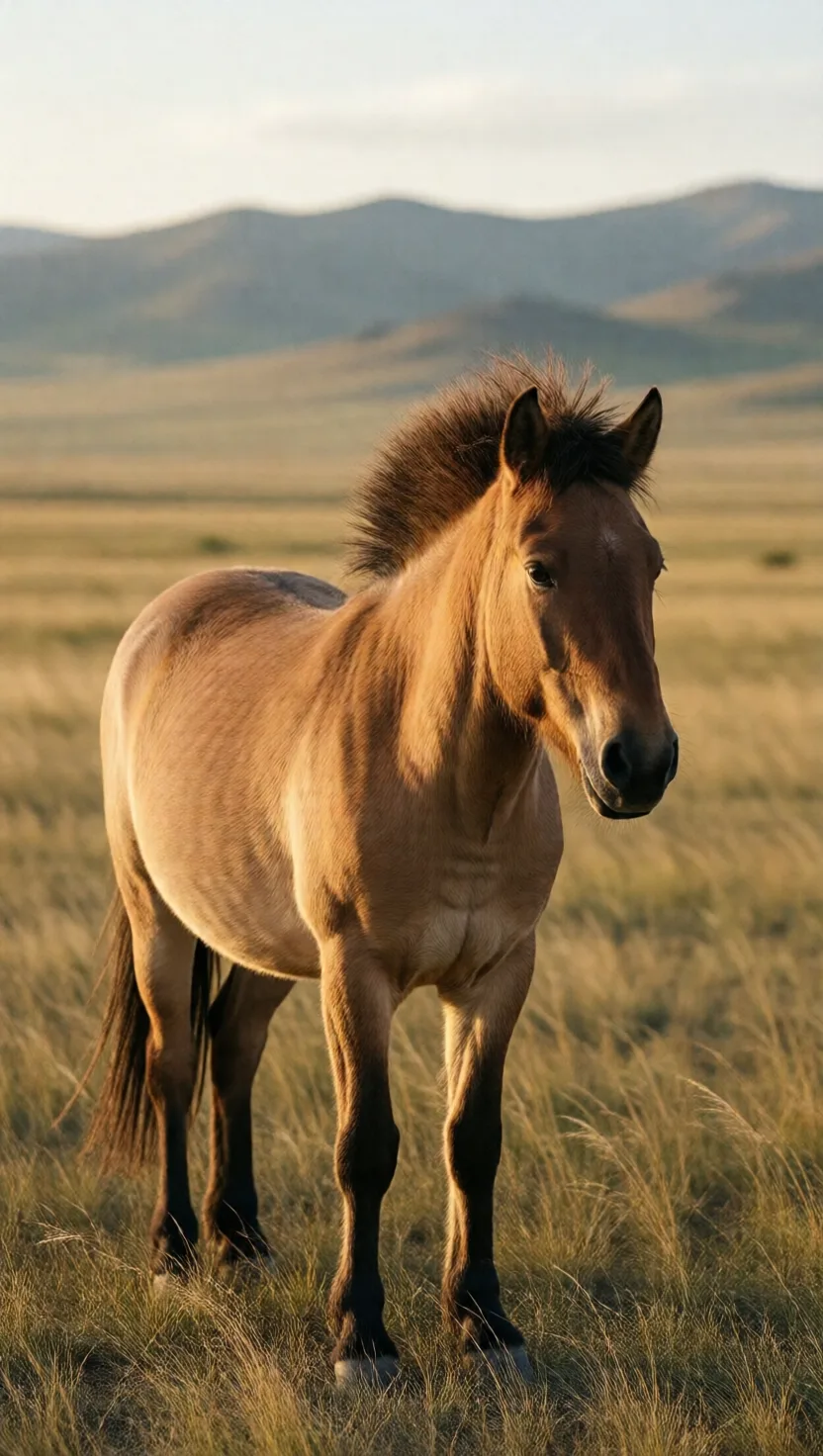
Almost every wild horse, the mustang, the brumby, is really a feral descendant of tame stock. One stocky, dun-coloured horse of the Mongolian steppe is different: it was never bred by people, and it carries 66 chromosomes where the domestic horse has 64. Once extinct in the wild, it survived only in zoos before being returned to the grasslands, the last truly wild horse left on Earth.
tap →swipe ↑ for depthswipe ↓ to exit