Eight things you never knew about umbrellas

DC·188 Deep Cuts
Umbrellas were invented for sun, not rain

Umbrellas were invented for sun, not rain

The word umbrella comes from the Latin umbra, meaning shade, and parasol literally means for the sun. For most of their history these were sunshades, prized in hot climates to keep noble skin pale and cool. Only in rainy northern Europe did the device get reimagined as rain gear, and the two words finally split: a parasol to block the sun, an umbrella to keep off the downpour.
The folding umbrella is about 2,000 years old

The folding umbrella is about 2,000 years old

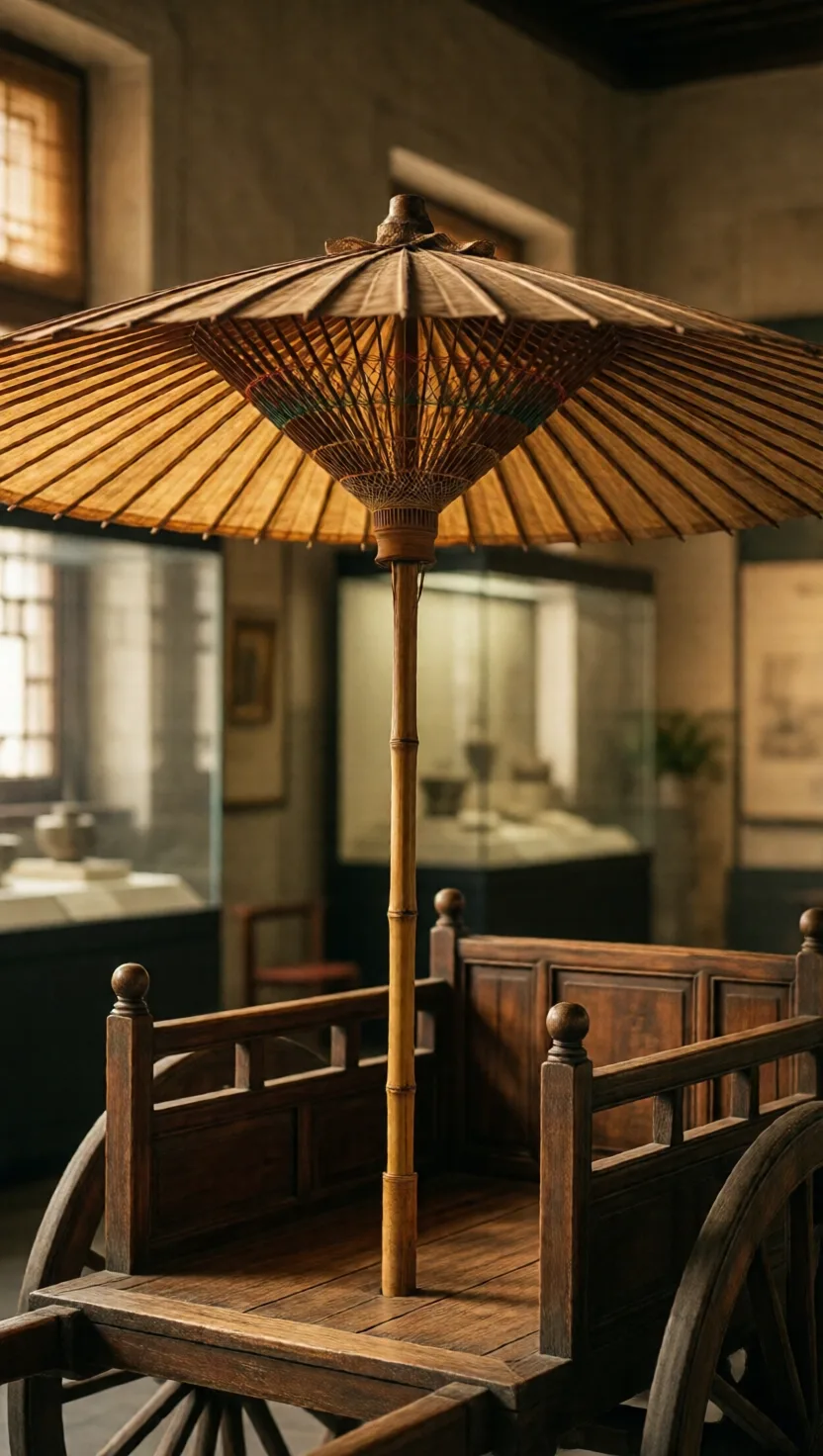
The collapsible umbrella is no modern convenience. A Chinese history records that around the year 21 AD a ruler had a folding umbrella built for his ceremonial carriage, with bendable joints in the frame so it could be extended or drawn in. The mechanism was guarded as a clever secret, and a first-century folding umbrella has since been recovered intact from an ancient tomb.
London's first umbrella man was pelted

London's first umbrella man was pelted

When an English traveller began carrying an umbrella through rainy London streets in the 1750s, crowds jeered and stared, since a man with an umbrella was seen as soft, foreign and unmanly. Carriage drivers, who earned their living when people paid for a dry ride, threw rubbish at him. He carried it anyway for some thirty years, and for a while a gentleman's umbrella was nicknamed after him.
Modern umbrella ribs began as corset steel

Modern umbrella ribs began as corset steel

Early umbrellas were heavy and stiff, framed with whalebone or cane and prone to snapping. In 1852 an English steelmaker devised a light, springy U-shaped steel rib, reportedly using leftover steel stays originally made for corsets, and it transformed the umbrella into the slim, strong object we know. That ribbed steel frame remained the standard design for well over a century.
Paper umbrellas were waterproofed with tree oil

Paper umbrellas were waterproofed with tree oil

For two thousand years craftsmen in China made umbrellas from mulberry paper stretched over a split-bamboo frame, then brushed them with cooked oil pressed from the seeds of the tung tree. The oil soaked in, dried to a glossy skin and turned fragile paper into a water-shedding canopy. A single umbrella could pass through more than seventy separate handmade steps before it was finished.
In ancient Greece, a man with a parasol was mocked

In ancient Greece, a man with a parasol was mocked

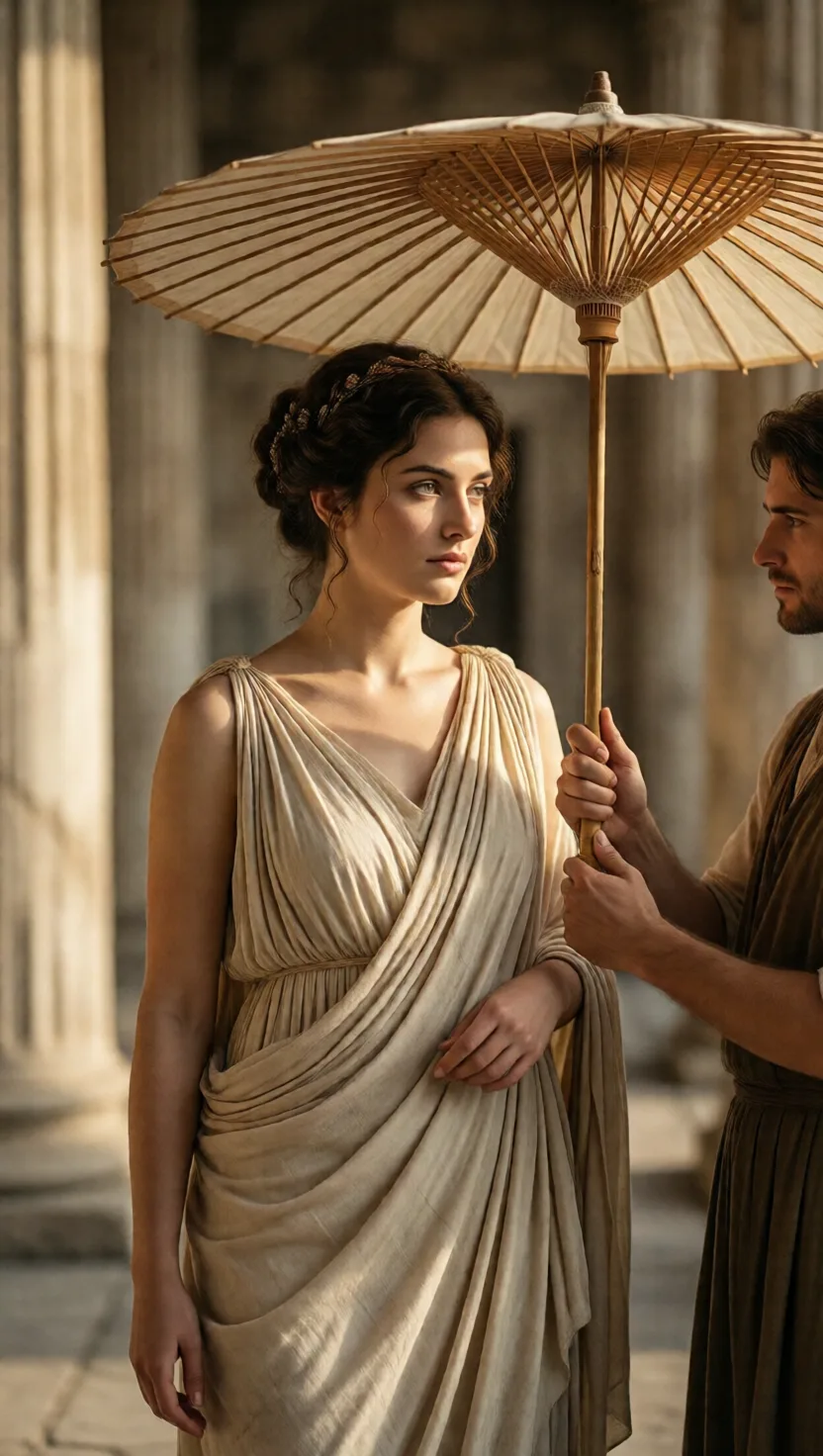
In ancient Greece and Rome the parasol was strictly a woman's accessory, often held aloft by a servant over a high-ranking lady as a mark of status. For a man to carry one was taken as a sign of softness or effeminacy. The sunshade was as much about advertising rank and gender as about blocking the harsh Mediterranean sun.
A king's umbrella had nine tiers, by law

A king's umbrella had nine tiers, by law

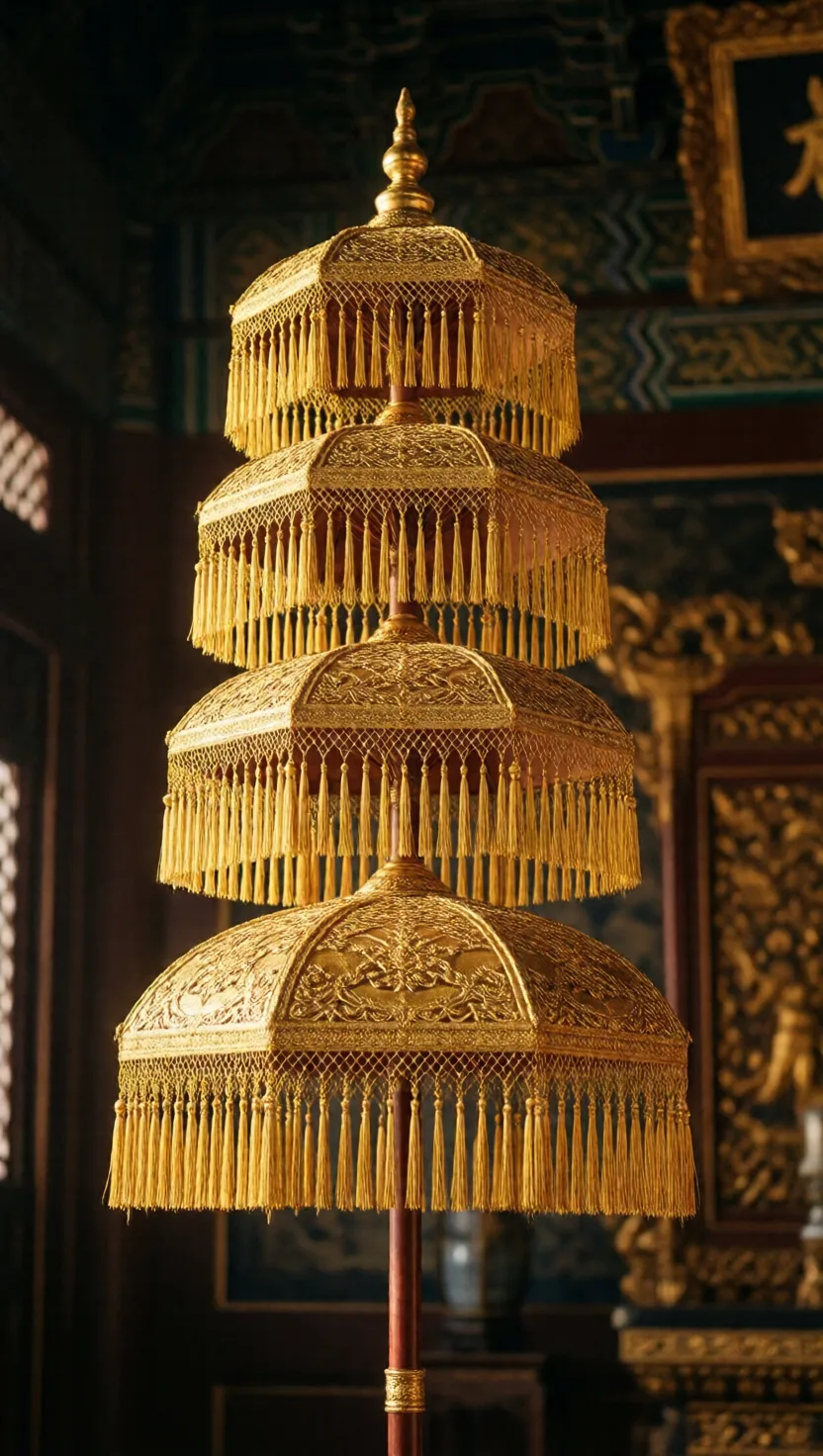
Across South and Southeast Asia the umbrella became a symbol of sovereignty and the sacred, raised above kings and statues of holy figures. The number of stacked tiers was strictly regulated by rank: in one royal tradition five tiers marked a prince, seven a crown prince, and nine were reserved for the fully crowned king alone. The tiered parasol still ranks among the most sacred objects of state.
The pocket umbrella was born of a war injury

The pocket umbrella was born of a war injury

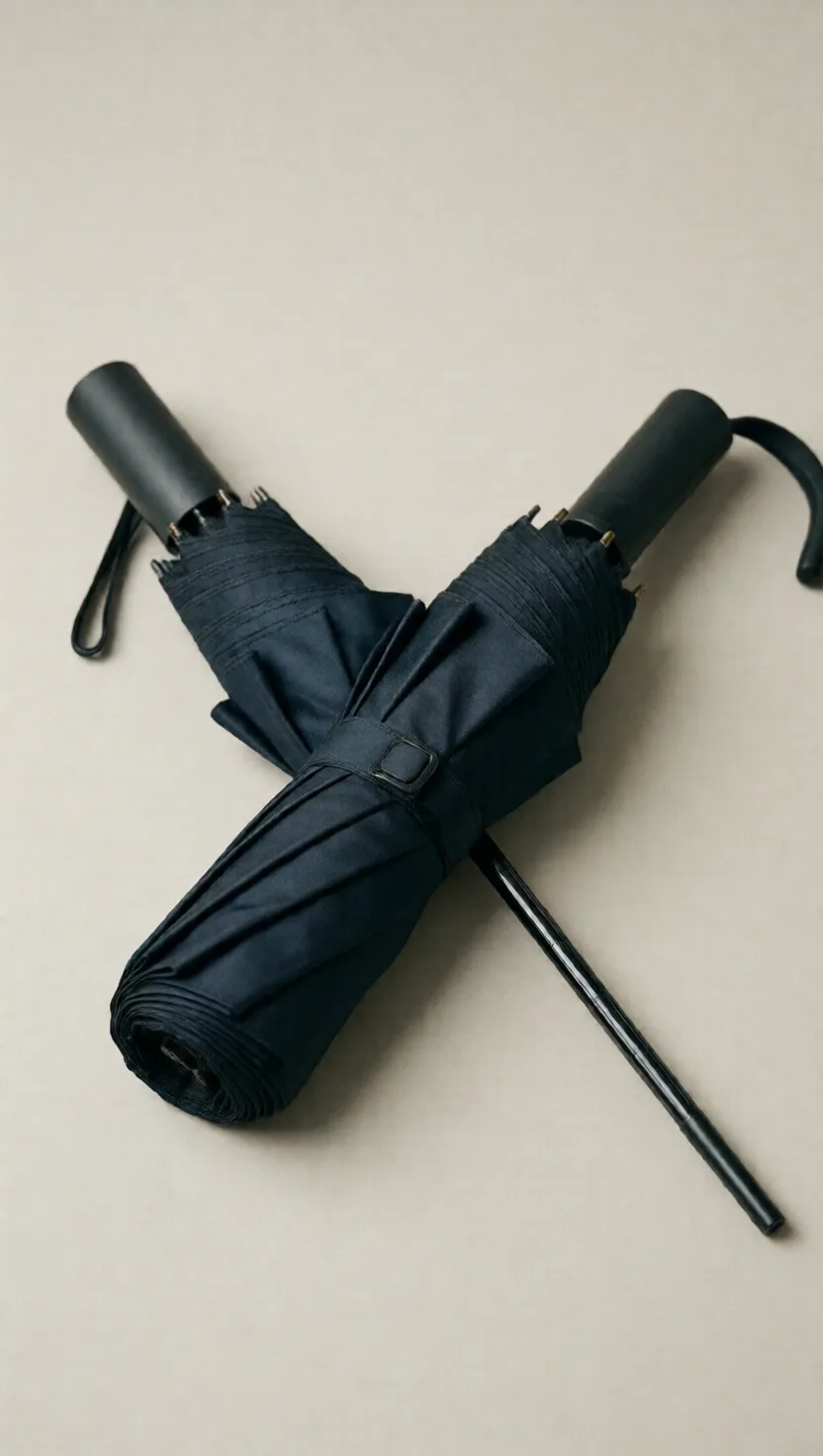
The compact folding umbrella that tucks into a bag is barely a century old. In 1928 a German inventor, left unable to manage both a walking cane and a full-length umbrella after a war wound, designed a telescoping frame that collapsed down small enough to slip into a pocket. He named it after the German word for a tiny child, and the little folding umbrella quickly spread around the world.
tap →swipe ↑ for depthswipe ↓ to exit