Eight things you never knew about bears

DC·187 Deep Cuts
A denning bear doesn't pee for half a year

A denning bear doesn't pee for half a year

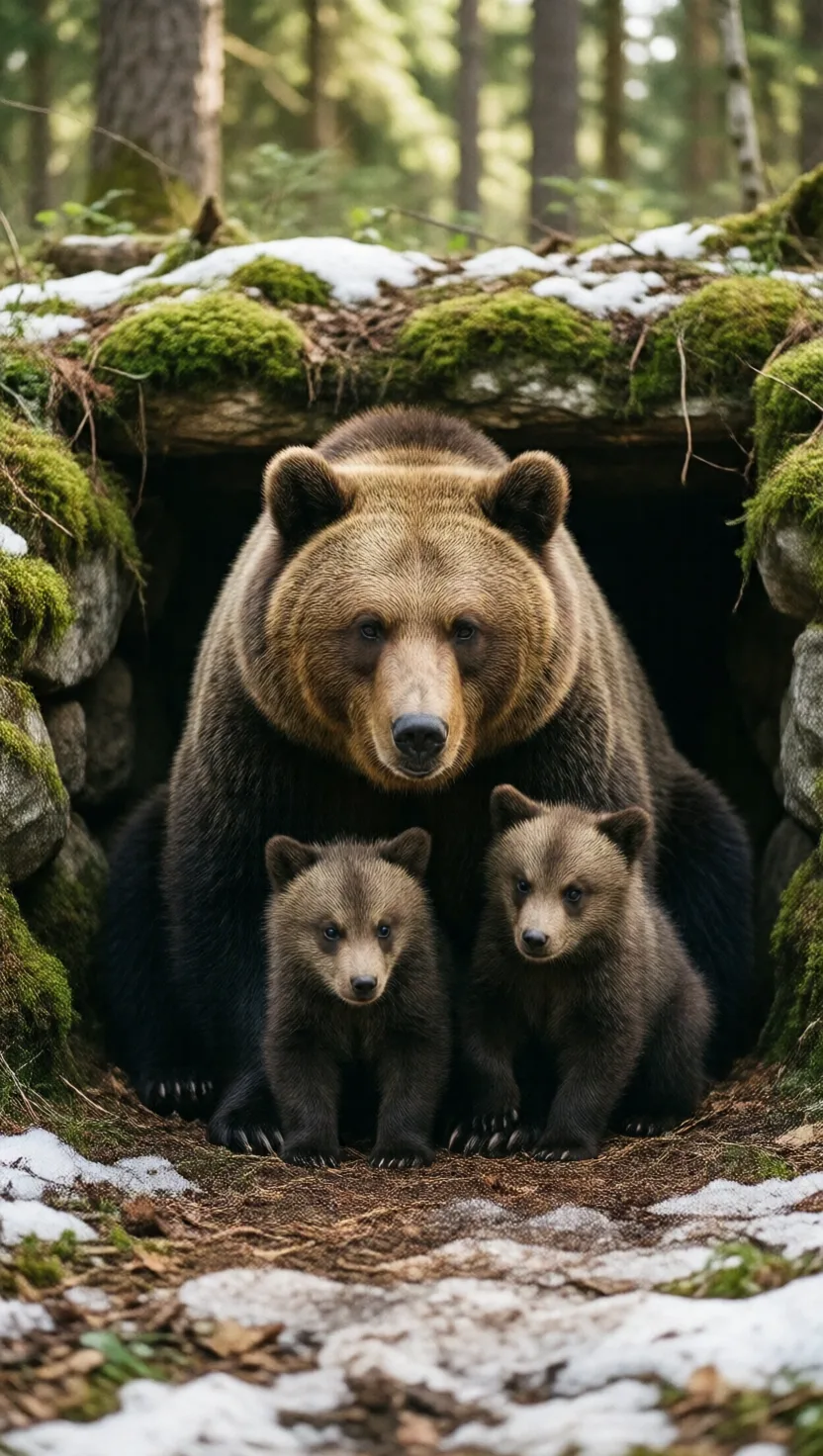
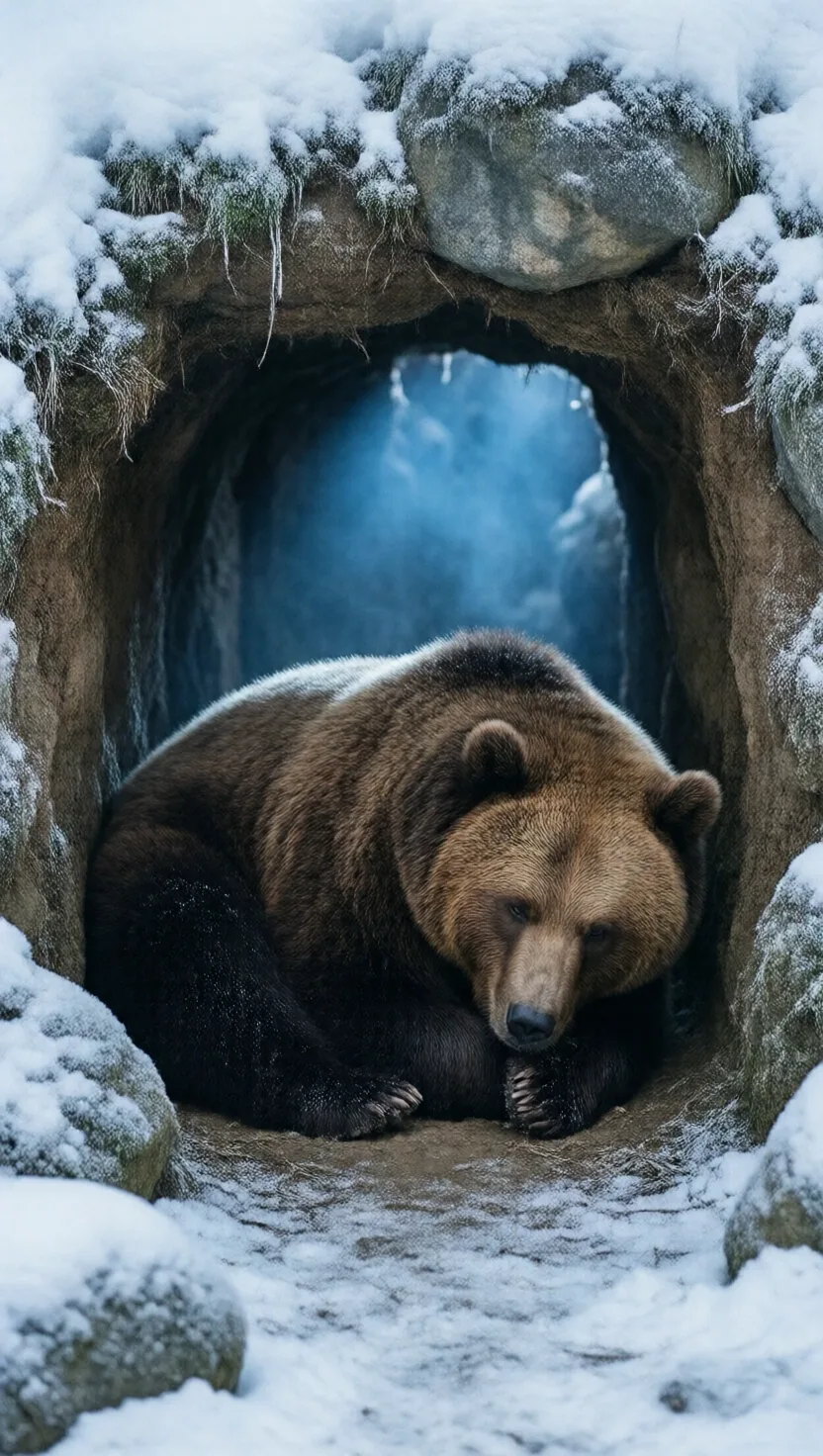
Through the long winter den-up, four to seven months, a bear neither eats, drinks, urinates nor defecates. Rather than poison itself with the urea that would normally build up, it recycles the waste: gut microbes break the urea down and the freed nitrogen is rebuilt into fresh protein. That trick lets the bear emerge in spring with much of its muscle intact, something a bedridden human body simply cannot do.
Months lying still, yet their bones stay strong

Months lying still, yet their bones stay strong

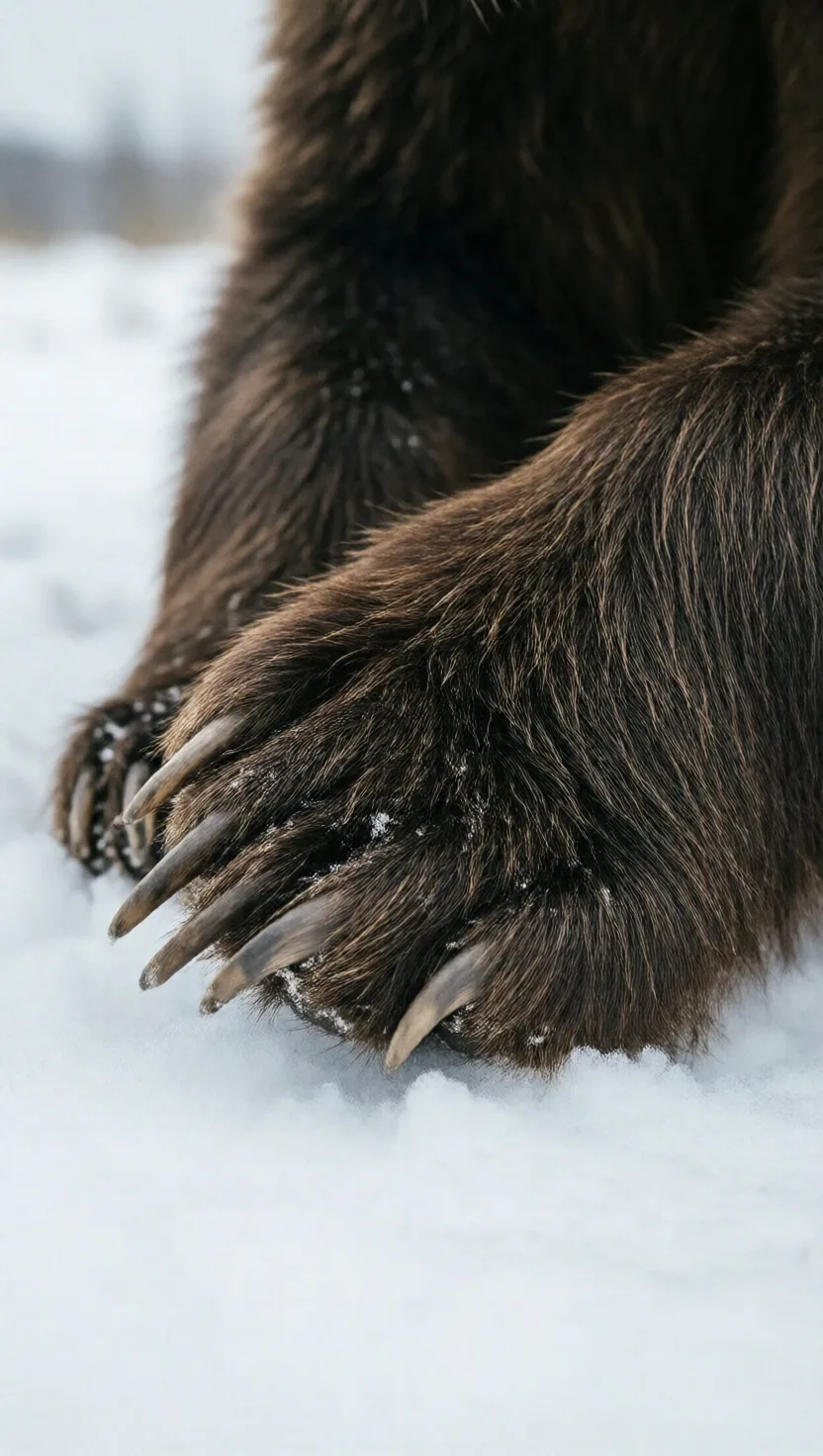
When a person is bedridden for months, their bones thin and weaken. A hibernating bear, motionless in its den for up to half a year, somehow loses no bone at all. It dials down the constant breakdown-and-rebuild of bone tissue, keeping its mineral balance steady while it fasts. Researchers studying the mechanism hope it could one day point toward treatments for human osteoporosis and the bone loss astronauts suffer in space.
Polar bears aren't white, and their skin is black

Polar bears aren't white, and their skin is black

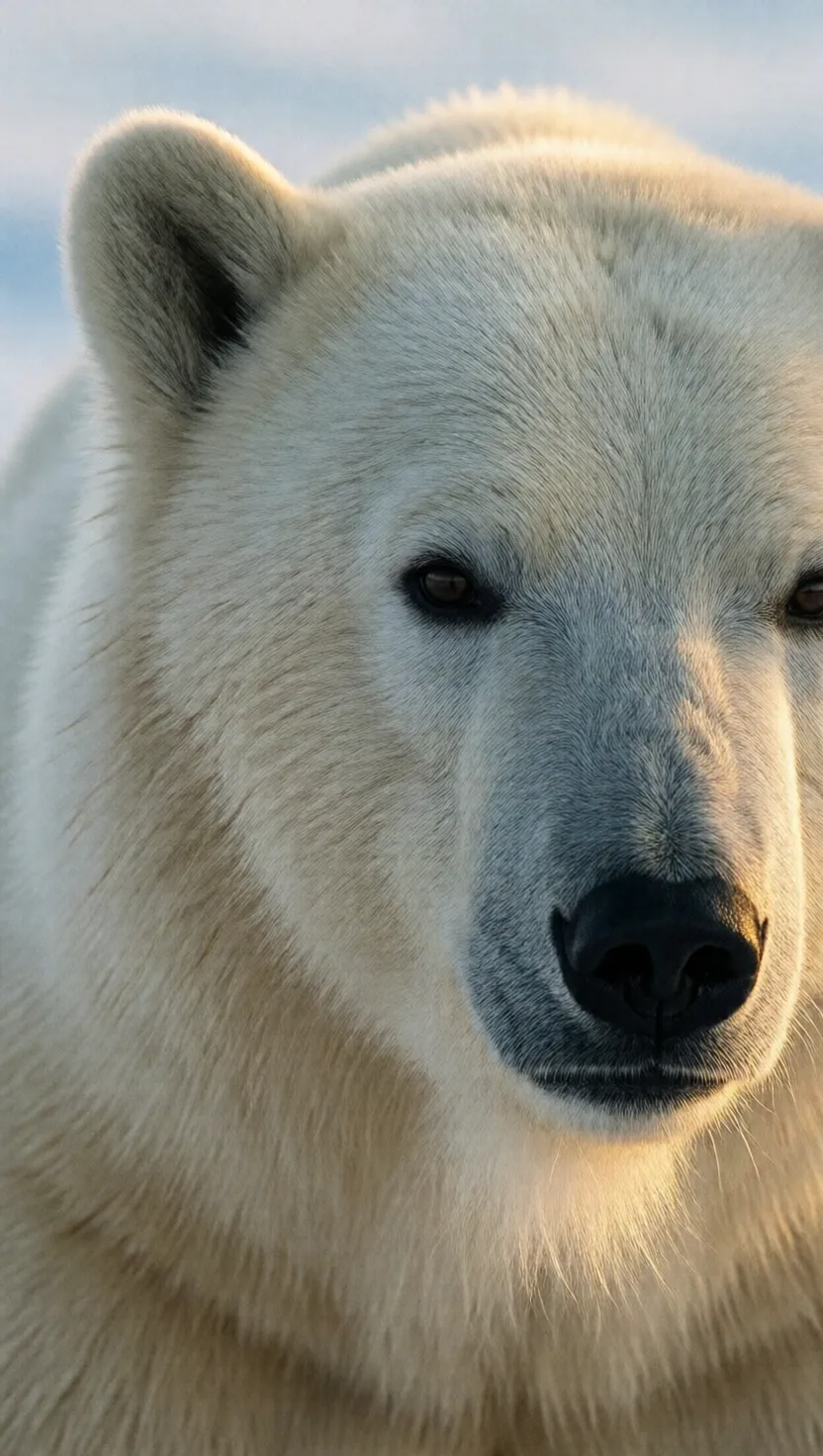
A polar bear's hairs hold no white pigment at all; they are hollow, transparent tubes. Sunlight bounces around inside them and scatters every colour back at once, which our eyes read as white, the same reason clear snow looks white even though each ice crystal is colourless. Beneath that colourless coat the bear's skin is jet black, the better to soak up what little warmth the Arctic sun can offer.
A bear can pause her pregnancy for months

A bear can pause her pregnancy for months

A female bear mates in early summer, but the tiny fertilised ball of cells then simply floats in her womb, development frozen. It implants and begins to grow only months later, in autumn, and only if she has packed on enough fat to survive winter while nursing. If food was scarce and she is too lean, the pregnancy quietly ends. Her body waits to commit until it knows it can afford a cub.
A panda grips bamboo with a fake sixth thumb

A panda grips bamboo with a fake sixth thumb

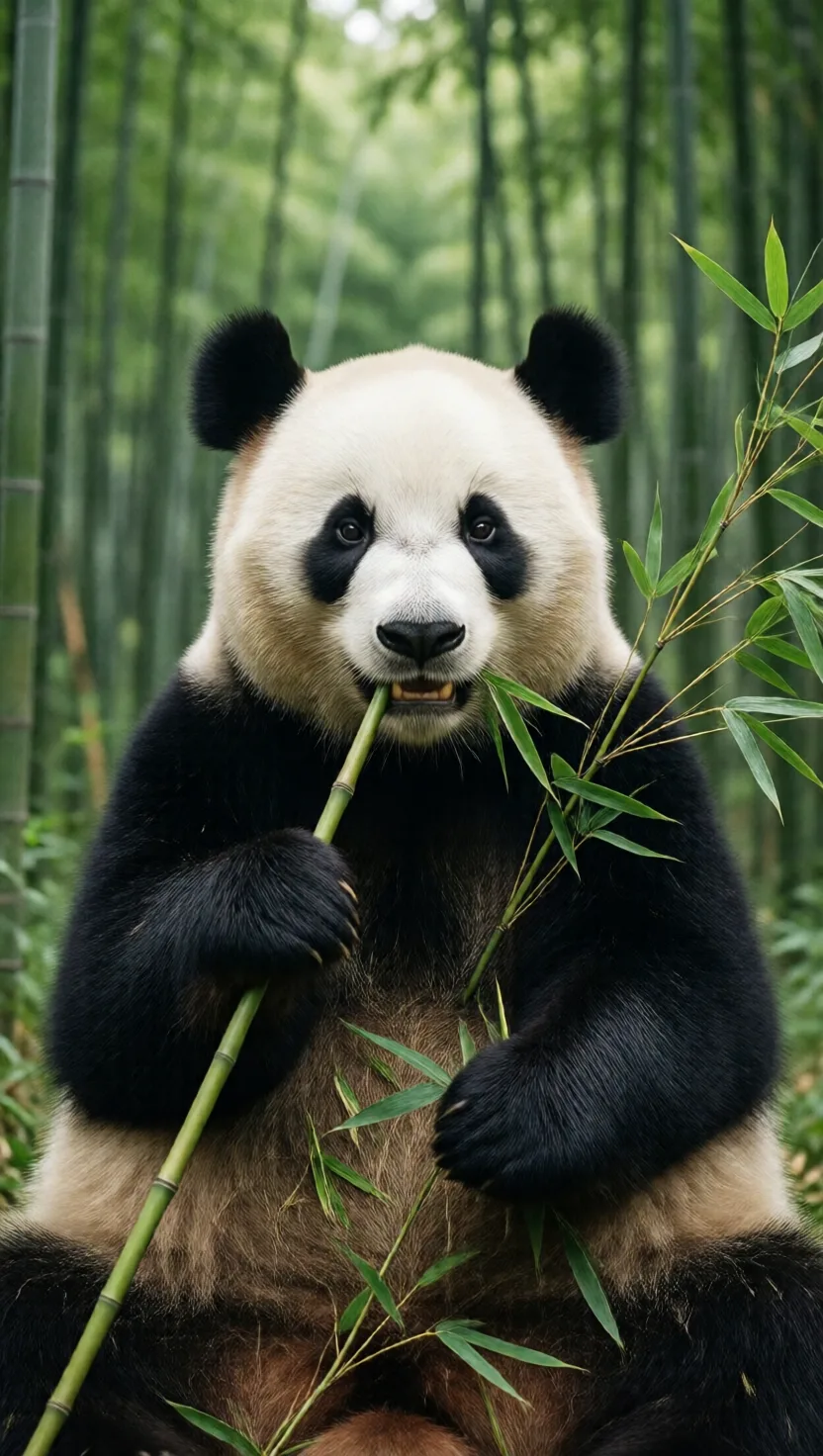
The giant panda is descended from meat-eaters yet lives almost entirely on bamboo, and to hold the stalks it evolved an extra thumb, not a true digit but an enlarged wrist bone that juts out as a rigid pad. Its five clawed fingers press the bamboo against this bony nub like a clamp. The bone cannot grow any larger, though, because the same wrist must still carry the animal's weight when it walks.
This bear vacuums up termites, loudly

This bear vacuums up termites, loudly

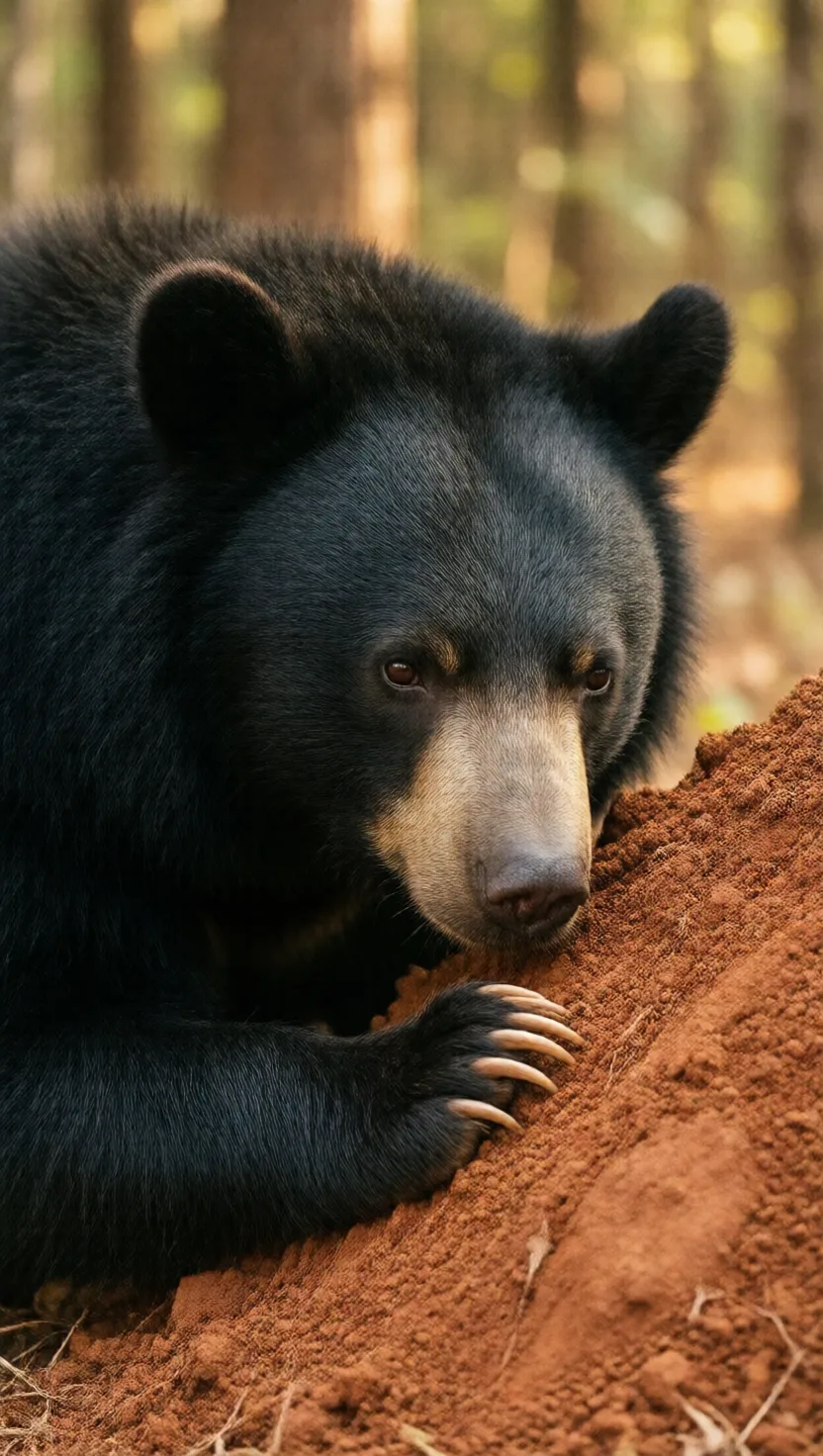
One bear species is missing its two top front teeth, leaving a permanent gap in its upper jaw. It uses that gap like a straw: after ripping open a termite mound with long claws, it closes its nostrils, juts out its long mobile lips and sucks the insects up in a snuffling roar so loud it can be heard from around a hundred metres away. Insects, not meat, make up most of its diet.
Two black bears can have a snow-white cub

Two black bears can have a snow-white cub

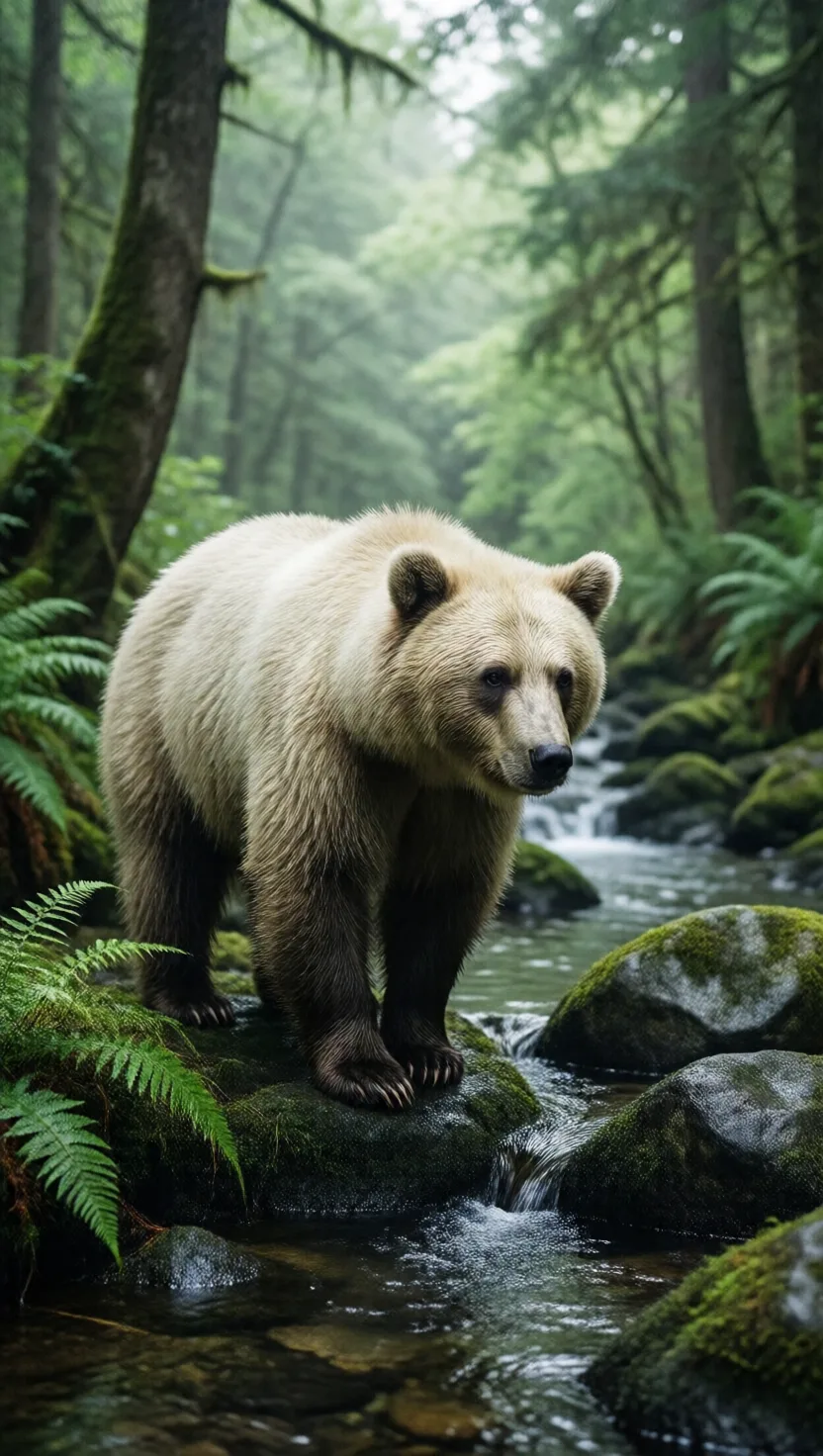
On a few islands off Canada's Pacific coast, ordinary black bears sometimes give birth to creamy-white cubs. These spirit bears are neither albino nor polar bears; they carry two copies of a single altered gene that switches off dark pigment. The trait is recessive, so two black-furred parents who each carry one copy can produce a white youngster. On those islands as many as a quarter of the bears are white.
Bears walk heel-to-toe, just like you do

Bears walk heel-to-toe, just like you do

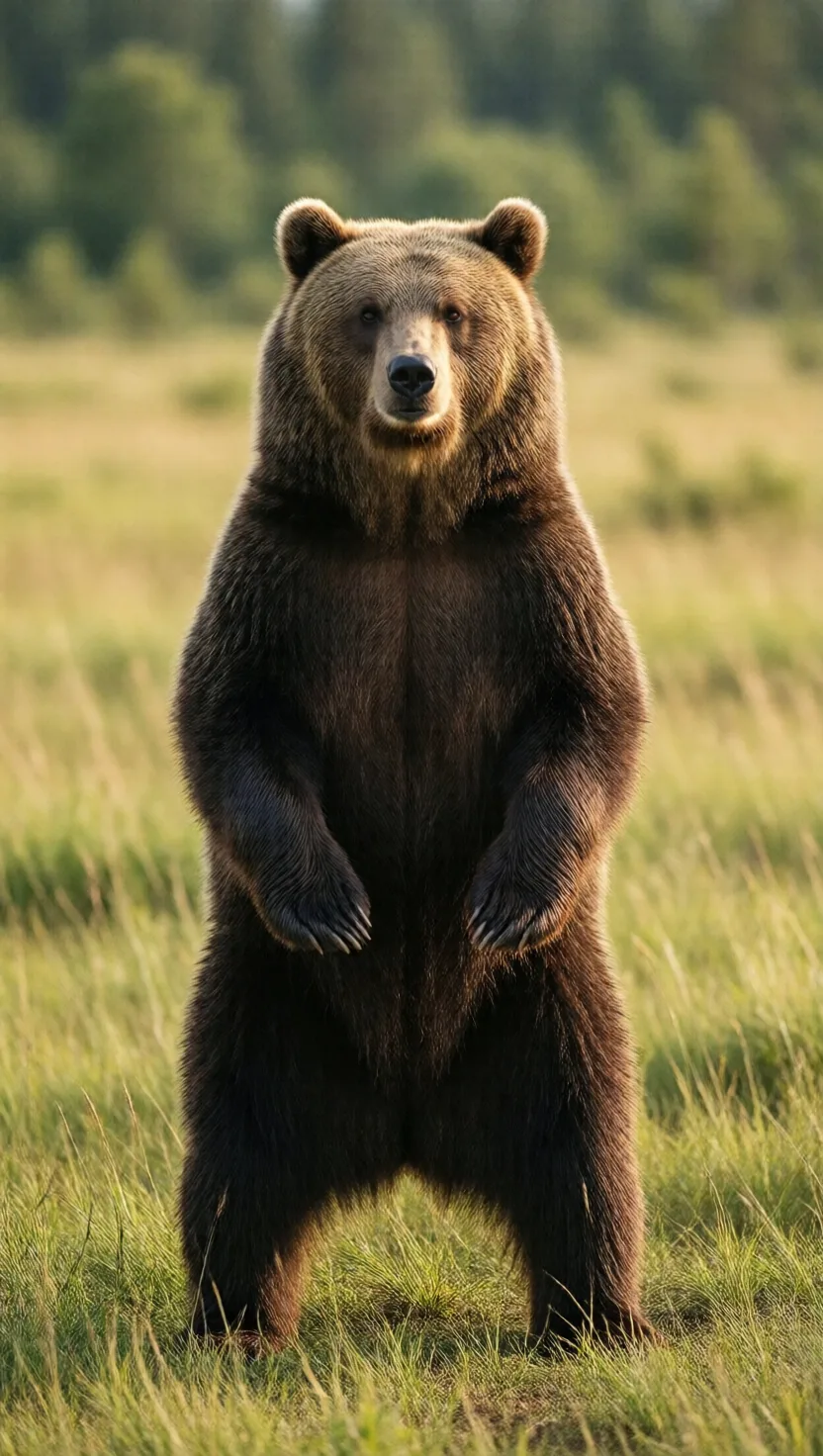
Most four-legged hunters, cats, dogs and wolves, run on their toes with the heel held high in a permanent tiptoe. Bears do not. They plant the whole sole, striking with the heel and rolling forward to the toes exactly as a person walks. That flat-footed stance is slower but far more stable, and it is what lets a bear rear up and stand, or stride a few paces on its hind legs, so convincingly.
tap →swipe ↑ for depthswipe ↓ to exit