Eight things you never knew about geysers and hot springs

DC·186 Deep Cuts
Only ~1,000 geysers exist on all of Earth

Only ~1,000 geysers exist on all of Earth

Geysers need a freak combination: plenty of groundwater, a volcanic heat source, and a narrow, pressure-tight underground channel lined with hard mineral so it can hold back near-boiling water until it bursts free. That trio is so rare that the whole planet has only about 1,000 active geysers, and roughly half of them crowd into one corner of Yellowstone. Lose any single ingredient and a geyser becomes an ordinary, quietly steaming hot spring.
The tallest geyser outshoots a 40-story tower

The tallest geyser outshoots a 40-story tower

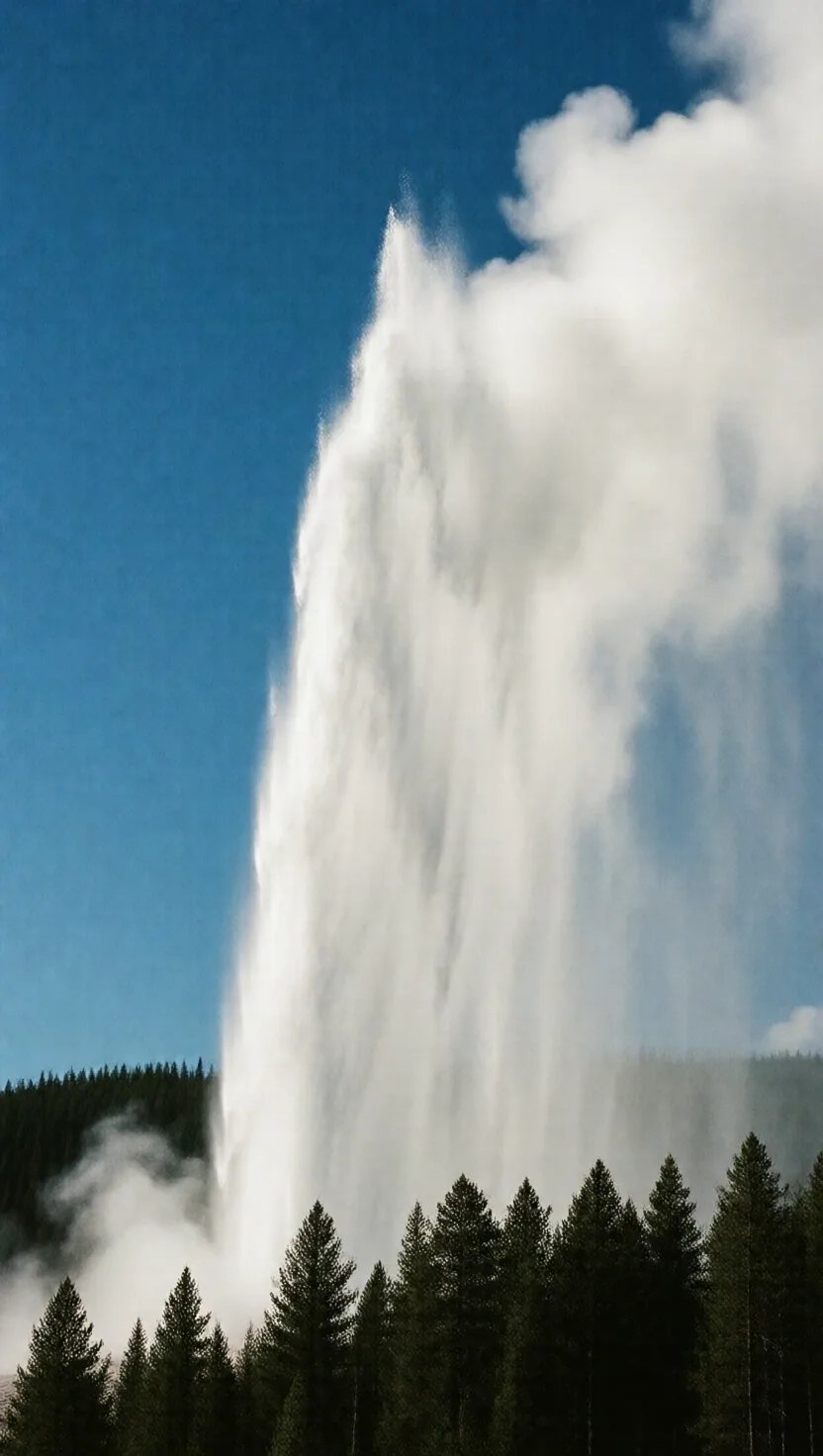
The world's tallest active geyser fires a column of scalding water higher than any fountain ever engineered. Its record blast, measured on 19 July 2020, reached about 137 metres (449 feet), taller than a 40-storey building. It is wildly unpredictable, falling silent for years at a stretch, then erupting dozens of times in a single active year before going quiet again.
This pool's rainbow rings are living bacteria

This pool's rainbow rings are living bacteria

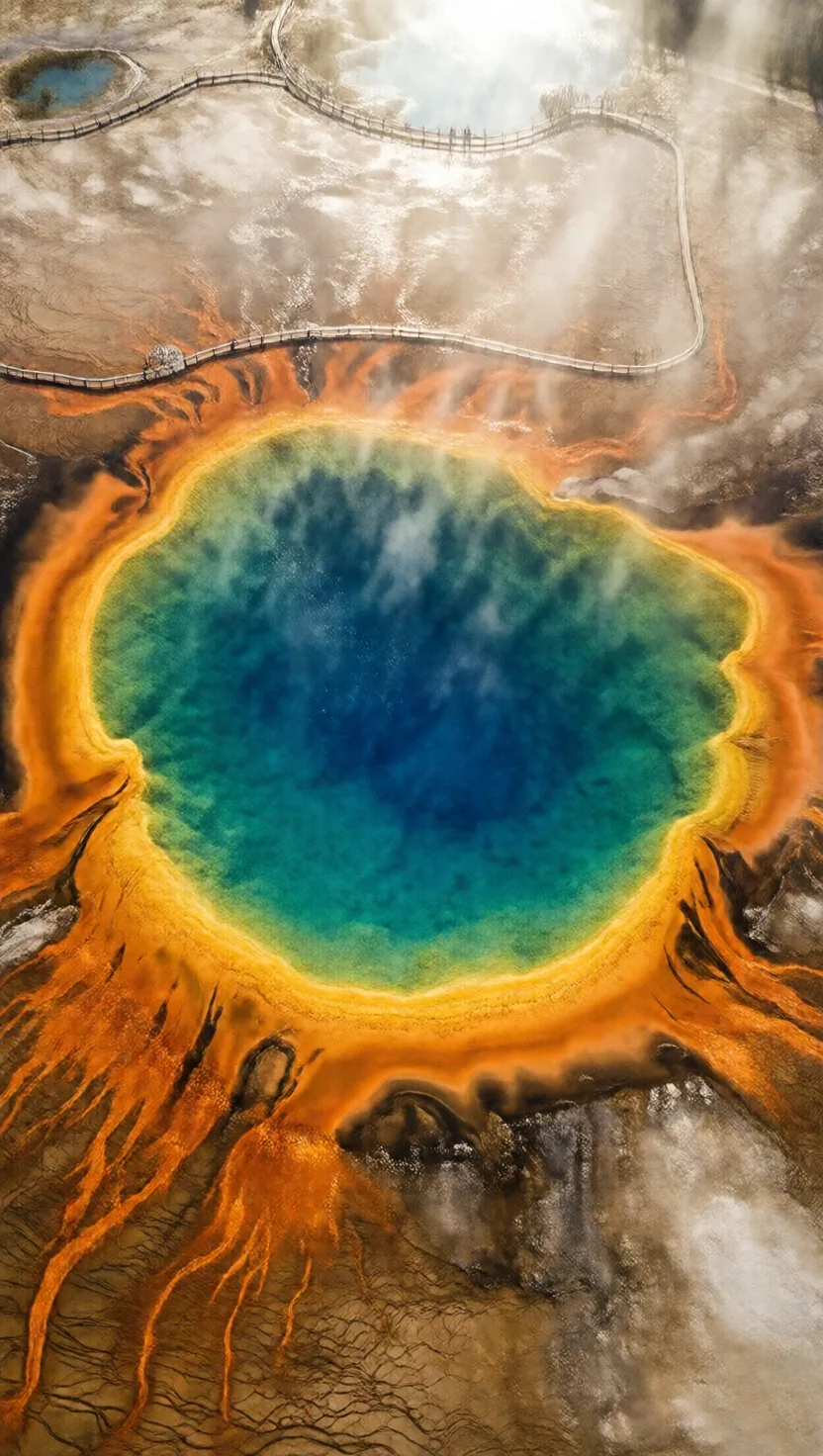
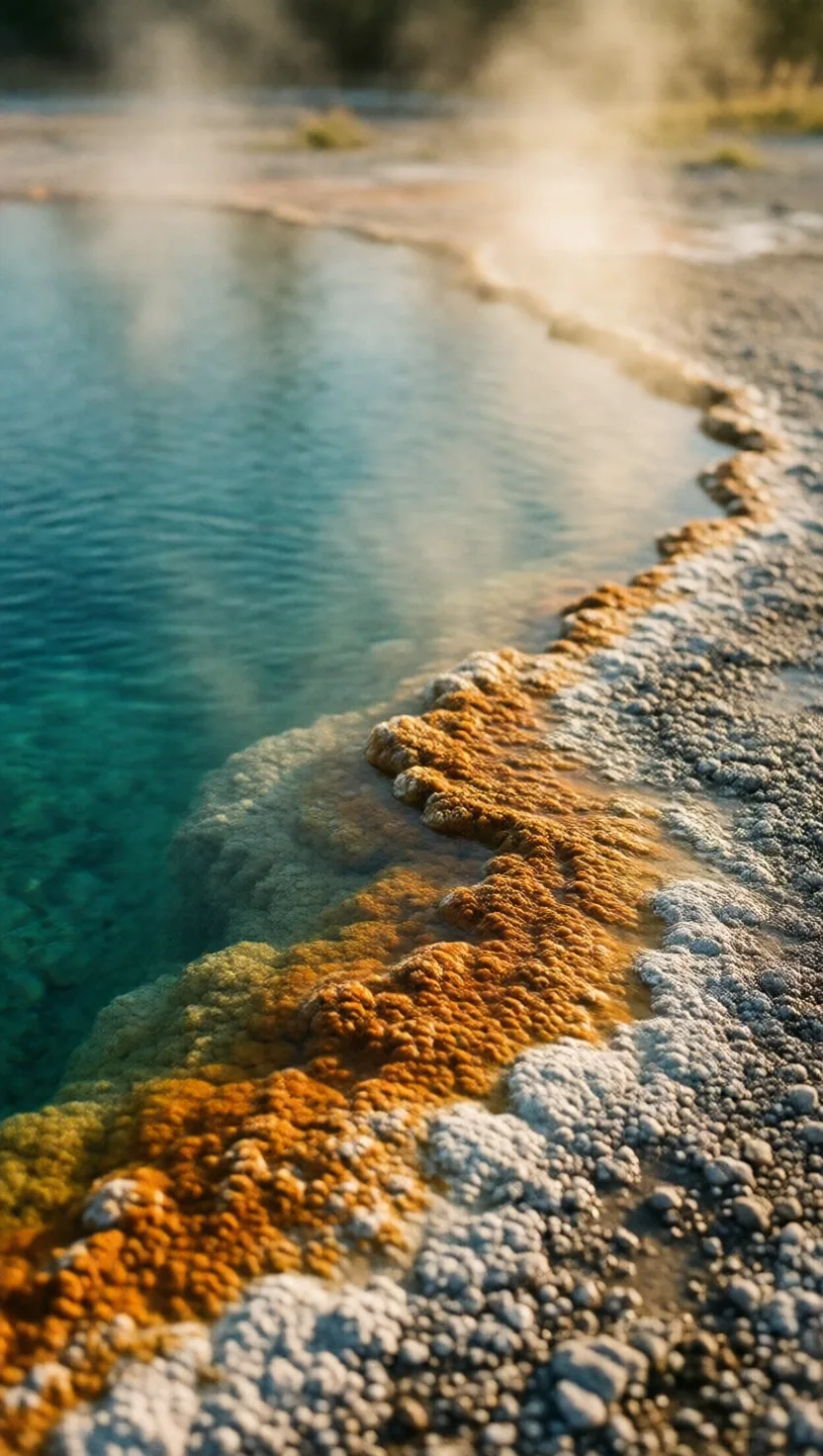
The blazing centre of the great rainbow spring is deep blue for a plain reason: the water there is near-boiling, around 87 C, far too hot for life, so you see only pure water absorbing red light. The orange, yellow and green rings around it are mats of heat-loving microbes, each colour a different species thriving at its own cooler temperature as the water spreads and cools. The warm pigments are a natural sunscreen the microbes make to survive the glare.
A microbe from this spring rewrote medicine

A microbe from this spring rewrote medicine

In 1969 a microbiologist scooped pinkish film from a steaming Yellowstone spring and found a bacterium living happily near boiling point, overturning the belief that nothing could survive such heat. Its heat-proof DNA-copying enzyme, isolated a few years later, could endure the repeated heating that genetic testing requires. That single enzyme became the engine of the technique now used everywhere from forensic labs to disease diagnosis, all traced back to one scalding pool.
Every geyser is named for one Icelandic spring

Every geyser is named for one Icelandic spring

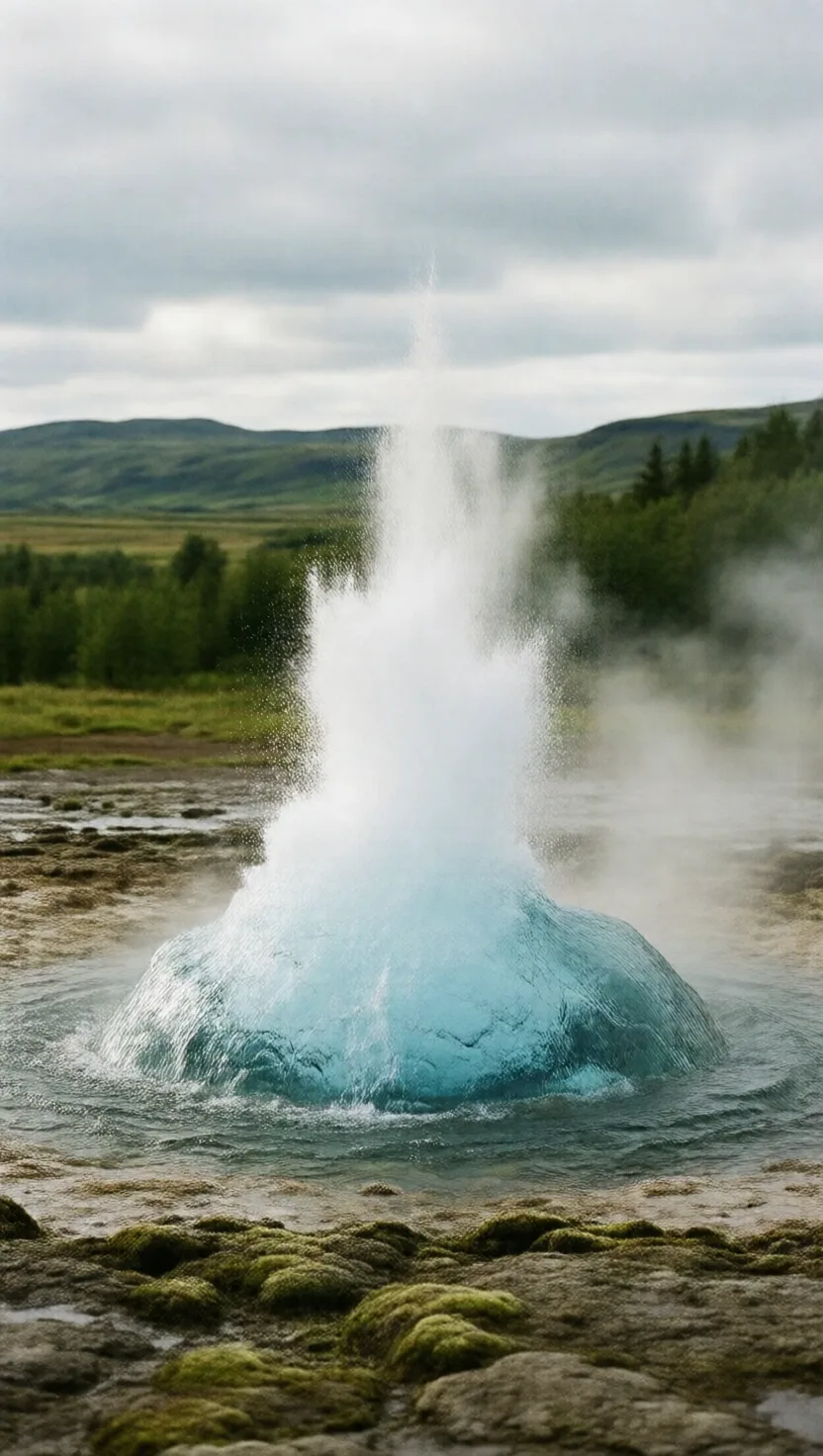
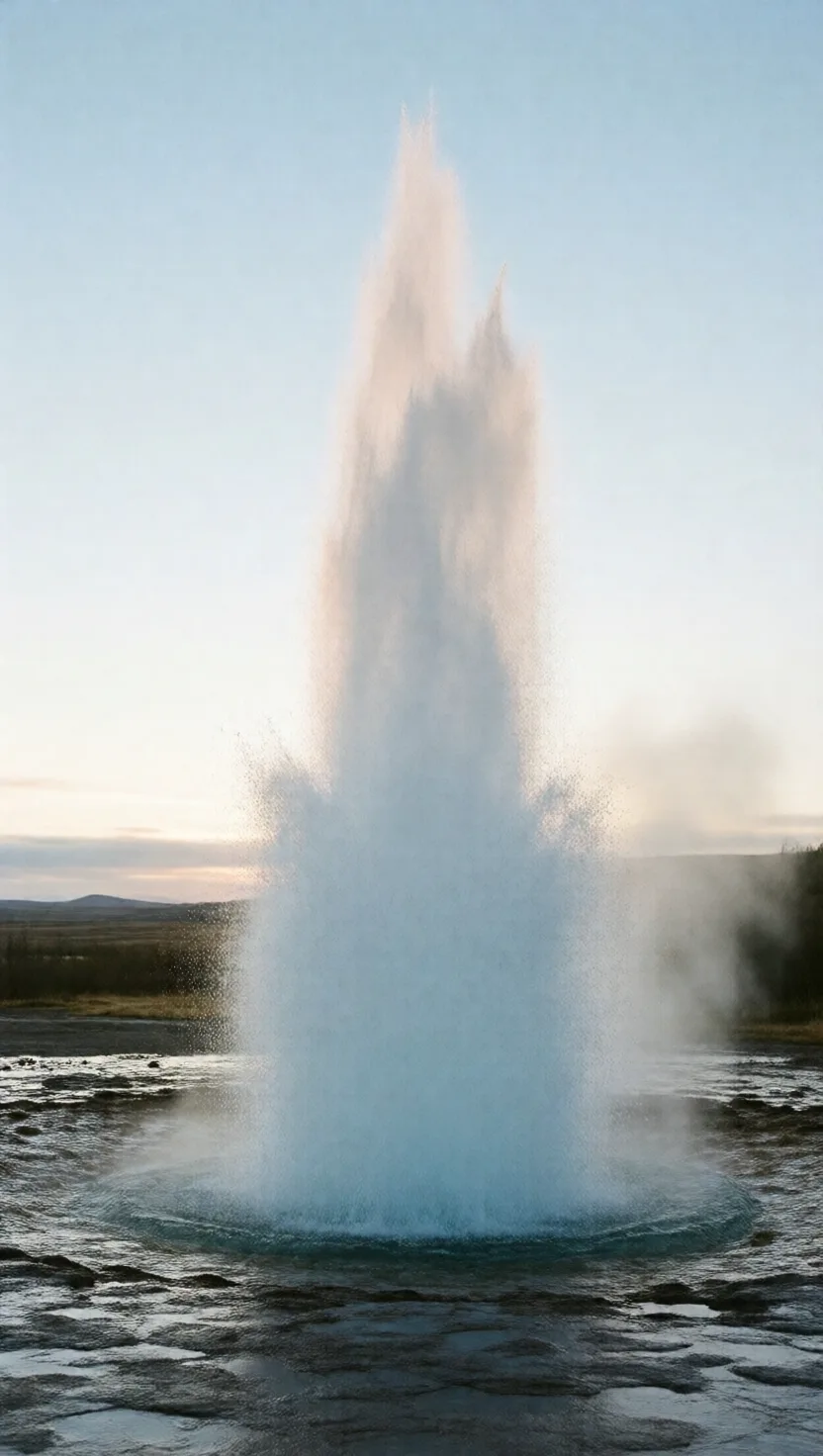
The word geyser is neither ancient nor scientific. It comes from a single hot spring in Iceland called Geysir, from an Old Norse verb meaning to gush. Early European travellers were so struck by it that its name slipped into English as the label for every spouting hot spring on Earth. The original Geysir still sits in its green valley, mostly quiet now, beside a smaller neighbour that erupts every few minutes.
These knobbly mounds grow a millimetre a year

These knobbly mounds grow a millimetre a year

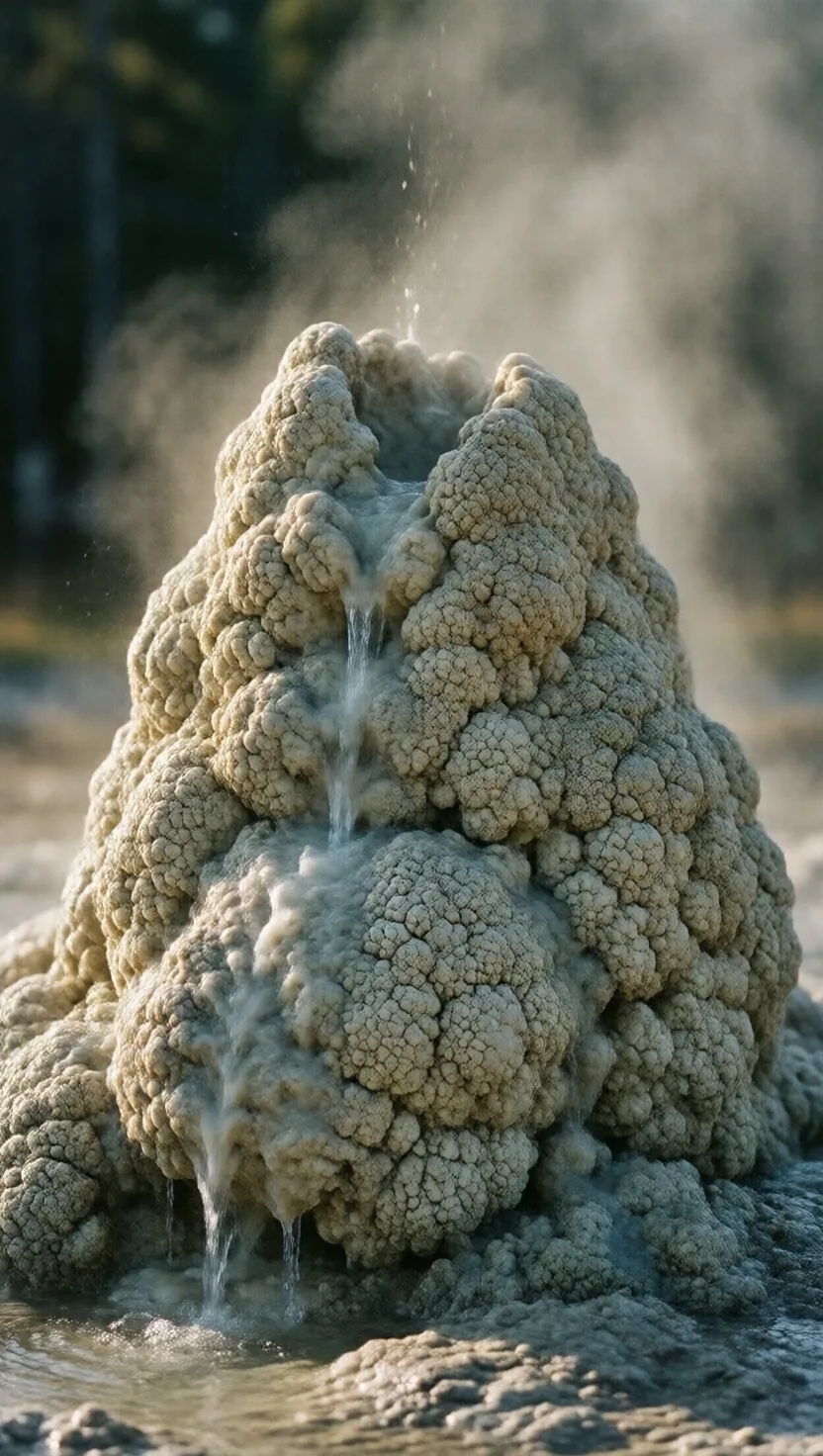
Geyser water carries dissolved silica, and every eruption leaves behind a microscopic film of it as the water cools and evaporates. Over time this builds the pale, cauliflower-textured rock called geyserite into cones and terraces, but agonisingly slowly, often only about a millimetre a year. A waist-high geyser cone can therefore be many centuries, even thousands of years, old.
These chalk-white terraces grow a foot a year

These chalk-white terraces grow a foot a year

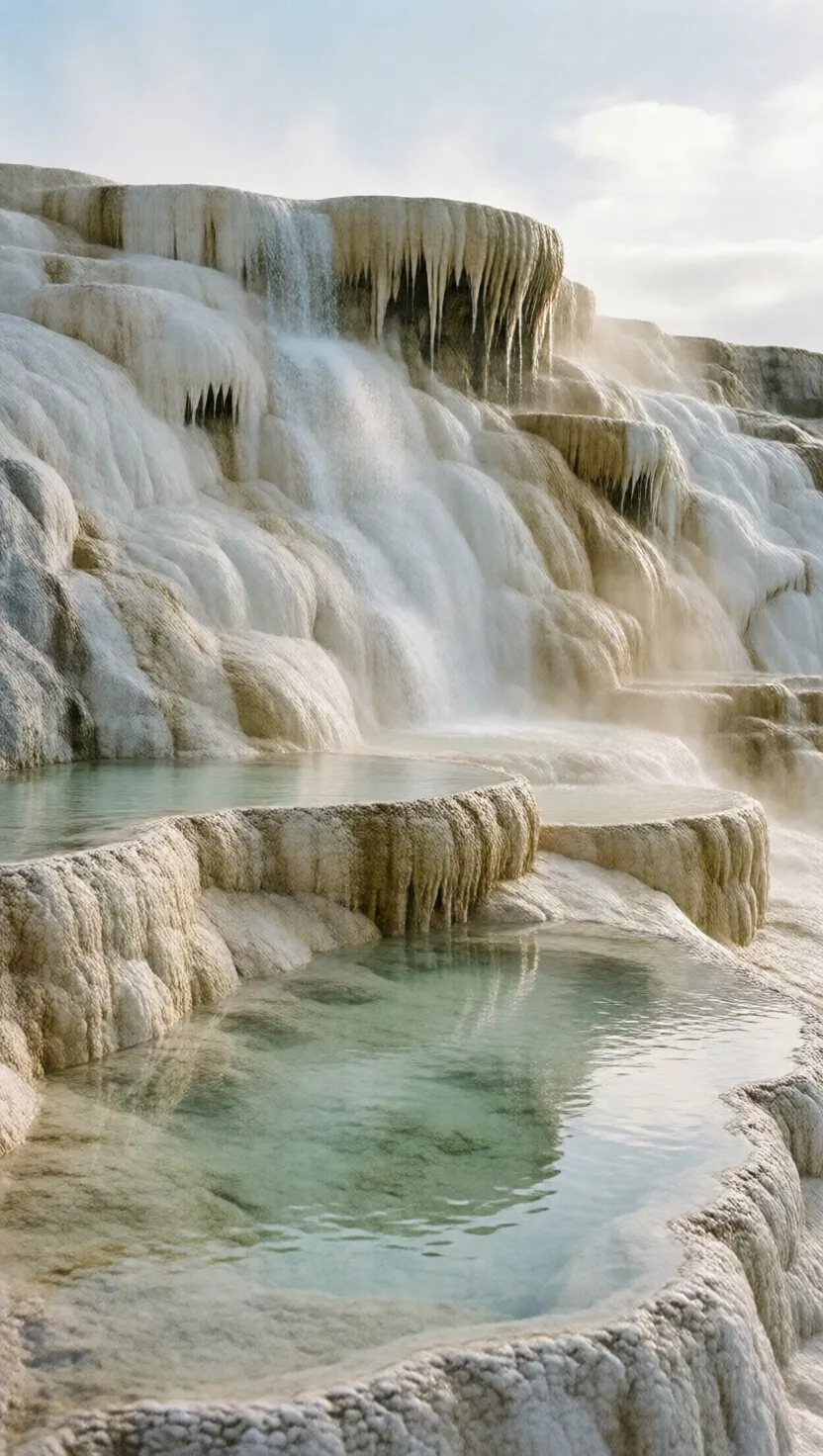
Most hot-spring rock is slow-building silica, but where water rises through limestone it carries dissolved calcium carbonate instead and dumps it as travertine, the same stone that forms cave decorations. Released from pressure at the surface, it precipitates astonishingly fast, raising stepped, frozen-waterfall terraces that can grow tens of centimetres, sometimes over a metre, in a single year, constantly reshaping themselves.
This technicolour geyser was an accident

This technicolour geyser was an accident

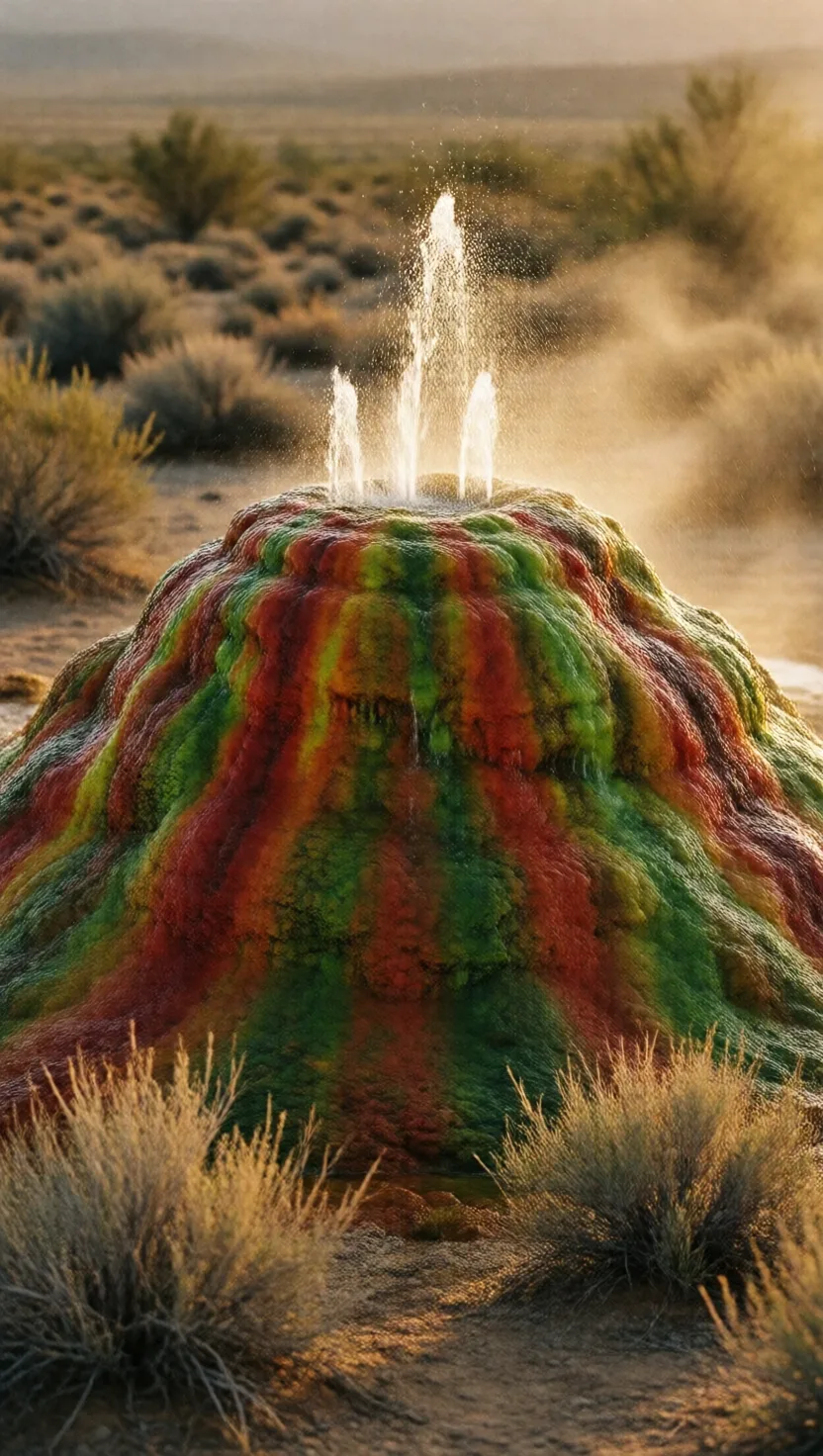
One of the most photographed geysers on Earth was never meant to exist. In the 1960s a geothermal test well in the Nevada desert was capped, but the seal failed and superheated water has gushed ever since. Over the decades it has built its own vivid mineral mounds, streaked red and green by heat-loving algae, that are still growing taller and spray water year-round rather than erupting on any schedule.
tap →swipe ↑ for depthswipe ↓ to exit