Eight things crickets and grasshoppers do with sound and spring

DC·184 Deep Cuts
Crickets chirp the temperature

Crickets chirp the temperature

A cricket's chirp is a thermometer. The muscles that work its sound-making wings move faster in warm air, so the chirps speed up as it heats up. For the snowy tree cricket the rule is simple: count the chirps in 14 seconds and add 40, and you get the temperature in degrees Fahrenheit. First noticed in 1897, the relationship holds well between about 55 and 100 degrees.
An insect that hears like you do

An insect that hears like you do

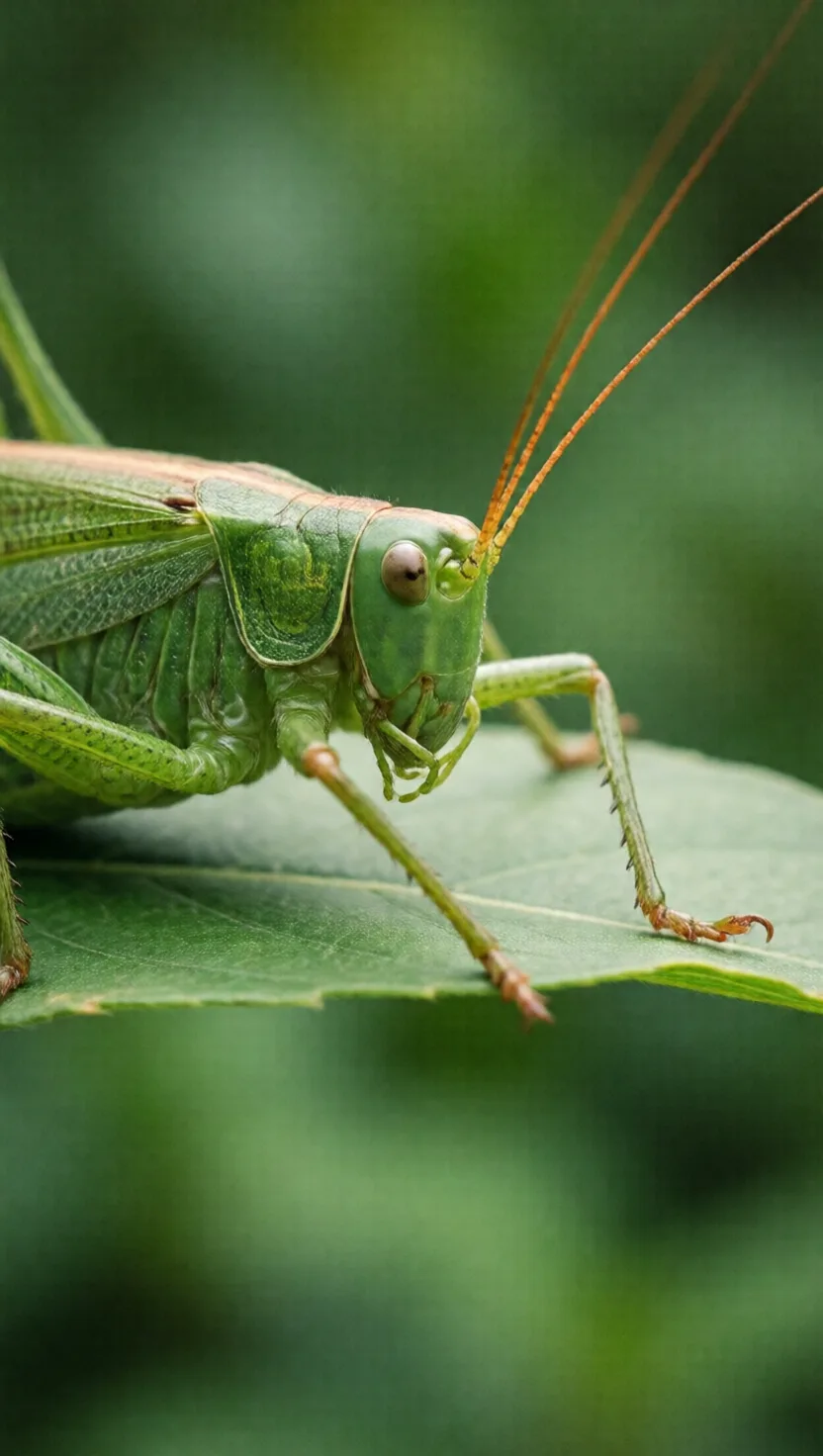
A katydid's ears sit on its front legs, just below the knee, and inside they mirror our own. Researchers found a tiny lever plate that works like the bones of the human middle ear, passing vibration into a fluid-filled tube that sorts pitch much as our cochlea does. The whole organ is under a millimetre long, yet it solves hearing the same way mammals do, having evolved entirely apart from us.
It sings through an earthen horn

It sings through an earthen horn

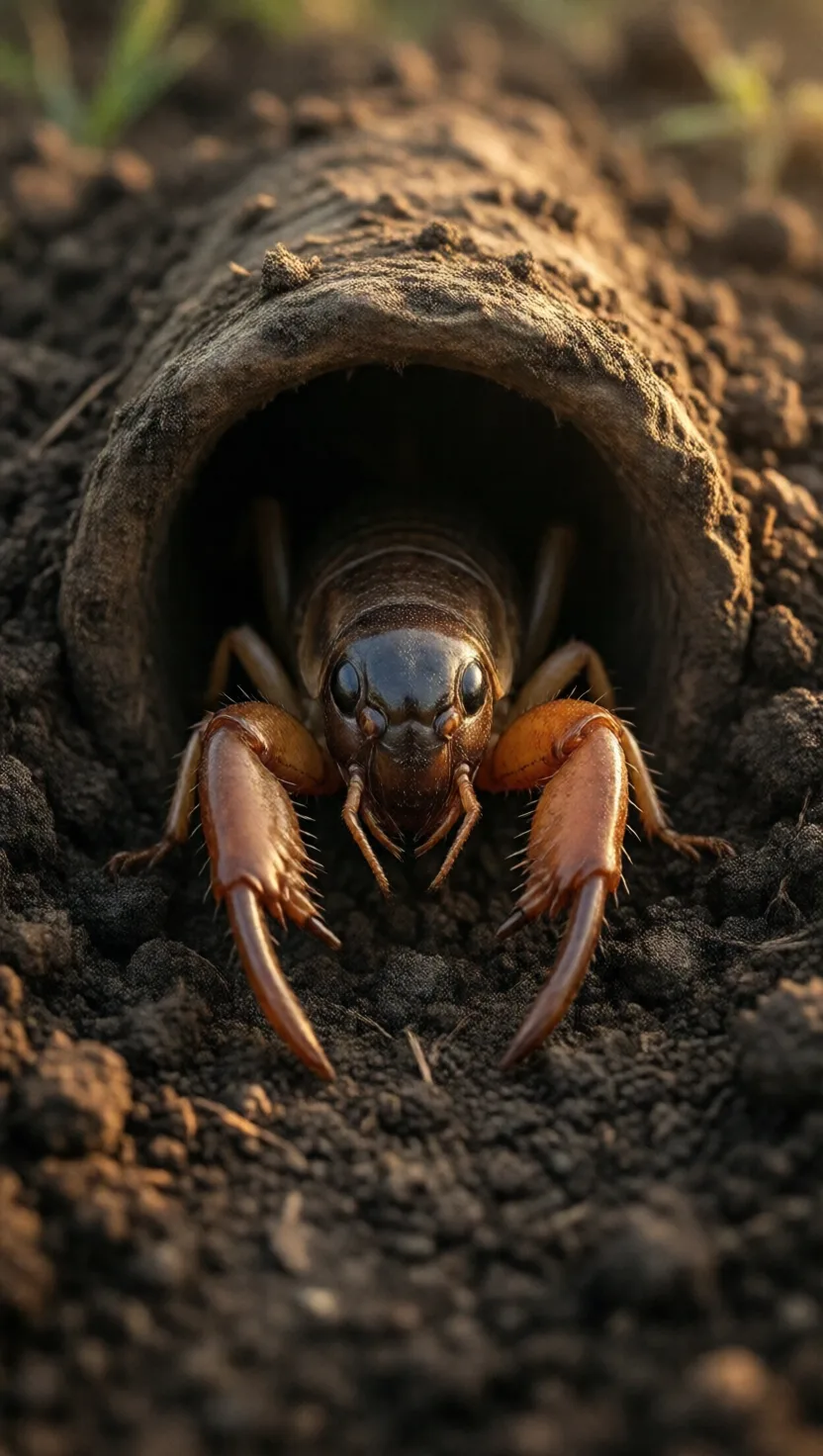
The male mole cricket is the only insect that builds itself a loudspeaker. Before calling, he digs a burrow shaped like a double horn, with a smooth flared mouth opening at the surface. Singing from the narrow throat, he turns the tunnel into a megaphone that focuses his note skyward and makes it as much as 18 decibels louder, a chirp that carries for hundreds of metres across the night.
A chirp is a wing scraped like a comb

A chirp is a wing scraped like a comb

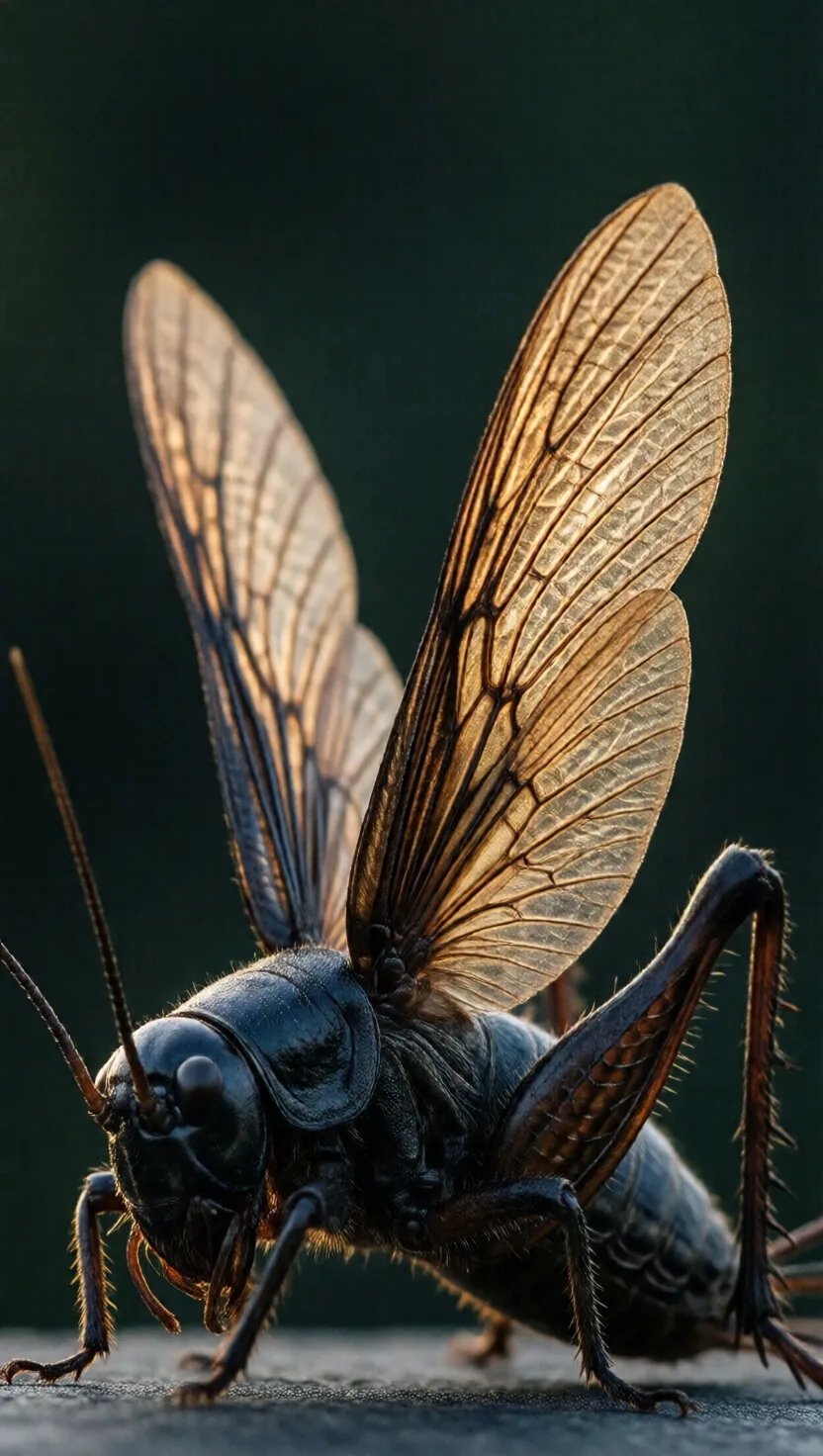
A cricket doesn't sing with its mouth. One wing carries a file, a vein lined with scores of microscopic teeth, and the other carries a hard scraper. Drawing the scraper across the file, like a fingernail down a comb, sets the wing ringing. A clockwork-like catch releases one tooth at a time, so the strike rate sets the pitch: about 5,000 teeth a second for a 5-kilohertz tone.
A grasshopper's knee is a crossbow

A grasshopper's knee is a crossbow

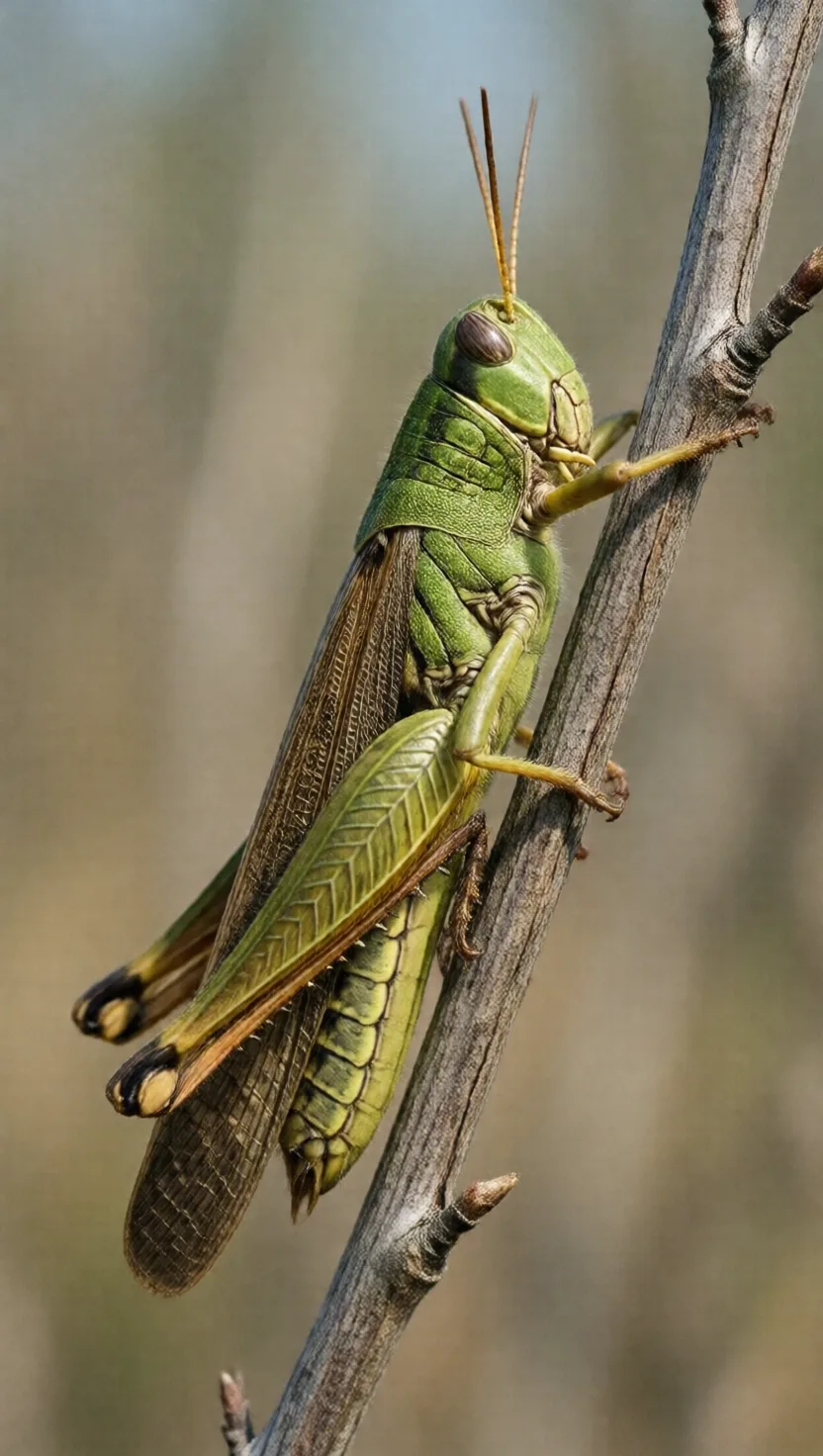
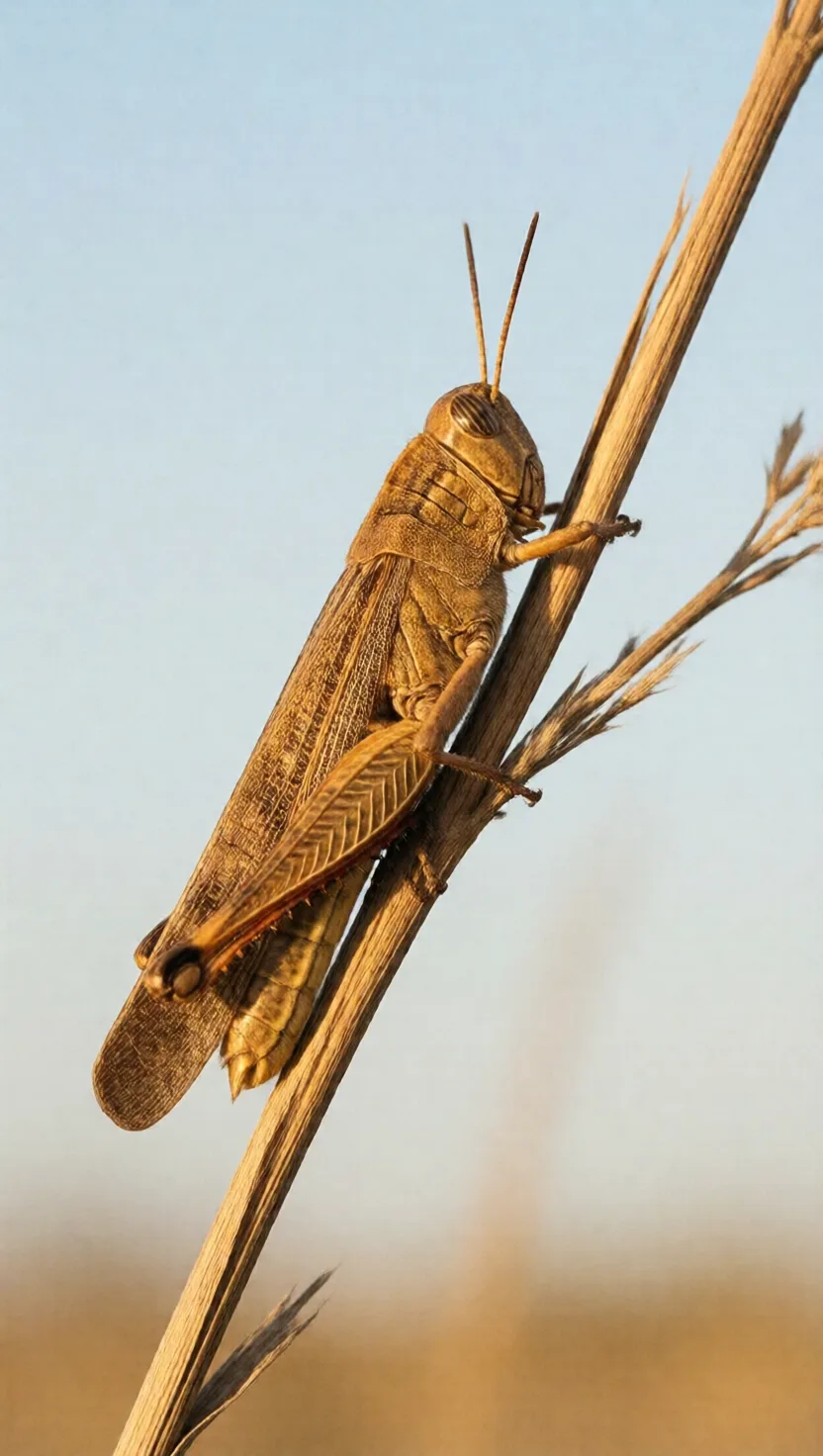
A grasshopper can't push hard enough, fast enough, to leap as it does, so it cheats with a spring. Before jumping it tenses its big thigh muscle while the leg stays folded, bending a crescent-shaped pad of stiff cuticle and a rubbery protein called resilin in the knee. That stored energy holds like a latched crossbow; release it and the leg snaps straight, flinging the insect many times its own length.
A shy grasshopper that turns into a swarm

A shy grasshopper that turns into a swarm

The desert locust has two lives. Alone, it is a drab, shy green grasshopper that avoids its own kind. Crowd it, let other locusts jostle and brush the touch-sensitive hairs on its hind legs, and within about two hours a surge of the brain chemical serotonin flips a switch: it grows colourful, restless, and gregarious, the spark that builds plague swarms millions strong.
Crickets kept as singers in gourds

Crickets kept as singers in gourds

For two thousand years, people in China have kept crickets not as pests but as living music. Tang-dynasty court ladies caged them in gold to hear them trill at night; later, singing crickets were wintered in hollowed gourds grown inside carved moulds so the shell shaped the insect's tone. A parallel tradition pitted crickets against one another in fights, complete with tiny tickling rods to rouse them.
It cuts a leaf into a loudspeaker

It cuts a leaf into a loudspeaker

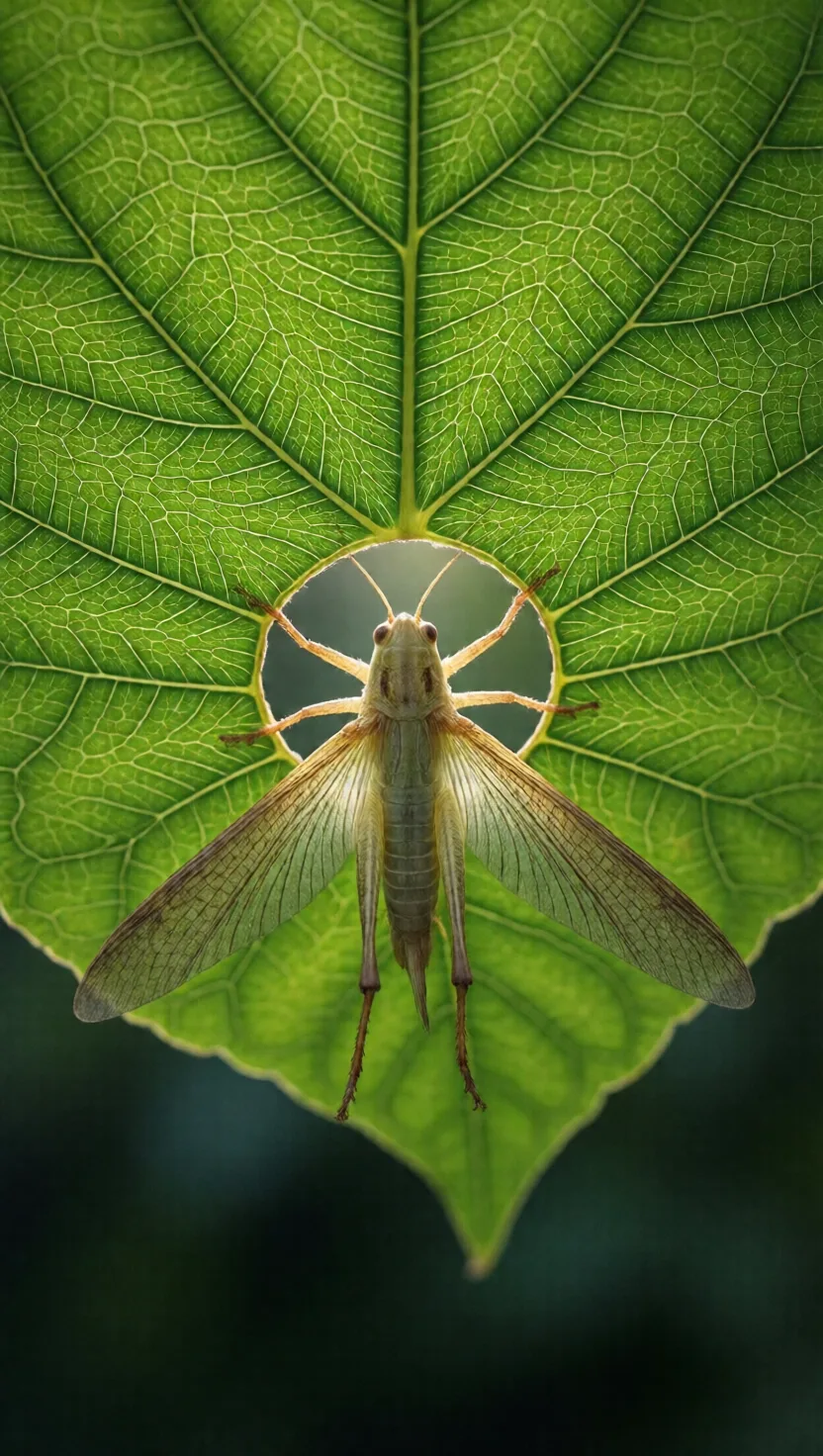
A small tree cricket sings too softly to carry, because its sound waves curl around its thin wings and cancel out. Its fix is elegant: it chews a neat hole in the middle of a leaf, slots its singing wings into the gap, and uses the leaf as a baffle that stops the cancelling and roughly quadruples the call. Given a choice, the cricket picks the largest leaf and centres the hole, the acoustically best design, on the first try.
tap →swipe ↑ for depthswipe ↓ to exit