Eight things about cacti and succulents

DC·182 Deep Cuts
A cactus breathes only after dark

A cactus breathes only after dark

Most plants open the tiny pores in their skin by day to take in carbon dioxide, losing precious water to the hot air. Cacti flip the schedule. They keep their pores shut through the burning daylight and open them only at night, when it is cool and humid, taking in carbon dioxide and storing it as acid. Come morning they seal up tight and use the stored carbon to photosynthesise, saving enormous amounts of water.
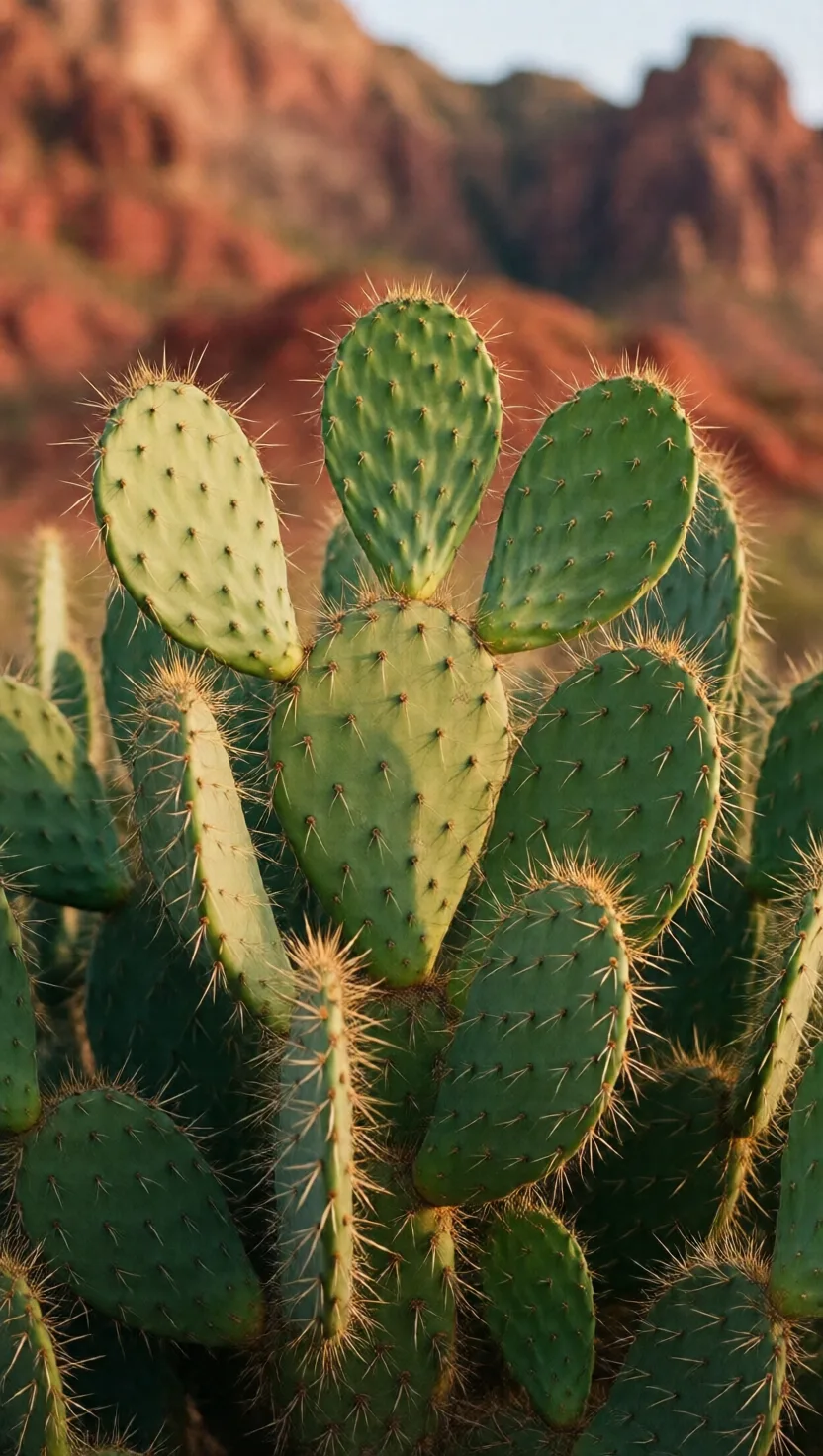
A cactus's spines are its leaves

A cactus's spines are its leaves

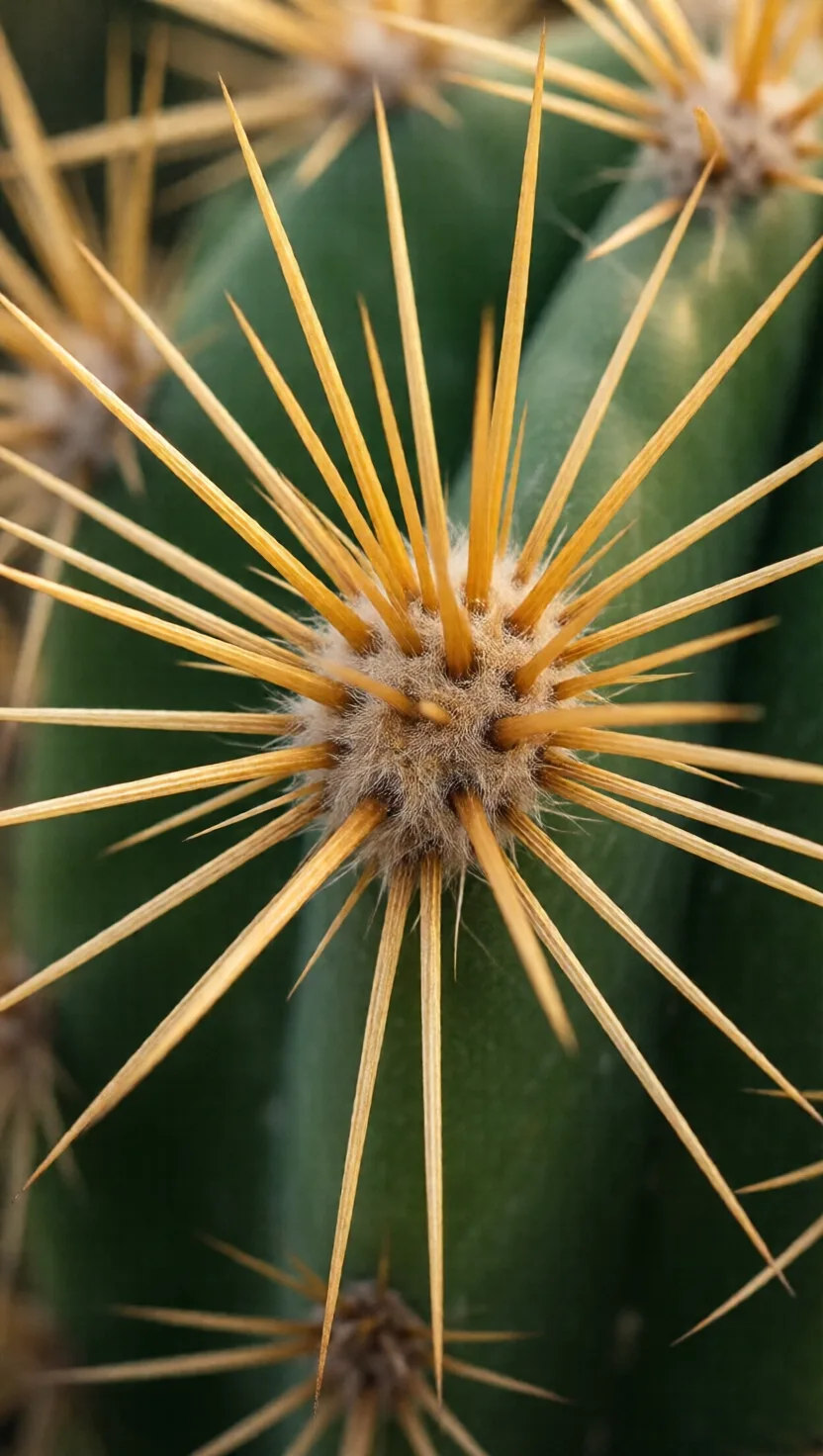
A spine is not just armour—it is a leaf, reshaped over millions of years. Broad leaves would bleed water in the desert, so cacti shrank theirs into hard, dry needles and moved the work of photosynthesis into the fat green stem. The spines still earn their keep: they shade the surface, trap a still layer of air against the skin, fend off thirsty animals, and even catch and channel dew down toward the roots.
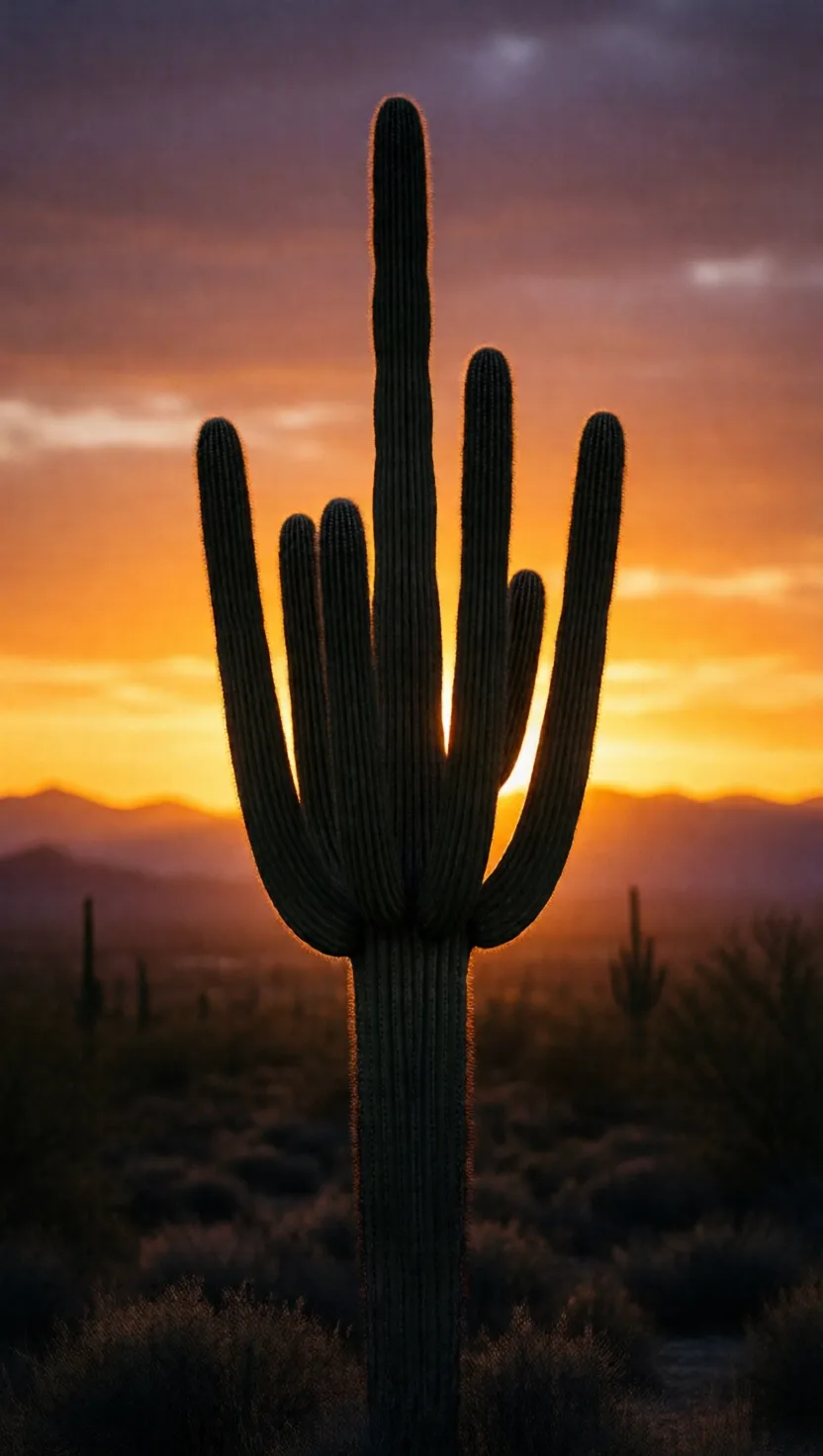
A saguaro can wait 70 years to grow an arm

A saguaro can wait 70 years to grow an arm

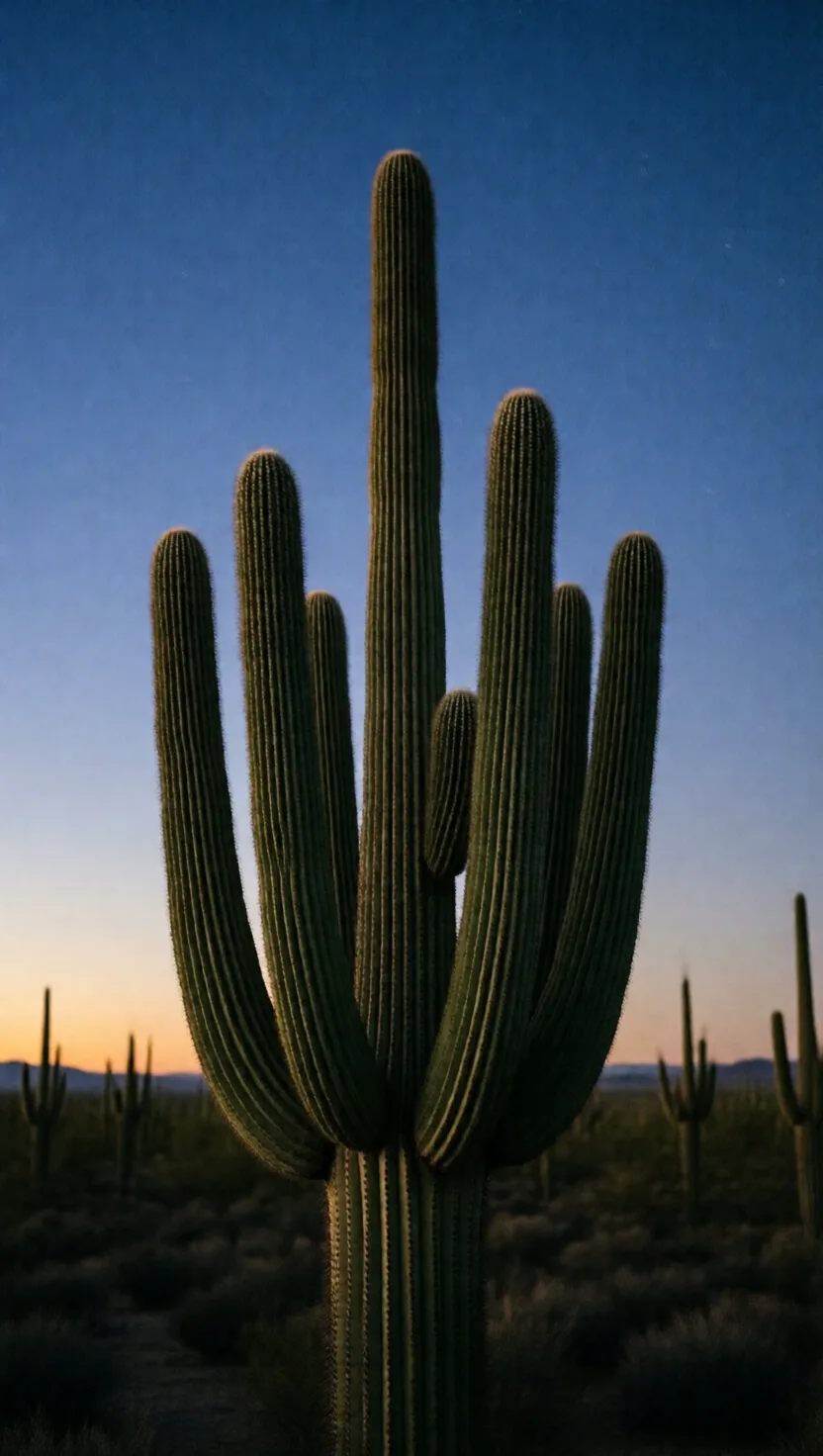
The giant saguaro grows with almost unimaginable patience. For its first decade it may be only a few centimetres tall, and it often takes 50 to 70 years before it sprouts its first branching arm. A full-grown saguaro can stand over 12 metres high and live more than 150 years—so many of the armed giants standing in the desert today were already growing well over a century ago.
Wild cacti grow on only one side of the world

Wild cacti grow on only one side of the world

Cacti feel like a symbol of deserts everywhere, but in the wild the entire family is native to just the Americas, from Canada down to Patagonia. There is a single exception, a mistletoe-like cactus whose seeds, likely carried by birds, reached Africa and Sri Lanka. Every other cactus you see growing wild elsewhere, from the Sahara to Australia, was carried there by people.
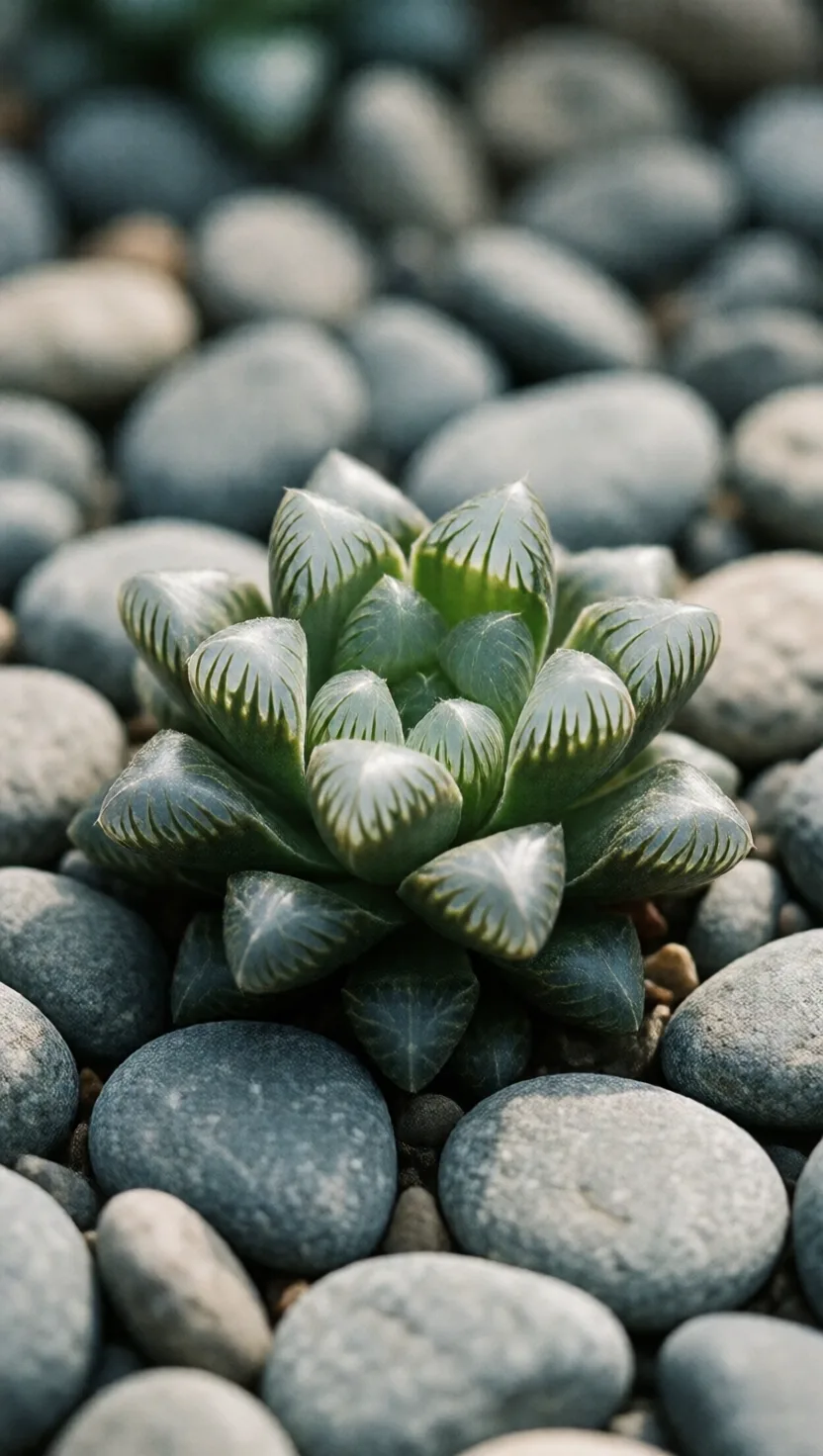
These pebbles are actually living plants

These pebbles are actually living plants

Living stones are succulents that survive by pretending to be rocks. Each plant is a pair of fat, fused leaves mottled to match the gravel around it, hiding it from thirsty grazers. The trick is the top surface: a translucent 'window' that lets sunlight filter down into photosynthetic tissue buried safely below ground level. For most of the year only these stony windows peek above the soil.
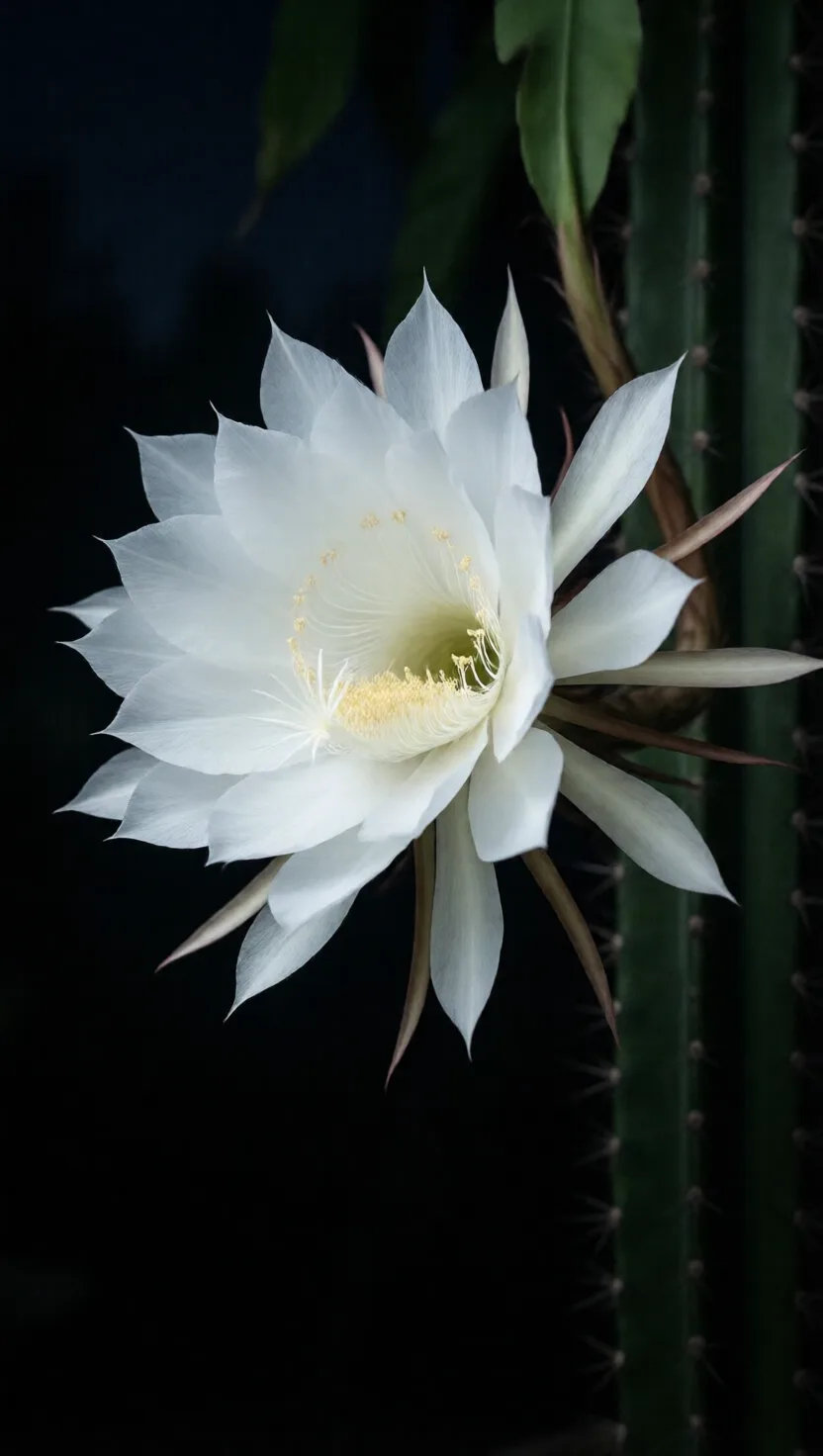
This desert flower blooms for a single night

This desert flower blooms for a single night

Some cacti pour a whole year of energy into one brief, spectacular show. Their large, pale, heavily scented flowers open only after dark and last for just one night, unfurling at dusk and wilting by the next morning. The pale colour and strong perfume are aimed at night-flying moths and bats, the only pollinators awake to find them in the dark. Miss the night, and you wait another year.
An agave flowers once, then dies

An agave flowers once, then dies

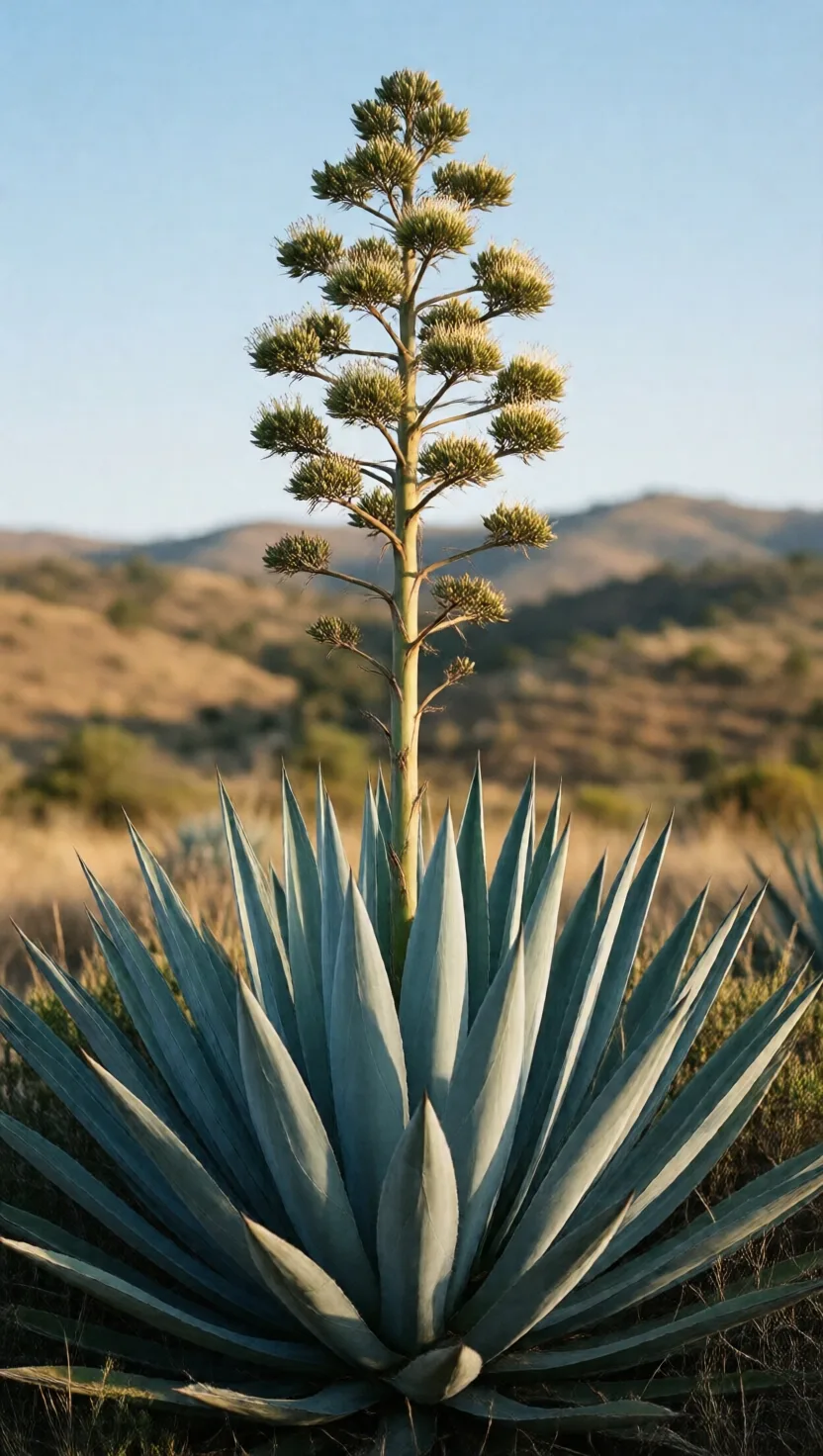
An agave spends years—often ten to thirty—storing energy as a tight rosette of thick, spiny leaves, never flowering. Then, all at once, it sends up a single colossal flower stalk that can tower several metres high, sometimes growing tens of centimetres in a day. The bloom drains everything the plant has saved, and once it sets seed the whole agave dies, having flowered exactly once in its long life.
The desert cactus that points south

The desert cactus that points south

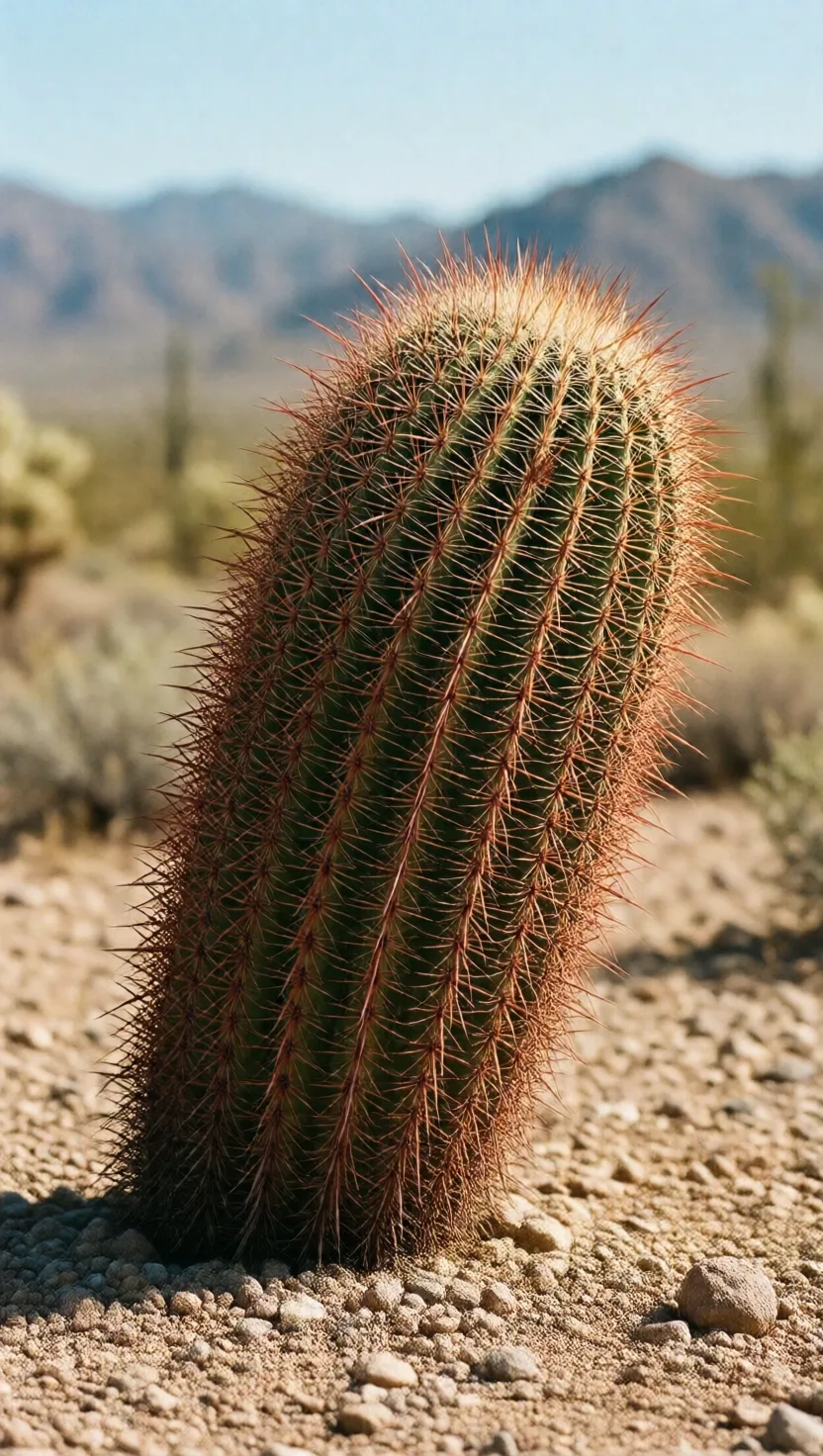
The fishhook barrel cactus tends to lean, and it almost always leans the same way—toward the south. The sunnier southern side grows faster and warmer, so the whole stout barrel slowly tilts in that direction over the years, sometimes far enough to topple. Desert travellers have long used it as a rough natural compass, which is why it is nicknamed the compass cactus.
tap →swipe ↑ for depthswipe ↓ to exit