Eight things about antlers, horns and tusks

DC·180 Deep Cuts
Antlers are the fastest-growing bone alive

Antlers are the fastest-growing bone alive

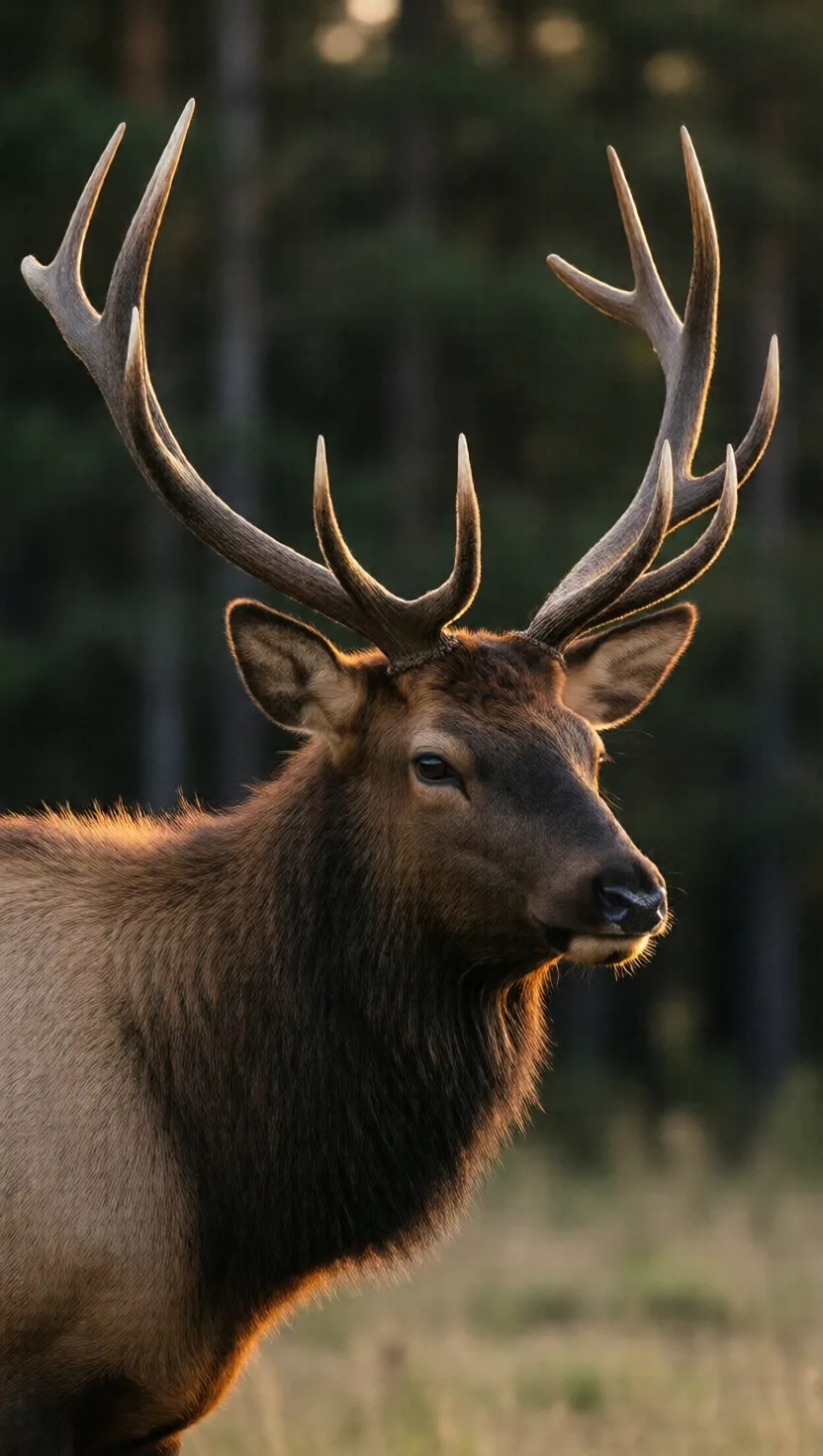
An antler isn't a horn—it's true bone, grown fresh each year from a patch on the skull called the pedicle. In peak season a bull elk or moose can add nearly two centimetres of bone a day, the fastest growth of any bone in any animal. The growing antler is sheathed in 'velvet,' a living skin packed with blood vessels that feed the bone until it finally hardens.
Deer throw away their antlers every year

Deer throw away their antlers every year

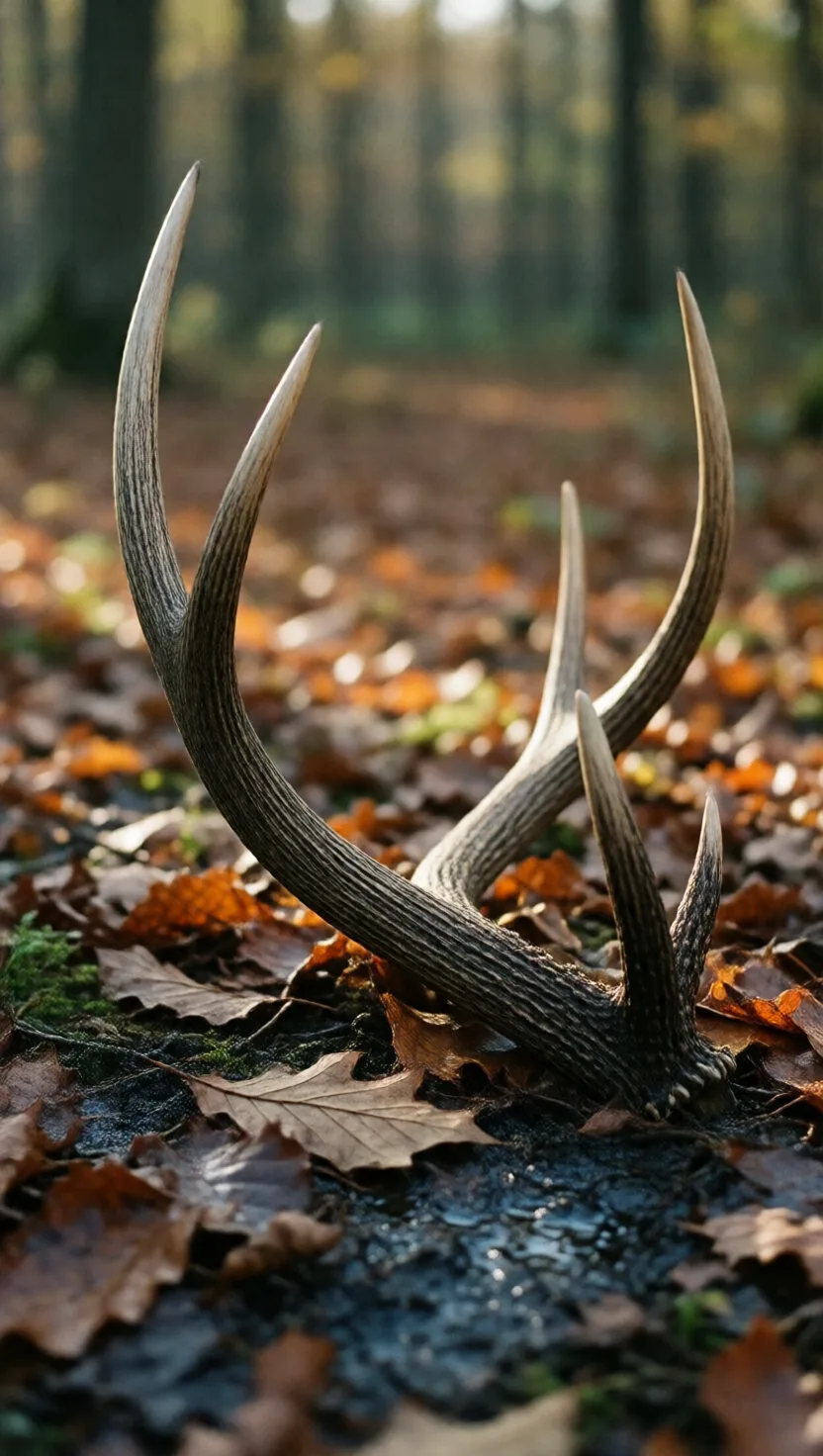
Once the breeding season ends and testosterone falls, a thin layer of cells at the base of each antler dissolves the bond to the skull, and the whole rack simply drops off—sometimes both sides within hours. The deer then regrows the entire structure from scratch the next spring. It's one of the only times a mammal fully regenerates a complex body part, which is why researchers study antlers for clues about healing.
Horns are kept for life; antlers are not

Horns are kept for life; antlers are not

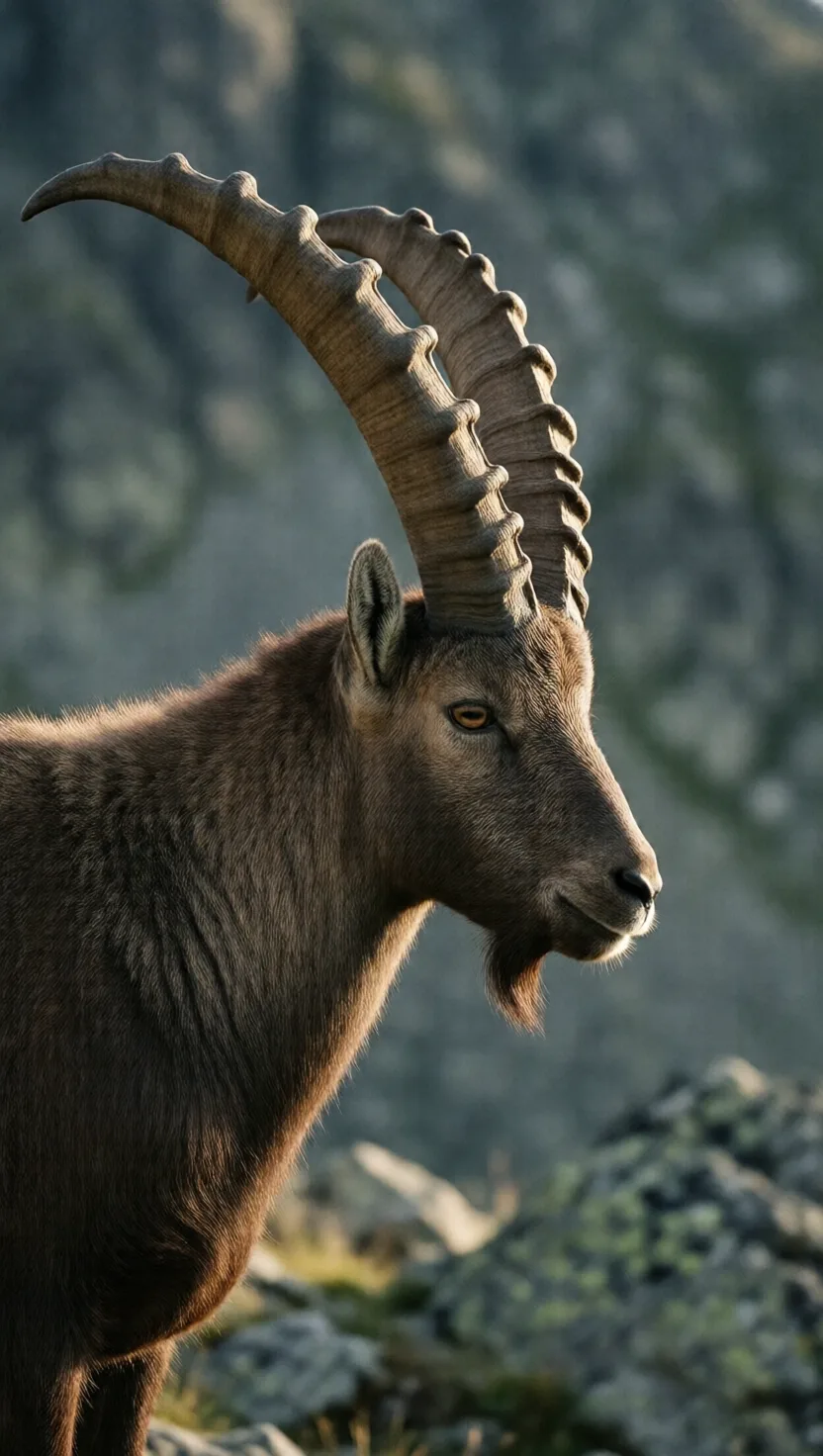
Horns and antlers are built completely differently. A horn is a core of living bone wrapped in a permanent sheath of keratin—the same material as your fingernails—and it grows a little more every year for the animal's whole life, never shed. Antlers are pure bone, grown and dropped annually. That's why a wild goat or ram keeps the same curling horns for decades while a stag starts over each spring.
The unicorn's horn is really a single tooth

The unicorn's horn is really a single tooth

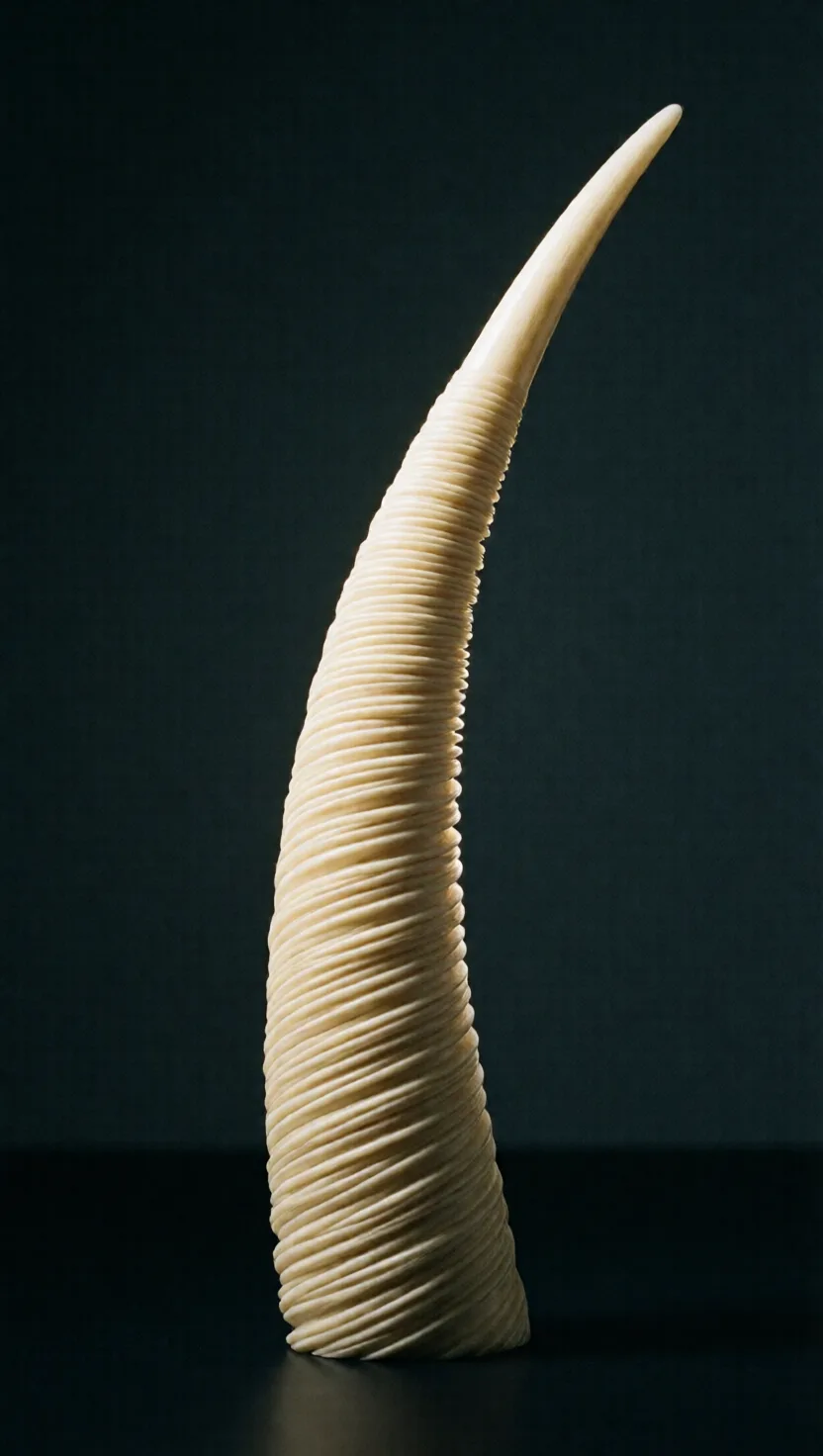
The narwhal's famous spiralling 'horn' is actually a tooth—a single canine that grows straight out through the animal's upper lip and can reach about three metres long. Unlike most teeth it is soft on the outside and hard within, and it is riddled with millions of nerve endings, making it a giant sensory organ that may sense changes in the surrounding seawater. Medieval traders once sold these tusks as proof that unicorns were real.
A rhino's horn is just packed-together hair

A rhino's horn is just packed-together hair

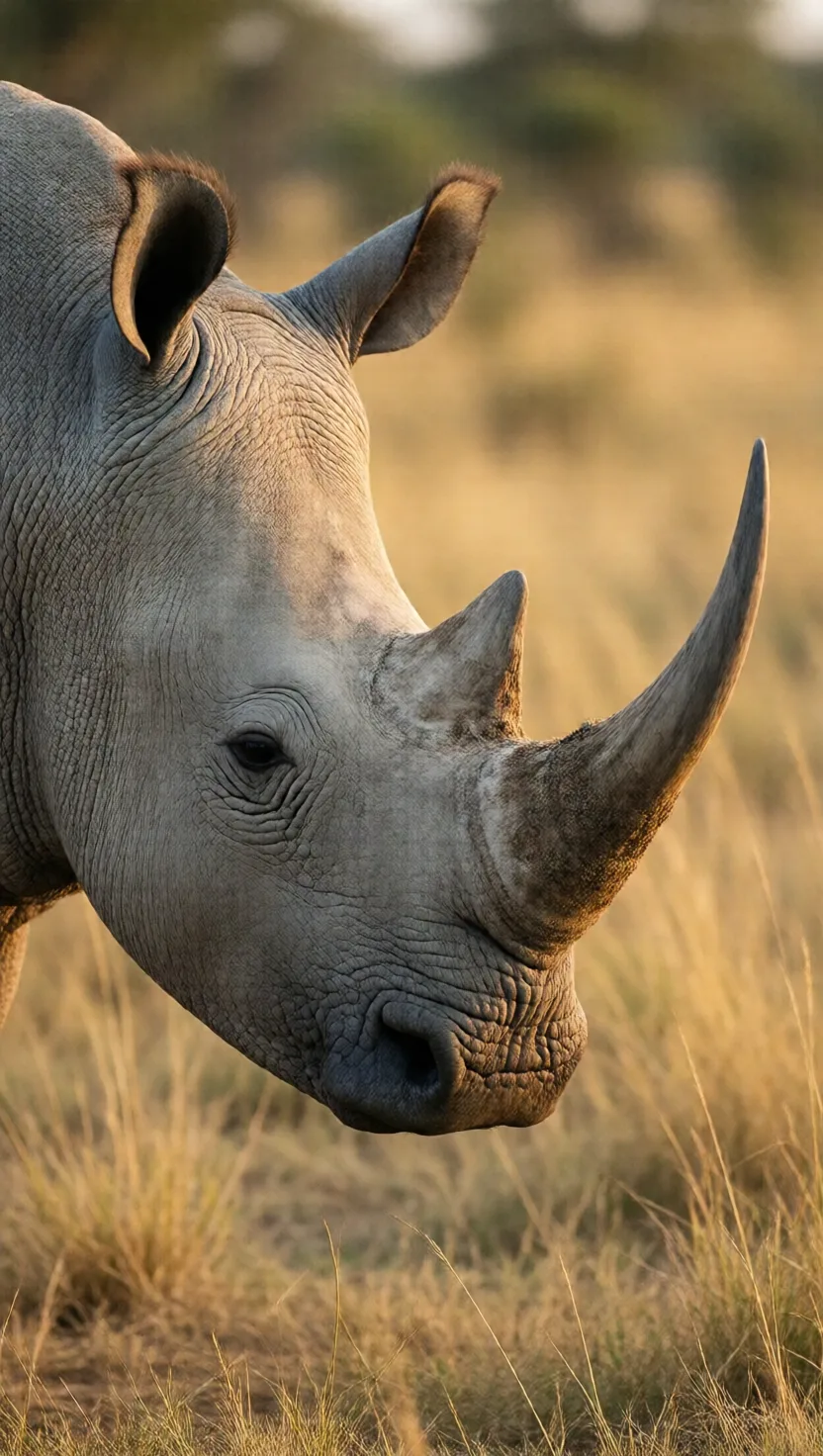
Unlike cattle or antelope, a rhinoceros horn has no bone inside it at all. It is made entirely of keratin—the same protein in hair, hooves and fingernails—compacted into a dense solid, with a core stiffened by deposits of calcium and melanin. Because there is no bony anchor, a broken horn can slowly regrow. Up close, its structure is closer to a tightly bundled mass of hairs than to true horn or bone.
A ram's horns can outweigh its skeleton

A ram's horns can outweigh its skeleton

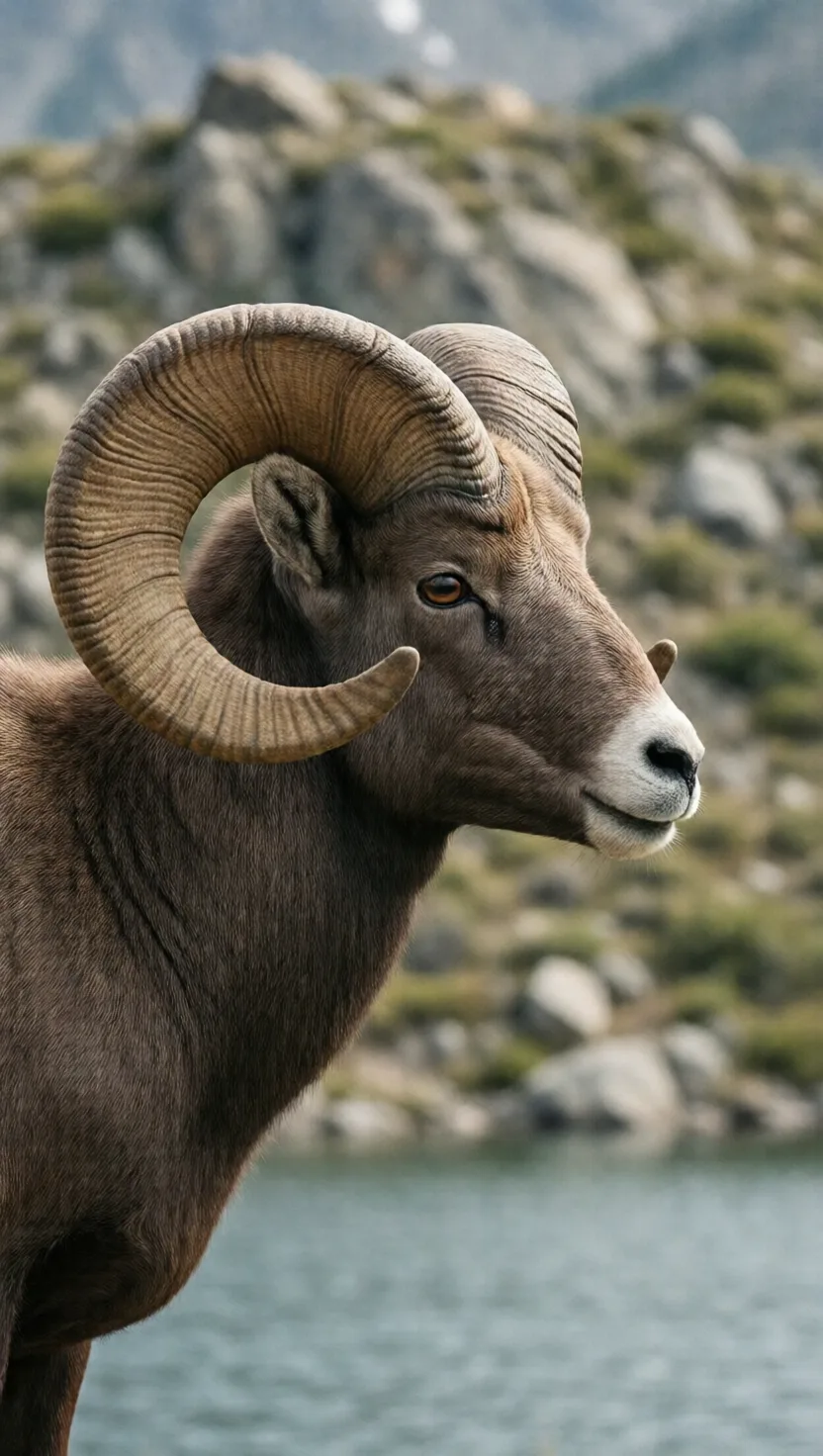
A mature bighorn ram carries a pair of massive curling horns that can weigh as much as 14 kilograms—more than all the other bones in his body combined. He uses them as battering rams, charging rivals at speeds over 30 kilometres an hour and slamming heads with a crack that carries across a valley. Thick, spongy bone and a double-layered braincase cushion the blow so he can do it again and again.
Only in reindeer do the females grow antlers

Only in reindeer do the females grow antlers

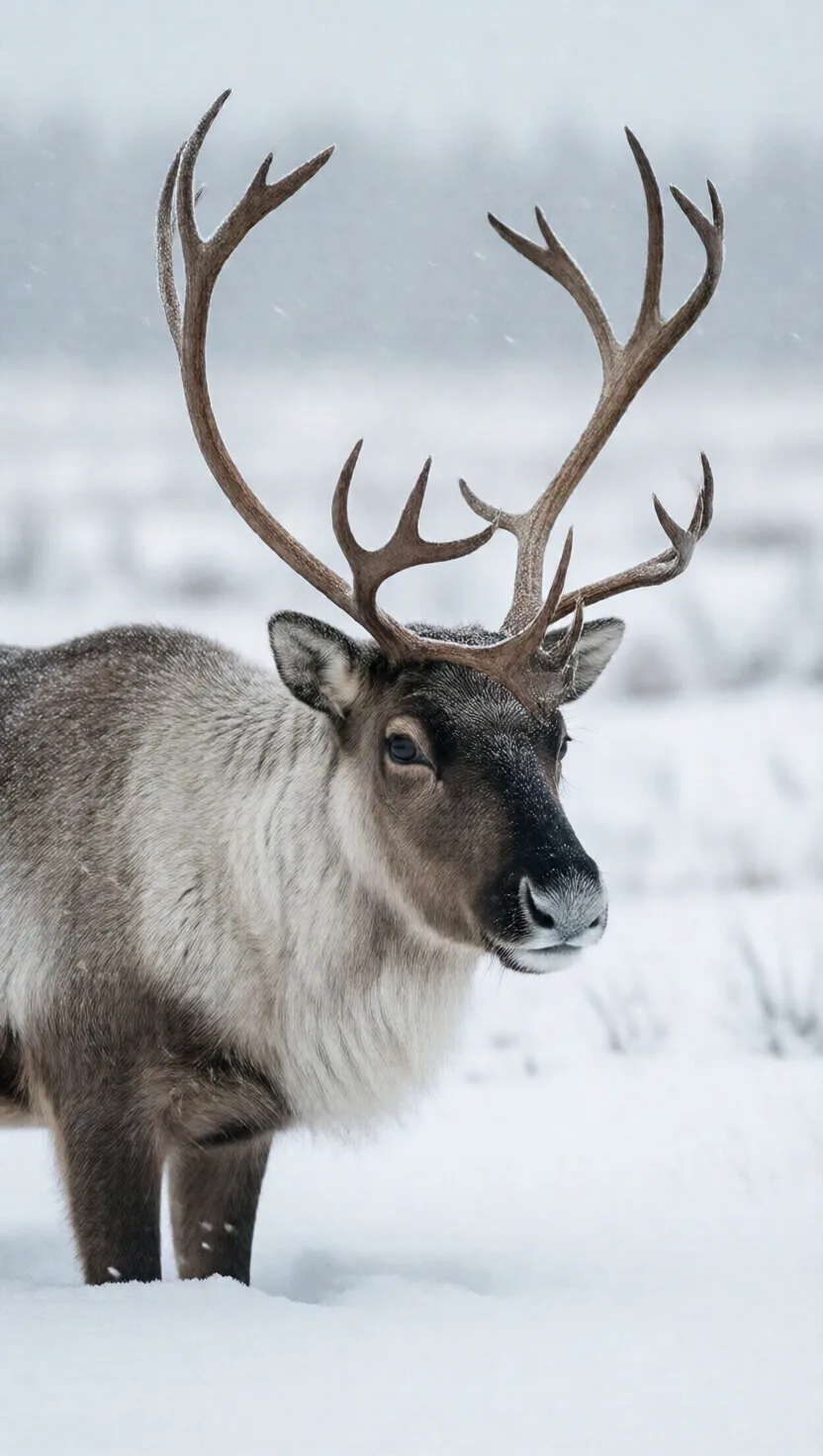
In every other kind of deer, only the males grow antlers. Reindeer and caribou are the exception: the females grow them too. The males shed theirs in early winter after the rut, but the females keep their antlers right through to spring, using them to guard the feeding craters they dig down through the snow. So through the deepest winter months, the reindeer still wearing antlers are almost all female.
These giant horns are built-in radiators

These giant horns are built-in radiators

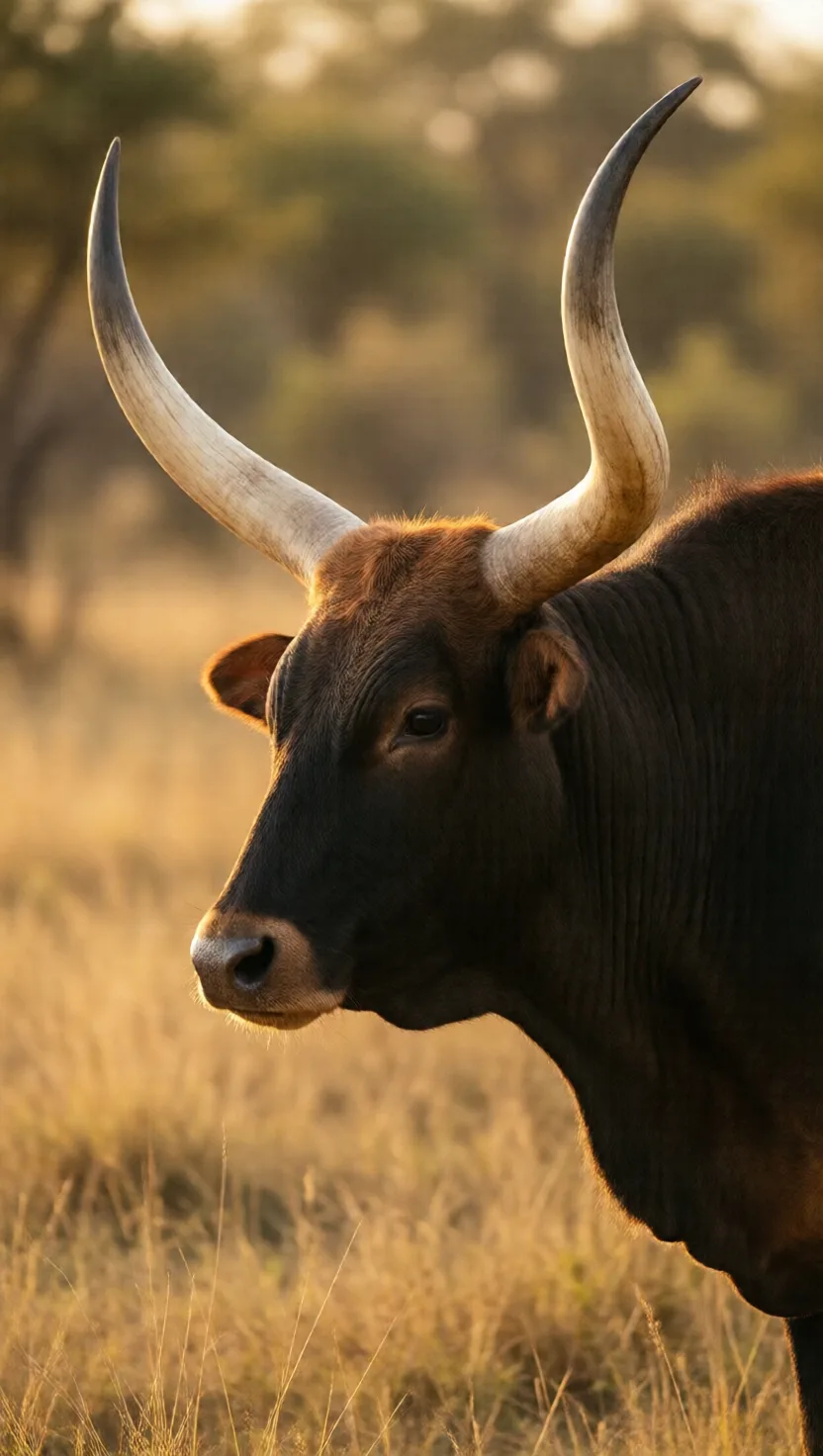
The Ankole cattle of East Africa carry some of the largest horns of any animal, with spans of up to 2.4 metres from tip to tip. The horns are not solid—they are honeycombed with a network of blood vessels. As warm blood flows through them, heat radiates off the enormous surface and the cooled blood returns to the body, letting the animal shed heat and survive scorching afternoons on the open plain.
tap →swipe ↑ for depthswipe ↓ to exit