Eight things hiding in the night sky

DC·18 Deep Cuts
That mauve ribbon isn't an aurora at all

That mauve ribbon isn't an aurora at all

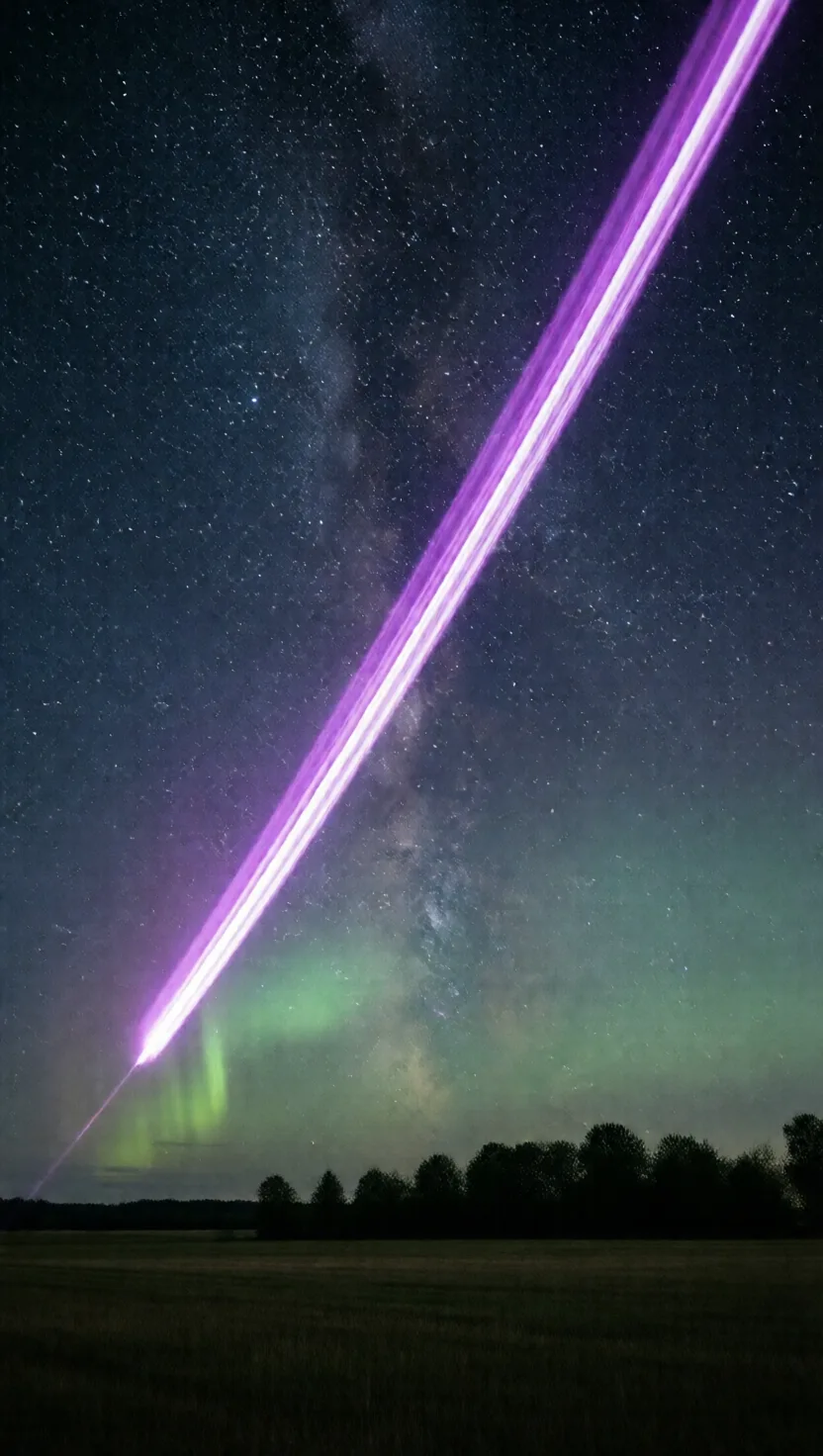
A purple streak that aurora hunters in Alberta kept photographing turned out to be something science had missed. Satellites found it's a ribbon of gas about 25 km wide, some 450 km up, glowing near 3,000°C — heated not by the particle rain that paints normal auroras, but by a fast river of charged gas tearing sideways through the upper air. The chasers nicknamed it Steve, and the name stuck.
The northern lights can crackle and pop

The northern lights can crackle and pop

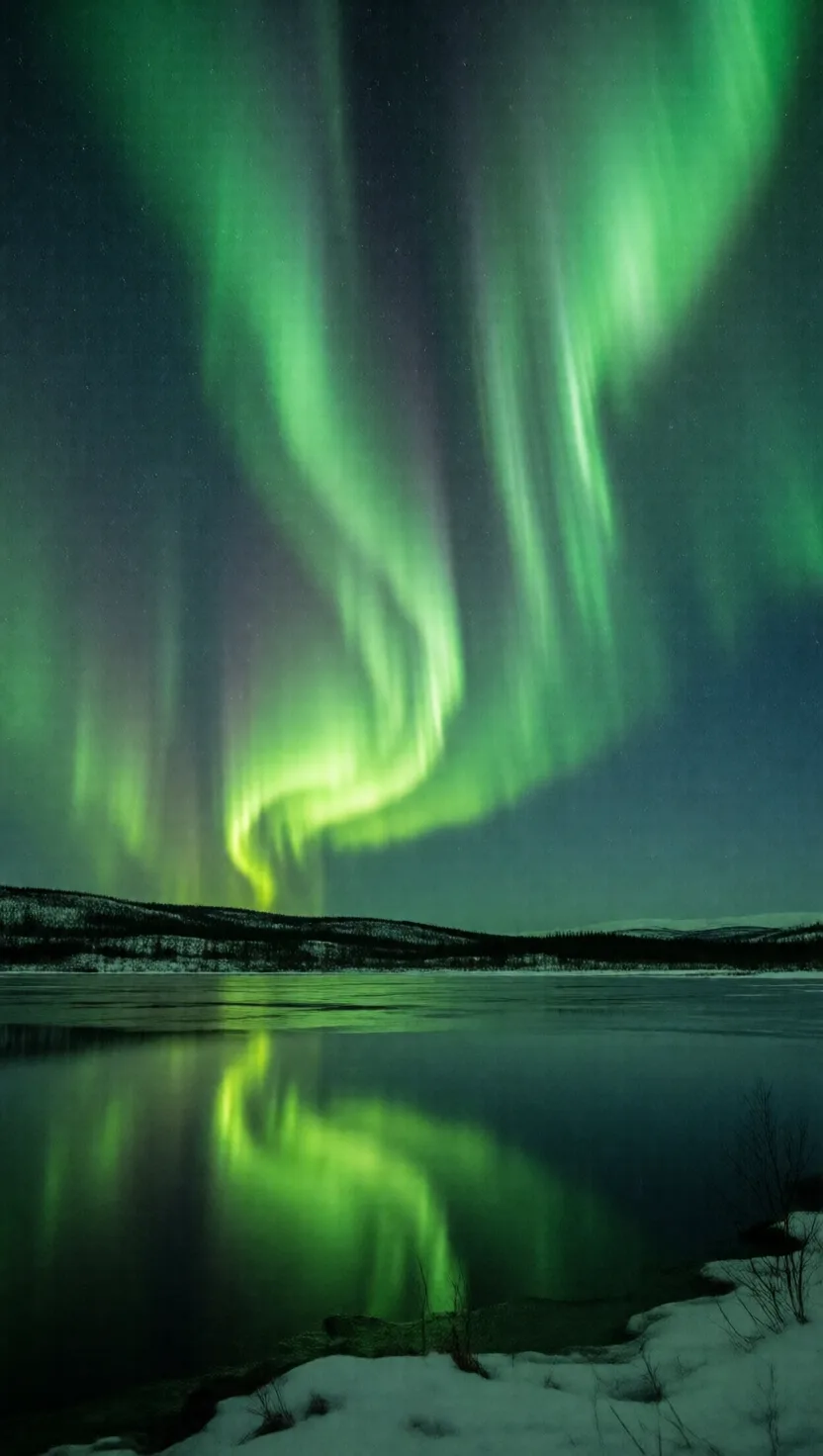
For centuries people swore the lights made faint claps and hisses, and for centuries scientists doubted it — the glow happens around 100 km up, far too high for any sound to reach us. In 2012 a Finnish team finally recorded the noises and traced them to just 70 metres overhead. On still nights a layer of air traps electric charge until a geomagnetic storm jolts it loose in tiny sparks.
The highest clouds shine electric blue at night

The highest clouds shine electric blue at night

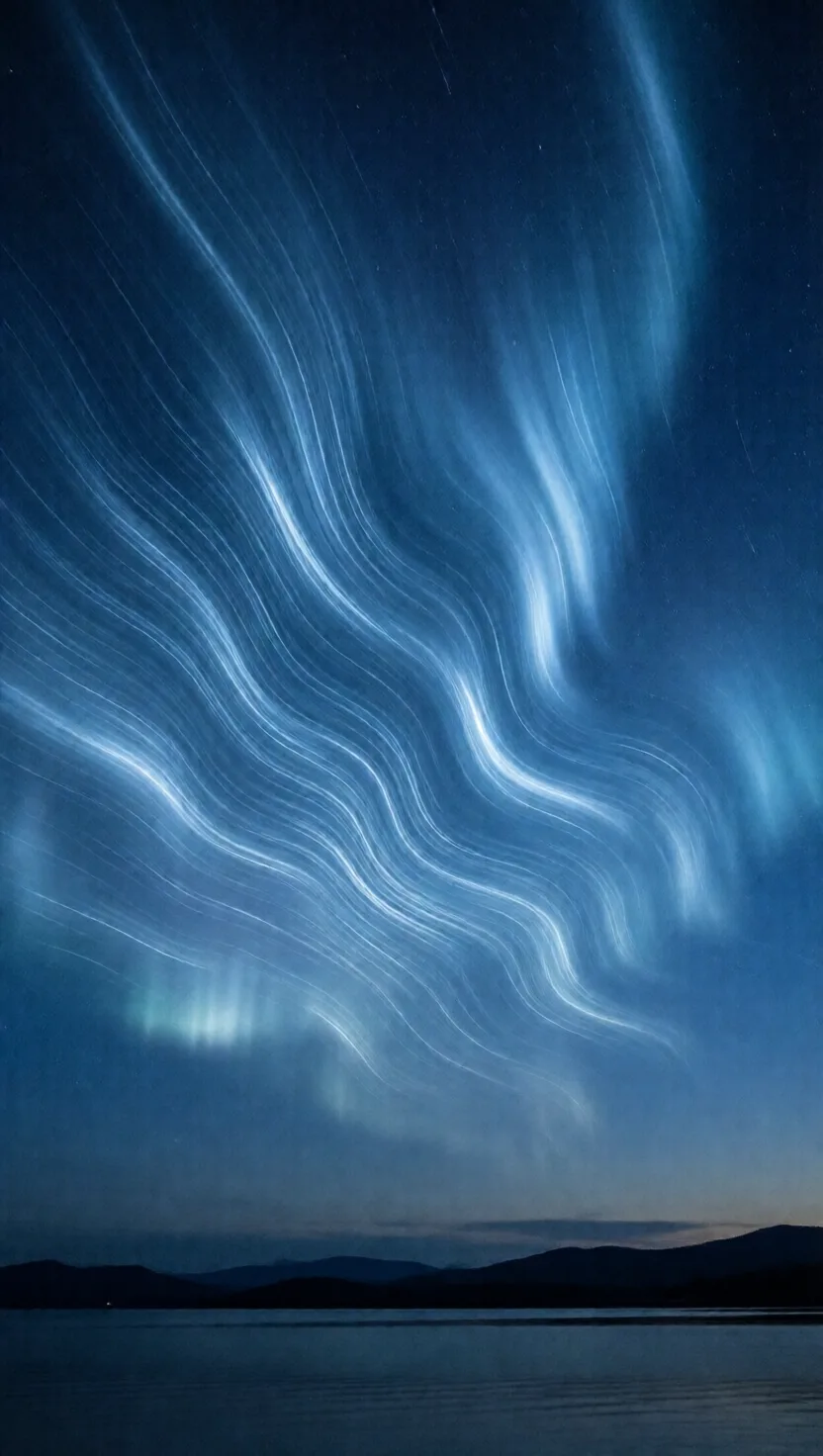
Ordinary clouds top out around 12 km. These glow from about 80 km up, at the edge of space, so high they still catch sunlight long after the ground is dark — lighting an eerie electric blue. They're water ice, but the ice needs a speck to freeze onto, and the seeds are "meteor smoke": dust left by tiny meteors that vaporised overhead. First recorded in 1885.
A false dawn made of dust shed by Mars

A false dawn made of dust shed by Mars

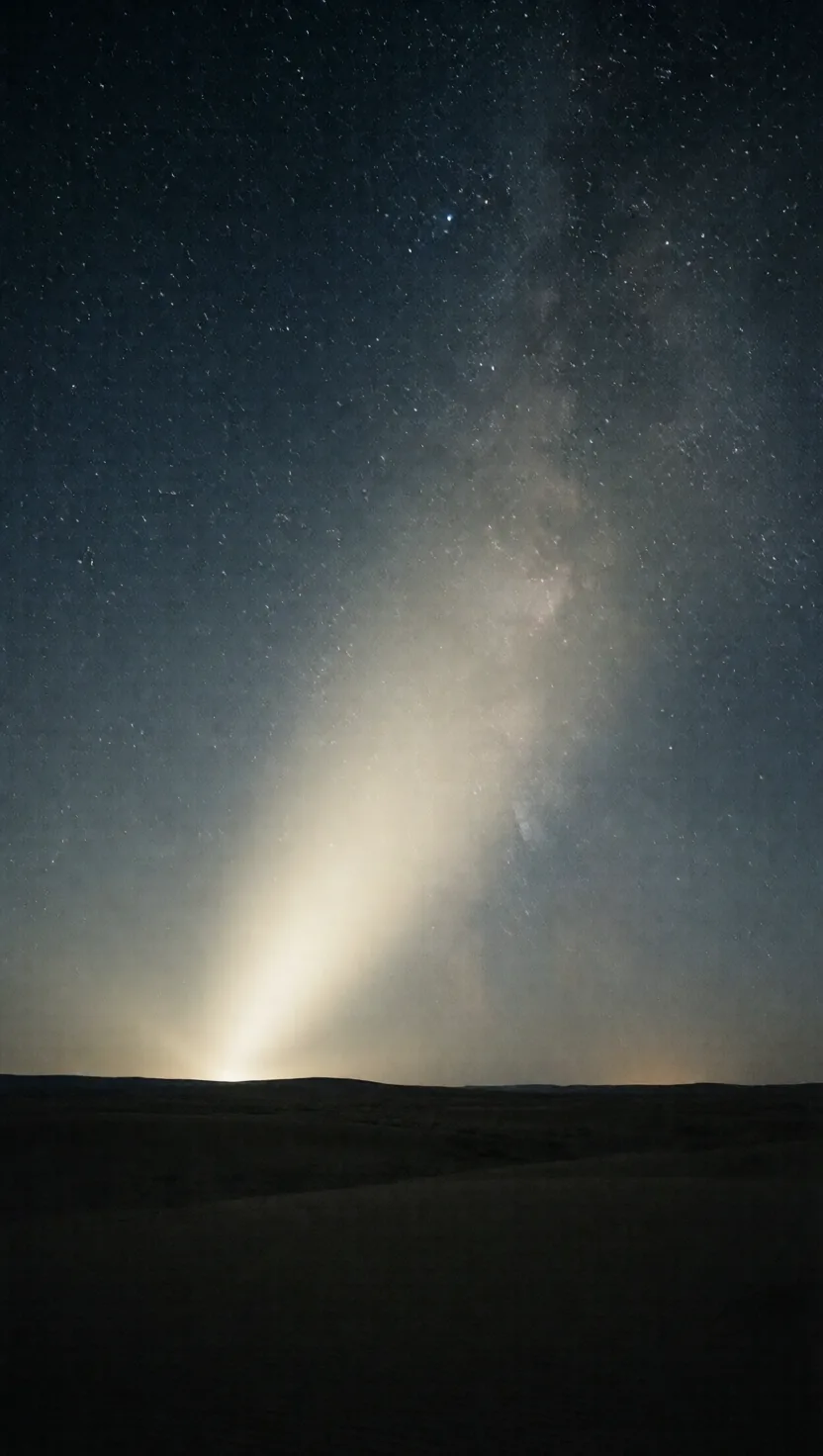
On a dark moonless night a faint cone of light sometimes leans up from the horizon before the true dawn. It's sunlight scattering off countless dust grains spread along the plane of the solar system. In 2021 a spacecraft bound for Jupiter was peppered by those grains for years, and the pattern of hits pointed to a surprising source: dust lofted by storms on Mars.
At dusk you can watch Earth's own shadow

At dusk you can watch Earth's own shadow

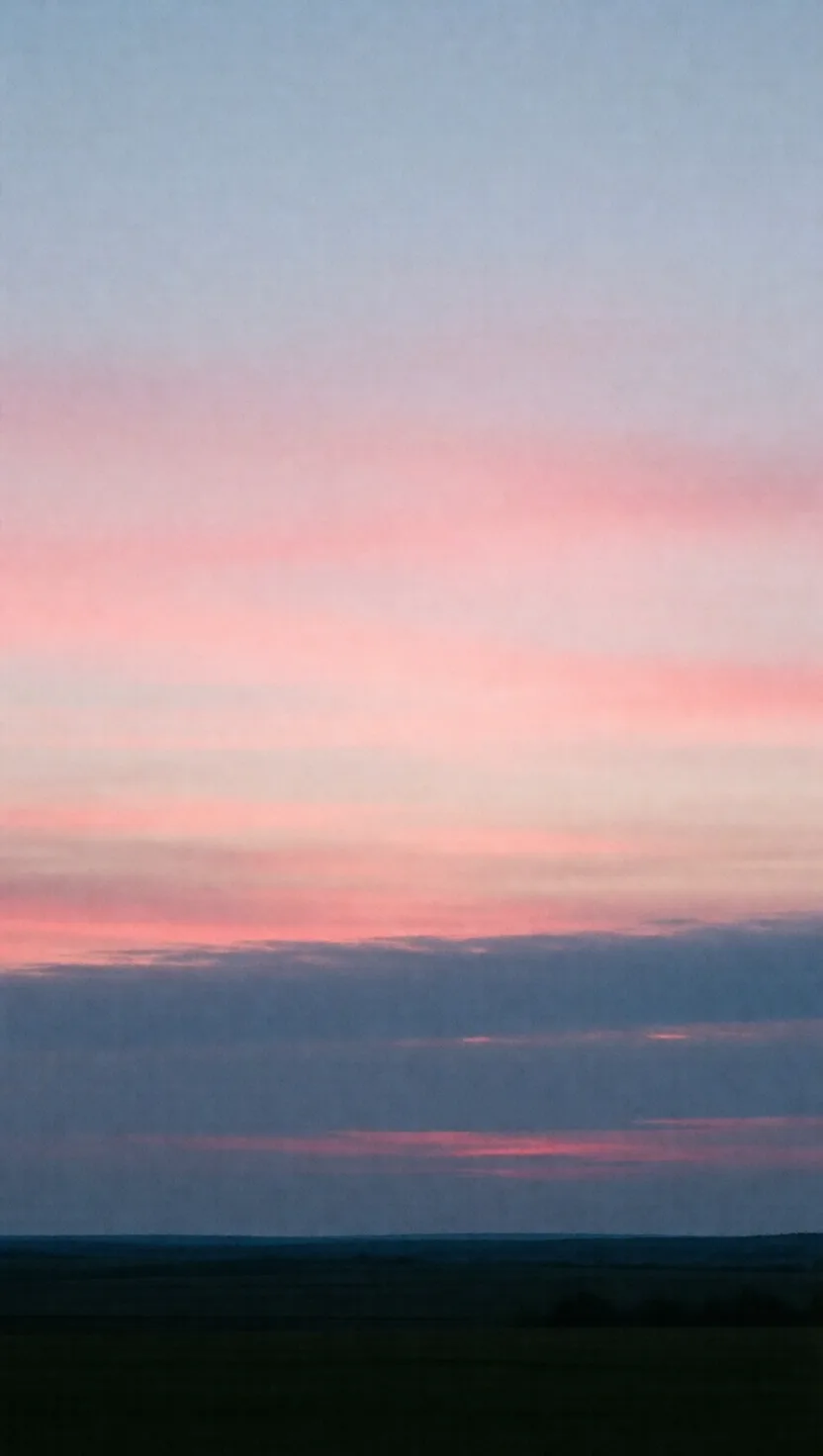
Turn your back on the setting sun and look at the opposite horizon. A soft pink band hangs there, and below it a darker blue-grey wedge climbs higher as the sun sinks — that wedge is the shadow of the Earth itself, cast onto its own atmosphere. The rosy strip above is sunset light scattered back to your eyes. Its old name is the Belt of Venus.
A crescent moon's dark half is lit by Earth

A crescent moon's dark half is lit by Earth

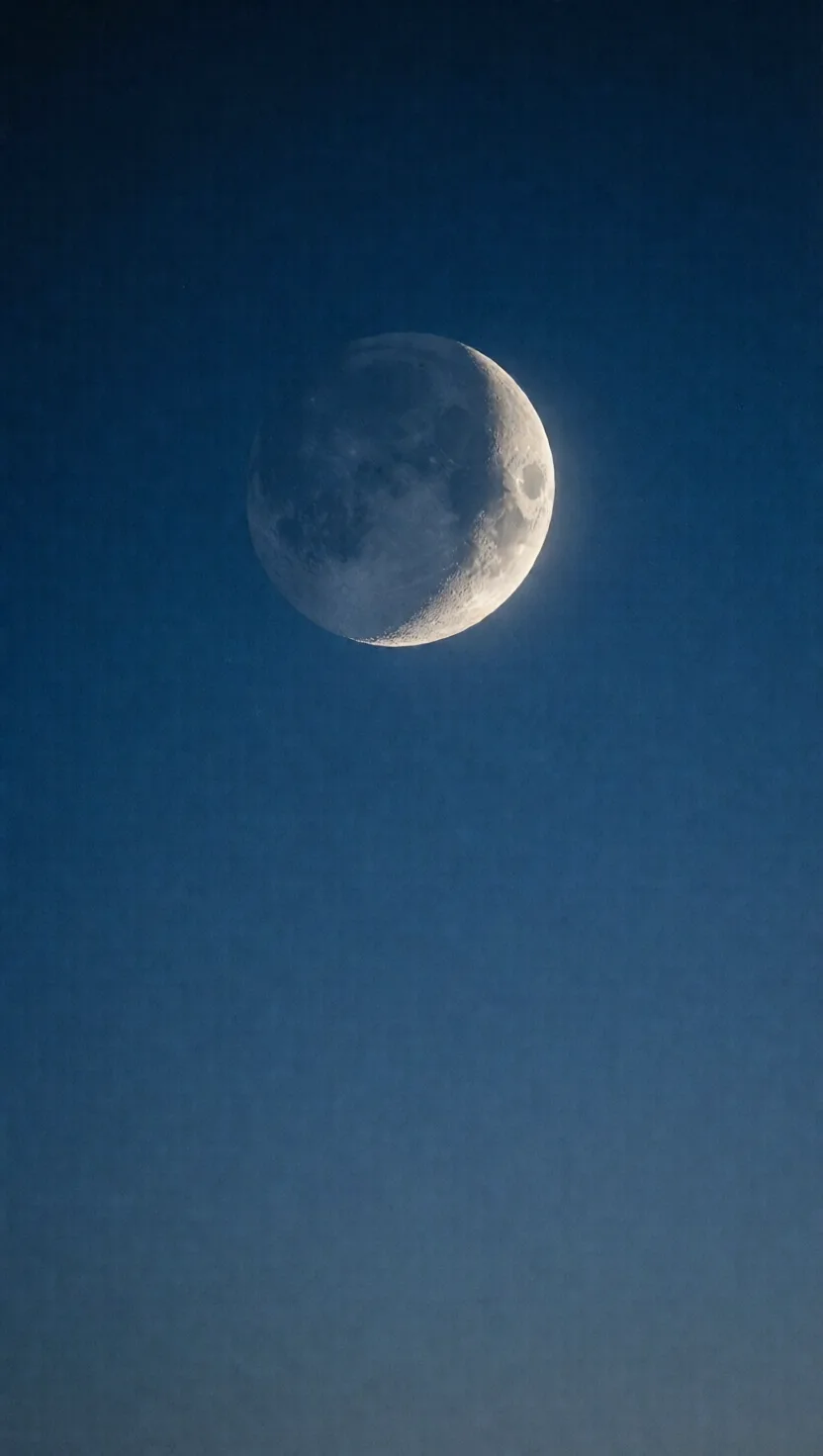
Catch a thin crescent and you can often see the whole moon faintly, the unlit part glowing ashen grey. That's earthshine — sunlight bouncing off our clouds and oceans onto the lunar night, which it lights about 50 times more brightly than a full moon lights us. Leonardo da Vinci was the first to explain it, sketching the idea around 1510.
A shooting star is glowing air, not a burning rock

A shooting star is glowing air, not a burning rock

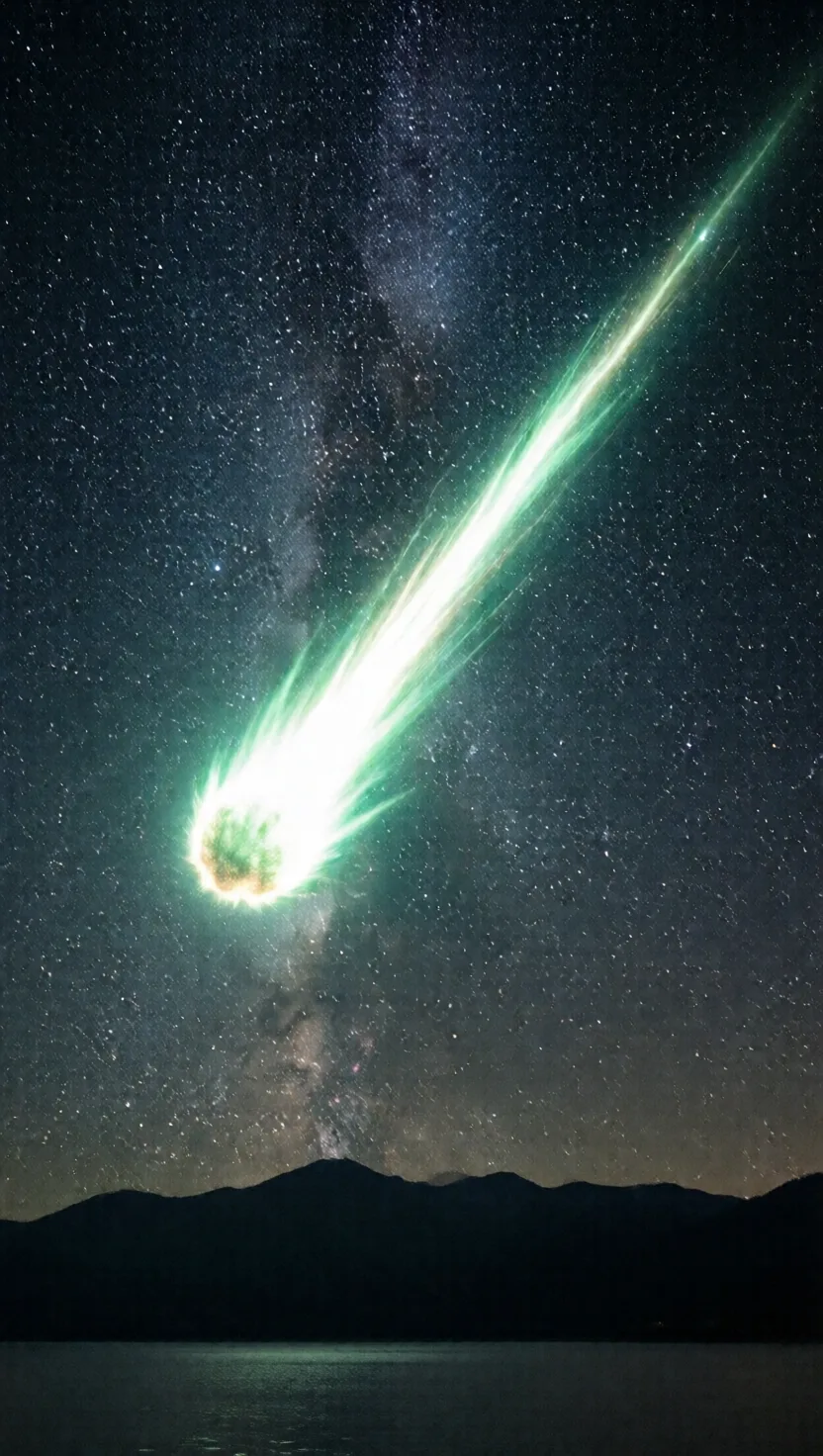
A meteor doesn't light up from friction or by catching fire. Tearing in at tens of kilometres a second, it slams into air that can't move aside fast enough, crushing it so hard the gas heats to thousands of degrees and rips into glowing plasma. The bright streak you see is mostly that superheated air — the rock itself is often no bigger than a grain of sand.
Some constellations are made of darkness

Some constellations are made of darkness

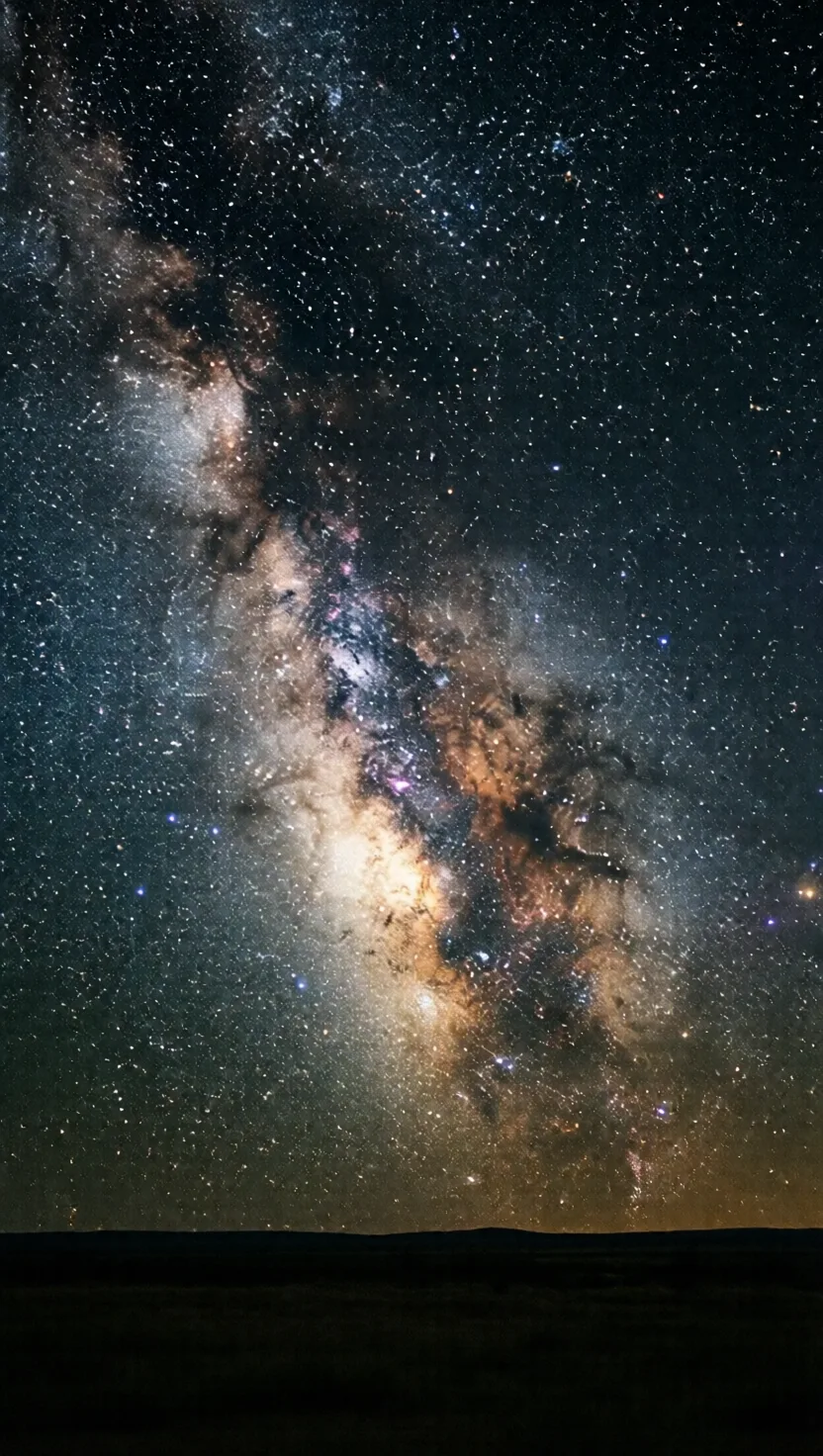
Most cultures join bright stars into pictures. Across Australia, Aboriginal peoples did the reverse, reading the dark dust lanes that split the Milky Way as a giant emu. Its head is the Coalsack, the inkiest dark cloud in the sky beside the Southern Cross; its neck and body stretch hundreds of light-years down the glowing band. As it turns through the year, its pose marks the seasons.
tap →swipe ↑ for depthswipe ↓ to exit