Eight things the simplest animals pull off

DC·176 Deep Cuts
Push a sponge through a sieve; it rebuilds

Push a sponge through a sieve; it rebuilds

In 1907 a biologist forced a living sponge through fine cloth, breaking it into a cloudy soup of separate cells. The cells did not die. Over hours and days they crept across the dish, found one another, clumped together, and slowly rebuilt themselves into small, working sponges. No other animal can be taken apart to single cells and then reassemble itself like this. The result showed that sponge cells carry the instructions to recognize their own kind and rebuild the whole body from scratch.
A kilo of sponge filters 24,000 litres a day

A kilo of sponge filters 24,000 litres a day

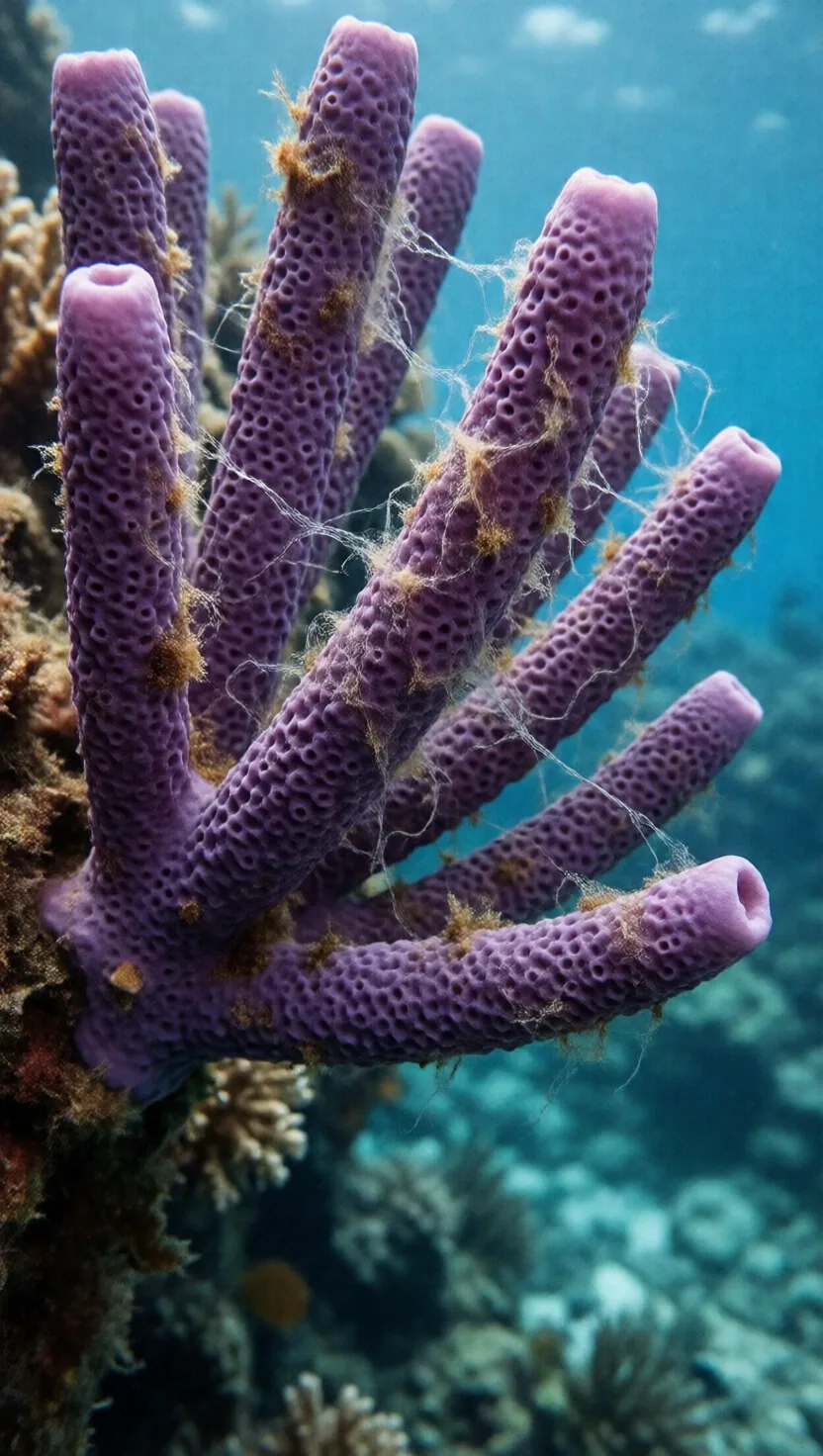
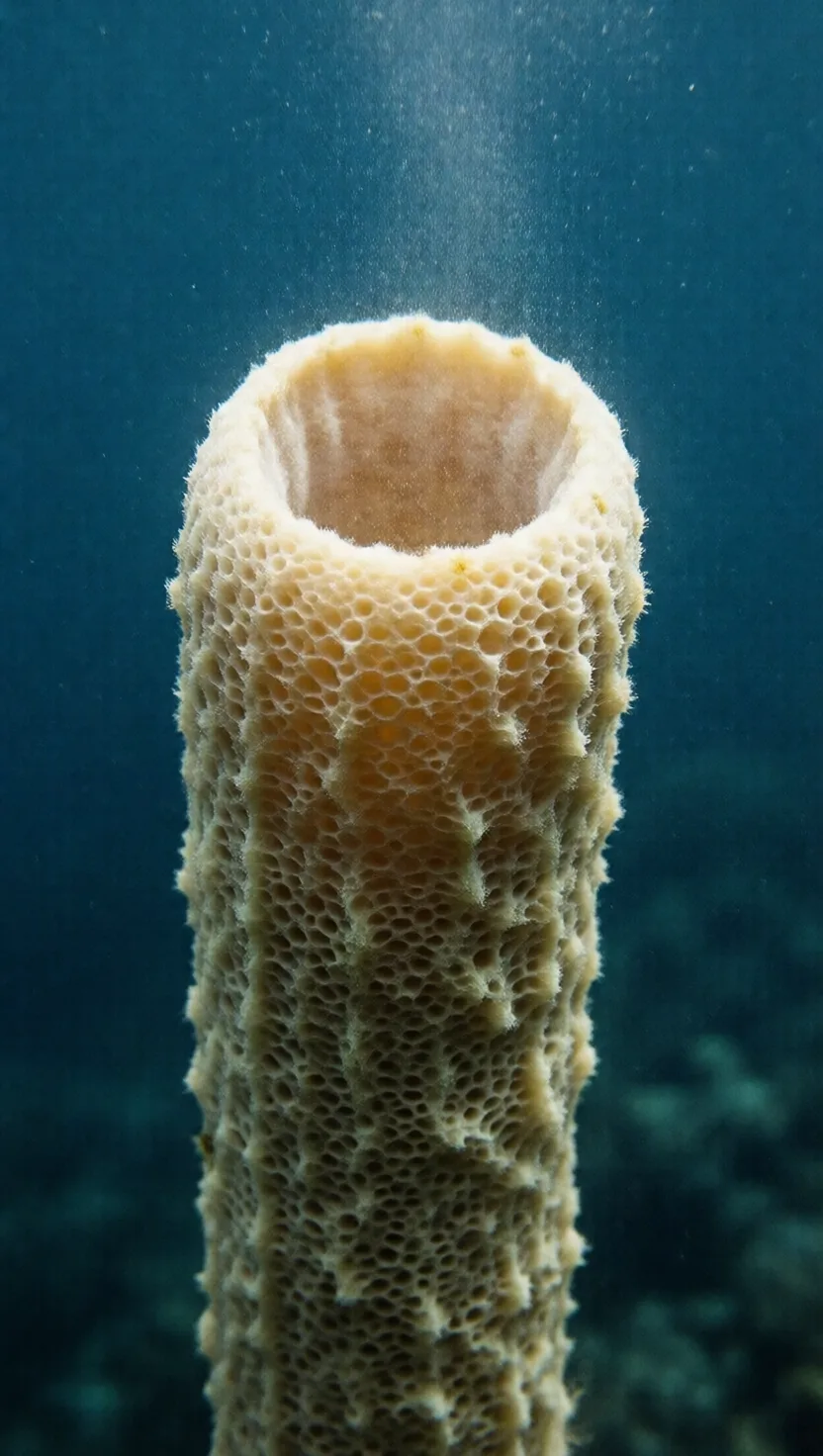
A sponge is essentially a living pump. Its body is lined with millions of tiny cells whose whipping flagella draw seawater in through countless pores, strain out bacteria and specks of food, and push the water out through the large openings on top. The flow is astonishing for such a simple creature. A sponge weighing one kilogram can drive up to 24,000 liters of seawater through itself in a single day, recycling many times its own volume of water just to gather enough to eat.
Sponges sneeze in very slow motion

Sponges sneeze in very slow motion

Sponges have no nose, but they do sneeze. When their intake pores clog with grit, they clear them by oozing mucus. Time-lapse filming showed a sponge slowly pushing sticky, debris-laden slime outward against its own water flow, then expelling it in a gentle surface contraction. A single sneeze unfolds over twenty to fifty minutes rather than a fraction of a second. The cast-off mucus is not wasted either: fish and other reef animals graze on the gooey strings as food.
Your loofah was never a sea creature

Your loofah was never a sea creature

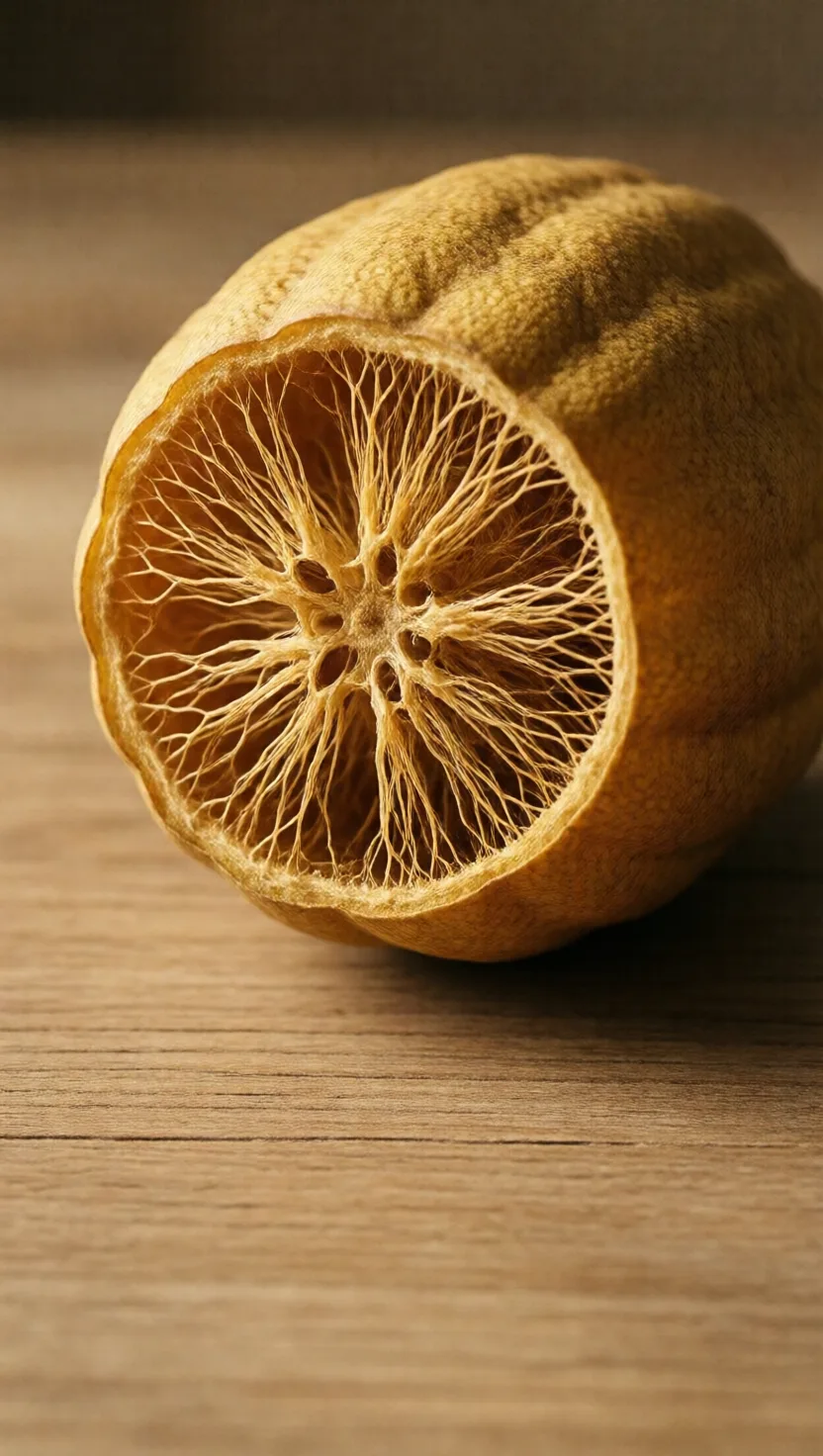
Natural bath sponges really are animals, but the rough loofah in many showers is not one of them. A loofah is a vegetable. It is the dried inner skeleton of the fruit of the luffa, a climbing vine in the cucumber and gourd family. Picked young, the fruit is edible like a courgette. Left to ripen and dry on the vine, its flesh falls away to leave the tough, netted fiber we scrub with. So one common bathroom sponge is an animal and the other is a dried garden gourd.
Some reef sponges are older than Rome

Some reef sponges are older than Rome

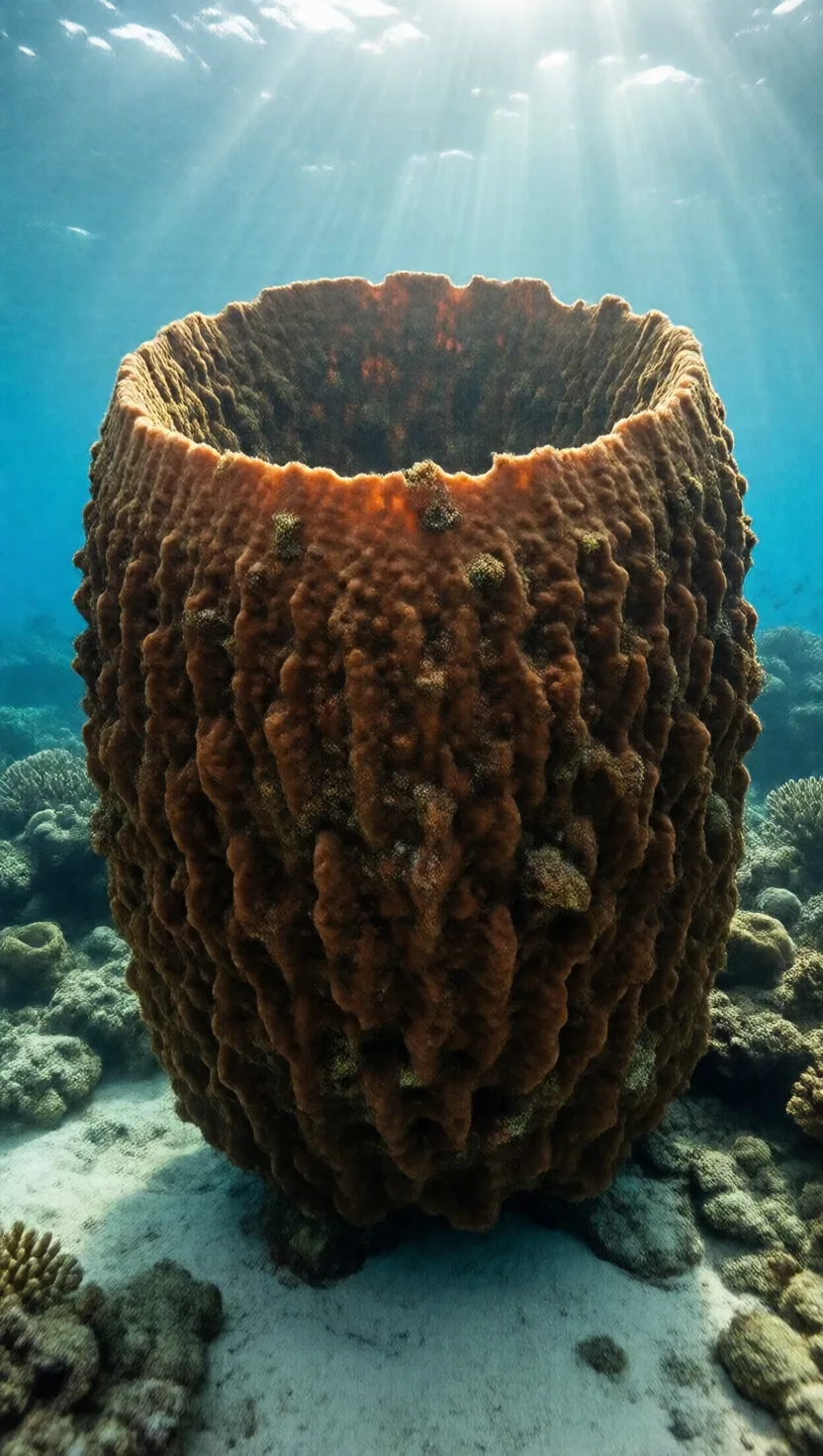
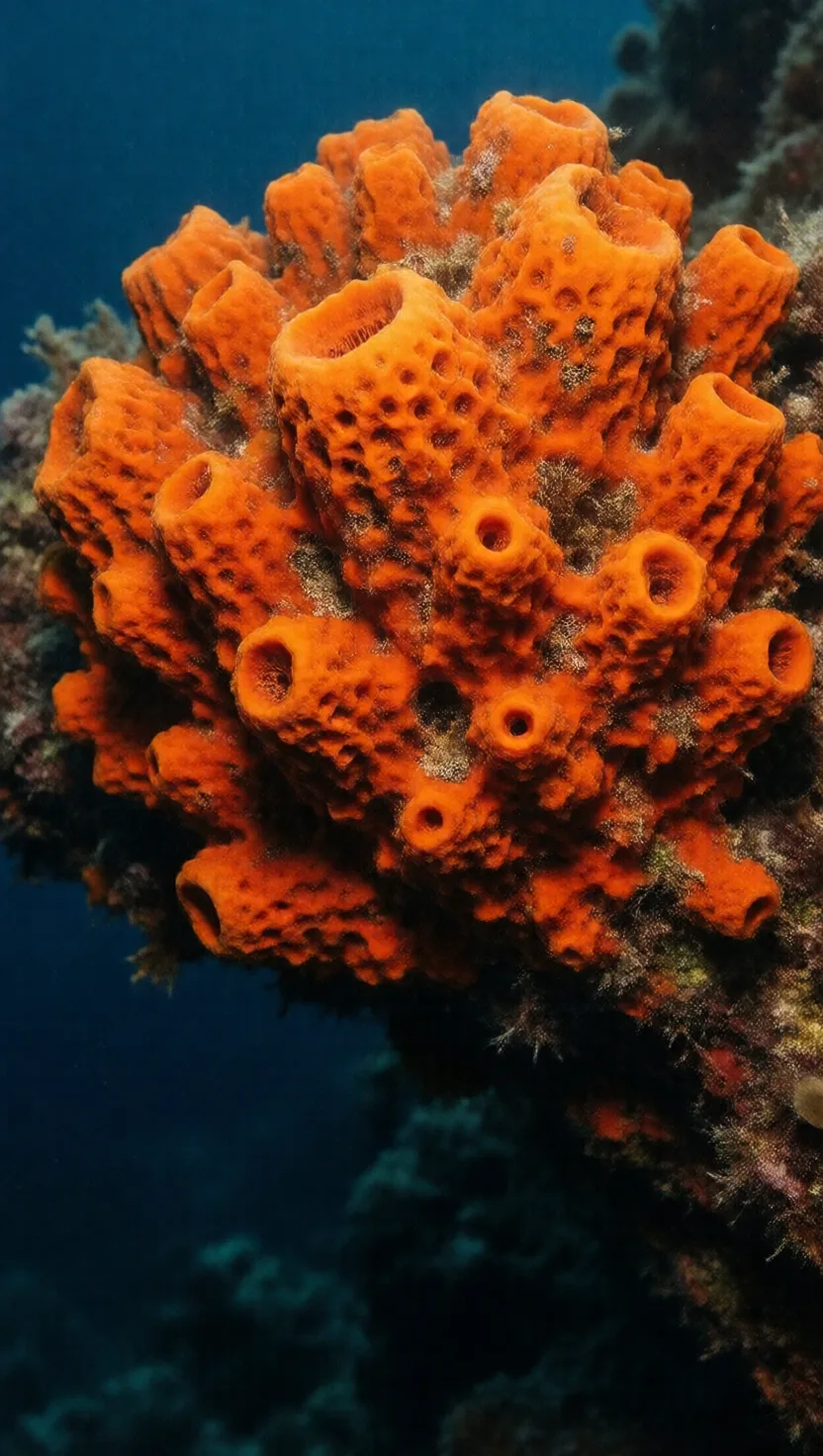
The giant barrel sponge of the Caribbean grows into a vat big enough to climb inside, and it grows with extreme patience. Divers nicknamed it the redwood of the reef. By measuring how slowly individuals expand year after year, scientists estimated that the oldest known specimen had been sitting on the reef for around 2,300 years, meaning it began life before the Roman Empire. These ancient sponges start out only a centimeter or two long and simply keep going, century after century.
An animal with no brain, nerves, or muscle

An animal with no brain, nerves, or muscle

Sponges sit near the very base of the animal family tree, and they get by with almost none of the equipment we think of as animal. They have no brain, no nerves, no muscles, no gut, not even true tissues, yet they are unmistakably animals. They feed, grow, and react to their surroundings purely through cells signalling chemically to their neighbors. Recently biologists even found cells that reach out long arms to coordinate the sponge's filtering, a faint echo of how nervous systems may have begun.
A natural bath sponge is a skeleton

A natural bath sponge is a skeleton

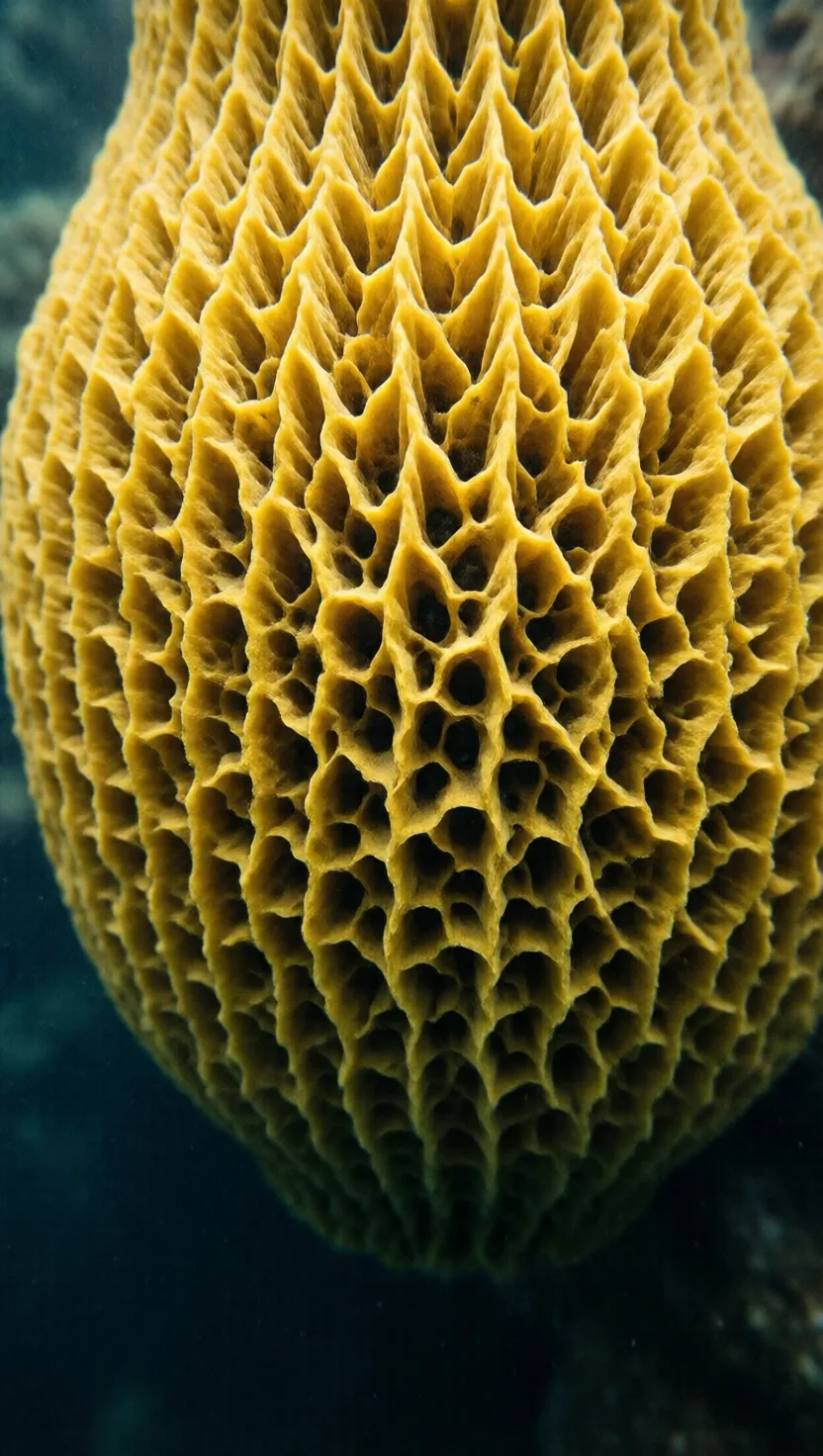
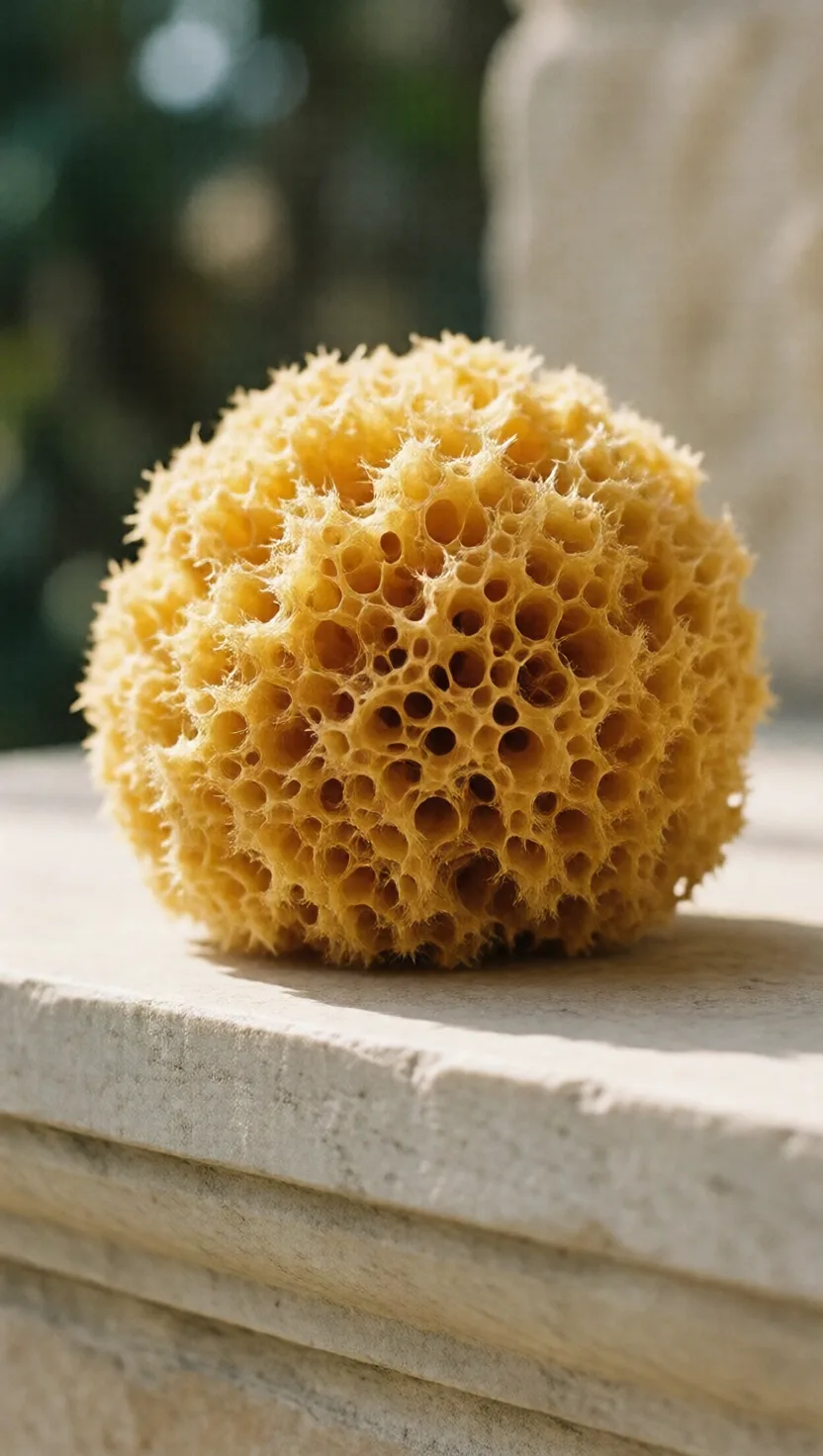
The soft natural sponge sold for the bath is the leftover skeleton of an animal that once lived on the seafloor. The living sponge is built around a springy mesh of a collagen protein called spongin. Harvesters cut the sponge, then soak it until the living flesh rots and washes away, leaving only that clean, absorbent fibrous frame. So every natural bath sponge you squeeze is the bare scaffolding of a former animal, made of the same family of protein that gives our own skin its stretch.
A third of a sponge can be microbes

A third of a sponge can be microbes

A sponge is less a single creature than a crowded city. Many species are packed with bacteria and other microbes, which in some can make up as much as a third of the animal's total weight, at densities far higher than in the surrounding seawater. A single sponge may shelter dozens of distinct microbial groups in its tissues. These tenants earn their keep, helping process nutrients and brewing potent chemicals that defend the soft, rooted sponge from being eaten by passing fish.
tap →swipe ↑ for depthswipe ↓ to exit