Eight things the little armoured night-shuffler is hiding

DC·173 Deep Cuts
Its 6,000 spines are just stiff hairs

Its 6,000 spines are just stiff hairs

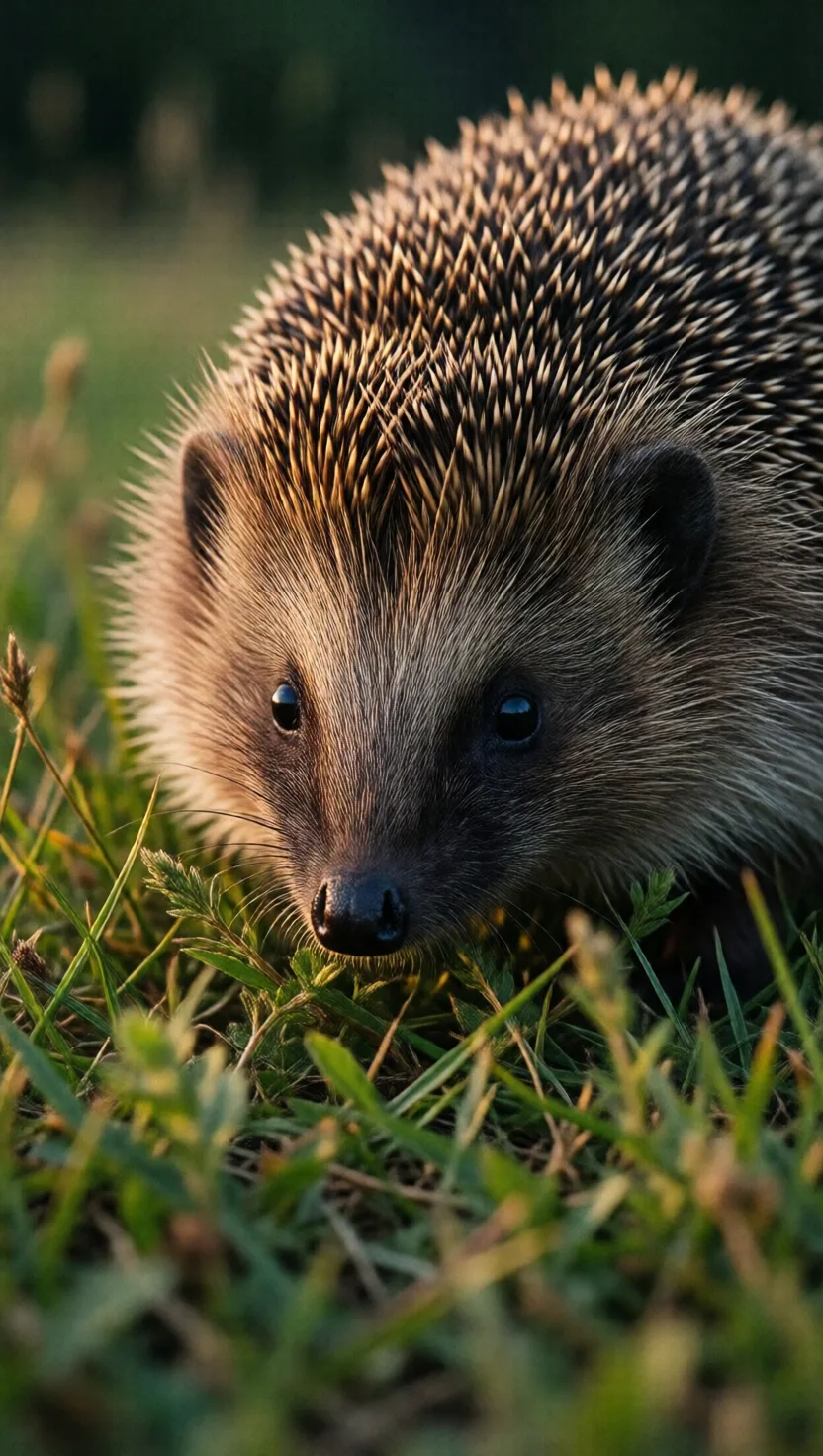
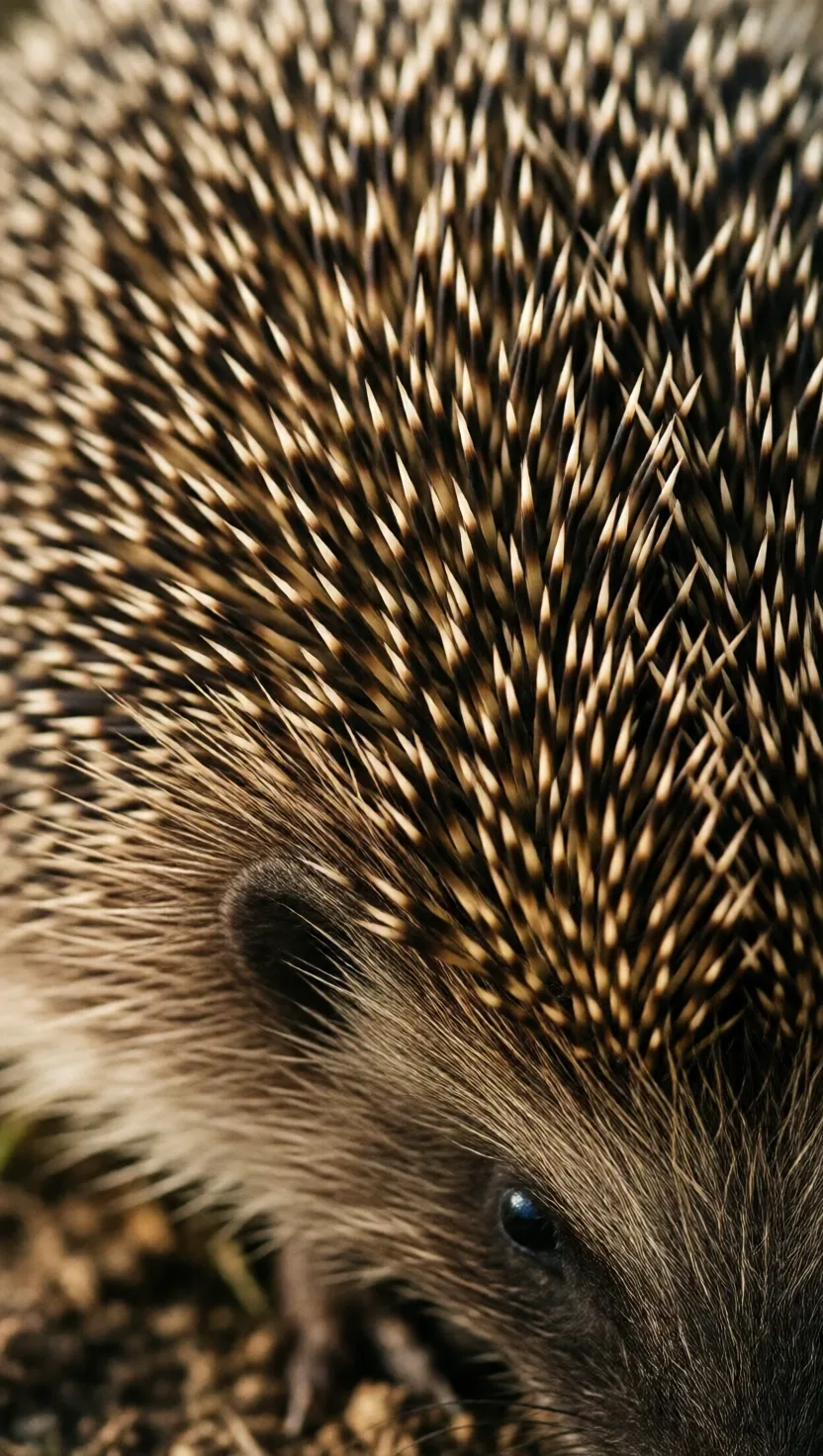
A hedgehog's armour is hair. Each of its roughly 5,000 to 7,000 spines is a modified hair of keratin, the same protein as your fingernails, hollowed out and stiffened, anchored by a flexible bulb at the base so it bends under pressure instead of snapping. Unlike a porcupine's quills, the spines are not barbed and do not pull free when touched.
It cinches shut like a coin purse

It cinches shut like a coin purse

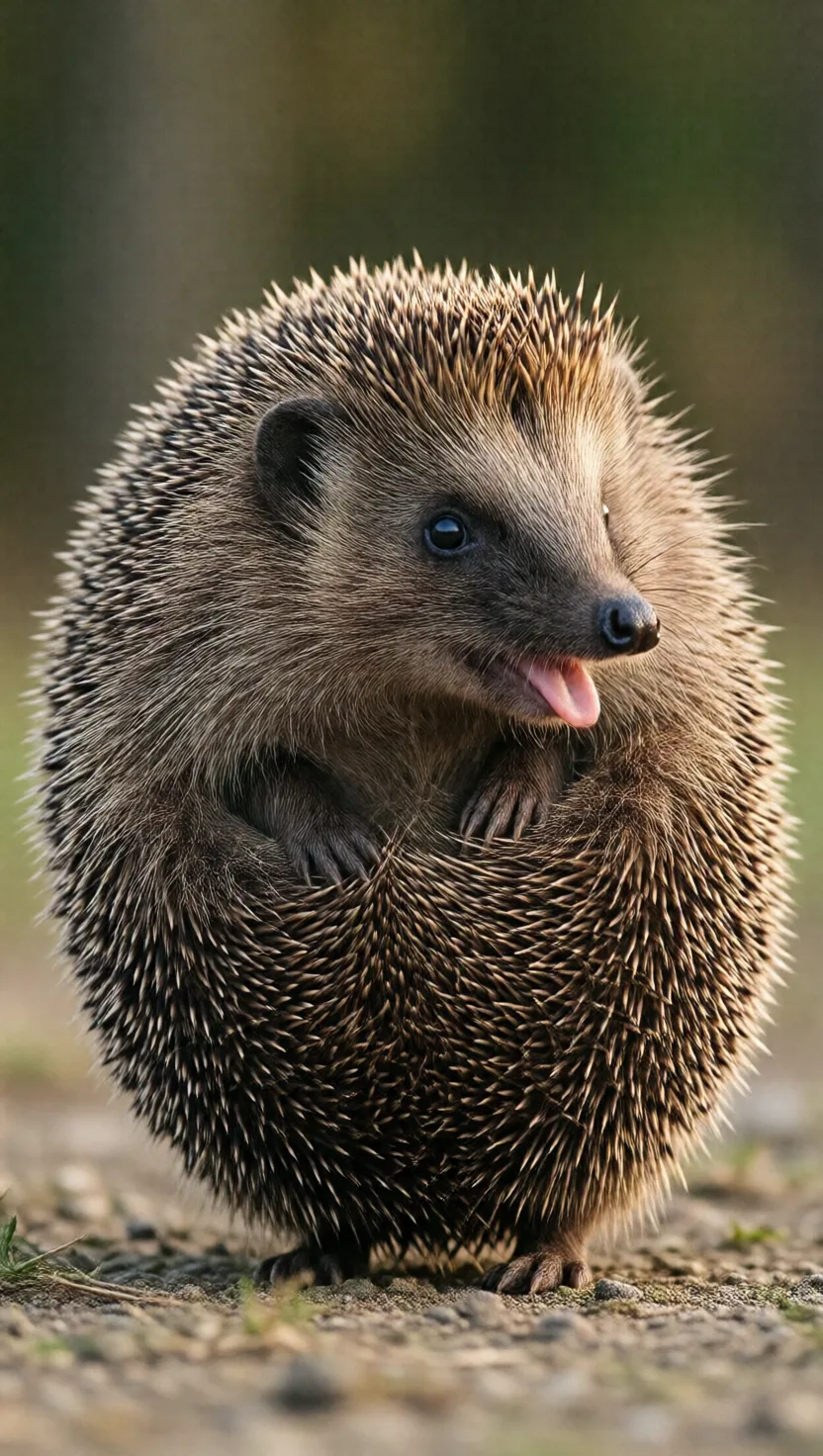
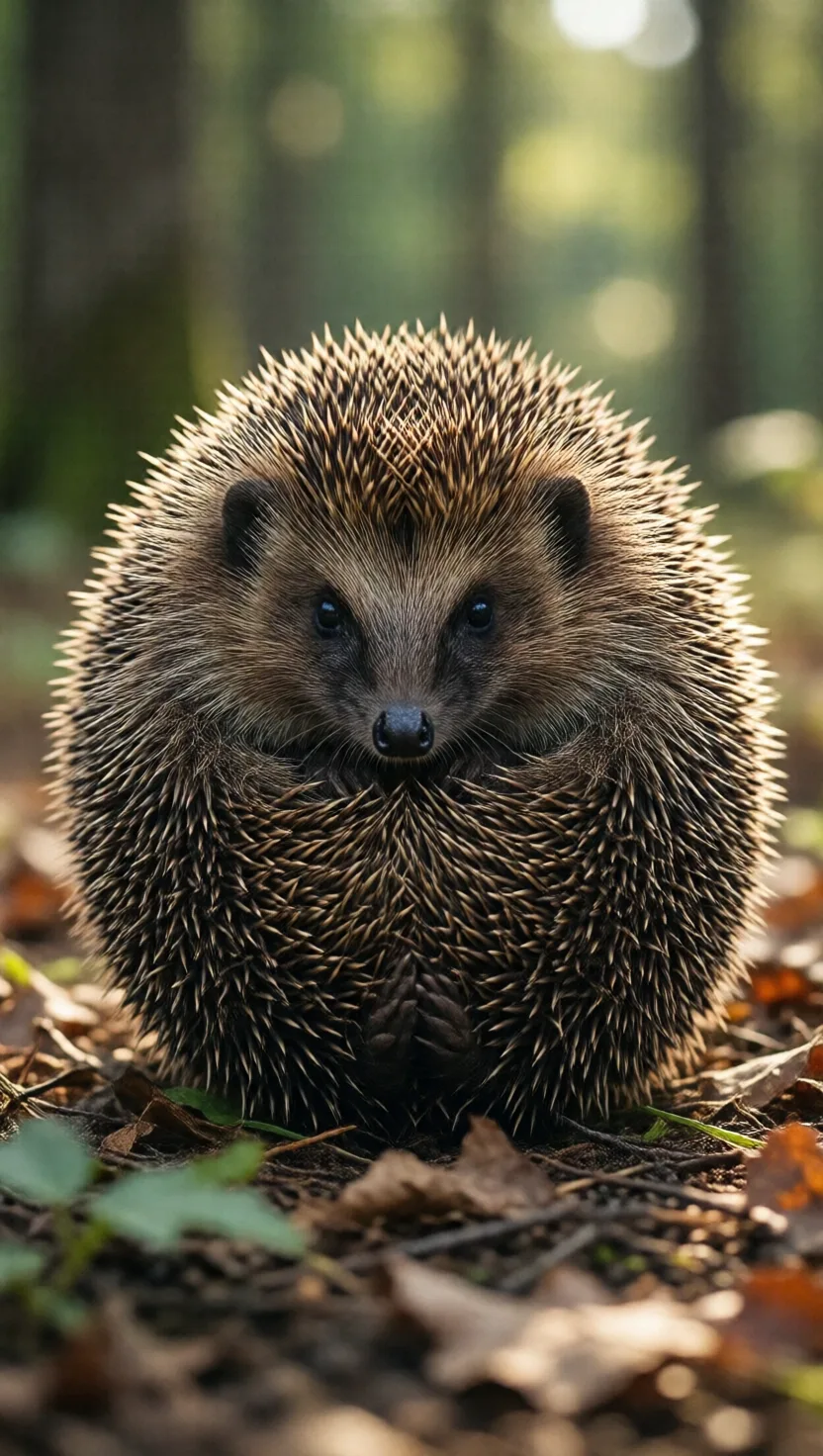
The spiny skin is a loose cloak, the mantle, draped over the hedgehog's back. A broad sheet of muscle pulls the cloak down over the soft parts, while a thickened band of muscle around its rim, the orbicularis, tightens like a drawstring and cinches the whole thing into a sealed ball. Fully curled, only a gap about a centimetre wide is left unguarded by spines.
It foams and paints itself with spit

It foams and paints itself with spit

Meet a strong new smell and a hedgehog does something strange. It licks and chews the source until it produces frothy saliva, then twists its head right back over its shoulder to paint the foam across its own spines with its tongue, contorting for minutes on end, almost oblivious to the world. Why it does this is still debated: borrowed toxins, scent disguise, or a kind of marking.
Its blood disarms an adder's venom

Its blood disarms an adder's venom

Hedgehogs will raid the nests of vipers and shrug off bites that would kill a similar-sized animal. Their blood carries a protein, erinacin, that latches onto venom's tissue-shredding enzymes and switches them off, and it even works against the venom of snakes on other continents. The shield is not total, though: a large enough dose can still kill a hedgehog.
A saucer of milk can kill one

A saucer of milk can kill one

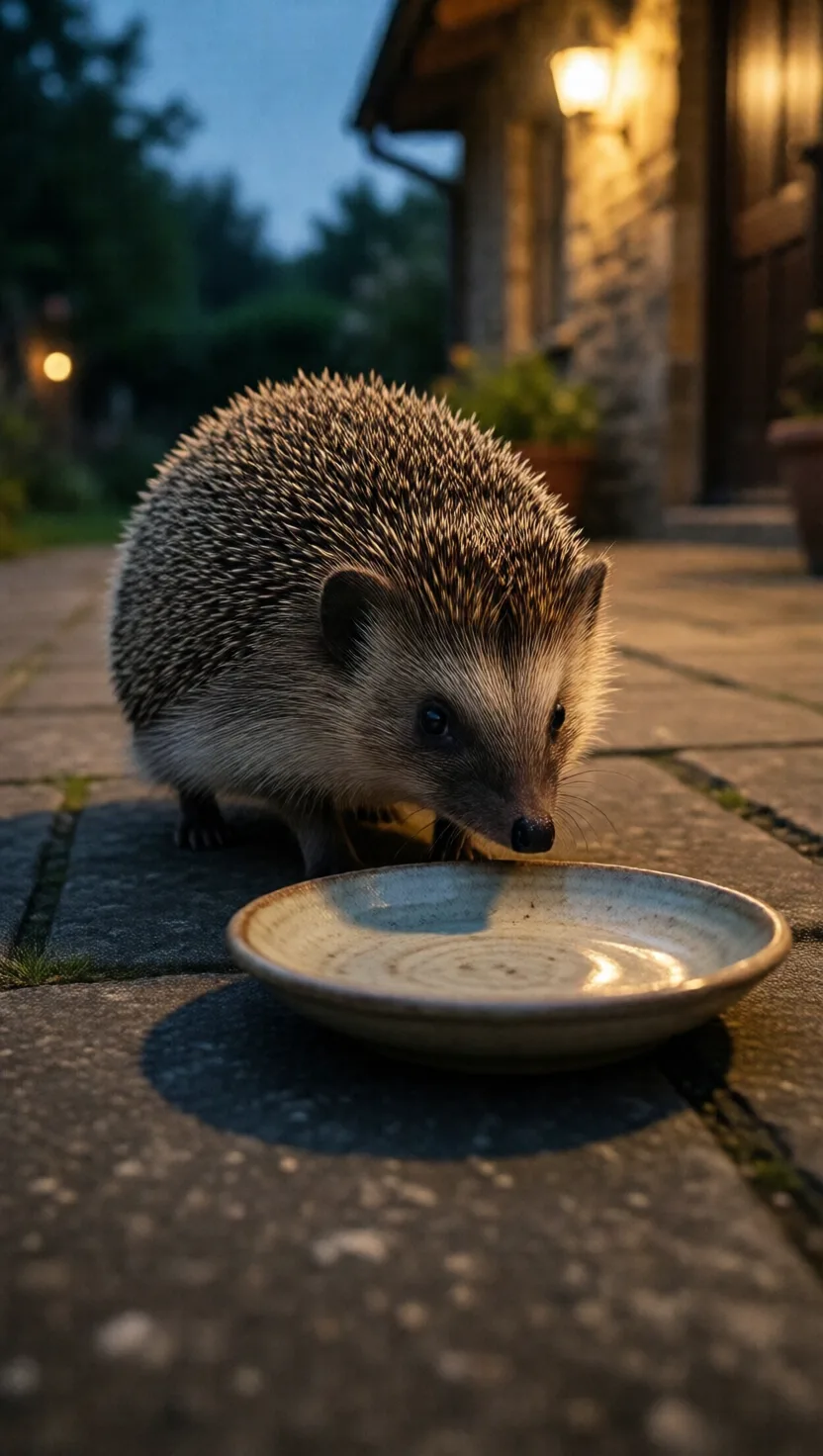
The kindly old tradition of leaving milk out for a visiting hedgehog is deadly. Hedgehogs are lactose intolerant; their guts lack the enzyme to break down milk sugar, so cow's milk ferments and triggers severe, often fatal diarrhoea. A shallow dish of plain water and some meaty food are welcome. Milk, despite the storybook image, never is.
In winter its heart nearly stops

In winter its heart nearly stops

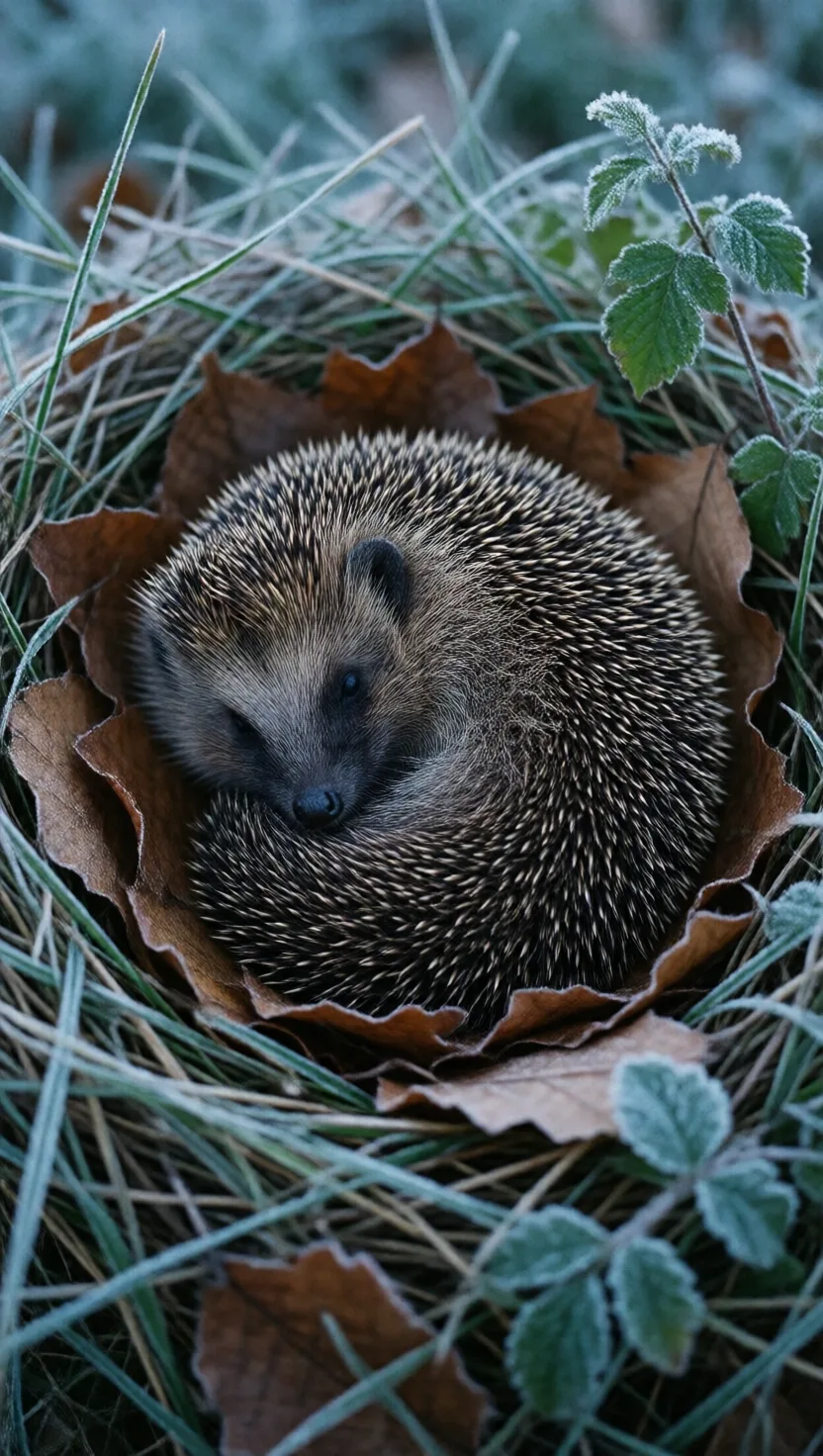
A hibernating hedgehog does not merely sleep, it powers down. Its body temperature falls from about 35 degrees Celsius to match the cold air around it, sometimes as low as 2 degrees, and its heartbeat slows from as fast as 280 beats a minute to under 20. Every few weeks it briefly burns stored fat to warm itself, then sinks straight back into torpor.
Babies hide their spines to spare the mother

Babies hide their spines to spare the mother

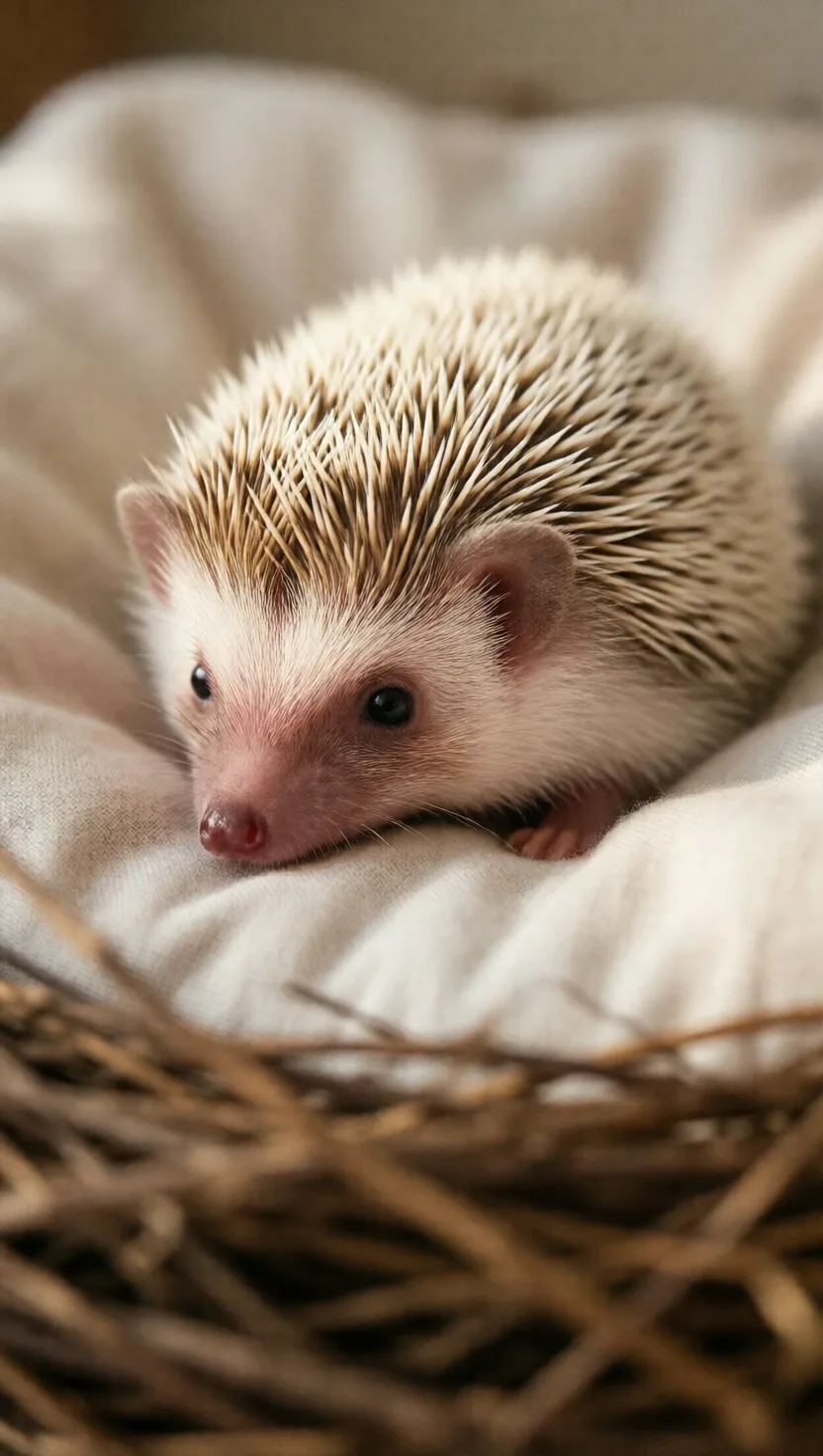
A newborn hedgehog looks bald, but its first hundred or so white spines are already there, tucked beneath a layer of fluid-filled skin so they cannot injure the mother during birth. Within hours the swelling drains away, the skin shrinks back, and the soft pale spines push through the surface. Harder, darker spines follow over the days after.
Sent abroad for nostalgia, now a menace

Sent abroad for nostalgia, now a menace

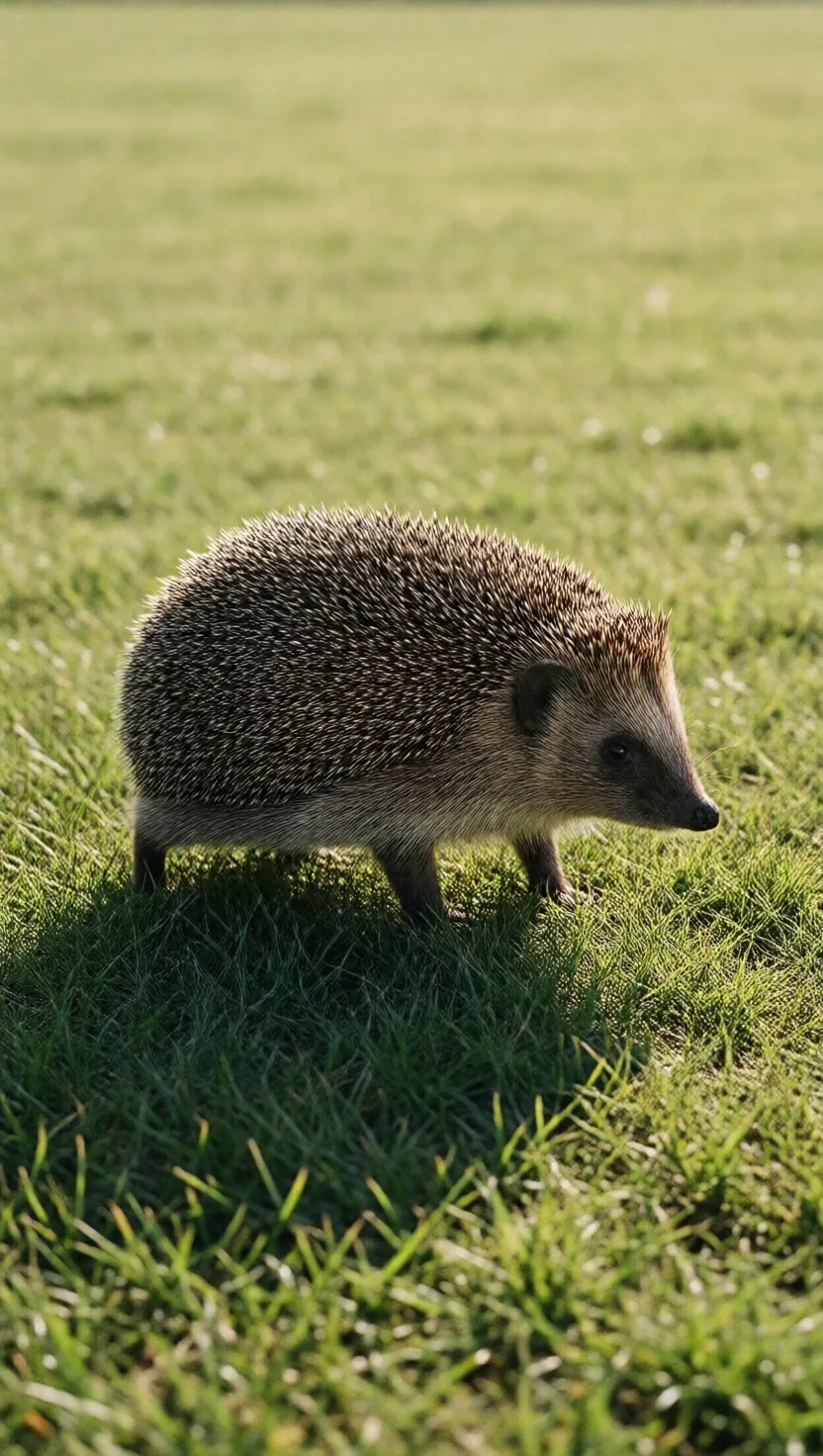
Settlers shipped hedgehogs to New Zealand from the 1870s as a comforting reminder of home and to eat garden slugs. With no native predators they multiplied into the millions and turned on wildlife found nowhere else, eating the eggs and chicks of ground-nesting birds and rare insects such as the wētā. They are now formally classed as a pest.
tap →swipe ↑ for depthswipe ↓ to exit