Eight things a single crystal of topaz is hiding

DC·171 Deep Cuts
One stone defines hardness 8

One stone defines hardness 8

Topaz is the mineral that marks 8 on the ten-point Mohs hardness scale, the reference Friedrich Mohs chose for that rung in 1812. Anything softer it scratches; only corundum and diamond scratch it back. But hardness is not toughness. A hard knock in the wrong direction can still split a topaz clean in two, which is why the gem is feared as much as it is prized.
It can split with one clean tap

It can split with one clean tap

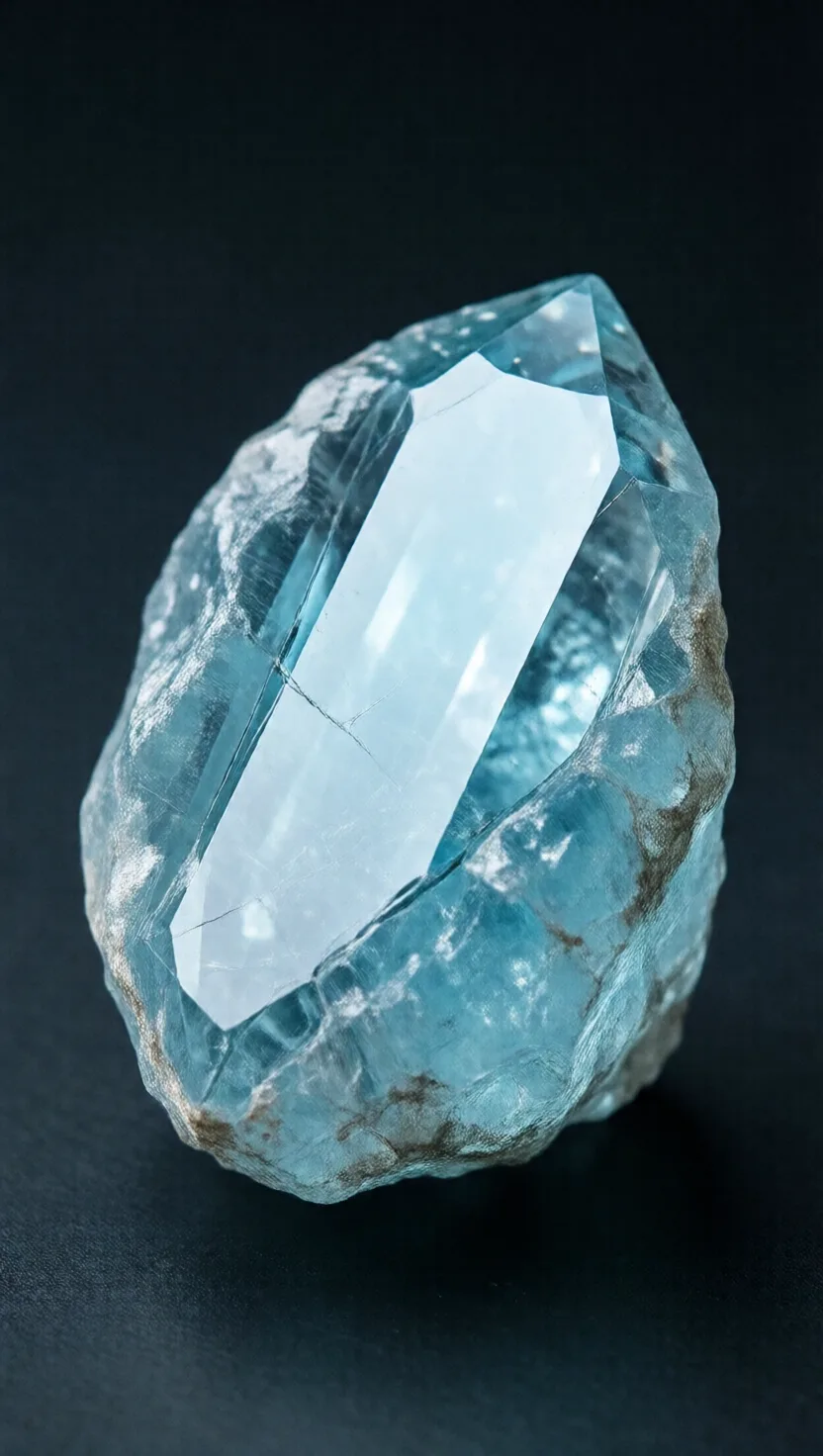
For all its hardness, topaz has perfect basal cleavage, a single flat plane along which it parts cleanly, like splitting a deck of cards. A careless blow can shear a finished gem in half. Cutters defend against it by tilting the stone so the cleavage sits about fifteen degrees off the flat top facet, never running parallel to it, where a knock could open the whole plane.
Almost all blue topaz was once clear

Almost all blue topaz was once clear

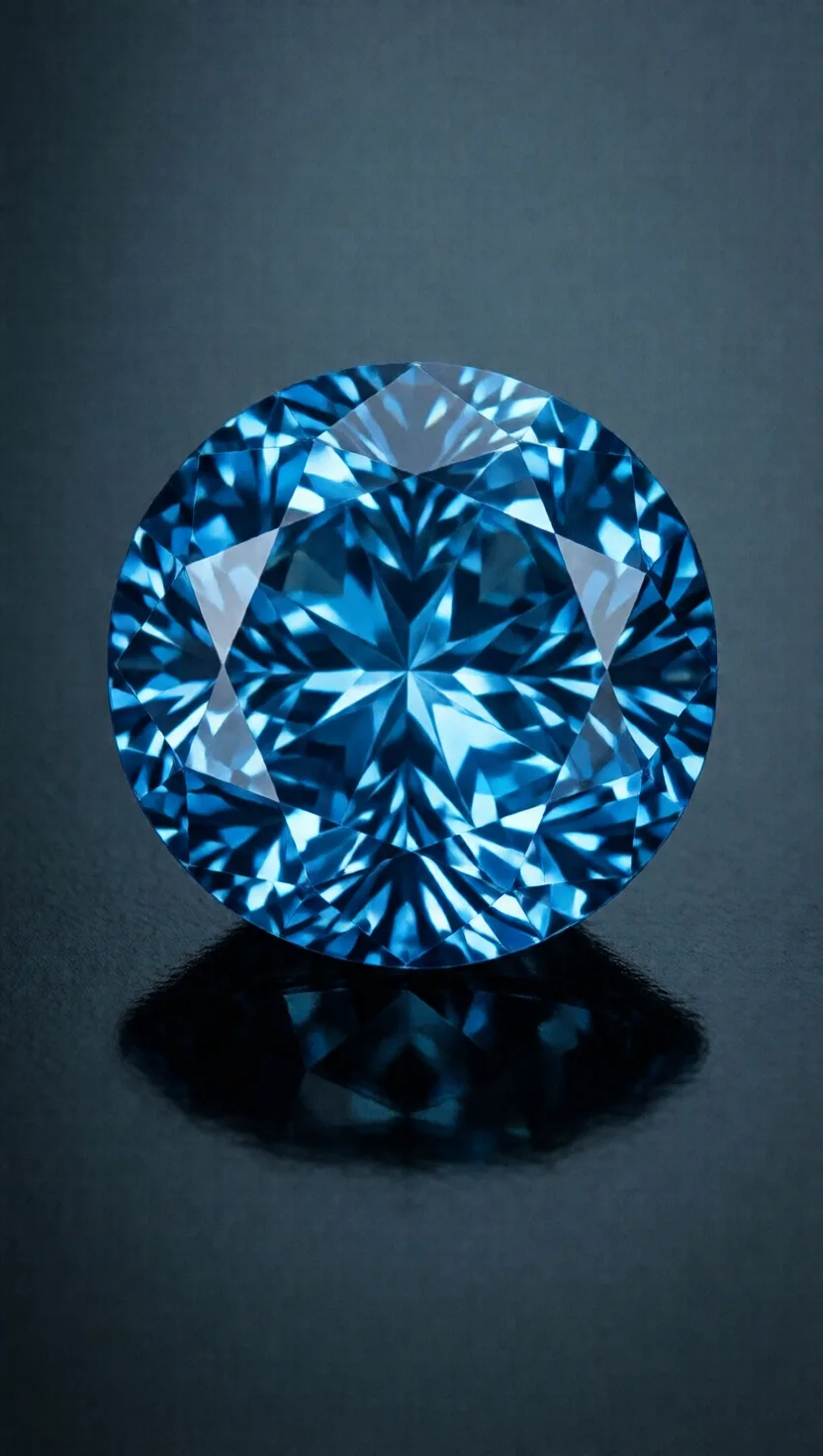
Natural blue topaz is pale and rare. The vivid London, Swiss and sky blues sold today begin as colourless stone, bombarded with radiation until they turn brown, then heated until they settle to blue. Nature does the very same thing underground with trace radiation, only it takes millions of years. The treatment is permanent and, once done, impossible to detect.
Trace chromium turns topaz pink

Trace chromium turns topaz pink

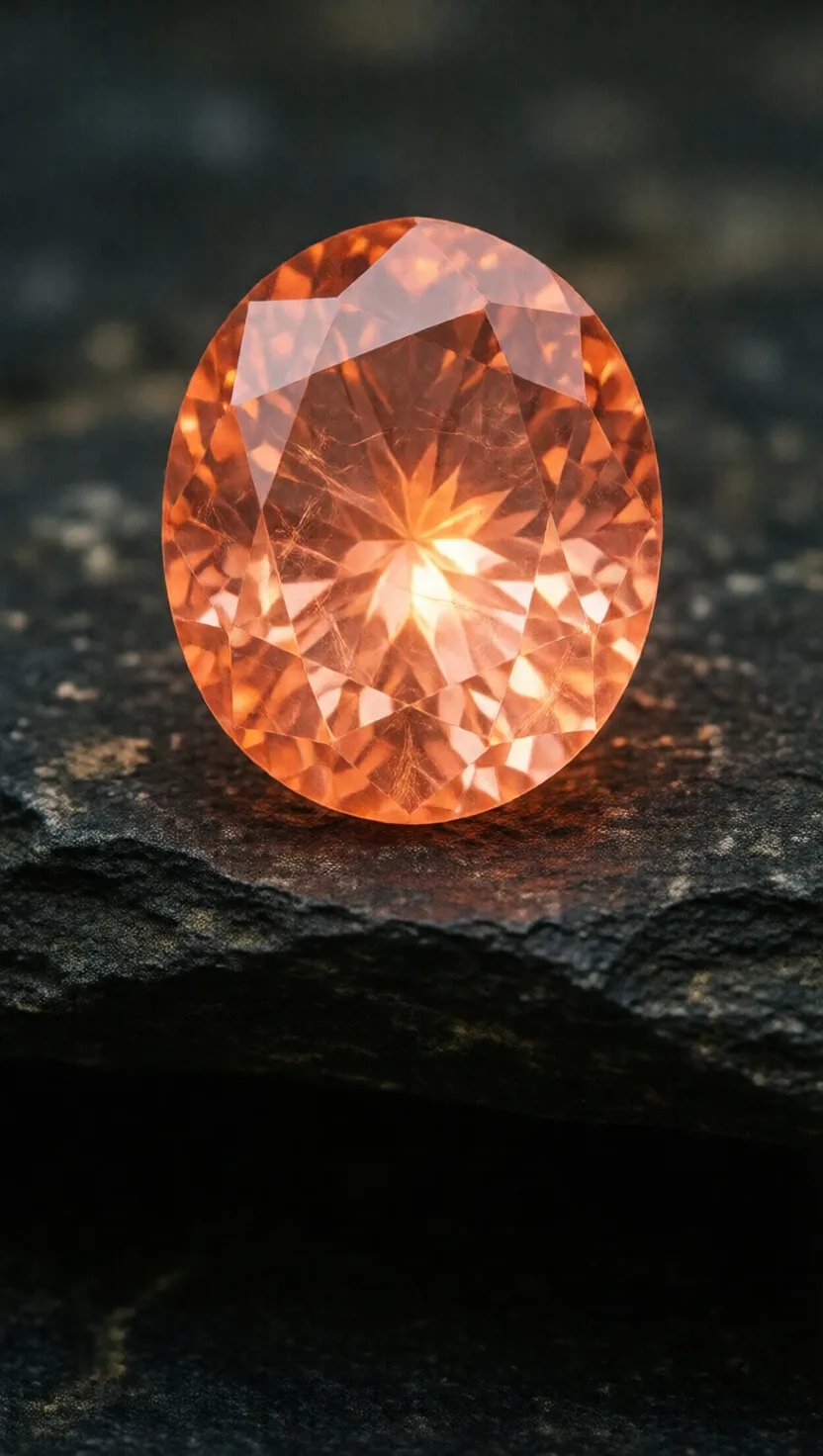
Most topaz is coloured by tiny structural flaws called colour centres, giving its yellows and browns. But a dusting of chromium swapped in for aluminium turns the crystal pink or red. When both are present at once you get the prized peachy glow of imperial topaz. Heat a chromium-bearing yellow stone and a fraction of them flip, permanently, to pink.
Sherry topaz bleaches to clear in a day

Sherry topaz bleaches to clear in a day

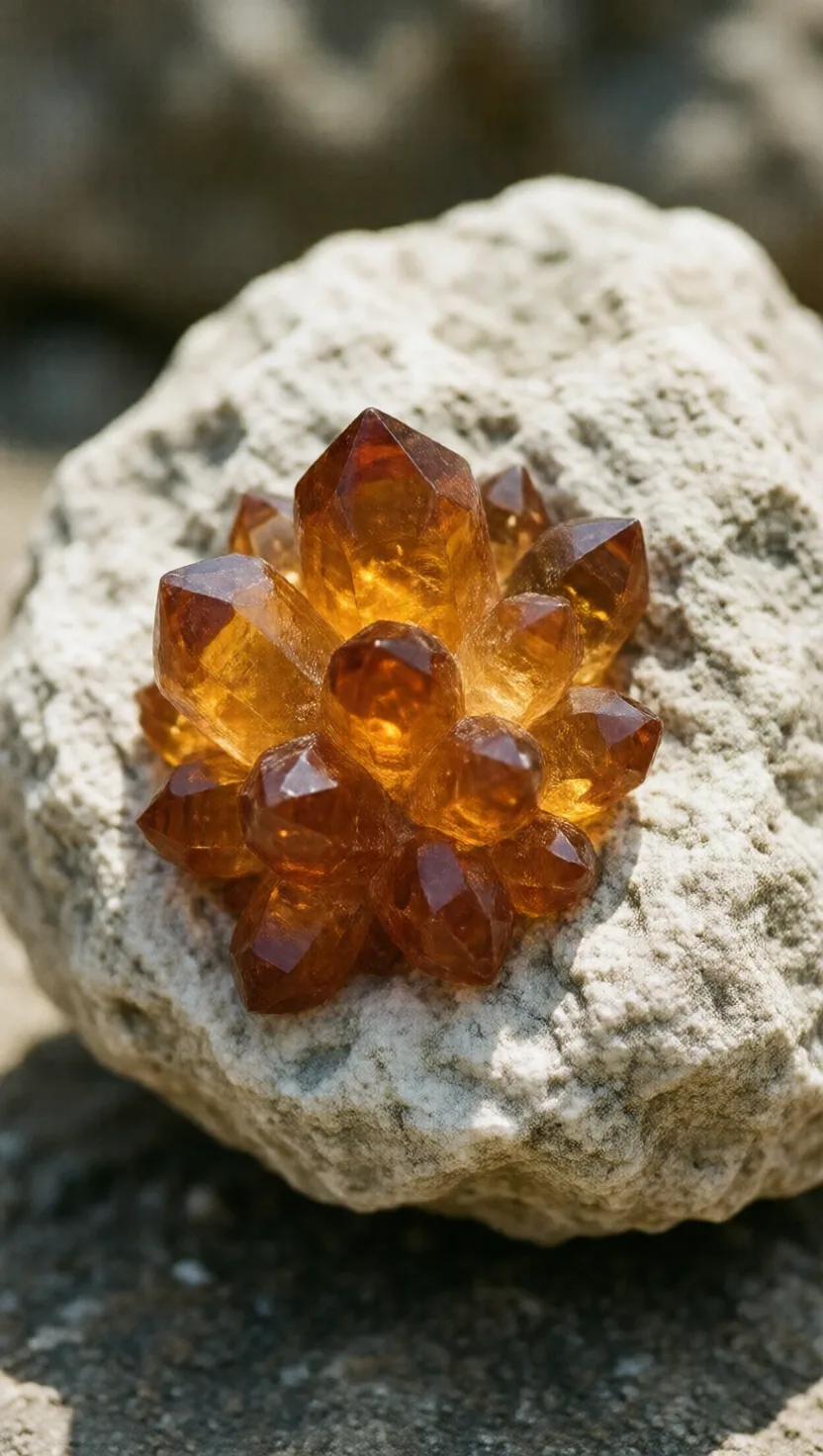
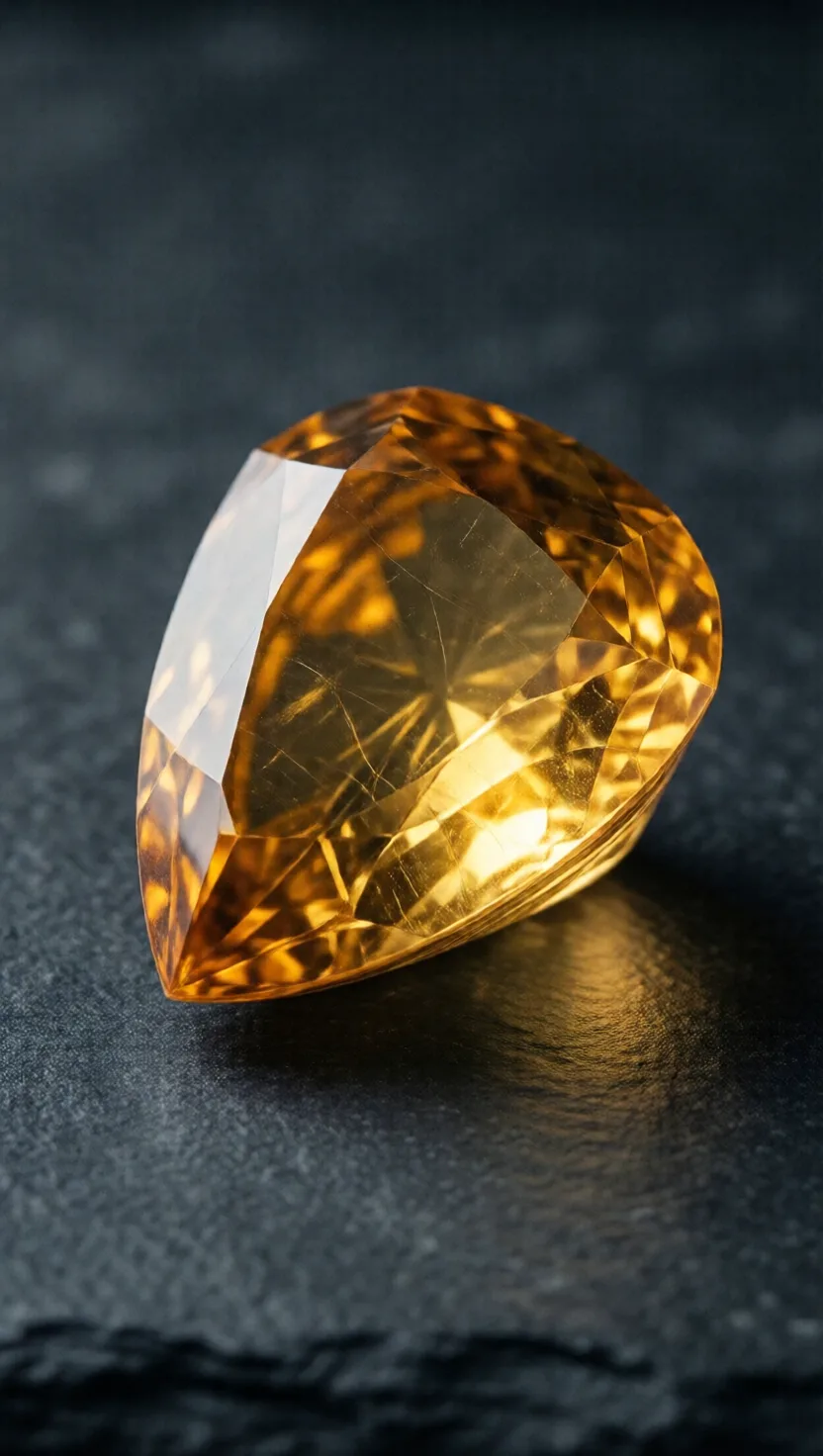
The amber, sherry-coloured topaz dug from Utah's Topaz Mountain owes its hue to colour centres built by natural radiation deep underground. Leave a crystal in direct sun and those trapped electrons shift back, draining the colour irreversibly, often within a single day, leaving the stone water-clear. Collectors who want to keep the amber store their finds in the dark.
The rainbow topaz is a coated trick

The rainbow topaz is a coated trick

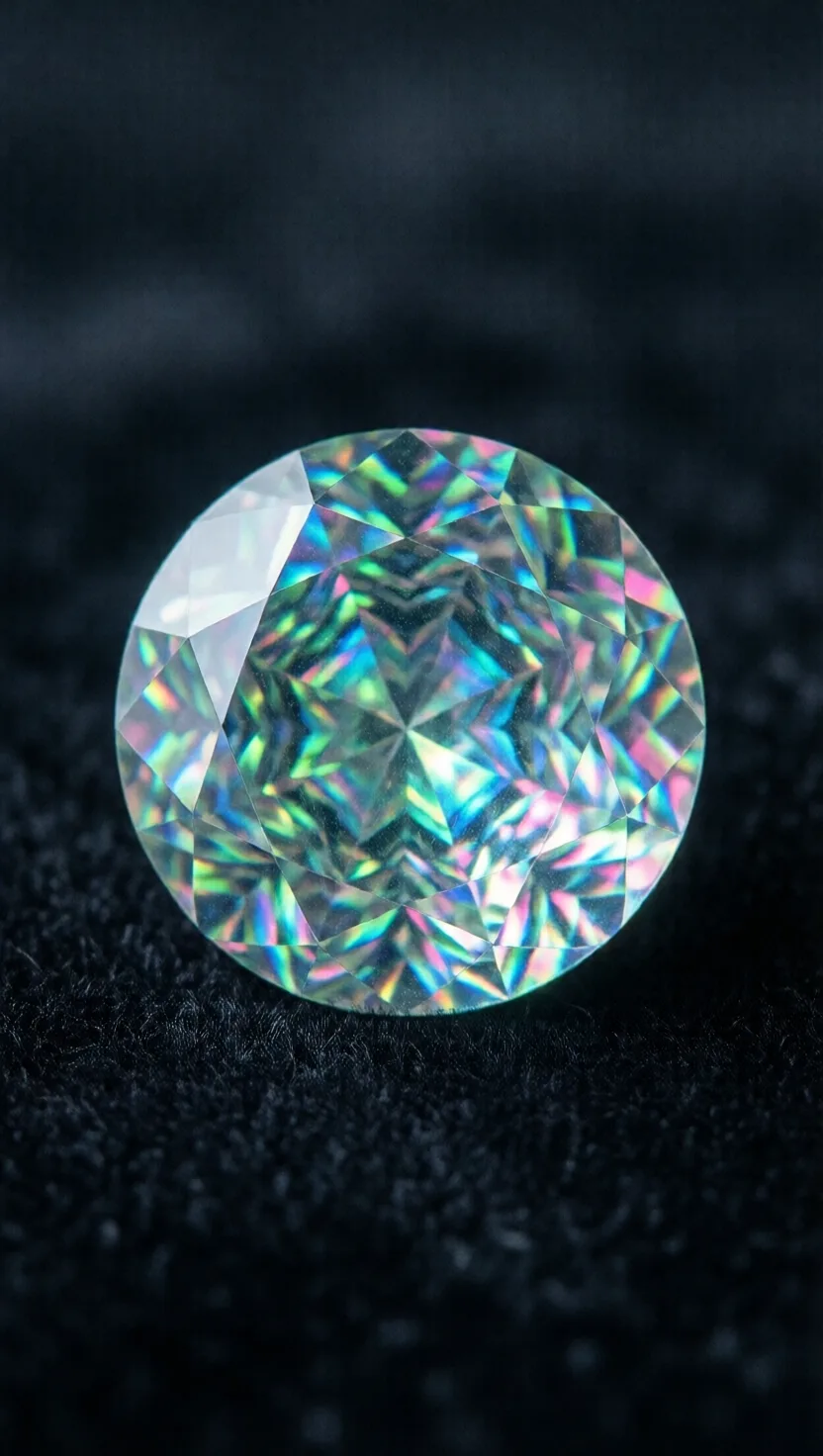
Mystic topaz flashes green, blue, pink and violet across one stone, but the colour is not in the gem at all. It is a film of titanium and metal oxides only microns thick, laid down on the back facets, splitting light into shifting interference colours the way oil does on a puddle or coating does on a camera lens. Scratch the film and the rainbow simply goes.
A crown's great diamond was likely topaz

A crown's great diamond was likely topaz

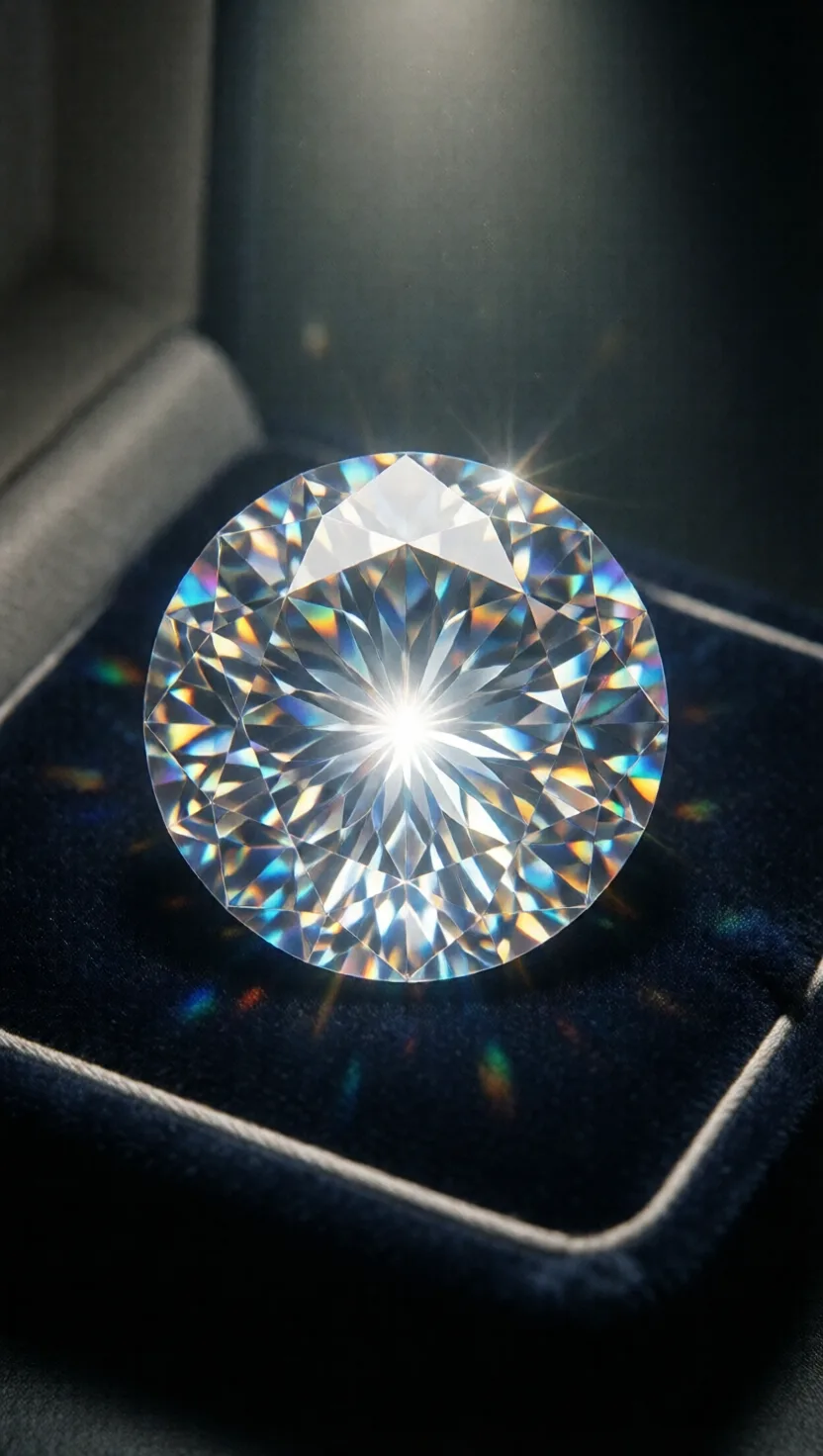
A 1,680-carat stone in the Portuguese royal treasure, the Braganza diamond, was prized for decades as one of the largest diamonds on Earth. Gemologists later judged it almost certainly a colourless topaz instead. King John VI had a hole drilled through it and wore it on a cord for ceremonies; after his death in 1826 the stone simply vanished, and its fate is still unknown.
The size of a brick, cut from a cobble

The size of a brick, cut from a cobble

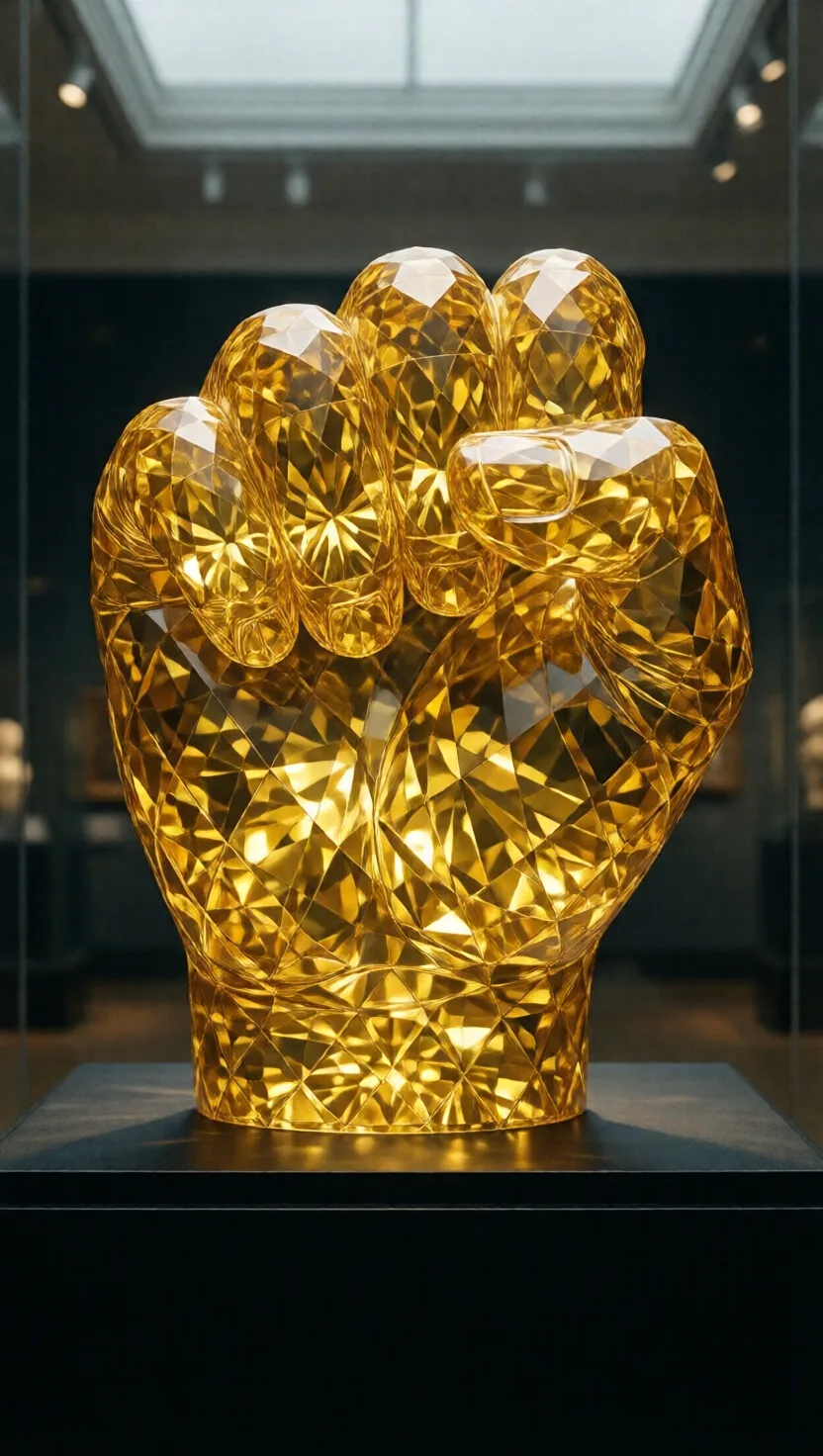
The American Golden Topaz on display at the Smithsonian weighs 22,892 carats, over four and a half kilograms, with 172 facets. It began as a 26-pound stream-rounded cobble from Brazil, and cutter Leon Agee spent some 500 hours over two years bringing it down to its golden form. It remains one of the largest faceted gemstones of any kind in the world.
tap →swipe ↑ for depthswipe ↓ to exit