Eight things written in cooled lava

DC·170 Deep Cuts
Cooling lava cracks into giant stone pillars

Cooling lava cracks into giant stone pillars

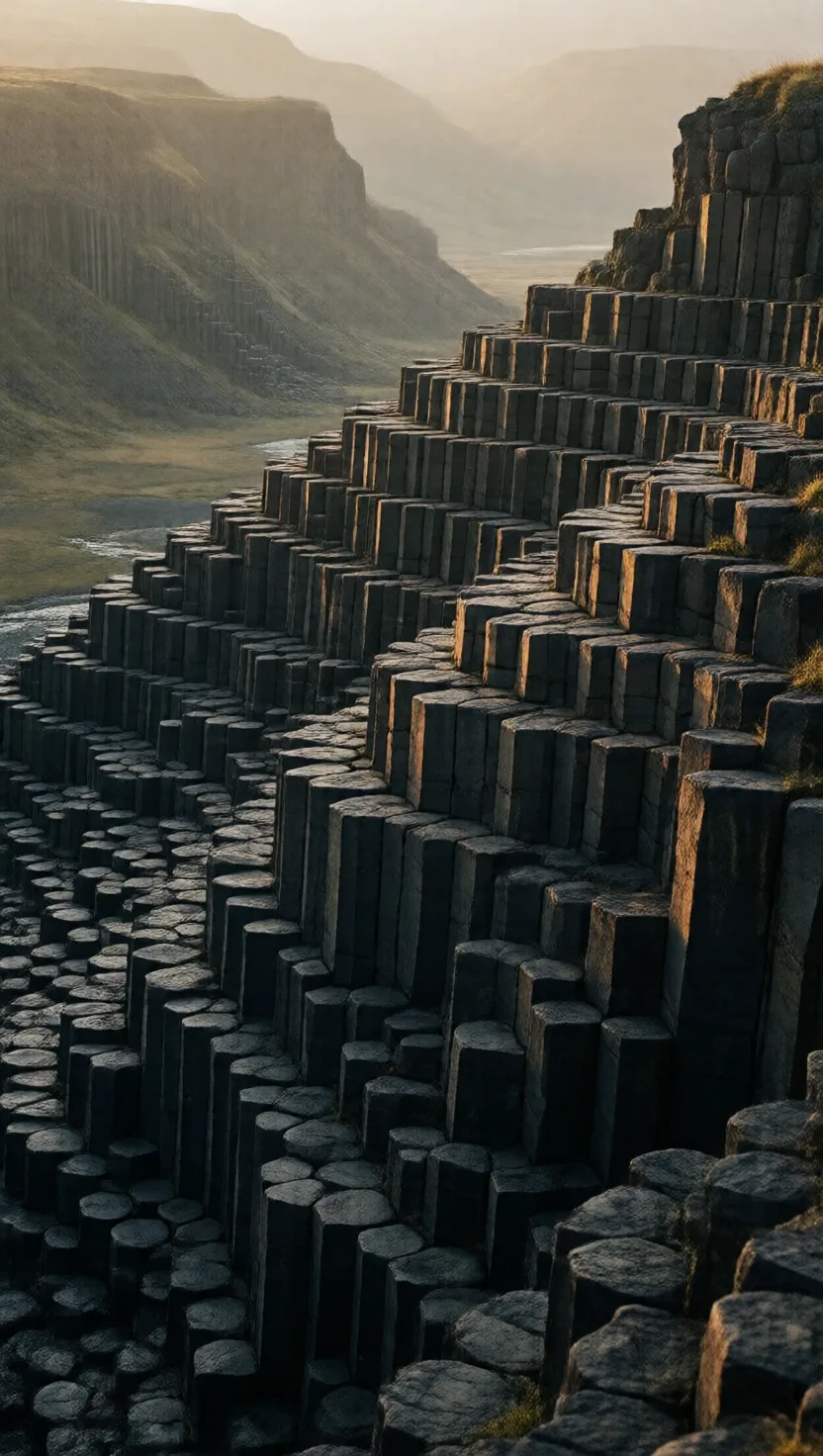
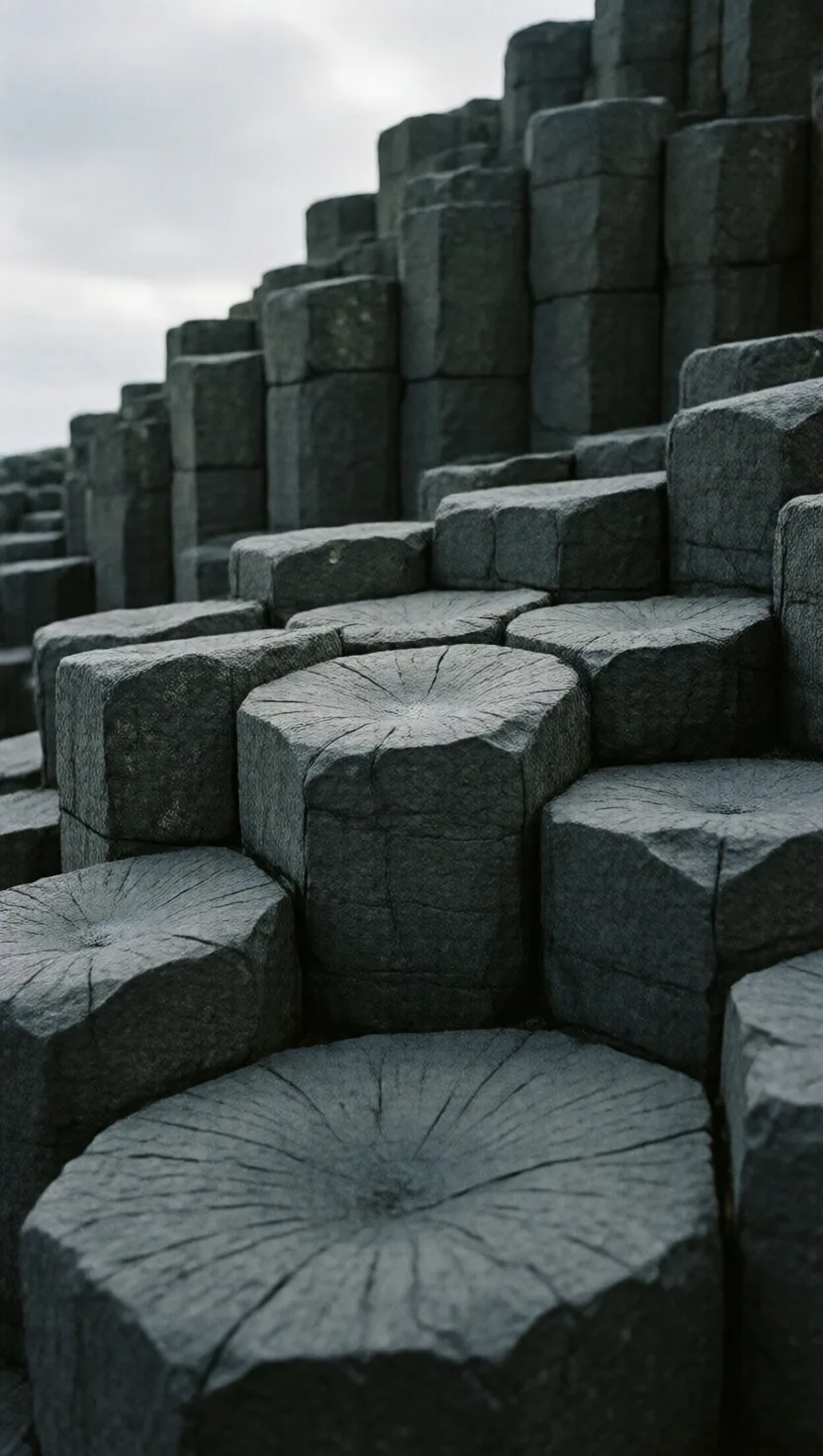
When a thick sheet of basalt lava cools, it shrinks, and the strain splits it into tall columns. The cracks bite inward from the cooling surfaces, settling into a close-packed pattern where most columns have five to seven sides. One stretch of the Northern Ireland coast holds about 40,000 of these interlocking pillars, fitted together like paving.
It paves the sea floor and other worlds

It paves the sea floor and other worlds

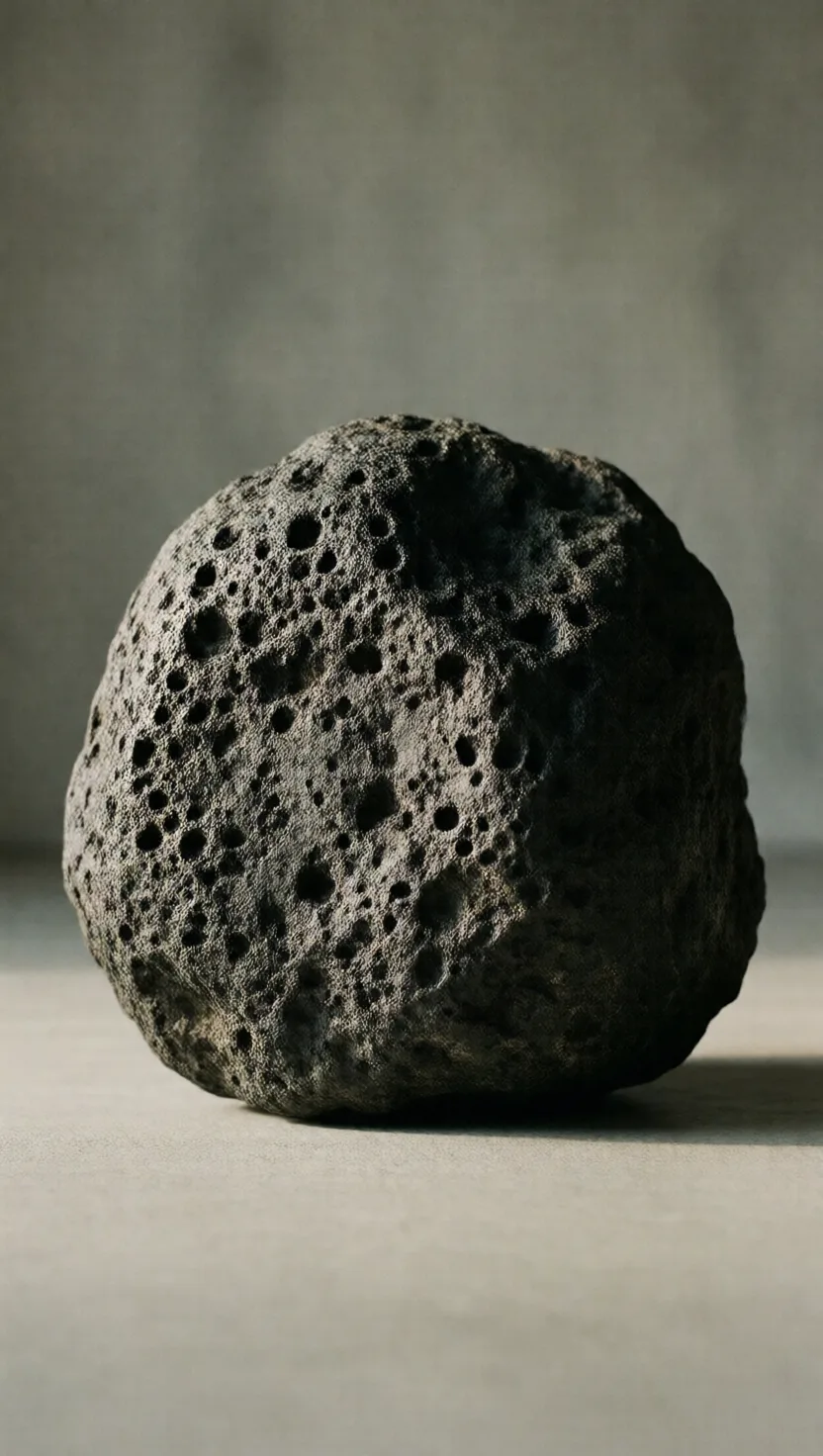
Basalt is the most common rock at the surface of the Earth. It makes up more than 90 percent of the ocean floor, and it reaches far beyond our planet: the dark plains we call the Moon's seas are basalt, as is roughly 80 percent of the surface of Venus and much of Mars. It is, quite literally, the rock the inner Solar System is paved with.
Whole 'staircases' of it mark mass extinctions

Whole 'staircases' of it mark mass extinctions

Now and then in Earth's past, basalt has erupted in floods vast enough to bury regions the size of India under layered lava. Their step-like cliffs are called traps, from an old Swedish word for stairs. The largest, in Siberia, poured out about 252 million years ago alongside the most severe extinction life has ever suffered.
Melt this rock and you can spin it into thread

Melt this rock and you can spin it into thread

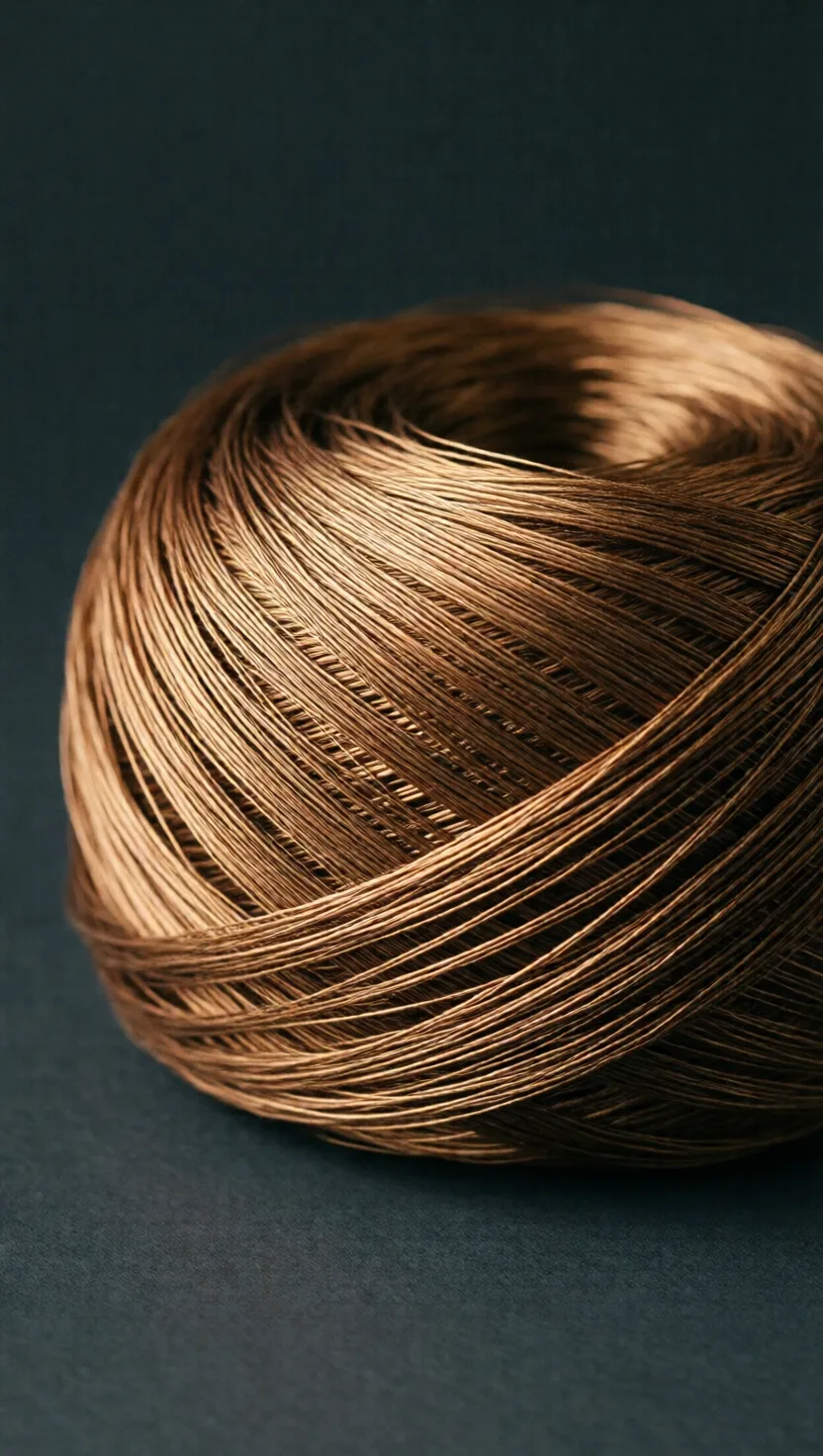
Heat basalt to about 1,500 degrees Celsius and it turns to a glowing melt that can be drawn through fine nozzles into continuous fibres, like making glass wool from stone. Woven or set in resin, basalt fibre outperforms ordinary fibreglass and is used to reinforce concrete, with roughly three times the tensile strength of steel for the same weight of rod.
Underwater, lava sets into stacked pillows

Underwater, lava sets into stacked pillows

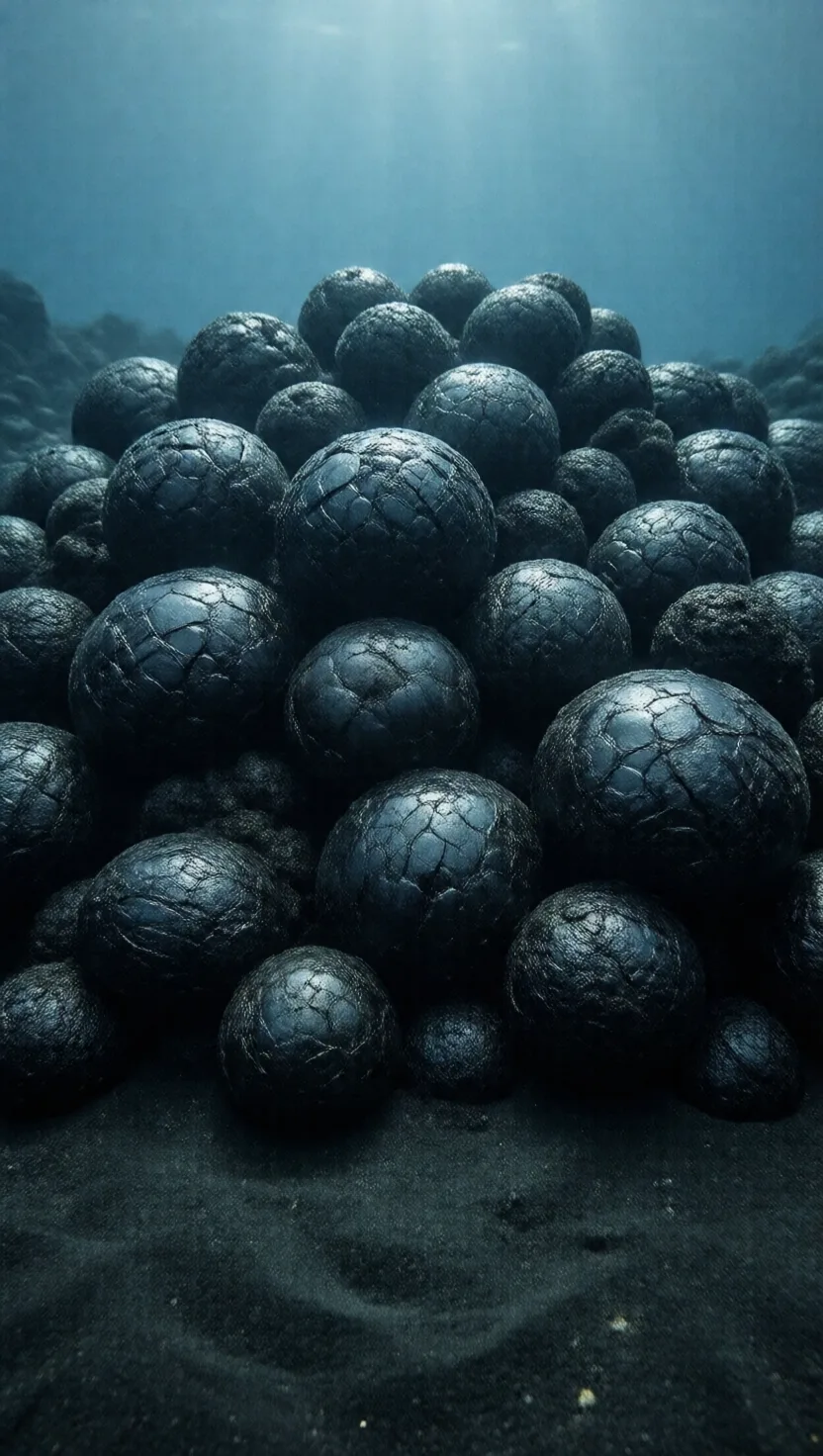
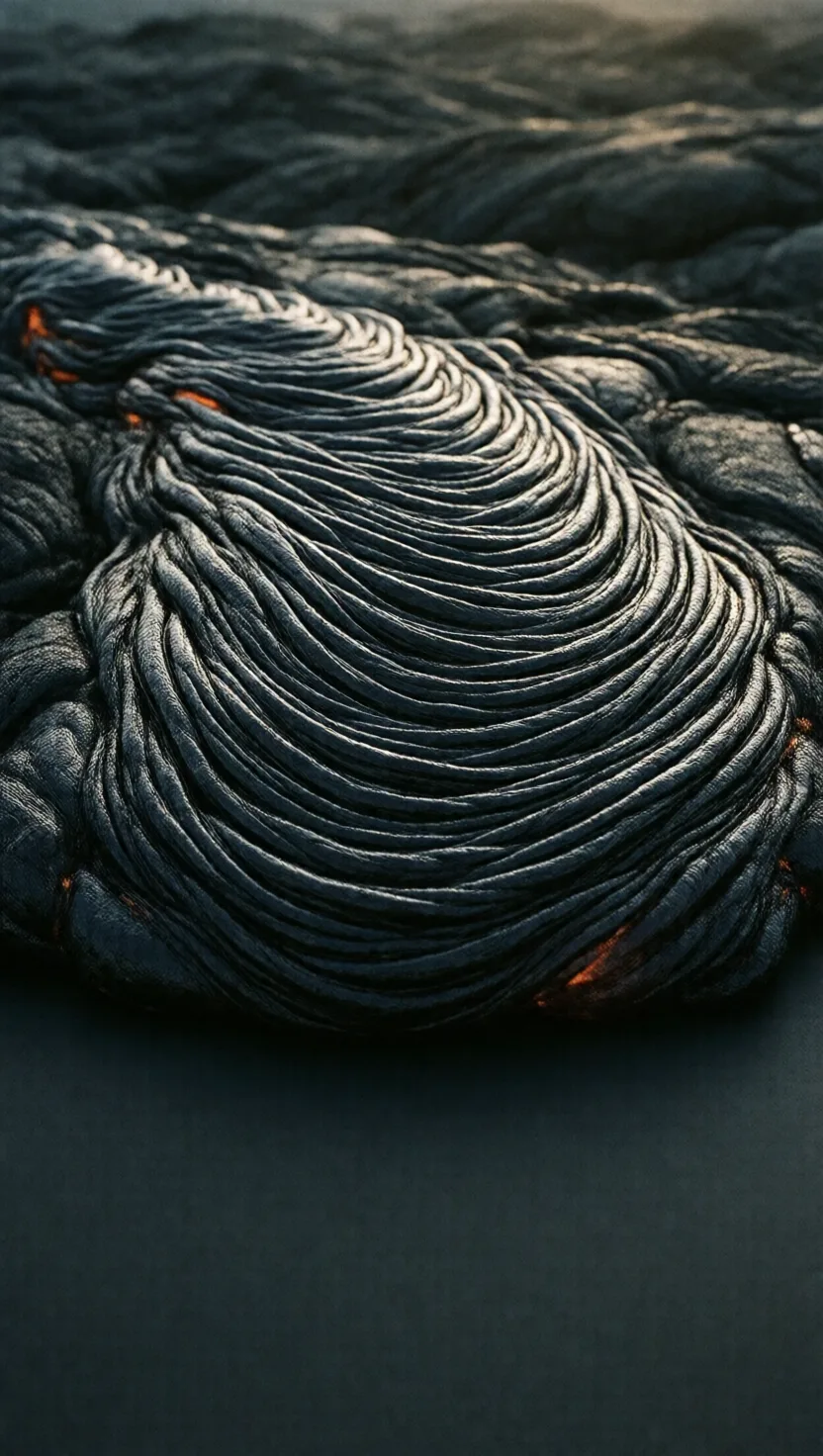
When basalt erupts on the seabed, cold water chills its outer skin in an instant. The still-molten interior bulges through the crust, balloons outward, and freezes into a rounded, glassy lobe; then the next one pushes through and does the same. The result is heaps of stacked pillow shapes, and most of the ocean floor is built from them.
Crushed and spread, it pulls carbon from the air

Crushed and spread, it pulls carbon from the air

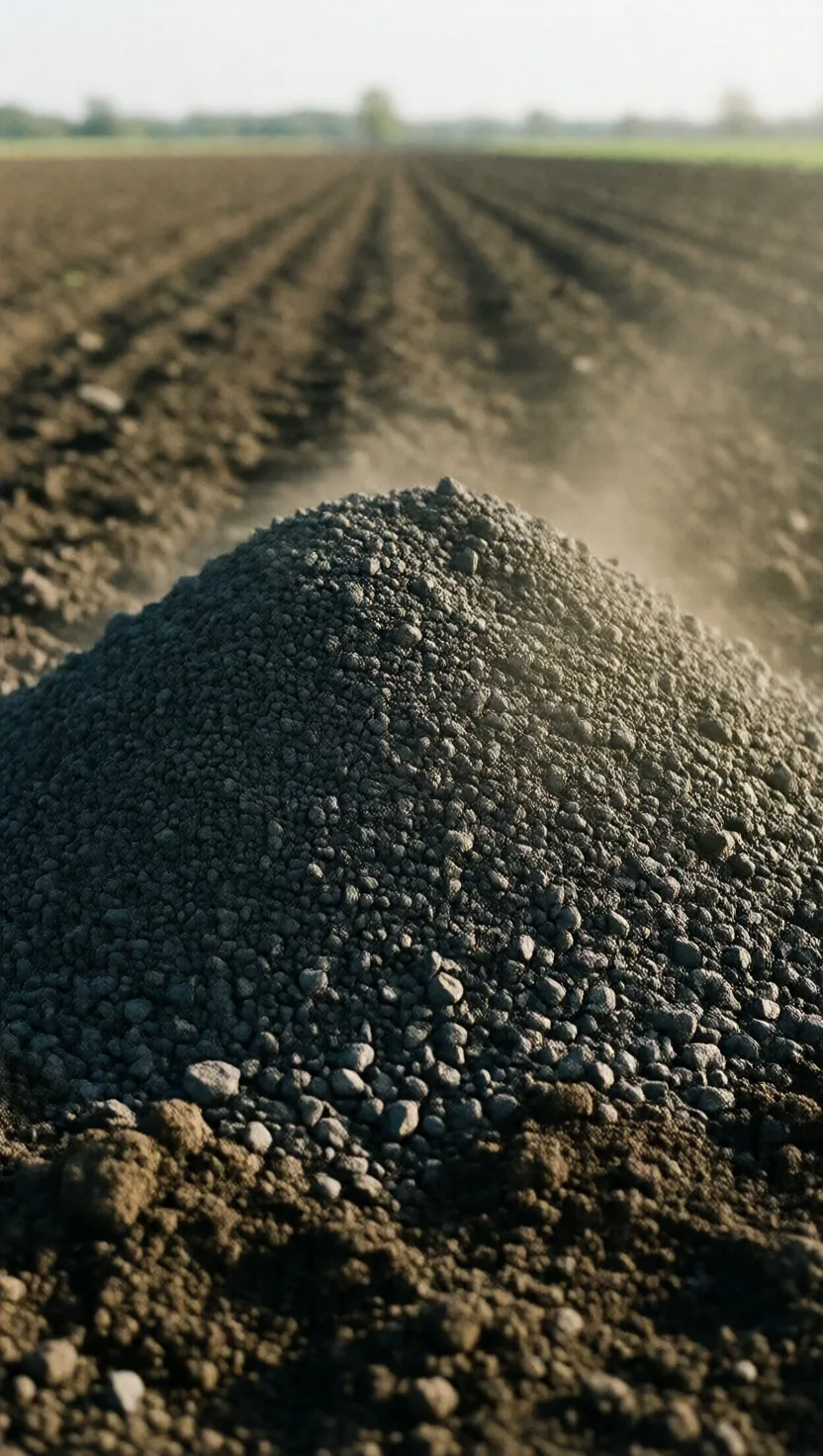
Basalt slowly reacts with rainwater and carbon dioxide, locking the carbon into dissolved minerals that wash down to the sea and stay buried for ages. Grinding the rock to dust and spreading it on farmland speeds the reaction up; models suggest the world's croplands could draw down billions of tonnes of CO2 a year this way, while raising crop yields.
It carries chunks of the mantle to the surface

It carries chunks of the mantle to the surface

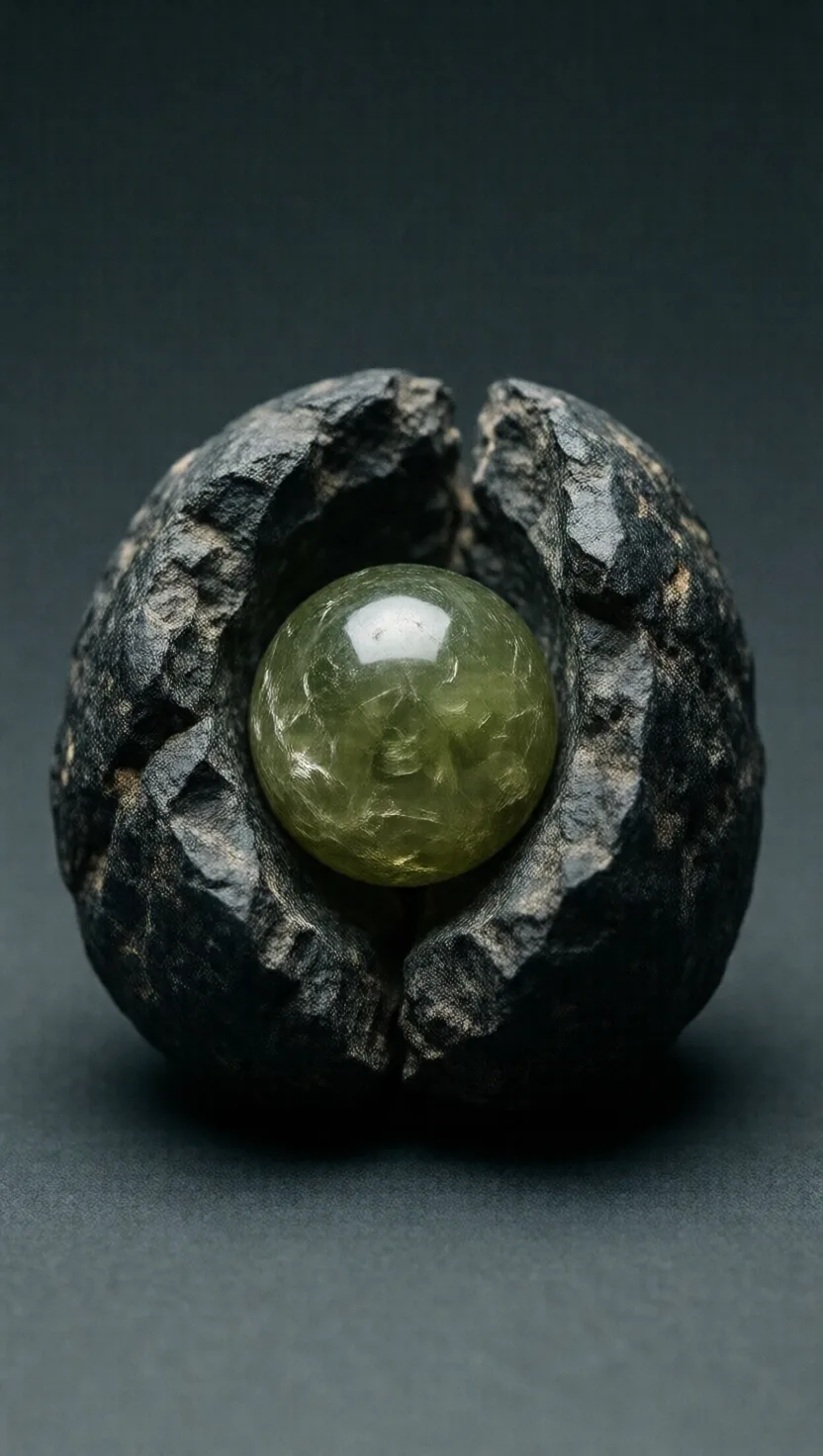
As basalt magma climbs, it can rip loose pieces of the mantle far below and haul them up so quickly they never melt. Once the lava sets, those fragments survive as rounded, olive-green nodules embedded in the black rock, actual samples of the layer tens of kilometres beneath your feet, delivered to the surface intact.
The sea floor is the youngest rock on Earth

The sea floor is the youngest rock on Earth

Basalt sea floor is forever being born at mid-ocean ridges and swallowed back into the planet at deep trenches, so it never grows old. Almost nowhere is the ocean floor more than about 180 million years old. Continental rock, which rarely sinks back down, endures up to 4 billion years, more than twenty times longer.
tap →swipe ↑ for depthswipe ↓ to exit