Eight things hidden in reefs and islands

DC·17 Deep Cuts
That beach sand is shaped like tiny stars

That beach sand is shaped like tiny stars

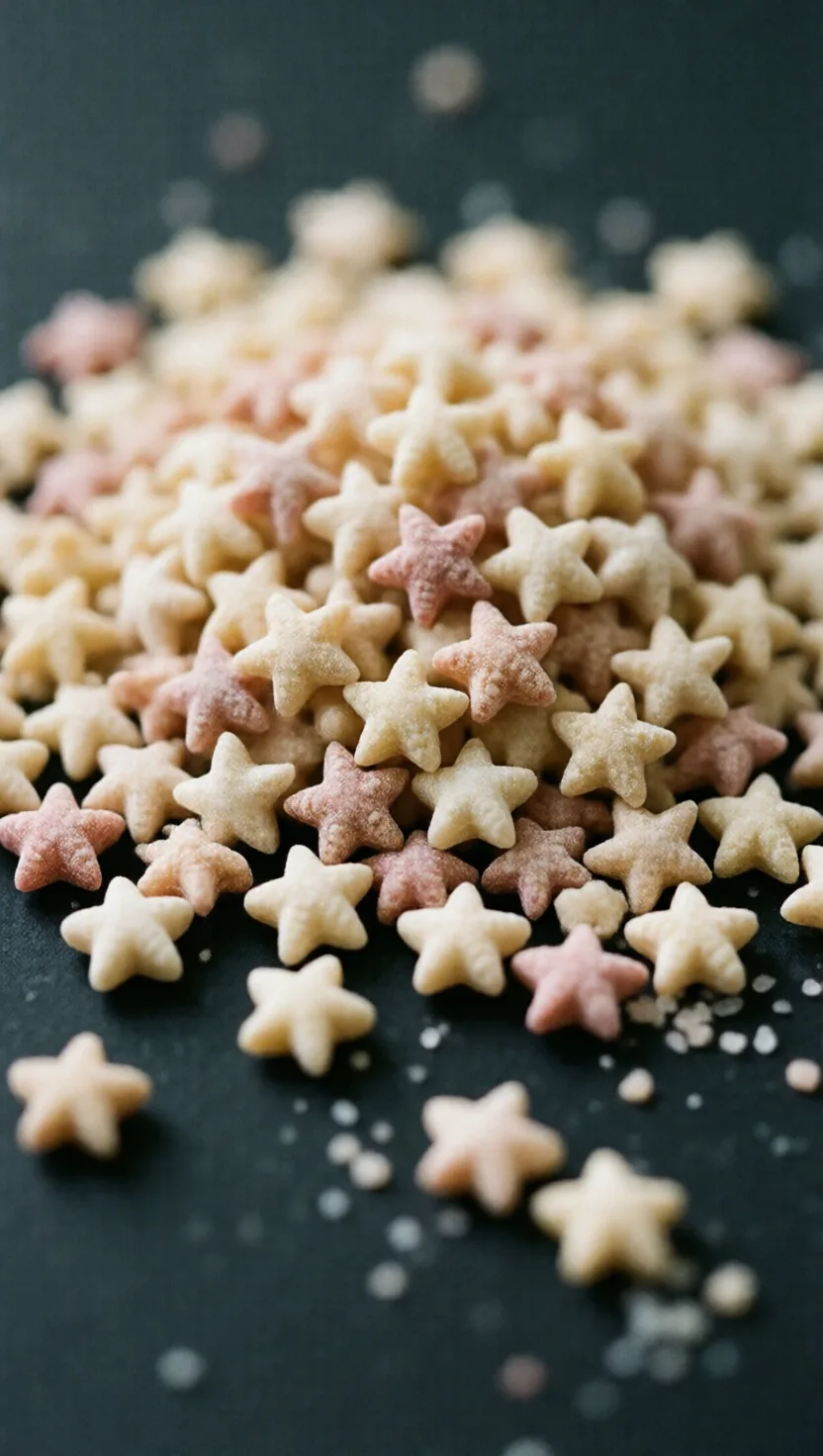
On a few Okinawan beaches the grains aren't ground-up rock. Each tiny star is the calcium-carbonate shell of a single-celled creature called a foraminifer, the most famous of which grows five or six rounded points before it dies and washes ashore. Locals call it hoshizuna, "star sand"; some grains are barely a millimetre across.
Coral makes its own sunscreen, and it glows

Coral makes its own sunscreen, and it glows

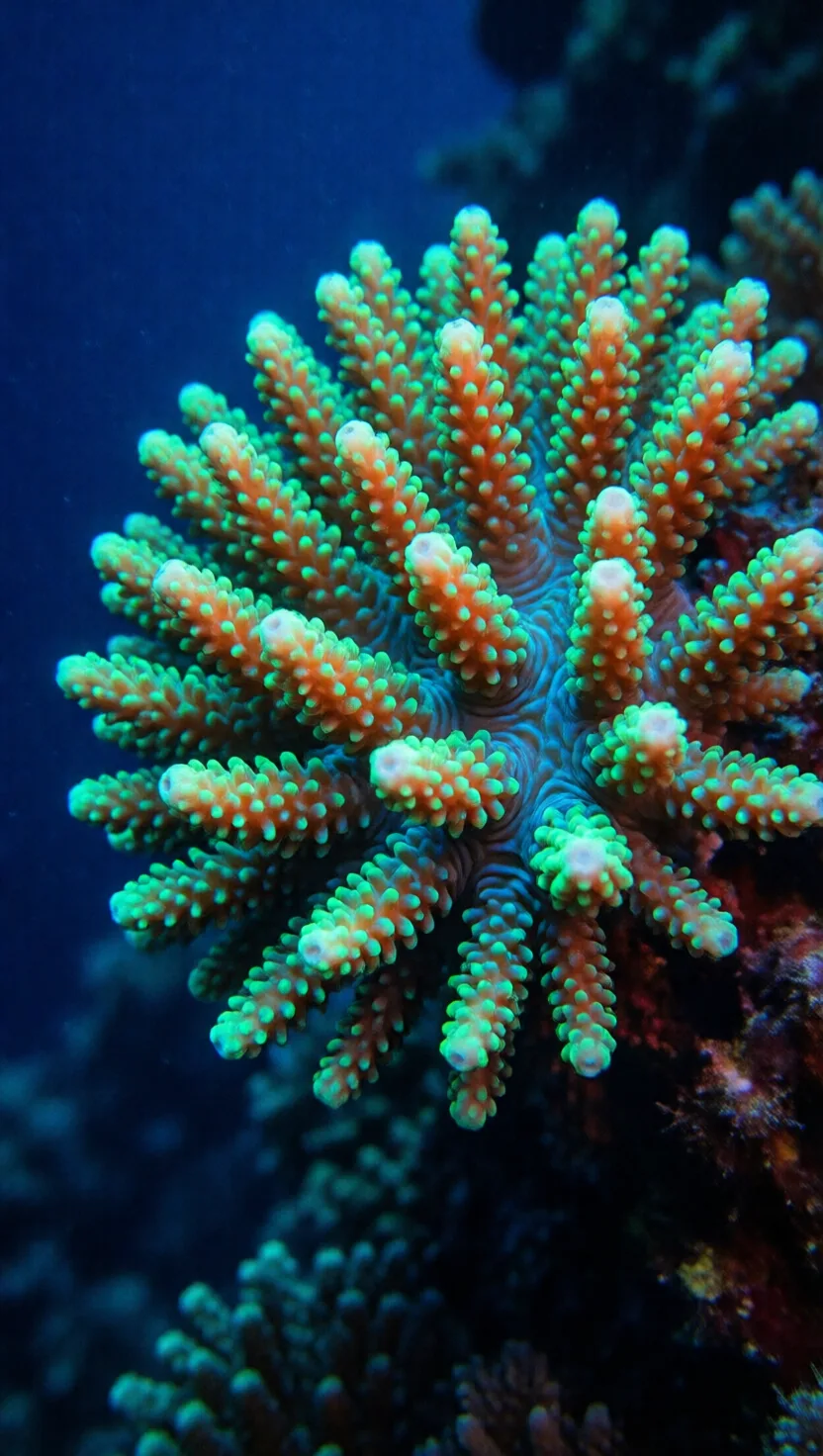
Reef corals are packed with fluorescent proteins that soak up the harsh blue and ultraviolet light raining through shallow water and re-emit it as softer green, orange and red, shielding the coral and its algae from sunburn. Shine a blue light on a reef at night and it lights up like neon. Relatives of these proteins are now used in labs to make living cells glow.
Coral keeps a yearly diary of the ocean

Coral keeps a yearly diary of the ocean

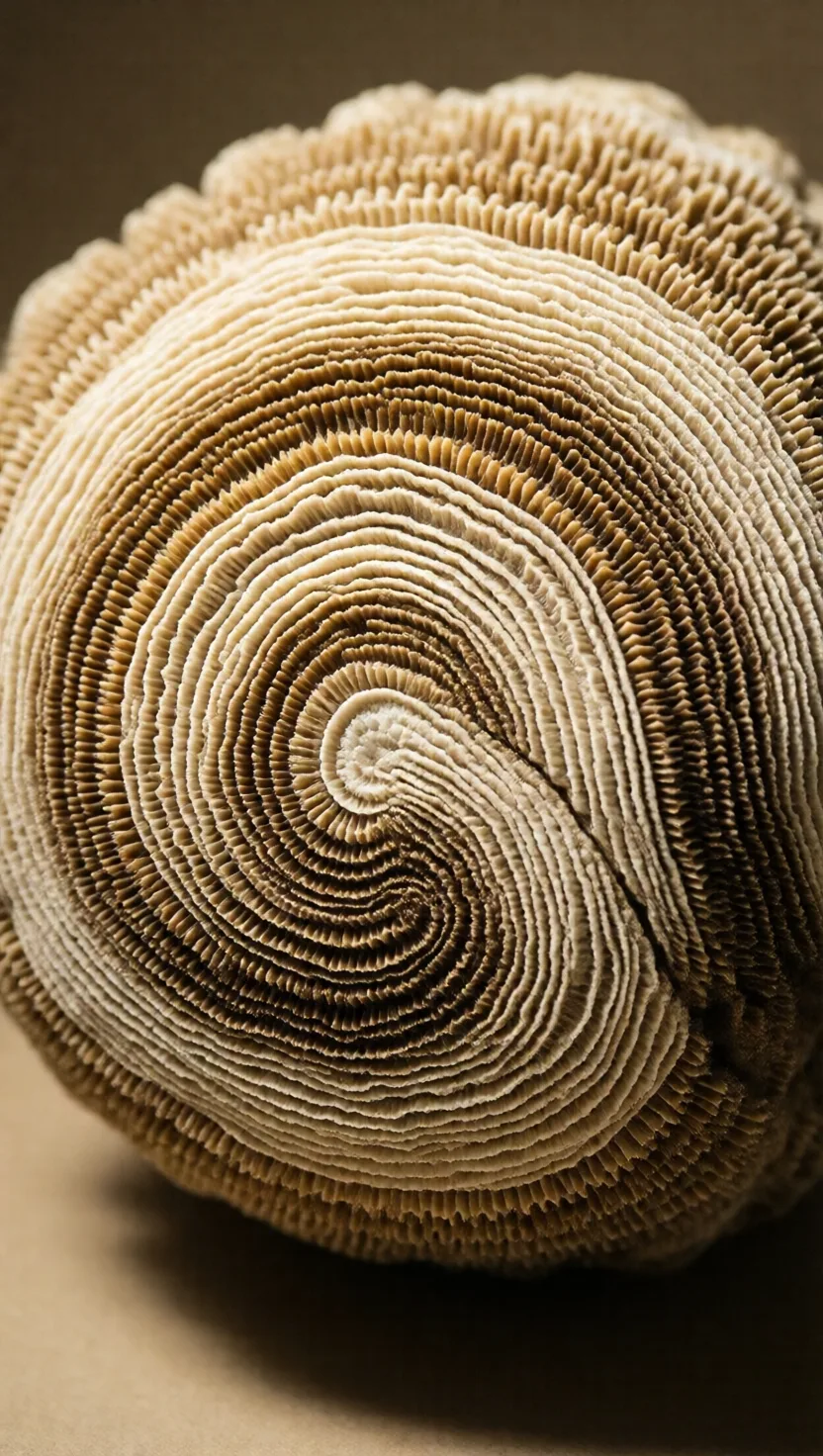
A coral colony lays down its limestone skeleton in alternating dense and porous bands, one pair per year, just like the rings of a tree. Drill out a core and you can count back through the centuries, and the chemistry locked into each band records the sea's temperature the year it grew. Some massive brain corals hold an unbroken record stretching back over 400 years.
The giant clam grows its own food and never moves again

The giant clam grows its own food and never moves again

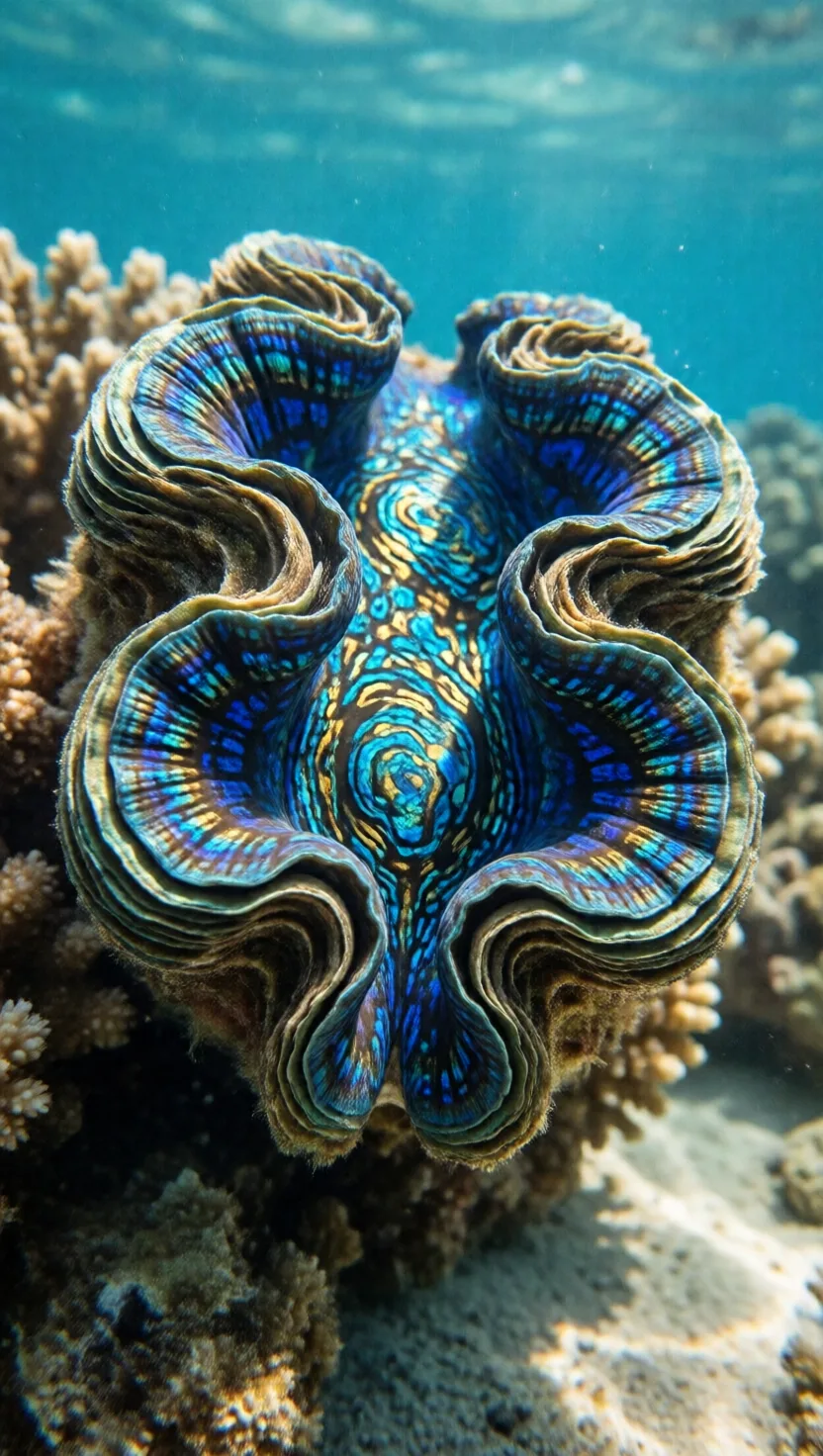
A giant clam can weigh more than 200 kilograms and live over a century, but once it settles onto the reef as a youngster it stays cemented to that one spot for life. Its brilliant, shimmering mantle isn't just decoration: special cells farm symbiotic algae inside it and channel sunlight to them so efficiently that the clam grows most of its own food.
An entire nation rests on coral, barely above the sea

An entire nation rests on coral, barely above the sea

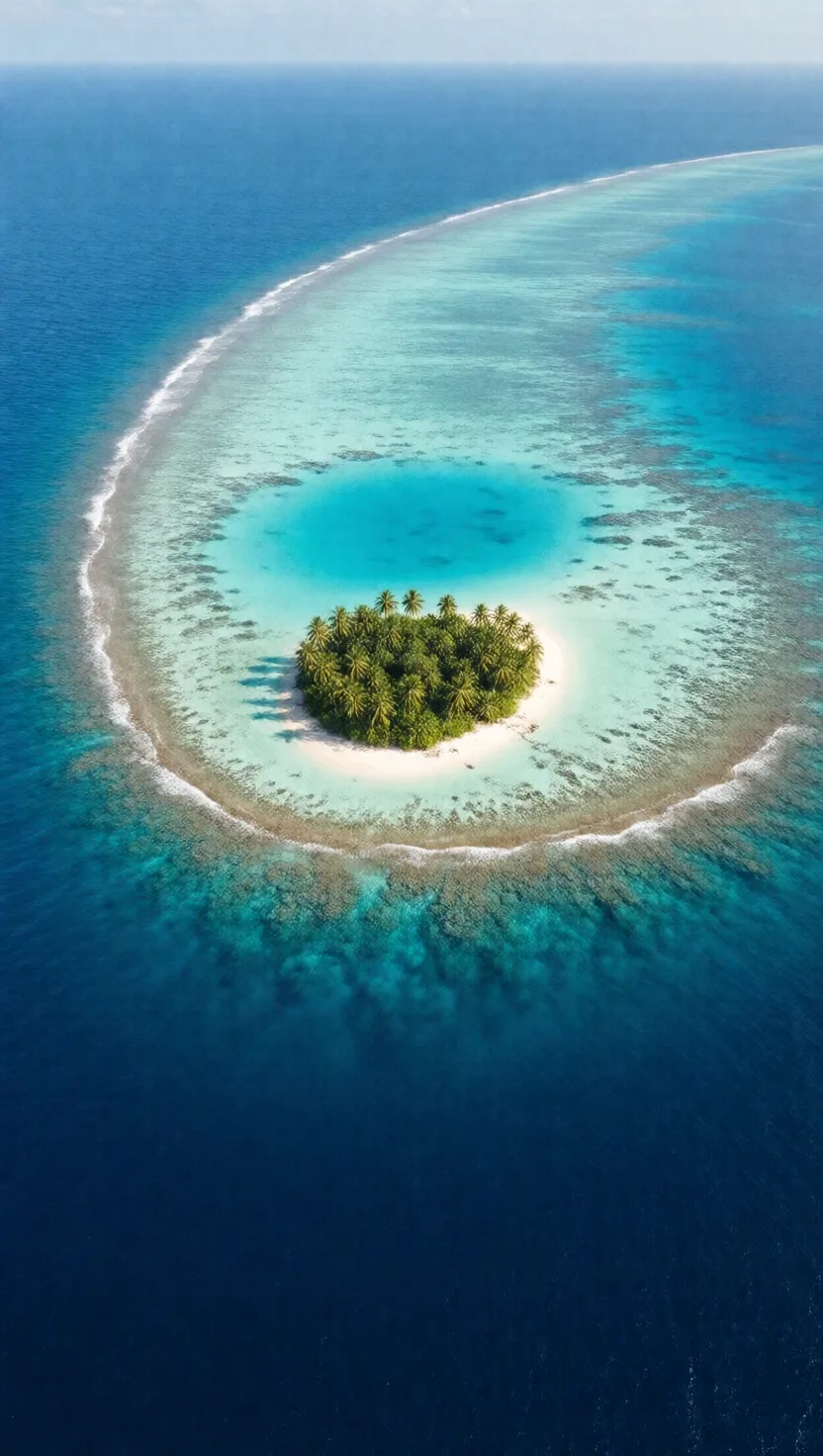
The Maldives is the lowest and flattest country on Earth. Its roughly 1,190 islands average just 1.5 metres above sea level, and the highest natural point in the whole country reaches only about 2.4 metres. There's no bedrock mountain underneath: each island is built from coral that grew up around sunken volcanic peaks over thousands of years.
This island's money is too big to move

This island's money is too big to move

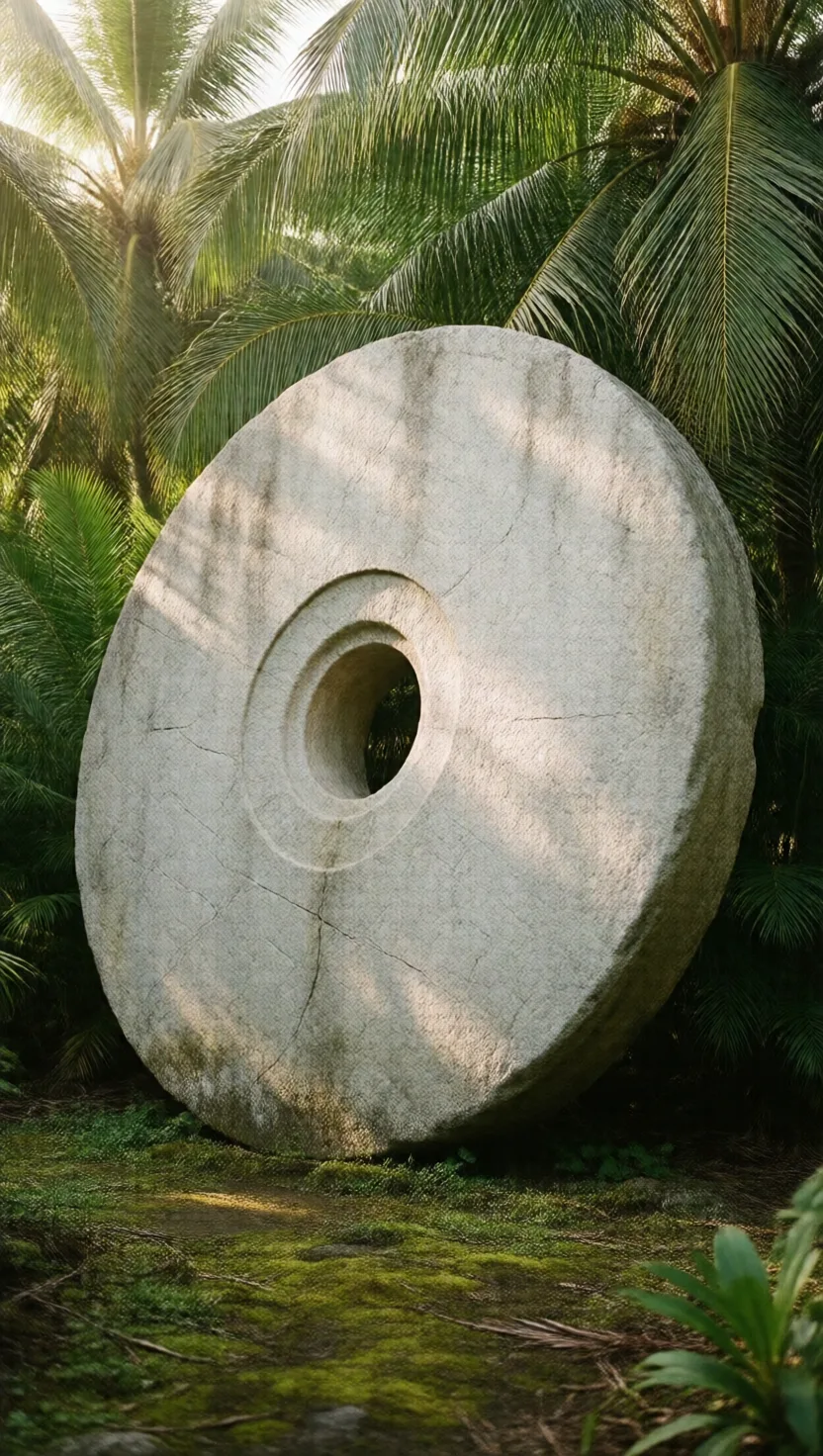
On the Pacific island of Yap, wealth was measured in rai, limestone discs with a hole in the middle, the largest nearly 4 metres across and weighing 4 tonnes. The stone wasn't even found on Yap; it was quarried on islands some 400 kilometres away and ferried home by canoe. Because the giant coins almost never move, everyone simply remembers who owns which one.
The biggest land crab climbs palms and cracks coconuts

The biggest land crab climbs palms and cracks coconuts

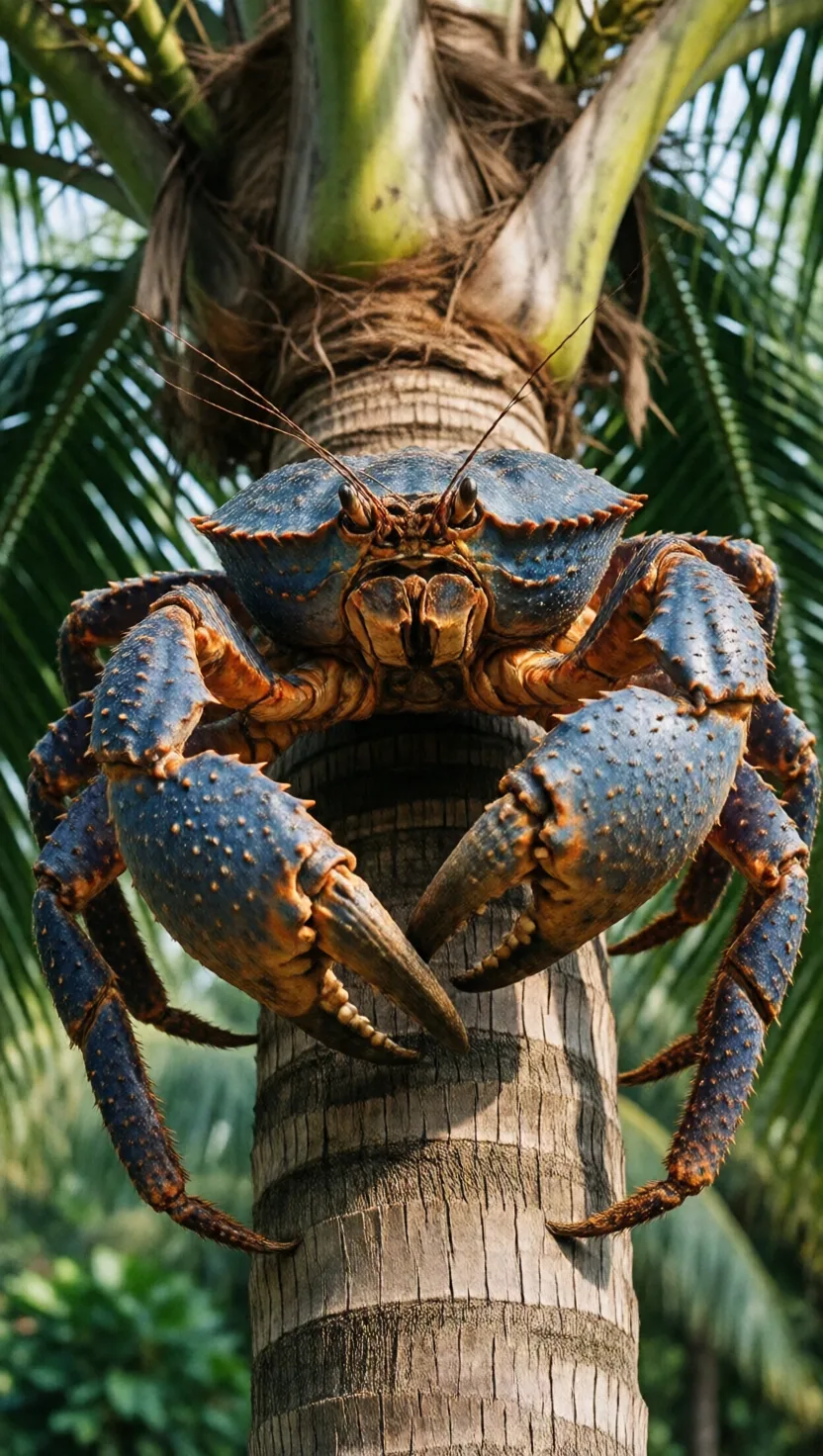
The coconut crab is the largest arthropod that walks on land, up to a metre across the legs and 4 kilograms in weight. It scales palm trunks, snips off coconuts and splits the husks with claws that clamp down at around 3,300 newtons, rivalling the bite of a lion. It breathes air through modified gills, and an adult that falls back into the sea will actually drown.
One of only a handful of green beaches on Earth

One of only a handful of green beaches on Earth

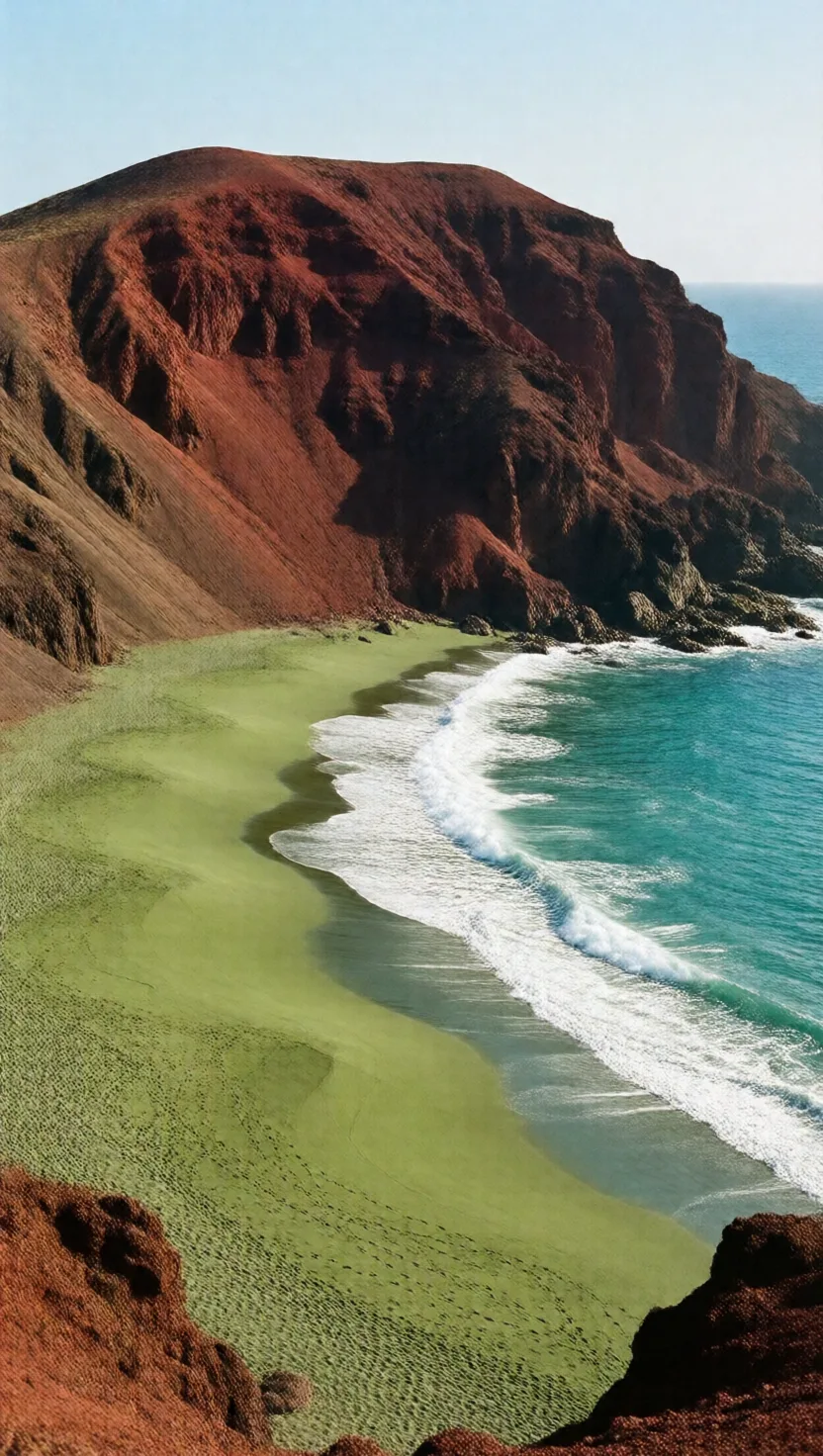
At the foot of a 49,000-year-old volcanic cinder cone in Hawaii lies a cove of olive-green sand. The grains are olivine, a gem-like crystal that forms early as lava cools. Because it's denser and tougher than ordinary black volcanic grit, the waves sweep the lighter sand out to sea and leave the heavy green crystals piled in the bay. Only about four such beaches are known anywhere.
tap →swipe ↑ for depthswipe ↓ to exit