Eight things the fox does that no dog should

DC·168 Deep Cuts
It lines its pounce up with magnetic north

It lines its pounce up with magnetic north

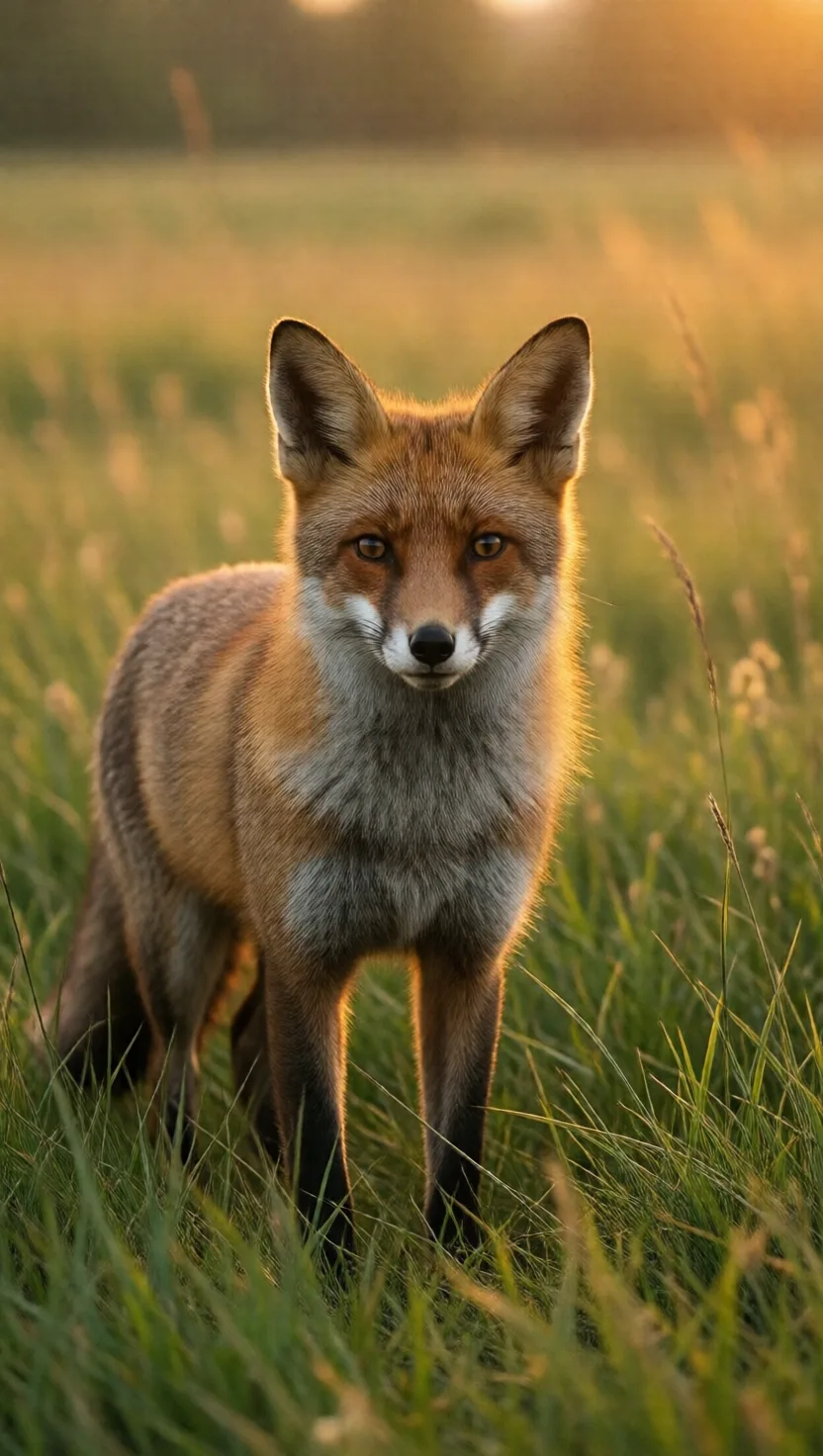
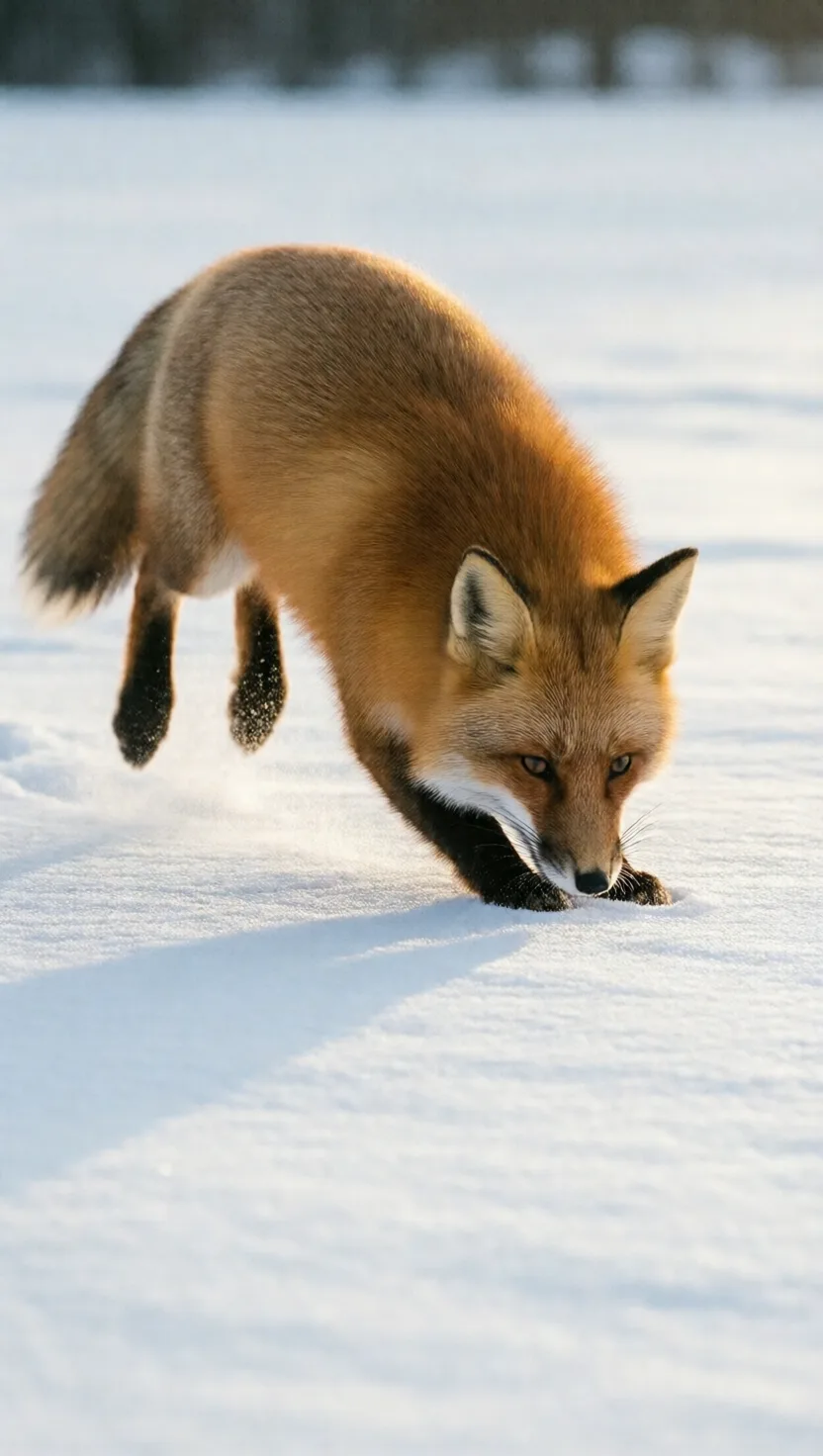
When a red fox hunts mice hidden under snow or grass, it almost always crouches and leaps toward the north-east, about 20 degrees clockwise of magnetic north. A three-year study of 84 wild foxes found that jumps in that direction killed on roughly 73 percent of tries, against just 18 percent for pounces aimed elsewhere. It may be using Earth's magnetic field like a range-finder to judge distance to prey it cannot see.
One kind of fox climbs trees like a cat

One kind of fox climbs trees like a cat

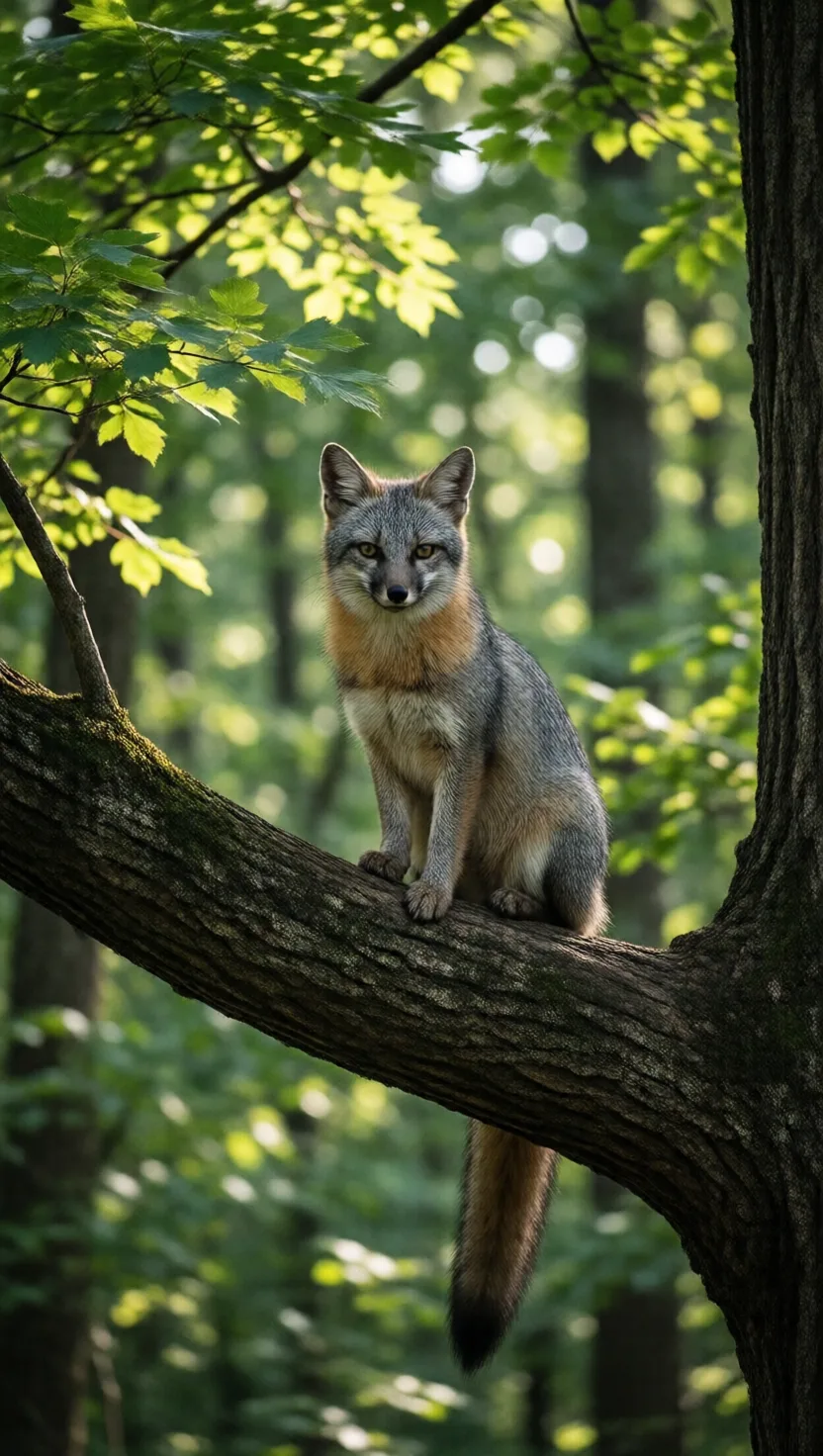
The grey fox of the Americas is one of only two members of the dog family that regularly climbs trees. Its wrists rotate and its front claws are hooked and partly retractable, so it can shin up a bare trunk, climb over 15 metres high to rest or escape, then back down again like a house cat. Most dogs cannot rotate their forelimbs this way at all.
Its coat beats every other mammal's for warmth

Its coat beats every other mammal's for warmth

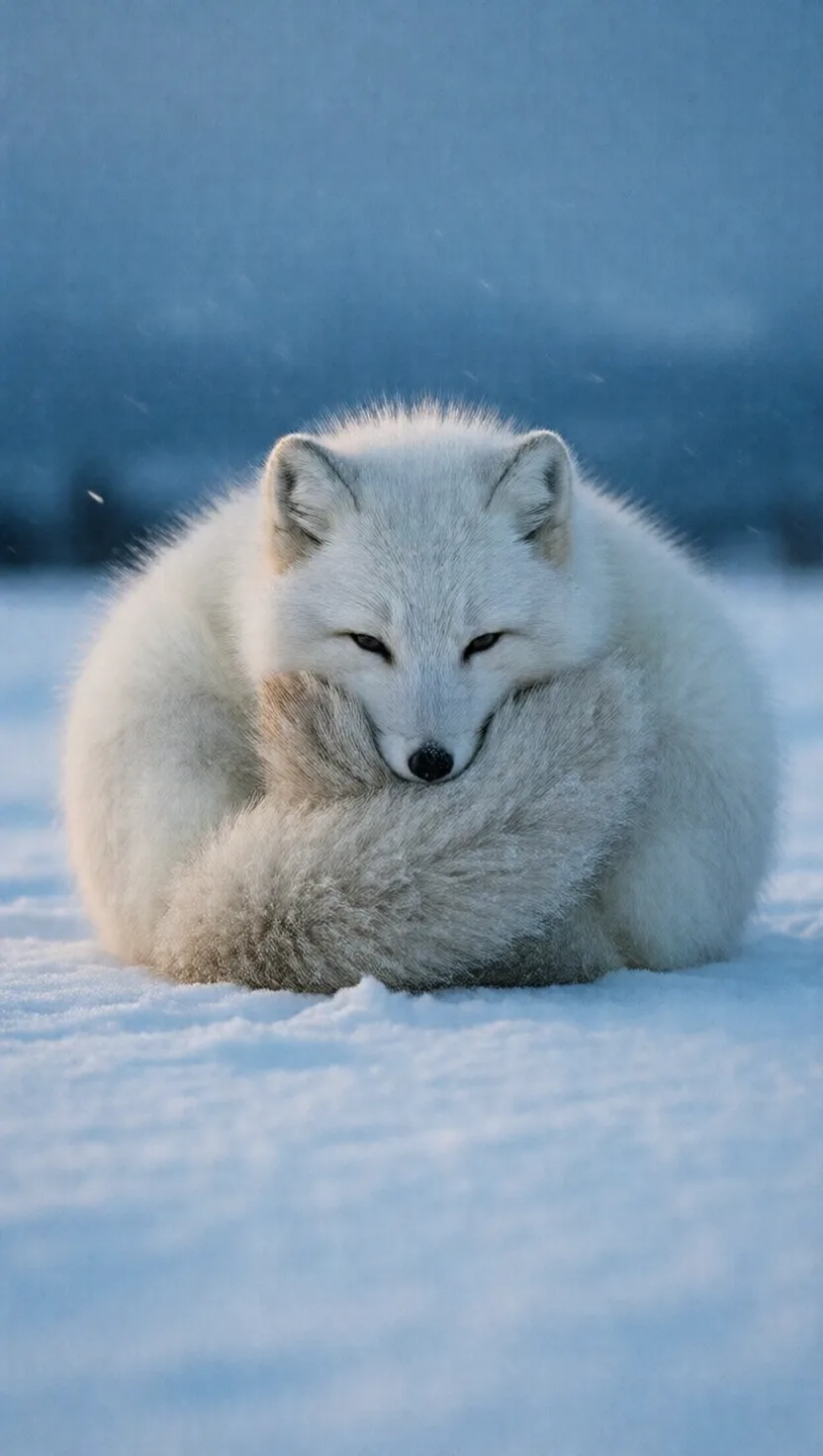
The Arctic fox wears the most insulating fur of any mammal measured. It does not even begin to shiver until the air drops to about minus 70 degrees Celsius, and its lower critical temperature, the point where it must burn extra energy to stay warm, sits below minus 40. Its winter coat grows so dense it can nearly double in thickness from summer.
The smallest fox wears its radiator on its head

The smallest fox wears its radiator on its head

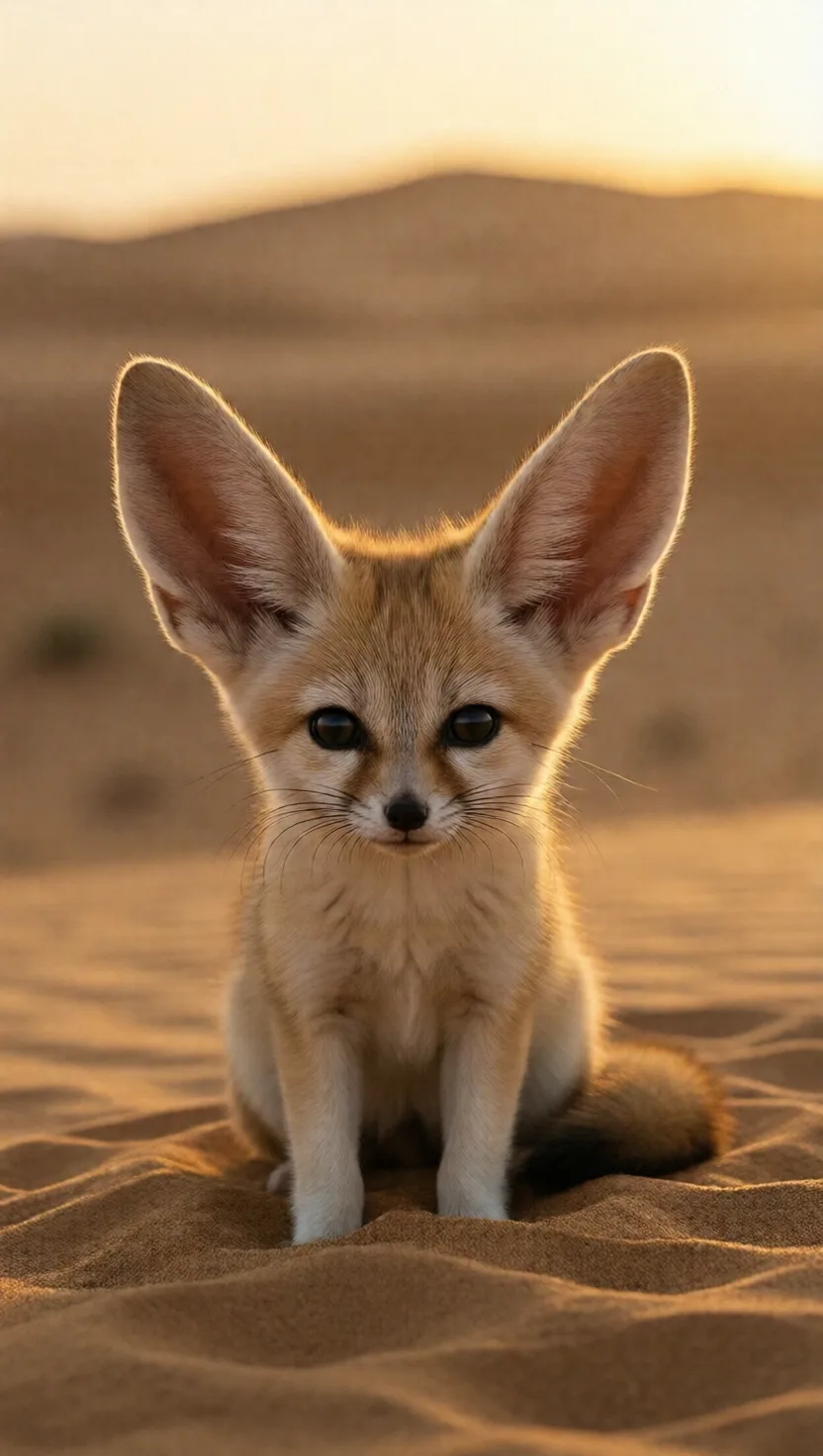
The fennec fox of the Sahara is the smallest member of the dog family, weighing barely a kilogram, yet its ears can be 15 centimetres tall. Threaded with blood vessels, those huge ears dump body heat into the desert air like radiators, and they also catch the faint sounds of insects and prey moving beneath the sand.
No wild meat-eater roams more of the planet

No wild meat-eater roams more of the planet

The red fox is the most widely distributed wild carnivore on Earth. It lives across nearly the whole northern hemisphere, from North America through Europe and Asia into North Africa, and people carried it to Australia in the 1800s, where it spread across the continent. No other wild land predator covers so much ground.
A spot on its tail smells of violets

A spot on its tail smells of violets

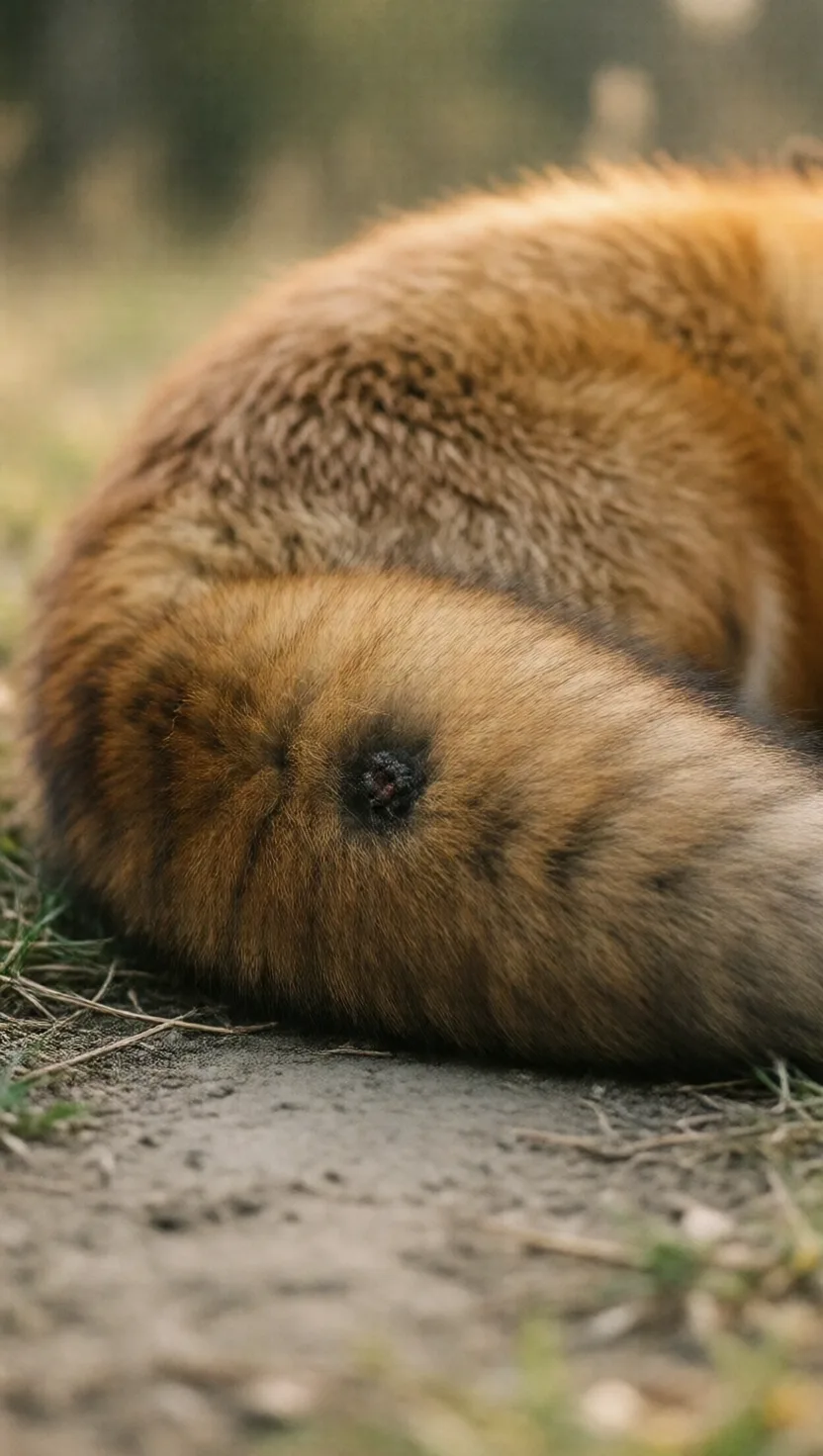
On the upper side of a fox's tail, about a third of the way from the body, sits a small oval gland marked by a patch of dark fur. In the red fox it is only about 25 millimetres long, yet it gives off a scent of violets. The smell comes from apocarotenoid molecules, the same class of aroma compounds that flowers use to perfume the air.
One fox eats over a million termites a year

One fox eats over a million termites a year

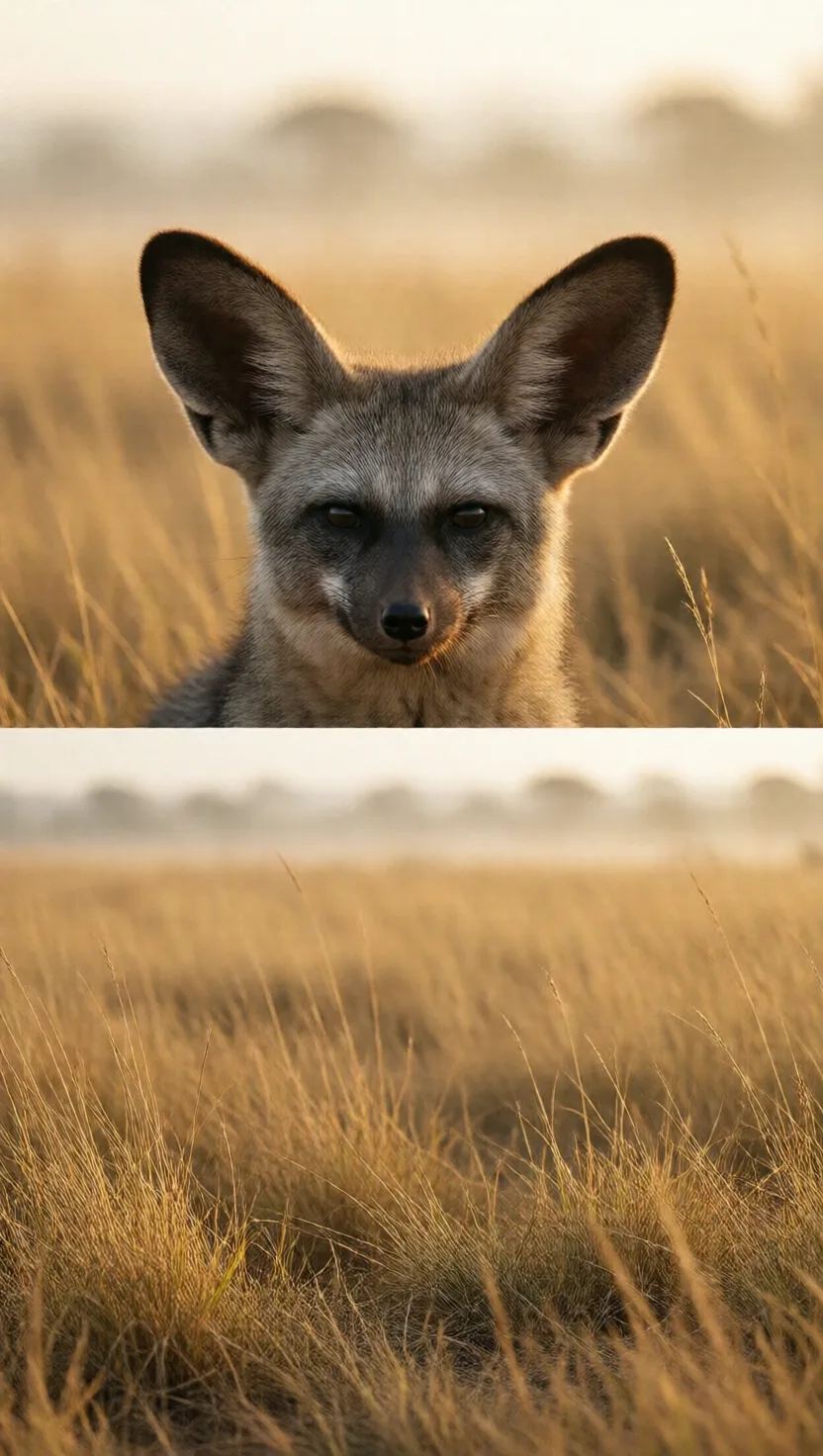
The bat-eared fox of Africa is the only member of the dog family that lives almost entirely on insects. Harvester termites make up 80 to 90 percent of its diet, and a single fox can eat around 1.2 million of them in a year. Its outsized ears pinpoint larvae moving underground, and a special jaw muscle lets it chomp about five times a second.
It's a dog with a cat's eyes

It's a dog with a cat's eyes

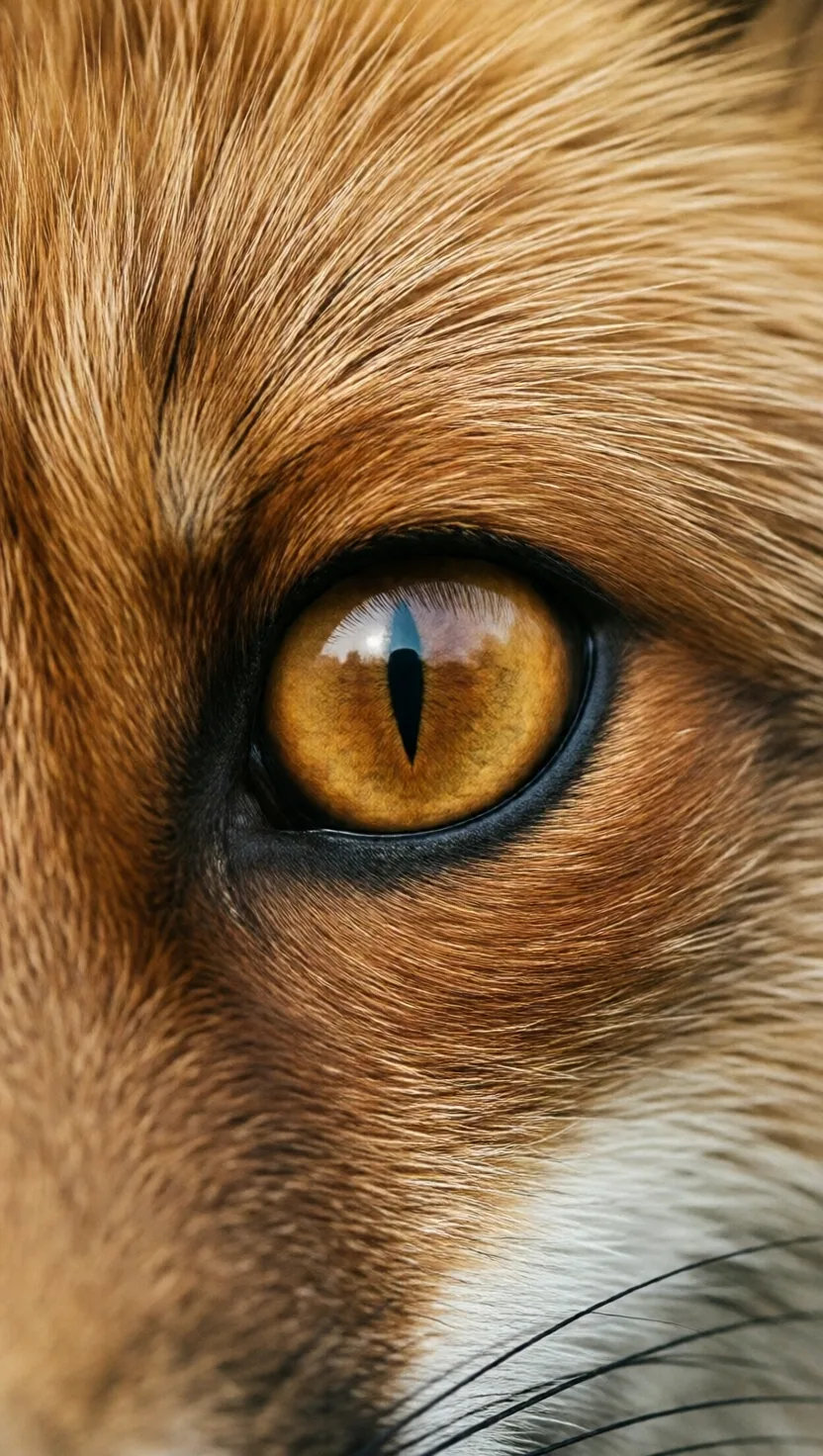
Almost every dog has round pupils, but the red fox has vertical slits like a cat's. A slit can clamp down far tighter than a circle, letting the fox hunt across the glare of midday and the gloom of night with the same eyes. It pairs them with partly retractable claws and a low, cat-like stalk that ends in a high pouncing leap.
tap →swipe ↑ for depthswipe ↓ to exit