Eight things the vulture does with the dead

DC·167 Deep Cuts
Its gut acid dissolves anthrax and botulism

Its gut acid dissolves anthrax and botulism

A vulture's stomach is one of the harshest places in the animal world, with acid measured near pH 1, roughly ten times stronger than other birds' and corrosive enough to rival battery acid. That lets it swallow rotting meat laced with the germs of anthrax, botulism and cholera and digest them harmlessly, destroying pathogens that would sicken or kill most other scavengers.
It cools off by pooping down its own legs

It cools off by pooping down its own legs

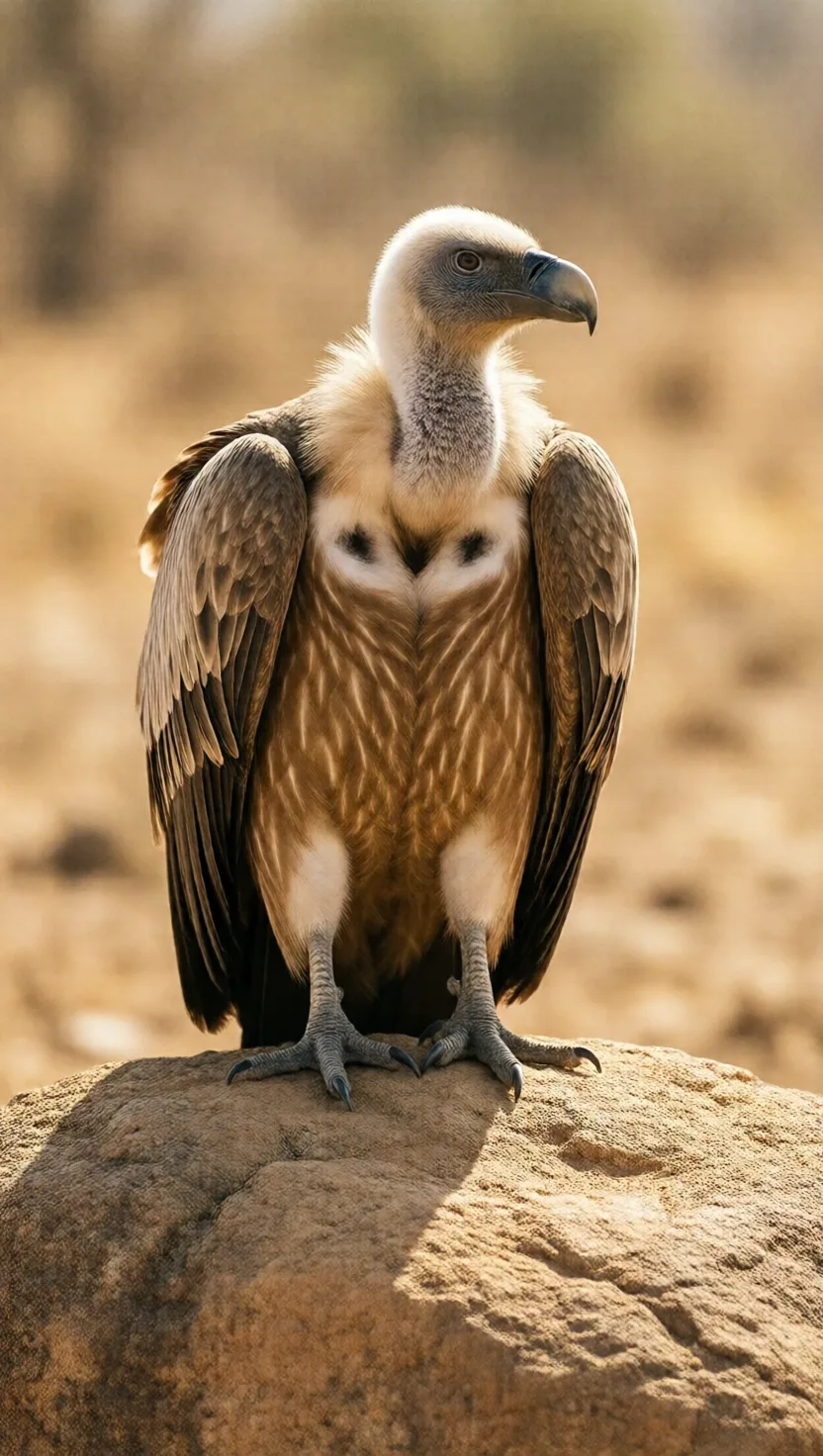
On a hot day a vulture will deliberately squirt its watery droppings down its bare legs. As the fluid evaporates it cools the blood passing through the feet, much like sweat. There's a bonus: the waste is so acidic it helps sterilise legs that have been wading through rotting carcasses. Biologists call the habit urohidrosis, and some storks do it too.
It smells a gas leak from a mile away

It smells a gas leak from a mile away

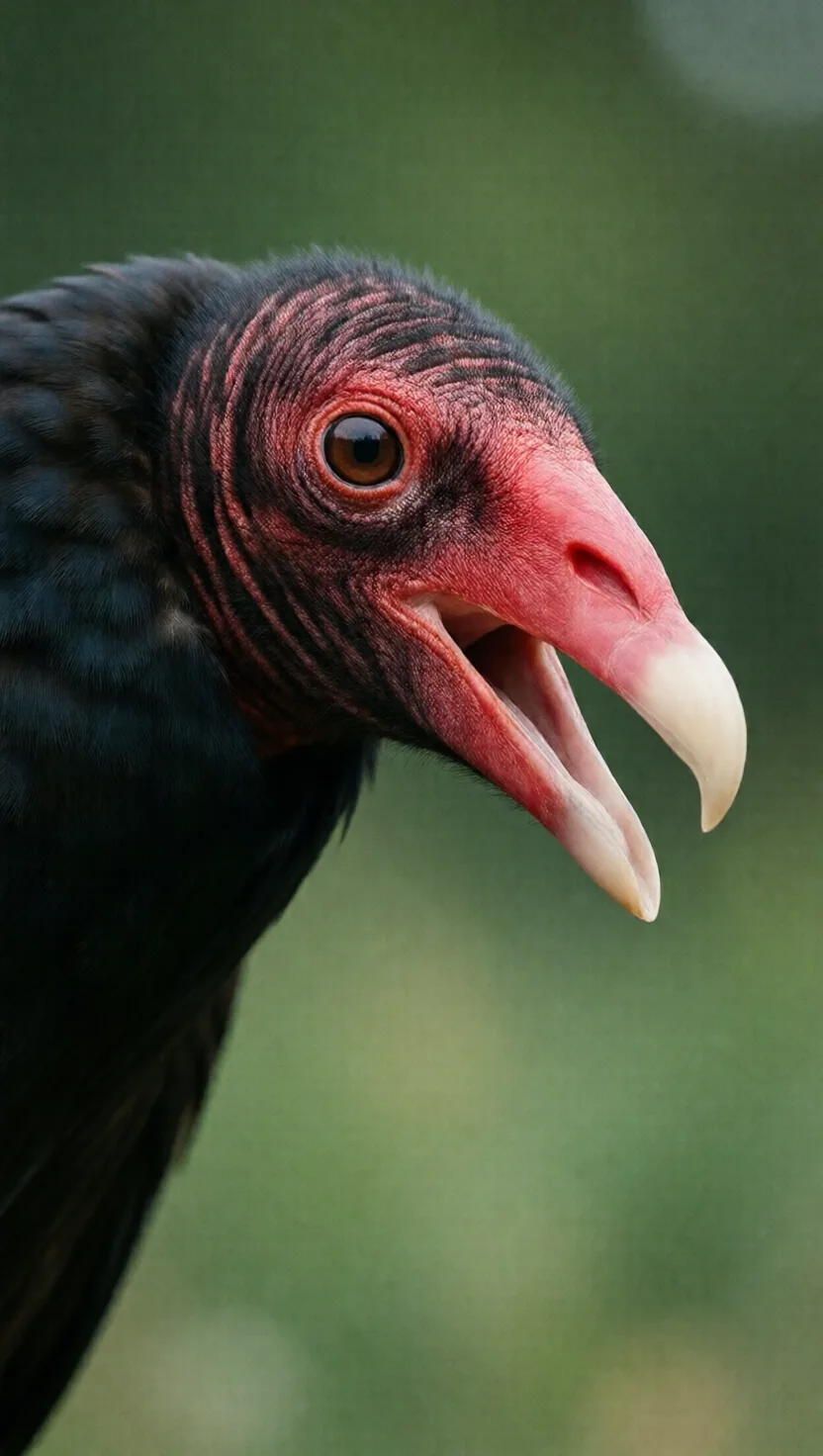
The turkey vulture has one of the keenest noses in the animal kingdom, able to detect the reek of decay at a few parts per trillion. The key scent is ethyl mercaptan, the same chemical added to odourless natural gas so leaks can be smelled. In the 1930s engineers pumped it through pipelines and simply watched where vultures gathered to find the breaks.
American vultures are really kin to storks

American vultures are really kin to storks

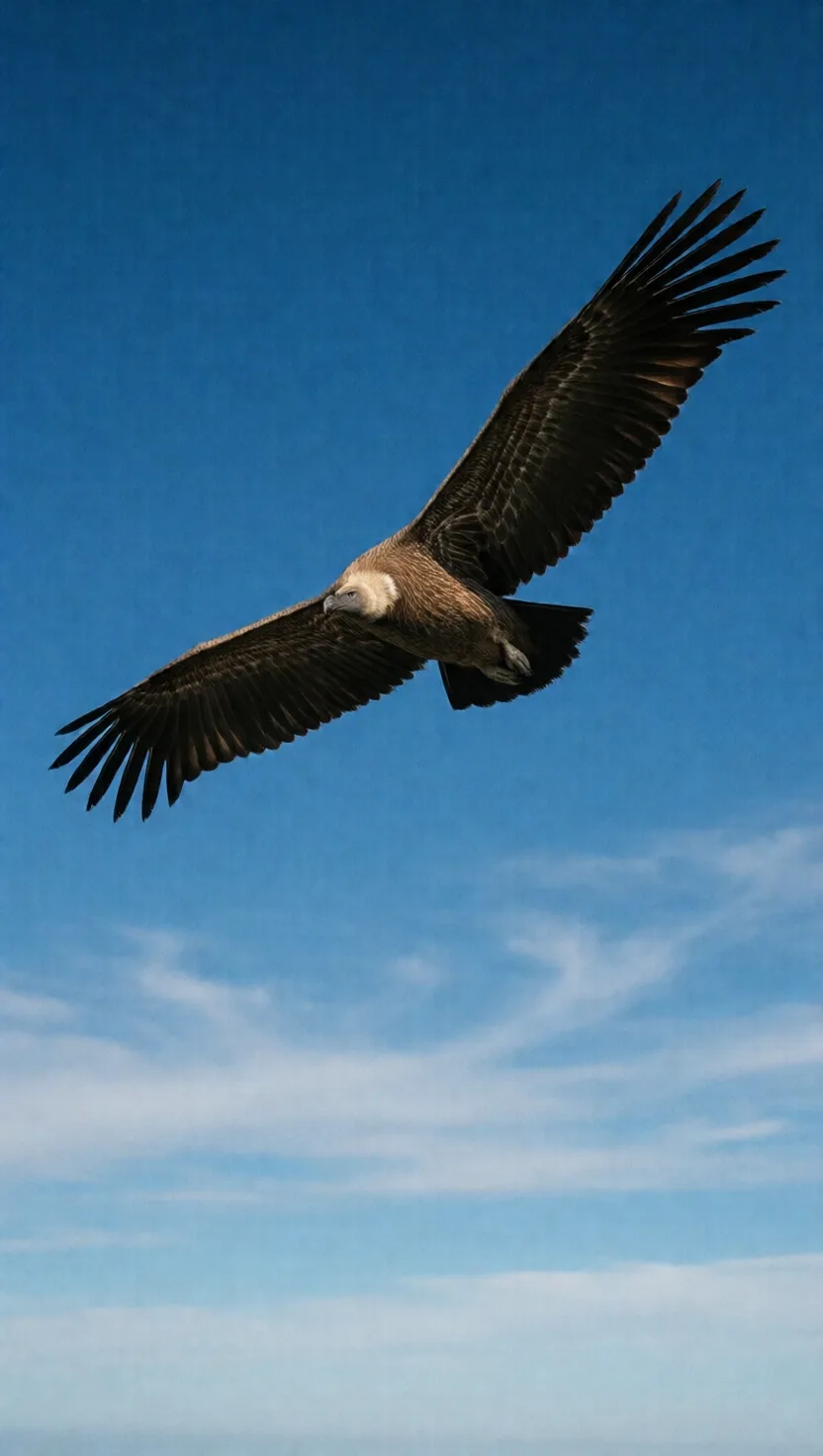
The vultures of the Americas and those of Africa and Asia look almost identical: bald heads, hooked beaks, patient soaring flight. Yet they aren't close relatives. Old World vultures are true birds of prey, related to eagles and hawks, while New World vultures sit closer to storks. Their matching bodies are convergent evolution, two lineages shaped the same way by the same job: eating the dead.
Losing them cost half a million human lives

Losing them cost half a million human lives

In the 1990s India's vultures crashed by more than 99 percent, poisoned by a common anti-inflammatory drug given to cattle whose carcasses they ate; a trace was enough to cause fatal kidney failure. Without vultures to clean up dead livestock, feral dogs multiplied and rabies spread. One study links the collapse to roughly half a million extra human deaths over five years.
One was hit by a jet at 37,000 feet

One was hit by a jet at 37,000 feet

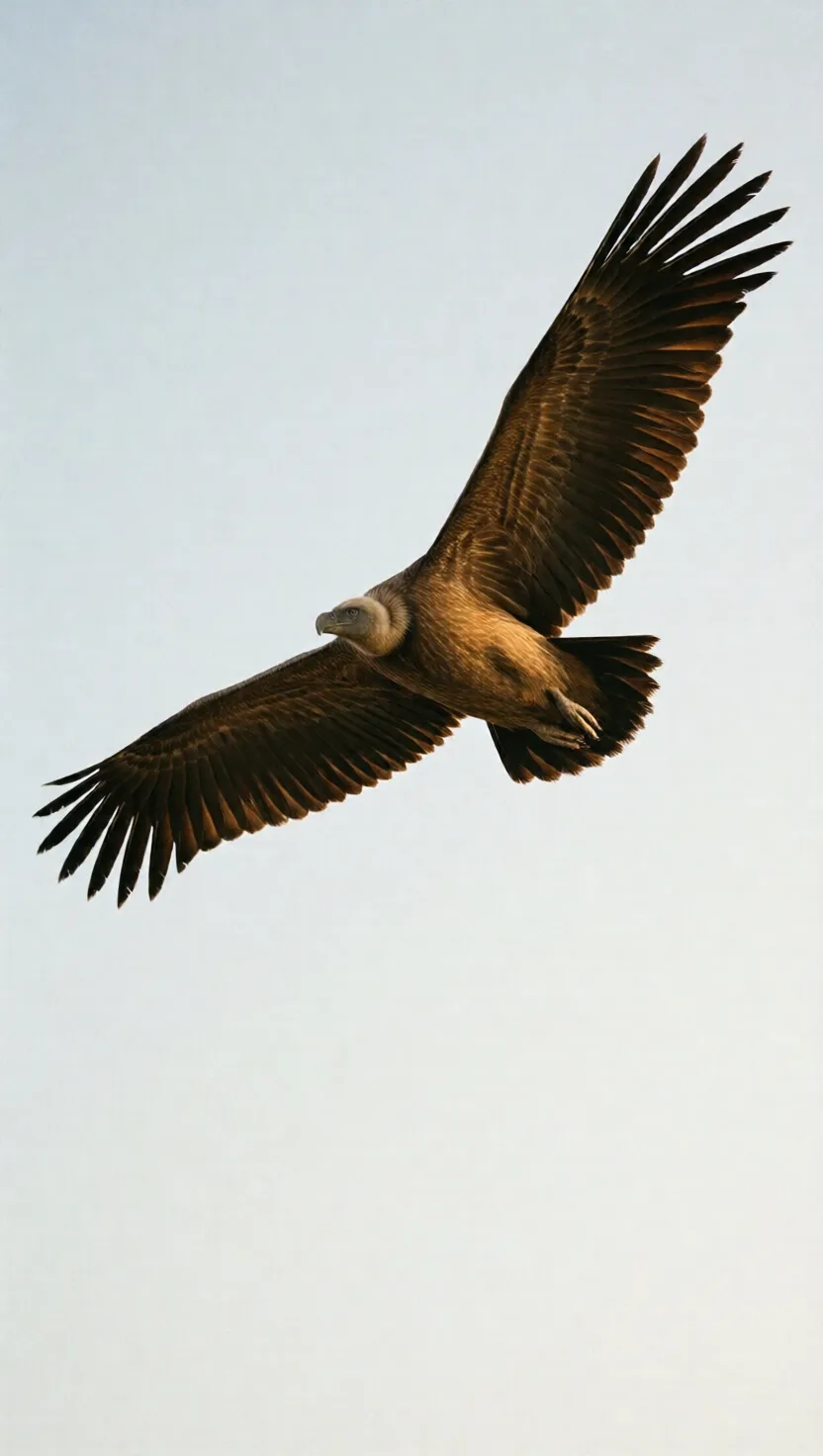
Ruppell's griffon vulture is the highest-flying bird ever recorded. In 1973 one collided with an airliner over West Africa at about 11,300 metres, near 37,000 feet, the cruising height of a jet. It survives air so thin most animals would black out thanks to a special form of haemoglobin that grips oxygen far more tightly than ordinary blood.
The bald head is a radiator, not just hygiene

The bald head is a radiator, not just hygiene

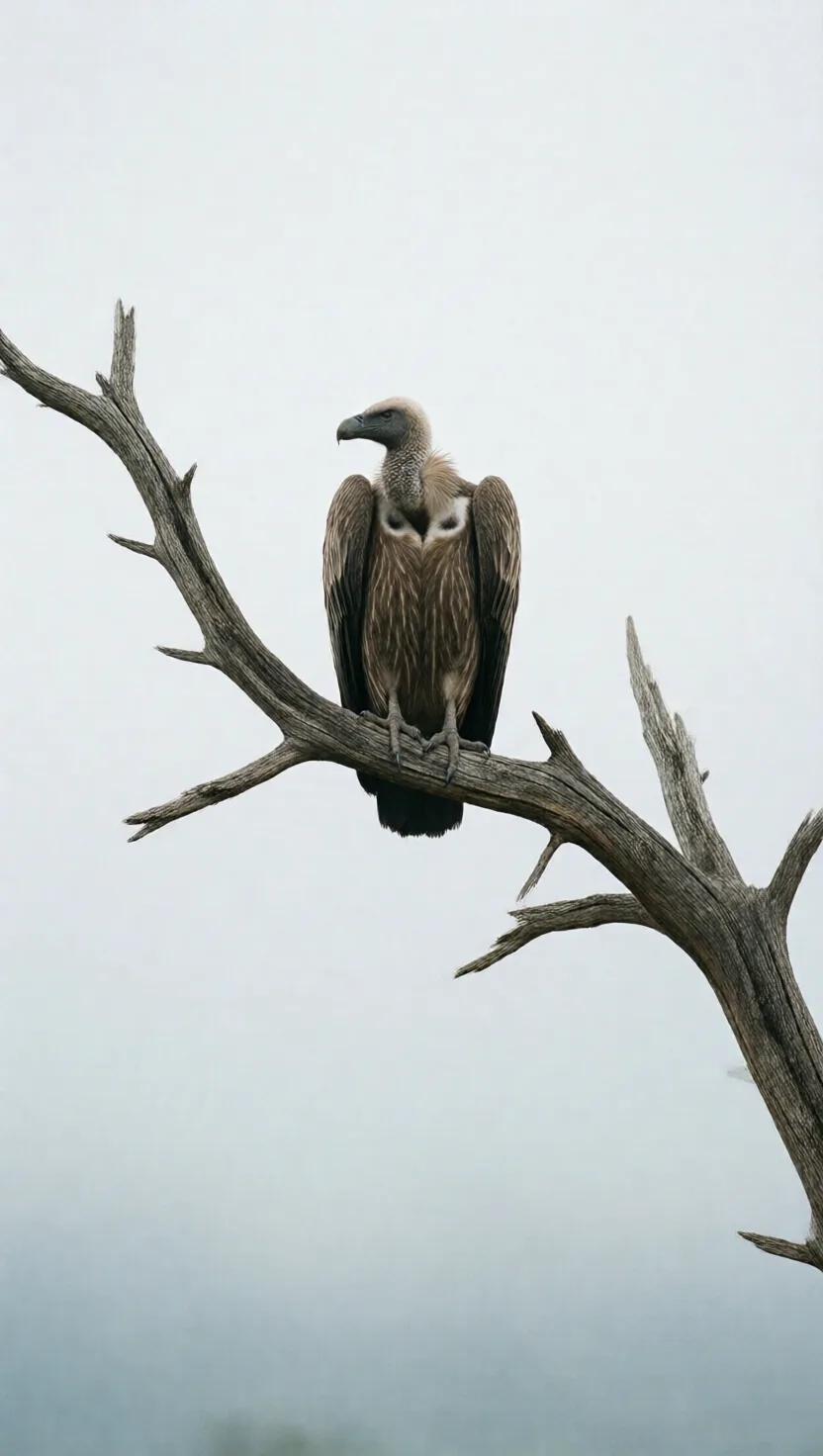
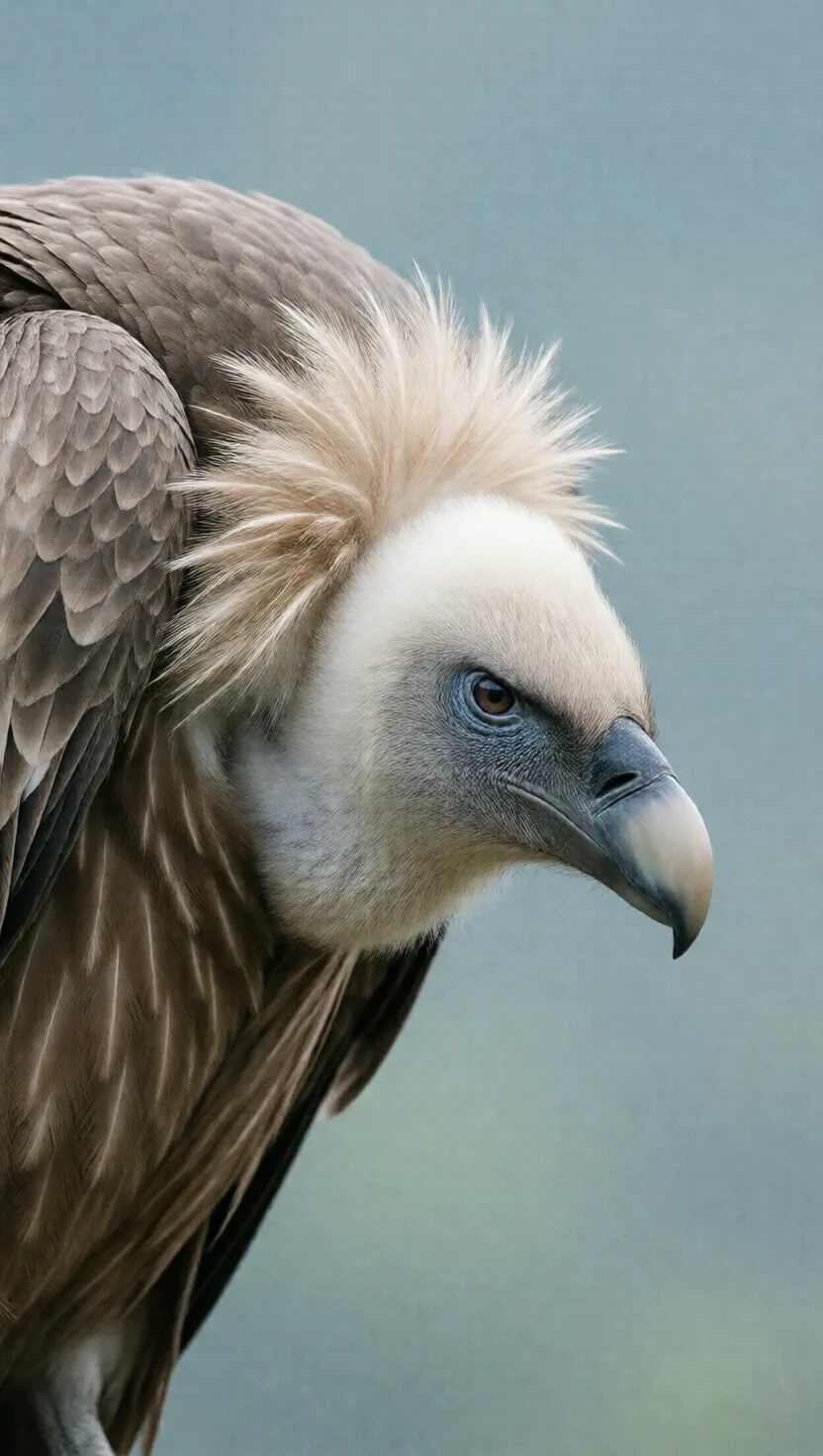
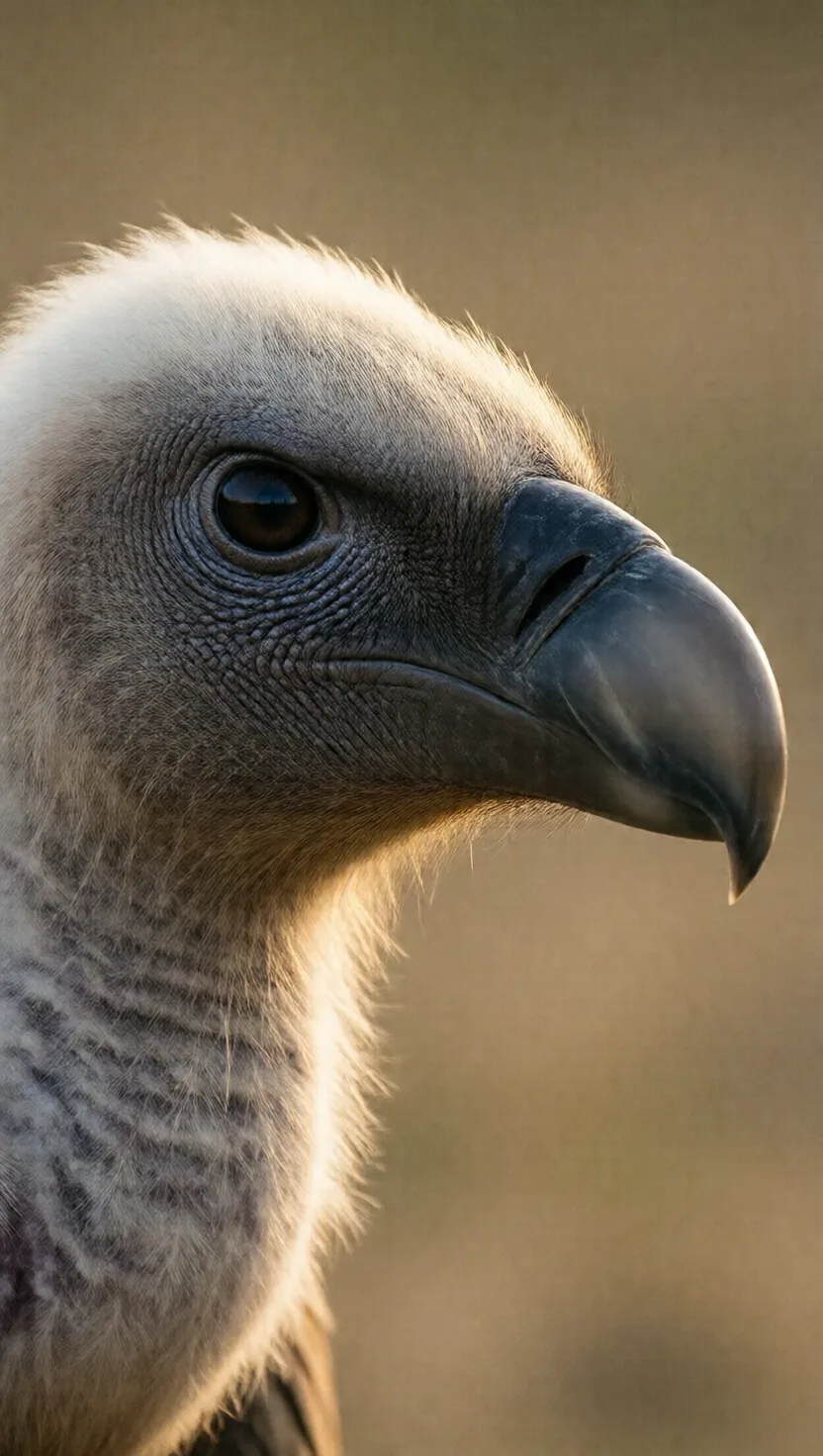
A vulture's naked head is often explained as a way to stay clean while plunging into carcasses, but that's only half the story. By tucking or extending its neck, a griffon vulture can change how much bare skin is exposed, from about a third of its surface down to a small fraction. Modelling shows the move can cut heat loss by around half, making the bald head an adjustable radiator for hot and cold days.
Whole funerals depend on these birds

Whole funerals depend on these birds

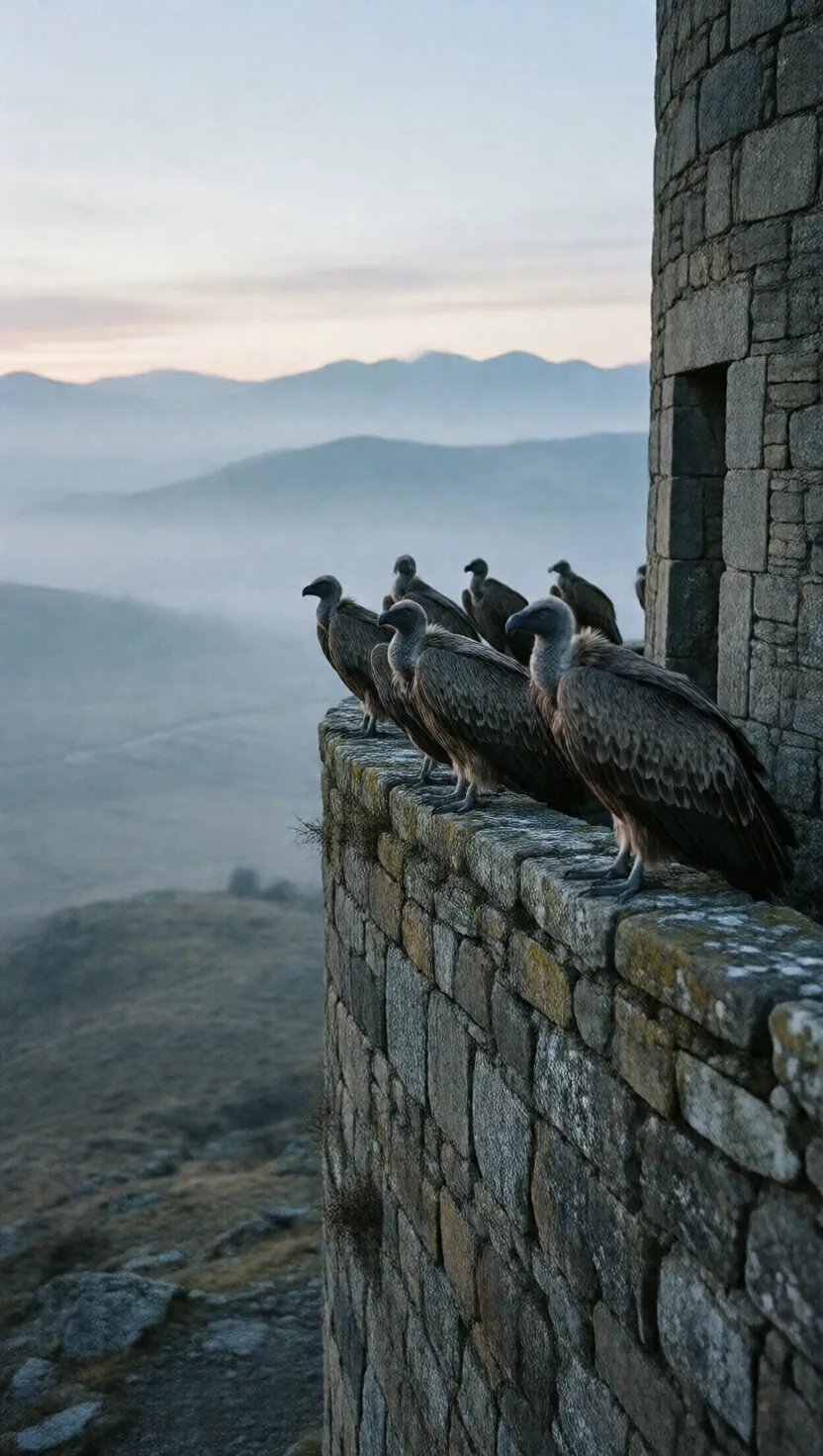
In parts of Tibet and among the Parsi community, the dead are laid out on open towers or mountainsides for vultures to consume, a rite sometimes called sky burial. On the frozen Tibetan plateau, where the ground is too hard for graves and wood is scarce, vultures are the most practical undertakers, recycling bodies back into the ecosystem. Where vultures have vanished, these ancient practices are now failing.
tap →swipe ↑ for depthswipe ↓ to exit