Eight things holding up a giraffe

DC·166 Deep Cuts
Its towering neck has just seven bones

Its towering neck has just seven bones

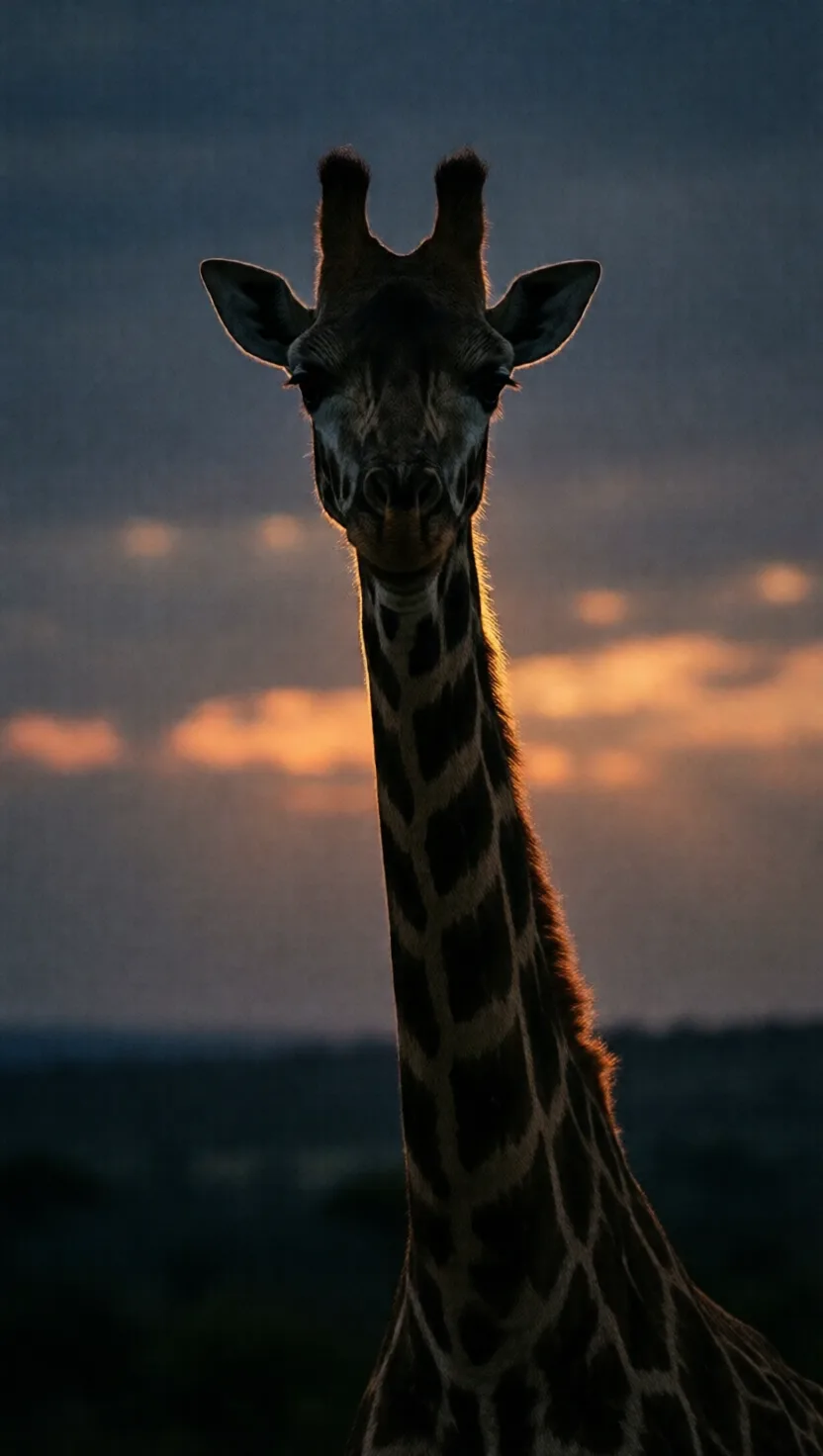
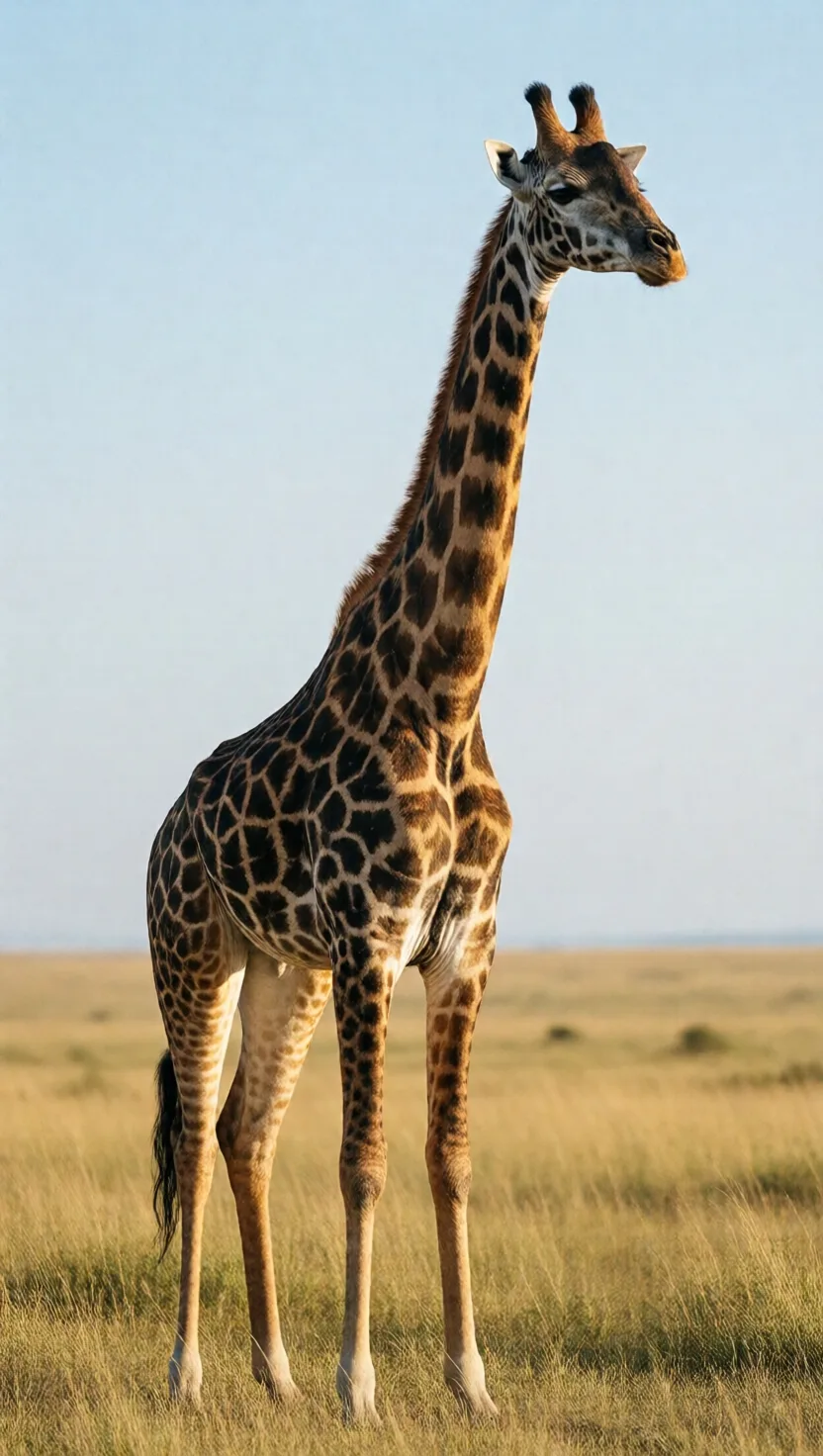
A giraffe's neck can stretch over two metres, yet it holds the very same number of vertebrae as your own: seven. Nearly every mammal, from a mouse to a blue whale, shares that count. The giraffe simply stretched each one, so a single neck vertebra can run about 25 centimetres long. The bones didn't multiply; they just grew.
Built to pump blood straight up a tower

Built to pump blood straight up a tower

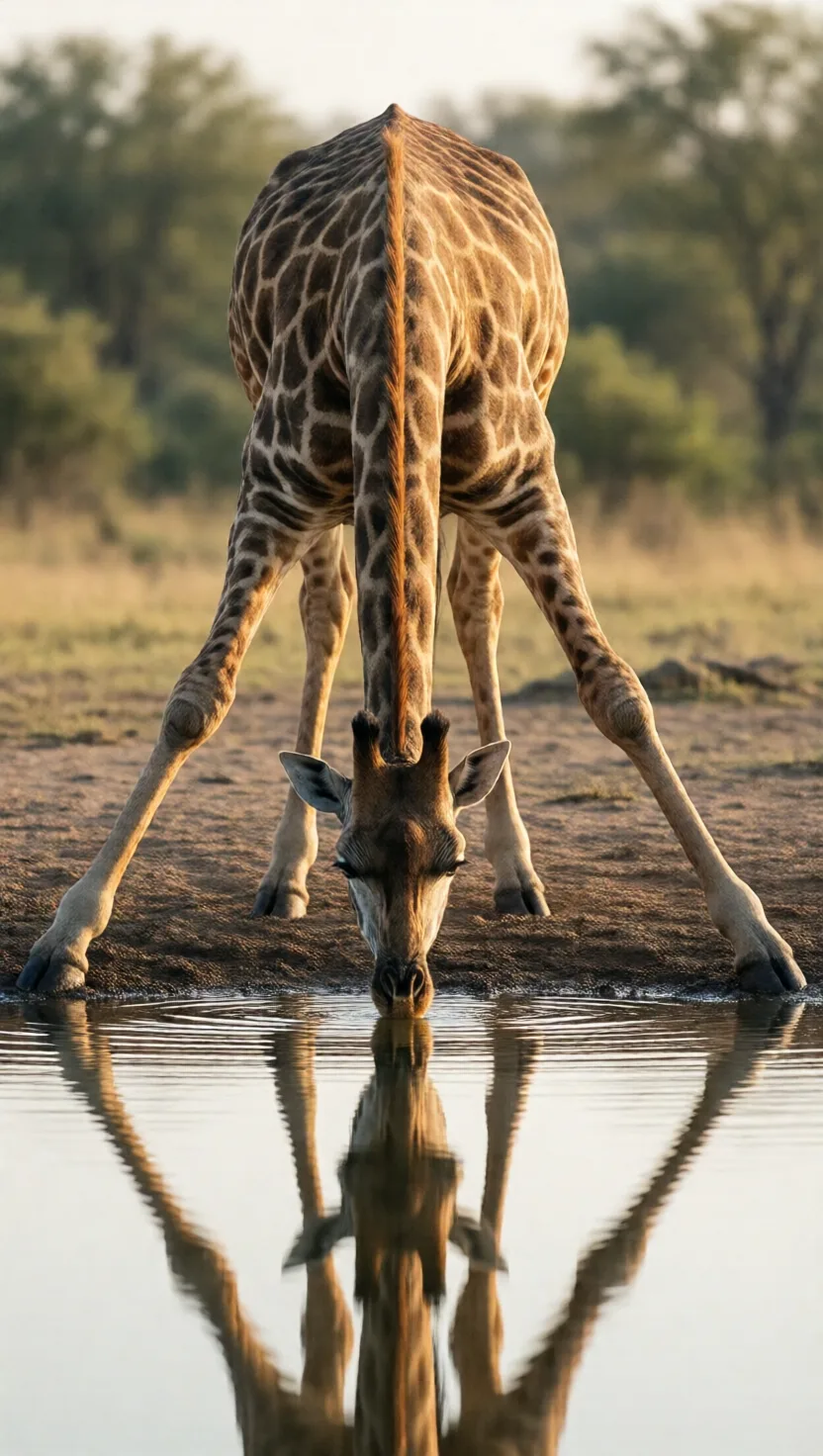
To drive blood two metres up to its brain, a giraffe runs a blood pressure around 280 over 180, roughly double a human's and among the highest of any animal. When it bends down to drink, valves in the neck veins trap over a litre of blood to stop a damaging rush to the head, and the tight, thick skin on its legs works like a compression stocking so blood can't pool at its feet.
The only animal born already wearing horns

The only animal born already wearing horns

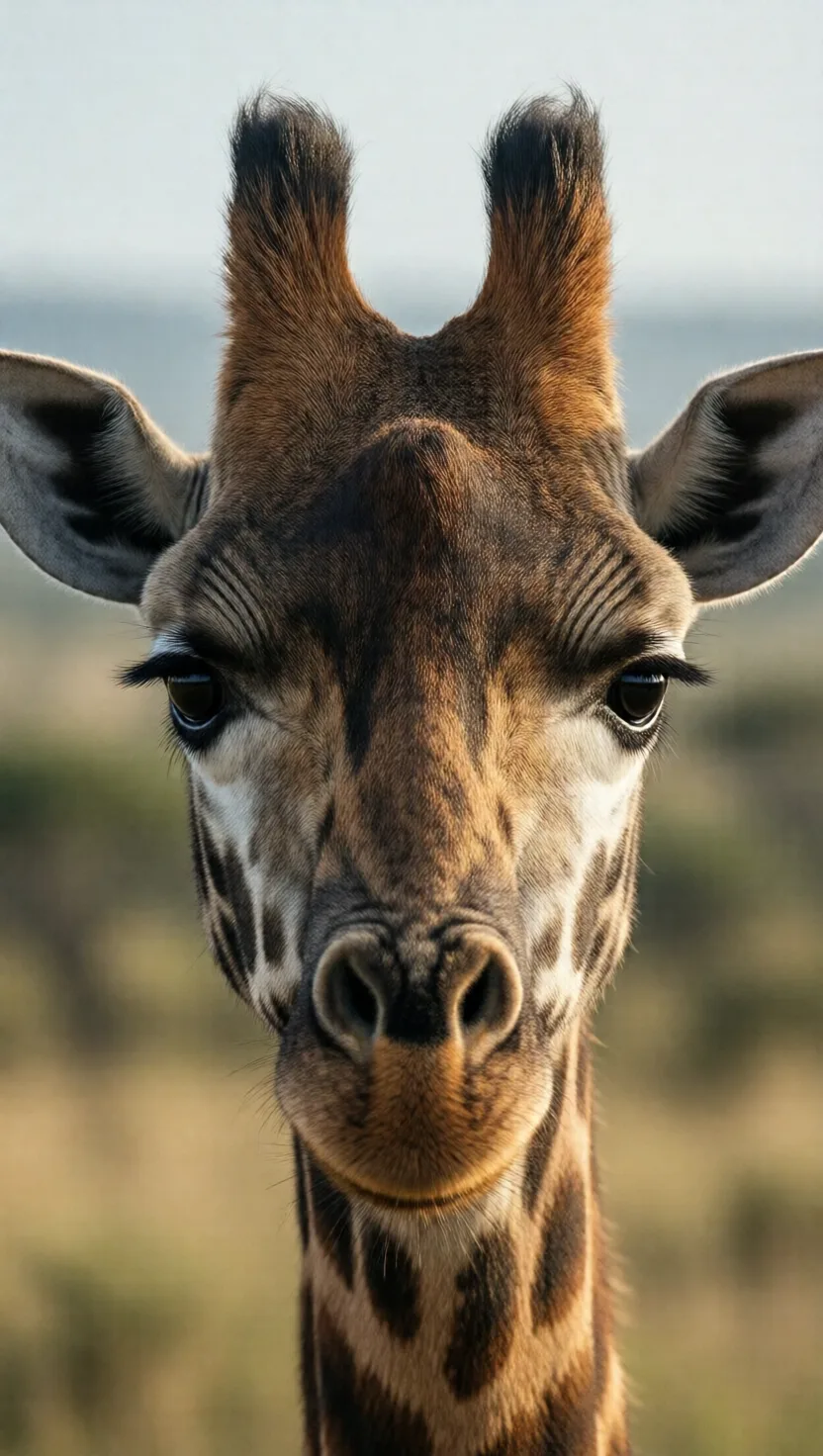
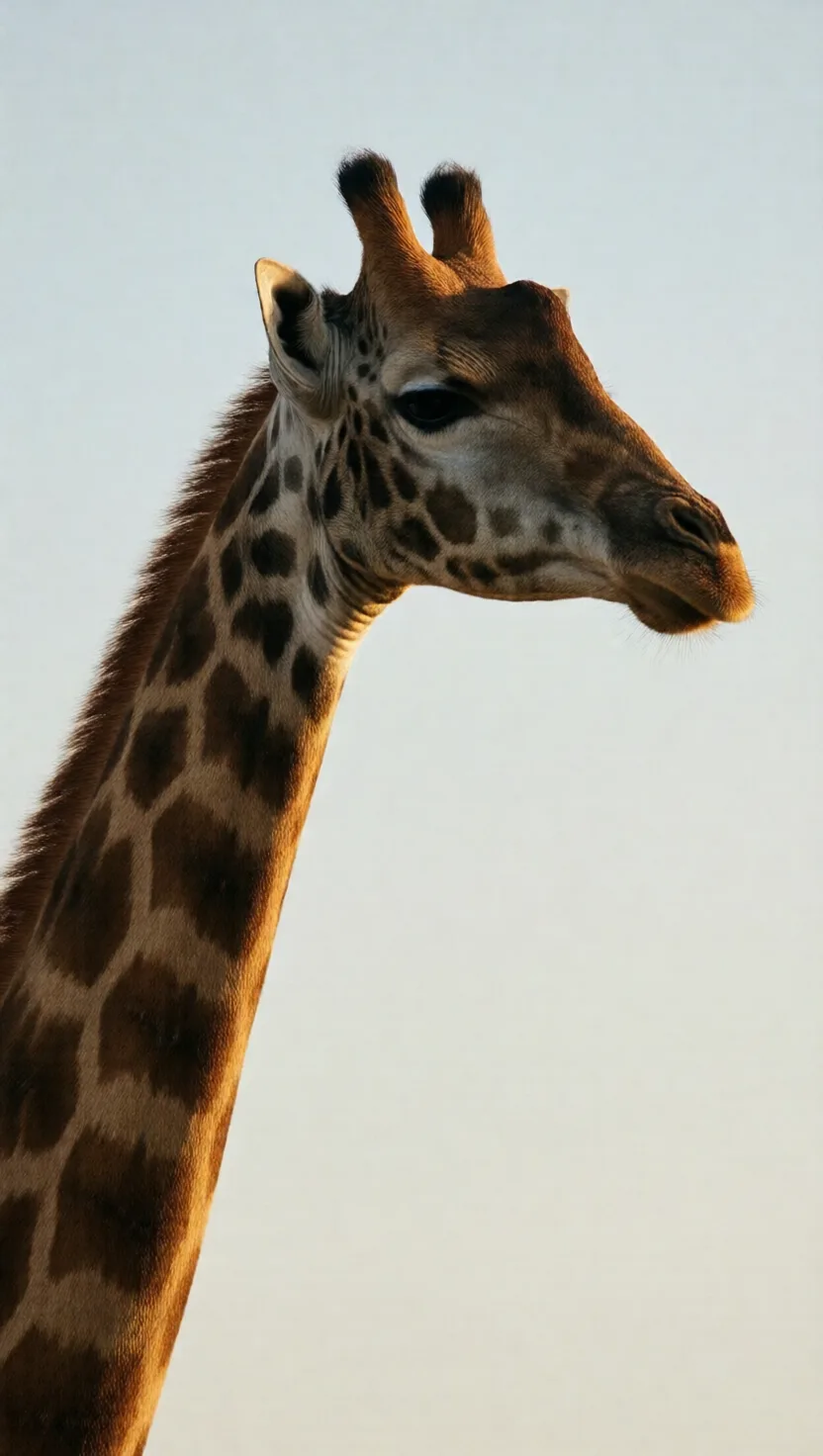
Those knobs on a giraffe's head are ossicones, made of hardened cartilage capped with bone and covered in skin and fur. Giraffes are the only animals born with their horns already formed. To make birth safe, the ossicones lie flat against the skull and aren't yet fused; they spring upright within hours and slowly weld to the skull as the animal grows.
It gets by on half an hour of sleep

It gets by on half an hour of sleep

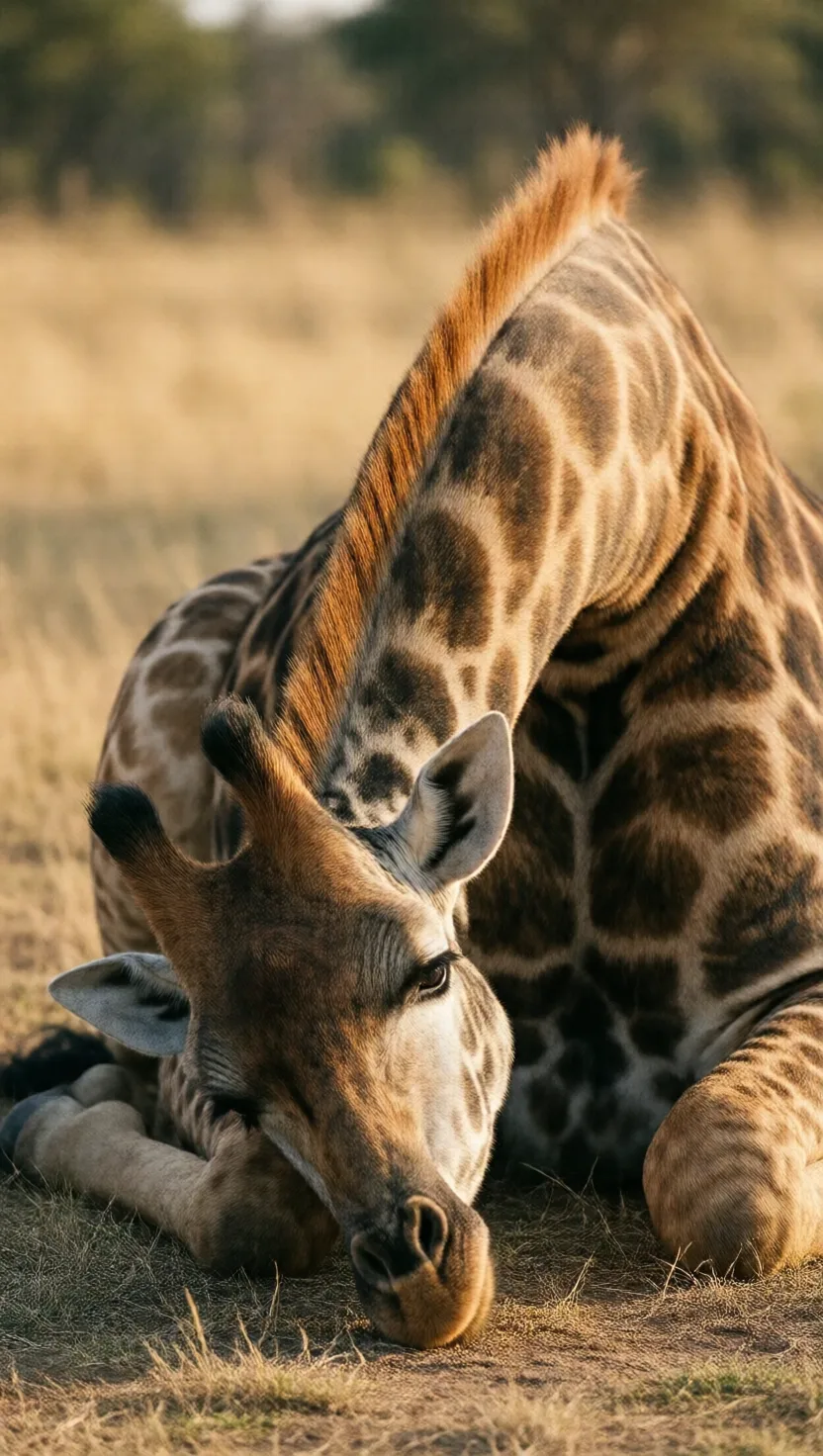
Giraffes may be the lightest sleepers of any mammal. In the wild they total only about 30 minutes to two hours of sleep a day, broken into micro-naps that can last under a minute, often taken standing up. Lying down and rising again is slow and risky for such a tall body, so deep sleep, with the head curled back onto the rump, is rare and brief.
All night, giraffes hum to each other

All night, giraffes hum to each other

Long thought to be nearly mute, giraffes turn out to hum in the dark. Researchers who recorded 947 hours across three zoos caught a low nocturnal hum averaging about 92 hertz, well within human hearing. The recordings also undercut a popular idea: none of the sounds were infrasonic, so the old claim that giraffes talk below our hearing range went unsupported.
Each spot is a window for shedding heat

Each spot is a window for shedding heat

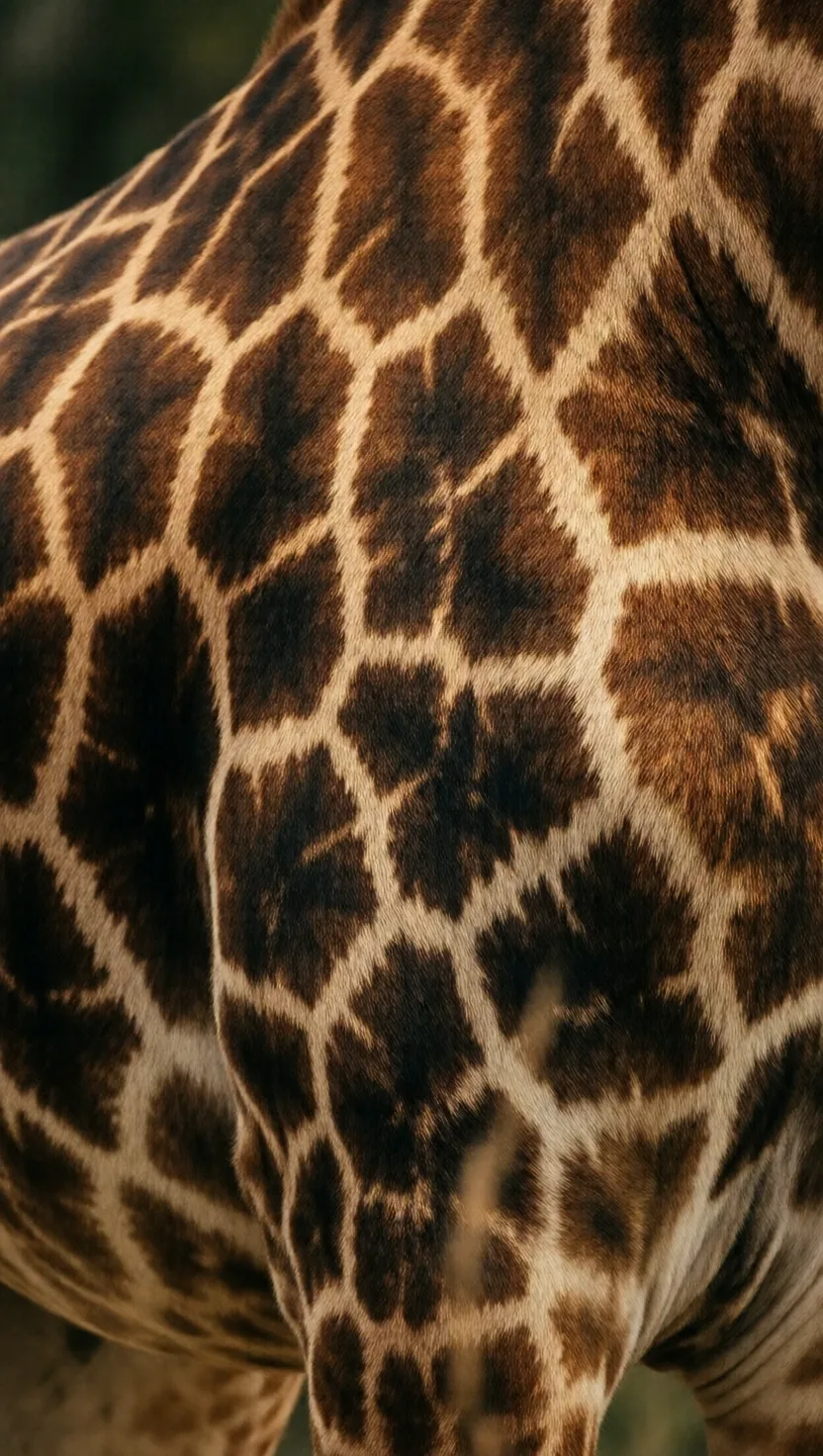
A giraffe's patches aren't only camouflage. Under each dark patch sits a large blood vessel that branches outward in a fan, like the spokes of a wheel, ringed by extra sweat glands. By sending warm blood into these patches, the giraffe can dump heat through the skin, turning its coat pattern into a grid of adjustable thermal windows for staying cool on the open savanna.
An 11-kilo heart fights gravity all day

An 11-kilo heart fights gravity all day

Lifting blood to a brain two metres overhead takes a remarkable pump. A giraffe's heart weighs around 11 kilograms and has an unusually thick-walled left ventricle that squeezes hard to build enormous pressure. Rather than a huge heart, evolution gave the giraffe a fairly small chamber with very muscular walls, beating fast to push blood up the long climb to the head.
A newborn's first moment is a two-metre fall

A newborn's first moment is a two-metre fall

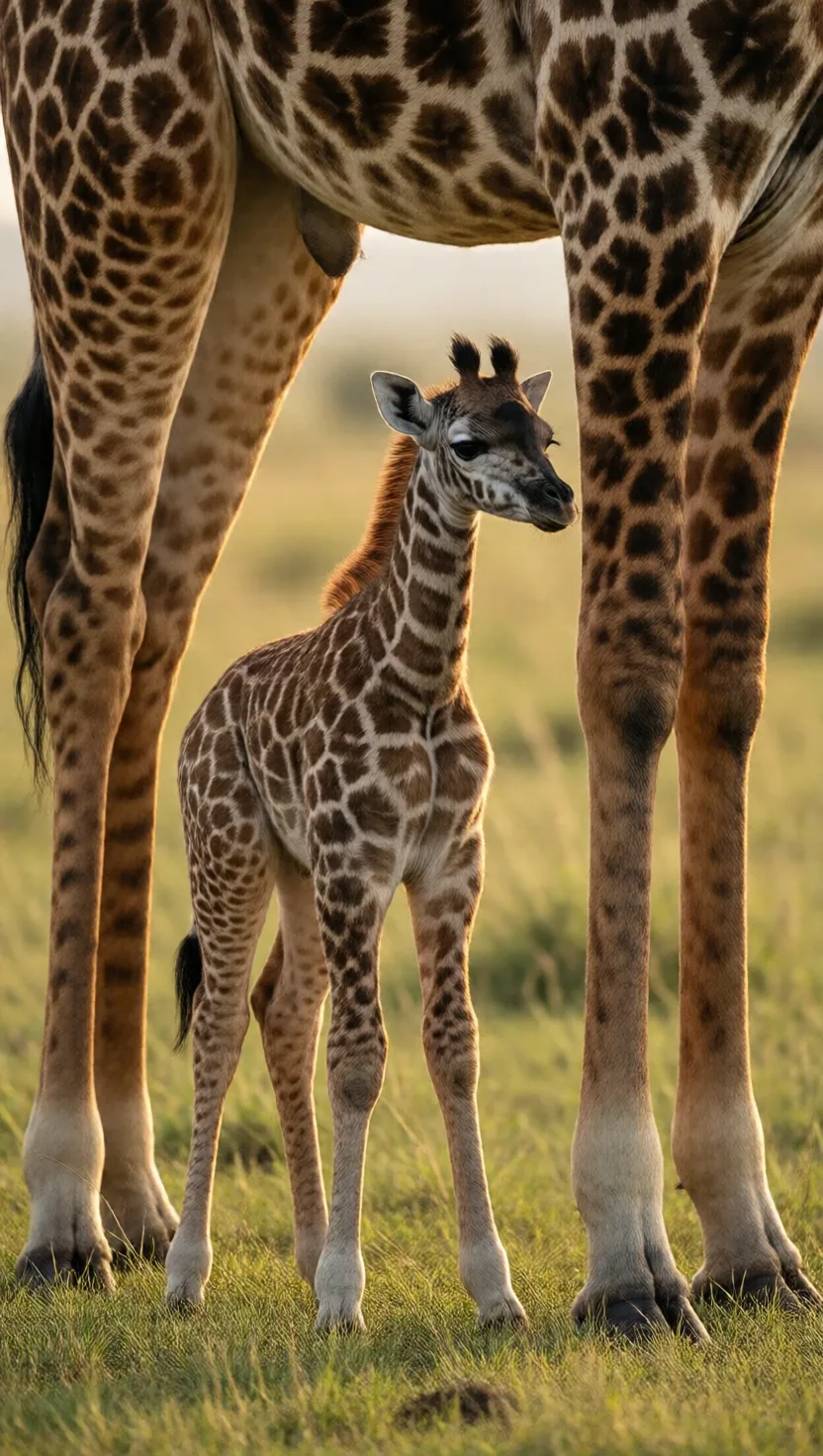
Giraffes give birth standing, so a calf enters the world with a drop of about two metres to the ground. The fall snaps the umbilical cord and bursts the birth sac, and the jolt helps trigger the calf's first breaths. After a 15-month pregnancy the newborn already stands roughly 1.7 metres tall and can get to its feet and run within an hour.
tap →swipe ↑ for depthswipe ↓ to exit