Eight things baked into a plain brick

DC·163 Deep Cuts
Ming masons mixed sticky rice into their mortar

Ming masons mixed sticky rice into their mortar

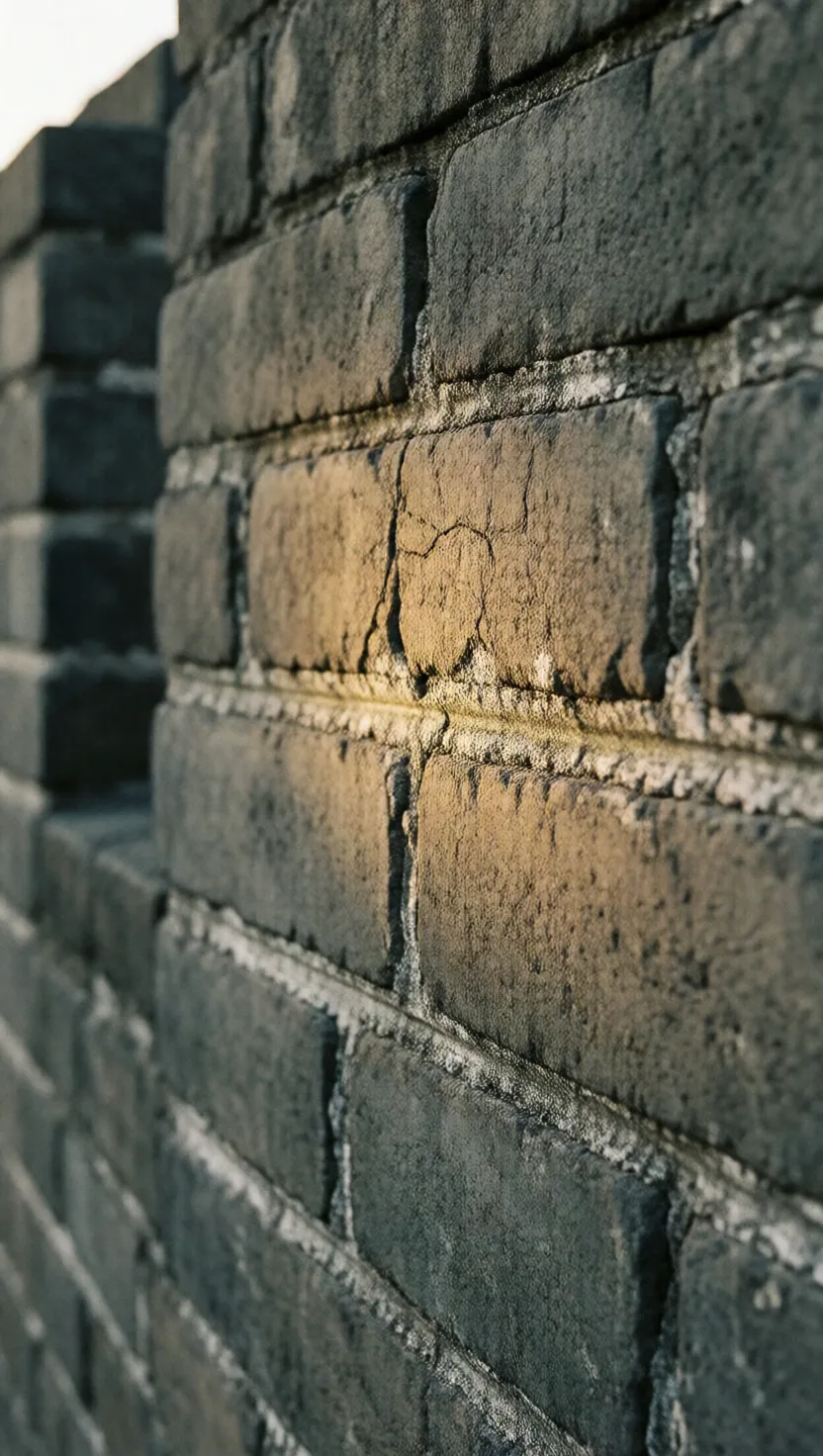
From the 1300s, Chinese builders boiled sticky rice and stirred the soup into slaked-lime mortar. The rice's amylopectin acts as a template that shrinks the growing calcium-carbonate crystals into a dense, uniform nano-network, gluing the paste deep into the brick. Lab tests show the rice-lime mix is about 1.7 times stronger in compression than plain lime mortar, which is why Ming city walls and tombs still stand after 600 years.
That dent on top of a brick is called a frog

That dent on top of a brick is called a frog

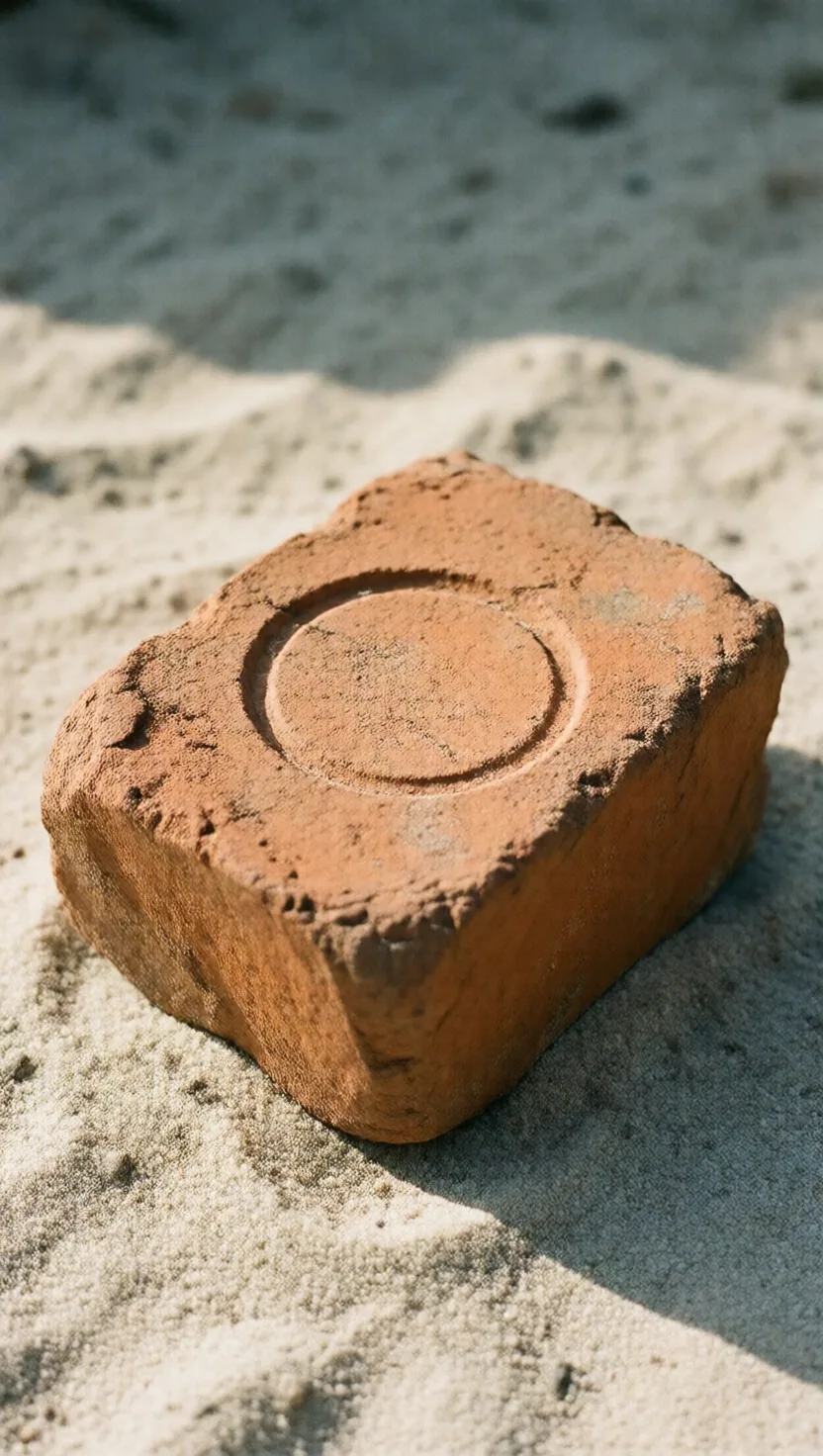
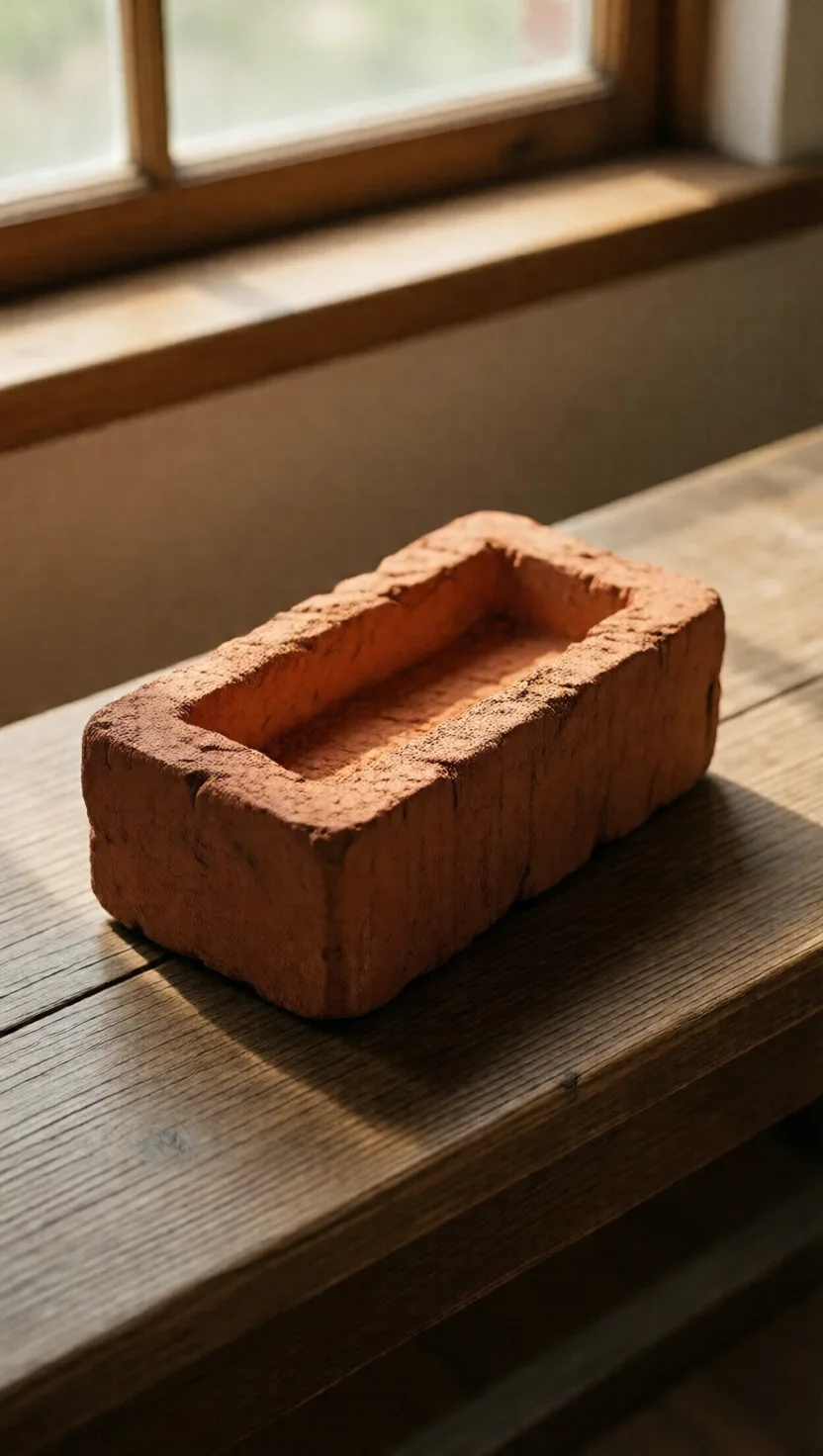
Many bricks carry a shallow rectangular hollow pressed into one face, known as the frog. Laid frog-up, it fills with mortar that hardens into a mechanical key, locking each brick to the bed above and resisting sliding. The dent also removes clay, cutting weight and shortening drying and firing, and gives the maker a spot to stamp a mark. A typical frog is around 10 to 15 mm deep.
Roman bricks were thin, wide, and run by the legion

Roman bricks were thin, wide, and run by the legion

Roman bricks looked almost nothing like ours: long, flat tiles often a Roman foot or two across but only about 3 to 4 cm thick, set in slim courses through stone walls. From the 1st century BC, makers pressed identifying stamps into the wet clay before firing, naming the brickyard, an owner, or the army legion that ran the kiln, marking the bricks as that unit's property.
Every Nanjing wall brick recorded the man who made it

Every Nanjing wall brick recorded the man who made it

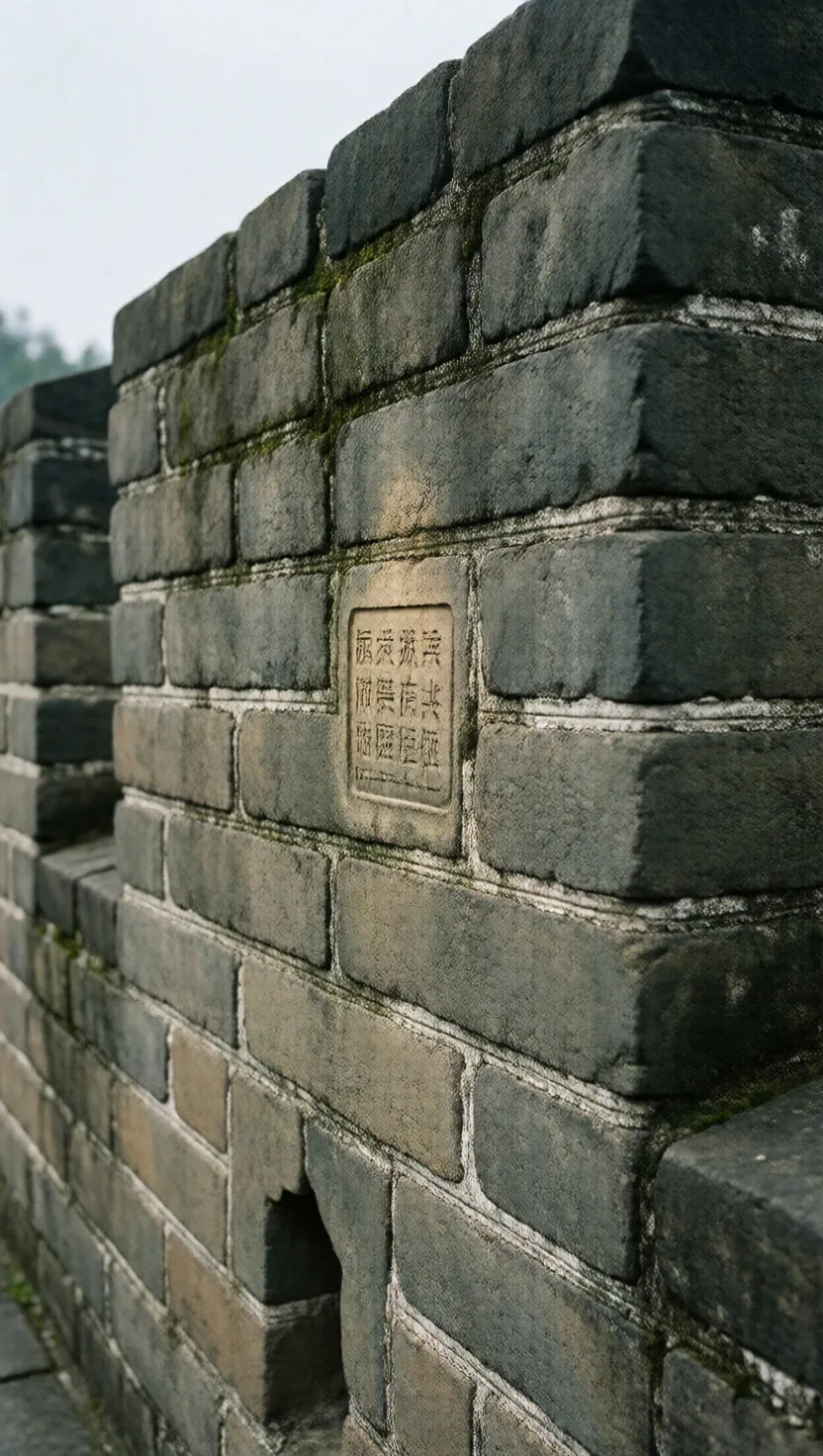
When the Ming built Nanjing's city wall, finished in 1386, they ran a strict accountability system: roughly 350 million bricks were each stamped with the place of origin and the names of the supervising official and the individual maker. If a brick failed, officials knew exactly whom to hold responsible. It remains one of the largest bodies of brick maker-records ever found in China.
The tallest all-brick tower has walls 6 feet thick

The tallest all-brick tower has walls 6 feet thick

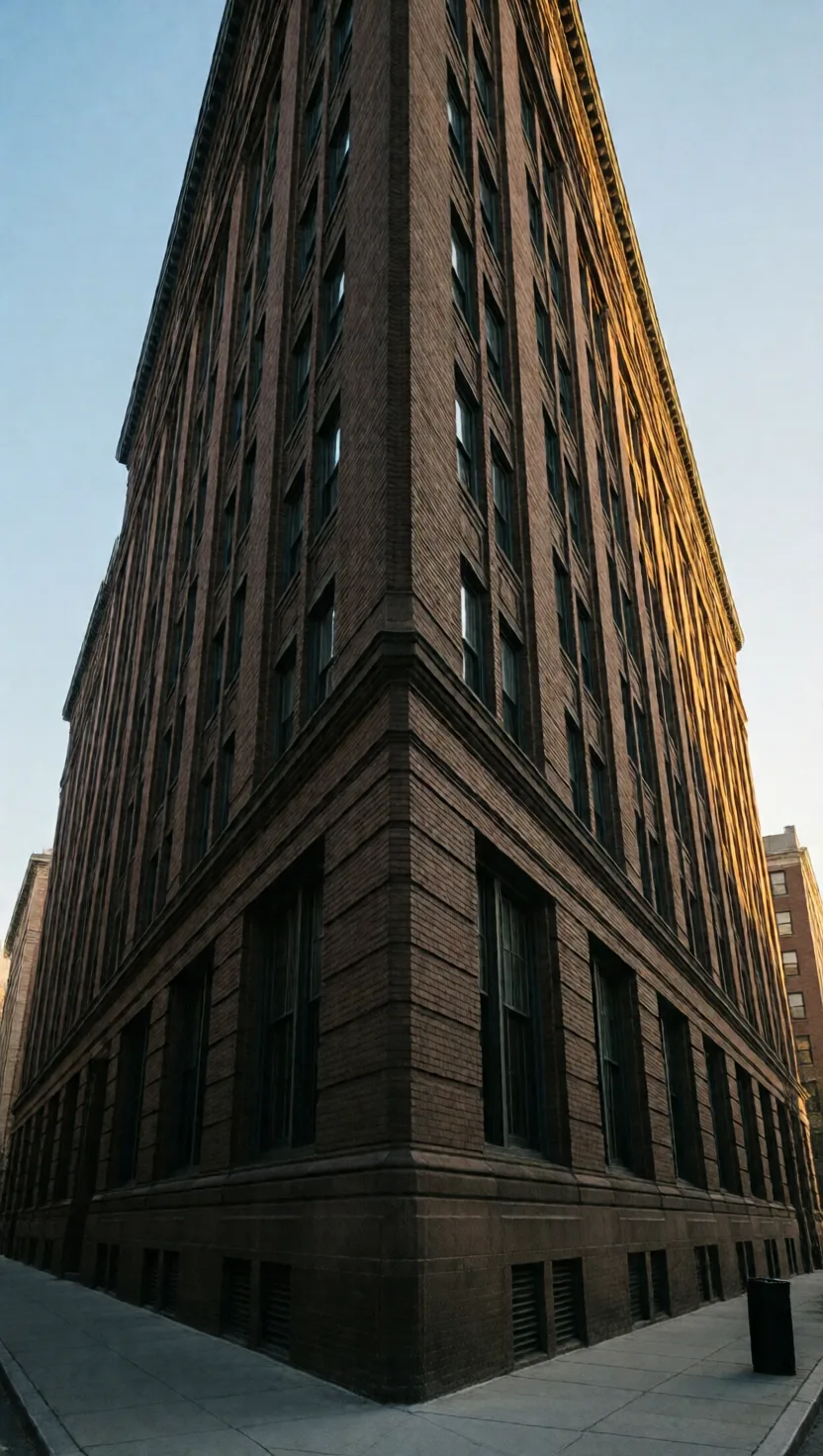
Chicago's Monadnock Building, completed in 1891, rises 215 feet (66 m) on nothing but load-bearing brick, making it the tallest masonry office building ever built. With no steel frame to carry the load, the brick walls at street level had to be about 6 feet (1.8 m) thick, tapering to 18 inches up top. Any taller and the base walls would have eaten the rentable floor space, which is why the steel frame soon replaced brick.
Fresh brick walls quietly grow for years

Fresh brick walls quietly grow for years

A clay brick leaves the kiln bone-dry, then slowly reabsorbs water vapour from the air and swells permanently, a one-way change that never reverses. This irreversible moisture expansion can reach about 0.5 to 1.0 mm per metre of wall, most of it within the first year or two after firing. Builders leave compressible vertical movement joints so the growing brickwork can expand without cracking or buckling.
Some bricks shrug off the heat that melts steel

Some bricks shrug off the heat that melts steel

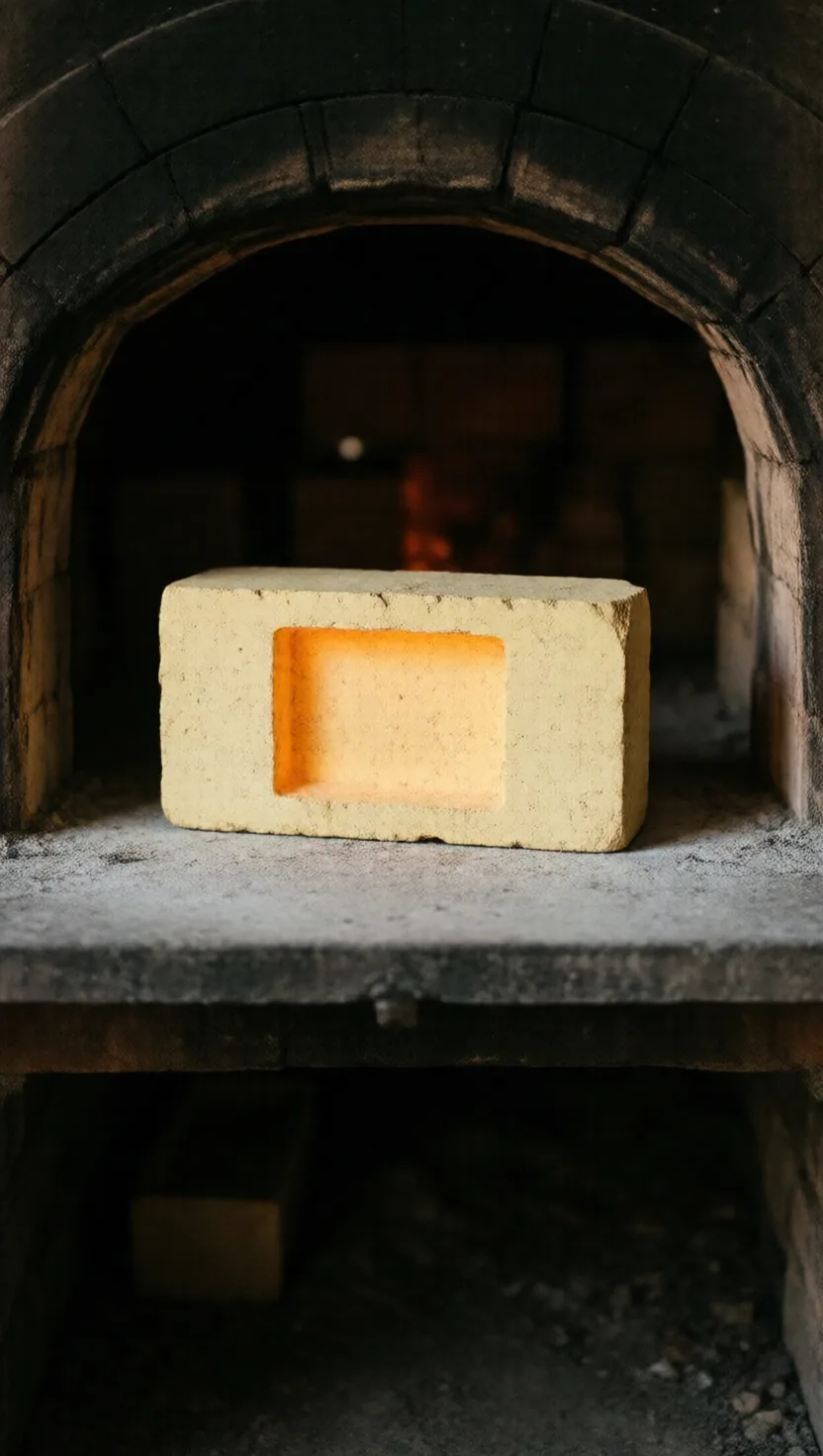
Refractory firebricks are made from alumina-silica fireclay, roughly 25 to 45 percent alumina, so they hold their shape where ordinary brick would slump. Silica firebricks lining steel furnaces work continuously at up to about 1,649 degrees Celsius, hotter than molten steel, and super-duty fireclay grades endure beyond 1,775 degrees Celsius. That heat resistance is what lets a furnace contain its own fire.
The oldest bricks still show the maker's thumbprints

The oldest bricks still show the maker's thumbprints

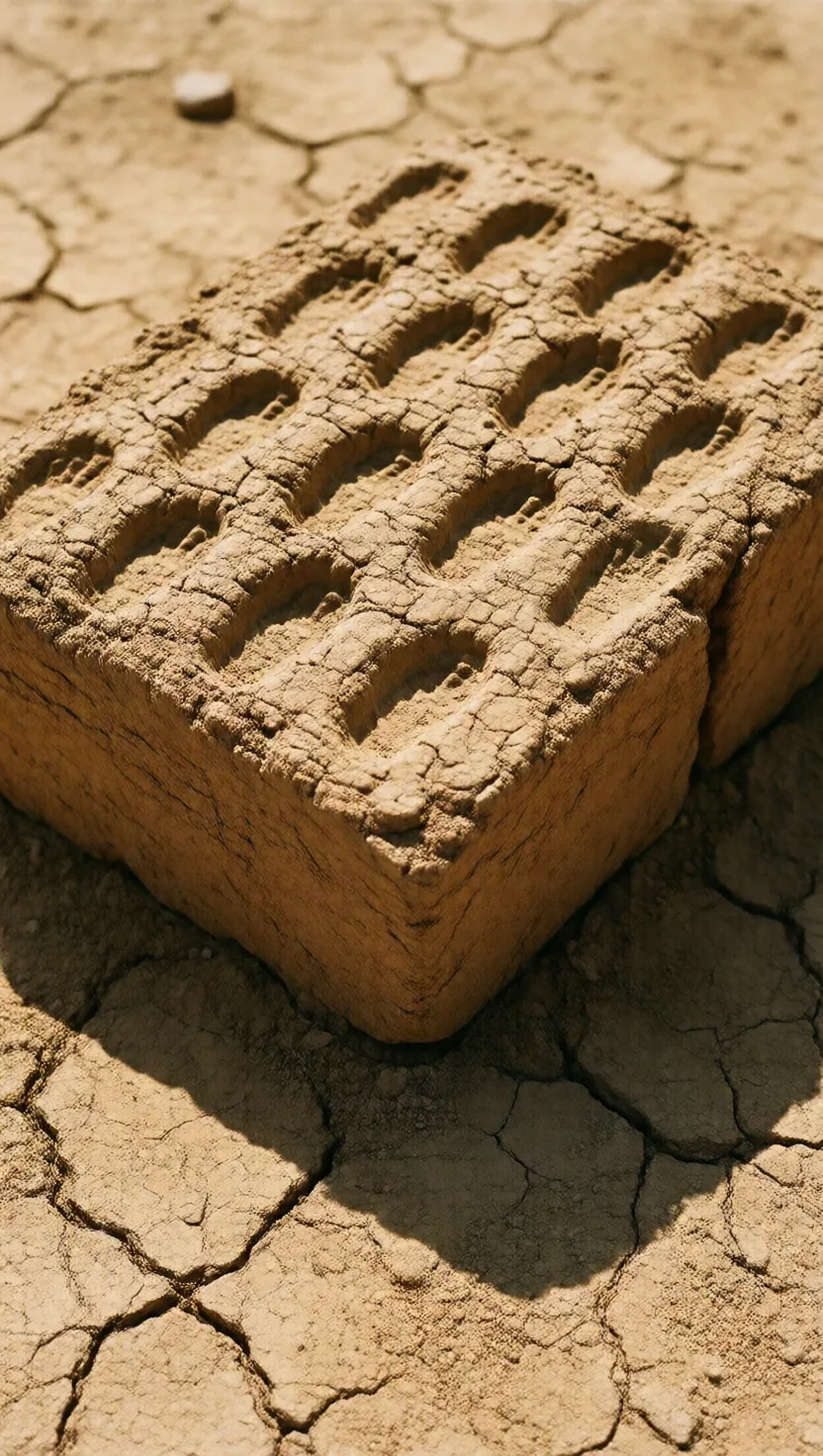
At Jericho, mud bricks were shaped by hand around 9000 BC, among the earliest building materials known. Made from clay, sand and water and dried in the sun, the loaf-shaped bricks were pressed with rows of deep thumb impressions, often in a herringbone pattern, so the mud mortar would grip them. Those fingermarks are the literal handprints of some of the first bricklayers.
tap →swipe ↑ for depthswipe ↓ to exit