Eight things hidden in a bow and arrow

DC·161 Deep Cuts
The bow rebuilt the archer's skeleton

The bow rebuilt the archer's skeleton

Drawing a war longbow was a whole-body act. The bows raised from a Tudor warship that sank in 1545 are reckoned to have pulled an estimated 150 to 160 pounds, some far more, and a lifetime of hauling them remoulded the men's bones. Their skeletons show thickened left arms, twisted spines and worn finger joints, the body slowly reshaped around the weapon it served.
One stick that is secretly two woods

One stick that is secretly two woods

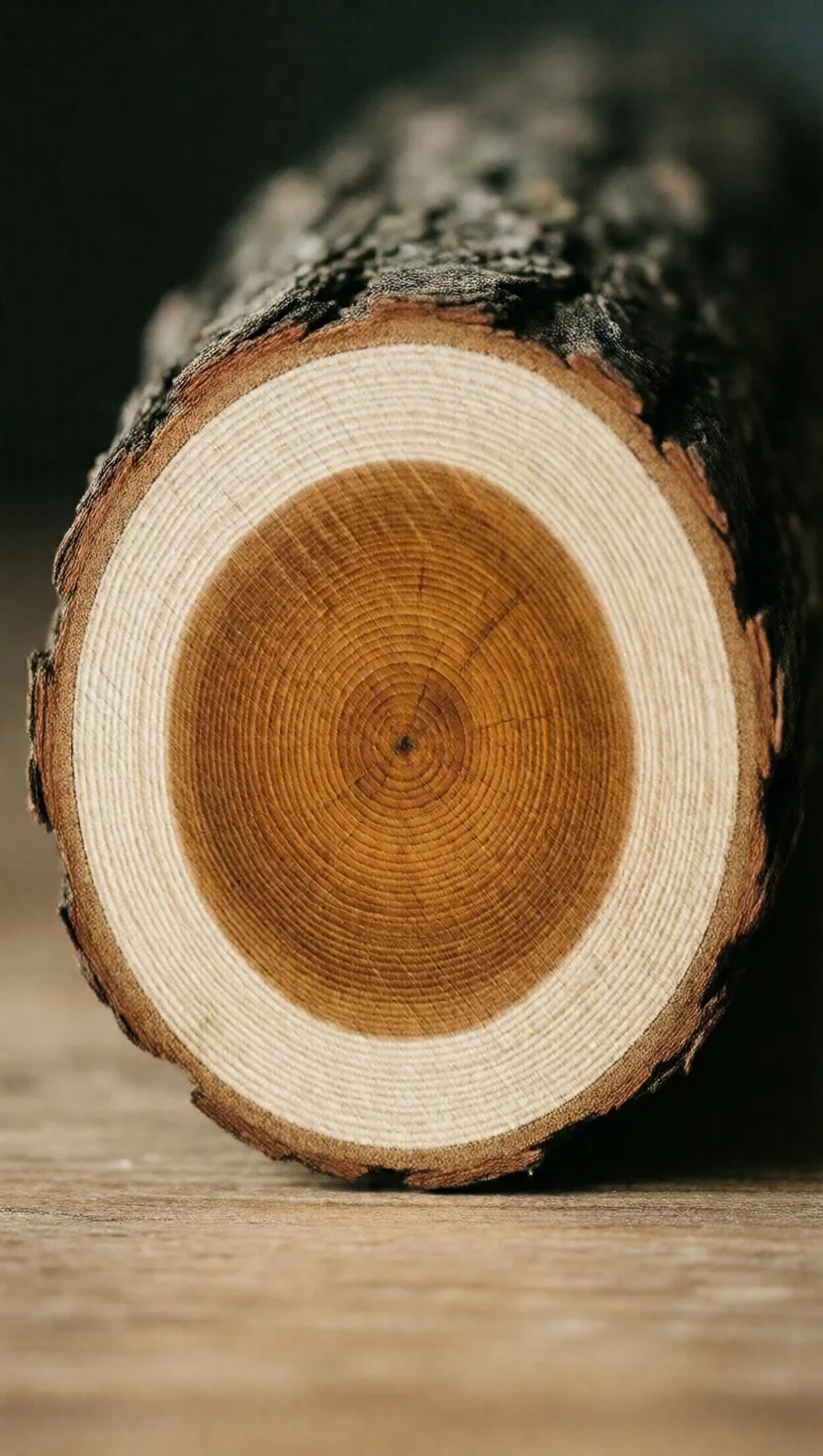
A great longbow is carved so the tree's own two layers do different jobs. The pale outer sapwood is left on the back, the side facing the target, where it resists being stretched; the darker, denser heartwood forms the belly, where it resists being crushed. Bent, the single stave behaves like a glued-up laminate of two materials, but with no glue line that could ever peel apart.
Horn and sinew beat a stick of wood

Horn and sinew beat a stick of wood

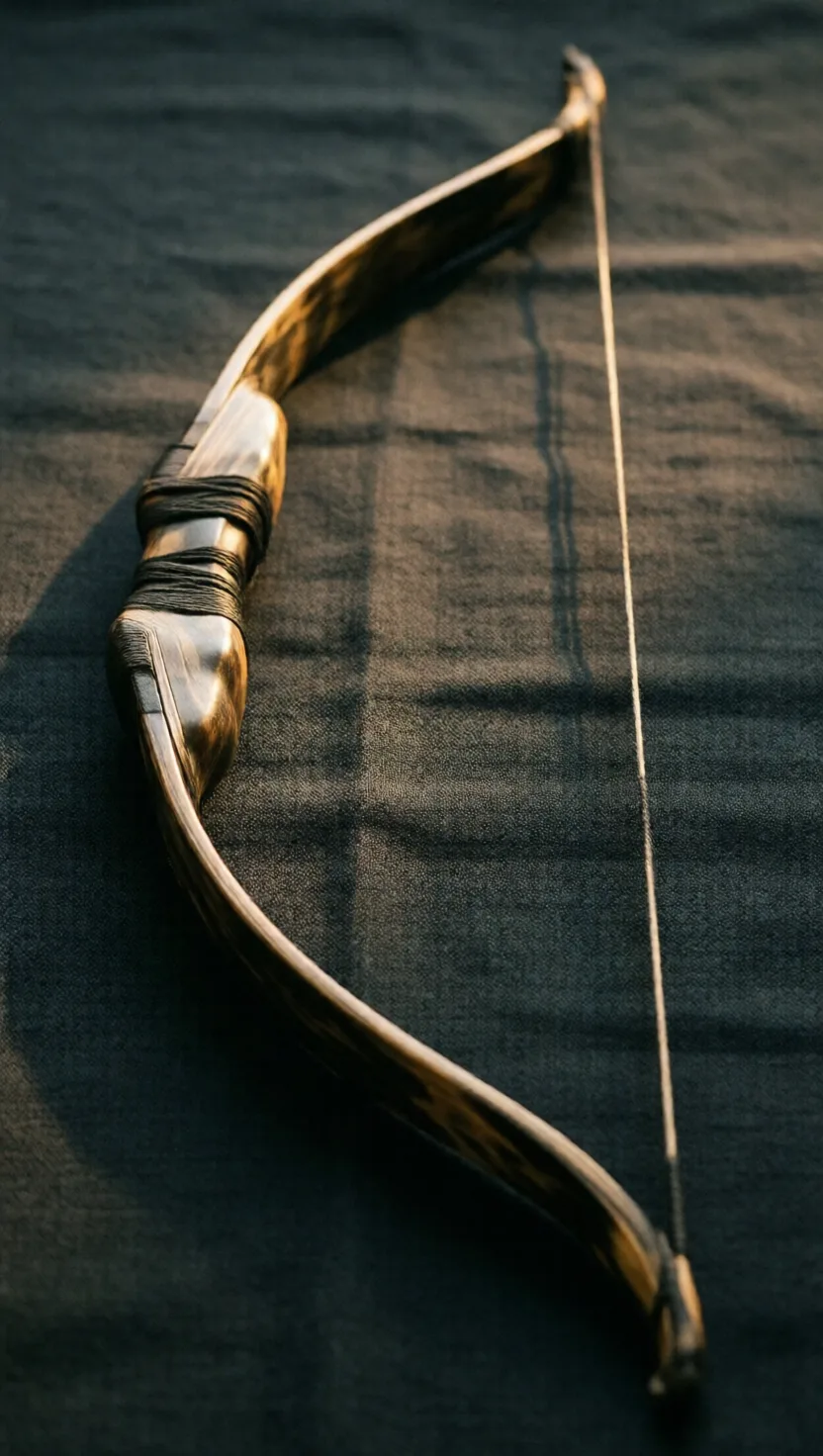
The short curved bows of horseback archers pack more power than their size suggests because they are built from three materials, each doing what it does best. Animal horn on the belly takes the squeeze; dried sinew on the back, about four times stronger in a stretch than wood, takes the pull. Together they store far more energy than wood alone, in a bow short enough to swing across a galloping horse.
Feathers steer an arrow by spinning it

Feathers steer an arrow by spinning it

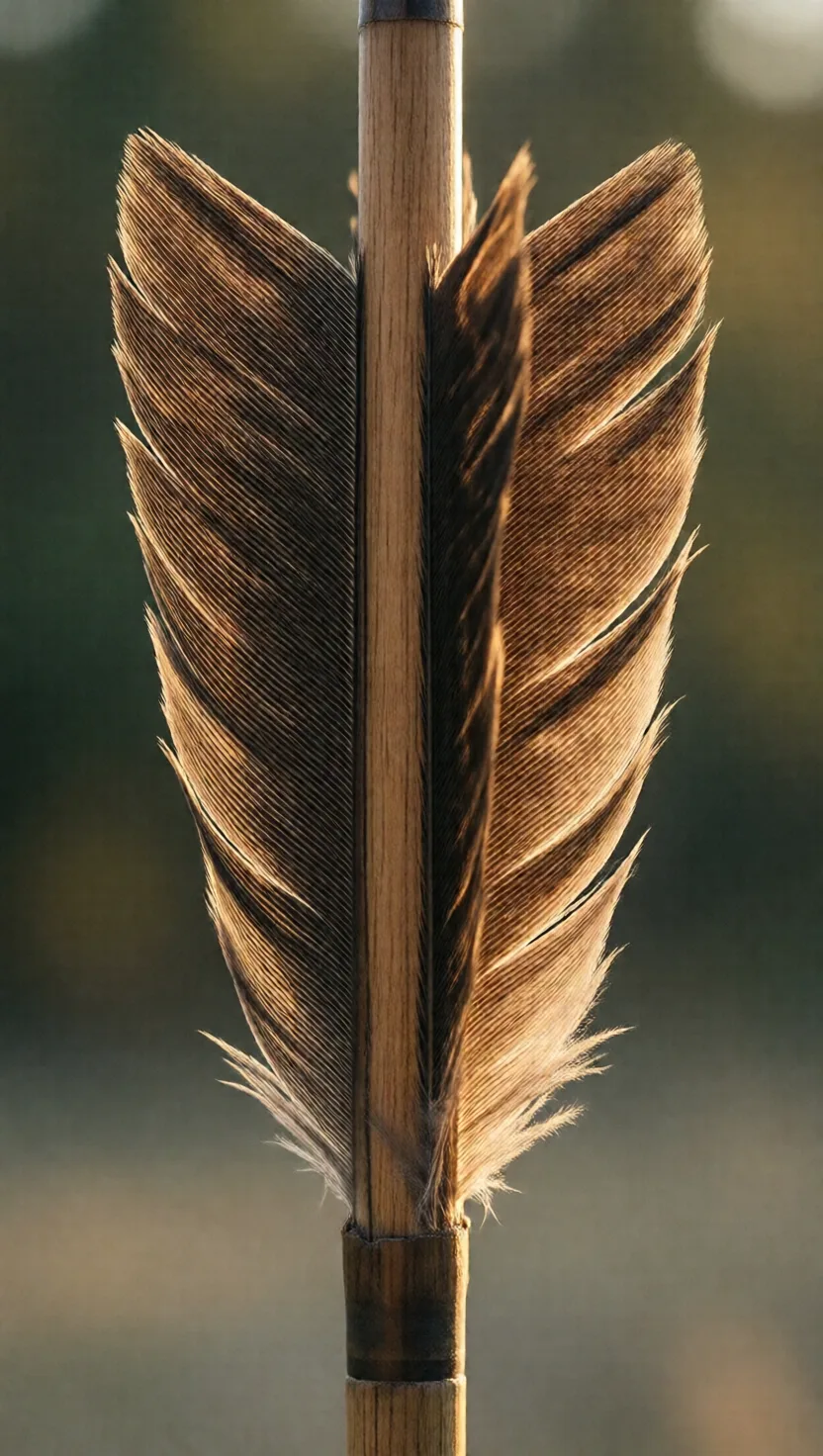
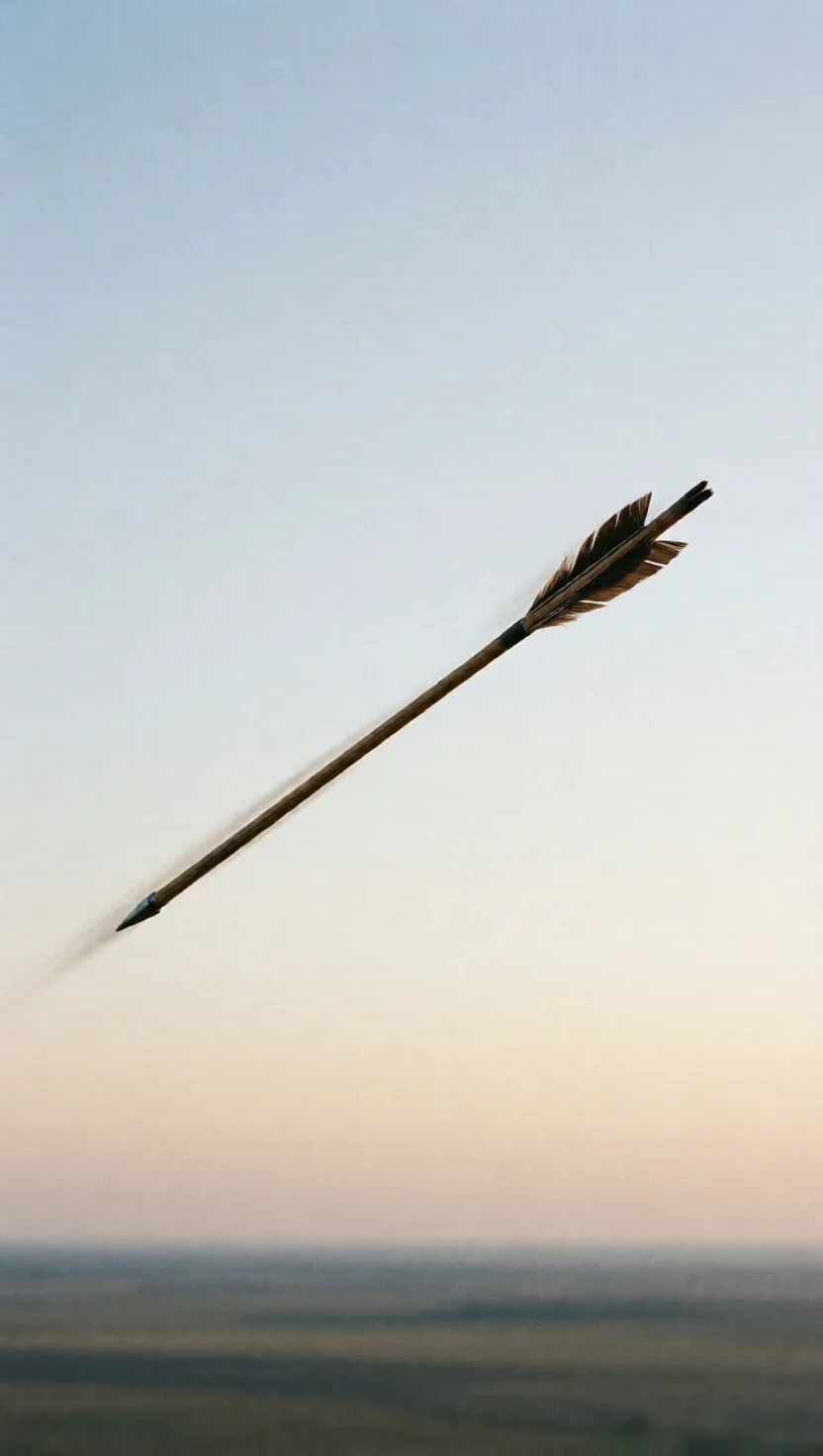
The feathers on an arrow are not set straight. They are angled, or gently curved, so the air pushes against them and spins the shaft as it flies, the very same trick as the rifling grooves cut inside a gun barrel. The spin turns the arrow into a little gyroscope and averages out its tiny flaws, so a wobble that would send it astray instead smooths into a steady, true flight.
The arrow must bend to fly straight

The arrow must bend to fly straight

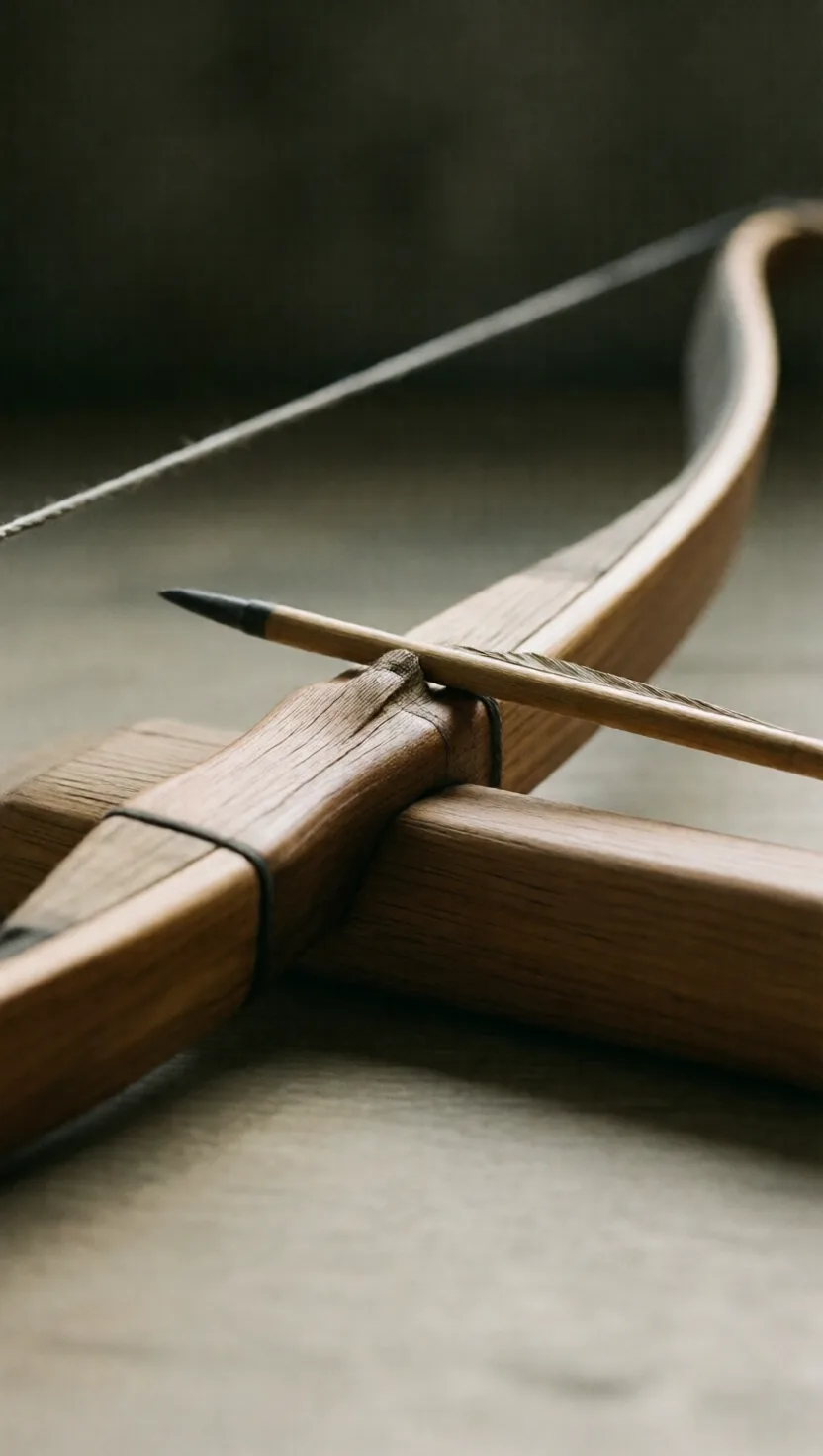
An arrow laid against the side of a bow points slightly off-target, yet flies straight to the mark, the archer's paradox. At release the string shoves the light back of the arrow faster than the heavy tip can move, so the shaft buckles and flexes in an S, snaking around the bow instead of slamming into it. For it to work, the arrow's stiffness must be matched to the power of the bow.
Held a third of the way up, not the middle

Held a third of the way up, not the middle

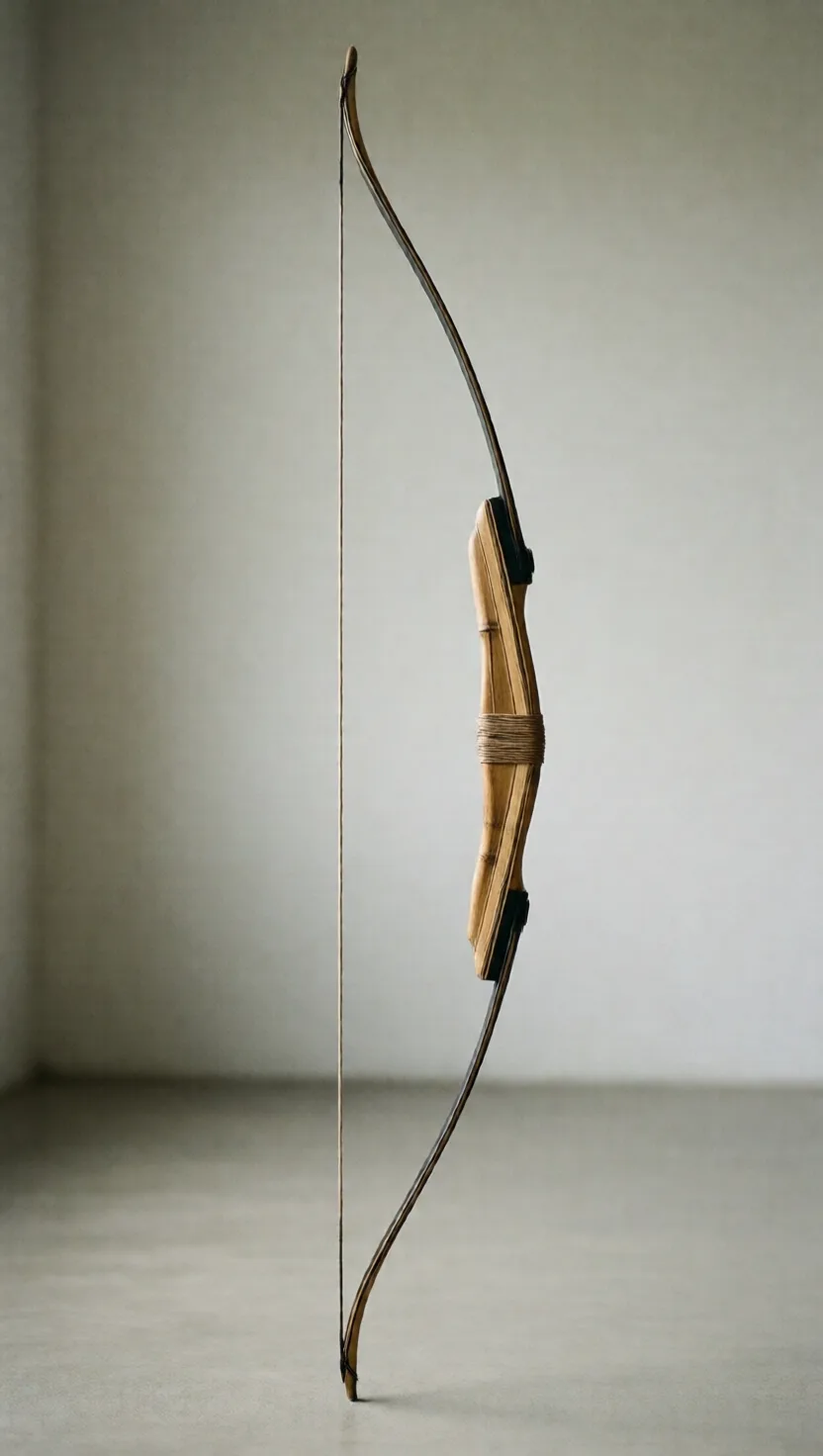
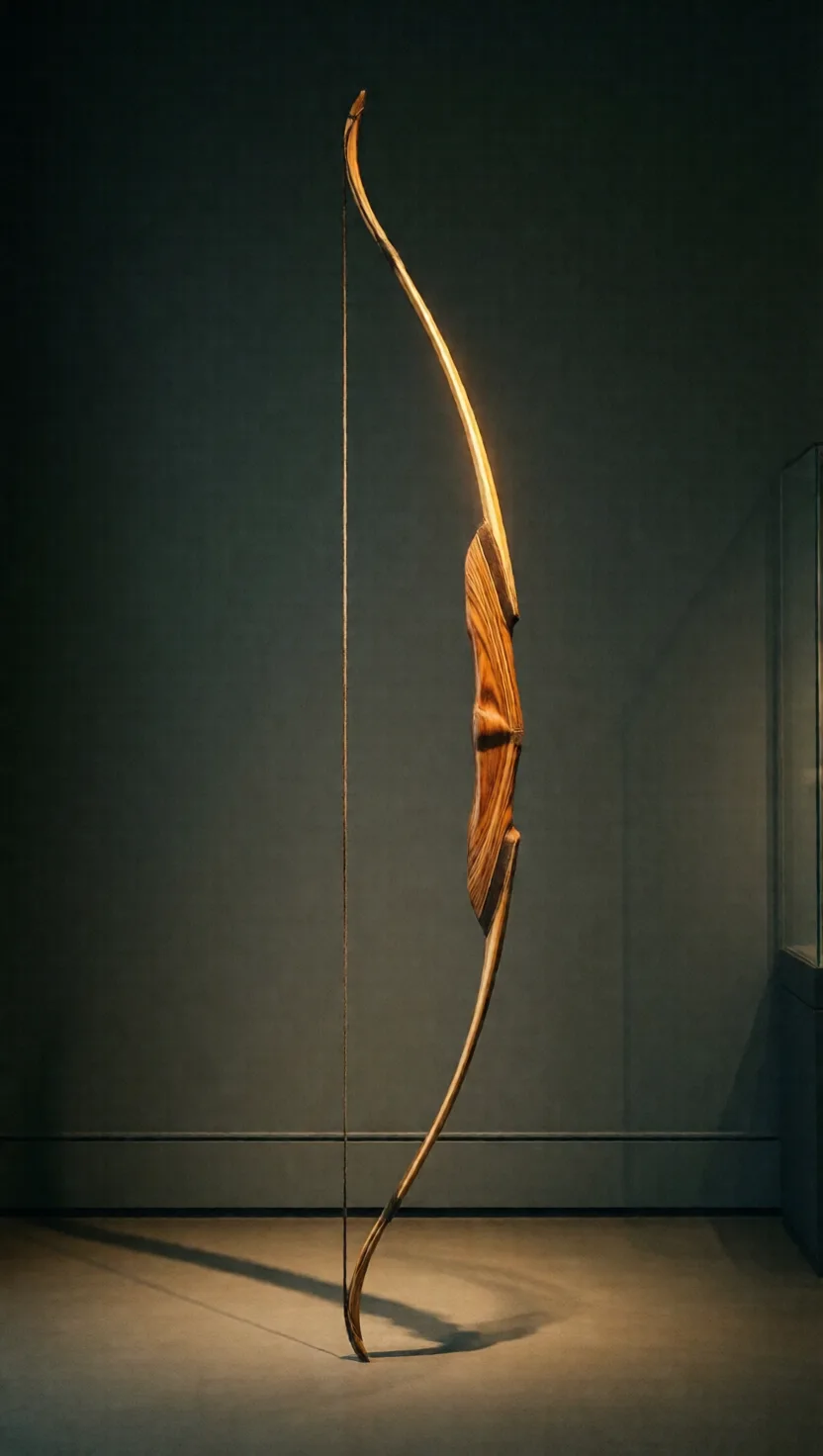
The tall Japanese bow is gripped well below its centre, about a third of the way up, a shape that looks lopsided but is no accident. That spot sits on a vibration node, a point that stays still while the rest of the bow shudders after the shot. Holding there soaks up roughly half the hand-shock, leaving the aim steadier and the very long bow easier to handle.
A ring of horn does the pulling

A ring of horn does the pulling

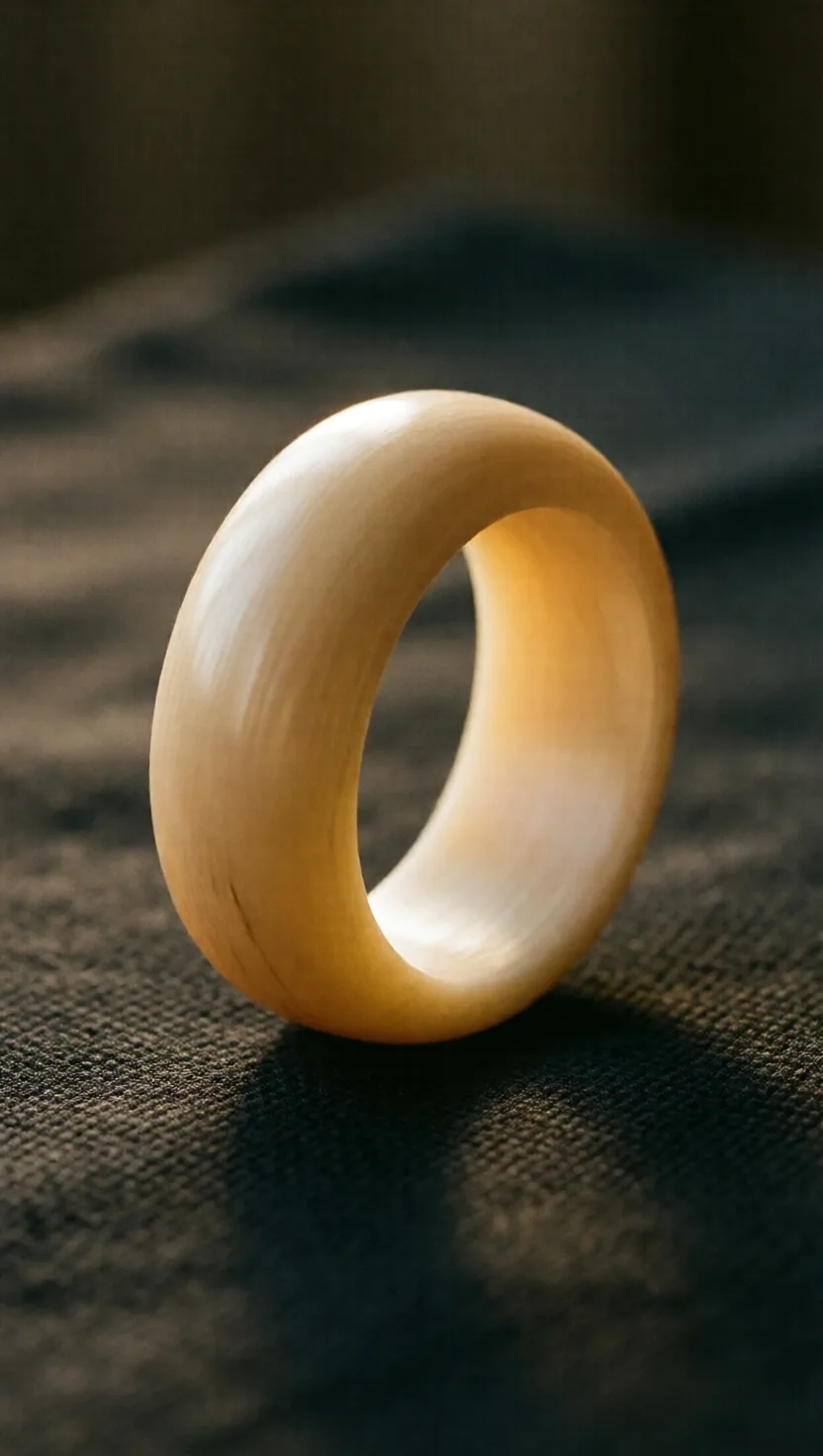
Across much of Asia archers did not hook the string with their fingers, they drew it with the thumb, locked over by the forefinger, and slipped a stiff ring of horn, bone or stone over the thumb to take the strain. The thumb draw lets an archer nock and loose fast and keeps the arrow steady on a moving horse, which is why it ruled the saddle for centuries.
An arrow once flew nearly a kilometre

An arrow once flew nearly a kilometre

Flight archers shot not at targets but for pure distance, with feather-light arrows and short, savage bows. The greatest recorded Ottoman shot sent an arrow about 845 metres, well over half a mile, across the flats outside the old capital, where carved stones were raised to mark where the record arrows fell. Special bows and a grooved guide let archers overdraw arrows far shorter than the bow itself.
tap →swipe ↑ for depthswipe ↓ to exit