Eight things written into sandstone

DC·160 Deep Cuts
These curves are frozen sand dunes

These curves are frozen sand dunes

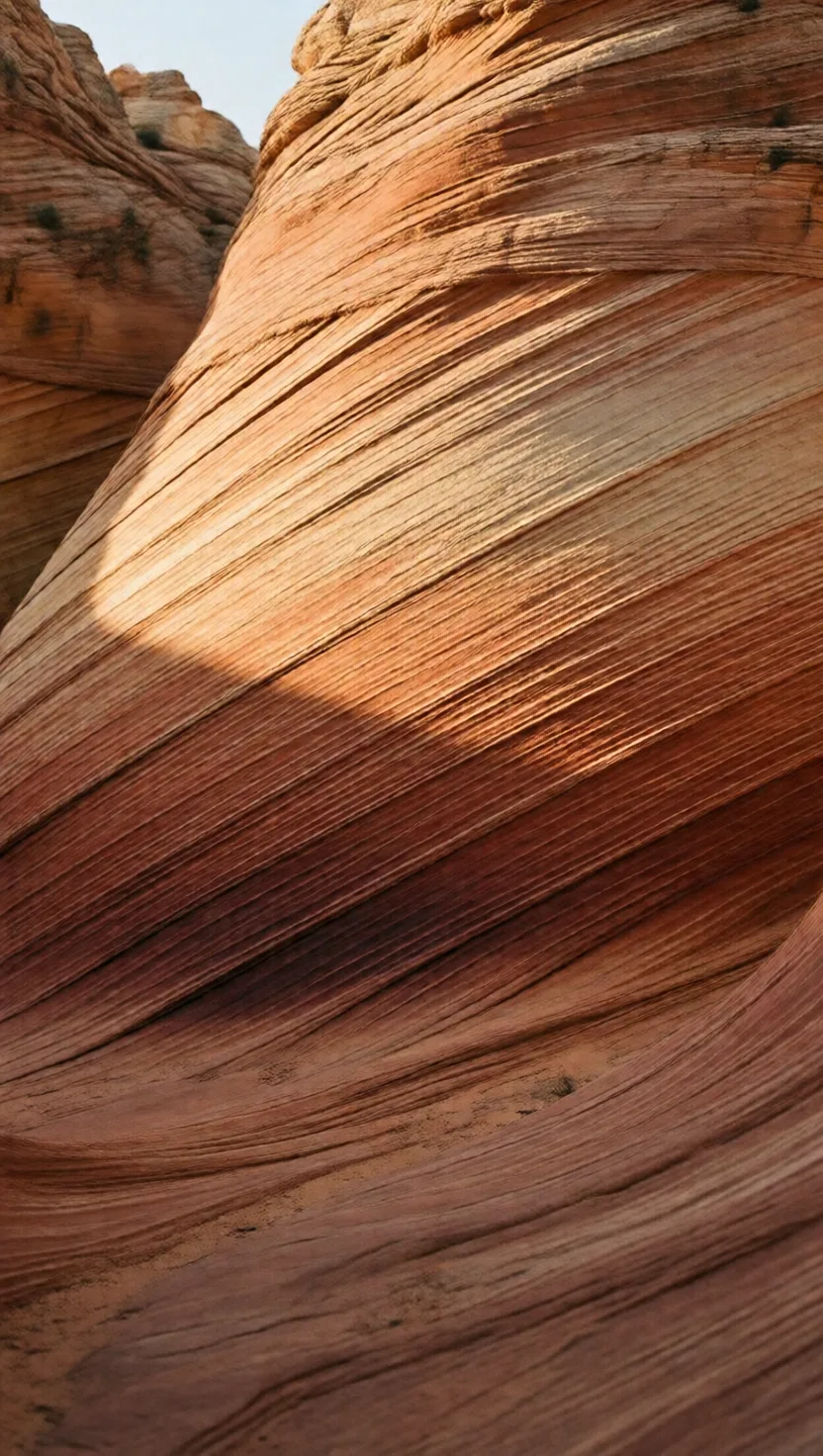
The great sweeping arcs in a sandstone cliff are not decoration, they are the buried faces of ancient sand dunes. As desert winds drove the dunes forward, sand slid down their sheltered slopes in tilted layers; bury and cement those layers and the slant survives as cross-bedding. Some of the most famous sandstone was laid down around 190 million years ago in the largest sand desert the Earth has ever known.
Wind didn't carve the arch, ice did

Wind didn't carve the arch, ice did

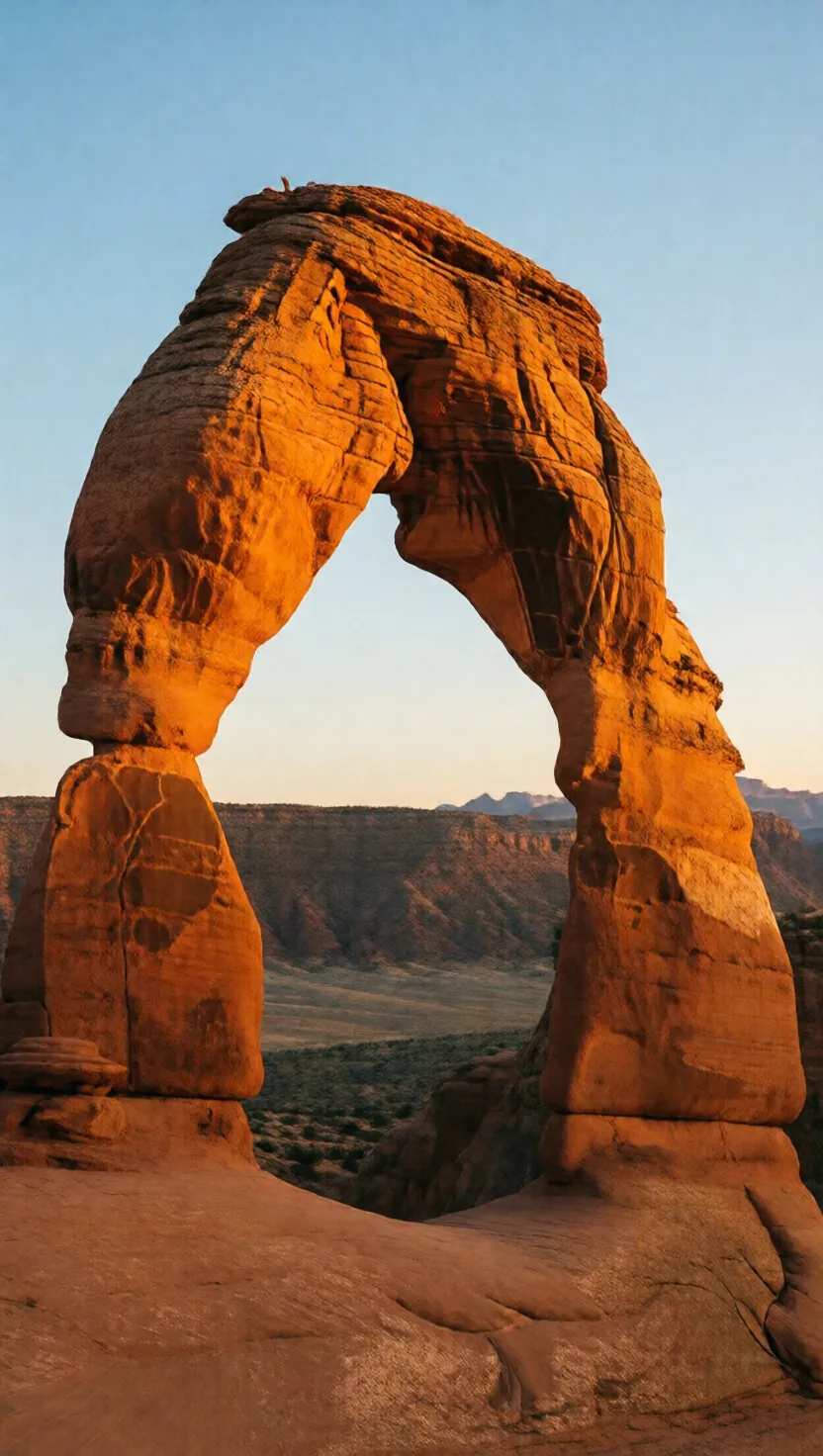
Stone arches don't get sandblasted out of cliffs by the wind, as people often assume. Far below, a buried salt bed slowly buckled and cracked the sandstone above into parallel walls, or fins. Then water seeping into the cracks froze, expanding by about nine percent, and pried the rock apart grain by grain, while weak acid in the rain dissolved the natural cement holding the sand together, until a hole opened and grew.
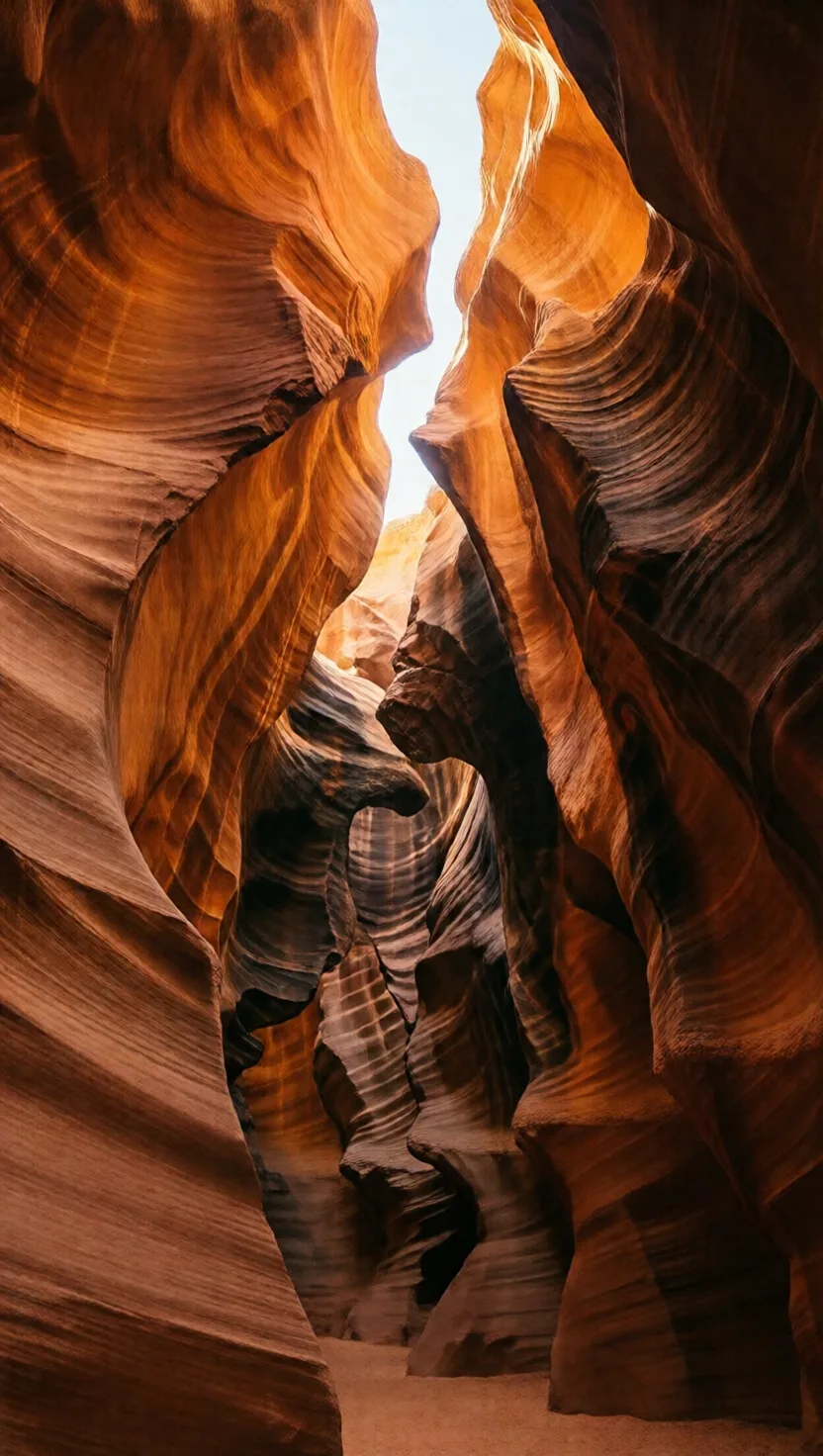
A whole canyon cut by sudden floods

A whole canyon cut by sudden floods

A slot canyon can be deeper than a house is tall yet narrow enough to touch both walls at once, and it was carved fast, by flash floods, not by a slow trickling stream. Desert rain can't soak into the hard sandstone, so it funnels into a crack as a churning slurry of sand and water that scours like liquid sandpaper. Some slots run well over a hundred feet deep but only a few feet wide.
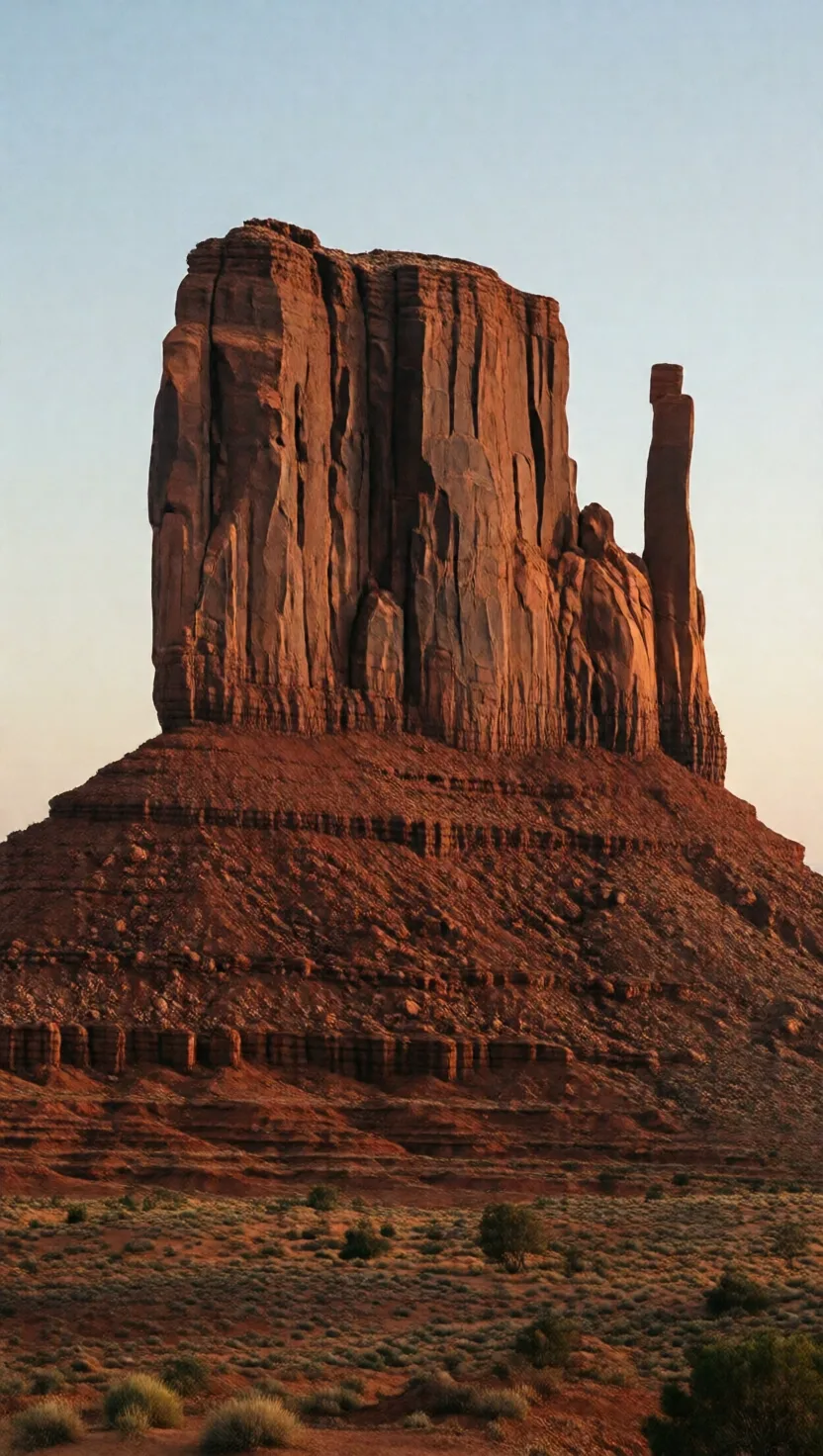
The great red rock is really grey

The great red rock is really grey

Uluru's famous red is only skin deep. The rock is arkose, a sandstone packed with iron-bearing minerals, and fresh breaks show that inside it is actually grey. Out in the open air the iron slowly rusts, staining the surface a glowing red-brown. And what stands above the plain is only the tip: the slab is thought to continue some 2.5 kilometres straight down into the ground.
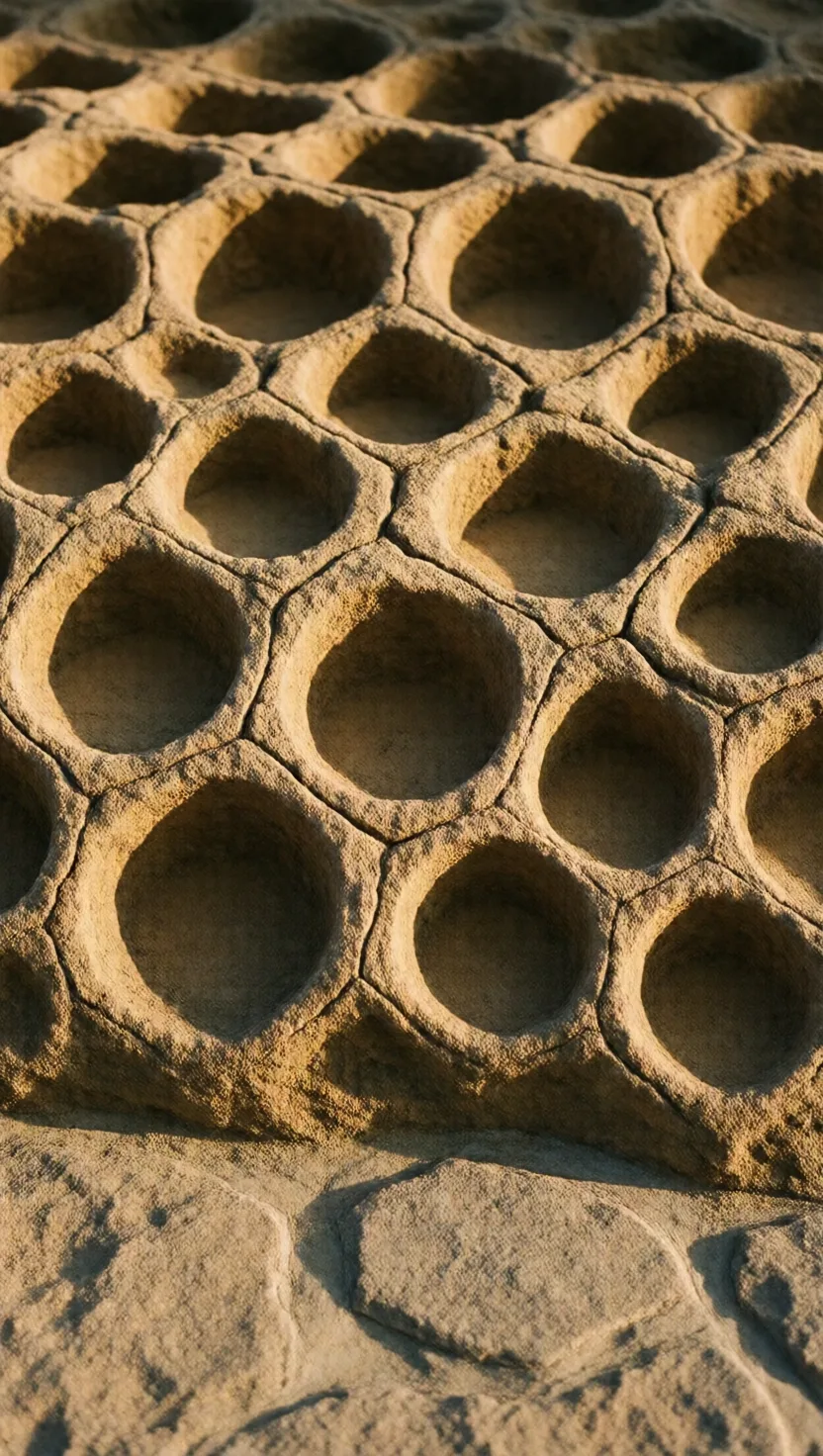
Salt eats the stone into a honeycomb

Salt eats the stone into a honeycomb

That pitted, honeycomb look on a sandstone wall is the work of salt. Salty water creeps into the rock's pores; when it dries, the salt crystallises and pushes outward with surprising force, in tight pores the pressure can exceed a hundred megapascals, far more than the soft stone can bear. Grain by grain the cavities widen, leaving a lattice of little hollows separated by thin walls.
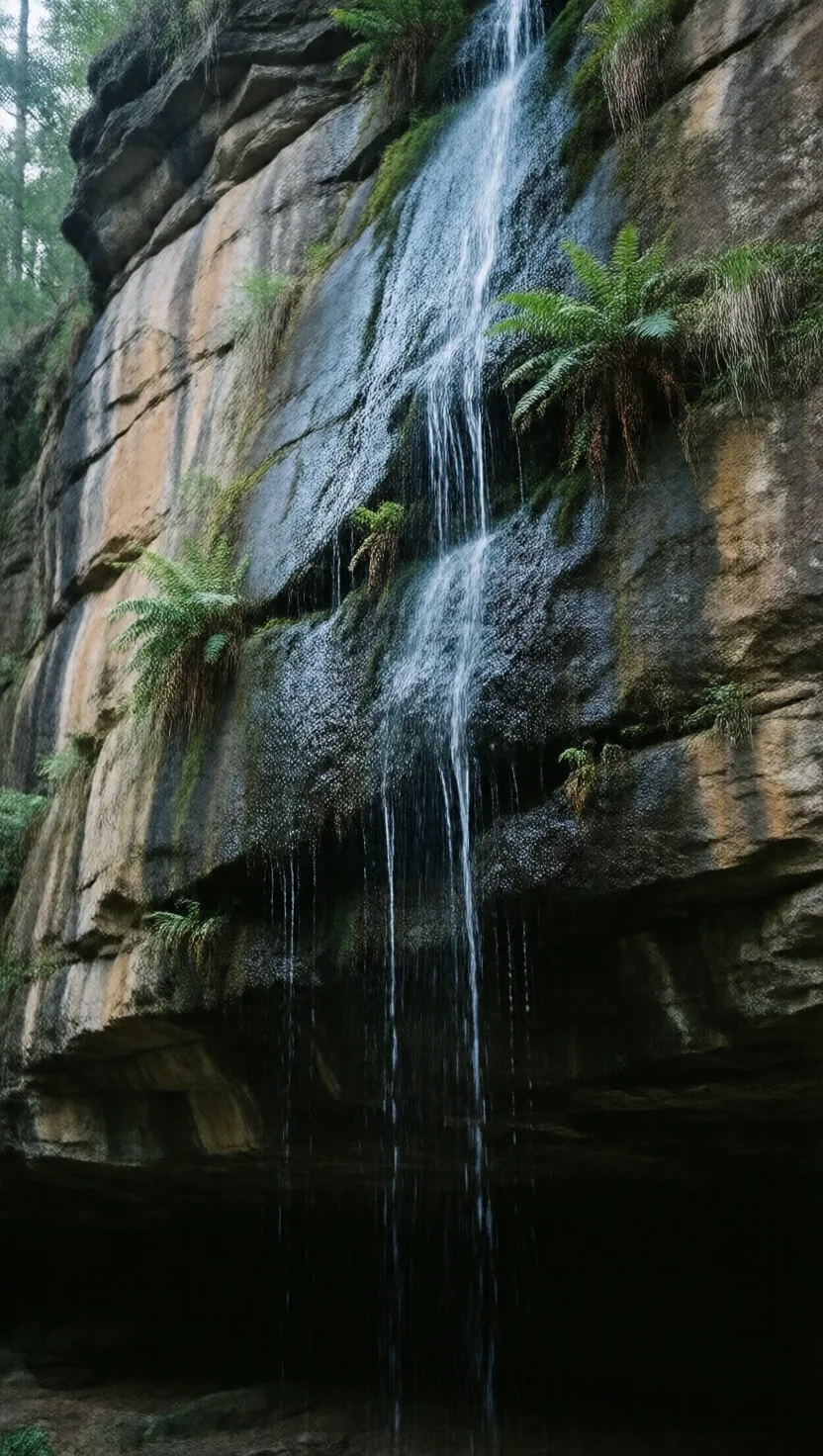
A buried sponge holds an inland sea

A buried sponge holds an inland sea

Sandstone is full of tiny spaces between its grains, so it drinks and holds water like a stone sponge, which makes it the world's great underground reservoir. Beneath eastern Australia, layers of sandstone form the largest artesian basin on Earth, spread over about 1.7 million square kilometres and holding an estimated 64,900 cubic kilometres of ancient water under its own pressure.
Microbes paint rock black, micron by micron

Microbes paint rock black, micron by micron

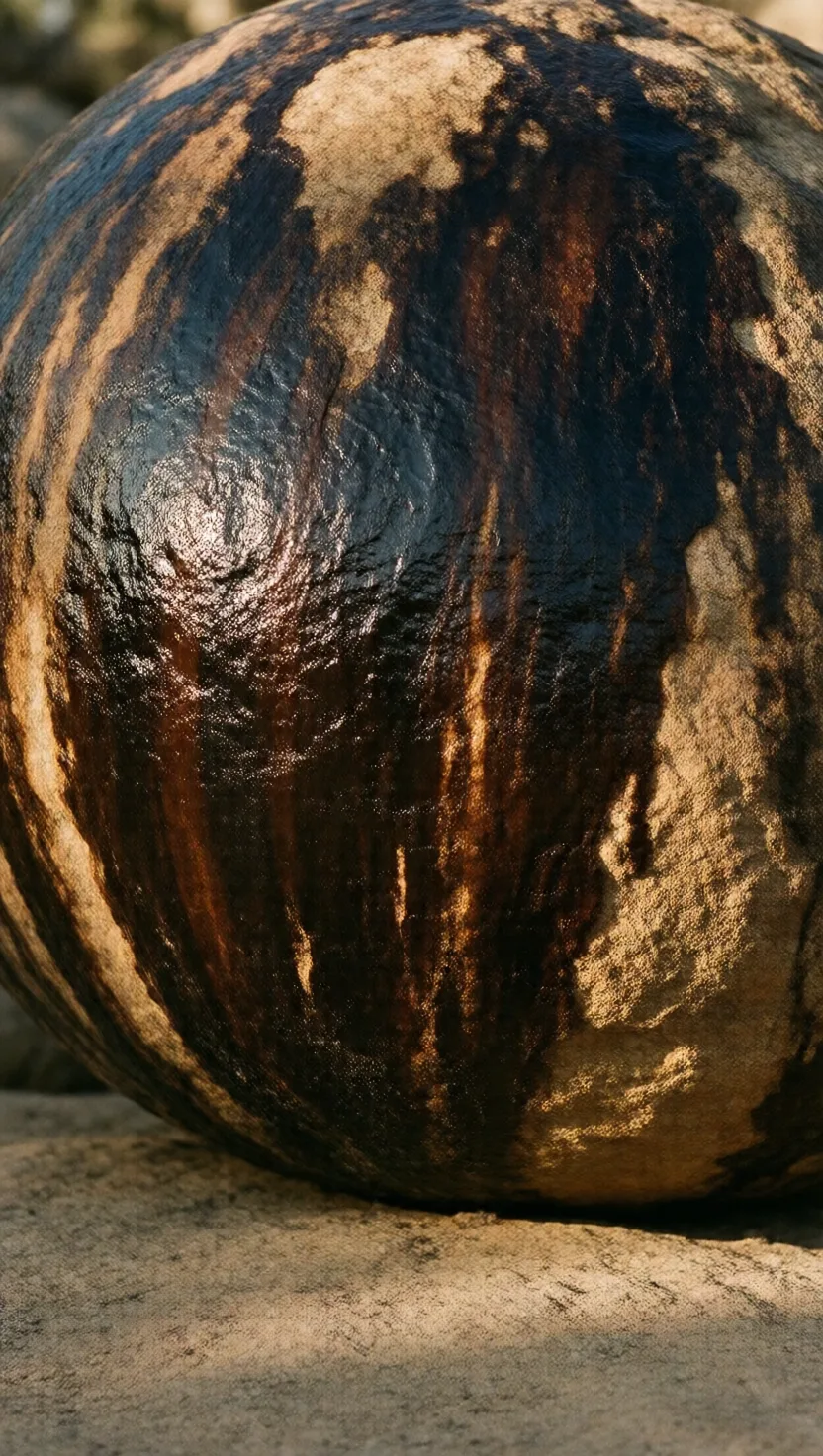
The glossy blackish-brown coat on a desert sandstone boulder is desert varnish, a wafer-thin glaze of manganese and iron oxides bound up with clay. Microbes living on the rock appear to help build it, concentrating manganese that they leave behind. It forms agonisingly slowly: just one to forty micrometres in a thousand years, less than the thickness of a sheet of paper over an entire human lifetime.
The stone that sharpened a steel city

The stone that sharpened a steel city

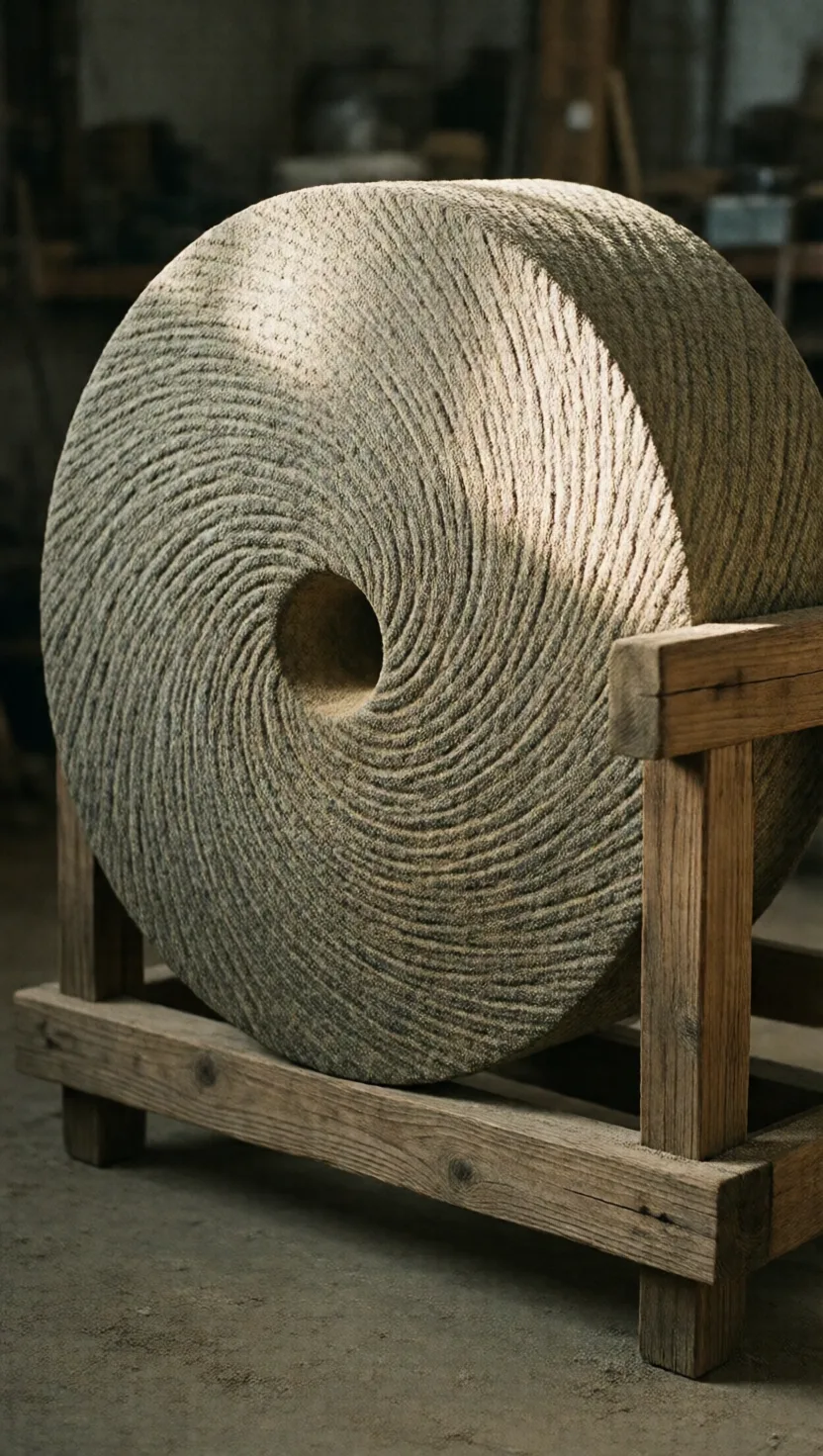
One coarse sandstone, millstone grit, is so studded with hard quartz grains that it bites into steel. Cut into a spinning wheel and kept wet, it ground and sharpened the knives, needles and blades that made Sheffield a city of cutlery. The grit itself was laid down in Carboniferous river deltas about 320 million years ago, ancient sandbars reborn as the grindstone of an industry.
tap →swipe ↑ for depthswipe ↓ to exit