Eight things the desert buries in plain sight

DC·16 Deep Cuts
These stone flowers bloom underground

These stone flowers bloom underground

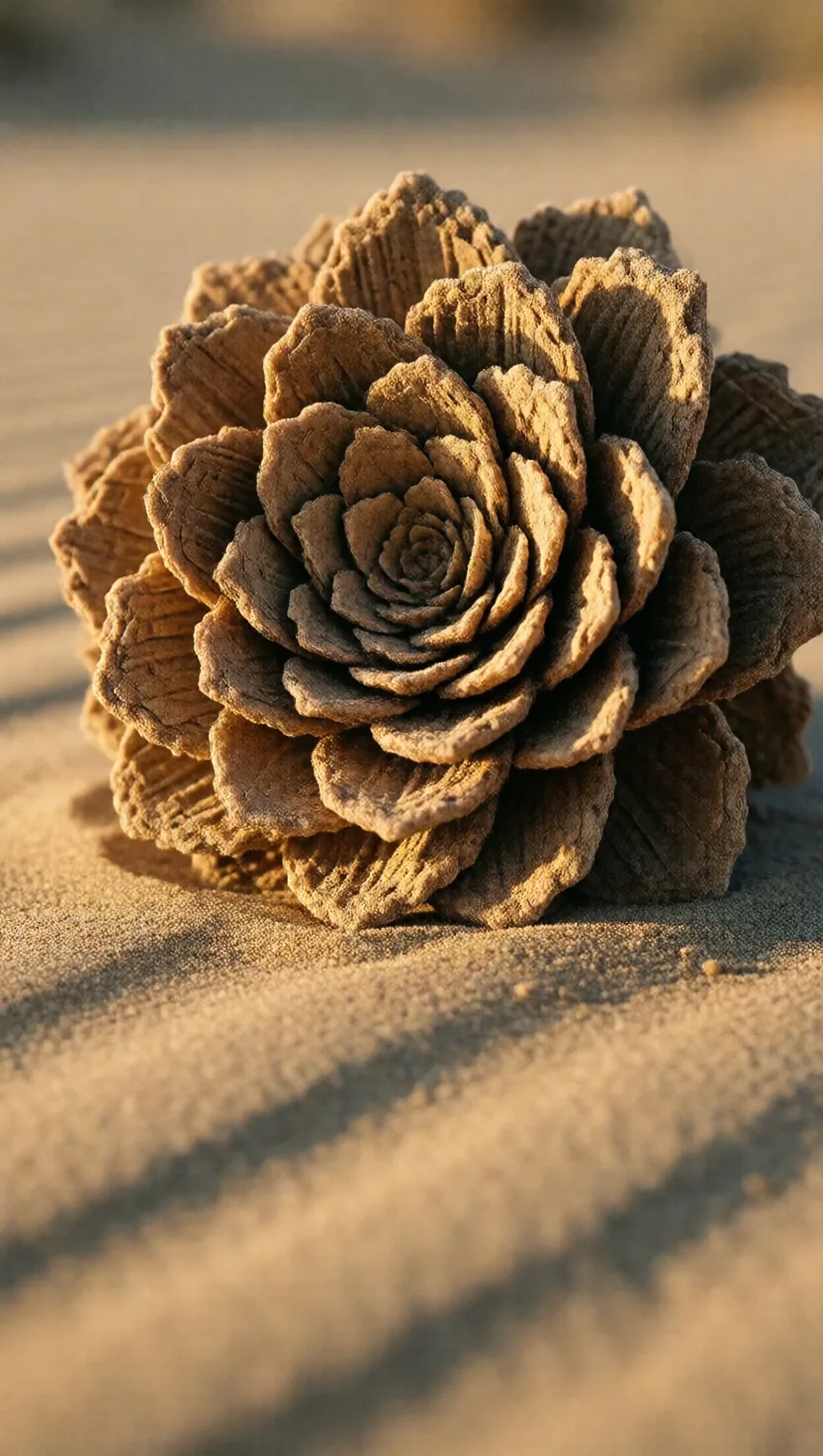
Desert roses aren't fossils or anything alive — they're crystals. In arid basins, gypsum or barite dissolved in groundwater slowly precipitates as the water evaporates, fanning out into flat, petal-like blades that trap fine grains of sand between them. A whole rosette can grow in just tens to hundreds of years, and it takes on the exact colour of the desert it formed in.
A pharaoh's jewel was forged by the sky

A pharaoh's jewel was forged by the sky

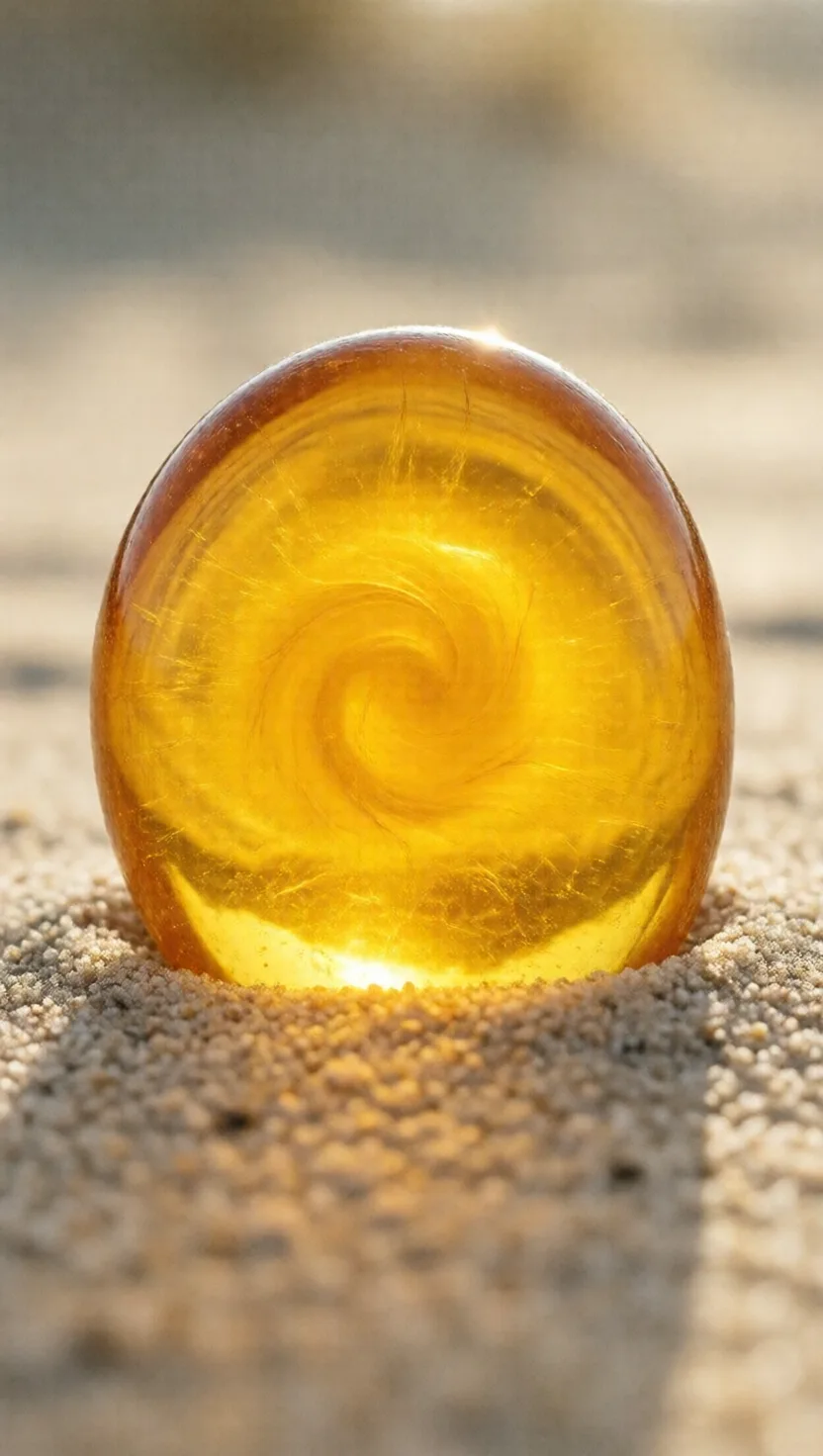
The canary-yellow centrepiece of one of Tutankhamun's pectorals is carved from natural glass — almost pure silica formed about 29 million years ago, when a cosmic impact superheated the Sahara's sand and fused it. Scientists confirmed the violent origin by finding traces of reidite, a mineral that forms only under the colossal shock pressure of an impact.
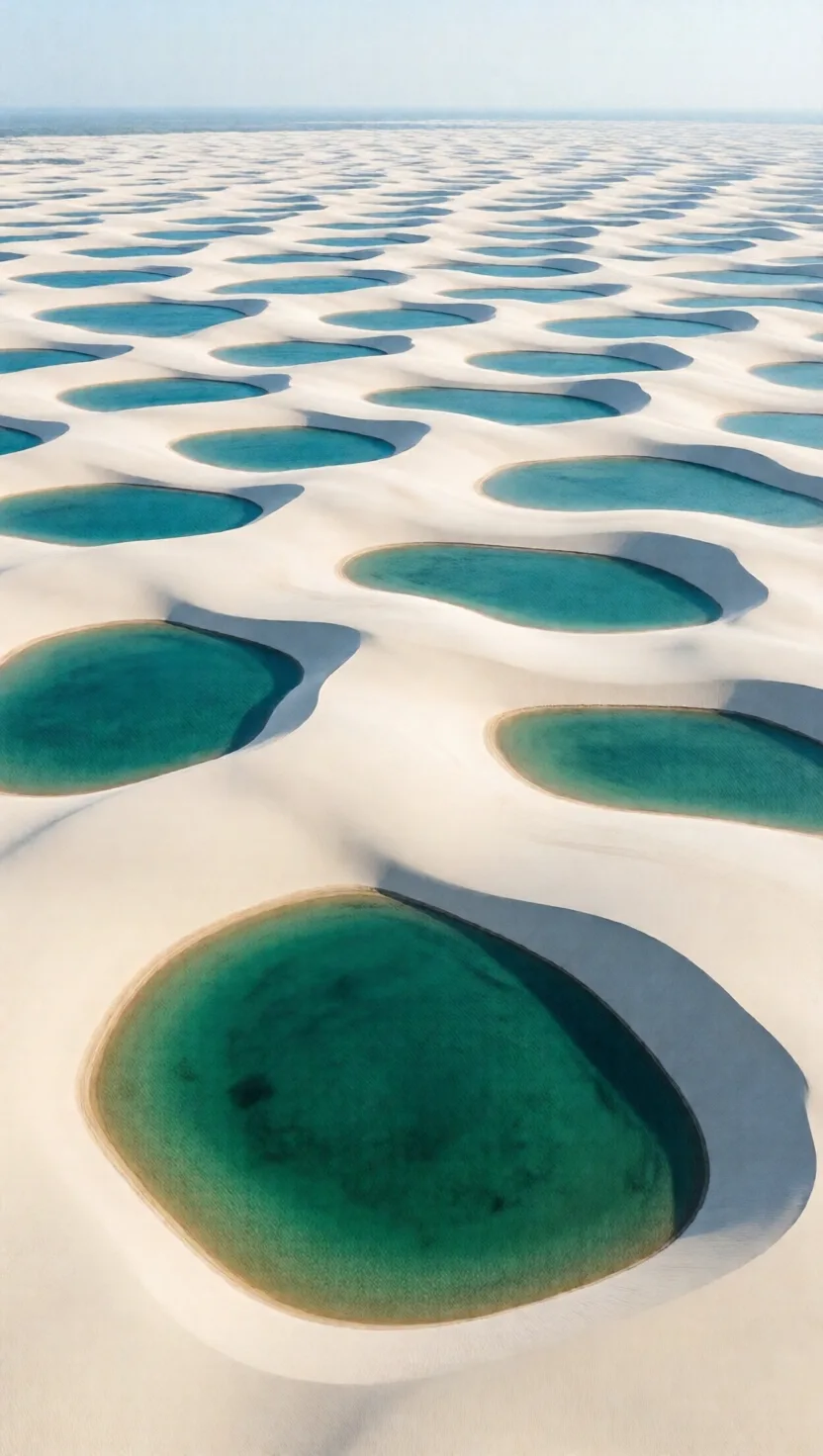
A desert that fills with thousands of lagoons

A desert that fills with thousands of lagoons

Lençóis Maranhenses looks like an endless field of bare white dunes, but for half the year it cradles thousands of crystal-clear blue and green lagoons. Heavy seasonal rain — up to 2,000 mm — pools in the valleys between dunes, kept from draining by an impermeable layer beneath the sand. The deepest pools stretch some 90 m long and linger for months before the sun reclaims them.
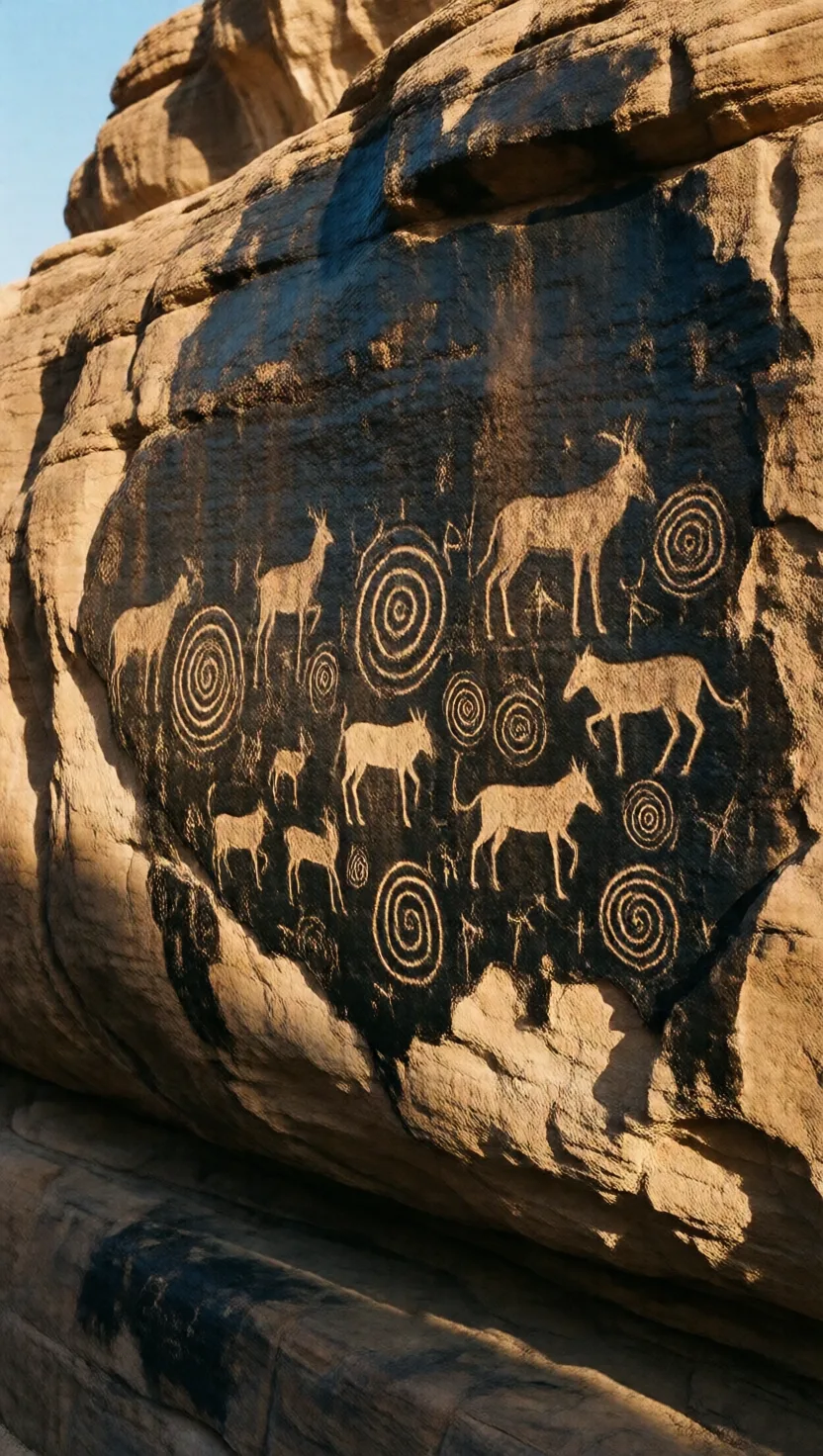
Ancient carvings cut through a coat of microbes

Ancient carvings cut through a coat of microbes

The dark, glossy skin on desert cliffs is desert varnish — a film of clay cemented by manganese and iron oxides, built up over thousands of years. The manganese is concentrated up to 300 times above the surrounding soil by tiny microbes that use it as a kind of sunscreen against harsh light. Ancient peoples chipped through this dark layer to the pale rock below, leaving petroglyphs that still show today.
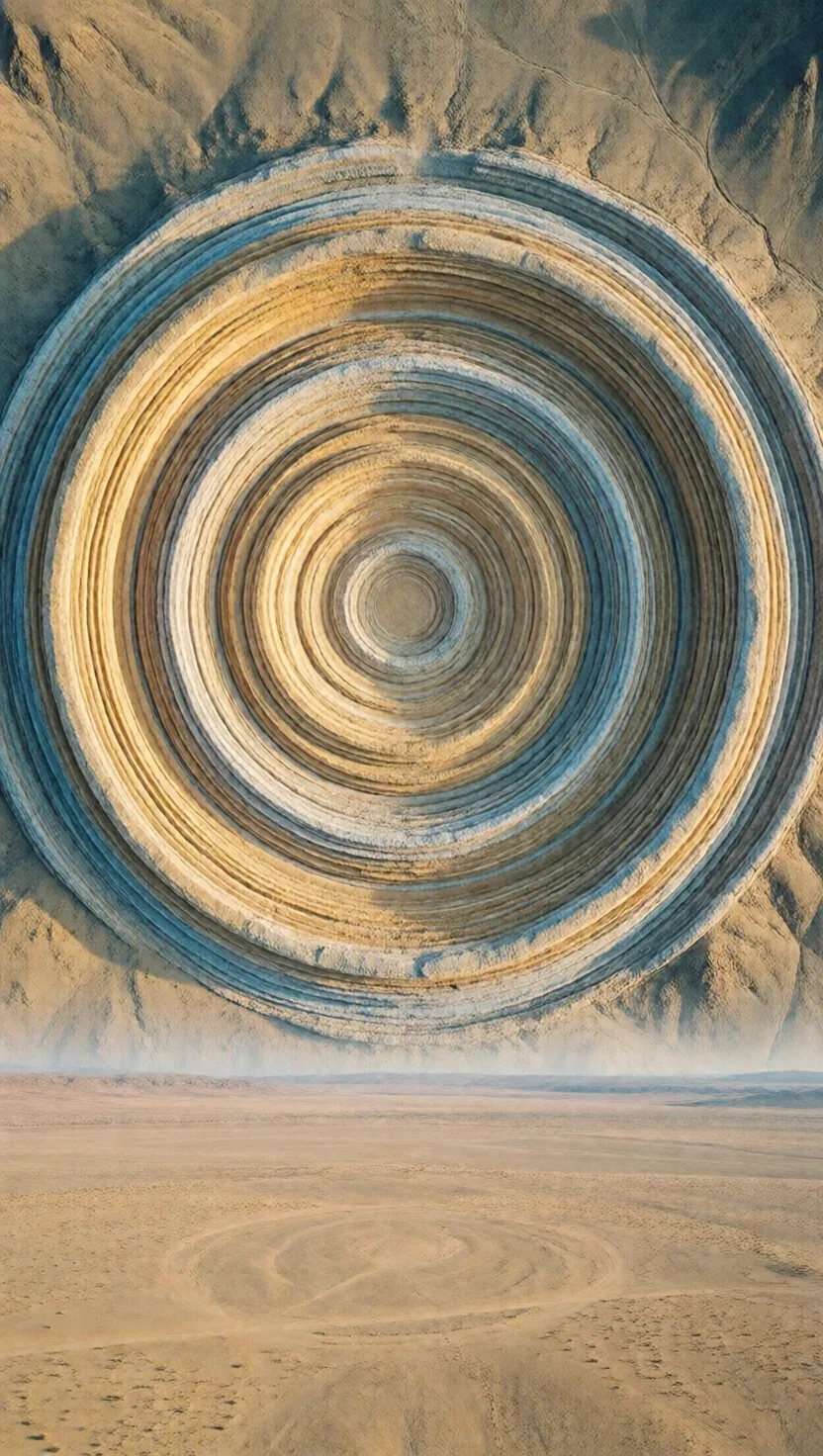
The Eye of the Sahara is not a crater

The Eye of the Sahara is not a crater

This 40-km bullseye in Mauritania is so striking that astronauts use it as a landmark, and for decades it was assumed to be a meteorite scar. It isn't. It's an eroded dome: magma pushed up beneath the sand, bulging the rock layers into a blister, then wind and weather wore the top flat — exposing the tilted rings of harder and softer stone as near-perfect concentric circles.
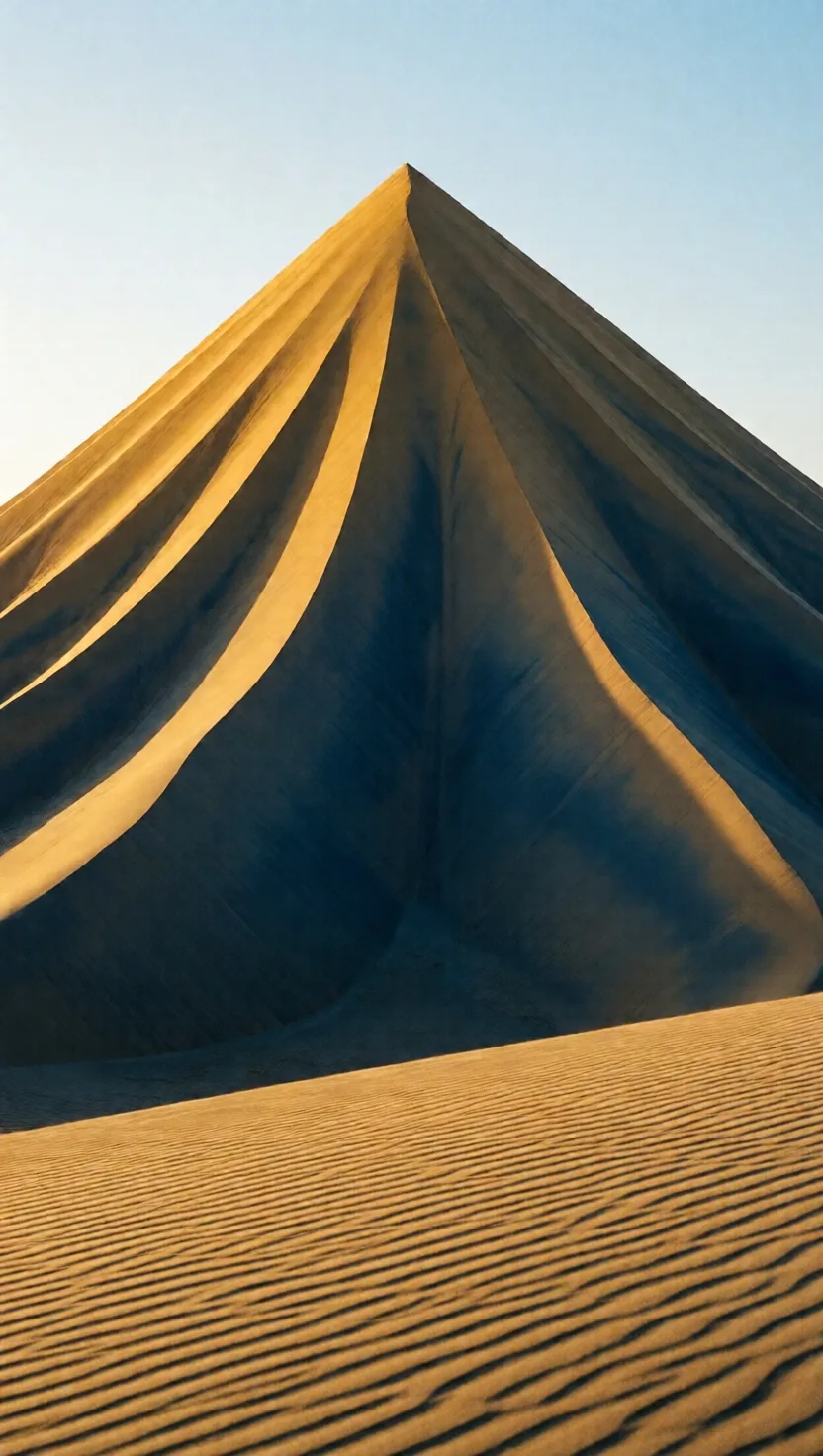
This dune barely moved in 13,000 years

This dune barely moved in 13,000 years

Most dunes march steadily downwind, but star dunes — a pyramid peak with arms reaching out like a starfish — form where wind blows from many directions, so they pile upward instead of travelling. Radar dating of one giant Moroccan star dune found its base is about 13,000 years old, while most of its towering bulk piled on in just the last 1,000 — yet it creeps sideways only about half a metre a year.
The driest desert hides a buried garden

The driest desert hides a buried garden

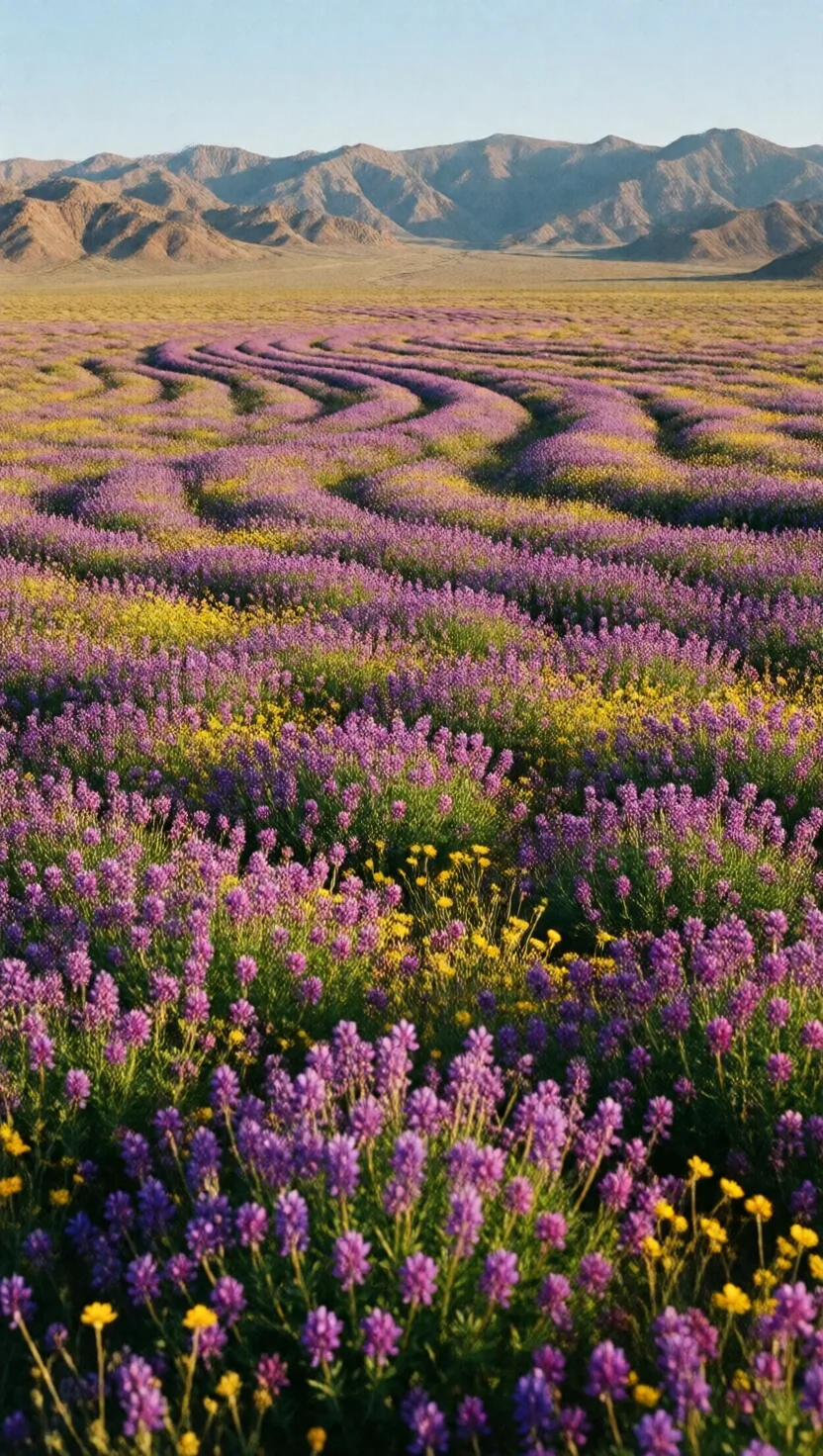
The Atacama can go years without measurable rain, yet beneath its cracked crust lie seeds waiting — some viable for up to a decade. When a rare wet winter brings even a few millimetres of rain and washes the protective coating off the seeds, more than 200 species erupt at once, carpeting hundreds of miles of barren ground in purple and gold for a few fleeting weeks.
Some dunes hum loud enough to drown a motorcycle

Some dunes hum loud enough to drown a motorcycle

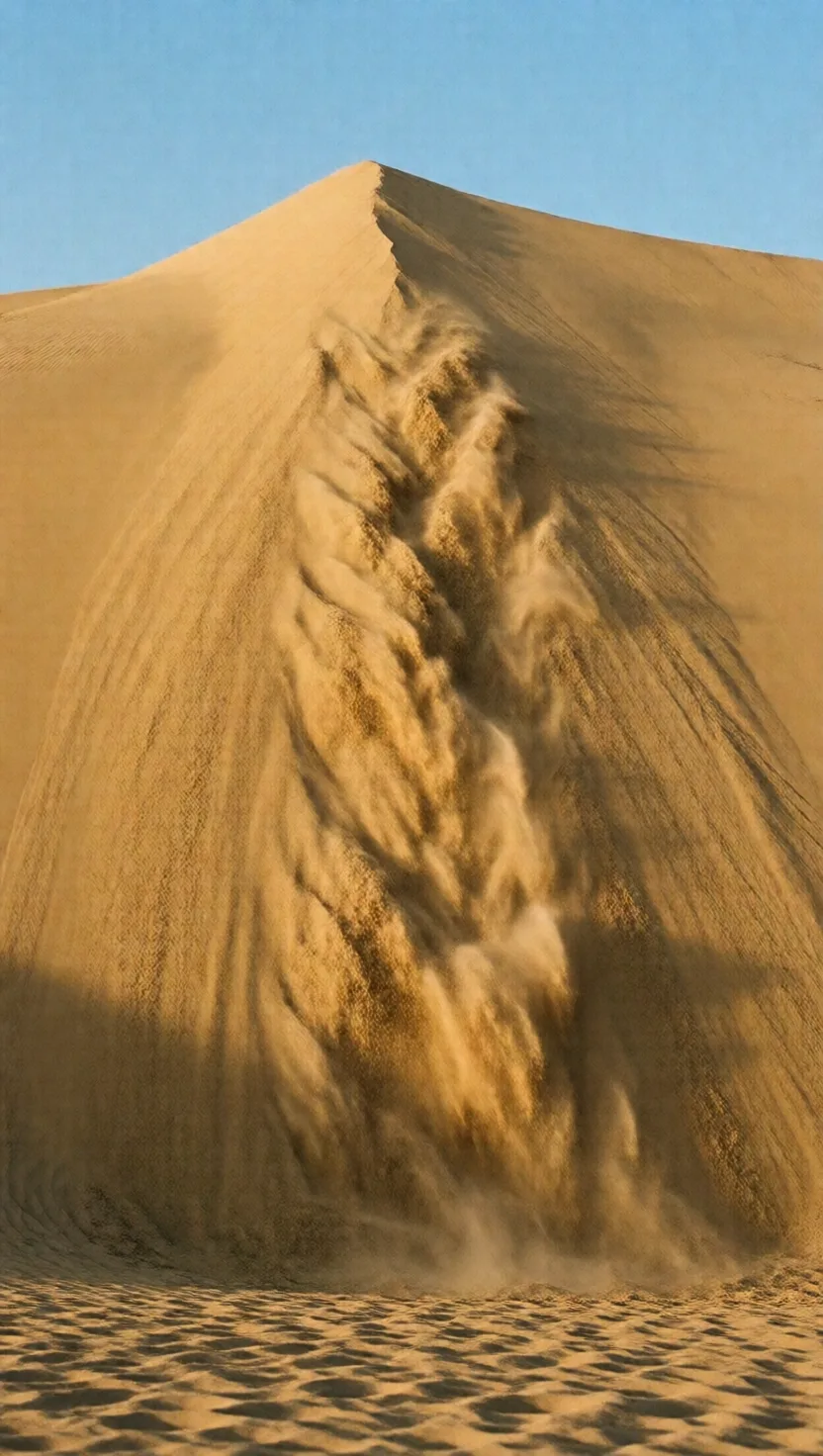
When sand avalanches down certain large dunes, the grains slip in eerie unison and the whole dune face booms a deep, droning note — around 75 to 105 hertz, like a distant cello or aircraft. The sound can top 105 decibels and carry up to 10 km. It only works with dry, rounded silica grains of just the right size, all sliding and colliding in sync about 100 times a second.
tap →swipe ↑ for depthswipe ↓ to exit