Eight things locked inside a tourmaline crystal

DC·158 Deep Cuts
Pink inside, green out, like a melon slice

Pink inside, green out, like a melon slice

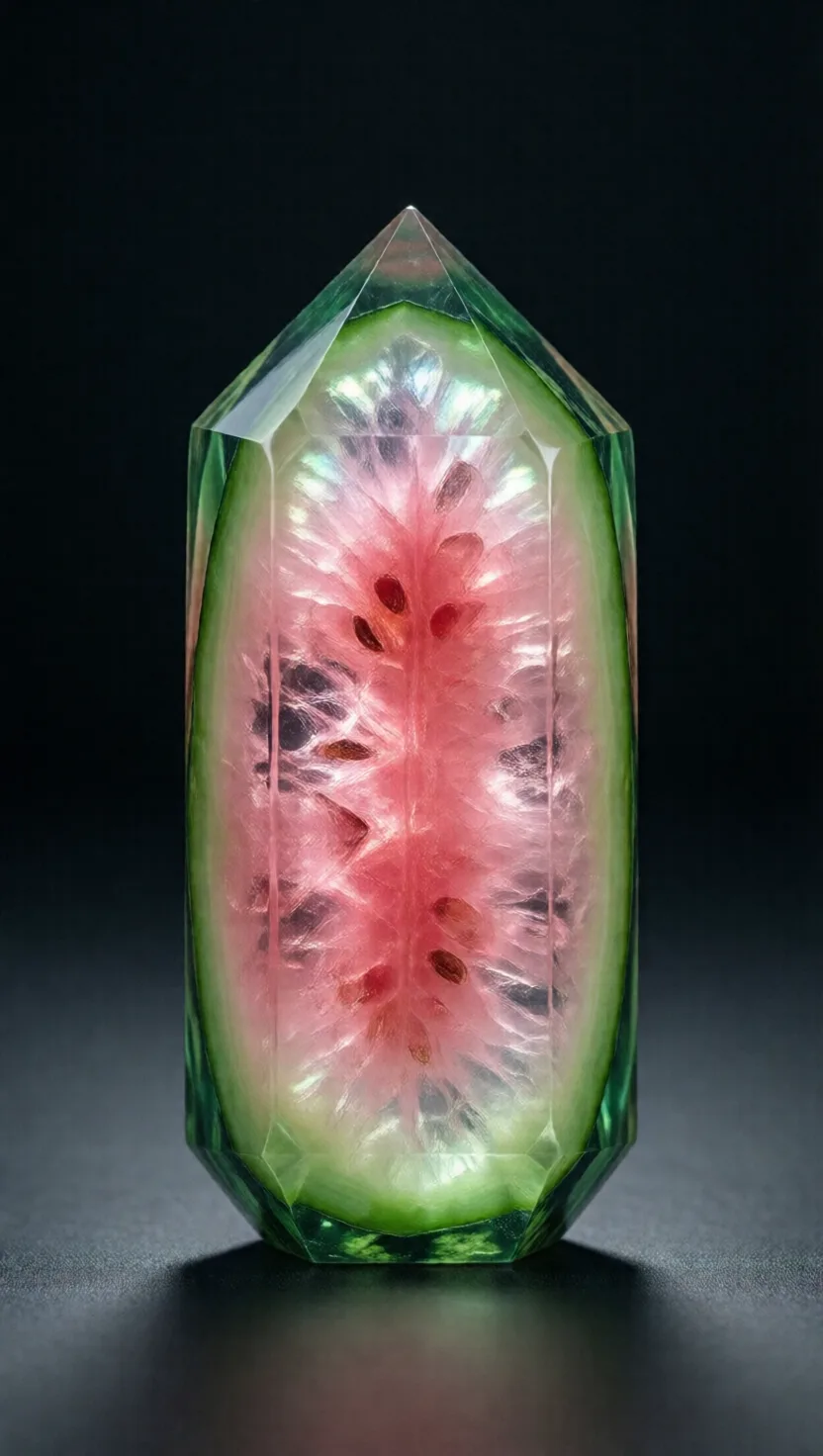
Some tourmaline crystals grow in layers of different colour, with a rose-pink core wrapped in a rind of green. Slice such a crystal straight across and the result is uncanny: a pink centre ringed by green, the spitting image of a slice of watermelon. The pink comes from traces of manganese taken up early in the crystal's growth, the green from iron picked up later, recording a change in the rock around it.
Warm it and it pulls ash out of the air

Warm it and it pulls ash out of the air

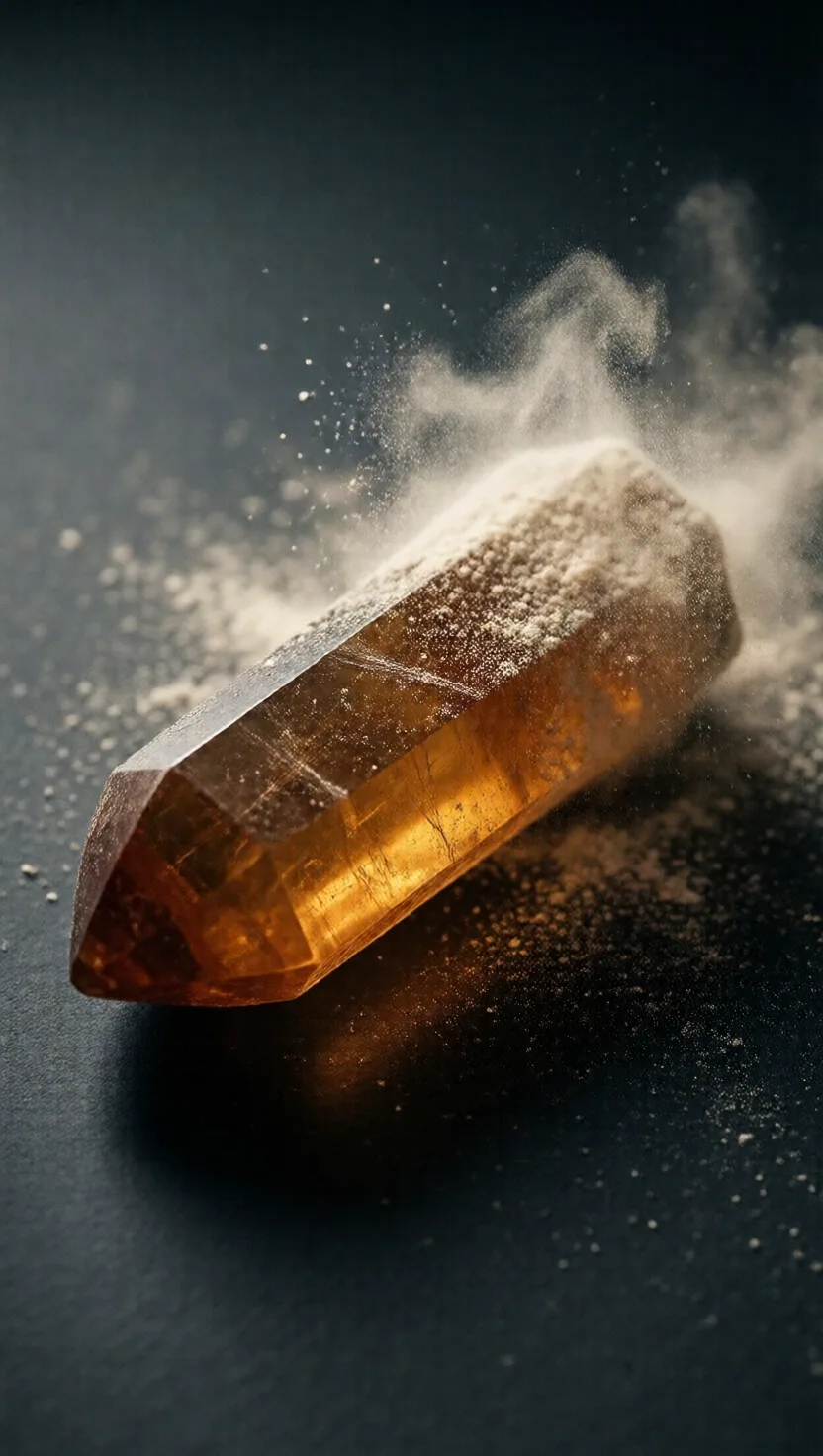
Tourmaline builds up an electric charge when its temperature changes, and another when it is squeezed. Heat a crystal and its two ends take on opposite charges, enough to tug light specks of ash and dust out of the air toward it. Traders who brought the stones to Europe in the 1700s knew this trick well, using the crystals to pull stray ash from their pipe bowls and nicknaming the stone the ash-puller.
No mineral wears more colours

No mineral wears more colours

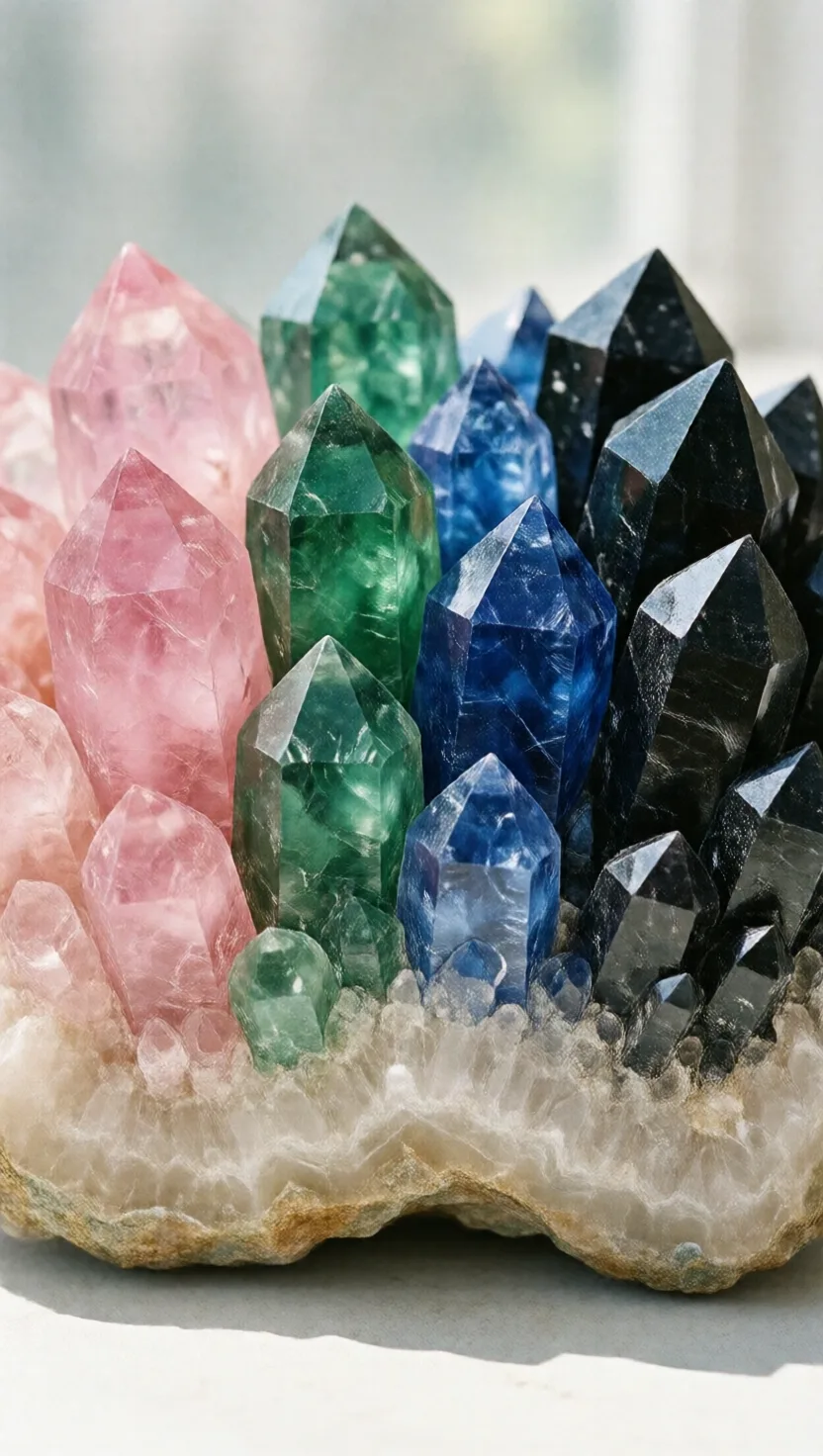
Tourmaline turns up in just about every colour there is, from black and brown through pink, green, blue and near-colourless, and a single crystal can shift from one shade to another along its length. It also plays a quieter trick: look down a coloured crystal one way and then another, and the colour visibly deepens or changes, because the stone soaks up light differently along its different directions.
Slices of it once gauged the force of blasts

Slices of it once gauged the force of blasts

Because tourmaline makes an electric charge the instant it is squeezed, thin discs cut across the crystal became sensitive pressure gauges. Through the 1940s, navy researchers used tourmaline sensors to measure the punishing shock waves from explosions, including blasts set off underwater, where the crystal's toughness and even response to pressure from all sides made it better suited than more fragile rivals.
A trace of copper makes it glow electric blue

A trace of copper makes it glow electric blue

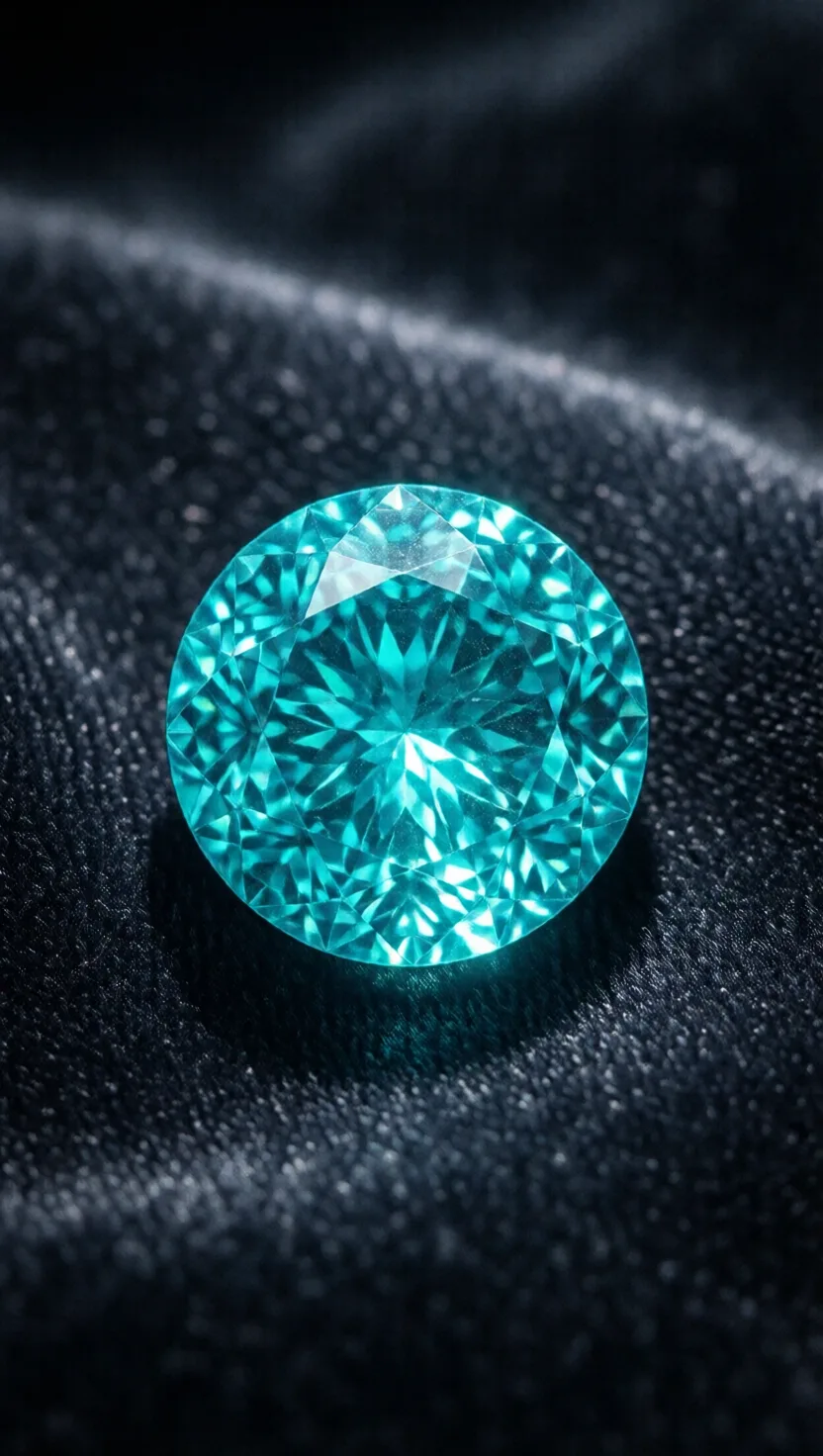
In 1989 a miner in Brazil broke into a pocket of tourmaline unlike any seen before: stones in a searing neon blue-to-green that almost seemed lit from within. The secret was copper, an element no one had expected to find colouring tourmaline. These copper-bearing stones turned out to be among the rarest and most valuable tourmalines of all, prized for a glow ordinary gems can't match.
Its name means a jumble of mixed stones

Its name means a jumble of mixed stones

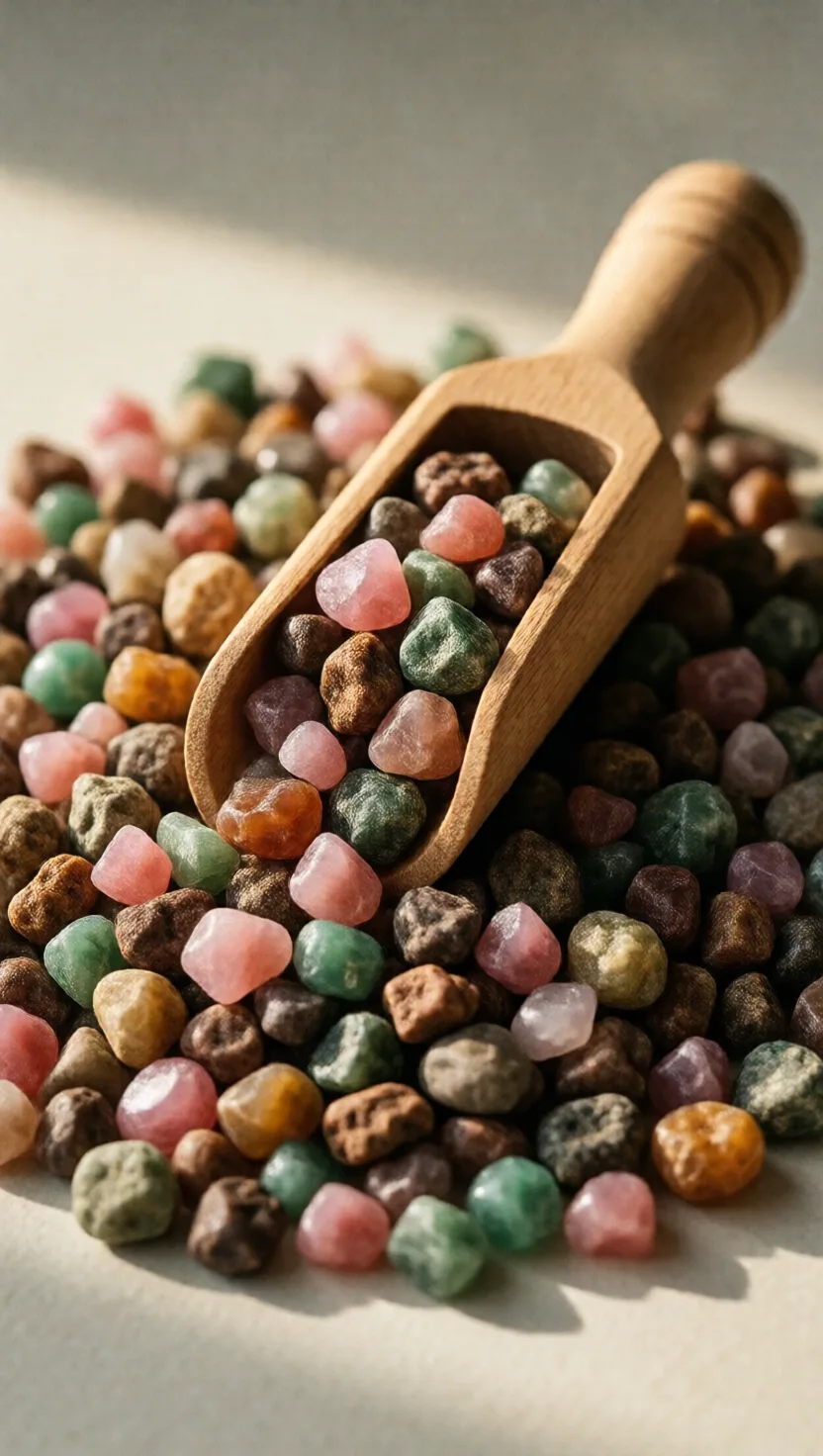
The word tourmaline comes from an old term used in Ceylon, now Sri Lanka, for the mixed parcels of assorted coloured pebbles that traders shipped together without sorting them by type. The label was apt for a stone that shows up in every hue and was forever turning up jumbled in with other gems, and it stuck to the mineral long after the rest of the parcel was sorted out.
Almost all of it is plain, common black

Almost all of it is plain, common black

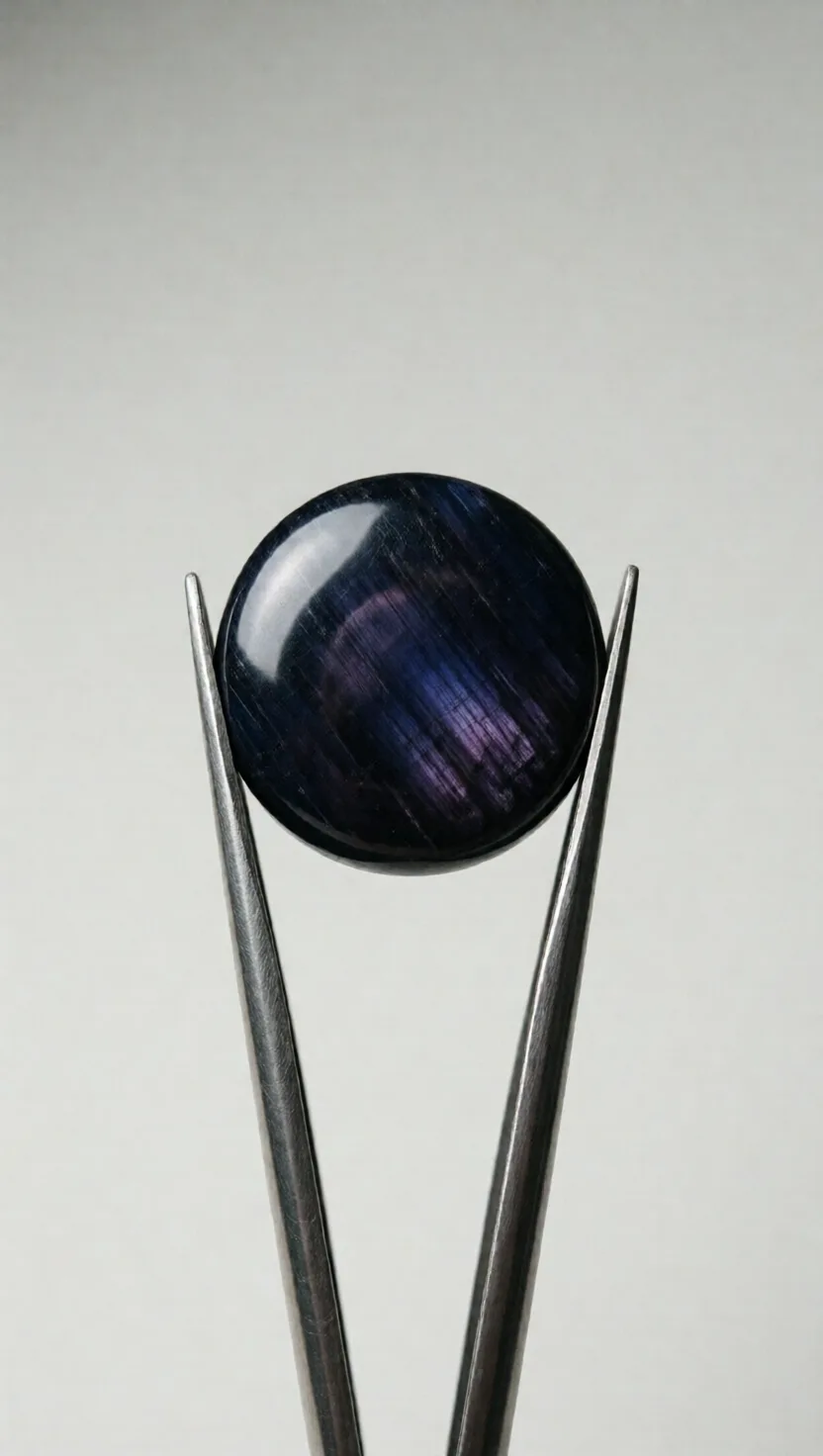
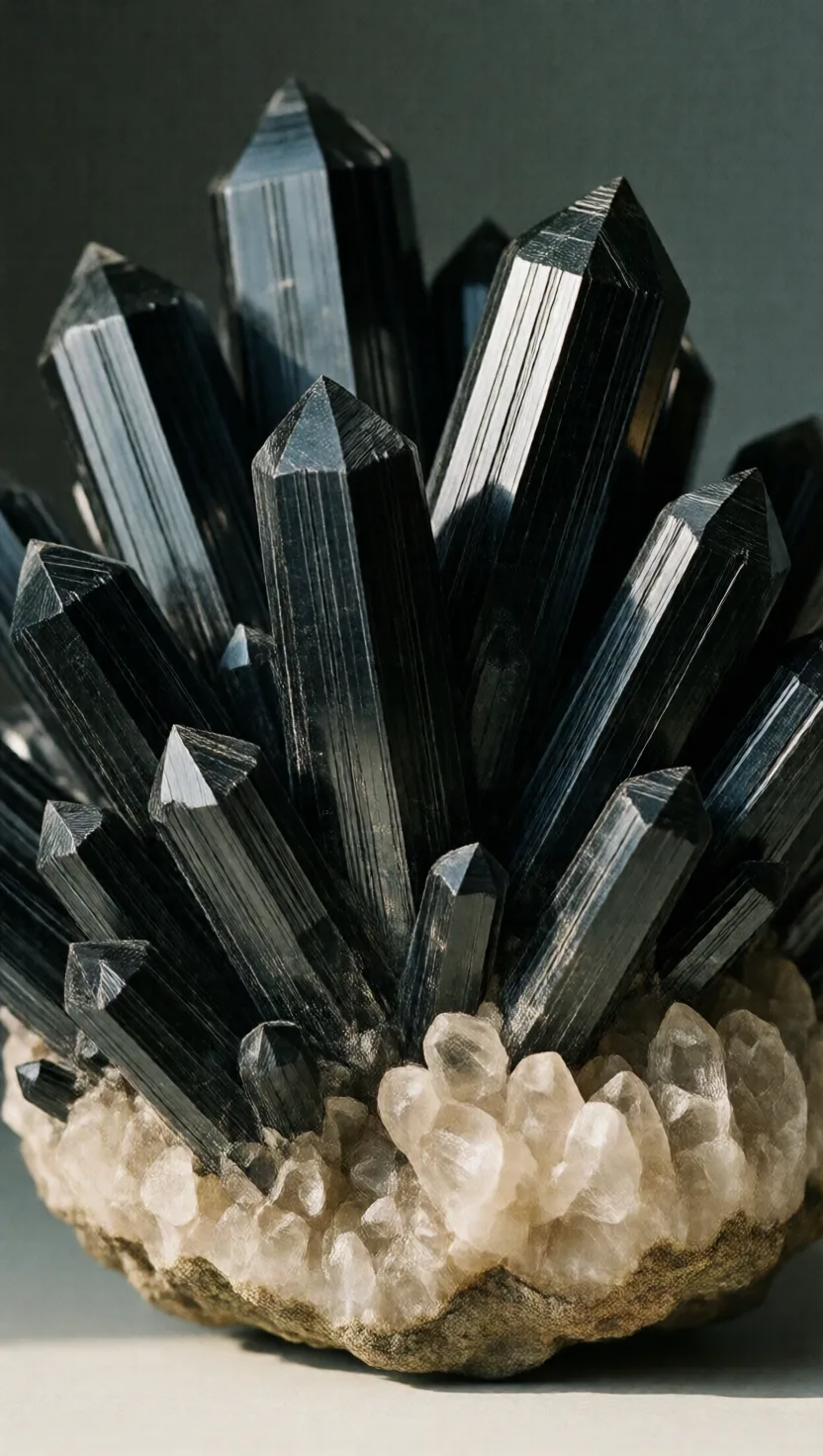
For all its rainbow fame, the overwhelming majority of tourmaline is a plain black, iron-rich variety called schorl, which makes up an estimated 95 percent or more of all the tourmaline on Earth. It studs ordinary granite as dark, striated needles. The bright gem-quality stones that get cut into jewellery belong to a lithium-rich cousin that is, by comparison, genuinely rare.
For ages it passed as emerald and ruby

For ages it passed as emerald and ruby

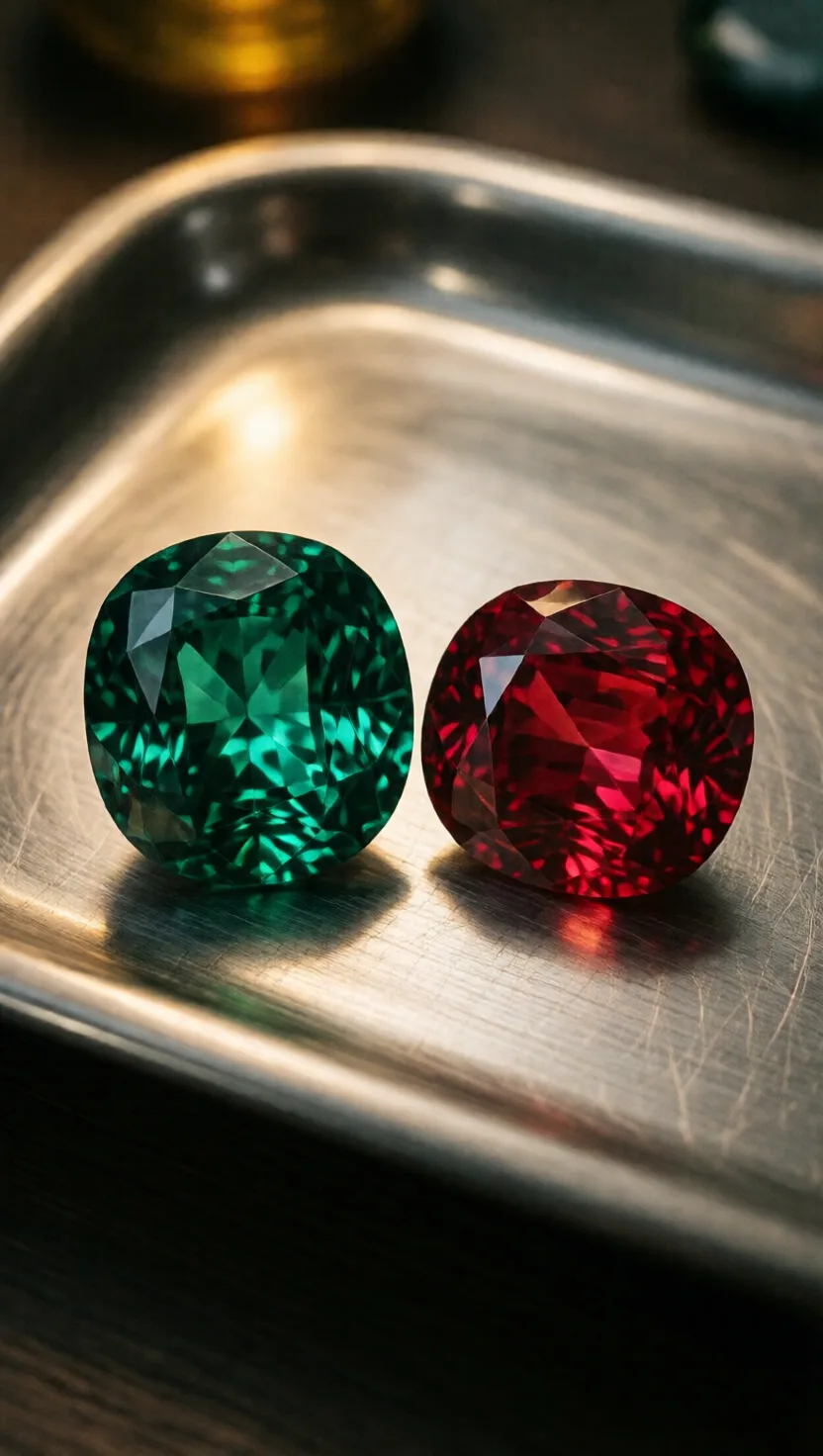
Before mineralogy could tell gems apart, tourmaline simply borrowed other stones' names by its colour. Green crystals dug in Brazil from the 1500s were sold for centuries as emeralds, and a celebrated red 'ruby' that passed through the hands of European royalty later proved to be tourmaline. Only when chemists learned to look past colour was it finally recognised as a mineral all its own.
tap →swipe ↑ for depthswipe ↓ to exit