Eight things hidden in a record's groove

DC·157 Deep Cuts
The first recording sat unplayable for 148 years

The first recording sat unplayable for 148 years

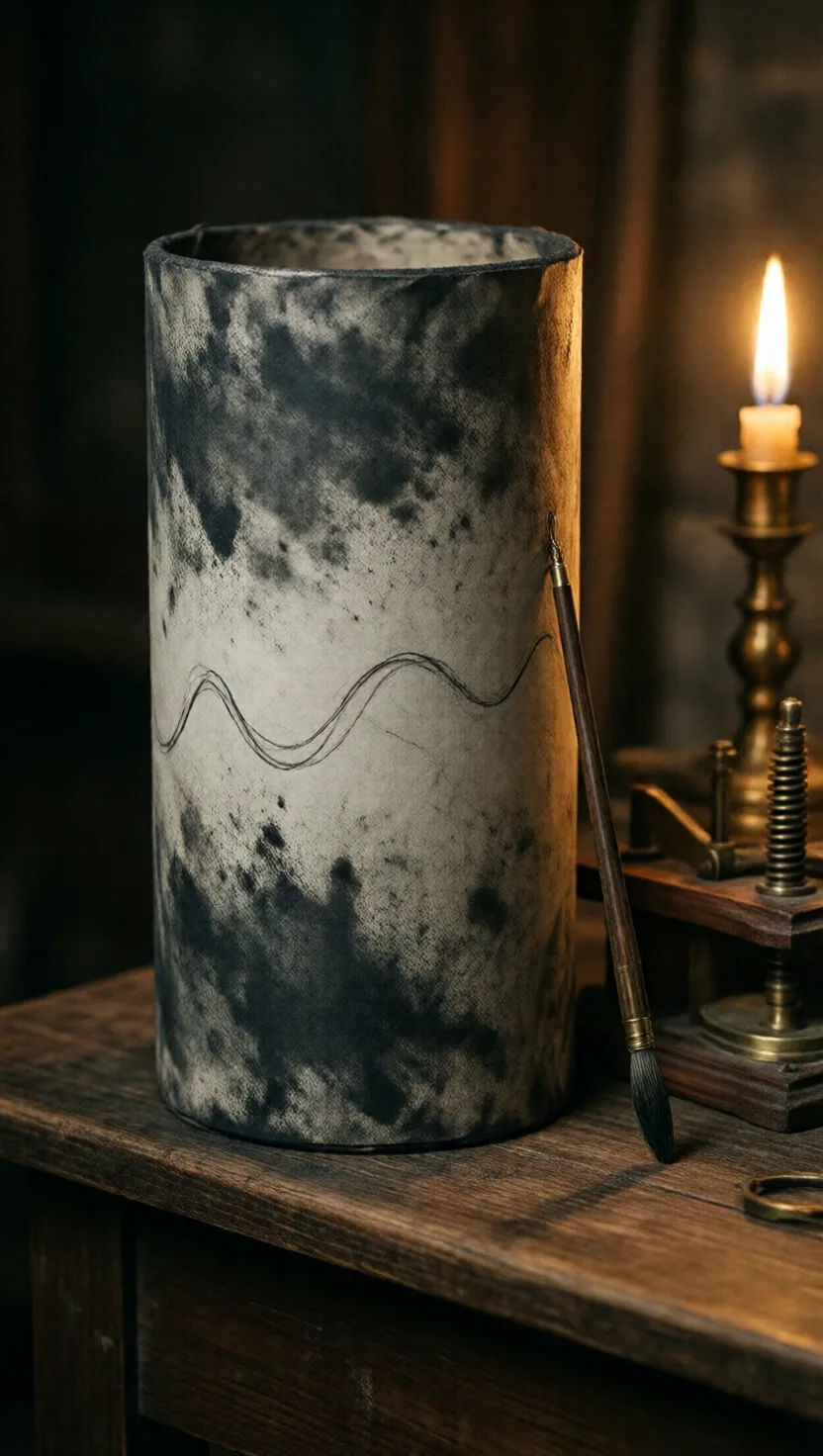
Sound was first captured nearly two decades before anyone could replay it. In the 1850s an inventor dragged a bristle, linked to a vibrating membrane, across paper blackened with lamp soot, leaving a wavering line that traced a voice. He only meant for the squiggles to be studied by eye; there was no way to turn them back into sound. Not until 2008 did researchers scan one of these traces from 1860 and finally hear the voice, 148 years late.
Sound first came back from a sheet of tinfoil

Sound first came back from a sheet of tinfoil

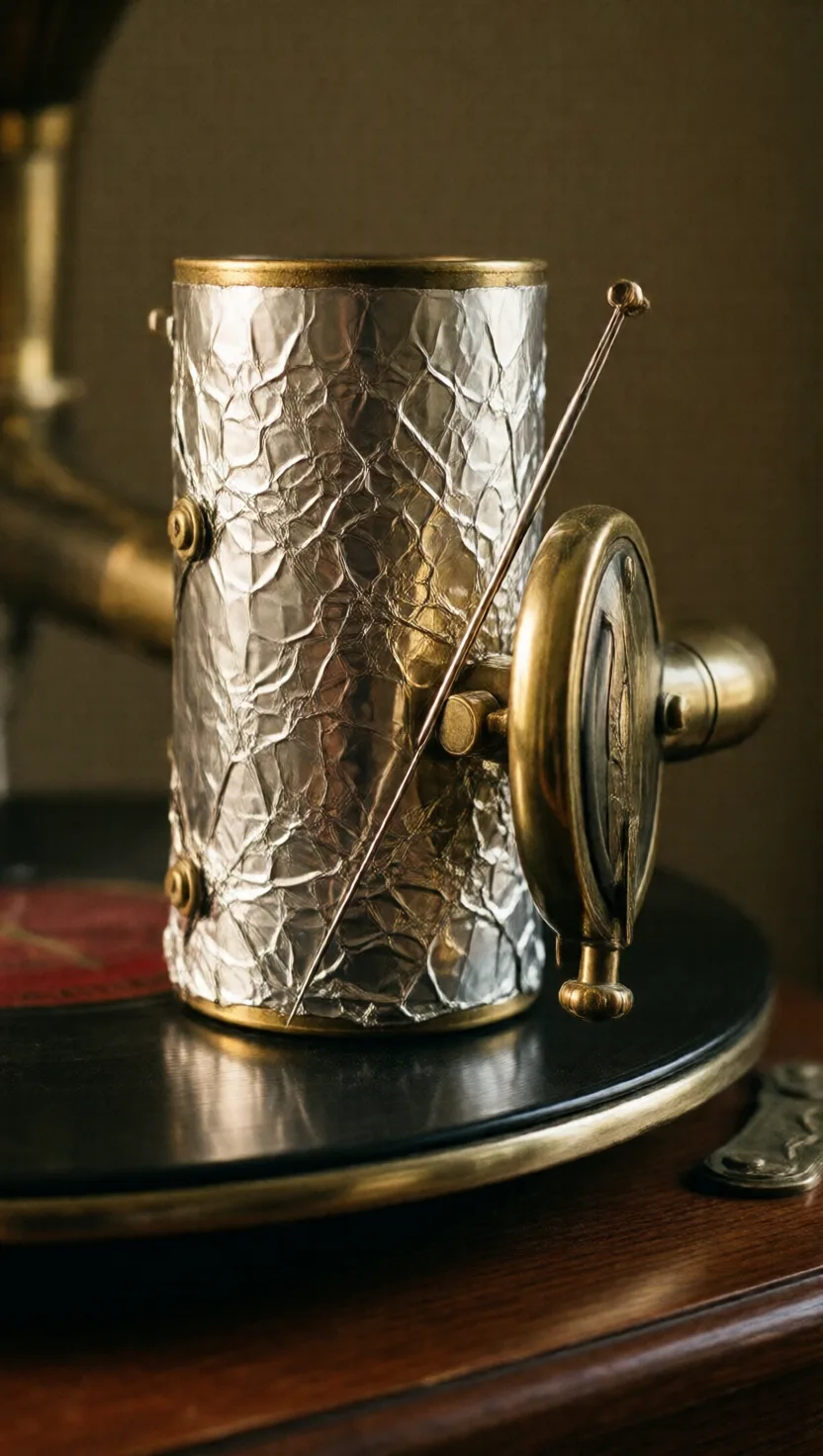
The first machine that could both record a sound and play it back, built in 1877, used nothing more delicate than tinfoil. A sheet of foil was wrapped around a grooved metal cylinder, and as it turned, a needle linked to a diaphragm dented the foil with the vibrations of a voice. Run the needle back over those same dents and the voice returned, faint and scratchy, the first echo a machine ever gave back.
One unbroken groove, a third of a mile long

One unbroken groove, a third of a mile long

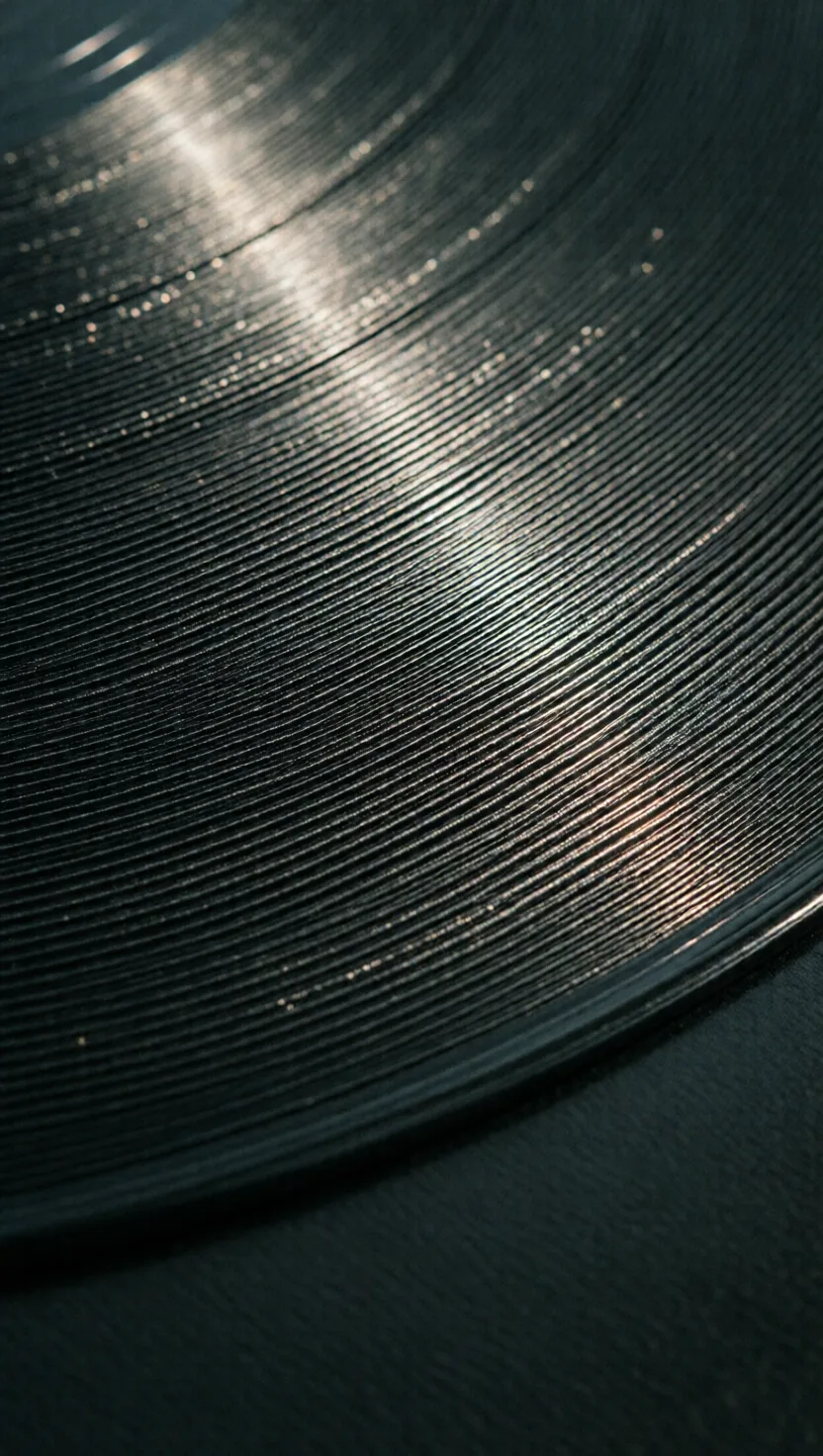
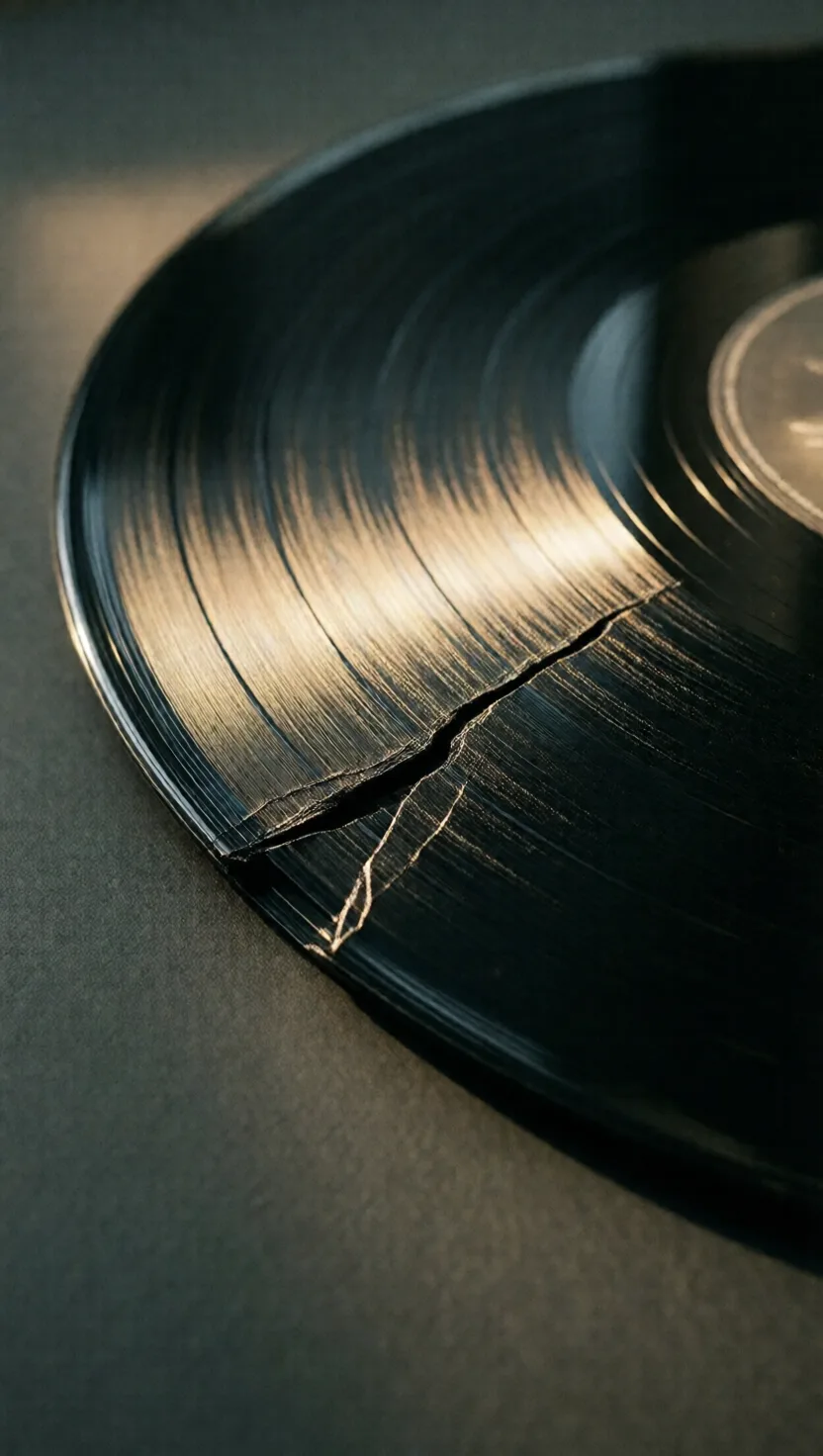
A record looks like rings, but each side is really one continuous groove spiralling without a break from the outer edge all the way to the label. Uncoil it and a single album side stretches on the order of 500 metres, roughly a third of a mile of groove. The needle simply rides that one long path inward, which is why a record plays straight through with nothing to lift or reset.
Two channels ride one wiggling groove

Two channels ride one wiggling groove

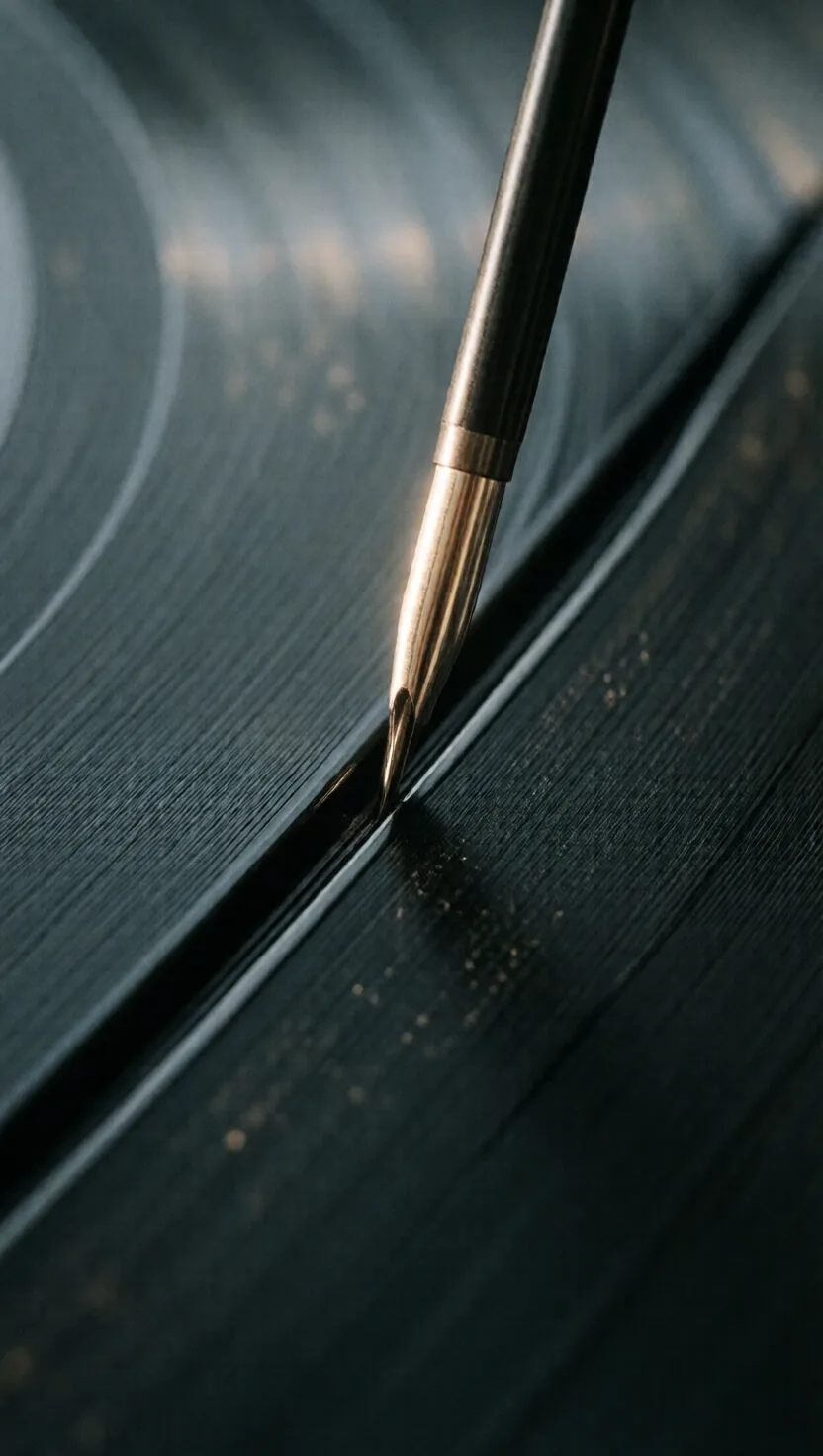
A stereo record fits a left and a right channel into one single groove. The trick is the shape: the two groove walls are cut at 45 degrees, facing each other, and each wall carries its own channel. As the needle tracks along, it rocks side to side and bobs up and down at the same time, reading both walls at once and splitting the music back into two separate streams.
You can see how loud the music gets

You can see how loud the music gets

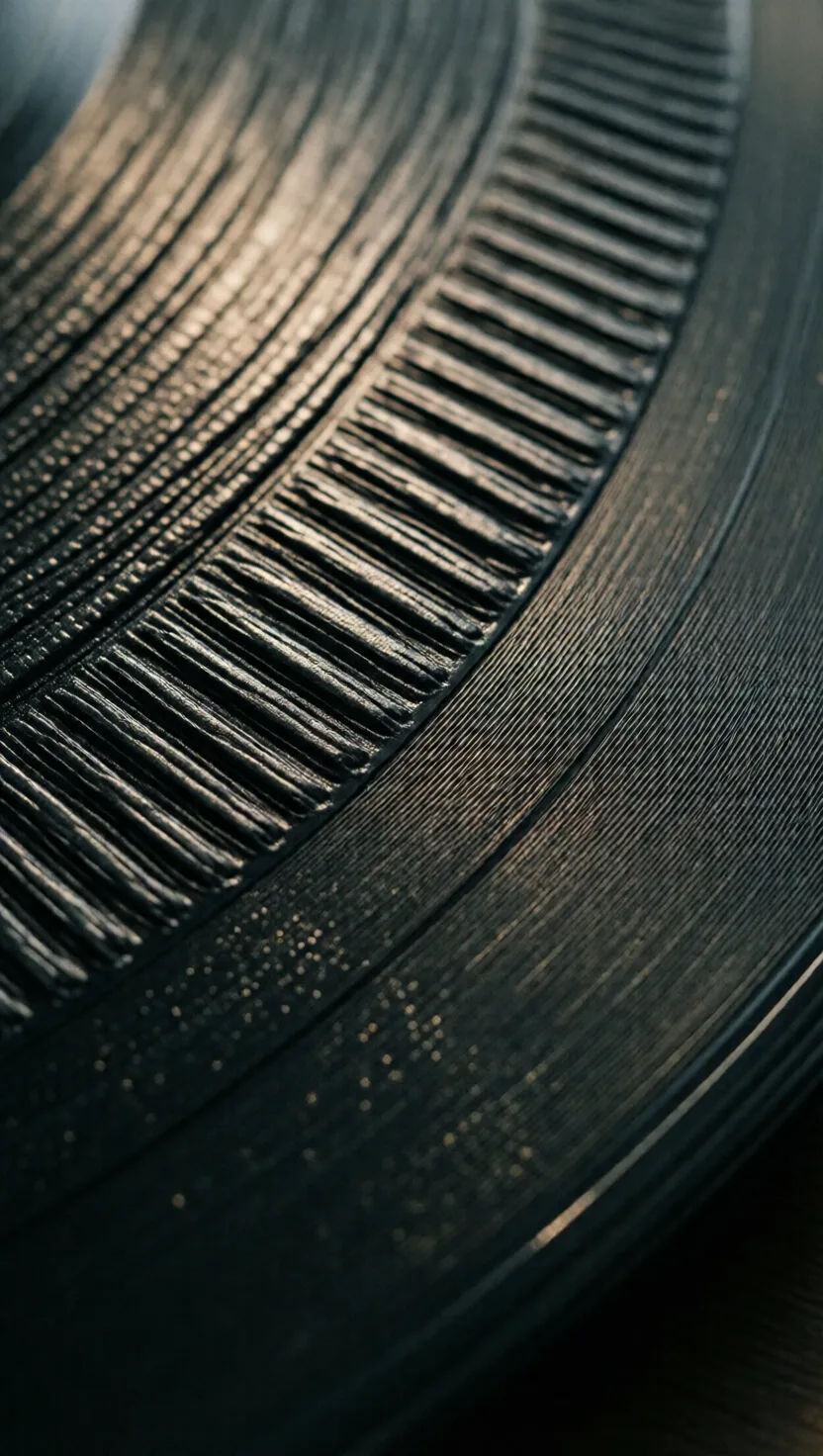
On a record, volume is written into the shape of the groove. A loud passage forces the cutter to swing in wide, jagged excursions, so those grooves look broad and ragged; a quiet passage barely wavers and looks almost smooth. Hold a record to the light and you can pick out the loud stretches and the soft ones with your bare eyes, before the needle ever touches it.
Records bend the bass on purpose

Records bend the bass on purpose

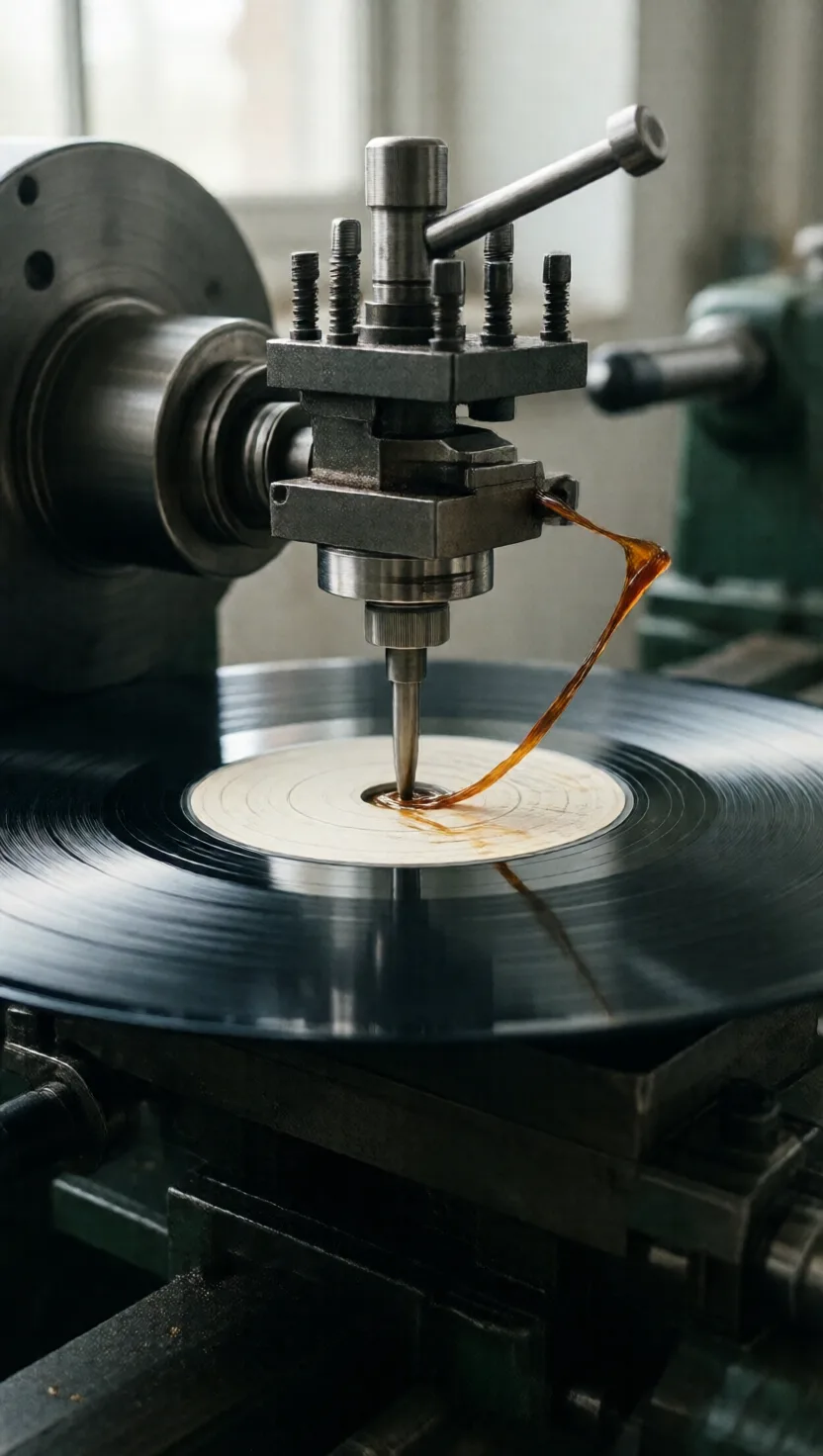
Every record is cut with the sound deliberately distorted. Deep bass notes are turned down and high notes pushed up before the groove is carved, then the player applies the exact opposite to set it right. There's a reason for the trick: untamed bass would carve grooves so wide that little music would fit on a side, and lifting the treble for the cut means surface hiss gets quieted on the way back.
Old records were pressed from insect resin

Old records were pressed from insect resin

Before vinyl took over, records were made largely of shellac, a resin secreted by the tiny lac insect and scraped from the twigs it coats. Mixed with mineral fillers and pressed into discs that spun at 78 turns a minute, the material was hard and glossy but brittle, so a dropped record could shatter like a plate. Vinyl, which arrived around the 1940s, was prized partly because it simply bounced.
It amplified music with no electricity at all

It amplified music with no electricity at all

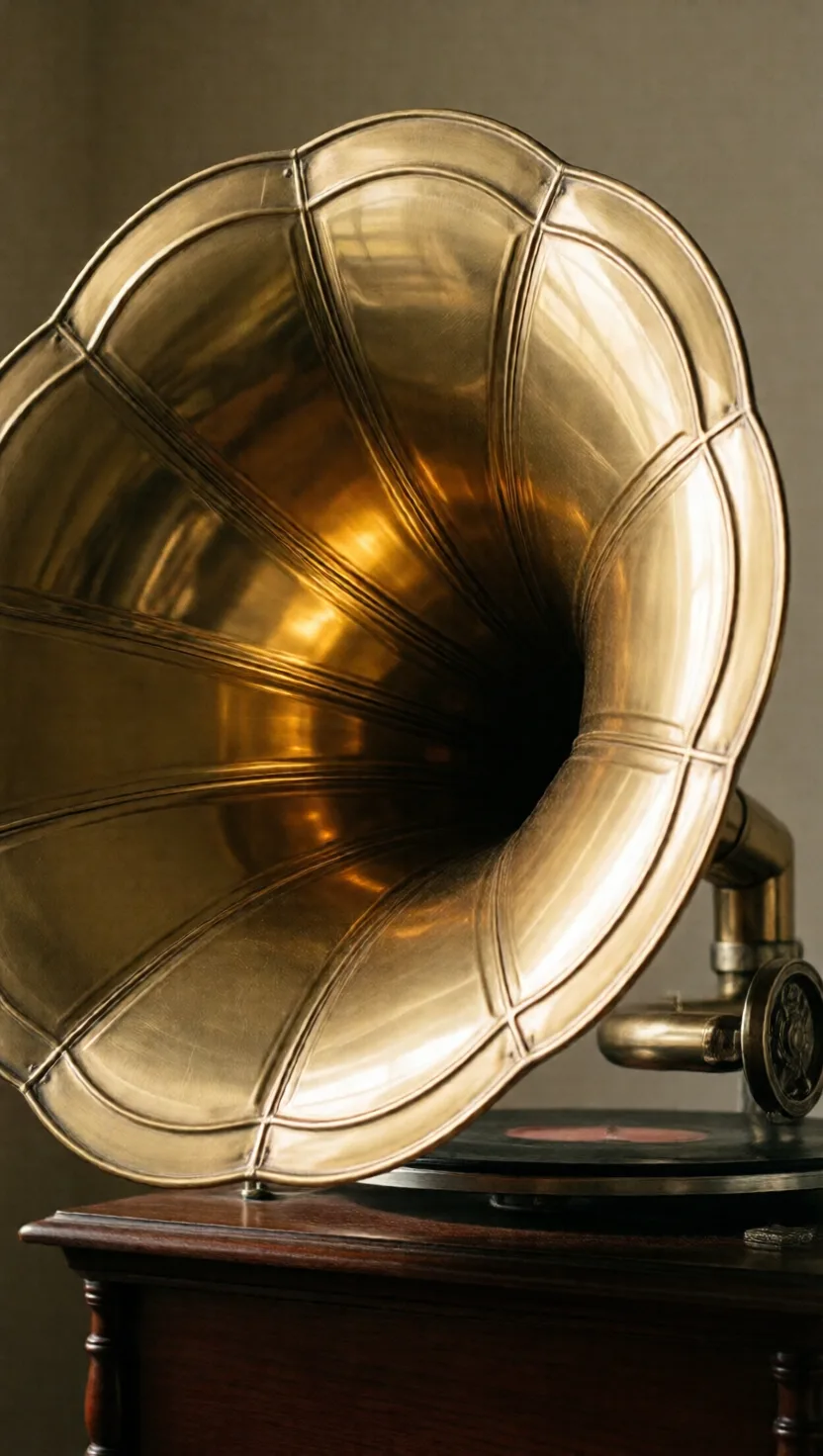
The grand flaring horn of a wind-up gramophone was the amplifier, and it ran on no power at all. The needle riding the groove shook a small diaphragm, and that faint sound was funnelled into the throat of the horn, which widened the air's vibrations into something a whole room could hear. The only energy involved came from a hand-cranked spring turning the record.
tap →swipe ↑ for depthswipe ↓ to exit