Eight things wasps build, hijack, and outlast

DC·151 Deep Cuts
Every fig you eat was pollinated by a wasp that died inside

Every fig you eat was pollinated by a wasp that died inside

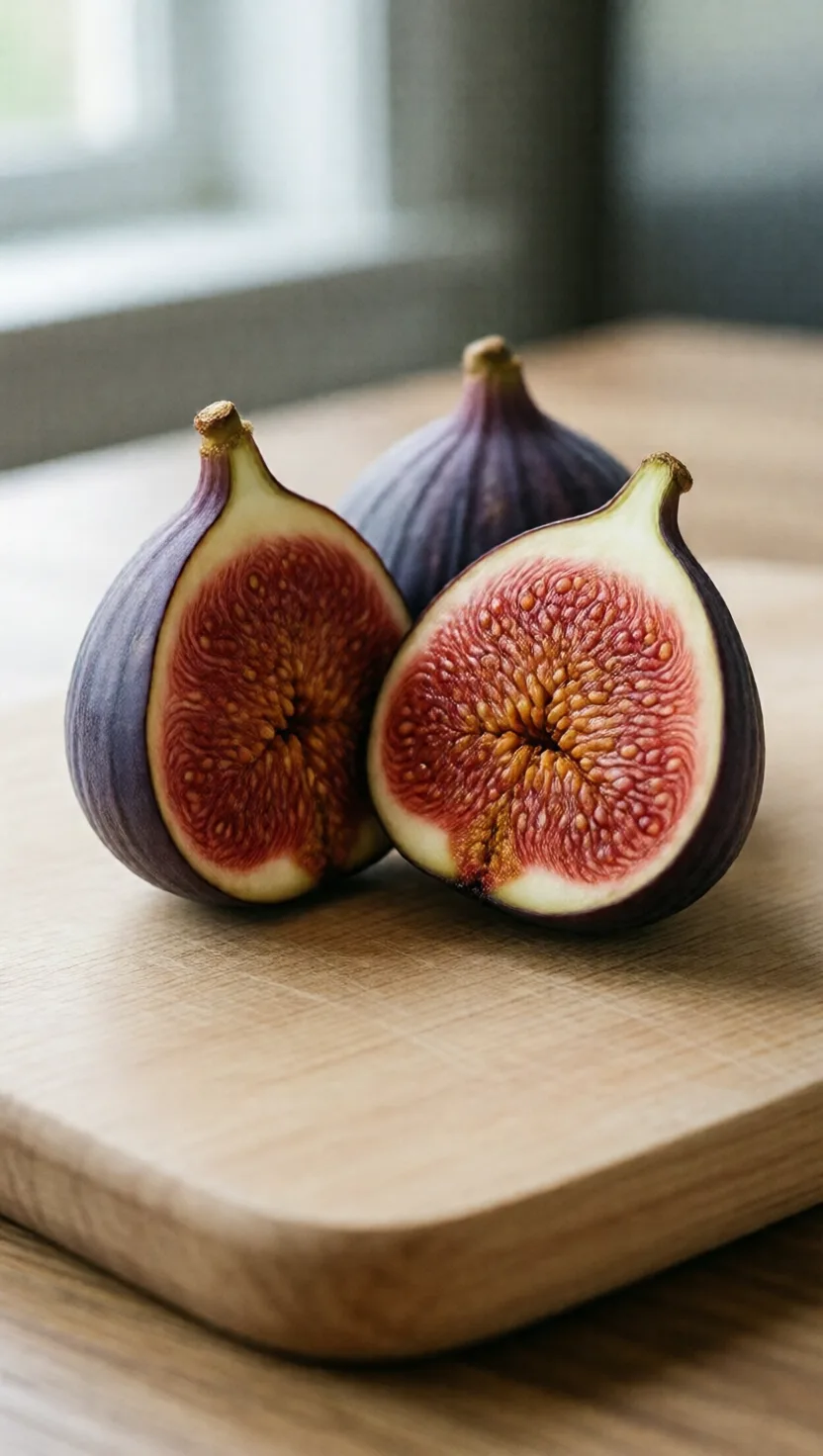
A fig is not really a fruit but a pouch full of inward-facing flowers, and nearly every one of the roughly 750 to 900 fig species has its own tiny wasp partner. The female crawls in through a pinhole to pollinate and lay eggs, losing her wings on the way, and dies inside. The fig then dissolves her with an enzyme called ficin — so the crunch you taste is seeds, not wasp.
Wasps were making paper millions of years before we were

Wasps were making paper millions of years before we were

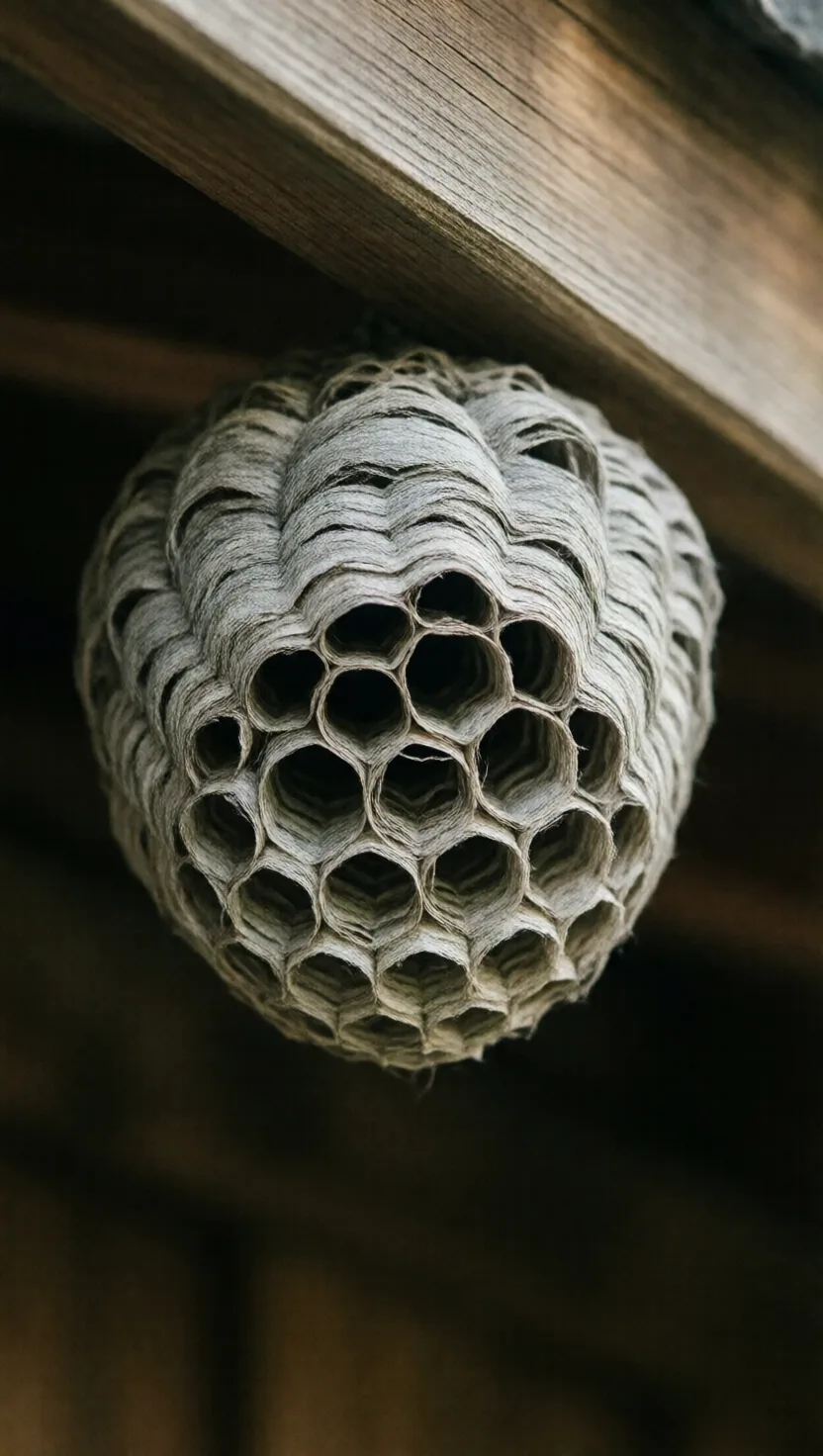
Humans worked out how to make paper from wood fibre roughly two thousand years ago. Paper wasps had been doing it for tens of millions. A queen scrapes weathered wood with her jaws, chews it with saliva into a soft grey pulp, and spreads it into thin sheets that dry into a sturdy nest of hexagonal cells. It is true paper, the same material, invented by insects long before us.
This emerald wasp turns a cockroach into a zombie

This emerald wasp turns a cockroach into a zombie

The jewel wasp hunts cockroaches far bigger than itself. It stings twice: first into the thorax to briefly stun the legs, then a precise second sting straight into the brain that erases the roach's urge to flee. Calm and obedient, the roach lets the wasp lead it by an antenna into a burrow, where she lays an egg on it and her larva eats it slowly, alive.
Its sting is rated the most painful of any wasp

Its sting is rated the most painful of any wasp

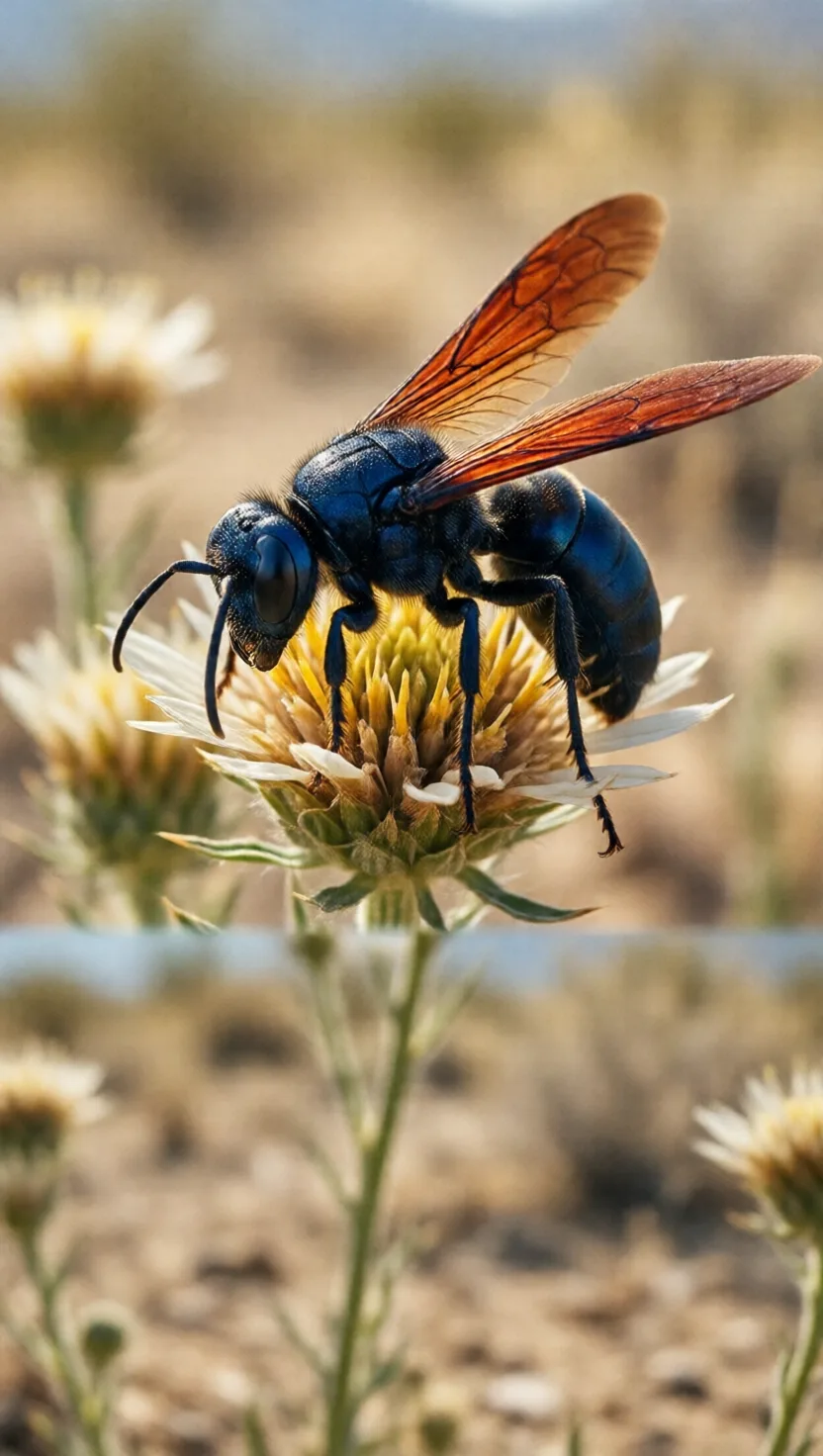
The tarantula hawk earns the top score, a 4, on the Schmidt sting pain index — the man who built the scale by getting stung described it as blinding, fierce and shockingly electric, like a running hair dryer dropped into your bath. Mercifully it fades in a few minutes. The wasp saves that sting to paralyse a tarantula, dragging the living spider home as food for a single larva.
These wasps carry a virus written into their own genes

These wasps carry a virus written into their own genes

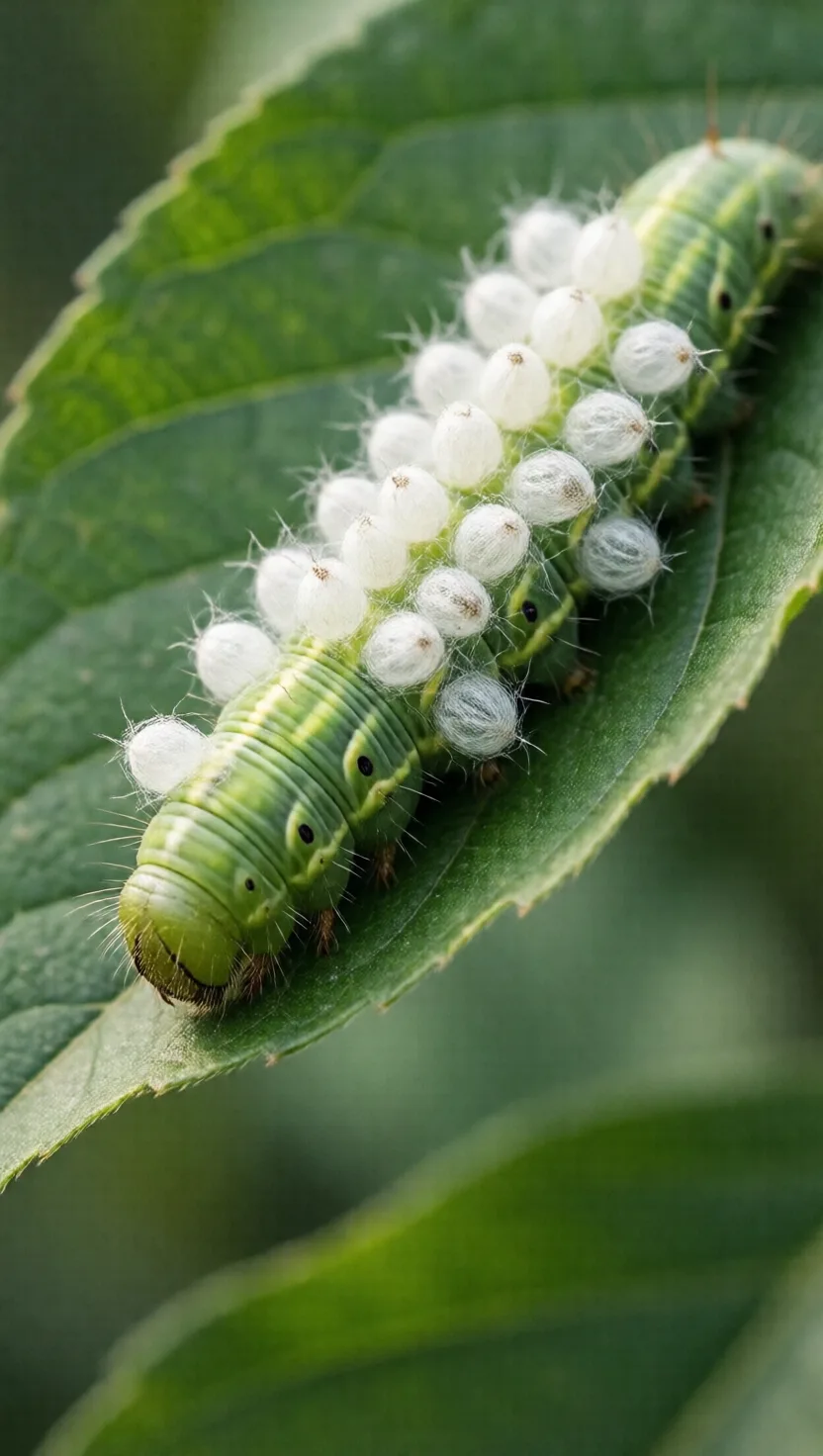
Around 100 million years ago, braconid wasps captured a virus and never let it go. Its genes now live permanently inside the wasp's own DNA, passed down through every generation. When a female lays her eggs inside a caterpillar, she injects freshly built viral particles too, and they switch off the caterpillar's immune defences so her young can grow unattacked. The wasp turned an infection into a weapon.
She drills through solid wood to lay a single egg

She drills through solid wood to lay a single egg

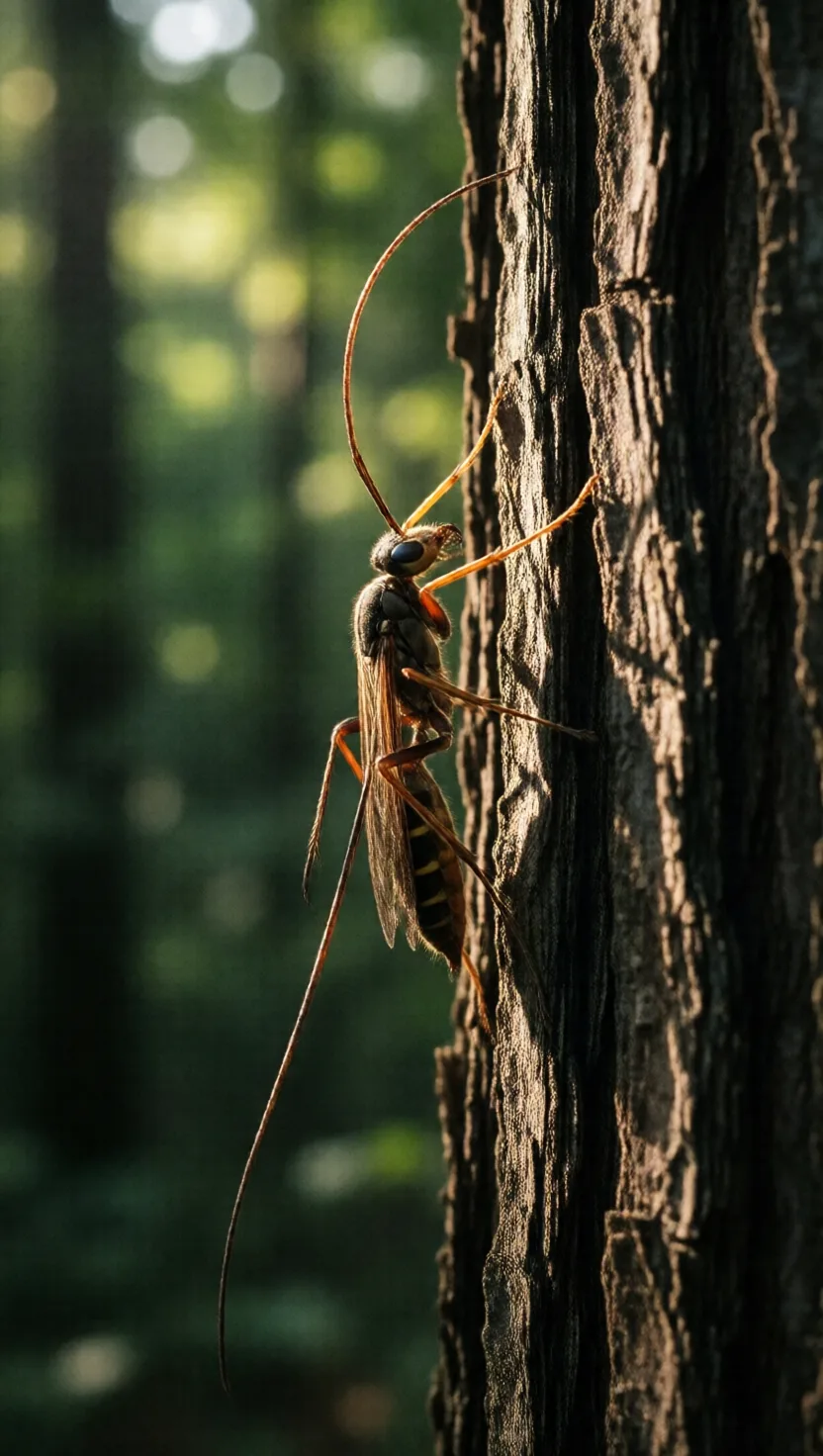
The giant ichneumon wasp hunts grubs that bore deep inside tree trunks. To reach them she uses an ovipositor finer than a hair and more than three times her own body length. Bracing on the bark, she arches it down like a living drill and works it through solid wood until it touches the hidden larva, then threads a single egg onto her unseen target.
The 'cow killer' isn't an ant — it's an armored wasp

The 'cow killer' isn't an ant — it's an armored wasp

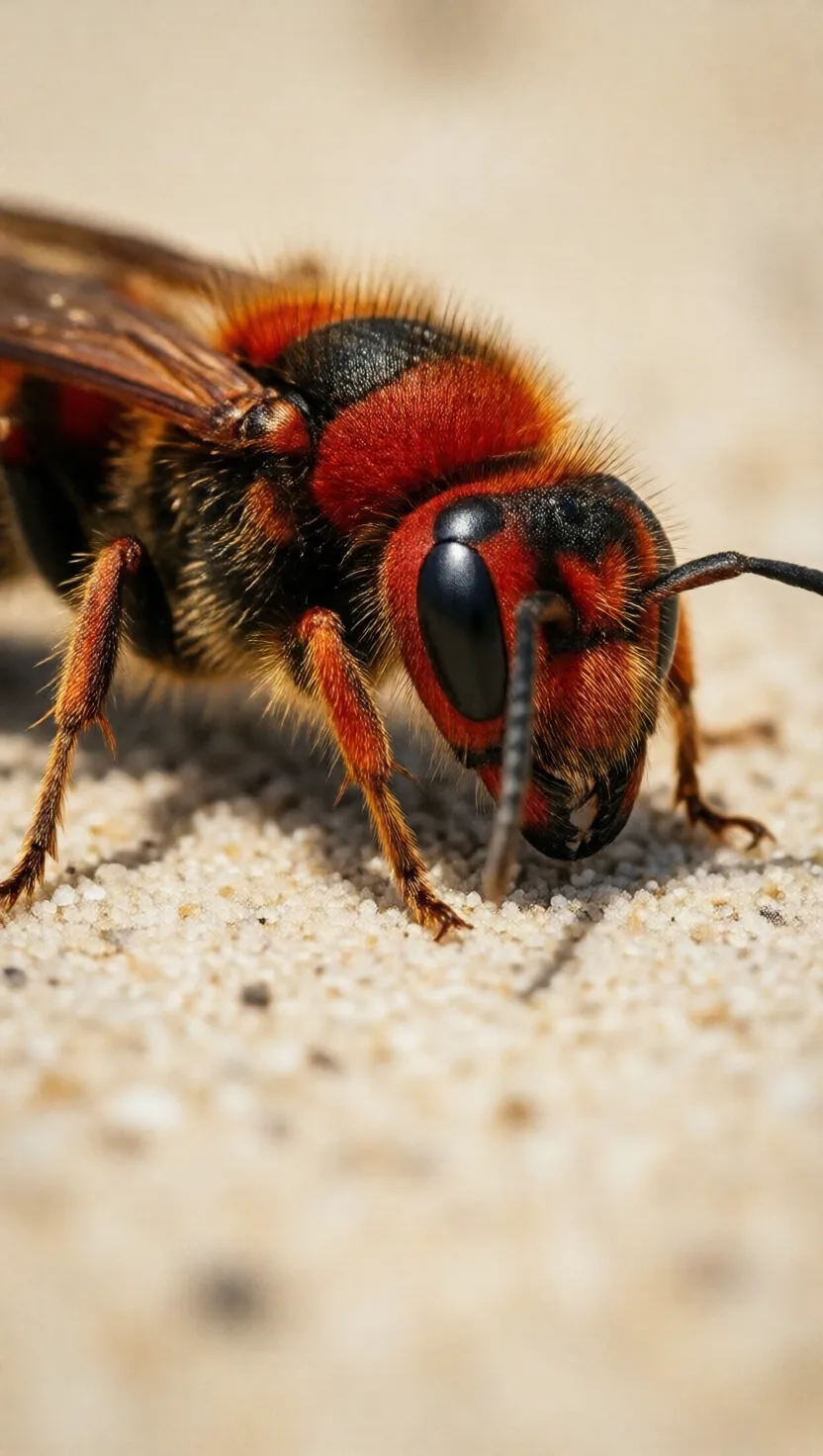
The fuzzy red-and-black creature scurrying over dry ground, nicknamed the cow killer, is not an ant at all. It is a wingless female wasp. Her sting is famously fierce, and her shell is built like armour: tests show it takes roughly eleven times the force to crush as a honeybee's. Collectors say a steel pin can bend before it pierces her.
This jewel-bright wasp rolls into a ball to survive

This jewel-bright wasp rolls into a ball to survive

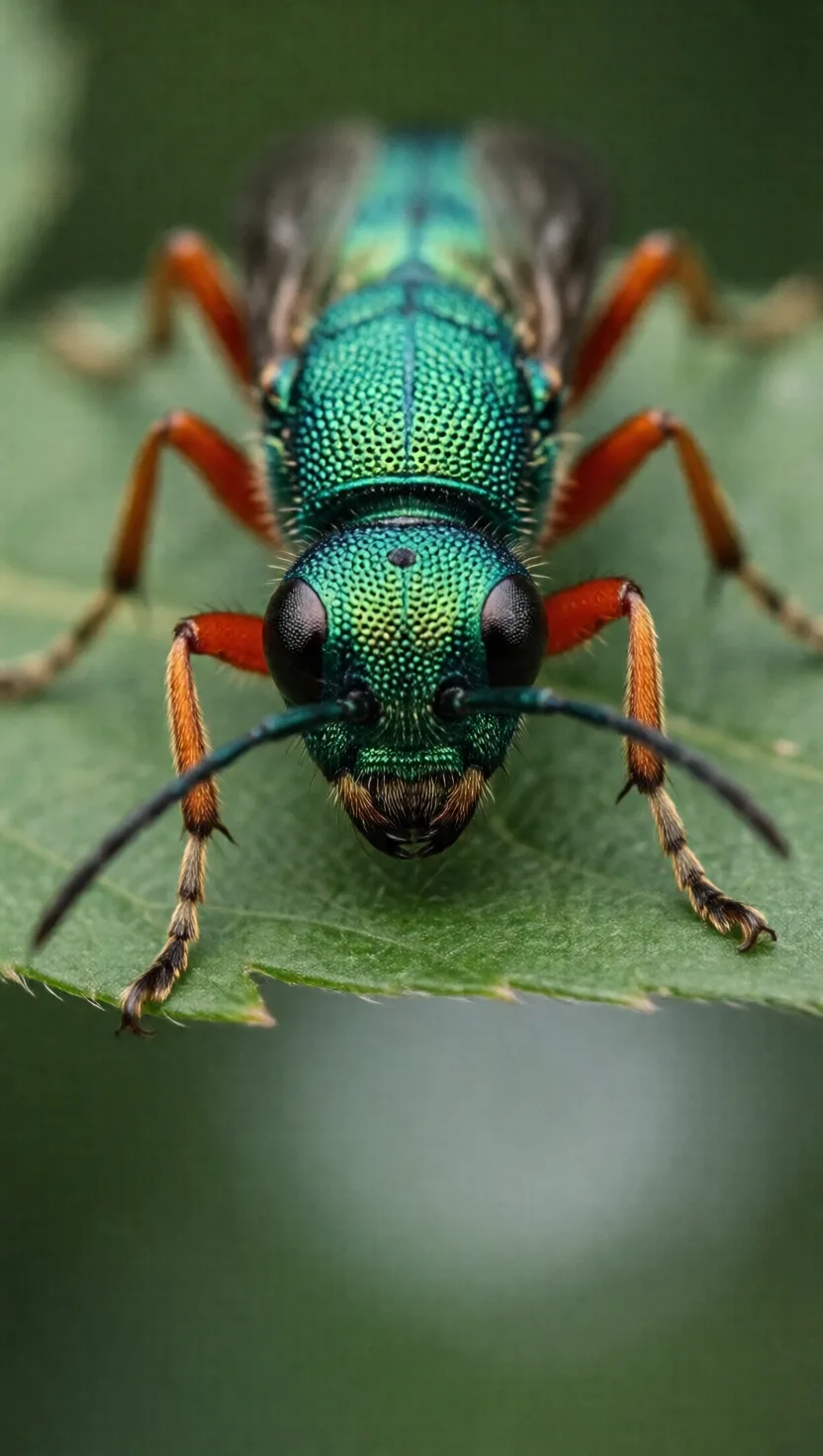
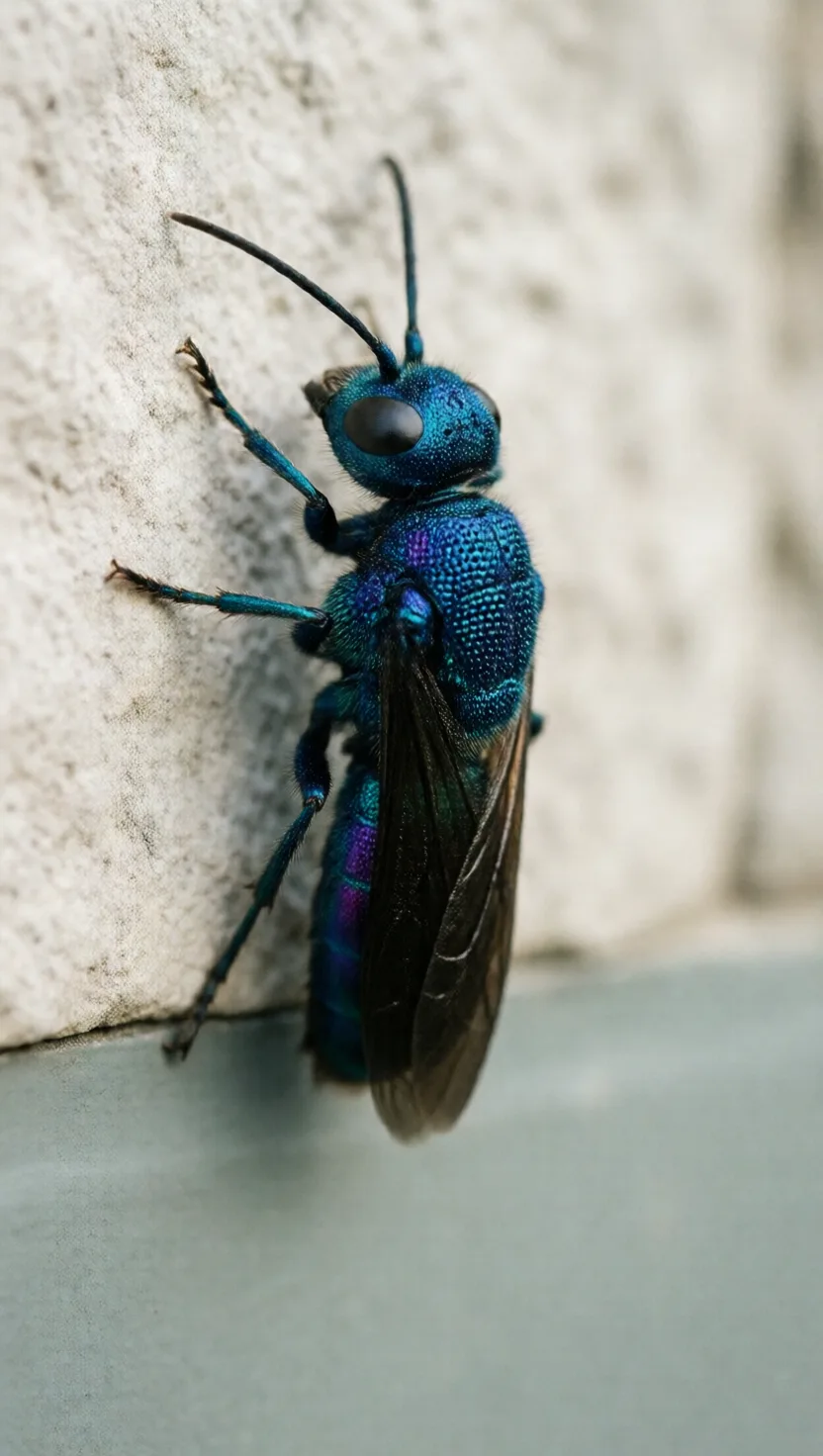
Cuckoo wasps shimmer in metallic green, blue and gold, and there are around 3,000 kinds. Like their bird namesake they slip their eggs into the nests of other wasps and bees, and their young eat the host's. That dazzling colour is not pigment but structure, light splitting on microscopic ridges. And when an angry host catches one, it tucks head to tail and curls into a hard, armoured ball.
tap →swipe ↑ for depthswipe ↓ to exit