Eight things hiding in a flake of mica.

DC·149 Deep Cuts
It splits into sheets you can see straight through

It splits into sheets you can see straight through

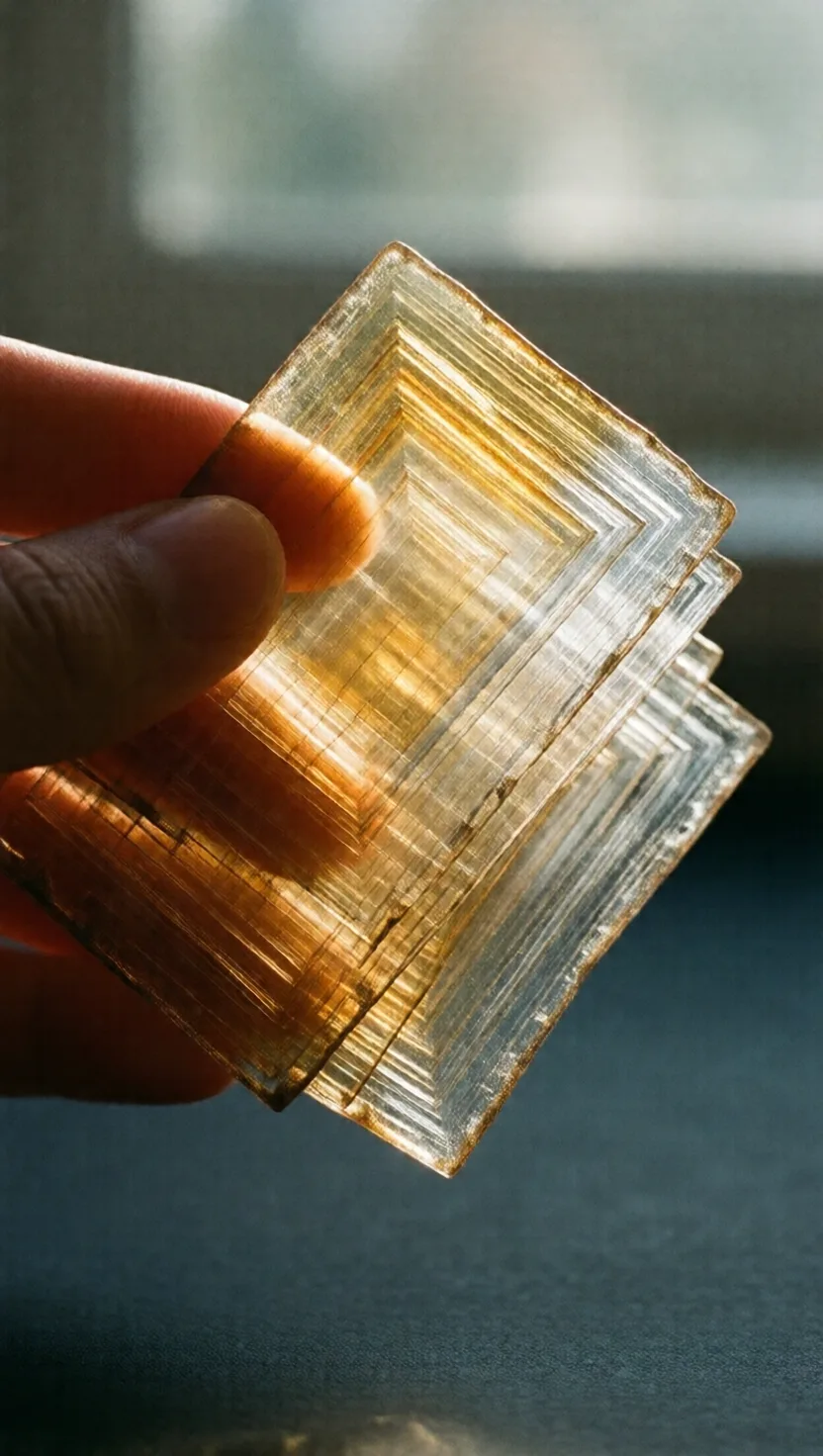
Mica is built from stacked layers held together so weakly that you can peel it apart with a fingernail into sheets thinner than paper, down to a few thousandths of a millimeter, and they stay clear, springy, and tough. A single crystal can be split again and again into hundreds of transparent flakes, each one flexible enough to bend without snapping. That clean splitting is called perfect cleavage.
It was window glass before glass was cheap

It was window glass before glass was cheap

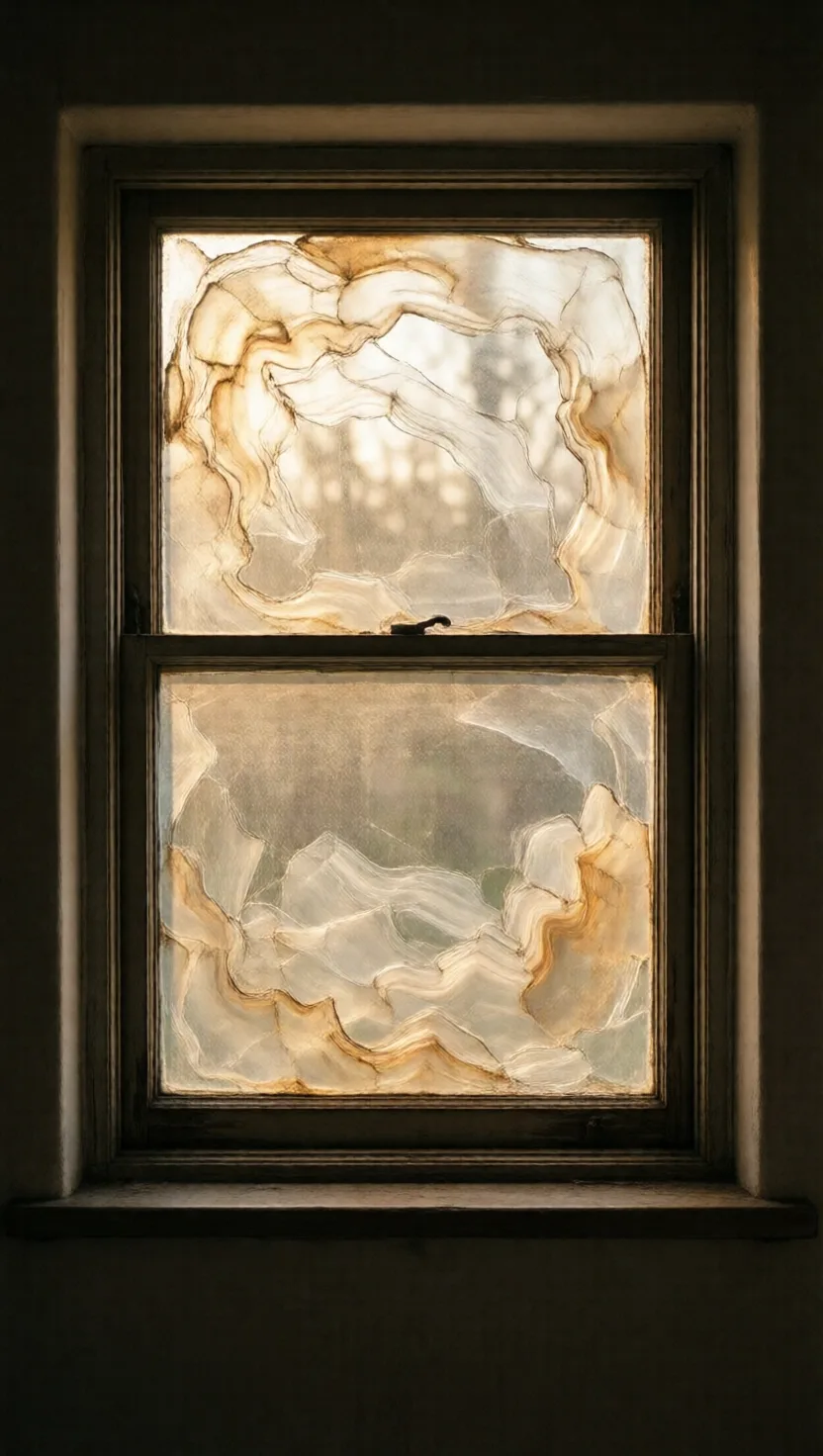
Long before clear window glass was affordable, people glazed their windows with mica. Big flat sheets split from crystals in Russia were so commonly used as panes that the mineral picked up the name muscovite, after Muscovy, the old name for the Moscow lands. Across Russia, India, and parts of Europe, homes and churches let in the light through thin slices of stone instead of glass.
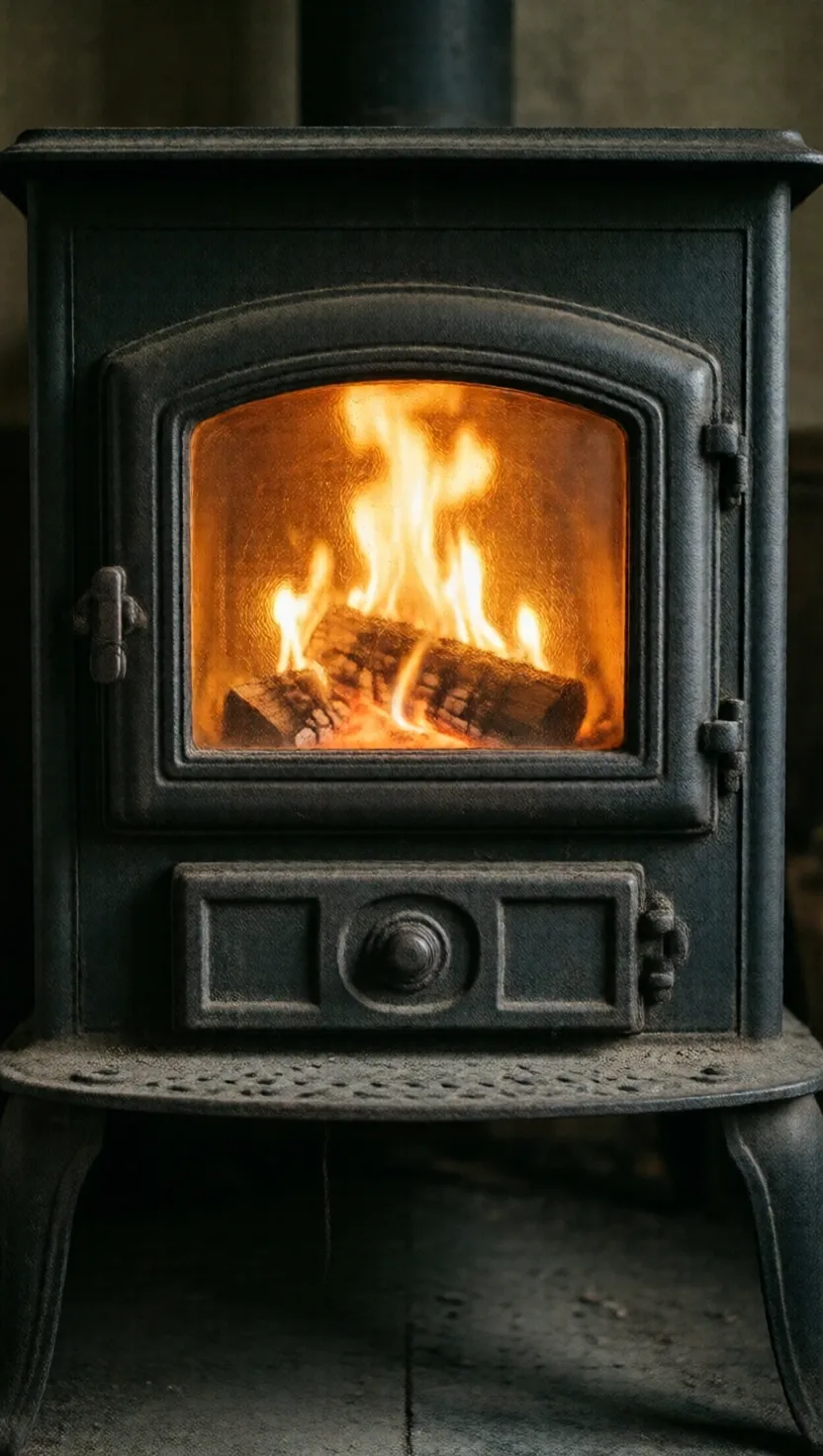
It's the little window in an old stove door

It's the little window in an old stove door

Mica shrugs off heat that shatters ordinary glass, staying clear past 500 to 1000 degrees Celsius and surviving sudden temperature swings without cracking. That made it the classic see-through window in wood and coal stove doors, in lanterns, and in furnace peepholes, where you could watch the flames safely. Old catalogues called these thin amber panes isinglass.
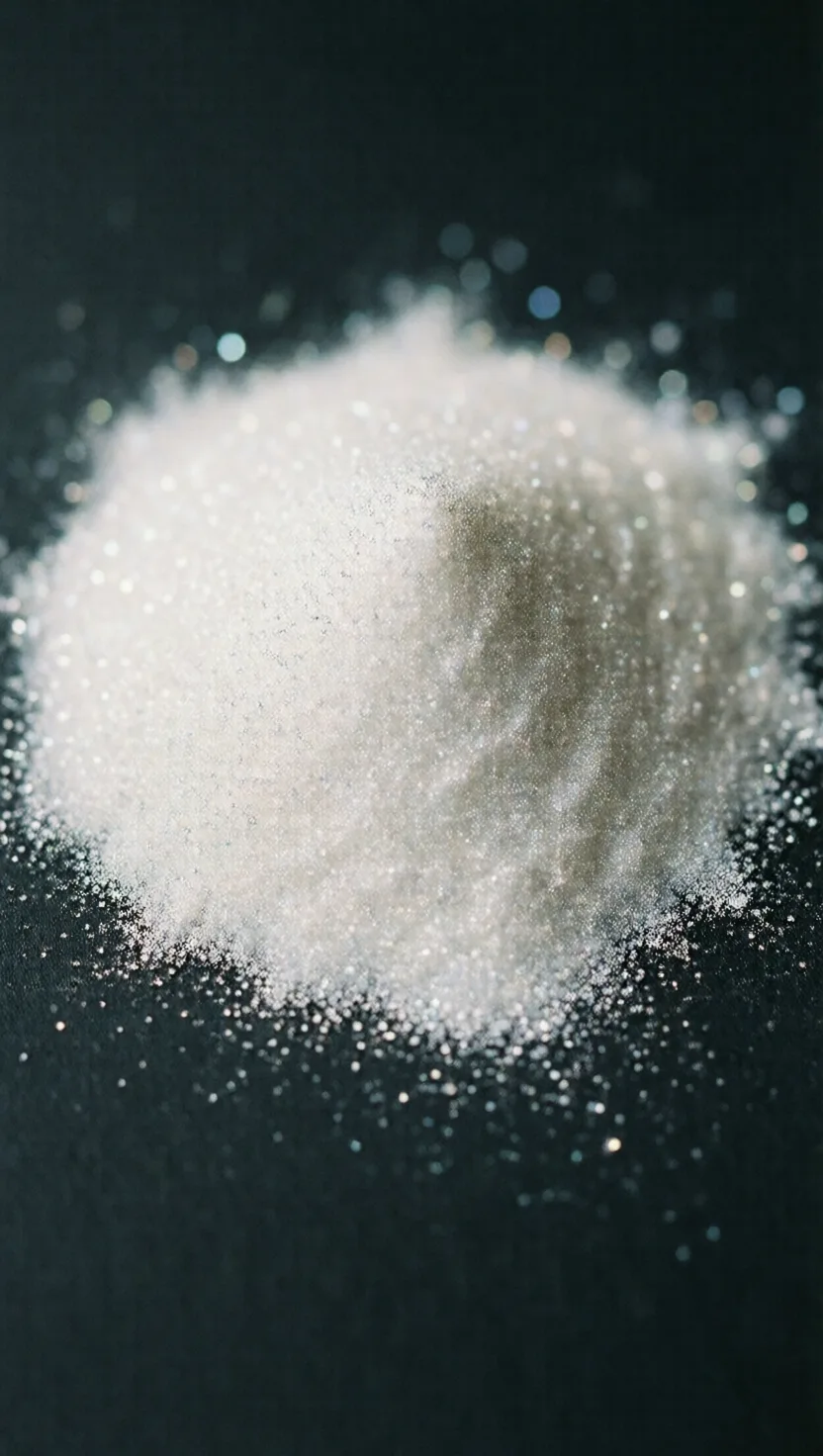
That shimmer in makeup is powdered stone

That shimmer in makeup is powdered stone

The pearly glow in eyeshadow, lipstick, and metallic car paint usually comes from mica ground into tiny flakes. Each flake is a transparent little mirror; coated with a thin film of titanium dioxide, it splits and bounces light so the color seems to shift and shimmer as you move. It isn't a dye at all, just stone shaved thin enough to play tricks with light.
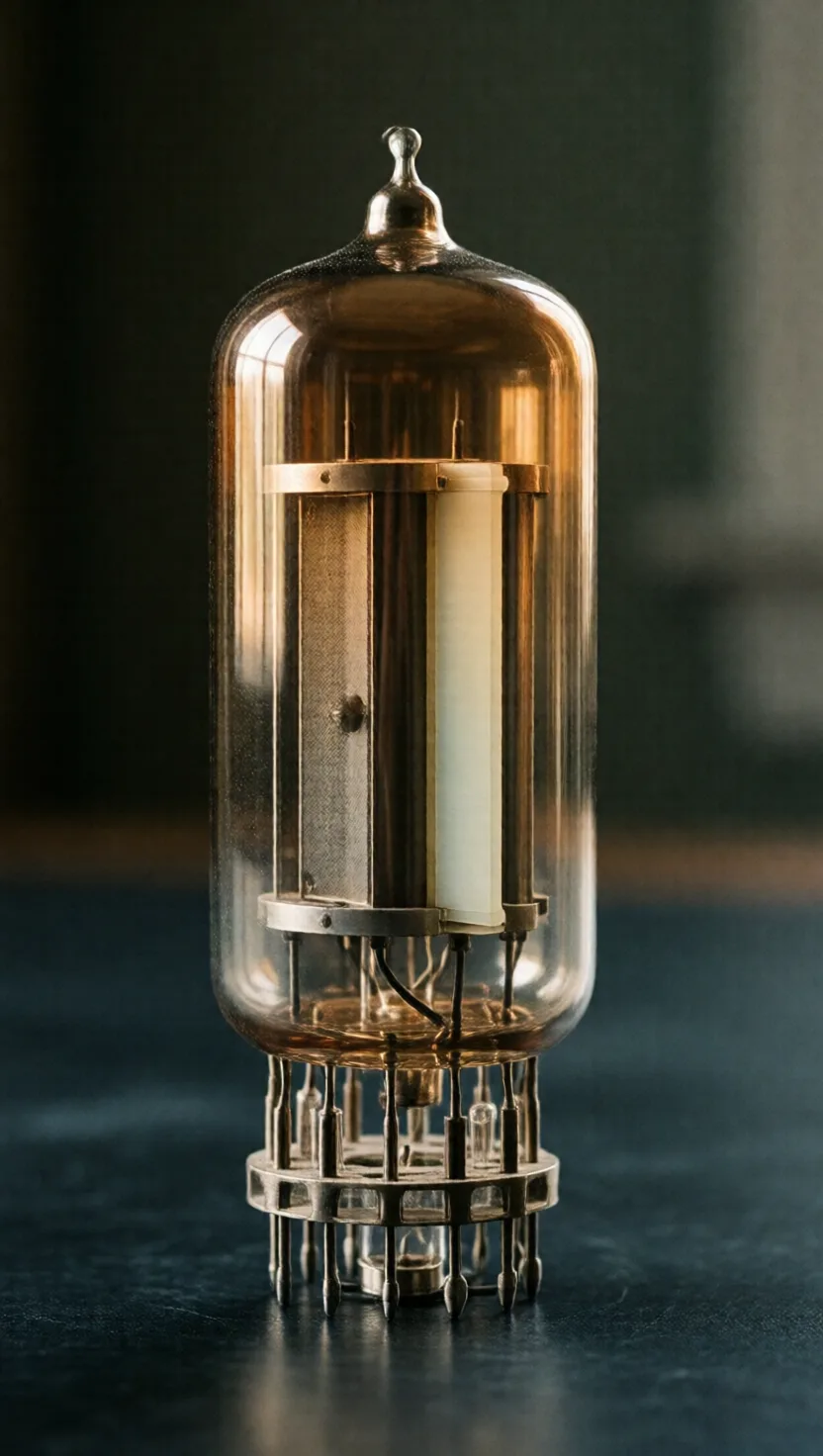
It quietly insulated the first radios

It quietly insulated the first radios

Mica blocks electricity superbly while standing up to high heat, so engineers built it into the small capacitors that tuned early radios and into the insulating spacers inside vacuum tubes. A sheet just a fraction of a millimeter thick can hold off thousands of volts. Through both world wars it was a strategic mineral, vital to nearly every piece of radio and communication equipment.
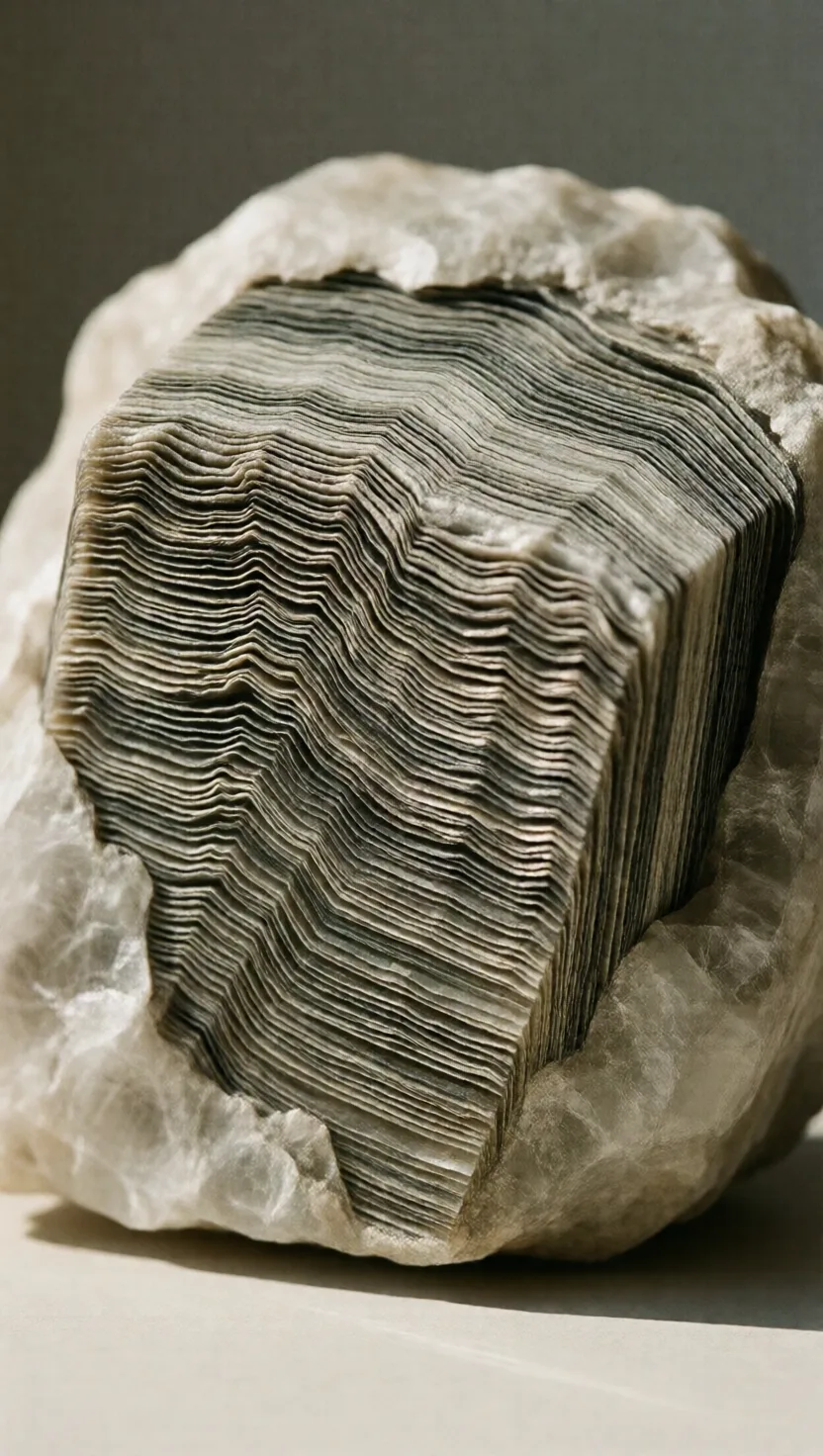
It grows in giant stone 'books'

It grows in giant stone 'books'

Mica crystals grow as stacks of sheets that geologists actually call books, because they look just like the pages of one. In coarse rock called pegmatite they can swell to enormous size. The largest single mica crystal on record, found in Ontario, measured about ten meters long and weighed close to 330 tonnes, a book far too heavy to lift, let alone open.
Heat one mica and it puffs up like popcorn

Heat one mica and it puffs up like popcorn

One mica, called vermiculite, hides water trapped between its layers. Heat it fast and that water flashes to steam, shoving the sheets apart so the flake unfolds like an accordion and balloons to as much as twenty to thirty times its original size. The light golden worm-shaped curls it leaves behind are what gardeners stir into potting soil and builders pack in as insulation.
This lilac mica is mined for battery metal

This lilac mica is mined for battery metal

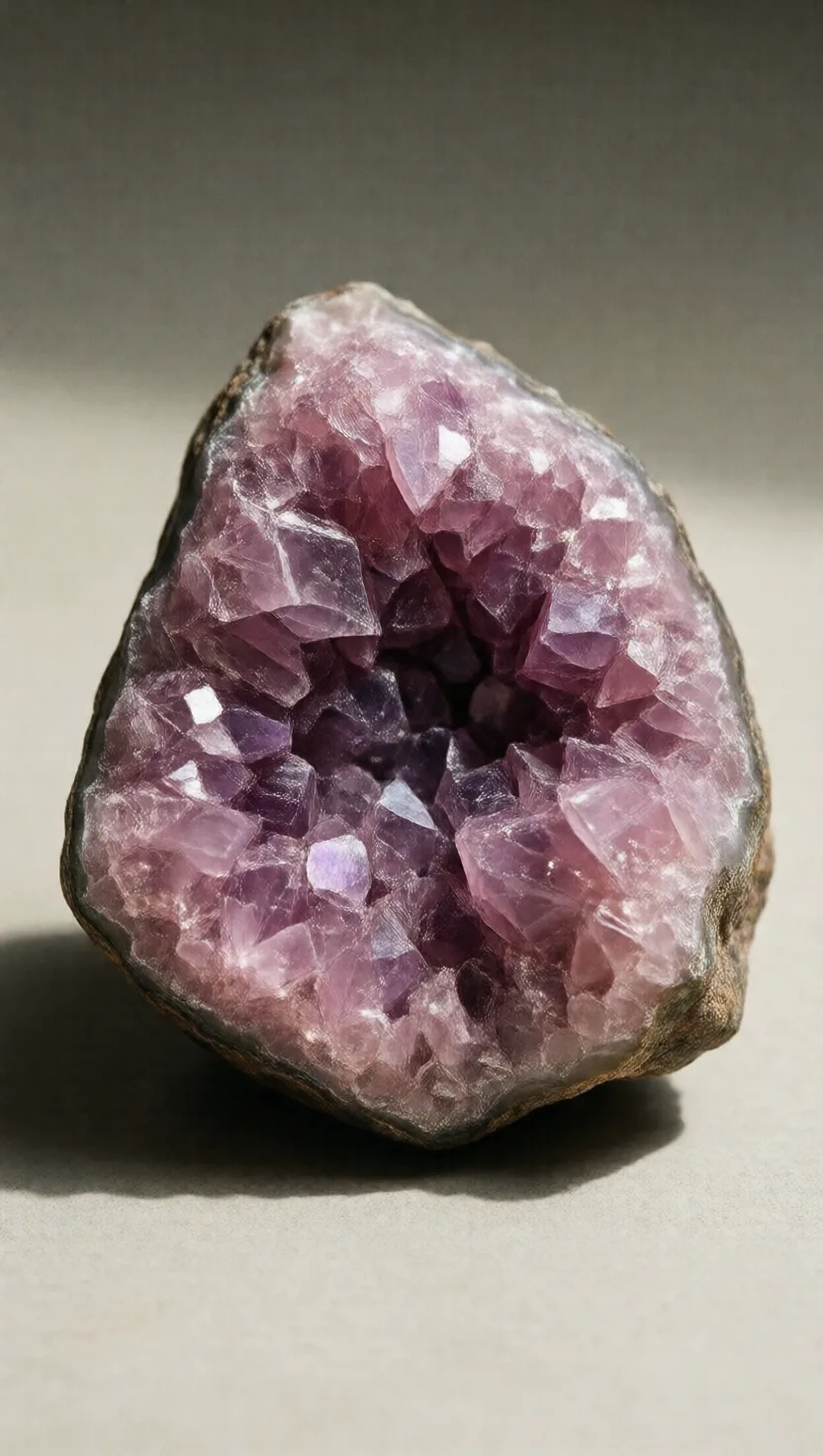
A pinkish-purple mica called lepidolite is one of the main minerals we mine for lithium, the metal at the heart of rechargeable batteries, and it yields the rare metals rubidium and cesium as a bonus. Its pretty lilac color, though, has nothing to do with lithium; that shade comes from faint traces of manganese woven into the crystal.
tap →swipe ↑ for depthswipe ↓ to exit