Eight things about the metal nobody wanted.

DC·147 Deep Cuts
Spain threw this metal away as worthless

Spain threw this metal away as worthless

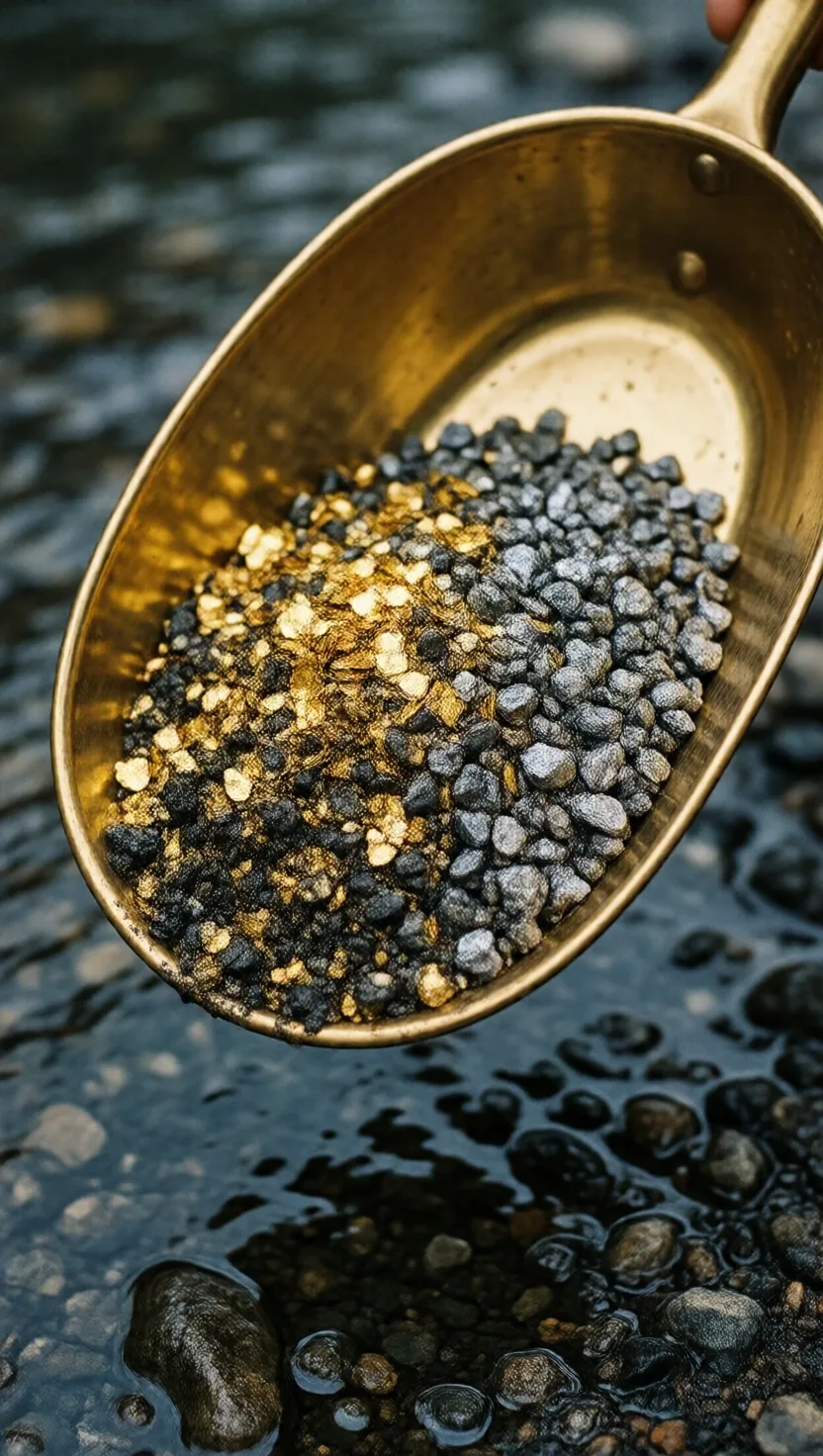
Spanish prospectors panning the rivers of Colombia kept hitting heavy pale grains mixed in with their gold. They called it platina, "little silver," and treated it as a worthless nuisance, even tossing it back into the water. It melts only near 1,768 degrees Celsius, far beyond any fire they had, so they could not work it. The metal they discarded now sells for more than the gold they were chasing.
Smiths worked it 2,000 years before it could be melted

Smiths worked it 2,000 years before it could be melted

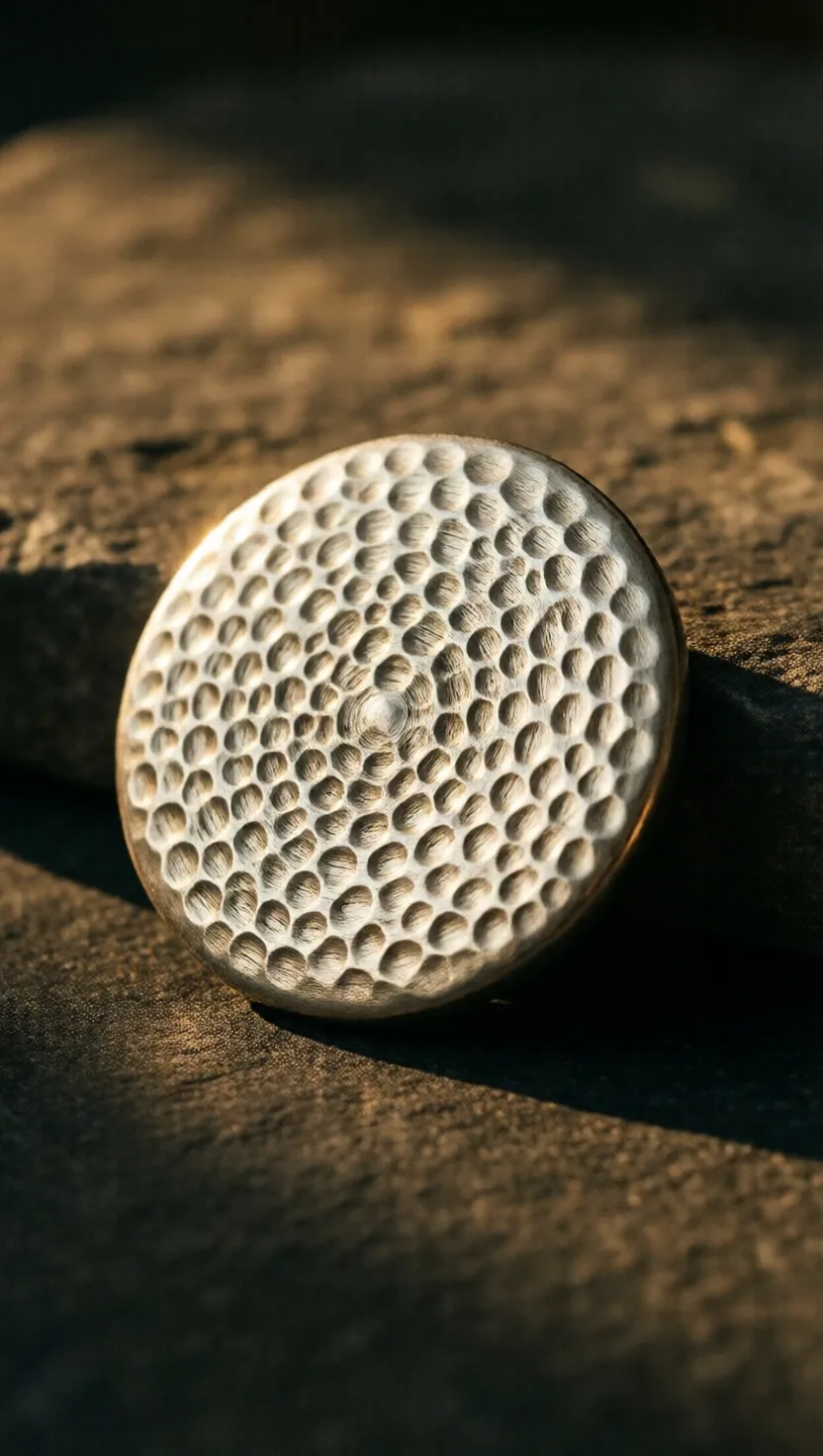
On the Pacific coast of what is now Ecuador, the La Tolita people were making platinum ornaments around two thousand years ago, near 100 BC. They could not reach platinum's melting point either, so they mixed grains of river platinum with gold dust and heated it until the gold fused the grains into a solid lump, then hammered and reheated it into hard, workable alloys. Europe did not match the trick until the 1700s.
The kilogram itself was a lump of this metal

The kilogram itself was a lump of this metal

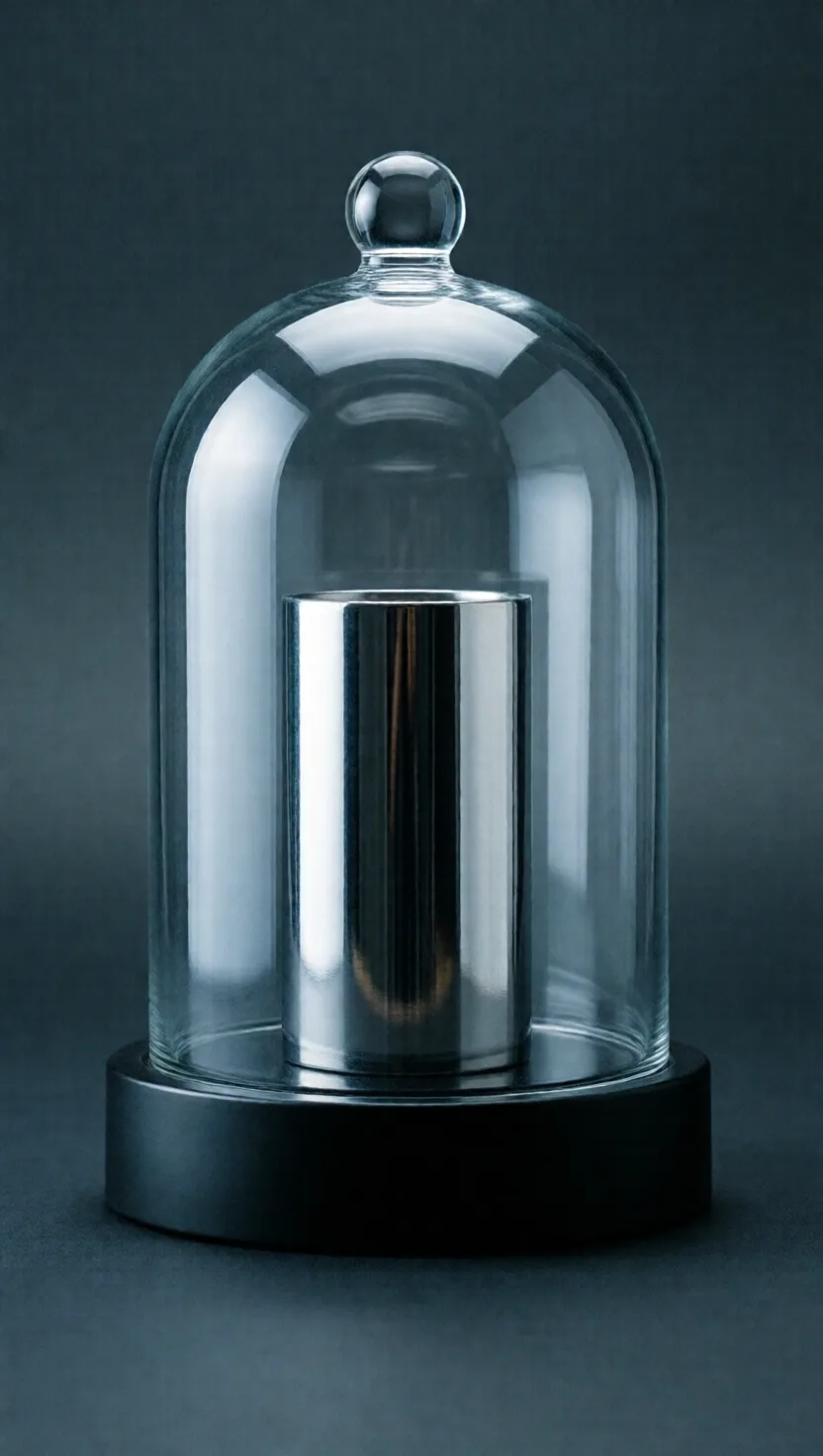
For 130 years the kilogram was defined by a single object: a polished cylinder of 90 percent platinum and 10 percent iridium, made in 1879 and kept under nested glass bell jars in a vault near Paris. Platinum was chosen because it barely reacts, never tarnishes, and is extremely dense and stable. Only in 2019 was the kilogram finally redefined using a constant of nature instead of a chunk of metal.
Most of the world's platinum comes from one ancient sheet

Most of the world's platinum comes from one ancient sheet

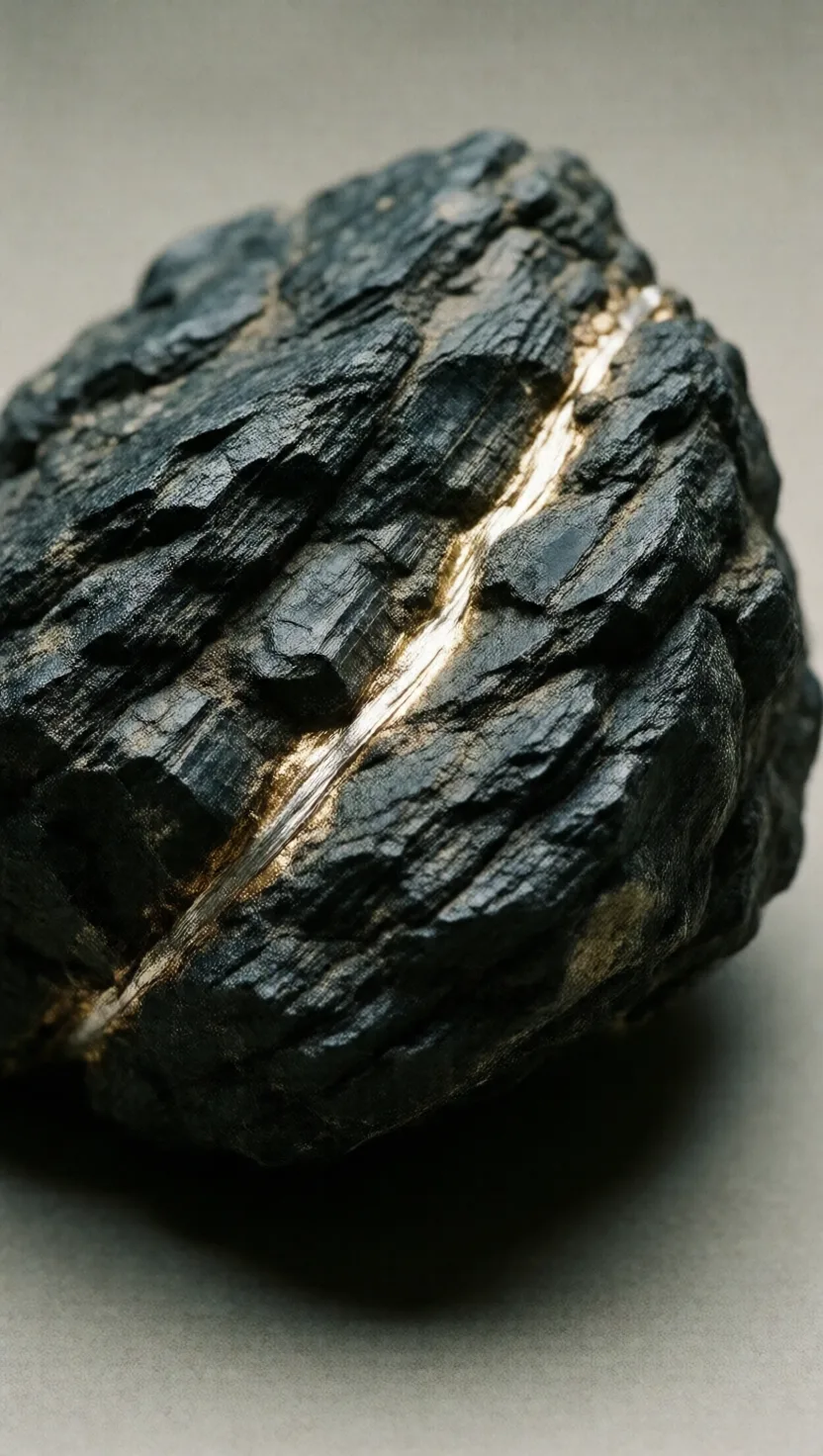
Nearly all the platinum ever mined comes from a single geological formation, the Bushveld Complex in South Africa, a vast bowl of igneous rock that crystallized about two billion years ago. Around 70 percent of the platinum produced each year is dug from this one region, with most of the rest from Russia. It is one of the most concentrated mineral riches anywhere on Earth.
A pinch of this metal lights fire from thin air

A pinch of this metal lights fire from thin air

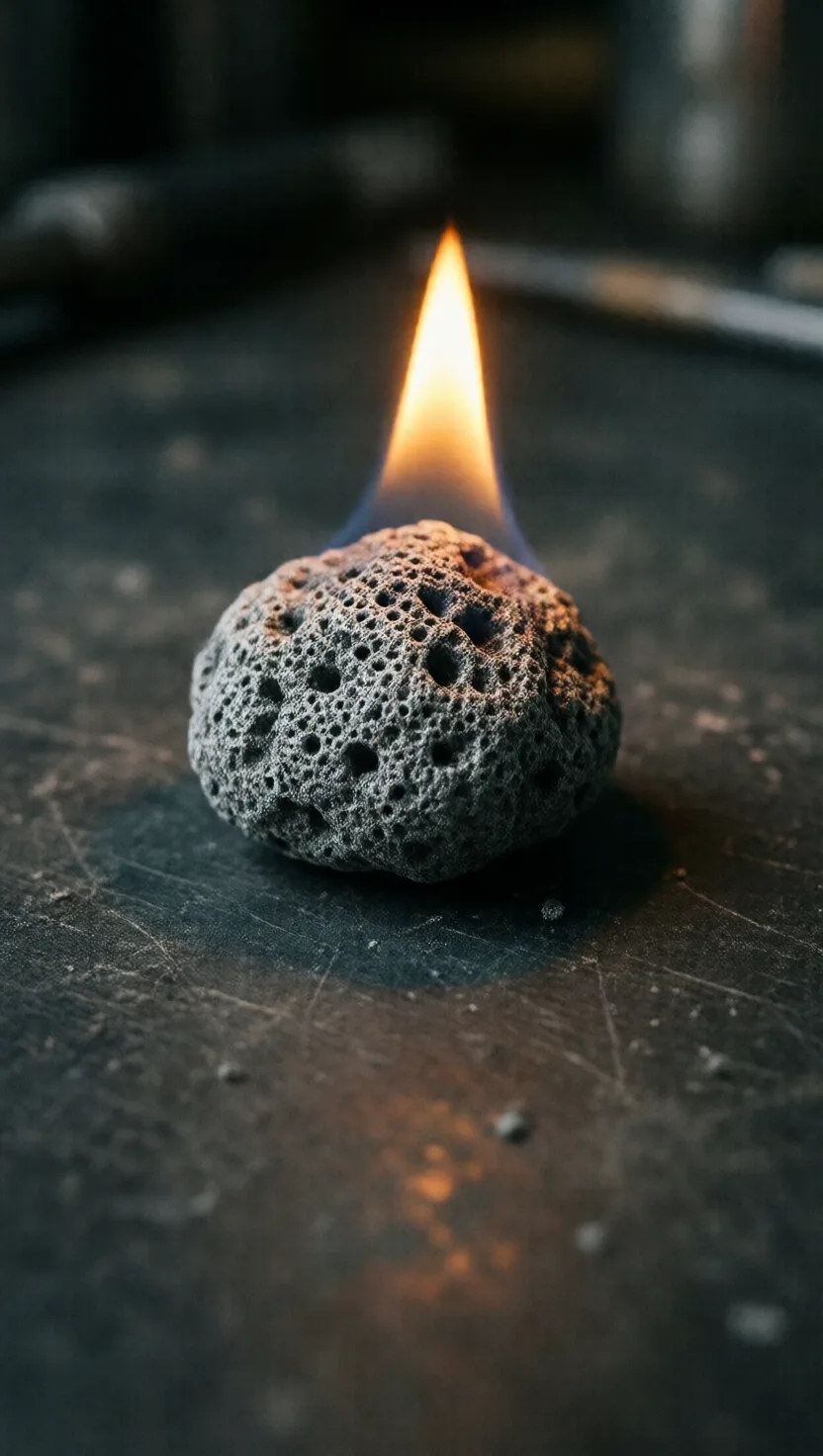
Spongy platinum has a strange power: aim a jet of hydrogen gas at it and the gas bursts into flame at room temperature, with no spark at all. The platinum grips hydrogen and oxygen on its surface and lets them react, growing hot enough to ignite the stream. In 1823 a chemist turned this into a tabletop lighter, and more than twenty thousand sold across Germany and Britain, the first gadget ever to run on a catalyst.
For centuries no furnace on Earth could melt it

For centuries no furnace on Earth could melt it

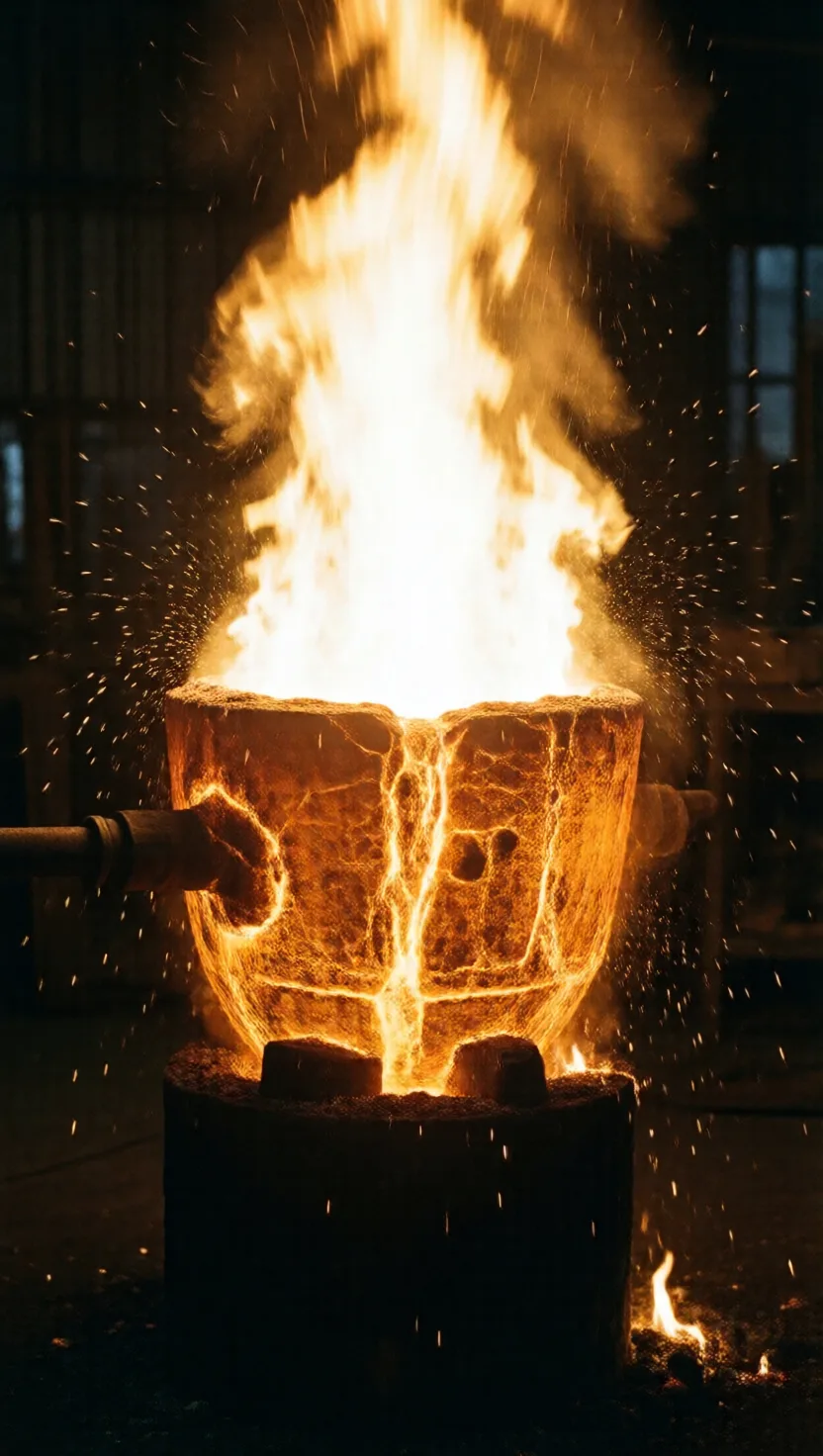
Platinum melts at about 1,768 degrees Celsius, hotter than ordinary fires and early furnaces could reach, so for a long time it could only be hammered together from grains, never poured. The breakthrough came in the 1850s, when two French chemists built a furnace from blocks of lime and burned a jet of oxygen with coal gas, finally melting platinum by the kilogram. That method stayed standard for the next fifty years.
A stray bit of it became a cancer drug by accident

A stray bit of it became a cancer drug by accident

In 1965 a researcher ran an electric current through a broth of bacteria using platinum wires, meaning only to study the field. Instead the bacteria stopped dividing and stretched into long threads. The real cause turned out to be a platinum compound shed from the electrodes. That accident led to one of the most important chemotherapy drugs ever made, still used against several cancers today.
Earth's platinum may have rained in from space

Earth's platinum may have rained in from space

When the young Earth was molten, almost all its platinum should have sunk with the iron into the core, leaving the surface nearly bare. Yet the rocks we mine hold far more than that, roughly a thousand times more than the deep Earth alone would predict. The leading explanation is that most of the platinum near the surface arrived later, in a long bombardment of meteorites that struck after the core had already formed.
tap →swipe ↑ for depthswipe ↓ to exit