Eight things the smallest plants quietly pull off.

DC·146 Deep Cuts
Moss has no roots and no veins

Moss has no roots and no veins

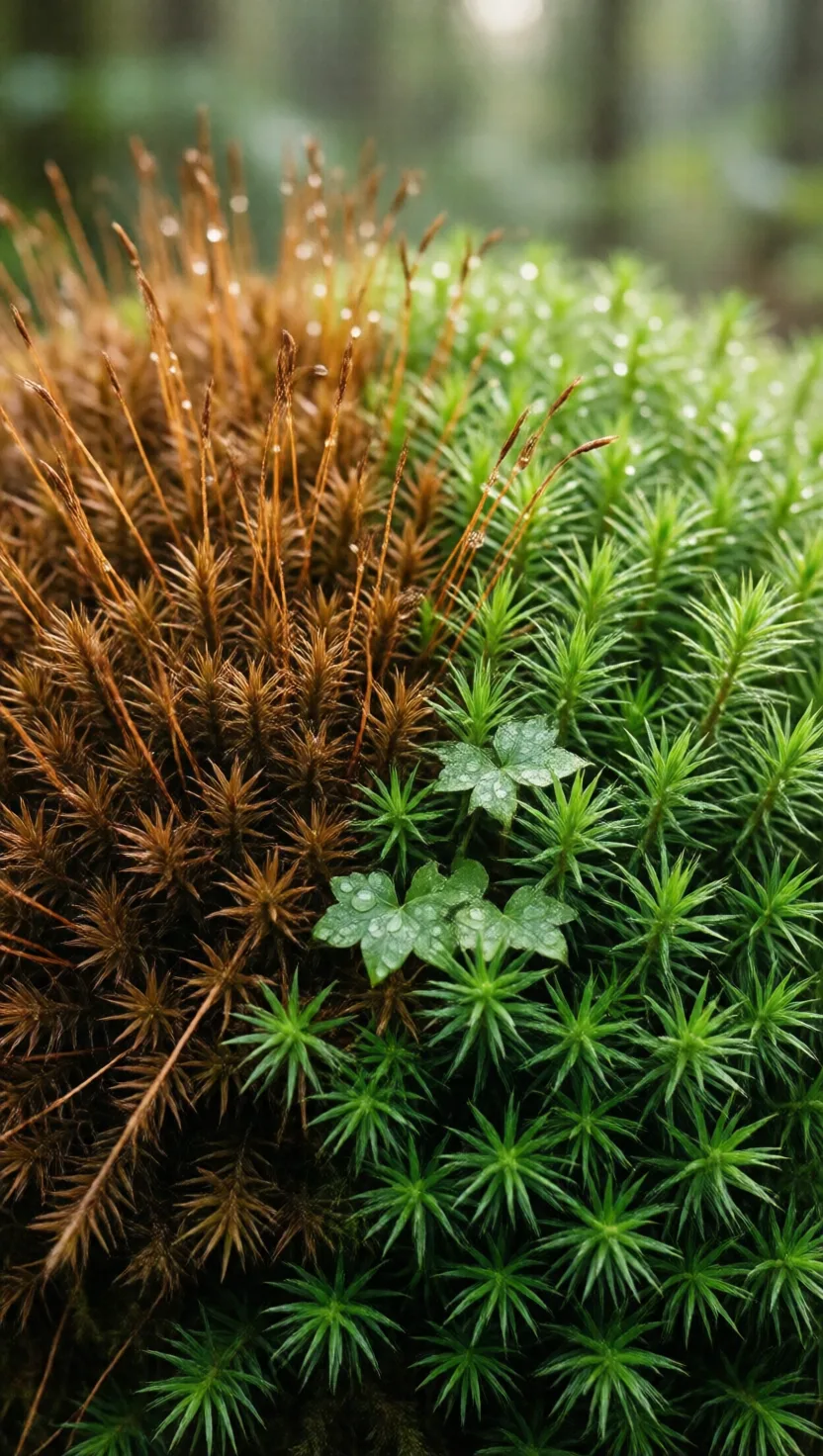
Moss is one of the oldest land plants, and it never evolved the plumbing the rest did. It has no true roots and no internal veins to pump water up a stem. Instead each tiny leaf, often just one cell thick, drinks water and nutrients straight from rain and mist across its whole surface. The fine anchoring threads it grows, called rhizoids, only grip the ground; they do not drink.
This moss bandaged soldiers in the trenches

This moss bandaged soldiers in the trenches

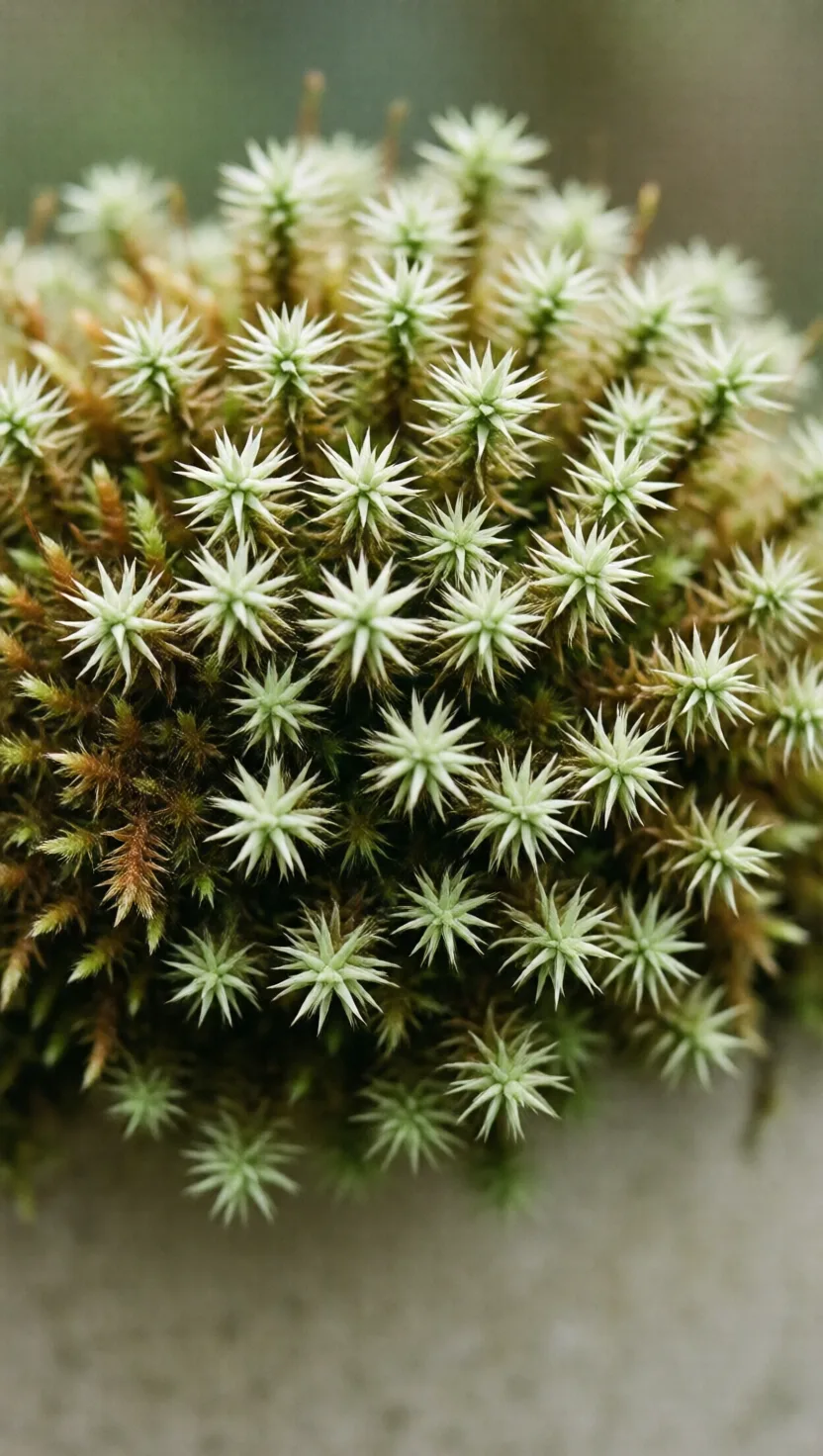
Sphagnum, the moss that builds peat bogs, is mostly empty cells that act like sponges; dried out, it can soak up around twenty times its own weight in liquid, far more than cotton. It is also mildly acidic and antiseptic, slowing bacteria. So in the First World War, when cotton ran short, hospitals dressed wounds with millions of sphagnum-moss pads gathered straight from the bogs.
Bogs hold twice the carbon of all forests

Bogs hold twice the carbon of all forests

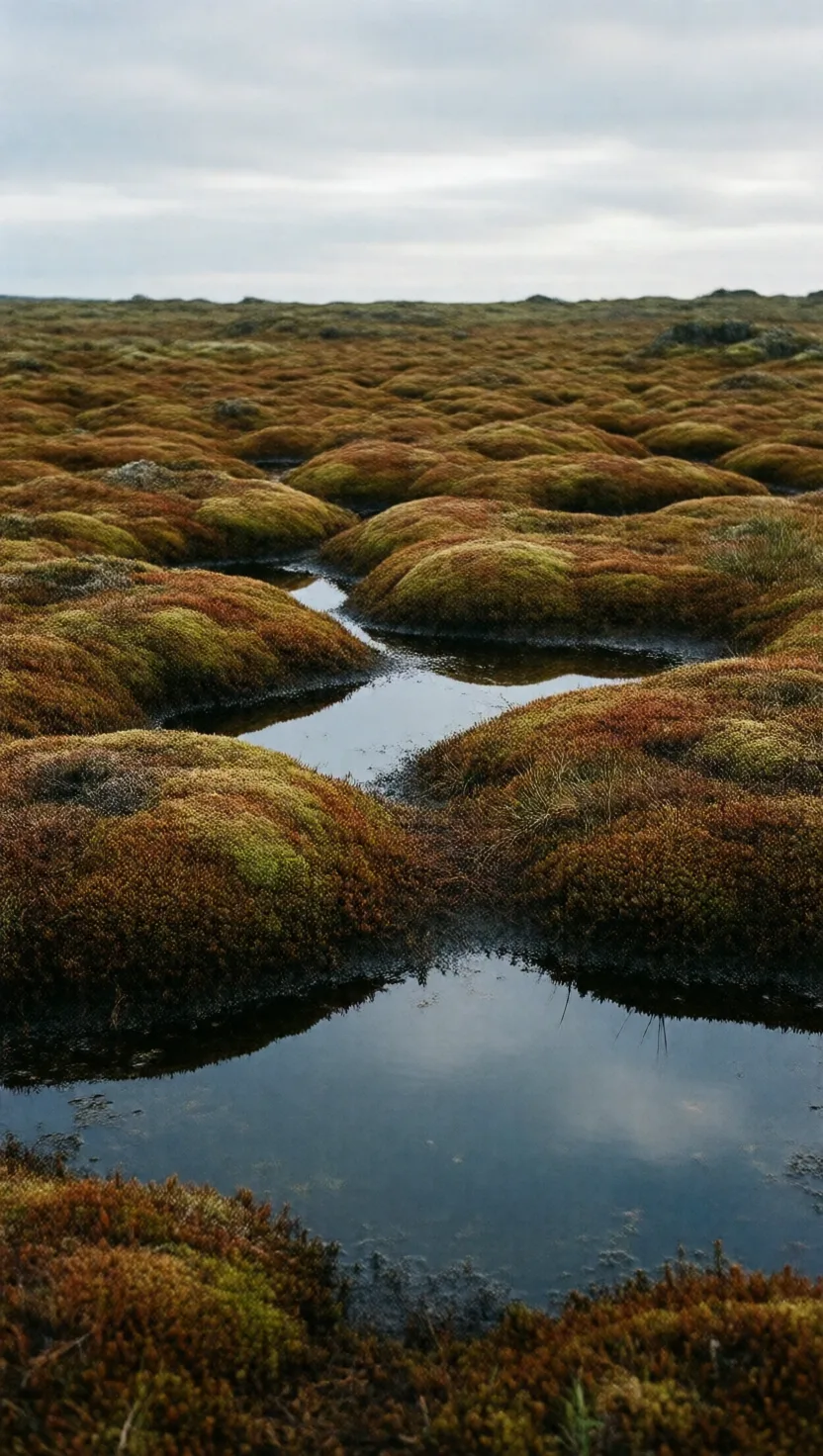
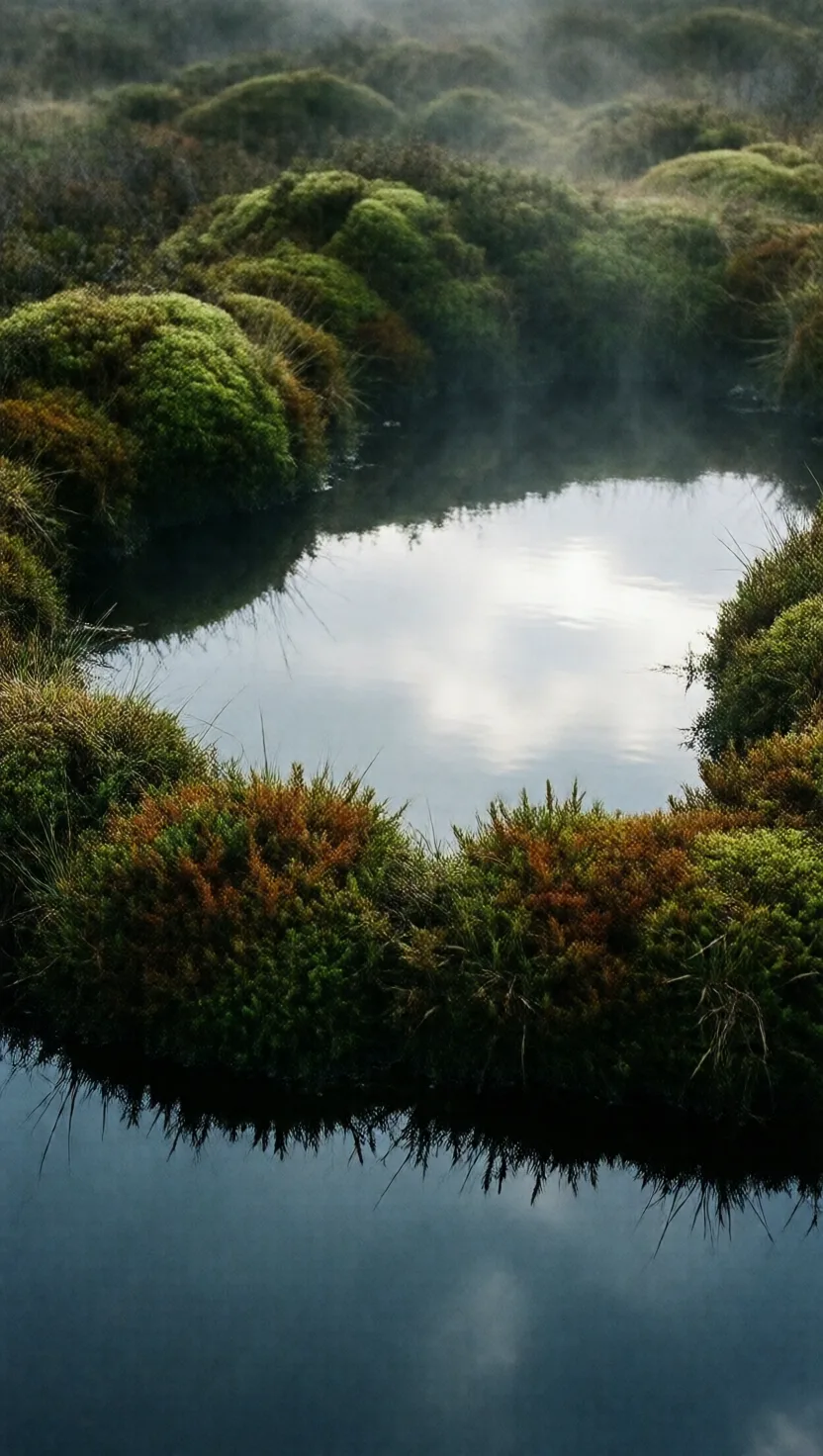
Peat is simply moss that died and never fully rotted, piling up in waterlogged bogs over thousands of years. Although peatlands cover only about 3 percent of the world's land, the carbon locked in that ancient, half-decayed moss adds up to roughly twice the amount stored in every forest on Earth combined, around 550 billion tonnes, making bogs the planet's biggest carbon store on land.
Bog moss can preserve a face for 2,000 years

Bog moss can preserve a face for 2,000 years

When a body sinks into a sphagnum bog, the dead moss releases an acidic compound that tans skin into dark leather, while the acid and lack of oxygen halt decay. That is how the Tollund Man, found in Denmark in 1950, survived about 2,400 years so intact that the peat-cutters who unearthed him thought they had stumbled on a recent murder, his stubble and eyelashes still in place.
Dried for 20 years, it wakes in minutes

Dried for 20 years, it wakes in minutes

Many mosses simply switch off when they dry out instead of dying. They can sit crisp and brown for years, then, within minutes of the first rain, unfurl and turn green again as photosynthesis restarts. One herbarium specimen of the moss Syntrichia, kept dry in a museum drawer for more than twenty years, sprang back to life the moment it was finally moistened.
This moss fires spores in tiny mushroom clouds

This moss fires spores in tiny mushroom clouds

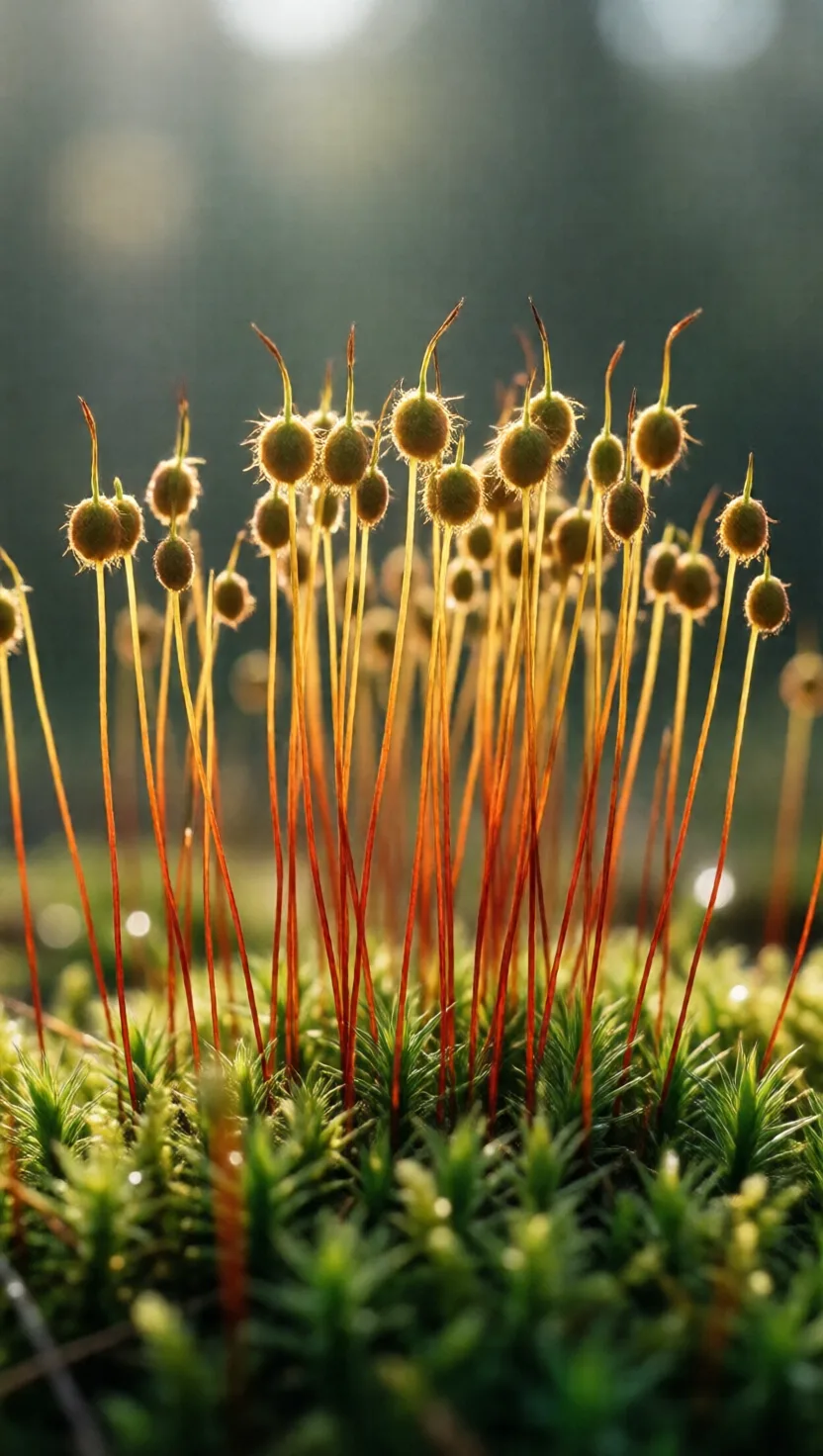
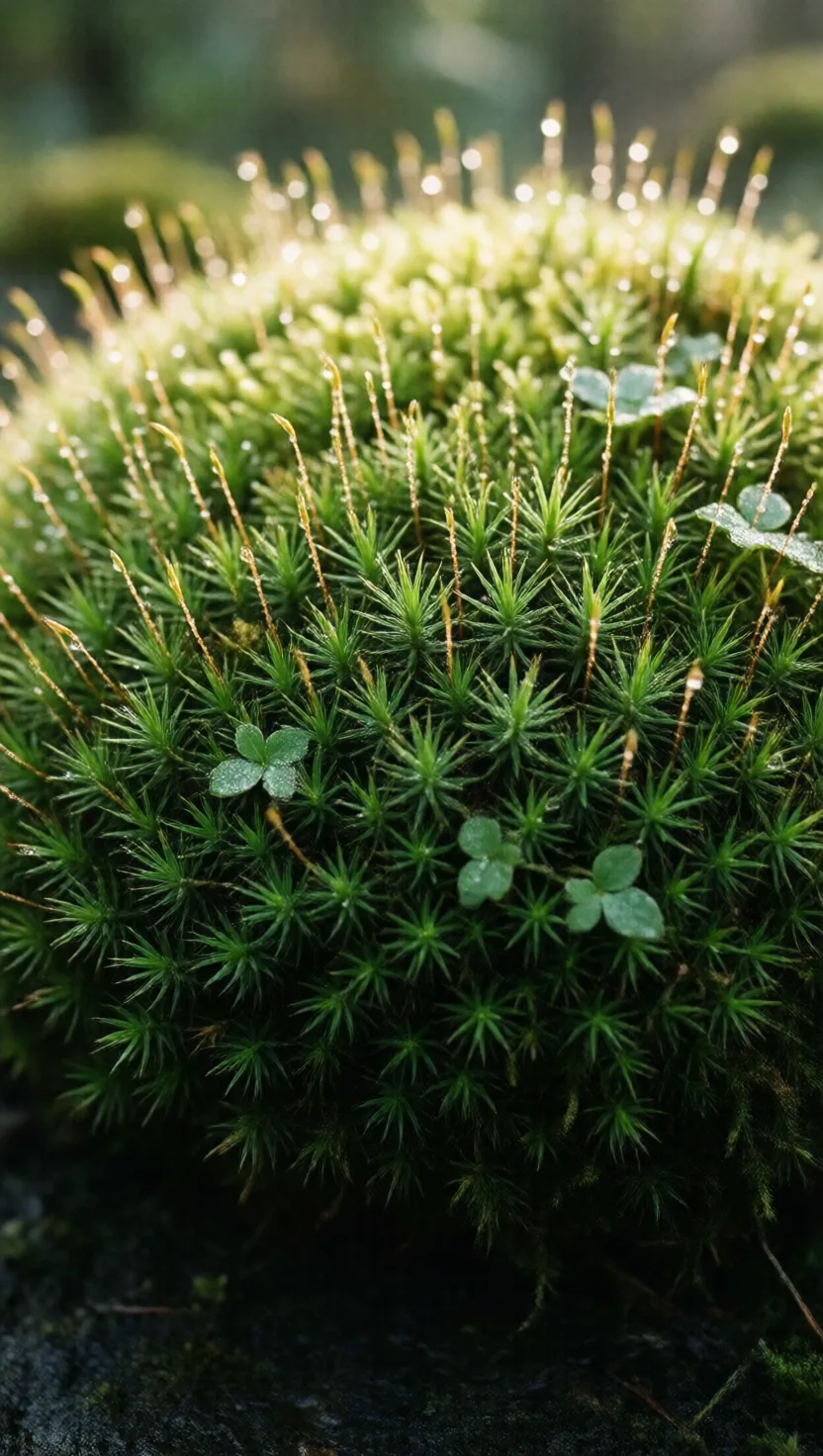
Sphagnum launches its spores with an air gun. Each round capsule dries and shrinks until the pressure inside blows the lid off with a pop, firing spores upward at around 100 kilometres per hour. High-speed film, shot at up to 100,000 frames a second, revealed the blast spins a tiny vortex ring, a smoke-ring of air, that carries the spores high enough to catch the wind and travel.
A moss that seems to glow gold in the dark

A moss that seems to glow gold in the dark

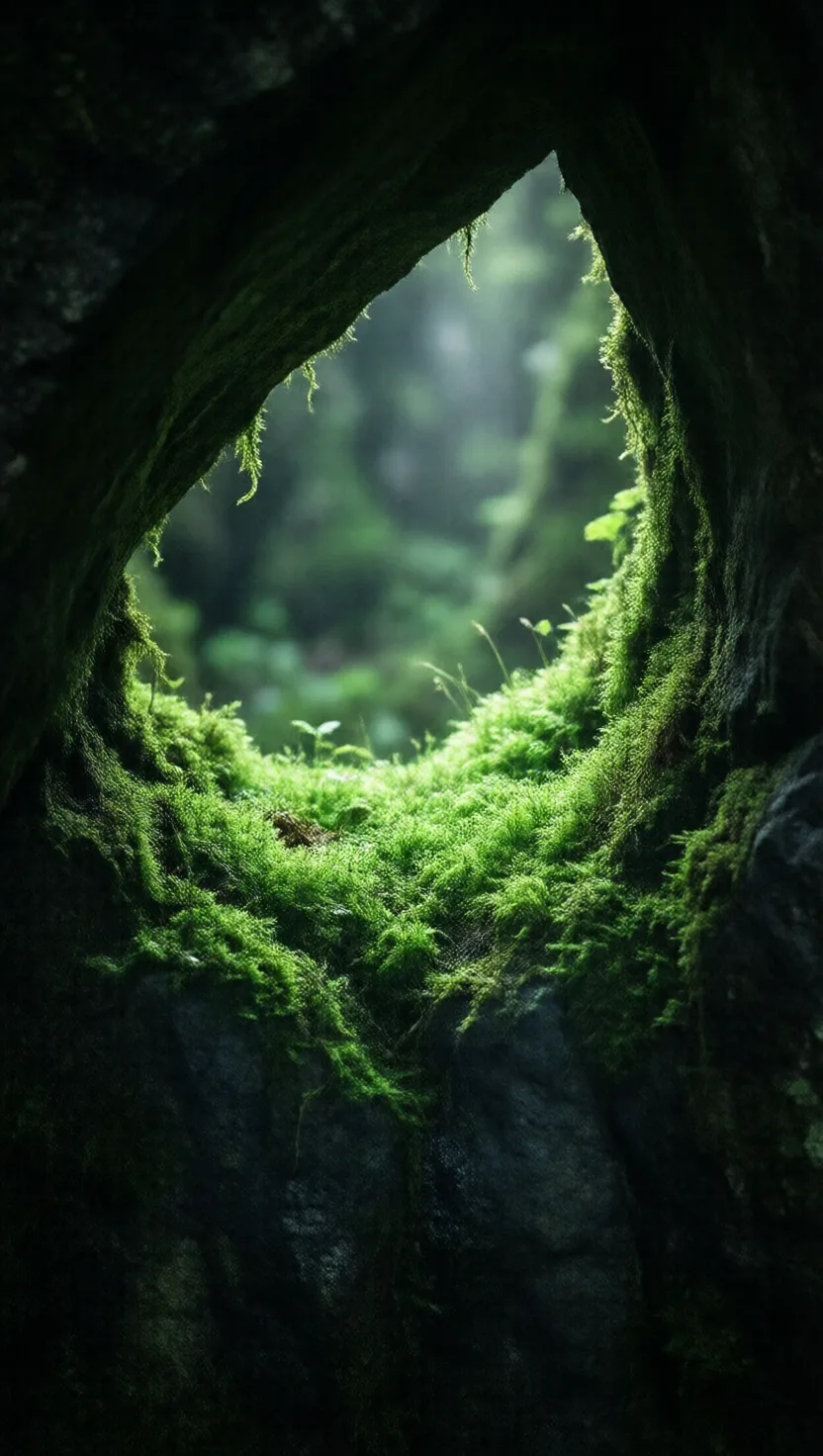
Goblin gold, or luminous moss, grows in caves, hollows and dim crevices where almost nothing else survives. Its surface cells are shaped like tiny lenses that gather faint light and focus it onto chloroplasts deep inside; the green light they do not absorb bounces straight back out. So the moss seems to shine with an eerie emerald shimmer in the gloom, though it is only reflecting the little light there is.
Spanish moss is not a moss at all

Spanish moss is not a moss at all

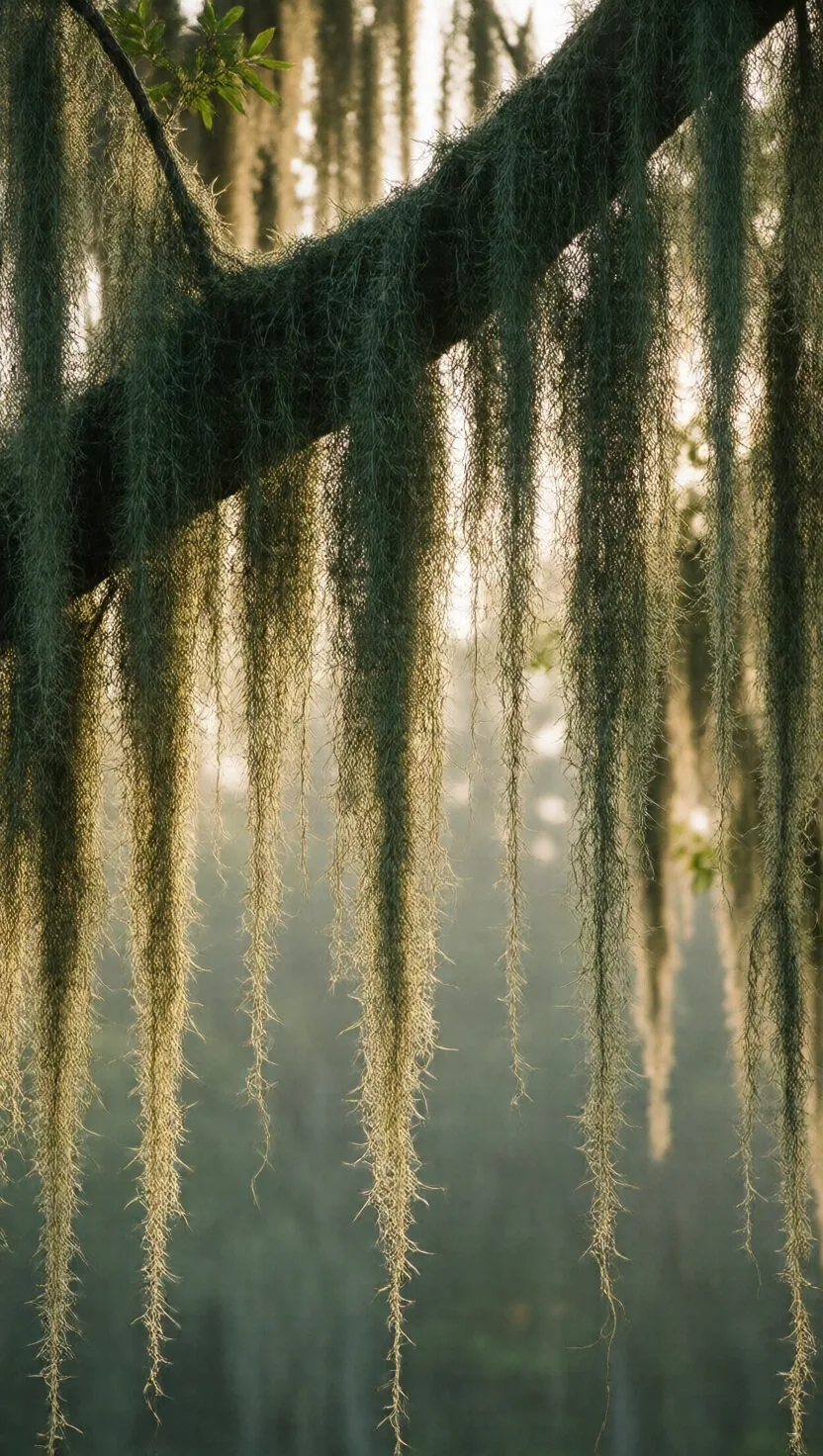
The grey beards draping southern oak trees look mossy, but Spanish moss is actually a flowering plant in the pineapple family, a cousin of the fruit. It is an air plant: it grows no roots into the tree and takes nothing from it, instead pulling water and dust straight from the humid air through tiny scales on its threads. It simply drapes over the branches for somewhere to sit.
tap →swipe ↑ for depthswipe ↓ to exit