Eight things that make a bat stranger than any other mammal.

DC·144 Deep Cuts
Vampire bats feed their starving friends

Vampire bats feed their starving friends

A vampire bat that fails to find a meal will starve within about two days. So well-fed roost-mates regurgitate part of their own blood meal to feed the hungry one, and they remember the kindness: a bat gives most readily to those who have shared with it before. A landmark 1984 study of wild vampire bats showed this reciprocal blood-sharing was one of the first clear cases of give-and-take cooperation found in any animal.
A clot-busting drug hides in bat spit

A clot-busting drug hides in bat spit

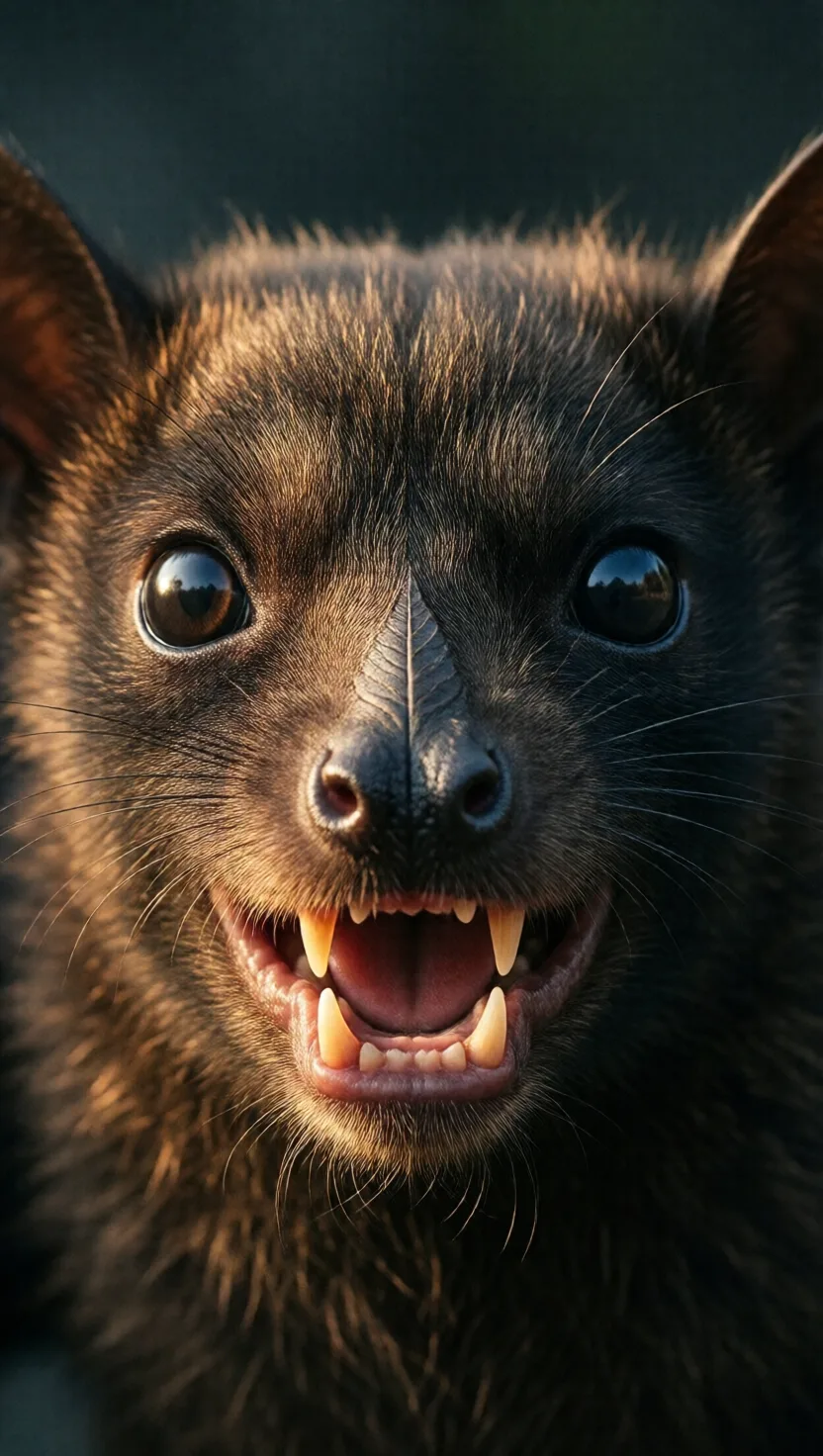
To keep a wound flowing while it laps, a vampire bat's saliva carries a powerful anticoagulant nicknamed draculin. Its active enzyme, desmoteplase, dissolves the protein mesh that makes blood clot, yet unlike older clot-busters it spares healthy tissue. That same molecule has been trialled in people as a stroke treatment, aiming to clear the clot starving the brain of blood hours after a stroke begins.
This 7-gram bat can live past forty

This 7-gram bat can live past forty

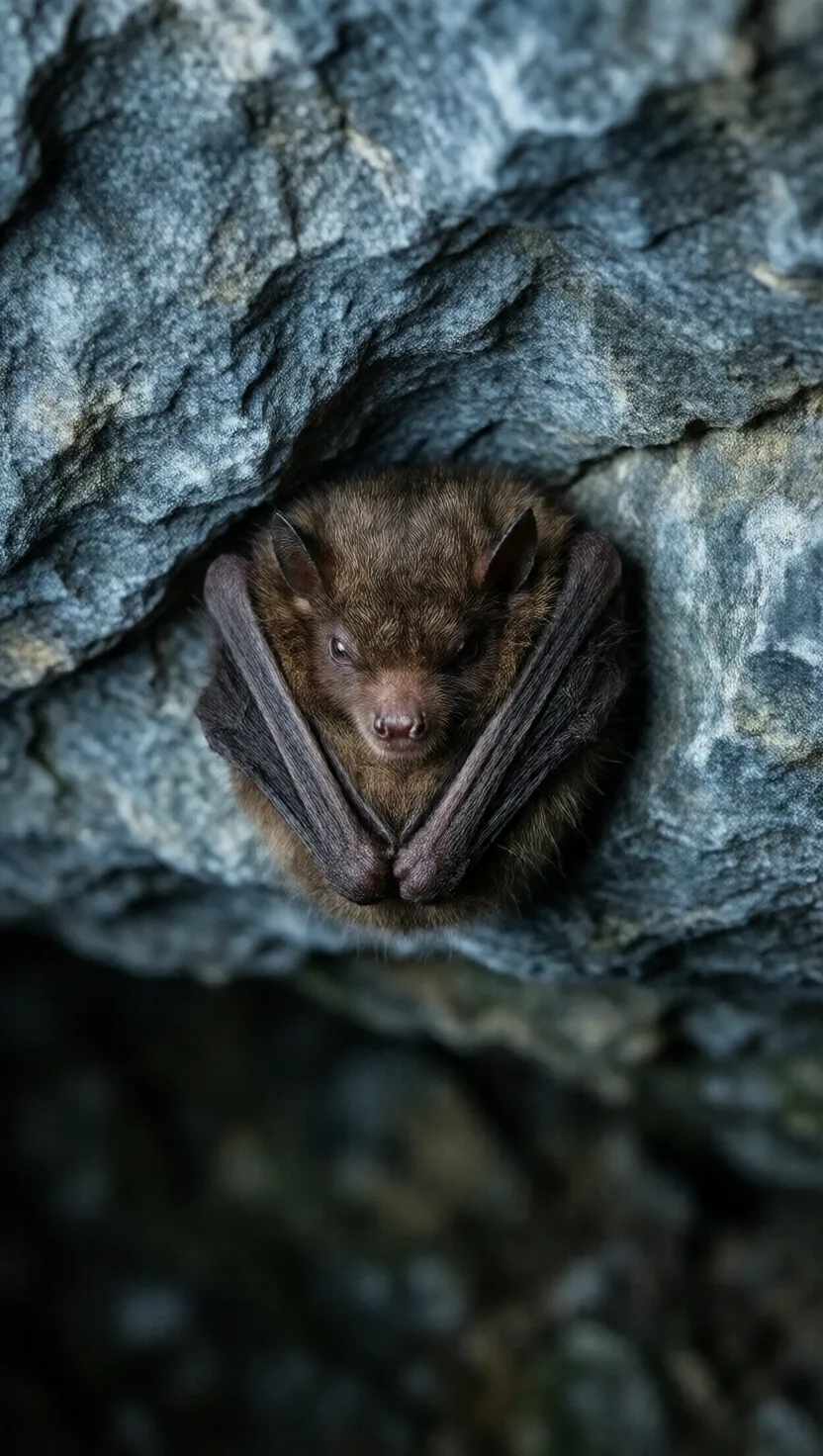
Small mammals usually burn fast and die young; a mouse rarely sees its third birthday. Yet one tiny Myotis bat, weighing just 5 to 7 grams, holds the record for the longest life relative to body size of any mammal. A single banded individual was recaptured at least 41 years later. Gram for gram it lives roughly ten times longer than its size predicts, which is why researchers comb its genes for clues to longevity.
The fastest flier alive is a bat, not a bird

The fastest flier alive is a bat, not a bird

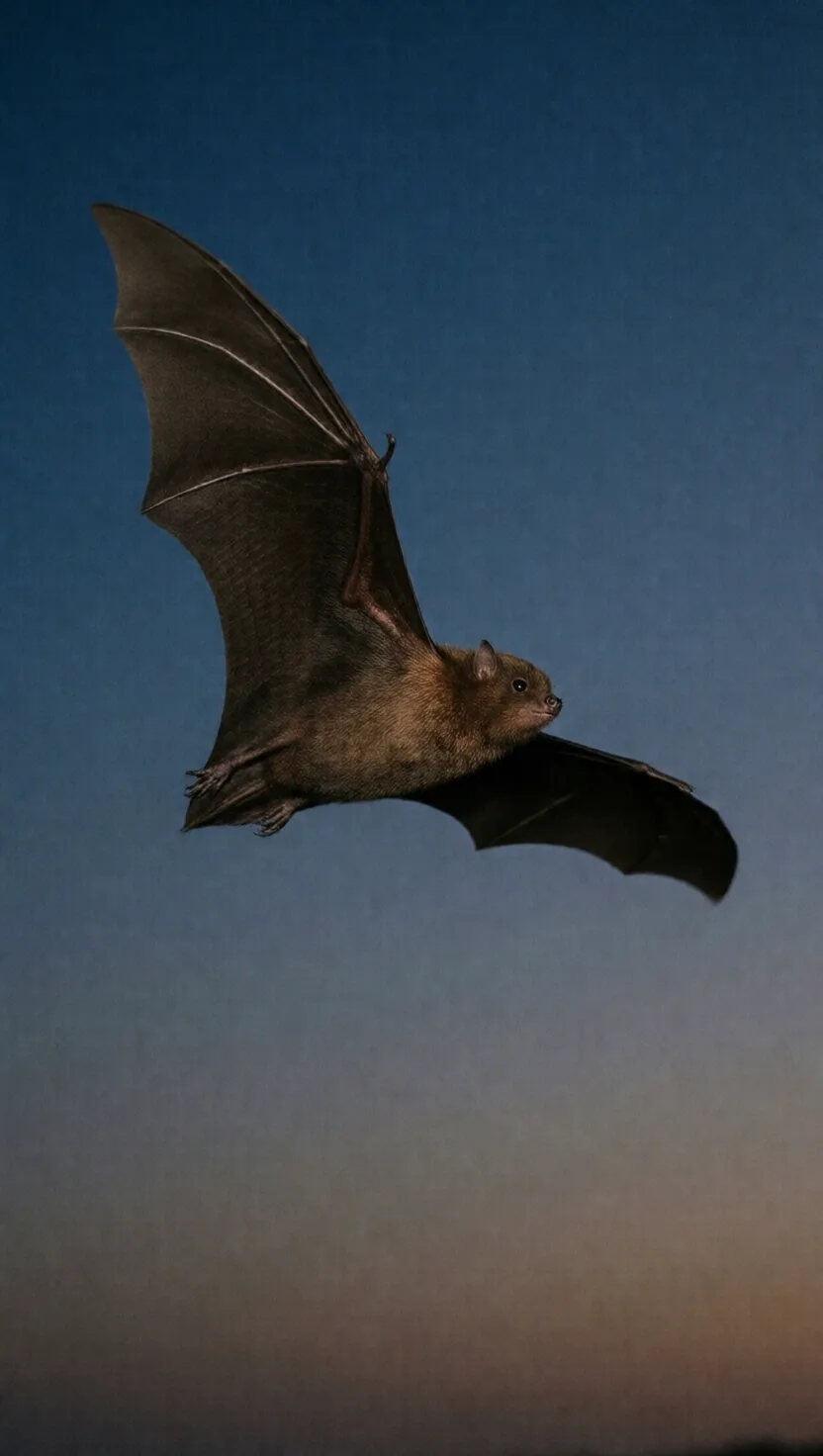
Tracked from a light aircraft over Texas, Brazilian free-tailed bats were clocked reaching ground speeds of about 160 kilometres per hour in level flight, faster than any bird ever measured flying flat-out horizontally. Long, narrow, swept-back wings and a streamlined body let them tear across the night sky. Only diving falcons go faster, and they cheat by falling. The results were published in 2016.
Tiny white bats build their own leaf tents

Tiny white bats build their own leaf tents

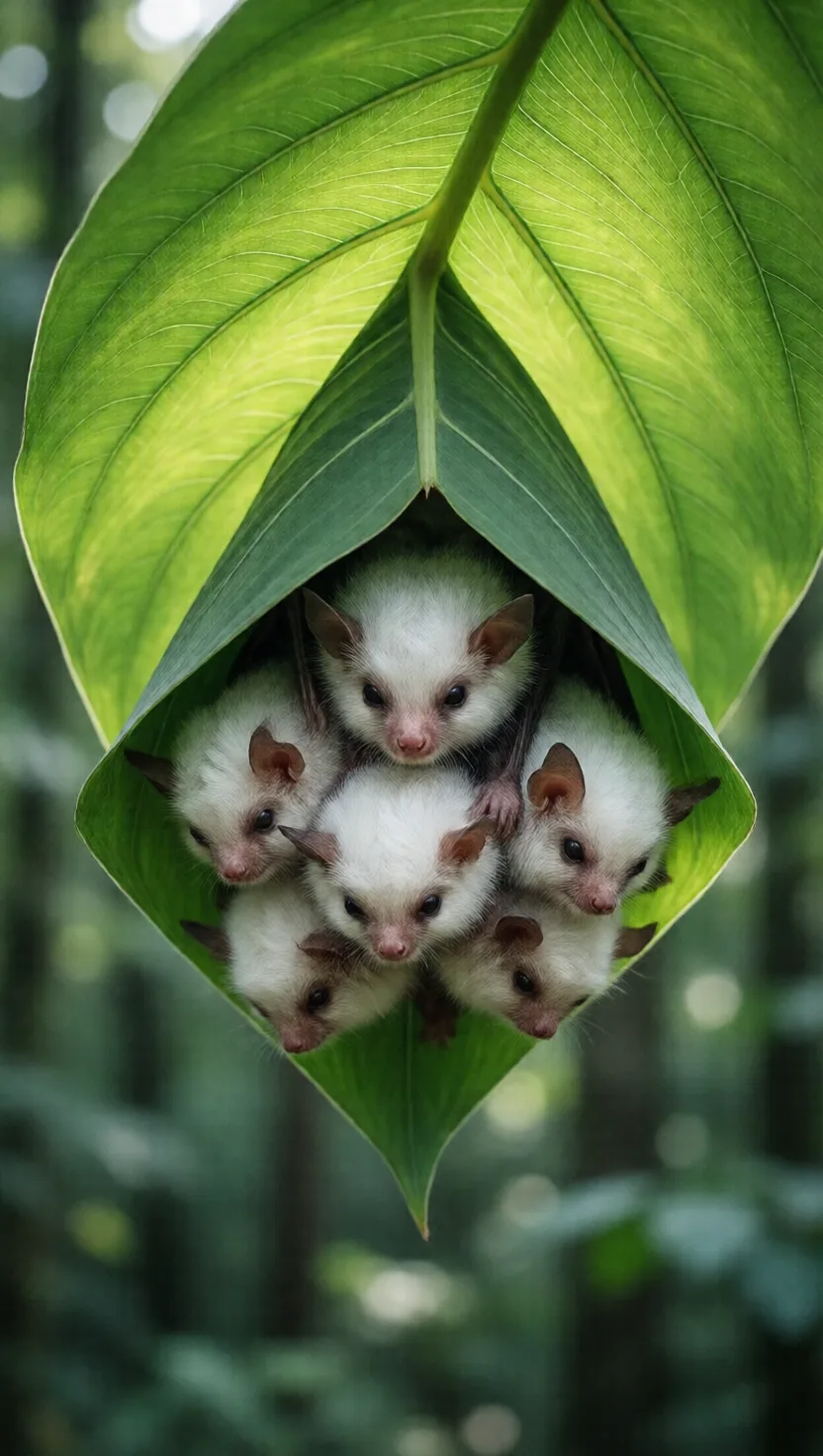
The Honduran white bat is a fluffy, snow-white creature barely the size of a thumb. A small group nibbles through the side veins of a big broad leaf until it folds down into a tent, and they roost together beneath it. Sunlight filtering through the green leaf casts a greenish glow over their white fur, hiding them from predators. A single leaf-tent shelters them for weeks before it withers and dies.
A bat grips while asleep, using no muscle

A bat grips while asleep, using no muscle

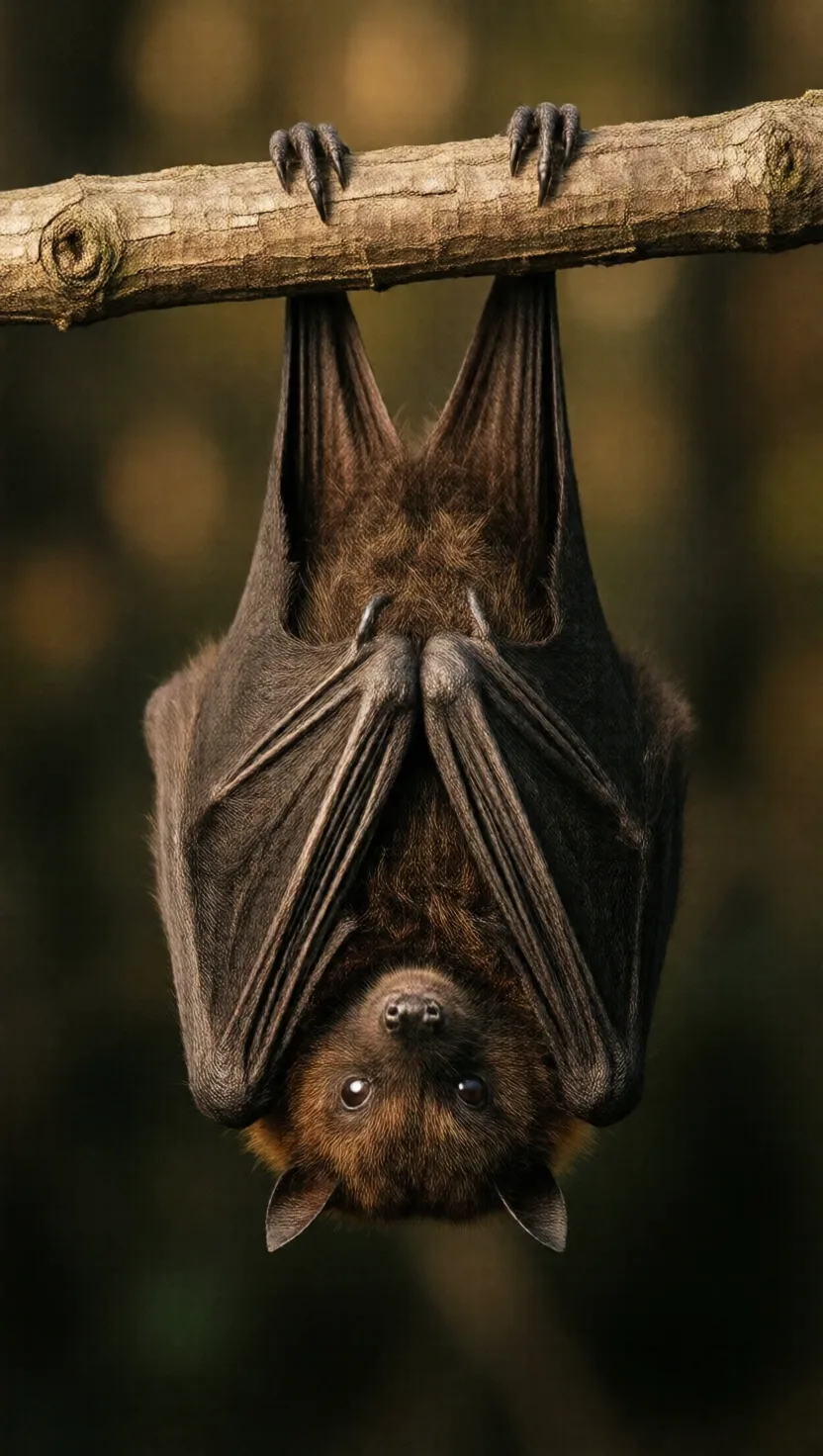
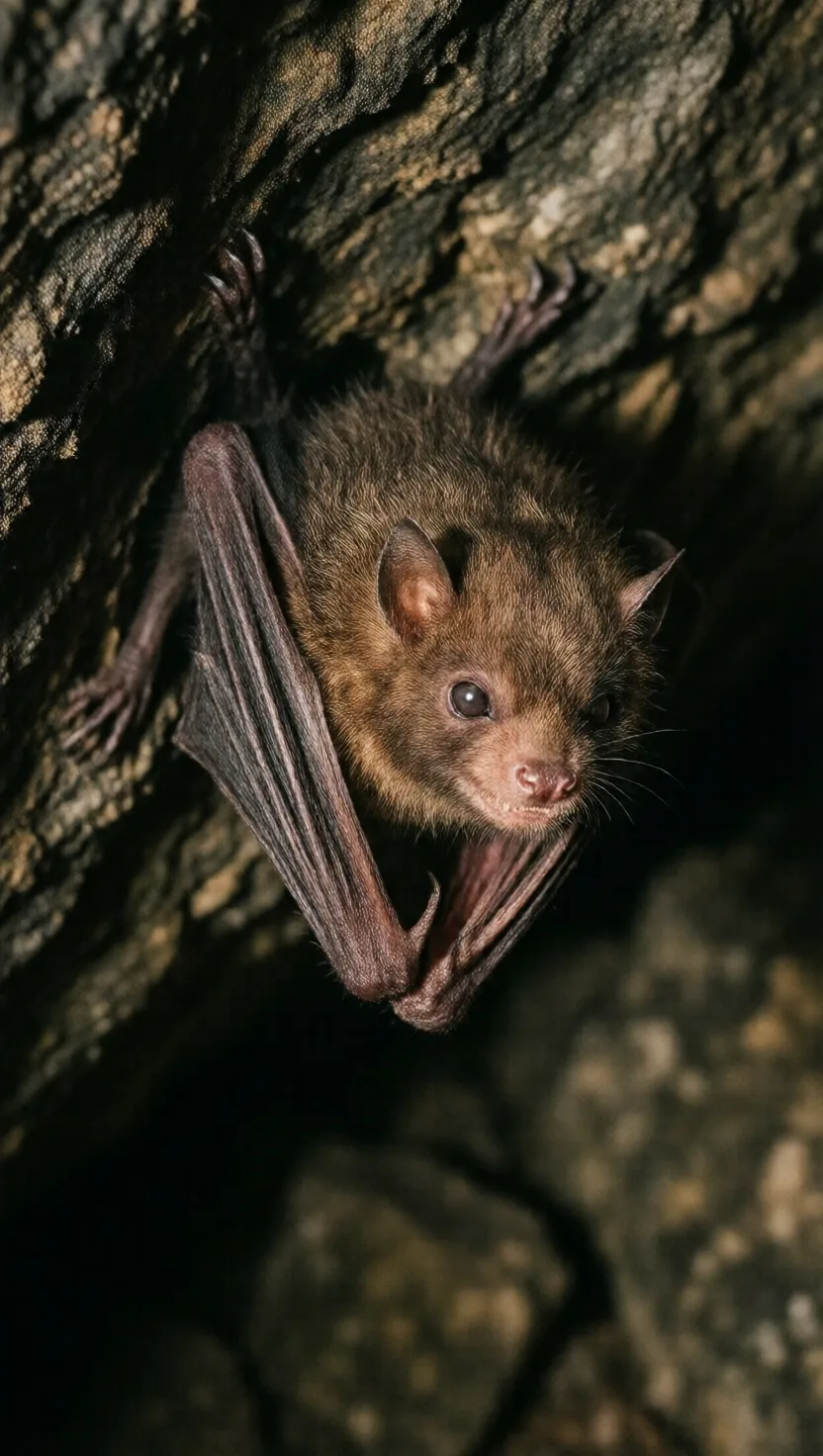
A bat hangs upside down with zero effort. The tendons running to its toe claws are arranged so the weight of its own dangling body pulls them tight and locks the claws shut, no muscle contraction needed at all. To let go it must actively flex and haul itself up to release the grip. The lock is so completely passive that a bat which dies in its roost can keep hanging there long afterward.
Cave gunpowder was mined from bat droppings

Cave gunpowder was mined from bat droppings

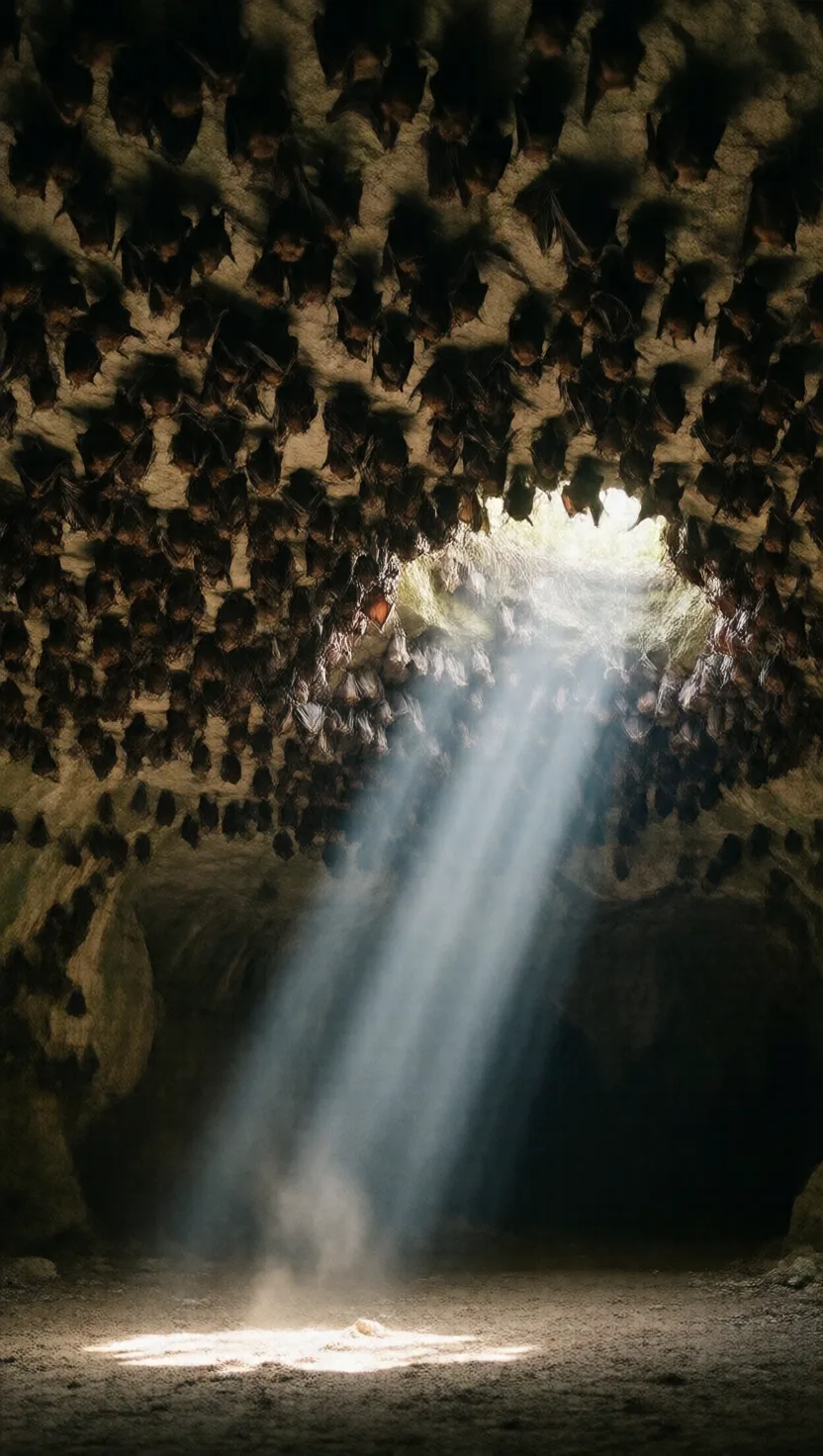
For thousands of years, bats roosting in caves rained down guano that soaked the floor with nitrates. Miners leached that earth to extract potassium nitrate, or saltpetre, the main ingredient of black gunpowder. Kentucky's Mammoth Cave was mined hard for it during the War of 1812, and in the 1860s the American Civil War South ran an entire bureau to dig saltpetre from its bat caves.
A bat flies on the skin between its fingers

A bat flies on the skin between its fingers

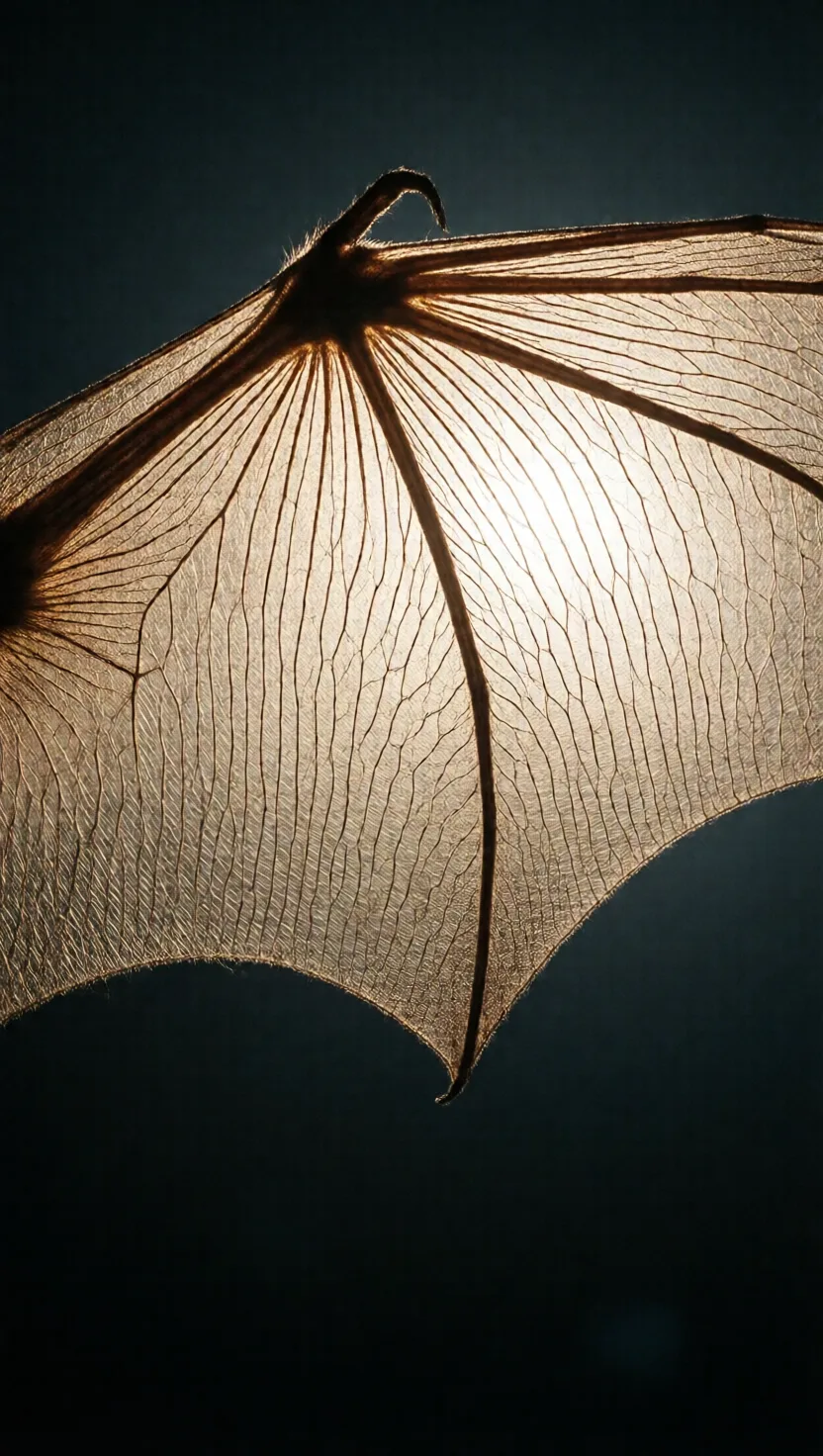
A bat's wing is its hand. The same four fingers you have are stretched into long thin rods, and a sheet of elastic skin spans between them and runs down to the legs. That is why bats are called Chiroptera, Greek for 'hand-wing.' Flexing each finger lets a bat reshape its wing in mid-air far more finely than a stiff-feathered bird, so it can twist, brake and hover after a single insect.
tap →swipe ↑ for depthswipe ↓ to exit