Eight things that make a pangolin unlike any other mammal.

DC·143 Deep Cuts
The only mammal wrapped in scales

The only mammal wrapped in scales

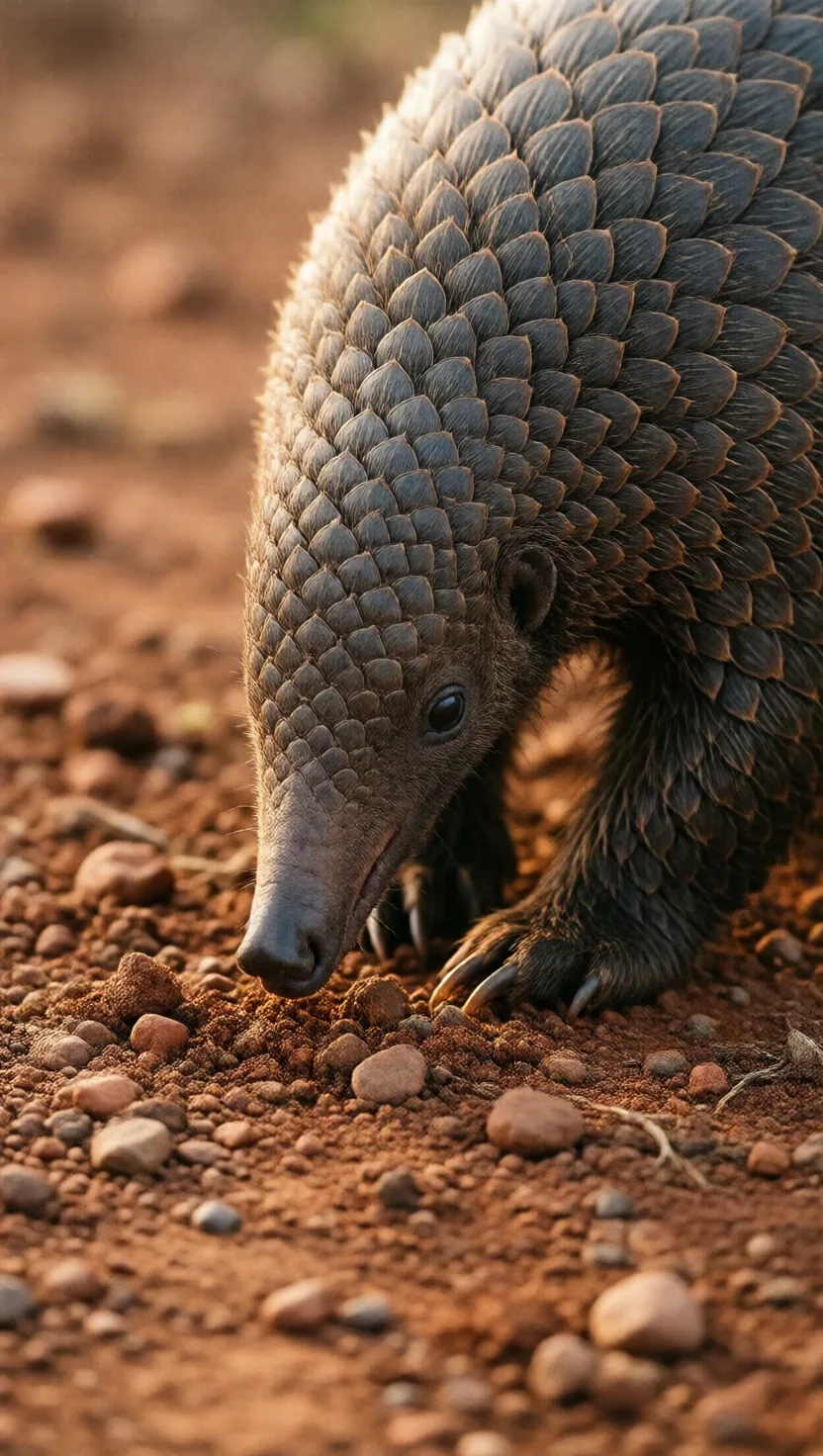
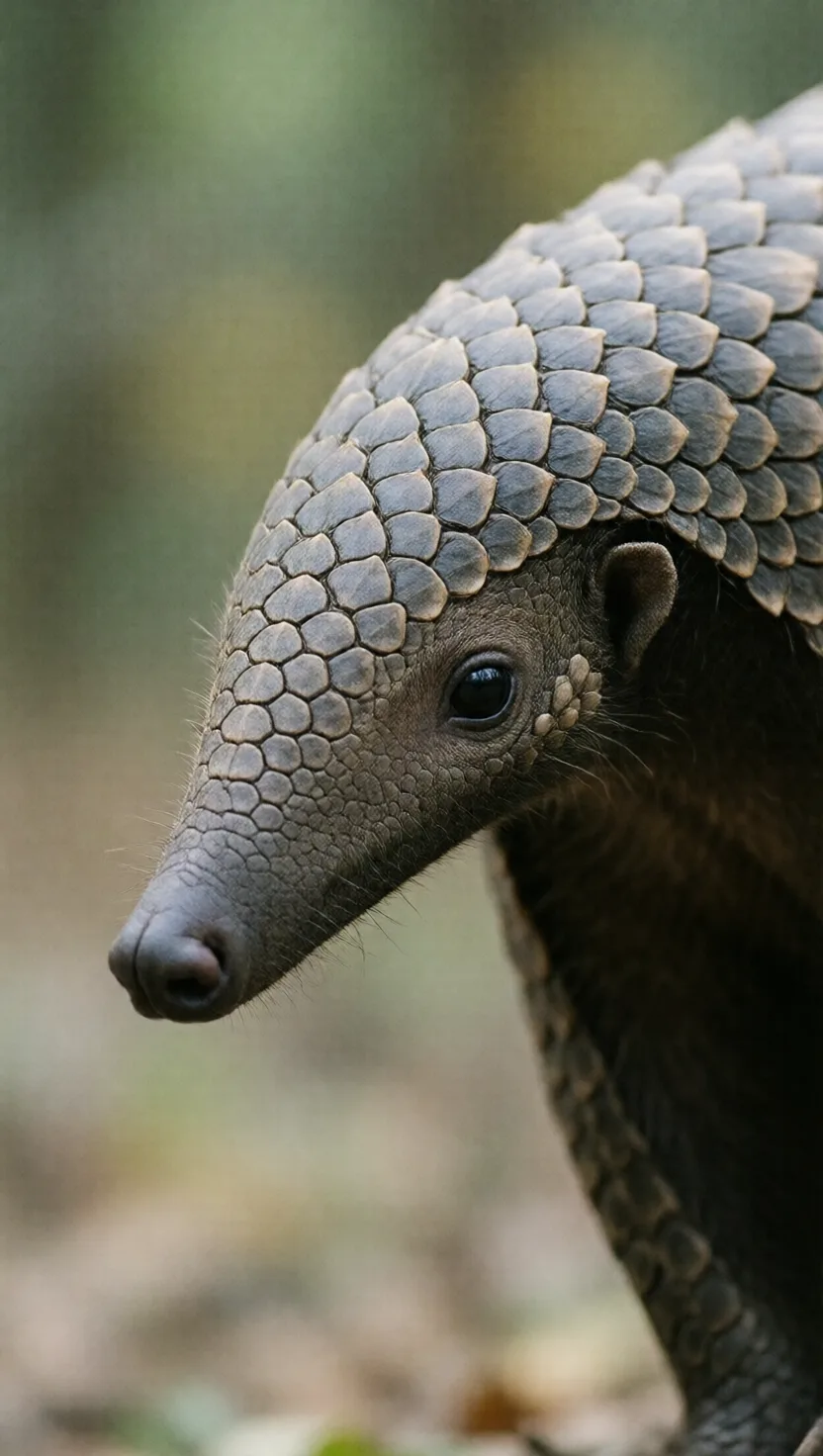
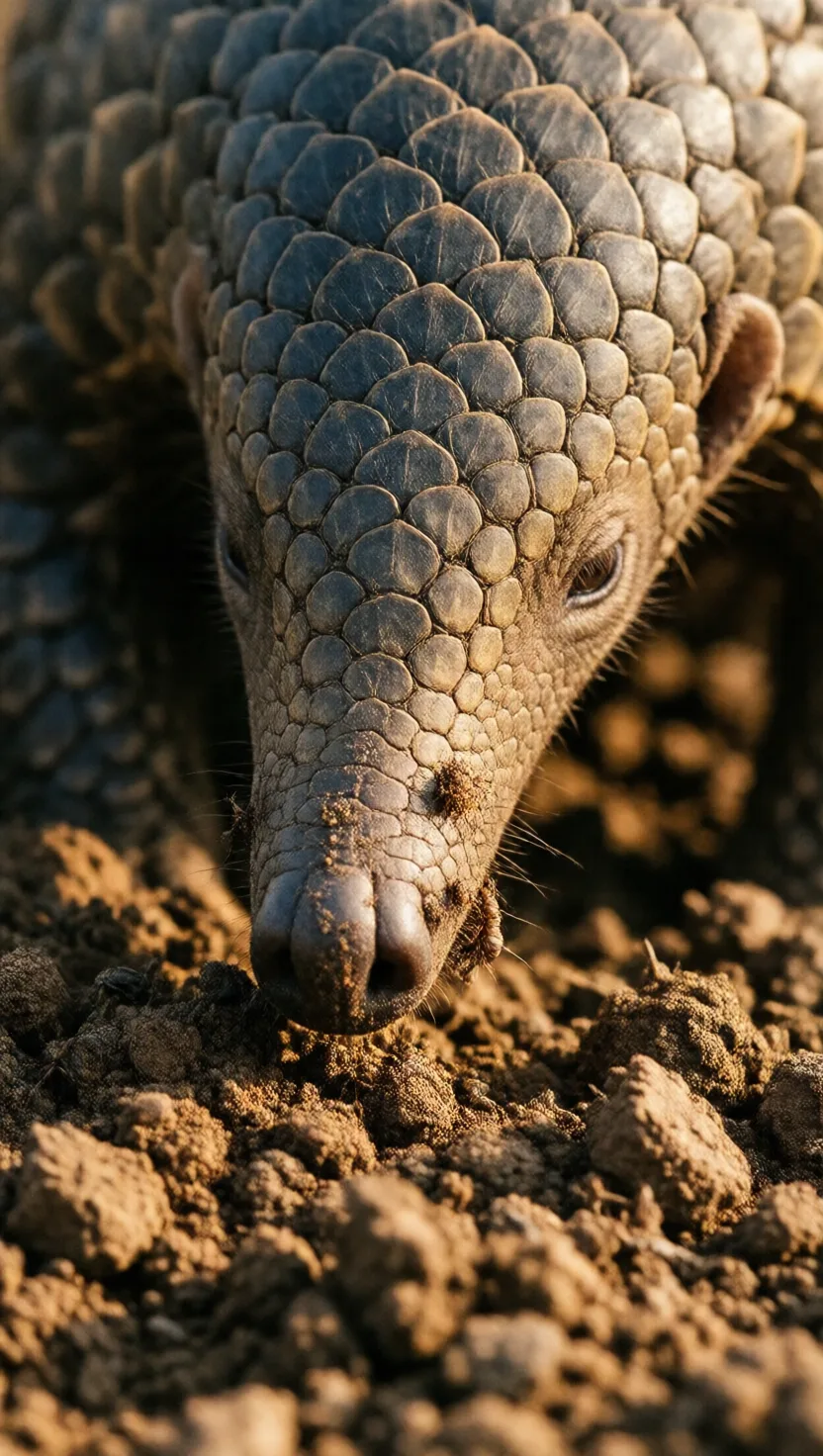
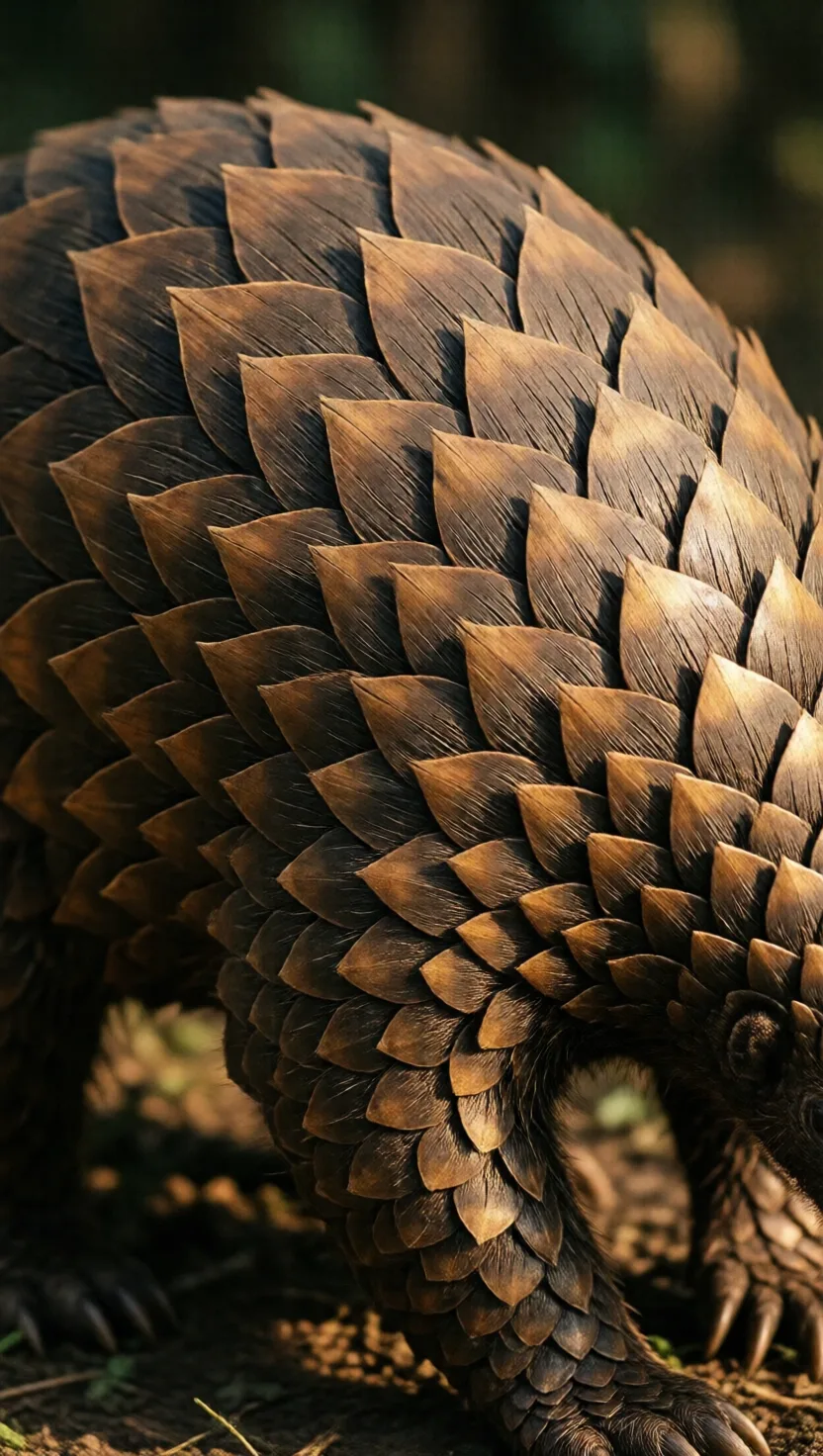
Every other scaly animal, fish, snake or lizard, does it with reptile-style skin. The pangolin is the only mammal covered in scales, and they are made of keratin, the very same protein as your fingernails and hair. Overlapping like roof tiles across its back and tail, the scales account for roughly 20 percent of the animal's entire body weight.
Its tongue is rooted near its hips

Its tongue is rooted near its hips

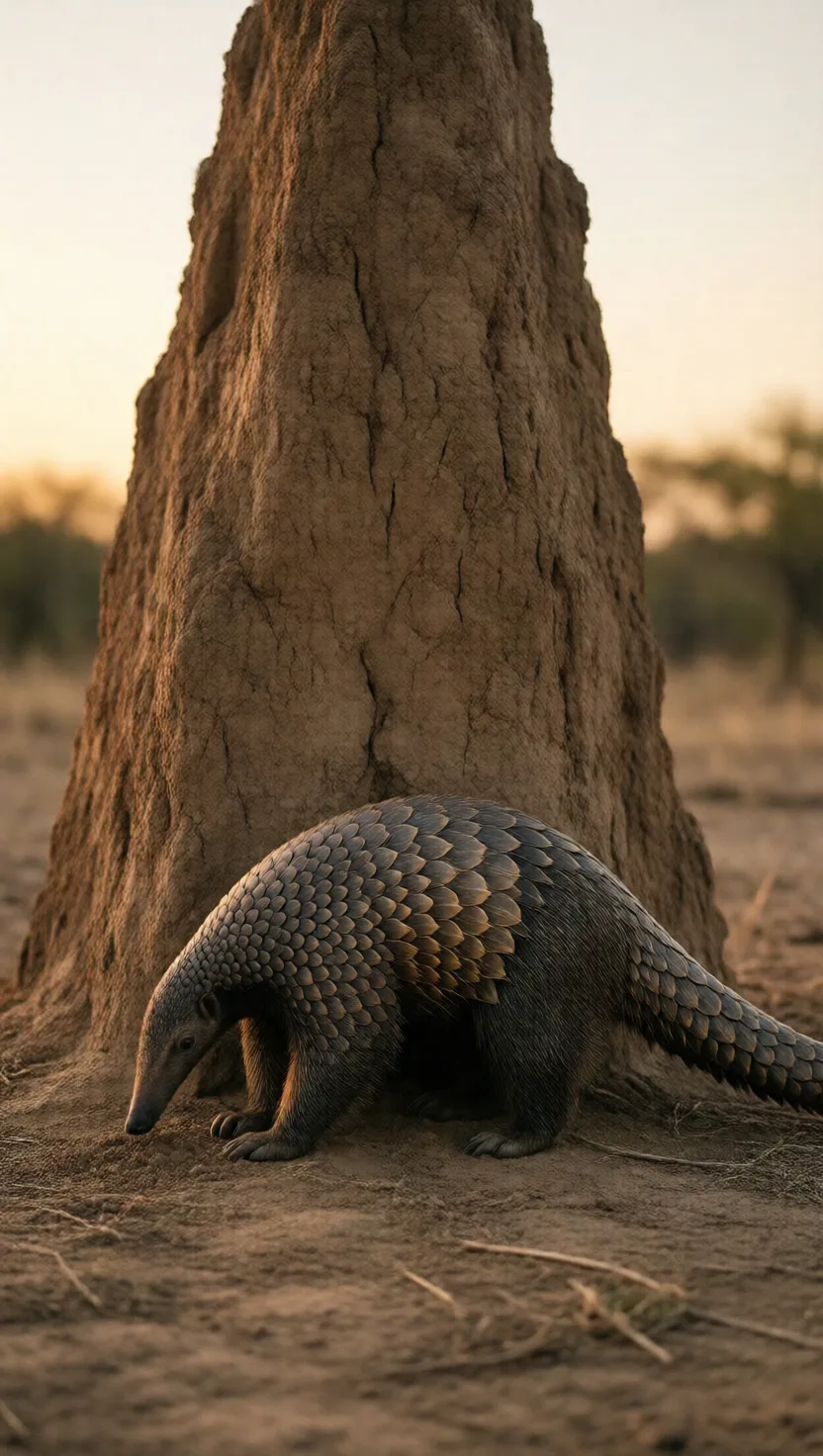
A pangolin's tongue is so long that it does not anchor in the mouth at all. Its base runs down through the chest and attaches near the pelvis and the last pair of ribs. Fully extended it can exceed 40 centimetres, longer than the animal's own head and body, and coated in sticky saliva to sweep ants and termites from deep inside their tunnels.
No teeth, so it chews with its stomach

No teeth, so it chews with its stomach

A pangolin has no teeth and cannot chew at all. Instead it swallows small stones, which collect in a muscular stomach lined with hard keratin spines. Working like a bird's gizzard, this chamber grinds the stones, grit and swallowed insects together into a paste. The animal does its 'chewing' deep inside, long after the meal is gone.
Looks like an anteater, kin to cats

Looks like an anteater, kin to cats

With its scales, claws and sticky tongue a pangolin looks like an armored anteater, but looks deceive. Its closest living relatives are not anteaters or armadillos at all, but the carnivores: cats, dogs, bears and seals. Pangolins split from that lineage around 70 million years ago, and their resemblance to anteaters is pure convergent evolution, two unrelated animals shaped alike by the same ant-eating life.
Its name means 'the one who rolls up'

Its name means 'the one who rolls up'

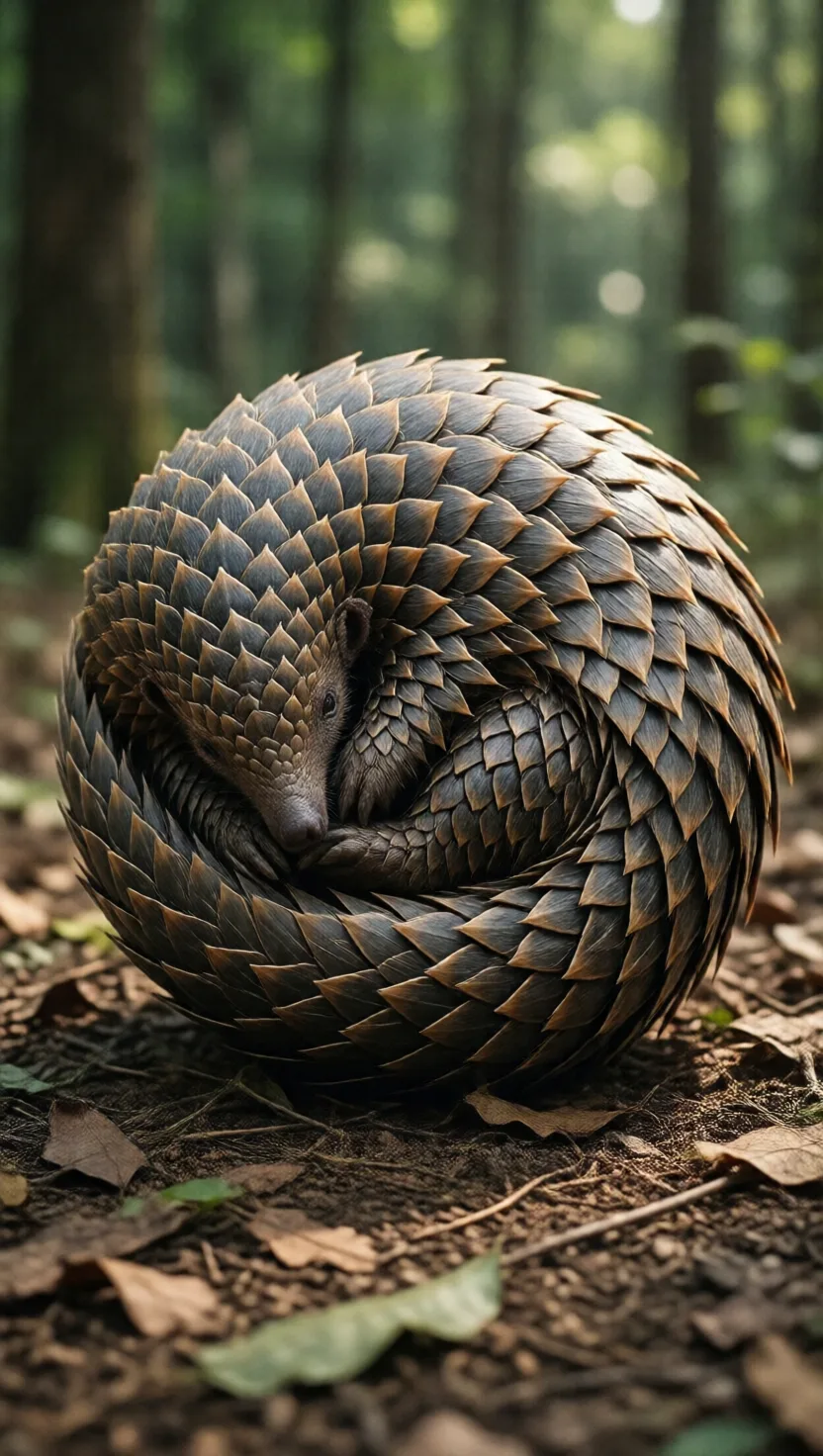
Threatened, a pangolin tucks its face under its tail and curls into a tight, near-perfect ball, overlapping scales bristling outward like armored blades, so secure that even a lion usually gives up. The name comes from the Malay word 'pengguling,' meaning 'one who rolls up.' The same defense that foils big cats, sadly, makes it trivially easy for a human to simply pick up.
The world's most trafficked wild mammal

The world's most trafficked wild mammal

There are eight species of pangolin, four in Asia and four in Africa, and all are sliding toward extinction. They are the most trafficked wild mammals on Earth, hunted for their meat and their keratin scales. By some estimates more than a million were taken from the wild in a single decade, a rate of roughly one pangolin poached every few minutes.
It can lock its nose and ears shut

It can lock its nose and ears shut

Plunging its snout into a seething ant or termite nest, a pangolin needs to keep the defenders out. Special muscles let it seal its nostrils and close its ears against biting insects while it feeds, its thick eyelids and sticky tongue doing the rest. An adult pangolin can eat more than 70 million ants and termites in a single year.
It walks upright to save its claws

It walks upright to save its claws

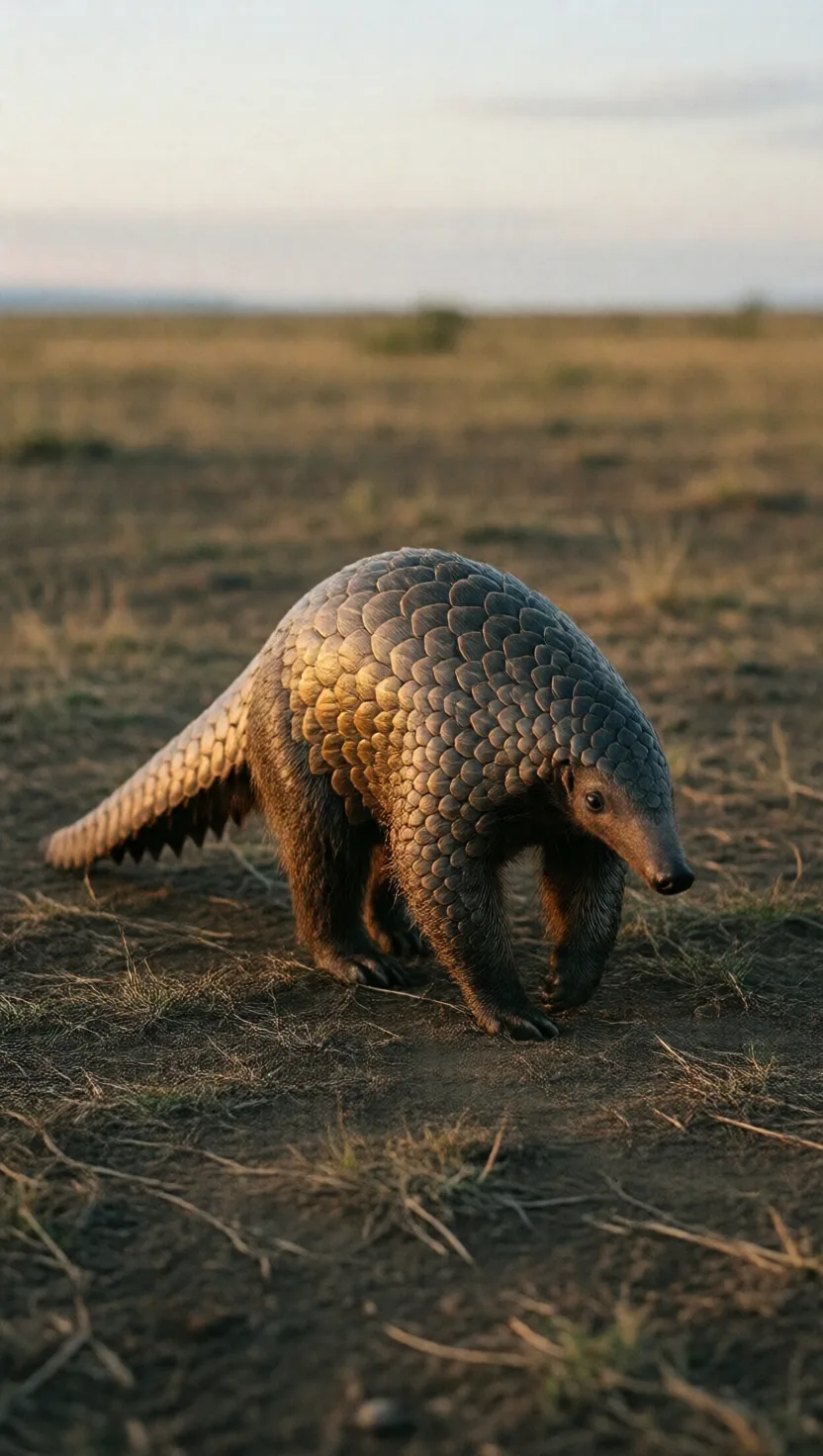
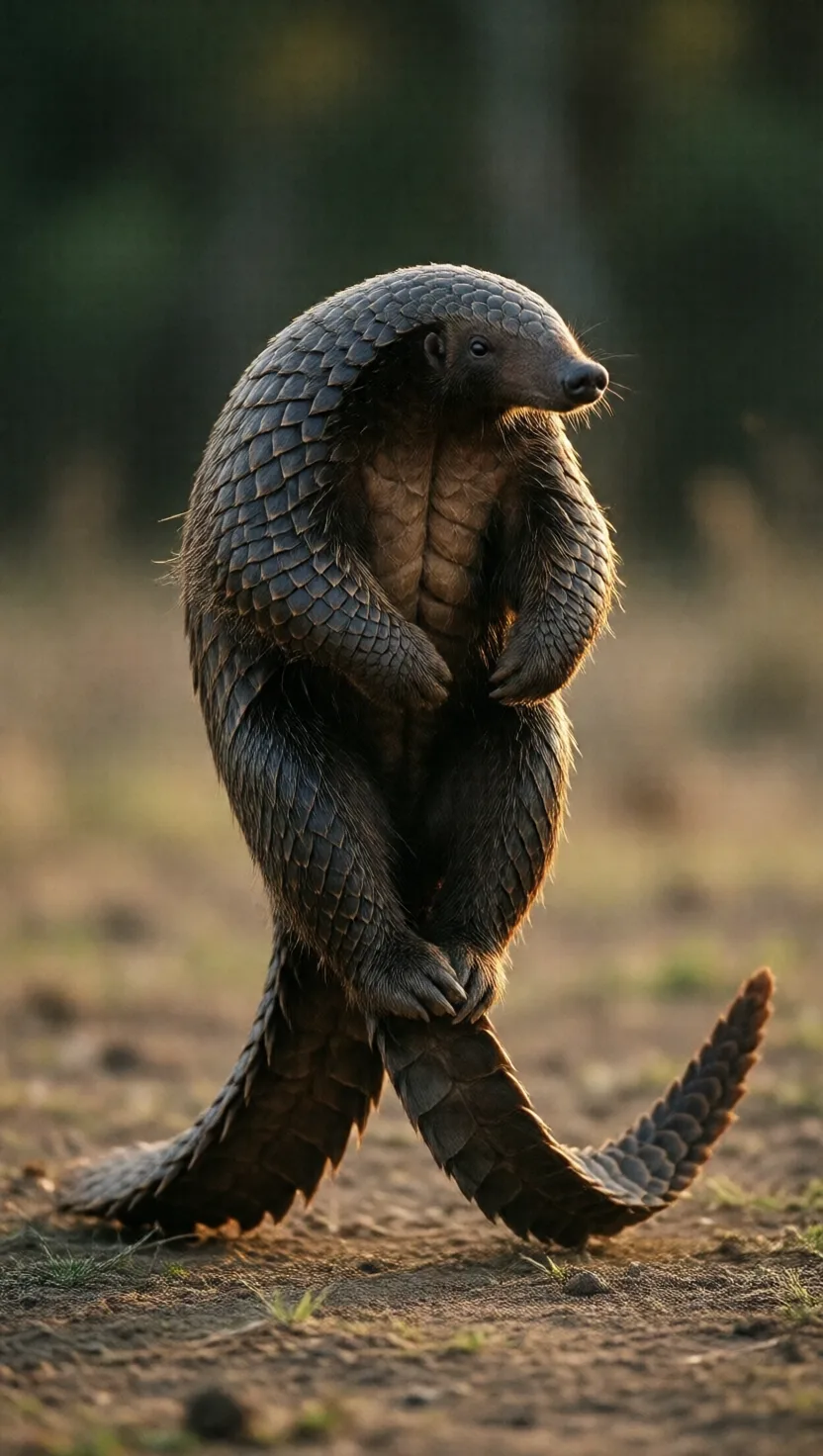
A pangolin's front claws are precision digging tools, curved and powerful for tearing open ant nests, too valuable to wear down on the ground. So it often rises onto its hind legs and walks upright, front limbs and tail held out for balance, or curls the claws under and shuffles on its knuckles. Either way the digging edges never touch the dirt.
tap →swipe ↑ for depthswipe ↓ to exit