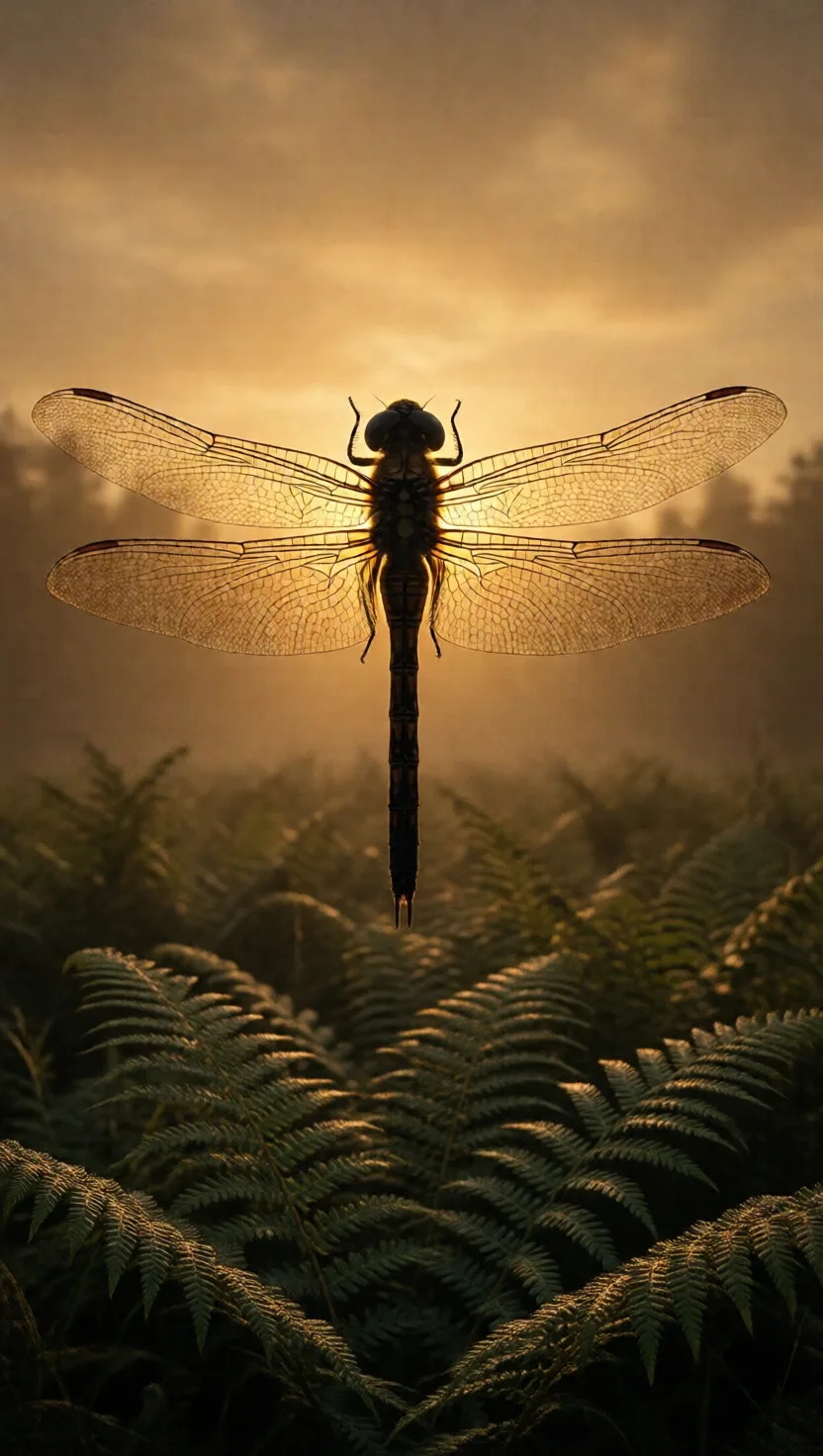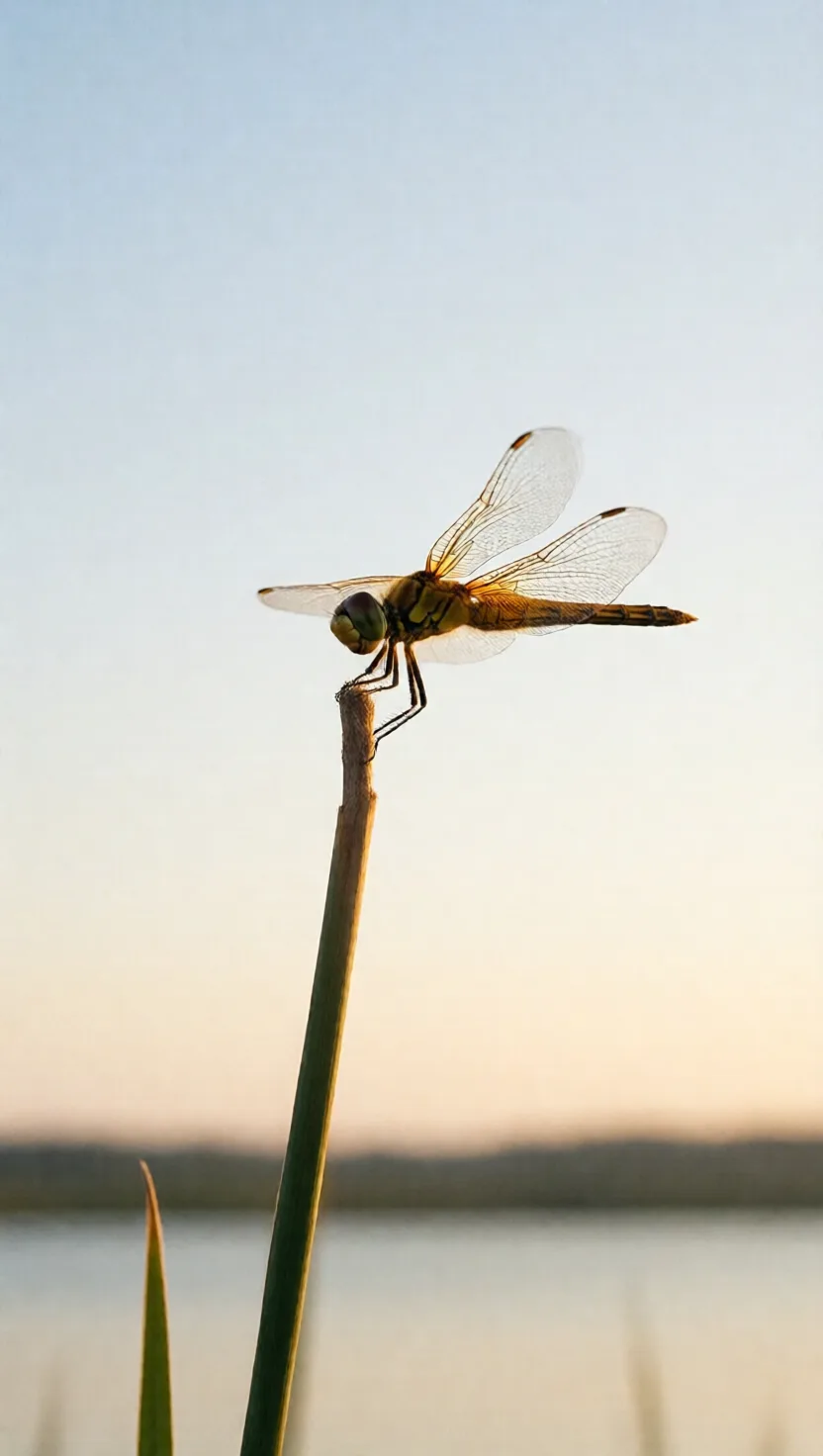
Eight things hidden in a dragonfly's life.

DC·142 Deep Cuts
This insect crosses an ocean to breed

This insect crosses an ocean to breed

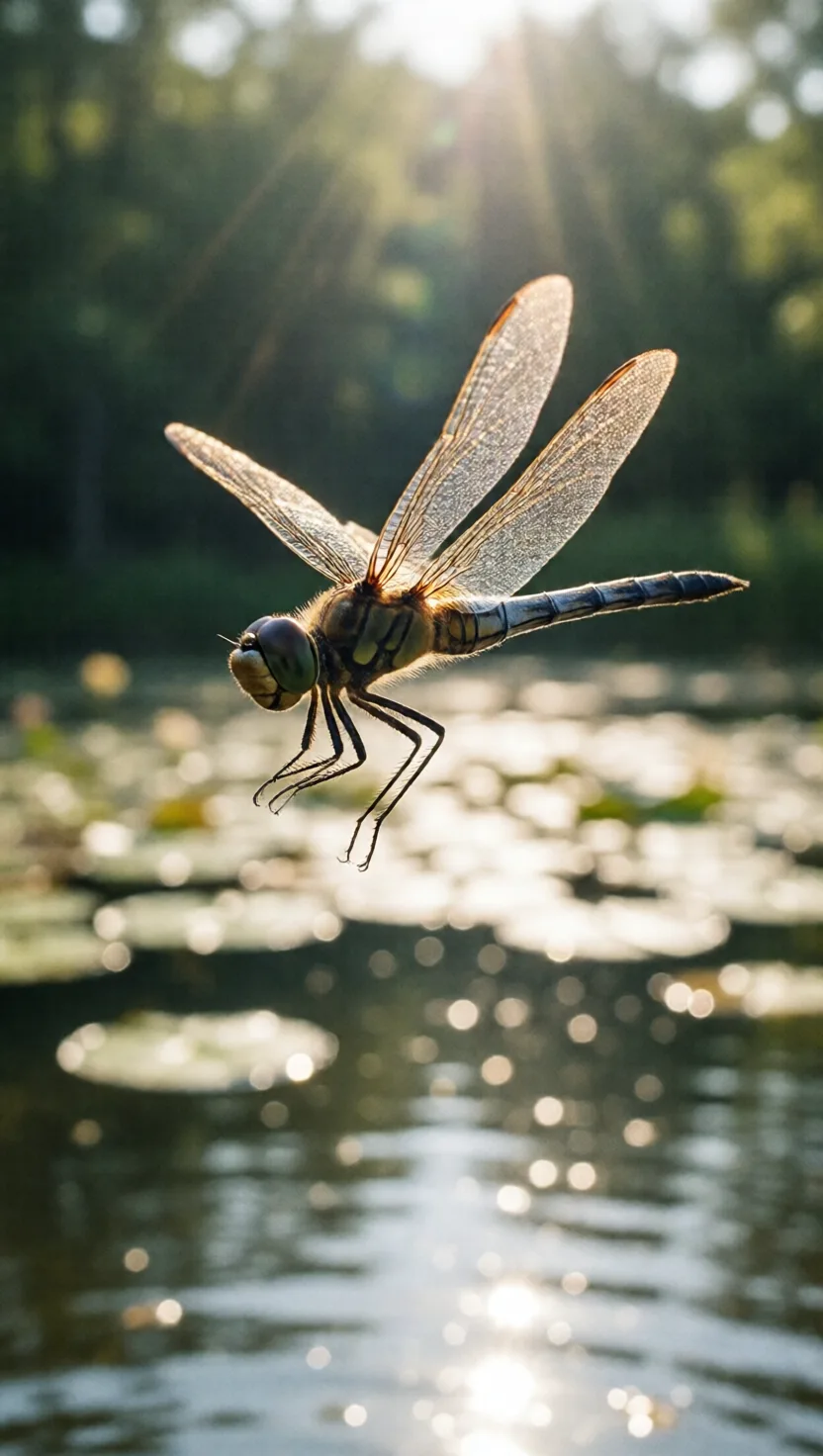
The globe skimmer is a small dragonfly that makes the longest migration of any insect, an annual multigenerational loop of roughly 18,000 kilometres, including a nonstop leg from India across the open Indian Ocean to East Africa. Riding high-altitude monsoon winds, a single dragonfly may cover more than 2,500 km of empty sea, over 50 million of its own body lengths, with nowhere to land.
One brain cell locks onto one target

One brain cell locks onto one target

Hunting in a swarm, a dragonfly must fix on a single prey insect and ignore the rest, a feat of selective attention once thought to need a large brain. Researchers found a single neuron, called CSTMD1, that 'locks on' to one chosen target and suppresses all the distracting movement around it, even switching targets mid-chase. It is attention, the spotlight of the mind, running on one cell.
It catches prey 19 times out of 20

It catches prey 19 times out of 20

Lions miss far more hunts than they win, and most predators catch prey perhaps a quarter of the time. A dragonfly succeeds on about 95 percent of its attempts, intercepting flying insects in mid-air by calculating where the target will be, not where it is. It is so capable that, in tests, a dragonfly missing an entire wing could still bring down its prey.
Its young breathes through its rear, and jets

Its young breathes through its rear, and jets

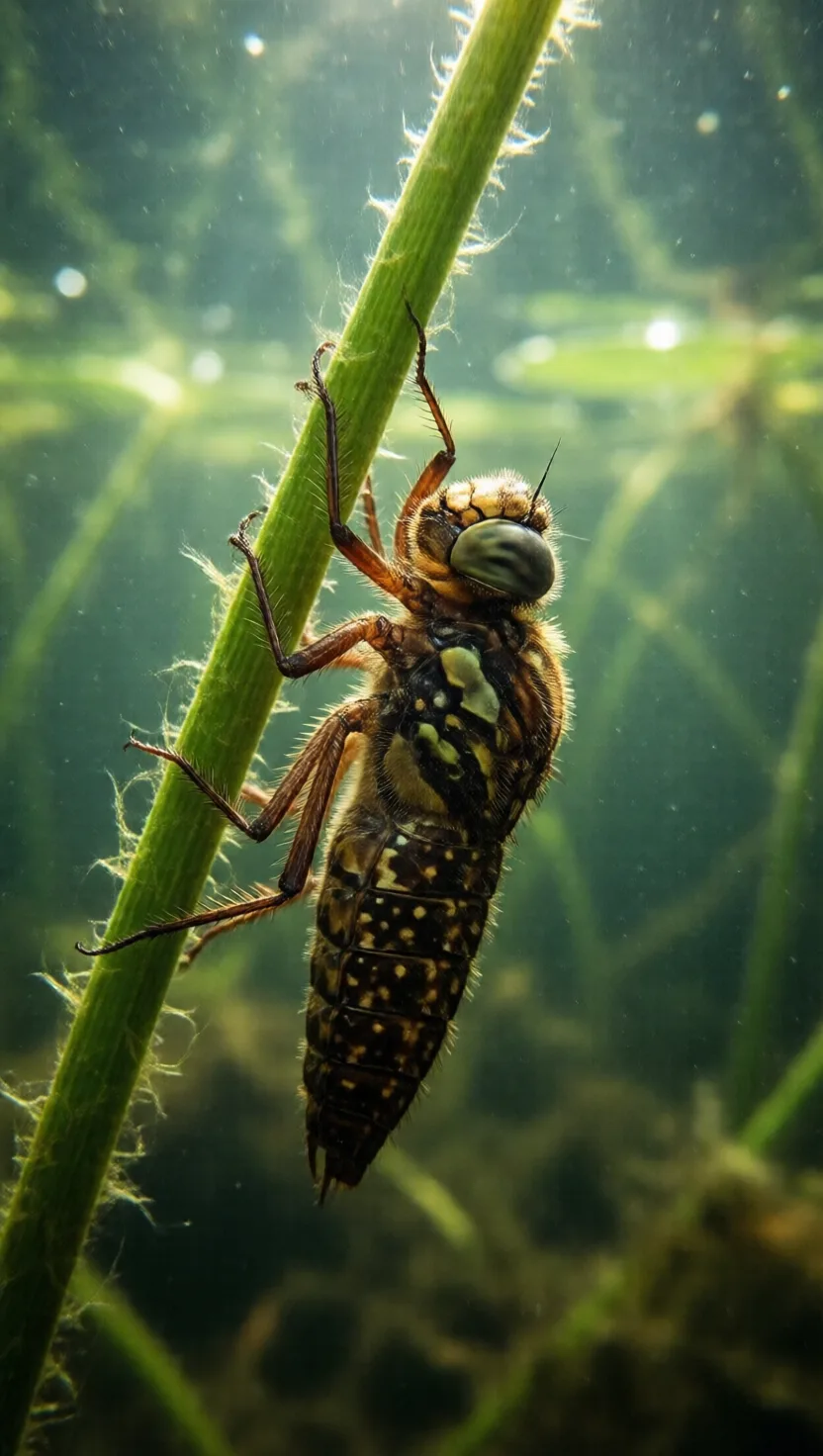
Before it ever flies, a dragonfly spends most of its life underwater as a nymph, breathing through gills lining the inside of its rectum. By drawing water in and forcefully expelling it, the nymph also rockets itself forward, jet propulsion to escape danger or close on prey. No other insect breathes and swims quite this way.
Its young fires out a folding jaw to feed

Its young fires out a folding jaw to feed

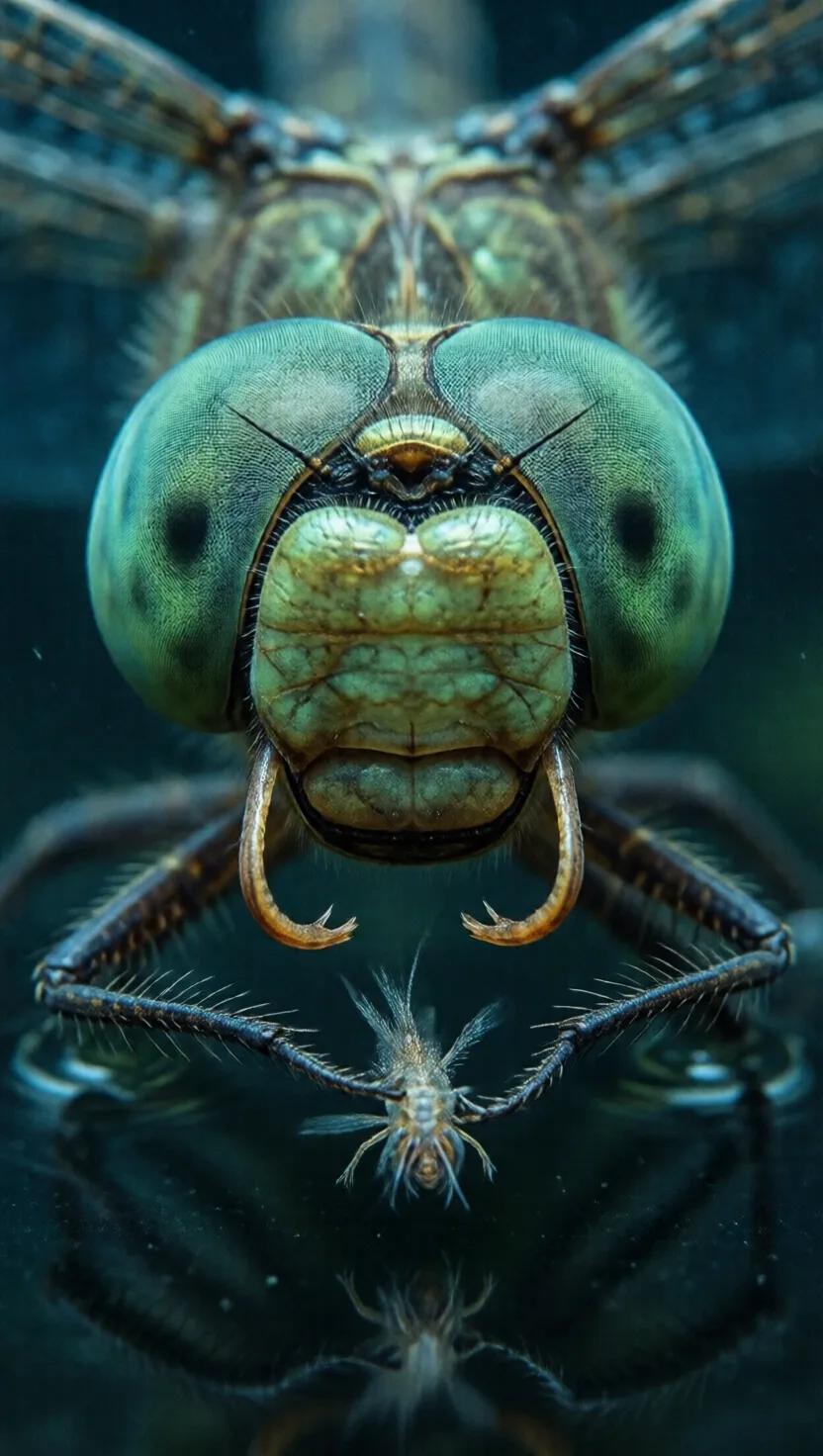
The dragonfly nymph hunts with a built-in harpoon: a hinged lower lip called the labium, normally folded under the face like a mask. Driven by a sudden surge of internal fluid pressure, it shoots forward to seize prey in as little as 20 to 60 milliseconds, faster than the eye can follow, then folds the catch back to the mouth.
It may see in up to 30 color channels

It may see in up to 30 color channels

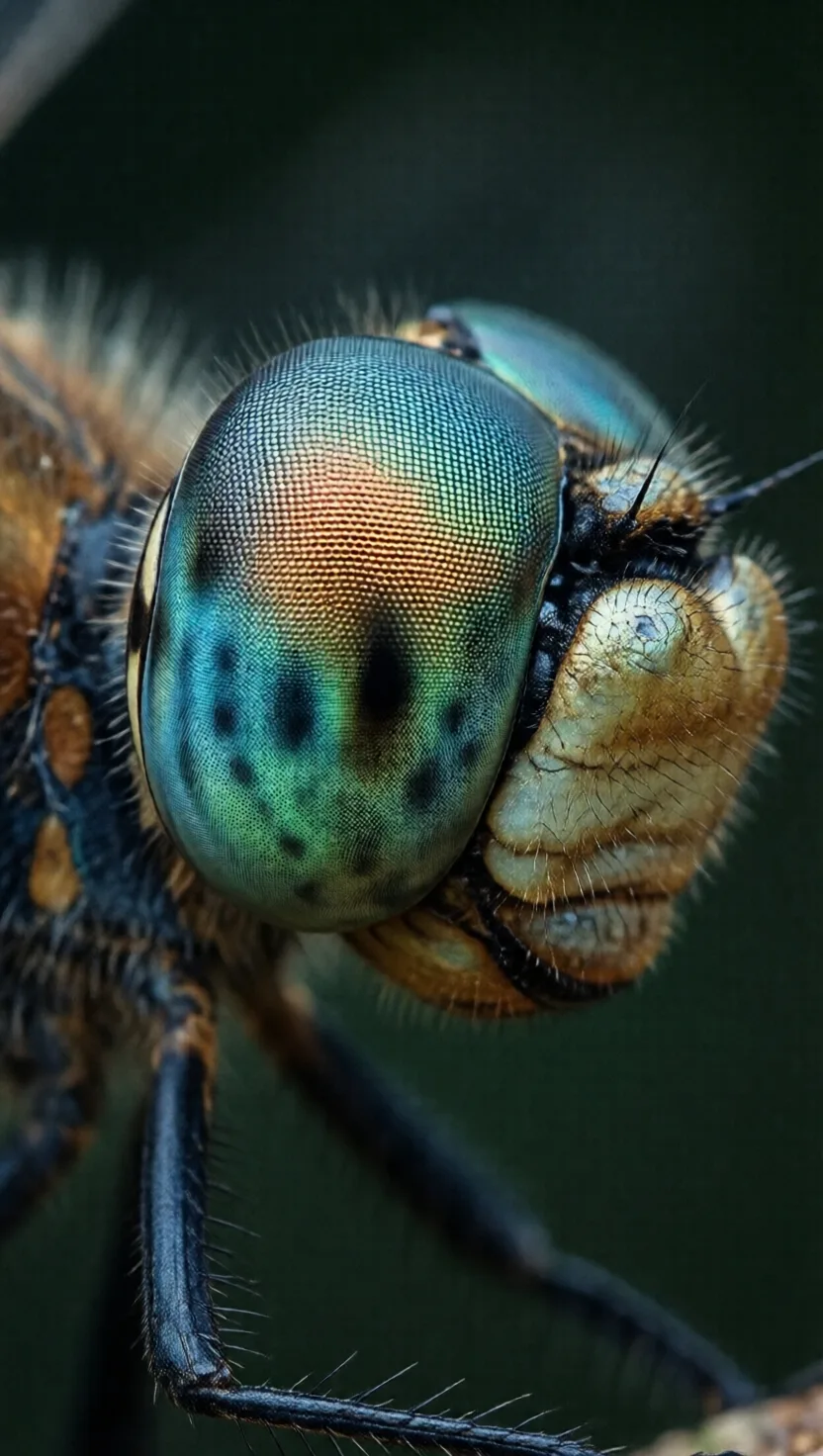
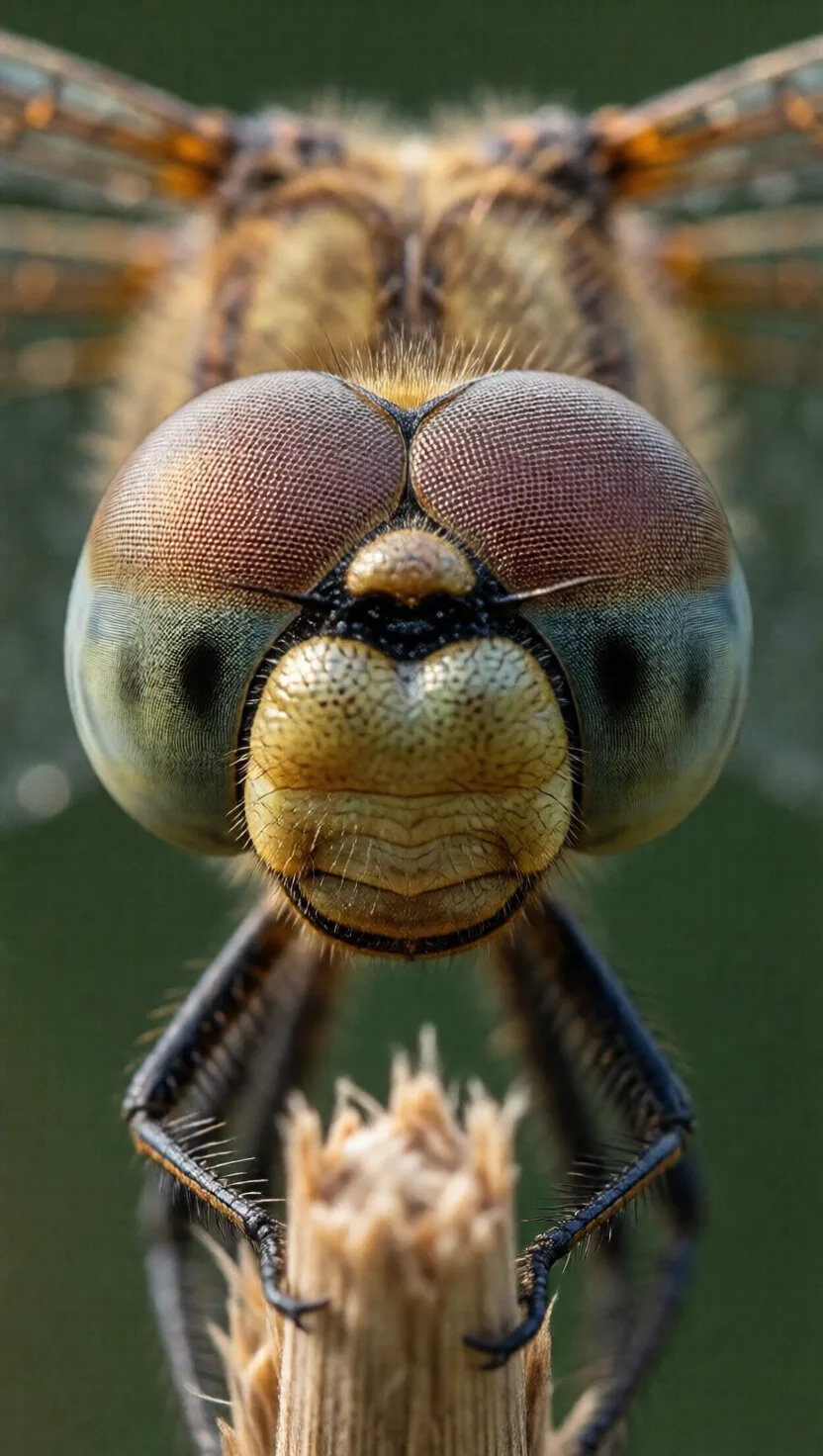
Human color vision runs on three light-sensing opsin proteins, for red, green and blue. Dragonflies have been found to carry between 15 and 33 different opsin genes, far more than any other animal studied, with different sets switched on in the upper and lower halves of the eye and between larva and adult. The sky above and the water below are each seen in their own private palette.
Its ancestors had two-foot wingspans

Its ancestors had two-foot wingspans

Around 285 million years ago the skies held dragonfly relatives the size of hawks. Meganeuropsis, the largest insect ever known, spanned about 71 centimetres from wingtip to wingtip. It could grow so large because the air then held 30 to 35 percent oxygen, against 21 percent today, and insects, which breathe through tiny tubes in the body wall rather than lungs, can only reach giant size when the air is that rich.
Years underwater for weeks in the air

Years underwater for weeks in the air

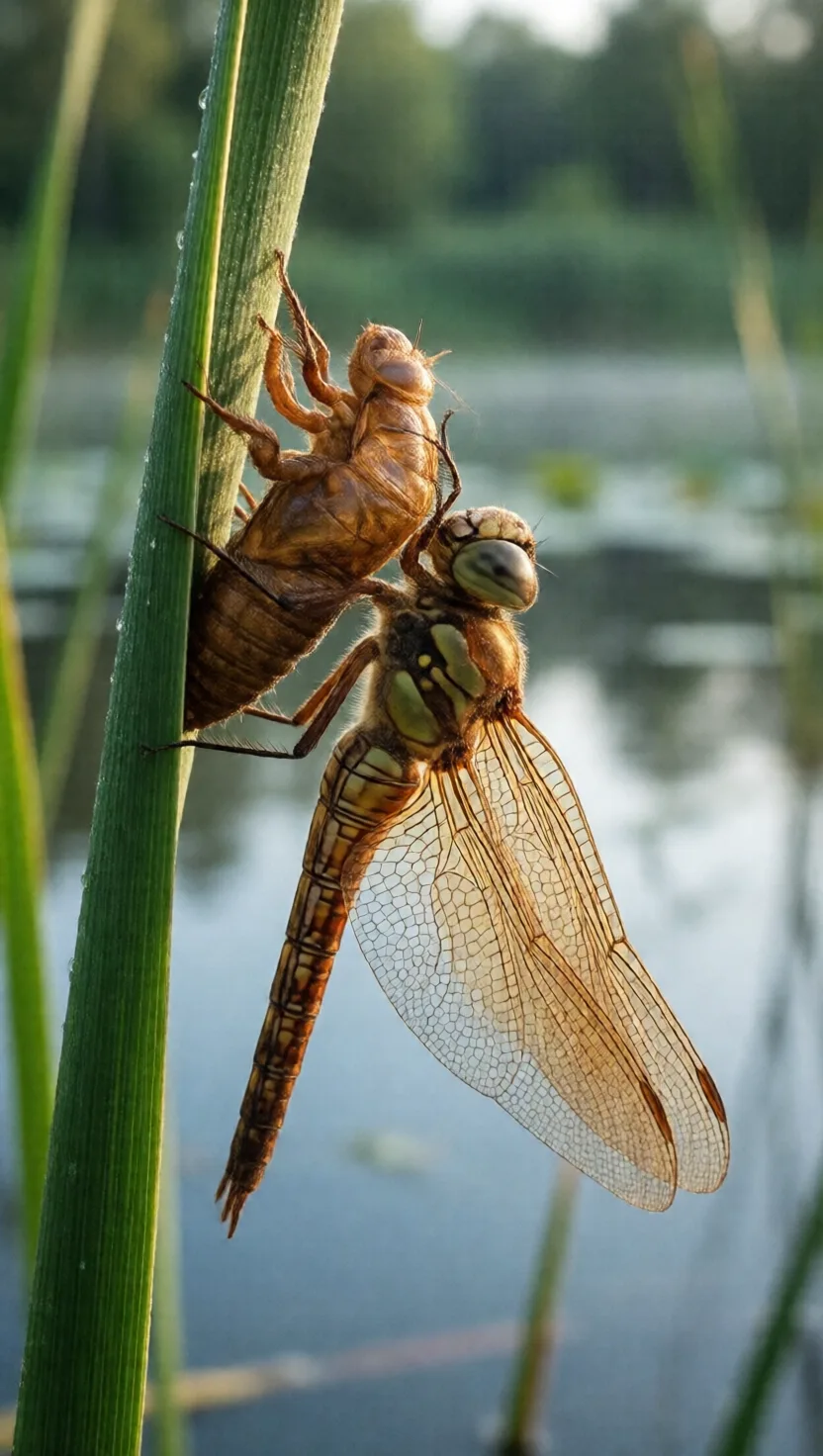
The brilliant flying adult is the brief final chapter. A dragonfly may live as an aquatic nymph for anywhere from a few months to as long as five to eight years depending on species, hunting underwater the whole time. When it finally climbs out, splits its skin and takes wing, the adult often has only a few weeks to live, most of its life already spent below the surface.
tap →swipe ↑ for depthswipe ↓ to exit